
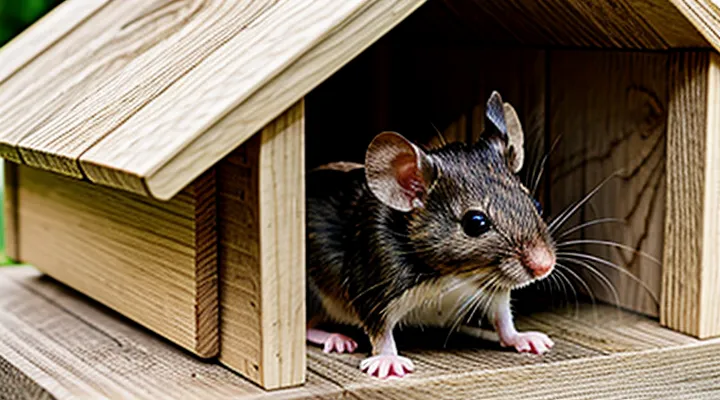
Understanding the Mouse Problem in Wooden Houses
Why Wooden Houses Are Attractive to Mice
Food Sources
Food sources are the primary incentive for mice to enter a wooden dwelling. Eliminating accessible nourishment deprives rodents of the reason to remain, making exclusion measures far more effective.
Identify and secure all potential supplies. Examine pantry shelves, cabinets, and drawers for crumbs, spilled grains, or pet food. Store dry goods in airtight containers made of metal or heavy‑wall plastic. Transfer pet feed to sealed bins and remove bowls after each use.
Maintain a clean environment. Sweep floors and vacuum corners daily to remove residual particles. Wipe countertops, tables, and appliance exteriors with a detergent solution. Dispose of waste in bins equipped with tight‑fitting lids and empty them regularly.
Implement the following actions to eradicate food attractants:
- Seal gaps around doors, windows, and utility penetrations to prevent rodents from entering with food parcels.
- Install metal or glass shelving in storage areas; wood and cardboard can be gnawed and hide food residues.
- Relocate outdoor garbage bins at least three meters from the house and use reinforced lids.
- Eliminate standing water sources, as moisture often accompanies food sources and encourages mouse activity.
By removing every viable food source, the house becomes inhospitable to mice, supporting long‑term eradication and preventing re‑infestation.
Shelter and Entry Points
Mice are attracted to the interior of a wooden residence because the structure offers warm, dry cavities for nesting and easy access to stored food. These habitats include wall voids, roof insulation, floor joists, and any concealed spaces behind cabinetry. Once a colony establishes a nest, the population can expand rapidly, increasing the risk of contamination and structural damage.
Identifying and eliminating entry points is essential for lasting control. Common openings in a private wooden house are:
- Gaps around foundation vents, utility penetrations, and crawl‑space doors larger than ¼ inch.
- Cracks in siding, soffits, and eaves where exterior cladding meets the frame.
- Unsealed openings around pipes, cables, and ductwork that pass through walls or floors.
- Unfinished attic access, such as roof hatches or loose insulation panels.
- Damaged or missing weatherstripping on doors and windows.
To secure these vulnerabilities:
- Inspect the exterior envelope with a flashlight, focusing on seams, joints, and any signs of gnawing.
- Apply steel wool or copper mesh to small gaps, then seal with high‑quality caulk or expanding foam.
- Install metal flashing or hardware cloth (¼‑inch mesh) over larger openings before closing with wood or cement.
- Replace deteriorated siding or roofing material, ensuring a tight fit around all fasteners.
- Fit self‑closing doors on crawl‑space entries and use heavy‑duty latch hardware on exterior doors.
By removing shelter opportunities inside the structure and rigorously sealing all potential ingress routes, the environment becomes inhospitable to rodents, preventing re‑infestation and supporting permanent removal.
Ideal Breeding Conditions
Mice thrive when four environmental factors align: abundant food, reliable water, secure shelter, and optimal temperature. In a wooden dwelling, these elements often coexist unnoticed, creating a breeding hotspot that sustains infestation.
Food availability drives reproduction. Crumbs, pet kibble, stored grains, and unsecured pantry items supply continuous calories. Even occasional kitchen waste can support multiple litters per year.
Water access accelerates growth cycles. Leaky pipes, dripping faucets, or condensation on walls provide the moisture mice need for nursing and hydration. Eliminating drips and storing water in sealed containers removes this incentive.
Shelter is furnished by structural gaps. Unfilled cracks, gaps around window frames, and openings at the roof‑eave junction offer nesting sites protected from predators and weather. Wood’s natural cavities further enhance concealment, allowing females to raise young undisturbed.
Temperature influences gestation speed. Warm indoor climates, typically between 68–78 °F (20–26 °C), shorten the reproductive interval, enabling up to ten generations annually. Maintaining cooler interior zones, especially in attics and crawl spaces, slows development.
To disrupt ideal breeding conditions, address each factor systematically:
- Seal all exterior and interior cracks with steel‑wool‑filled caulk or metal flashing.
- Store food in airtight containers; clean crumbs and spills promptly.
- Repair leaks, install drip‑free fixtures, and remove standing water sources.
- Reduce indoor temperature in vulnerable areas by improving ventilation or adding insulation.
Removing these favorable conditions directly limits mouse reproduction, contributing to a lasting solution for rodent control in a private wooden residence.
Comprehensive Strategies for Mouse Removal
Inspection and Identification
Locating Entry Points
Locating the points where mice gain access is the first decisive action in eliminating a rodent problem from a wooden residence. Identifying every opening prevents the need for repeated treatments and reduces the risk of re‑infestation.
Inspect the building’s exterior thoroughly. Pay attention to the following areas:
- Gaps around foundation vents, utility penetrations, and crawl‑space doors; any opening larger than ¼ inch can admit a mouse.
- Cracks in siding, stucco, or weather‑boarding; mice exploit even hairline splits.
- Openings around roof eaves, soffits, and vent pipes; ensure flashing and sealants are intact.
- Unsealed gaps where pipes, cables, or ducts enter the structure; use steel wool or copper mesh before applying caulk.
Examine the interior for signs that reveal entry routes:
- Fresh gnaw marks on wood, insulation, or plastic near walls and baseboards.
- Concentrations of droppings in corners, cupboards, or under appliances.
- Accumulated nesting material such as shredded paper or fabric in hidden spaces.
- Small holes in drywall, floorboards, or storage closets, especially near food sources.
Employ practical tools to enhance detection:
- High‑intensity flashlight to reveal dark crevices.
- Flexible inspection mirror for behind appliances and under cabinets.
- Infrared camera or motion sensor for nocturnal activity.
- Acoustic detector to pick up squeaks or scurrying in concealed areas.
Record each discovered opening, measure its size, and prioritize sealing based on the likelihood of use. Apply appropriate materials—steel wool, copper mesh, expanding foam, or cement—to block passages permanently. Verify the repair by re‑inspecting the site after the sealant has cured, ensuring no new gaps have formed.
Completing a systematic audit of entry points establishes a solid barrier, making subsequent control measures far more effective and sustainable.
Identifying Mouse Activity Signs
Identifying mouse activity is the first step toward eradicating rodents from a wooden residence. Recognizing concrete evidence allows targeted interventions, reduces unnecessary chemical use, and prevents re‑infestation.
Typical indicators include:
- Small, dark droppings, usually found along walls, behind appliances, or in pantry corners.
- Gnawed wood, plastic, or wiring, often appearing as crescent‑shaped bite marks.
- Nests constructed from shredded paper, fabric, or insulation, typically hidden in concealed spaces such as attics, crawl spaces, or wall voids.
- Visible tracks or smudge marks on dusty surfaces, revealing routes of movement.
- Scratching or scurrying sounds within walls, ceilings, or floor cavities, especially at night.
- Unexplained food residue, shredded packaging, or contaminated pantry items.
Each sign points to specific locations where mice travel or reside. Concentrate droppings and gnaw marks to locate primary pathways; nests indicate breeding sites; tracks reveal hidden routes. Correlating these clues with structural features—e.g., gaps around vent pipes, damaged siding, or unscreened openings—pinpoints entry points that require sealing.
Systematic documentation of findings, followed by immediate sealing of identified breaches and placement of targeted traps or bait stations, creates a sustainable barrier against future incursions.
Assessing Infestation Level
Assessing the severity of a mouse problem is the first step toward permanent eradication in a wooden residence. Begin with a systematic visual inspection: look for droppings, gnaw marks, shredded insulation, and nesting material in attics, crawl spaces, and wall cavities. Count droppings in a defined area (e.g., 10 cm × 10 cm); more than 20 indicates a moderate to heavy infestation. Examine entry points such as gaps around pipes, vents, and foundation cracks; each opening larger than 6 mm may serve as a conduit for new rodents.
Complement visual data with activity monitoring. Place non-toxic tracking powder or sticky boards along known pathways for 24‑48 hours. Record the number of footprints or captured individuals. A single track per board suggests low activity; multiple tracks across several boards signal an escalating population. Conduct the survey during evening hours when mice are most active to obtain accurate results.
Interpret the gathered evidence against the following thresholds:
- Low level: Minimal droppings, isolated gnaw marks, ≤ 5 footprints, no visible nests.
- Moderate level: Frequent droppings, several gnaw sites, 6‑15 footprints, small nest clusters.
- High level: Abundant droppings, extensive gnaw damage, > 15 footprints, large or multiple nests.
Document findings in a concise table, noting location, evidence type, and count. This baseline enables targeted interventions and measurable progress toward complete removal.
Immediate Control Measures
Trapping Techniques
Effective rodent control in a wooden dwelling relies on precise trapping methods. Select traps that match the infestation level and the homeowner’s tolerance for lethal or humane solutions.
- Snap traps: steel bar, quick‑kill mechanism; place perpendicular to walls where mice travel, bait with high‑fat items such as peanut butter or bacon.
- Live‑catch traps: mesh cage with a single entry point; use the same baits; check traps every few hours to prevent stress and release captured mice at least 2 km from the property.
- Electronic traps: battery‑powered circuit delivering a lethal shock; position similarly to snap traps; monitor battery status regularly.
Placement determines success. Identify active runways by observing droppings, gnaw marks, and grease trails. Install traps at least 2 inches from the wall, with the trigger side facing the wall, ensuring mice encounter the device while moving along the edge. Space traps 6–12 inches apart in high‑traffic zones; concentrate clusters near known entry points.
Bait management enhances capture rates. Apply a thin layer of attractant to avoid spillover that can deter mice. Replace bait daily to maintain potency. Rotate bait types after a week to prevent habituation.
Maintenance includes resetting triggered traps, disposing of carcasses in sealed containers, and cleaning surfaces with disinfectant to eliminate scent cues that could encourage re‑entry.
After the population declines, seal all openings larger than 1/4 inch with steel wool, cement, or copper mesh. Inspect roof vents, foundation cracks, and utility penetrations. Continuous monitoring with a few spare traps ensures any residual mice are captured before they re‑establish.
By integrating appropriate trap selection, strategic placement, disciplined baiting, and thorough post‑capture sealing, a wooden house can achieve long‑term rodent exclusion.
Snap Traps
Snap traps provide immediate, lethal control of rodents in a wooden residence. Choose models with sturdy steel jaws and a spring mechanism calibrated for mice; plastic variants lack the force required for reliable kills. Inspect each trap for rust or damage before deployment, as compromised hardware reduces efficacy and poses safety hazards.
Effective placement follows three principles: proximity to activity, concealment, and accessibility. Position traps along walls, behind appliances, and within known runways; mice travel close to vertical surfaces. Hide traps behind objects that do not obstruct entry, such as stacked firewood or laundry baskets. Ensure each trap is reachable for quick removal of captured animals.
Bait selection influences capture rates. Use high‑protein or high‑fat items—peanut butter, dried fruit, or small pieces of cooked meat—applied sparingly to the trigger plate. Replace bait daily to maintain scent potency and prevent spoilage.
Maintain the system by checking traps each morning. Dispose of dead mice in sealed containers, then clean the trap with hot water and mild detergent before resetting. Rotate trap locations weekly to cover new activity zones and prevent mice from learning avoidance patterns. Integrating snap traps with sealing entry points and removing food sources creates a comprehensive, permanent solution for rodent eradication.
Live Traps
Live traps provide a humane method for eliminating rodents from a private wooden residence. The devices capture mice without killing them, allowing owners to relocate the animals away from the property.
Select traps that meet the following criteria:
- Size appropriate for house mice (approximately 3–4 inches long).
- Transparent or mesh construction for easy observation.
- Spring‑loaded or gravity‑activated mechanism that closes securely.
Position traps where activity is highest:
- Near entry points such as gaps around doors, windows, and foundation cracks.
- Along walls, behind appliances, and in concealed corners where mice travel.
- At least 2–3 inches from surfaces to prevent premature closure.
Monitor traps at least twice daily. Release captured mice at least 5 miles from the house, preferably in a wooded area with natural cover. Use gloves and a sealed container to avoid direct contact and to prevent scent transfer.
Maintain trap effectiveness by:
- Cleaning and disinfecting after each capture.
- Resetting the trigger mechanism and replenishing bait (e.g., peanut butter, sunflower seeds).
- Rotating trap locations if catches decline, indicating possible avoidance.
Integrate live traps with complementary measures:
- Seal all identified entry points with steel wool, caulk, or hardware cloth.
- Remove food sources by storing grain, cereal, and pet food in airtight containers.
- Reduce clutter and trim vegetation near the building to eliminate shelter.
Consistent application of these practices leads to a lasting reduction in mouse presence, ensuring a rodent‑free wooden home without resorting to lethal methods.
Electronic Traps
Electronic traps provide rapid, humane control of house mice without chemicals or snap devices. They detect rodent movement through infrared sensors, deliver a single high‑voltage pulse, and log each activation for later review. This method eliminates the need for repeated bait replacement and reduces secondary poisoning risks for pets and humans.
When selecting a model, consider the following criteria:
- Power source: battery‑operated units offer flexibility; mains‑connected models ensure continuous operation.
- Voltage level: 2,000 – 2,500 V is sufficient to cause instant death while remaining safe for non‑target species.
- Capacity: devices that store multiple kills reduce service frequency.
- Data logging: built‑in memory or Bluetooth connectivity simplifies monitoring of trap effectiveness.
Proper placement maximizes capture rates. Install traps along established runways, near walls, and at points of entry such as gaps around doors or foundation cracks. Position devices at least 2 inches from any water source to prevent malfunction. Align the sensor face perpendicular to the anticipated travel direction; this orientation ensures reliable activation.
Maintenance involves routine inspection and disposal of deceased rodents. After each kill, wear gloves, remove the carcass, and clean the sensor area with a mild disinfectant. Replace batteries or verify power supply monthly, and reset the internal counter after each service visit. Integrating electronic traps with structural sealing and habitat reduction creates a comprehensive, long‑term solution for rodent eradication in wooden dwellings.
Baiting Strategies
Baiting delivers direct control over rodent activity in a wooden residence. Effective bait deployment reduces population size and discourages re‑entry.
- Choose a non‑contact poison formulated for mice; select a product with a delayed‑action toxin to allow consumption beyond the point of capture.
- Position bait stations along walls, behind insulation, and near known travel routes; rodents prefer concealed pathways.
- Secure stations with tamper‑proof containers to protect children, pets, and non‑target wildlife.
- Rotate bait types every two weeks to prevent habituation; alternate between grain‑based and protein‑rich formulas.
- Monitor stations daily, recording removal rates and adjusting placement based on activity patterns.
- Replace exhausted bait promptly; maintain a continuous presence of attractive food sources until no sightings occur for a minimum of ten days.
Consistent application of these tactics, combined with sealing entry points and maintaining a clean environment, leads to lasting eradication of mice from a private wooden house.
Types of Baits
Effective mouse control in a wooden residence depends on selecting baits that match the pest’s feeding habits and the house’s layout. Proper bait choice increases capture rates, reduces exposure to non‑target species, and supports long‑term exclusion.
- Rodenticides – anticoagulant blocks (e.g., brodifacoum, difenacoum) and acute toxins (e.g., bromethalin). Suitable for concealed bait stations; require careful placement to prevent accidental ingestion by pets or children.
- Snap traps with attractants – steel‑spring or wooden traps pre‑baited with high‑fat foods such as peanut butter, sunflower seeds, or dried fruit. Provide immediate kill and visual confirmation of success.
- Glue boards – adhesive panels coated with a sweet or protein‑based lure. Effective for monitoring activity; not recommended as a sole eradication method due to humane concerns.
- Live‑capture traps – cage traps baited with grain, oats, or soft cheese. Allow removal of captured mice for release far from the property; require regular checking to prevent stress or death.
- Electronic bait stations – devices that deliver a lethal shock after the mouse contacts a sensor, often combined with a food lure. Offer rapid kill and minimal mess.
- Natural baits – simple household items like peanut butter, hazelnut spread, or dried meat. Useful for temporary placement in trap corners or as supplemental attractant in combination with mechanical devices.
Choosing the appropriate bait type involves assessing risk factors, availability of placement points, and the desired speed of elimination. Combining multiple bait categories—such as rodenticides in secure stations alongside snap traps in high‑traffic zones—creates redundancy, increases overall efficacy, and helps achieve lasting mouse exclusion from the wooden structure.
Safe Bait Placement
Safe bait placement is critical when eradicating rodents from a wooden dwelling. Position traps and poison stations where mice travel but humans and pets cannot reach them. Identify active runways by observing gnaw marks, droppings, and fresh pathways along baseboards, behind appliances, and near stored grain. Place bait at least 2 feet above floor level on shelves or inside wall cavities, securing it with snap‑tight containers that open only under rodent pressure. Use tamper‑resistant bait stations that lock shut when not triggered, preventing accidental exposure.
Key practices for effective deployment:
- Locate bait within 12–18 inches of known entry points, but keep at least 3 feet away from food preparation surfaces.
- Anchor stations to solid wood or metal studs using stainless‑steel screws to avoid removal by curious children or pets.
- Rotate bait locations weekly to prevent mice from learning safe zones and to maintain pressure on the population.
- Label each station with a concise warning and record the date of placement for monitoring and compliance purposes.
Inspection should occur daily for signs of consumption or tampering. Replace depleted stations promptly, maintaining a minimum of three active bait points per 100 sq ft of affected area. By adhering to these placement protocols, rodent control remains effective while safeguarding occupants and domestic animals.
Exclusion and Prevention
Sealing Entry Points
Sealing entry points stops mice from re‑entering a wooden home and is essential for a lasting solution. Begin by inspecting the exterior and interior for any openings larger than a quarter inch. Common locations include gaps around windows, doors, vents, utility penetrations, foundation cracks, and roof eaves.
- Use steel wool or copper mesh to fill small holes; these materials are unpalatable to rodents and resist chewing.
- Apply a high‑quality, paint‑compatible caulk over the packed material to create a smooth, airtight seal.
- For larger gaps, install metal flashing or hardware cloth (¼‑inch mesh) and secure it with screws or nails before sealing with caulk.
- Replace damaged weatherstripping on doors and windows; choose a durable silicone or rubber profile that compresses tightly when closed.
- Cover vent openings with fine metal screens; ensure the screens are firmly anchored to prevent displacement.
- Seal any gaps around plumbing, electrical conduit, and HVAC ducts using expanding foam rated for rodents, then reinforce with metal mesh and caulk.
After sealing, verify the integrity of each repair by running a thin piece of paper or a flashlight through the opening; any resistance indicates a successful seal. Regularly inspect high‑traffic areas for new gaps, especially after seasonal temperature changes that can cause wood to expand or contract. Maintaining a fully sealed envelope eliminates the primary access routes mice use, thereby supporting permanent removal of the infestation.
Materials for Sealing
Effective rodent exclusion begins with sealing every potential ingress. Wood structures present numerous gaps where mice can enter; selecting appropriate sealing agents prevents re‑infestation.
- Steel wool, tightly packed into holes, resists chewing when covered with caulk or plaster.
- Copper or stainless‑steel mesh, cut to size, provides a durable barrier for larger openings such as vent pipes.
- Expanding polyurethane foam fills irregular cavities; apply a thin layer, then trim excess and coat with a hard sealant to deter gnawing.
- Silicone or acrylic caulk seals cracks around windows, doors, and baseboards; choose a mildew‑resistant formula for humid environments.
- Concrete or mortar patches close gaps in foundation walls and chimney stacks; allow full cure before painting.
- Metal flashing, installed over roof eaves and soffits, blocks access to attic spaces where mice often nest.
When treating wooden surfaces, use a sealant compatible with timber to avoid rot. Apply a primer that penetrates the wood grain, then overlay with a flexible, paint‑able sealant that expands with temperature changes. For exterior applications, select a UV‑stable product to maintain integrity after prolonged sun exposure.
Regular inspection after sealing confirms integrity. Replace any compromised material promptly to sustain a rodent‑free environment.
Common Entry Areas
Mice gain access to a wooden house primarily through openings that align with their size and behavior. Identifying and sealing these pathways prevents re‑infestation and supports long‑term control.
- Gaps around doors and windows, especially where weatherstripping is missing or damaged.
- Cracks in the foundation, including those around utility penetrations and vent pipes.
- Openings at the roofline, such as eaves, soffits, and gaps around chimneys.
- Unsealed spaces where exterior siding meets the structure, particularly in older timber frames.
- Holes around plumbing, electrical, and HVAC fixtures that lack proper collars or metal flashing.
- Small voids behind garage doors, shutters, or sliding panels that lack weather stripping.
Each entry point should be measured; any aperture larger than ¼ inch (approximately 6 mm) can admit a mouse. Use steel wool, copper mesh, or expanding foam designed for pest exclusion, followed by a permanent material such as cement, metal flashing, or hardwood caulk. Reinforce door sweeps and install tight‑fitting screens on vents. Regular inspection of the exterior envelope, especially after severe weather, ensures that newly created gaps are addressed before rodents can exploit them.
Eliminating Food and Water Sources
Eliminating accessible food and water deprives mice of the basic resources they need to survive, forcing them to leave the structure in search of sustenance.
Secure all food items by storing them in airtight containers made of metal or heavy‑wall plastic. Remove crumbs, spills, and pet food immediately after each meal. Clean countertops, floors, and cabinets with a mild detergent and dry surfaces before the next use.
- Place dry goods in containers with sealed lids.
- Transfer pantry items to metal bins.
- Dispose of waste in bins with tight‑fitting lids; empty them daily.
- Keep pet feeding stations away from walls and clean dishes after each feeding.
Limit water sources by fixing leaks, drying damp areas, and eliminating standing water. Inspect roofs, gutters, and plumbing for drips; repair any defects promptly. Reduce condensation by improving ventilation in kitchens, bathrooms, and basements.
- Repair roof and pipe leaks.
- Use dehumidifiers in humid rooms.
- Remove pet water dishes overnight, or use shallow trays that dry quickly.
- Ensure drainage around the foundation directs water away from the house.
Regularly audit the interior and exterior for new food or water opportunities. Conduct weekly inspections, adjust storage practices as needed, and maintain a clean environment to sustain long‑term mouse exclusion.
Proper Food Storage
Proper food storage is essential for eliminating rodent activity in a private wooden residence. Mice are attracted to unsecured edibles; sealing them removes the primary incentive for entry.
Store dry goods in airtight containers made of metal or heavy‑wall plastic. Containers should feature snap‑tight lids and be free of cracks. Label each container with the date of purchase to encourage regular rotation and prevent spoilage that could draw pests.
Keep perishable items refrigerated or frozen. Maintain refrigerator temperatures at or below 4 °C (40 °F) and freezer temperatures at or below –18 °C (0 °F). Place raw meat on lower shelves, sealed in leak‑proof bags, to avoid drips that could attract mice.
Designate a specific pantry area away from exterior walls and utility openings. Install shelving that allows clearance of at least 5 cm (2 in) between the floor and stored items; this prevents mice from nesting beneath supplies.
Implement a routine inspection schedule:
- Check container seals weekly; replace any compromised lids.
- Remove expired products promptly; dispose of them in sealed bags.
- Sweep pantry floors daily; eliminate crumbs and food particles.
- Verify that doors and windows close tightly; repair gaps larger than 3 mm (1/8 in).
By enforcing these storage practices, the wooden house eliminates food sources that sustain mouse populations, supporting long‑term exclusion efforts.
Addressing Water Leaks
Water intrusion creates moist environments that draw mice into wooden structures, providing shelter and a food source. Eliminating these conditions is essential for a lasting rodent‑free residence.
Identify common entry points: roof seams, gutter overflow, foundation cracks, pipe joints, and interior condensation on walls or ceilings. Visual inspection, moisture‑meter readings, and infrared scanning reveal hidden damp spots that mice exploit.
Repair actions:
- Seal roof penetrations with appropriate flashing and replace missing shingles.
- Clean gutters, install downspout extensions, and grade soil away from the foundation.
- Fill foundation fissures using hydraulic cement or epoxy grout.
- Replace corroded pipe sections, apply pipe‑wrap tape, and install leak‑proof fittings.
- Apply waterproof paint or sealant to interior wood surfaces where condensation accumulates.
After repairs, control ambient humidity by installing a dehumidifier, ensuring adequate ventilation, and using vapor barriers in crawl spaces. Regularly monitor moisture levels and address any new leaks promptly to deny mice the conditions they require for habitation.
Maintaining a Clean Environment
A clean interior deprives mice of food, nesting material, and water, making the dwelling inhospitable. Regular removal of crumbs, spilled pet food, and garbage eliminates primary attractants. Store dry goods in sealed containers; metal or thick plastic with airtight lids prevents rodent access.
Vacuum floors, baseboards, and behind appliances at least weekly. Follow each vacuuming session with a damp mop to capture residual particles that rodents could ingest. Wipe countertops, shelves, and window sills with a disinfectant solution after each meal preparation.
Inspect and seal entry points where debris accumulates. Use steel wool or caulk to close gaps around pipes, vents, and foundation cracks; these closures stop mice from dragging insulation or insulation fragments into the house.
Maintain outdoor cleanliness to reduce indoor infiltration:
- Keep firewood stacked away from the structure, elevated on a pallet.
- Trim vegetation touching the walls; vines and shrubs provide pathways for rodents.
- Remove standing water in gutters and downspouts; excess moisture attracts insects, which in turn lure mice.
Implement a routine waste management protocol: place trash in containers with tight-fitting lids, empty them daily, and store them away from the house. Compost bins should be sealed and positioned at a distance from the residence.
By enforcing these sanitation measures consistently, the environment remains unfavorable for rodent habitation, supporting long‑term exclusion without reliance on chemical controls.
Regular Cleaning Practices
Regular cleaning eliminates food sources and nesting materials that attract rodents to a wooden residence.
- Store all dry goods in airtight containers; glass or heavy‑duty plastic prevents mice from accessing grains, cereals, and pet food.
- Wipe countertops, tables, and kitchen appliances after each use; a damp cloth removes crumbs that would otherwise provide sustenance.
- Sweep floors daily and vacuum carpets weekly; focus on corners, under furniture, and along baseboards where debris accumulates.
- Mop hard surfaces with a mild detergent; the residue dissolves grease and eliminates scent trails left by rodents.
- Empty trash bins at least once a day; use bins with tight‑fitting lids and line them with heavy‑duty bags to avoid leakage.
- Clean pet feeding areas nightly; rinse bowls and remove spilled food before it dries.
- Inspect and clean storage sheds, attics, and crawl spaces; remove shredded insulation, paper, and fabric that could serve as nesting material.
Schedule cleaning tasks on a fixed calendar to maintain consistency; a weekly audit of all rooms ensures no overlooked hotspots. Use a dedicated mop and vacuum head for each area to avoid cross‑contamination. Replace worn seals on doors and windows promptly, as gaps permit entry and hinder cleaning effectiveness.
By adhering to these disciplined cleaning practices, the environment becomes inhospitable to mice, supporting long‑term exclusion from the wooden house.
Yard Maintenance
Effective yard maintenance is essential for preventing rodents from re‑entering a wooden residence. Trim shrubs and trees so that branches do not touch the roof or walls; this eliminates bridges that mice use to access the structure. Keep grass at a moderate height and remove piles of leaves, mulch, or compost that provide shelter and nesting material. Store firewood at least two feet away from the house and elevate it on a platform to deter burrowing.
Identify and eliminate outdoor food sources. Secure garbage bins with tight‑fitting lids, clean up fallen fruit or birdseed, and avoid feeding pets outdoors. Use metal or heavy‑duty containers for pet food and remove leftovers promptly.
Inspect the perimeter for gaps larger than ¼ inch. Seal cracks in foundations, siding, and window frames with steel wool followed by caulking or concrete. Install door sweeps on all exterior doors and ensure garage doors close tightly.
Maintain a clear buffer zone around the building:
- Remove debris, old furniture, and stacked boxes within five feet of the foundation.
- Keep the driveway and walkways free of vegetation that can conceal entry points.
- Install a low‑profile fence with a tight mesh and ensure it is buried a few inches underground to block burrowing.
Regularly monitor the yard for signs of activity, such as gnaw marks or droppings, and address any new breaches immediately. Consistent application of these measures reduces habitat suitability, discourages mouse populations, and supports long‑term exclusion from the wooden home.
Advanced and Long-Term Solutions
Repellents
Repellents form a critical component of a comprehensive strategy for eliminating rodent infestations in a private wooden residence. Effective deployment reduces the need for repeated trapping and minimizes structural damage.
Chemical repellents, typically based on petroleum distillates, peppermint oil, or capsaicin, create an odor or taste that rodents avoid. Apply these products to entry points, interior corners, and beneath floorboards. Reapply according to manufacturer guidelines, especially after cleaning or exposure to moisture.
Ultrasonic devices emit high‑frequency sound waves that interfere with mouse hearing. Place units in each major room, ensuring line‑of‑sight to open spaces. Verify coverage by monitoring activity for several days; replace units that lose power or emit inconsistent frequencies.
Natural deterrents exploit the mouse’s aversion to strong scents. Common options include:
- Dried lavender bundles positioned near known pathways.
- Crushed cloves scattered in wall voids.
- Cotton balls soaked in pure peppermint essential oil, refreshed weekly.
These materials are safe for wood and occupants but require regular maintenance to retain potency.
Integrated use of repellents with exclusion measures—sealing gaps, installing door sweeps, and maintaining a clean environment—produces lasting results. Prioritize products with documented efficacy, follow label instructions precisely, and monitor for signs of activity to adjust the regimen promptly.
Natural Repellents
Natural repellents offer a chemical‑free approach to deterring rodents in a wooden dwelling. Effective agents include peppermint oil, cloves, dried lavender, and crushed black pepper. Their strong aromas overwhelm a mouse’s sensitive olfactory system, prompting avoidance of treated zones.
Apply peppermint oil by diluting ten drops in one cup of water and spraying the mixture along baseboards, entry points, and interior corners. Reapply every three days, or after cleaning, to maintain potency. For continuous emission, soak cotton balls in undiluted oil and tuck them into gaps, cabinets, and attic vents; replace the cotton weekly.
Ground spices such as crushed cloves or black pepper can be scattered in small sachets placed near known pathways. Seal sachets in breathable fabric to prevent dust while allowing scent diffusion. Rotate sachet locations weekly to discourage habituation.
Planting aromatic herbs—mint, rosemary, or lavender—around the perimeter of the house creates an external barrier. Trim foliage regularly to keep the scent strong and prevent mice from using the plants as cover.
When using natural repellents, ensure that all applications avoid direct contact with food preparation surfaces and pet areas. Test each substance on a hidden wood surface to confirm no discoloration occurs. Combine repellents with physical exclusion measures, such as sealing cracks and installing door sweeps, for lasting control.
Electronic Repellents
Electronic repellents provide a non‑chemical option for long‑term mouse control in a private wooden dwelling. These devices emit ultrasonic or electromagnetic frequencies that interfere with rodents’ nervous systems, prompting them to vacate the area. The technology relies on a broad spectrum of sound waves—typically 20 kHz to 65 kHz—beyond human hearing but audible to mice, causing discomfort and disorientation.
Key considerations for effective deployment include:
- Coverage area – Select units rated for the square footage of each room; overlapping fields ensure no blind spots.
- Placement – Install devices at ceiling height, away from walls and furniture that could block the signal.
- Power source – Use models with battery backup to maintain operation during outages.
- Frequency variation – Choose devices that cycle through multiple frequencies to prevent habituation.
Evidence from controlled studies indicates a reduction of mouse activity by 40‑70 % within the first week of continuous use, with sustained results when devices remain active and are positioned correctly. However, electronic repellents do not eradicate existing infestations; they function best as a preventive layer combined with physical exclusion measures such as sealing entry points and removing food sources.
Maintenance requirements are minimal: replace batteries annually, clean the exterior surface to prevent dust accumulation, and verify that the indicator light confirms operational status. Periodic testing—using a handheld ultrasonic detector—can confirm that the emitted frequencies remain within the intended range.
In summary, electronic repellents serve as a reliable component of an integrated mouse‑management strategy for a wooden house, offering continuous, low‑maintenance deterrence when installed according to manufacturer specifications and complemented by structural sealing and sanitation practices.
Professional Pest Control
Professional pest control offers a systematic approach to eradicate rodents from a private wooden residence and prevent recurrence. The process begins with a thorough inspection to locate active pathways, nesting sites, and food sources. Inspectors use visual surveys, motion‑activated cameras, and trace evidence such as droppings and gnaw marks to map infestation zones.
After mapping, the next phase focuses on exclusion. All gaps larger than ¼ inch in the building envelope—around doors, windows, utility penetrations, and foundation cracks—are sealed with steel wool, copper mesh, or expanding foam. Structural wood that shows extensive gnawing is repaired or replaced to eliminate hidden harborage.
Following exclusion, targeted baiting eliminates the remaining population. Certified technicians place rodenticide stations in concealed locations, ensuring compliance with safety regulations and minimizing exposure to non‑target species. In high‑traffic areas, snap traps or electronic devices provide immediate reduction while bait stations work over several days.
Monitoring devices—such as non‑lethal live‑capture traps equipped with tracking tags—are installed to verify effectiveness. Data collected informs adjustments to bait placement, trap density, and exclusion measures. Technicians maintain detailed logs of activity, treatment dates, and observed rodent behavior.
A final verification inspection confirms that no signs of activity remain. Recommendations for ongoing maintenance include regular sanitation, proper waste storage, and periodic professional audits to detect early signs of re‑infestation. By adhering to these steps, professional pest control delivers a permanent solution to rodent problems in wooden homes.
When to Call an Expert
Rodent problems in a wooden residence can quickly overwhelm DIY measures. Recognize the point at which professional intervention becomes essential.
- Damage to structural timber, such as gnawed beams, joists, or floorboards, indicates that the infestation is compromising the building’s integrity.
- Repeated sightings of mice despite repeated traps, bait stations, or sealing attempts suggest that the population has adapted to control methods.
- Presence of droppings, urine stains, or nests in inaccessible areas (attic, wall cavities, crawl spaces) that pose health risks and are difficult to reach safely.
- Evidence of secondary pest activity, such as insects attracted to mouse waste, which can exacerbate the infestation.
- Legal or insurance requirements that mandate professional remediation for documented rodent damage.
When any of these conditions appear, contact a licensed pest‑management specialist. Experts possess certified exclusion techniques, advanced trapping systems, and knowledge of building‑specific vulnerabilities. Prompt professional service prevents further structural deterioration, reduces health hazards, and restores long‑term protection for the wooden home.
What to Expect from Professionals
When you engage a pest‑control service to eradicate rodents from a wooden residence, the provider should deliver a clearly defined process that covers inspection, treatment, prevention, and follow‑up.
- A thorough inspection of interior and exterior entry points, including gaps around windows, doors, utility lines, and roof eaves.
- Documentation of findings with photographs or sketches that identify active nests, droppings, and damage.
- A written treatment plan specifying the methods to be used—such as bait stations, traps, or exclusion techniques—and the rationale for each choice.
- Assurance that all products comply with safety standards for occupants, pets, and the structure’s wooden components.
- A schedule outlining the timing of each service visit, expected duration of treatment, and milestones for progress assessment.
- A guarantee or warranty that includes a defined period of monitoring and, if necessary, additional interventions at no extra charge.
- Transparent pricing that separates labor, materials, and any optional services, with a clear explanation of payment terms.
- Regular communication, including a designated contact person, prompt updates on findings, and instructions for homeowner actions (e.g., sealing openings, removing food sources).
The professional should leave the property with a reduced risk of reinfestation, a record of completed work, and a set of recommendations for long‑term protection.
Monitoring and Ongoing Vigilance
Effective rodent control does not end with a single intervention; sustained observation is required to confirm success and prevent recurrence. After sealing entry points and deploying eradication tools, establish a routine that records activity and identifies new breaches.
- Conduct visual inspections of walls, ceilings, and roof cavities weekly; look for gnaw marks, droppings, and fresh pathways.
- Check all traps or bait stations daily; replace ineffective devices and note capture rates.
- Install motion-activated sensors in concealed areas; review footage at least twice a week to detect nocturnal movement.
- Use non-toxic tracking powders along suspected routes; examine footprints during each inspection.
Maintain a log that includes dates, locations, and findings for each inspection. Analyze patterns to anticipate seasonal spikes and adjust preventive measures accordingly. When activity rises, reinforce sealing efforts and increase trap density in affected zones.
Integrate maintenance tasks such as cleaning stored food, trimming vegetation near the structure, and repairing roof shingles into the regular upkeep schedule. Promptly address any structural damage that could create new access points. Continuous vigilance, combined with systematic documentation, creates a feedback loop that sustains a mouse‑free environment in a private wooden residence.
Regular Inspections
Regular inspections are essential for maintaining a rodent‑free wooden dwelling. By systematically checking vulnerable points, you can identify early signs of activity and intervene before infestations establish.
Key inspection tasks include:
- Examine all exterior walls, foundations, and roof eaves for cracks, gaps, or weather‑stripping failures.
- Inspect windows, doors, and vent openings; verify that screens and seals are intact.
- Probe interior spaces such as attics, crawl spaces, and basements for droppings, gnawed materials, or nesting debris.
- Monitor stored food, pantry shelves, and garbage areas for spillage or chew marks.
- Use motion‑activated cameras or bait stations to confirm mouse presence during night hours.
Schedule inspections at least once every two weeks during peak seasons and monthly during colder periods. Document findings, prioritize repairs, and apply sealing materials promptly. Consistent monitoring reduces the likelihood of re‑infestation and supports long‑term rodent control.
Adapting Strategies
Effective rodent control in a wooden residence requires flexible tactics that respond to structural nuances and seasonal variations. Begin by surveying entry points: gaps around windows, eaves, and foundation vents often differ in size and material. Seal openings with steel wool and expanding foam designed for wood, then reinforce with metal flashing where movement could reopen seams. Adjust sealant thickness to match the width of each gap, ensuring a durable barrier that tolerates wood expansion and contraction.
Select bait placement based on mouse activity patterns. In winter, rodents concentrate near heat sources; position stations behind radiators, under floorboards, and within insulated wall cavities. During warmer months, focus on kitchen corners, pantry shelves, and outdoor sheds. Rotate bait types—protein blocks, grain pellets, and low‑odor formulations—every two weeks to prevent habituation. Monitor consumption daily and relocate stations if capture rates decline, indicating learned avoidance.
Implement environmental modifications that discourage nesting. Trim vegetation within one meter of the house to reduce shelter. Install motion‑activated lights in crawl spaces to disrupt nocturnal foraging. Replace sagging timber with treated lumber that resists gnawing, and apply non‑toxic repellents (peppermint oil or ultrasonic emitters) near vulnerable zones. Reassess these measures quarterly, adapting placement and intensity according to observed mouse behavior.
Maintain a systematic record of interventions: date of sealant application, bait type, location, and capture count. Use the data to refine strategies, increasing focus on persistent entry zones and updating sealing materials as wood ages. Continuous evaluation guarantees that control methods evolve alongside the structure, eliminating rodents permanently.