
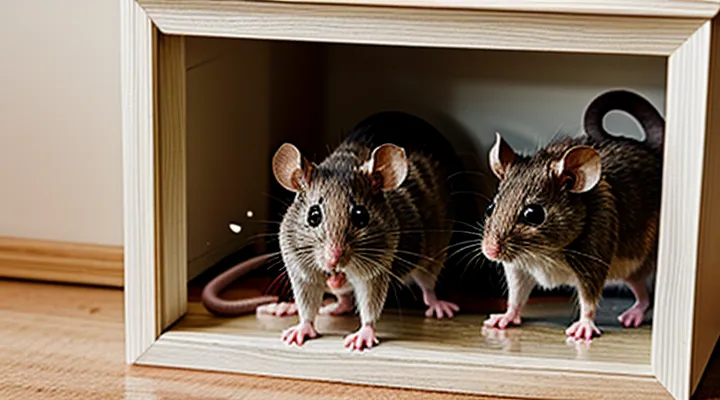
Understanding the Mouse Problem in Frame Houses
Why Frame Houses are Susceptible to Mice
Entry Points and Vulnerabilities
Mice gain access to timber‑framed homes through any opening larger than a quarter of an inch. Identifying and eliminating these gaps stops new intruders and prevents re‑infestation.
- Gaps around utility pipes and cables
- Cracks in foundation walls or sill plates
- Openings at the roof‑wall intersection, especially around vent pipes and chimneys
- Unsealed eaves, soffits and fascia boards
- Unfinished attic access panels or crawl‑space doors
- Gaps under exterior doors and windows, including weatherstripping failures
- Holes in siding, clapboard, or shingle seams
Seal each opening with material that resists gnawing: steel wool combined with caulk, copper mesh, or hardware cloth (¼‑inch mesh). Apply expanding polyurethane foam to larger voids, then cover with metal flashing or cement. Install tight‑fitting door sweeps and replace worn weatherstripping. Reinforce vent covers with steel mesh and ensure chimney caps are mouse‑proof.
After sealing, inspect the building envelope quarterly. Repair any new cracks promptly, maintain clear vegetation away from the foundation, and keep stored materials off the floor to reduce hiding places. Consistent monitoring and prompt repair keep the structure impervious to future mouse entry.
Food Sources and Shelter Attractants
Food availability and accessible shelter are the primary drivers of mouse presence in a wooden structure. Mice locate any source of nourishment and any protected space that offers warmth and concealment. When these elements are present, the likelihood of infestation rises sharply, and the population can sustain itself throughout the year.
To deny mice these resources, take the following actions:
- Store all dry goods—cereals, grains, pet food—in airtight containers made of metal or heavy‑walled plastic.
- Clean kitchen surfaces after each meal; sweep crumbs, wipe spills, and empty trash daily into containers with tight‑fitting lids.
- Seal gaps around cabinets, baseboards, and utility penetrations with steel wool or caulking; rodents can squeeze through openings as small as 1/4 inch.
- Eliminate clutter in attics, crawl spaces, and closets; remove cardboard boxes, fabric piles, and unused insulation that provide nesting material.
- Repair water leaks promptly; moisture attracts insects that serve as secondary food for mice and creates damp environments favorable for nesting.
By removing consumable materials and eliminating concealed habitats, the environment becomes inhospitable, forcing any remaining rodents to seek shelter elsewhere and preventing new individuals from establishing a foothold. Continuous enforcement of these measures ensures lasting exclusion of mice from a framed residence.
Initial Assessment and Identification
Signs of Mouse Infestation
Droppings and Urine Stains
Droppings and urine stains are primary indicators of a mouse infestation in a timber‑frame residence. Fresh droppings appear as dark, rice‑shaped pellets about ¼ inch long; older deposits darken and become brittle. Urine stains manifest as yellow‑brown discolorations, often accompanied by a musky odor. Both contaminants pose health risks, including hantavirus transmission and allergic reactions, and can attract additional pests.
Immediate removal prevents contamination spread and discourages mouse activity. Follow these steps:
- Wear disposable gloves and a mask; isolate the area to limit aerosol exposure.
- Vacuum dry droppings with a HEPA‑rated unit; discard the filter and vacuum bag in sealed plastic.
- Apply an enzymatic cleaner to urine‑stained surfaces; allow a minimum of 10 minutes for penetration.
- Scrub with a stiff brush; rinse with warm water and dry thoroughly.
- Seal cracks, gaps, and entry points discovered during inspection to eliminate re‑entry routes.
Regular monitoring of cleaned zones detects recurrence early. Replace damaged insulation or wood sheathing that absorbed urine, as residual moisture fosters mold growth. Incorporate traps and bait stations in conjunction with sanitation to achieve lasting rodent control in a frame house.
Gnaw Marks and Damage
Mice leave distinctive gnaw marks on structural wood, wiring, and insulation. These incisions are typically clean, round‑tooth impressions about ¼‑inch deep, often found near entry points, pantry shelves, or concealed areas such as attics and crawl spaces. Recognizing these signs confirms active infestation and indicates where damage is occurring.
The damage caused by rodent chewing compromises both safety and durability:
- Compromised framing members weaken load‑bearing capacity.
- Exposed wiring raises fire risk and may cause electrical failures.
- Insulation loss reduces thermal efficiency, increasing energy consumption.
- Damaged piping can lead to leaks, water intrusion, and mold growth.
- Decorative trim and cabinetry suffer aesthetic degradation and may require replacement.
Remediation begins with sealing all identified gnaw sites. Use steel‑wool or copper mesh to fill holes, then apply a durable caulk or epoxy to prevent re‑entry. Replace any compromised wood or insulation with materials resistant to rodent chewing, such as pressure‑treated lumber or metal‑clad insulation. For wiring, reroute cables through conduit or replace sections that show bite marks.
Preventative measures focus on eliminating the incentive for chewing:
- Store food in airtight containers; clean crumbs and spills promptly.
- Reduce clutter that offers nesting material.
- Install metal flashing or hardware cloth around vulnerable openings, ensuring a minimum mesh size of ¼ inch.
- Deploy snap traps or electronic devices in high‑activity zones, checking and resetting them daily.
Regular inspections of the building envelope, interior cavities, and utility pathways detect new gnaw marks early. Prompt repair of any fresh damage interrupts the cycle of infestation, protecting structural integrity and reducing long‑term maintenance costs.
Sounds and Odors
Sound and odor repellents provide non‑chemical options for reducing mouse activity in a timber‑framed residence. Their effectiveness depends on proper frequency selection, strategic placement, and consistent renewal of scent sources.
Ultrasonic devices emit frequencies above 20 kHz, uncomfortable for rodents but inaudible to humans. Position units near known entry points, in attic spaces, and along interior walls where mice travel. Choose models with adjustable timers to prevent habituation; continuous operation can diminish efficacy. Verify that devices cover the full square footage, typically 500–1 000 ft² per unit, and supplement with additional units in larger structures.
Odor deterrents exploit rodents’ sensitive olfactory system. Effective agents include:
- Peppermint oil (10 ml diluted in 1 L water, sprayed on baseboards and crawl spaces)
- Ammonia (small open containers placed in concealed corners)
- Commercial rodent repellents containing phenols or essential‑oil blends
Apply scent sources every two weeks, or after cleaning, to maintain potency. Use cotton balls or absorbent pads for oil applications; place them in locations inaccessible to children and pets. Avoid strong food‑related aromas that may attract rather than repel.
Integrating auditory and olfactory methods with structural controls—sealing gaps, installing door sweeps, and removing food debris—creates a comprehensive barrier. Regular inspections confirm that no new openings have formed and that repellent devices remain functional. This layered approach sustains mouse exclusion in a frame house over the long term.
Locating Mouse Hotspots
Kitchen and Pantry Areas
Seal every opening around countertops, cabinets, and appliances. Use steel wool combined with expanding foam or silicone caulk to block gaps as small as a quarter‑inch. Install door sweeps on kitchen and pantry doors and verify that vent covers have fine mesh screens.
Keep surfaces free of crumbs and spills. Wipe down counters after each use, clean under appliances, and vacuum pantry floors weekly. Store all dry goods in containers with metal or thick plastic lids; avoid cardboard boxes that rodents can gnaw through.
Employ mechanical controls strategically. Place snap traps along walls, behind appliances, and near suspected runways. Use bait that matches the food items found in the pantry, such as grain or peanut butter. Check traps daily, dispose of captures, and reset with fresh bait.
Apply physical barriers to storage areas. Fit pantry shelves with metal brackets and secure back panels with hardware that rodents cannot chew. Install rodent‑proof bins for waste, ensuring lids close tightly.
Maintain exterior conditions that affect interior infestations. Trim vegetation away from the house, keep firewood stored at least two feet from the foundation, and repair any roof or siding damage that could provide entry points.
Conduct regular inspections. Look for droppings, gnaw marks, and fresh pathways. Document findings and adjust control measures promptly to prevent re‑infestation.
Basements and Attics
Basements and attics are the most common entry points and nesting sites for mice in a wooden‑frame residence. Their low traffic, hidden corners, and proximity to structural gaps provide ideal conditions for rodents to establish colonies.
Identify and eliminate access routes. Inspect foundation walls, floor joists, and roof trusses for cracks larger than a quarter inch. Apply steel‑wool or copper mesh to fill openings, then seal with expanding polyurethane foam or cement mortar. Install metal flashing around vent pipes, utility conduits, and chimney bases to prevent future intrusion.
Maintain an environment that discourages habitation. Remove food residues, store supplies in airtight containers, and keep insulation dry. Deploy a combination of snap traps and electronic devices along walls, near suspected travel lanes, and behind stored items. Check traps daily, dispose of captured mice, and reset devices. Rotate trap placement every two weeks to cover the entire area.
Implement regular monitoring. Conduct quarterly visual inspections of both spaces, focusing on droppings, gnaw marks, and fresh nesting material. Record findings and adjust sealing or trapping measures promptly. Consistent vigilance, combined with thorough exclusion and sanitation, sustains long‑term mouse‑free conditions in the basement and attic.
Walls and Voids
A solid wall envelope prevents rodents from infiltrating a timber‑framed residence. Openings created by construction tolerances, utility penetrations, and age‑related deterioration form continuous voids that mice exploit for movement and nesting.
- Examine all interior and exterior sheathing for gaps larger than ¼ inch.
- Seal cracks around windows, doors, and siding with a combination of steel wool and high‑grade silicone or polyurethane caulk.
- Install metal flashing at the junction of roof, soffit, and wall to block vertical pathways.
- Replace damaged insulation that creates hollow pockets, and compress remaining fill to eliminate air spaces.
- Apply rodent‑resistant mesh (minimum ¼‑inch hardware cloth) to vent openings, dryer exhausts, and utility conduit entries.
Regular inspection of the wall cavity is essential. After sealing, monitor for fresh gnaw marks or droppings, and re‑apply sealants as the building settles. Maintaining a dry, clutter‑free interior reduces attractants that encourage mice to re‑enter through any remaining voids.
Strategic Elimination Methods
Sealing Entry Points
Exterior Inspection and Repairs
Exterior inspection is the first step in achieving lasting mouse control for a wooden‑frame residence. Begin by walking the perimeter and noting any openings larger than a quarter inch. Pay particular attention to:
- Gaps around window frames, doors, and sliding tracks.
- Cracks in siding, clapboard, or stucco.
- Unsealed vents, utility penetrations, and roof eaves.
- Damaged or missing flashing at roof‑wall intersections.
- Openings around foundation vents and crawl‑space entries.
After identifying vulnerabilities, repair them with materials that resist rodent entry. Use steel wool or copper mesh to fill small gaps, then seal with caulk or expanding foam. Replace deteriorated siding sections with pressure‑treated lumber or metal sheeting. Install metal flashing around roof protrusions and ensure all seams overlap correctly. Seal utility penetrations with hardened silicone or metal sleeves, and fit mesh screens over vents that cannot be closed.
Maintain the exterior envelope by scheduling regular checks, especially after severe weather. Re‑inspect after each repair to confirm that seals remain intact and that no new gaps have formed. Consistent upkeep eliminates re‑entry points, securing the structure against future infestations.
Interior Gaps and Cracks
Interior gaps and cracks provide the primary entry points for mice seeking shelter and food within a timber‑framed home. Even openings as small as a quarter‑inch allow rodents to infiltrate walls, ceilings, and floor joists. Identifying and sealing these openings is essential for lasting rodent exclusion.
Typical locations include:
- Gaps around electrical outlets, switch plates, and conduit sleeves
- Openings at pipe penetrations through walls, floors, and ceilings
- Spaces between baseboards and flooring, especially where flooring meets carpet or tile
- Cracks at the junction of wall studs and top or bottom plates
- Gaps around HVAC ducts, vent covers, and exhaust fans
- Openings around window and door frames, especially where trim has shifted
Effective sealing requires durable, rodent‑resistant materials. Use steel wool or copper mesh to fill larger voids, then apply a high‑quality silicone or polyurethane caulk to create an airtight barrier. For structural cracks, employ expanding foam sealant reinforced with mesh, followed by a layer of cementitious mortar for added strength. Metal flashing or sheet metal patches work well on areas subject to repeated stress, such as near utility penetrations.
A systematic approach ensures completeness:
- Conduct a visual inspection in low light, using a flashlight to reveal hidden gaps.
- Deploy a thin probe or awl to test suspected openings; any resistance indicates a potential entry.
- Fill each opening with the appropriate filler material, compressing steel wool or mesh to eliminate voids.
- Apply sealant over the filler, smoothing the surface to prevent future separation.
- Re‑inspect after a week to verify that no new gaps have formed due to settling or moisture movement.
Regular maintenance—checking for new cracks after renovations, settling, or seasonal temperature changes—prevents rodents from re‑establishing access. By eliminating interior pathways, the structural integrity of the frame house remains intact while creating a hostile environment for mice.
Vents and Utility Openings
Vents and utility openings provide the easiest routes for mice to enter a timber‑framed residence. Unscreened dryer vents, bathroom exhaust fans, attic louvers, soffit gaps, and pipe or cable penetrations often contain openings large enough for a small rodent to pass.
Identify each opening, then apply one or more of the following measures:
- Install stainless‑steel mesh or hardware cloth (¼‑inch gauge) over vent openings; secure with screws and sealant.
- Pack gaps around pipes, wires, and conduit with steel wool, then cover with expanding foam or silicone caulk.
- Fit metal flashing around soffit vents and roof penetrations; overlap seams and fasten with roofing nails.
- Replace torn or missing vent screens with corrosion‑resistant material; ensure screen mesh does not exceed ¼‑inch openings.
- Use hinged or self‑closing vent covers where airflow is required but continuous access is not.
Schedule inspections at the start of each season. Verify that mesh remains intact, sealant has not cracked, and vegetation does not touch vent structures. Replace compromised components promptly.
Securing vents and utility openings eliminates the primary entry points, thereby sustaining a rodent‑free environment in a framed house.
Trapping and Baiting Techniques
Types of Traps: Pros and Cons
Snap traps provide immediate kill, require minimal maintenance, and are inexpensive. Their effectiveness depends on proper placement and bait selection. Drawbacks include the risk of accidental injury to humans or pets and the need for regular disposal of carcasses.
Electronic traps deliver a high‑voltage shock that kills rodents instantly. Advantages are hygienic disposal—often the device contains a removable tray—and consistent performance regardless of mouse size. Cons are higher upfront cost, dependence on battery or electricity, and occasional failure if the mouse avoids the sensor.
Glue boards immobilize mice with adhesive surfaces. Benefits are low price, ease of placement, and no need for bait. Limitations involve prolonged suffering for trapped animals, difficulty in disposal, and reduced efficacy in dusty or humid environments where the adhesive loses strength.
Live‑catch traps allow humane capture for relocation. Positive aspects include avoidance of lethal methods and suitability for areas where killing is prohibited. Negative points are the necessity for frequent checking to prevent stress or death, potential for released mice to return, and legal restrictions on relocation in some jurisdictions.
Bait stations conceal poison in a tamper‑proof container. Pros are targeted delivery that reduces secondary poisoning risks and convenience for large infestations. Cons include the requirement for careful handling, risk to non‑target species, and the need for ongoing monitoring of poison levels.
Each trap type presents a balance of effectiveness, safety, cost, and ethical considerations. Selecting the appropriate solution for a wooden frame dwelling involves evaluating these factors against the specific infestation severity and the occupants’ tolerance for risk.
Effective Bait Selection
Effective bait selection is a pivotal element in achieving lasting mouse control in a wooden residence. Choosing the right attractant determines trap success, reduces bait waste, and minimizes risk to non‑target species.
Key criteria for bait evaluation include:
- Palatability: food items that mice readily consume, such as peanut butter, dried fruit, or high‑protein rodent blocks.
- Stability: formulations that remain attractive despite temperature fluctuations and humidity typical of frame structures.
- Toxicity level: active ingredients that deliver rapid mortality while complying with local regulations and safety standards.
- Non‑target deterrence: additives or placement strategies that discourage pets, children, and wildlife from accessing the bait.
Recommended baits for permanent mouse eradication:
- Peanut butter‑based blocks – high fat content, strong odor, resistant to drying.
- Rodent‑specific grain mixes – blend of wheat, corn, and soy, enriched with vitamin B to boost appeal.
- Commercial rodenticide pellets – contain anticoagulants or neurotoxins, formulated for single‑dose lethality.
- Protein‑rich cheese or fish paste – effective in colder months when mice seek higher‑calorie sources.
Implementation guidelines:
- Position baits along walls, behind appliances, and near known activity sites; mice travel close to surfaces.
- Secure bait stations to prevent accidental contact; use tamper‑proof containers where required.
- Rotate bait types weekly to prevent habituation and maintain high consumption rates.
- Inspect stations daily; replace depleted units promptly to sustain pressure on the population.
Integrating bait selection with structural sealing, habitat reduction, and regular monitoring creates a comprehensive program that eliminates rodents and prevents reinfestation in a frame house.
Safe and Strategic Trap Placement
Effective mouse control in a wooden structure depends on placing traps where they are both safe for occupants and positioned to intercept rodent paths. Begin by identifying areas of high activity: look for fresh droppings, gnaw marks, and grease trails along walls, baseboards, and near food sources. Mark these zones before selecting trap types.
- Use snap traps or electronic traps with enclosed mechanisms to prevent accidental contact by children or pets. Avoid glue boards, which can cause prolonged suffering and are difficult to monitor safely.
- Position traps perpendicular to walls, with the trigger side facing the wall, because mice travel close to surfaces. Place them at 1–2 inches from the wall and behind objects such as appliances, cabinets, or insulation where mice shelter.
- Install traps near known entry points—cracks, gaps around pipes, and utility penetrations—while ensuring the surrounding area is clear of clutter that could hinder trap activation.
- Secure traps on stable surfaces using adhesive pads or mounting brackets to prevent tipping, especially in high‑traffic zones like kitchens and pantries.
- Check traps daily; remove captured mice promptly, disinfect the area, and reset or replace traps as needed. Record capture locations to refine placement over time.
Strategic placement reduces the risk of non‑target injuries and maximizes capture rates, forming a core component of a lasting mouse‑free environment.
Natural Deterrents and Repellents
Essential Oils and Scents
Essential oils deter mice by masking food odors and creating an environment that rodents avoid. Use concentrated extracts of peppermint, eucalyptus, citronella, or clove oil. Apply a few drops to cotton balls, place them in corners, behind baseboards, and near entry points. Replace cotton balls weekly, or more often in warm weather, because volatility decreases with time.
Combine scent barriers with structural measures for lasting results. Seal cracks larger than ¼ inch with steel wool and caulk, install door sweeps, and maintain a clean interior free of food crumbs. Essential oil treatment alone does not eradicate infestations; it reduces activity while other controls take effect.
Safety considerations:
- Dilute oils with water or a carrier (e.g., almond oil) before spreading on fabric to prevent surface staining.
- Keep treated materials out of reach of children and pets; some oils can irritate sensitive skin or respiratory passages.
- Test a small area for material compatibility, especially on painted wood or drywall.
Effectiveness checklist:
- Identify high‑traffic rodent zones.
- Deploy cotton balls or sachets with 5–10 drops of oil per location.
- Rotate oil types every two weeks to prevent habituation.
- Monitor mouse sightings; if activity persists after four weeks, integrate traps or professional extermination.
Essential oils function as a non‑chemical deterrent that complements sealing and sanitation, contributing to a sustainable strategy for keeping rodents out of timber‑framed dwellings.
Ultrasonic Devices: Efficacy and Limitations
Ultrasonic emitters generate high‑frequency sound waves that rodents cannot hear, aiming to disrupt their nervous system and deter occupancy within timber‑frame dwellings. Devices are typically powered by mains electricity or batteries and operate continuously or on a timed cycle.
Efficacy
- Laboratory tests show temporary avoidance behavior when rodents are exposed to frequencies above 20 kHz.
- Field trials report reduced mouse activity for 2–4 weeks after installation, provided no acoustic barriers interfere.
- Effectiveness declines sharply if devices are placed near solid walls, insulation, or furniture that absorb sound.
Limitations
- Sound attenuation through wood, drywall, and insulation limits coverage to a single room; multiple units are necessary for whole‑house protection.
- Mice quickly habituate; after repeated exposure, the deterrent effect may disappear.
- Devices do not kill or capture rodents, so existing infestations persist until additional control measures are applied.
- Power loss or battery depletion renders the system inactive, removing any deterrent effect immediately.
- Lack of regulatory standards results in wide variation in product quality and advertised performance.
For permanent mouse control in a frame house, ultrasonic units should be integrated with exclusion methods (sealing entry points), sanitation practices, and, when needed, trapping or baiting. Relying solely on sound devices leaves the infestation vulnerable to the documented shortcomings.
Maintaining a Clean Environment
A clean interior deprives mice of food, shelter, and nesting material, directly reducing the likelihood of infestation in a wooden structure. Regular removal of crumbs, spilled grains, and pet food eliminates primary attractants. Store dry goods in sealed containers; metal or heavy‑plastic bins with airtight lids prevent access.
Maintain waste management by emptying trash cans daily and using bins with tight‑fitting lids. Clean under appliances, behind cabinets, and within crawl spaces where debris accumulates. Vacuum floors and upholstery weekly to capture hidden particles.
Implement a routine inspection schedule:
- Check pantry shelves for torn packaging or spilled contents.
- Examine attic and basement for droppings, gnaw marks, or nesting material.
- Inspect ventilation openings and utility penetrations for dust buildup.
Promptly address moisture sources; damp environments encourage mold, which attracts rodents. Repair leaks, improve drainage, and use dehumidifiers in humid areas.
By enforcing these sanitation practices consistently, the habitat becomes inhospitable, supporting long‑term mouse exclusion from the frame house.
Long-Term Prevention and Maintenance
Sanitation and Food Storage
Proper Food Sealing and Storage
Mice are drawn to accessible food; eliminating that source blocks entry and reduces population growth. Secure storage removes the primary incentive for infestation in a timber‑frame dwelling.
- Store dry goods in containers with airtight seals made of metal or heavy‑wall plastic; lids must lock tightly.
- Label containers with purchase dates; rotate stock so older items are used first, preventing spoilage that attracts rodents.
- Keep pantry shelves clear of crumbs; wipe surfaces after each use with a damp cloth.
- Place pet food in sealed bins; feed pets only the amount needed for the day and remove leftovers promptly.
- Install a dedicated pantry door that closes automatically; ensure the door gasket contacts the frame without gaps.
- Use vacuum‑sealed bags for bulk purchases; compress air before sealing to reduce volume and limit odor emission.
Regularly inspect storage areas for signs of damage, such as cracked lids or torn seals, and replace compromised containers immediately. Maintaining a sealed food environment denies mice the resources they require, contributing to long‑term exclusion from the house.
Regular Cleaning and Decluttering
Regular cleaning removes food residues that attract rodents. Sweep floors, vacuum carpets, and wipe countertops daily. Store dried goods in sealed containers; discard crumbs and spills immediately.
Decluttering eliminates hiding places. Remove piles of newspaper, cardboard, and unused fabrics from corners and attics. Keep storage areas organized with labeled boxes that close tightly.
Maintain exterior cleanliness to prevent entry. Clear debris, leaf litter, and firewood stacks away from the foundation. Trim vegetation so branches do not brush the siding.
Implement a schedule:
1. Morning: wipe kitchen surfaces, empty trash bins, sweep entryway. 2. Afternoon: inspect storage rooms, reorganize any newly added items. 3. Evening: vacuum living areas, ensure all food is sealed before night.
Consistent application of these practices reduces food sources and shelter, directly limiting the likelihood of mouse infestation in a timber‑framed house.
Exterior Landscaping and House Maintenance
Trimming Vegetation Away from the House
Trimming vegetation away from a frame house reduces the shelter and travel routes that mice use to approach the structure. Overgrown shrubs, vines, and low-hanging tree limbs create continuous cover from the surrounding yard to the building envelope, allowing rodents to move undetected and reach entry points such as cracks, gaps around utilities, and eaves.
Maintain a clearance zone of at least three feet between the house foundation and any foliage. Cut back shrubs to a height of six inches above ground level, and prune tree branches so they do not touch the roof or walls. Remove vines that climb the exterior, and dispose of cut material away from the property to prevent it from becoming a secondary habitat.
Regularly mow the lawn to a height of two to three inches, and keep mulch or wood chips at least two inches away from the foundation. Clear debris, leaf litter, and fallen branches from the perimeter, as these can provide nesting material and concealment for mice.
Implement a seasonal schedule:
- Early spring: inspect growth, prune new shoots, remove any new vines.
- Summer: maintain low grass, trim any regrowth, check for gaps created by expanding foliage.
- Fall: clear fallen leaves, pull back any overhanging branches that may have extended during the season.
- Winter: ensure snow does not accumulate against the house, as compacted snow can hide vegetation and create moisture that attracts rodents.
By keeping the immediate surroundings of the frame house free of dense vegetation, you limit the opportunities for mice to gain access, simplify inspection of potential entry points, and create an environment less conducive to infestation.
Repairing Foundation Cracks and Gaps
Repairing foundation cracks and gaps directly blocks one of the most common pathways mice use to enter a framed residence. Identifying vulnerable points begins with a thorough visual inspection of the perimeter, paying special attention to areas where the foundation meets the sill plate, utility penetrations, and any visible fissures.
Steps to seal openings:
- Clean debris and loose material from each crack.
- Apply a high‑quality, elastomeric caulk for gaps up to ¼ inch wide.
- For larger fissures, insert a backer rod, then fill with polyurethane sealant or hydraulic cement.
- Install metal flashing or steel wool over openings that cannot be completely sealed, then cover with sealant.
- Check and seal all utility entry points (pipes, cables) using expanding foam or metal sleeves.
Material selection matters. Polyurethane sealants remain flexible under temperature fluctuations, preventing future splits. Hydraulic cement expands as it cures, providing a durable plug for structural cracks. Stainless‑steel mesh reinforces repaired sections and resists corrosion.
After repairs, conduct a follow‑up inspection to verify adhesion and absence of gaps. Maintain the seal by reapplying sealant annually in high‑traffic zones and after severe weather events. Regularly clear vegetation and mulch away from the foundation to reduce moisture buildup, which can exacerbate cracking.
By systematically eliminating structural entry routes, the house removes a primary attractant for rodents, supporting long‑term mouse control without reliance on traps or chemicals.
Addressing Water Leaks and Moisture
Moisture creates an environment that encourages mice to nest and travel within a timber‑framed home. Leaking roofs, walls, or plumbing provide food sources, shelter, and easy access points, making water management a prerequisite for lasting rodent control.
Identify leaks by inspecting roof sheathing, attic insulation, exterior siding, and all interior plumbing fixtures. Look for discoloration, water stains, mold growth, or dampness on structural members. Use a moisture meter to confirm hidden saturation in concealed cavities.
Repair and preventive actions:
- Seal roof penetrations, replace damaged shingles, and repair flashing around chimneys and vents.
- Re‑caulk windows, doors, and exterior wall joints; install weather‑stripping where gaps exceed ¼ inch.
- Fix plumbing leaks promptly; replace corroded pipes and tighten fittings.
- Install a vapor barrier on crawl‑space floors; ensure proper grading away from the foundation to divert surface runoff.
- Increase ventilation in attics and basements; use dehumidifiers to maintain relative humidity below 50 %.
Eliminating water intrusion removes a primary attractant, reduces the availability of nesting material, and limits the routes mice use to enter the structure, thereby supporting a permanent solution to rodent infestation.
Monitoring and Re-inspection
Regular Checks for New Activity
Regular monitoring is essential for sustaining a mouse‑free timber‑framed residence. After sealing entry points and installing traps or bait stations, schedule systematic inspections to detect any resurgence before damage escalates.
- Inspect interior corners, attic joists, and crawl‑space insulation weekly for fresh droppings, gnaw marks, or shredded material.
- Examine exterior siding, roof eaves, and foundation vents bi‑weekly for new holes or signs of burrowing.
- Test all bait stations and snap traps each visit; replace depleted devices and record capture counts to identify activity trends.
- Use a flashlight and a handheld inspection mirror to view concealed areas such as behind wall panels, under floorboards, and within HVAC ducts.
- Document findings in a simple log, noting date, location, and evidence type; compare entries to detect patterns and adjust control measures promptly.
Prompt identification of renewed activity enables immediate reinforcement of barriers, repositioning of traps, and targeted application of rodent‑specific deterrents, thereby preserving the integrity of the structure over the long term.
Seasonal Prevention Measures
Effective seasonal prevention is essential for lasting rodent control in a wooden‑frame residence. Each season presents distinct risks that require targeted actions.
- Spring: Seal gaps that opened from winter contraction; trim vegetation within two feet of the exterior; install metal flashing over foundation vents to block new entry points.
- Summer: Reduce outdoor food sources by storing garbage in sealed containers; keep decks and patios clean of debris; inspect roof eaves and soffits for chew damage and repair with steel mesh.
- Fall: Clear fallen leaves and mulch that can conceal burrows; reinforce door sweeps and window seals before temperature drops; place bait stations in sheltered corners away from children and pets, monitoring for activity.
- Winter: Check for ice‑damaged siding and replace compromised sections; ensure heating vents remain closed to prevent mice from using warm air ducts; add insulation around exposed pipes to eliminate interior nesting sites.
Consistent execution of these measures, combined with regular inspections, minimizes the likelihood of mouse infestation throughout the year.
Professional Pest Control Consultation
Professional pest‑control consultation for mouse infestations in a frame house begins with a site‑specific inspection. The specialist records entry points, nesting sites, food sources, and structural vulnerabilities. Measurements of activity levels and species identification are documented to tailor the response.
During the assessment, the consultant performs:
- Visual examination of exterior siding, roof eaves, and foundation cracks.
- Installation of motion‑sensitive cameras to verify nocturnal movement.
- Trapping of a representative sample to confirm species and health status.
- Evaluation of sanitation practices and potential attractants inside the dwelling.
Based on the collected data, a comprehensive treatment plan is drafted. The plan specifies:
- Sealing techniques for gaps larger than ¼ inch, using steel wool, caulk, or metal flashing.
- Selection of bait stations positioned away from children and pets, employing anticoagulant or non‑anticoagulant formulations as required.
- Deployment of snap traps or electronic devices in high‑traffic zones, calibrated to minimize non‑target capture.
- Recommendations for moisture control, vegetation trimming, and waste management to reduce future ingress.
Implementation follows the schedule outlined in the plan. The consultant oversees installation of barriers, placement of traps, and verification of seal integrity. After initial treatment, a monitoring period of 30 days records activity reduction. If residual signs persist, the specialist adjusts bait placement, replaces ineffective devices, and reinforces structural repairs. A final report details actions taken, outcomes achieved, and preventive measures for long‑term exclusion.