
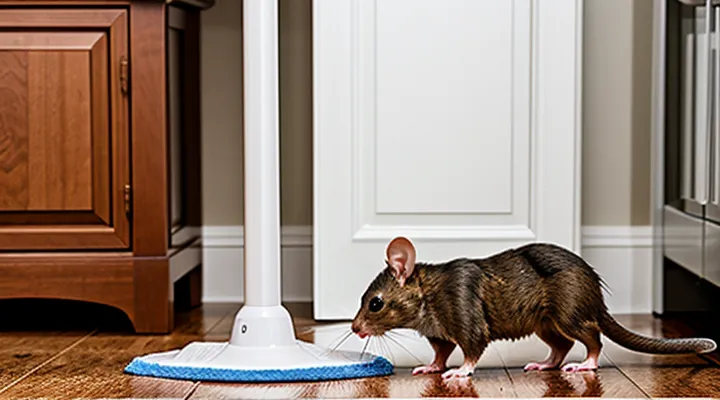
Understanding the Threat
Why Rats and Mice are Attracted to Homes
Food Sources
Eliminating accessible food is the most reliable method to deter rats and mice from entering a home. When nourishment is unavailable, rodents lose the incentive to explore and establish nests, reducing the likelihood of contamination and damage.
- Unsealed pantry items
- Open cereal boxes or grain containers
- Pet food left out overnight
- Fruit bowls, especially overripe produce
- Crumbs on countertops, floors, or under appliances
- Garbage bags without tight lids
- Birdseed stored in kitchens or garages
Secure food supplies by:
- Storing dry goods in metal or heavy‑plastic containers with airtight seals.
- Transferring pet meals to sealed containers and feeding only the portion needed for each meal.
- Removing fruit from countertops; keep produce in the refrigerator or in sealed bins.
- Cleaning spills immediately; sweep and mop floors after meals.
- Using trash cans with locking lids; empty them daily or when full.
- Relocating birdseed to an outdoor feeder away from the house.
Maintain a rodent‑free environment through regular practices:
- Inspect pantry seals weekly; replace damaged containers promptly.
- Conduct a visual sweep of kitchen surfaces each night to detect crumbs or residue.
- Rotate stored foods periodically; discard items past their expiration dates.
- Schedule deep cleaning of appliances, especially behind refrigerators and stoves, where food particles accumulate.
- Monitor pet feeding areas for leftover bits and adjust portions accordingly.
By systematically removing and protecting food sources, a household can achieve lasting cleanliness while minimizing the risk of rat and mouse intrusion.
Shelter and Warmth
Rodents are drawn to structures that provide shelter and retain heat. Gaps around doors, windows, and utility penetrations create hidden chambers where mice and rats can nest. Sealing these openings eliminates the safe spaces they seek, reducing the likelihood of infestation.
Identify potential shelters by inspecting:
- Undersides of appliances and cabinets for cracks or loose panels.
- Attic and crawl‑space vents lacking proper mesh.
- Basement walls with exposed insulation or damaged drywall.
Apply fire‑rated caulk, steel wool, or hardware cloth to fill gaps larger than ¼ inch. Replace worn weatherstripping on exterior doors and install door sweeps that close tightly against the threshold.
Maintain interior temperatures that discourage rodent habitation. Lower ambient warmth in storage areas by using ventilation fans or dehumidifiers. Keep attic insulation covered with a vapor barrier to prevent heat buildup. Regularly move stored items away from walls, exposing any concealed nests for removal.
By removing shelter and controlling warmth, the home becomes inhospitable to rats and mice, supporting a clean, rodent‑free environment.
Water Access
Rats and mice are drawn to any source of moisture; eliminating accessible water deprives them of a critical survival need. Unsealed pipe joints, dripping faucets, pet water bowls left overnight, and condensation on windows create continuous supply lines that support rodent activity. By removing these sources, the likelihood of infestation declines sharply.
Practical actions:
- Repair leaks in plumbing, roofs, and appliances within 24 hours of detection.
- Install aerators on faucets to reduce flow and prevent pooling.
- Store pet water in containers with tight‑fitting lids; refill only when empty.
- Use moisture‑absorbing pads or dehumidifiers in basements, closets, and crawl spaces.
- Inspect and seal gaps around pipes, vents, and utility lines with steel‑wool or silicone caulk.
Consistent execution of these measures removes the water incentive that sustains rodents, supporting a clean, rodent‑free environment.
Signs of Infestation
Droppings and Urine Stains
Droppings and urine stains are the most visible evidence of rodent activity and the primary source of contamination in a home. Their presence indicates not only a breach in structural integrity but also a health hazard, as they can carry pathogens such as Hantavirus, Salmonella, and Leptospira.
Identification
- Small, dark, pellet‑shaped droppings, typically ¼ to ½ inch long, found along walls, in cabinets, or near food storage.
- Yellowish or reddish‑brown stains, often with a strong ammonia odor, appearing on surfaces, fabrics, or flooring.
Health risk mitigation
- Wear disposable gloves, a mask rated N95 or higher, and eye protection when handling contaminated material.
- Seal collected droppings in a double‑layered bag before discarding in a sealed outdoor trash container.
Cleaning protocol
- Ventilate the area for at least 30 minutes; close doors and windows to prevent aerosol spread.
- Apply a disinfectant approved for rodent pathogens (e.g., a 10% bleach solution, hydrogen peroxide, or an EPA‑registered product).
- Soak the stained surface for 5–10 minutes; ensure the solution penetrates porous materials.
- Scrub with a stiff brush, then rinse with clean water.
- Dry thoroughly to discourage re‑infestation.
Prevention measures
- Seal cracks, gaps, and openings larger than ¼ inch with steel wool, caulk, or metal flashing.
- Store food in airtight containers; eliminate standing water.
- Install door sweeps and maintain screens to block entry points.
Regular inspection of hidden areas—under appliances, in attics, and behind baseboards—detects early signs of droppings or urine, allowing prompt remediation before an infestation escalates.
Gnaw Marks
Gnaw marks appear as shallow, parallel grooves on wood, plastic, wiring, and food packaging. The width of each groove typically matches the incisors of a rodent, ranging from 2 mm to 6 mm. Fresh gnawing leaves clean, glossy edges; older damage shows splintered fibers and darkened wood. Recognizing these patterns enables early detection of a rodent presence before damage spreads.
Preventing gnaw marks requires eliminating the opportunity for rodents to chew. Actions include:
- Inspecting all structural timber, baseboards, and cabinets for fresh cuts.
- Sealing gaps larger than ¼ inch with steel wool, copper mesh, or silicone caulk.
- Installing rodent‑proof conduit sleeves around electrical wiring.
- Storing food in airtight containers made of glass or heavy‑wall plastic.
- Removing clutter that offers shelter, such as piles of newspapers or cardboard.
After sealing entry points, maintain a clean environment by regularly vacuuming corners and behind appliances, wiping down surfaces with a mild disinfectant, and setting up monitoring stations (e.g., snap traps or electronic detectors) to confirm that gnawing activity has ceased. Continuous observation of gnaw marks ensures that any new intrusion is identified promptly, preserving the integrity of the home.
Scratching Noises
Scratching noises signal rodent activity and compromise a clean, rodent‑free home. The sounds usually originate from gnawing on insulation, wiring, or stored food containers. Recognizing the pattern—sharp, intermittent sounds in walls, ceilings, or attics—allows early intervention before damage spreads.
Identify the source by inspecting areas where the noise is strongest. Look for gnaw marks, droppings, or shredded material. Seal any visible entry points with steel wool, metal flashing, or cement, because rodents exploit gaps as small as ¼ inch.
Implement preventive measures:
- Store food in airtight containers; avoid leaving crumbs or pet food exposed.
- Keep garbage bins sealed and remove waste regularly.
- Reduce clutter in basements, garages, and storage rooms to eliminate hiding places.
- Trim vegetation and remove debris within two feet of the building’s exterior to limit access routes.
If scratching persists after exclusion efforts, set snap traps or live‑catch traps along established pathways. Place traps perpendicular to walls, with bait such as peanut butter or dried fruit. Check traps daily, dispose of captures promptly, and reseal any newly discovered entry holes.
Maintain a routine inspection schedule: quarterly visual checks of structural gaps, monthly cleaning of pantry shelves, and biannual professional pest assessments. Consistent monitoring eliminates the likelihood that scratching noises develop into a full‑scale infestation, preserving a clean and healthy living environment.
Proactive Prevention Strategies
Eliminating Food Sources
Proper Food Storage
Proper food storage eliminates the primary attractant for rodents, reducing the risk of infestation. Secure containers, airtight seals, and strategic placement prevent scent leakage and access.
- Use heavy‑wall plastic or glass containers with snap‑tight lids for all dry goods (cereals, grains, pet food).
- Store pantry items on shelves rather than on the floor; keep the floor clear of crumbs and spills.
- Freeze newly purchased bulk products for at least 48 hours to kill any hidden insects that could attract mice.
- Label containers with purchase dates and rotate stock, discarding items past their prime.
- Keep fruit and vegetables in the refrigerator or in sealed bins; avoid leaving produce on countertops overnight.
Maintain a cleaning schedule that includes wiping down storage surfaces after each use and inspecting seals for wear. Replace damaged containers promptly. By eliminating exposed food sources, the environment becomes inhospitable to rats and mice, supporting overall household cleanliness.
Regular Cleaning of Kitchen Areas
Regular cleaning of kitchen zones eliminates food residues that attract rodents. Immediate removal of crumbs, spilled liquids, and grease prevents the scent trails rodents use to locate nourishment.
- Wipe countertops and stovetop after each meal preparation.
- Store dry goods in sealed containers; place perishable items in the refrigerator promptly.
- Sweep floors after cooking; vacuum or mop to capture hidden particles.
Weekly routines target areas where debris accumulates. Clean the interior of microwave, oven, and dishwasher; disinfect sink and faucet surfaces; empty trash bins, replace liners, and position bins away from walls. Mop the floor with a detergent solution that dissolves grease and eliminates lingering odors.
Monthly inspections focus on hidden entry points. Pull out appliances to vacuum dust and food particles behind them; examine cabinet backs and pantry shelves for gnawed packaging; seal cracks and gaps in cabinetry, walls, and flooring with appropriate filler. Replace worn seals on refrigerators and dishwashers to block potential nesting sites.
Consistent execution of these procedures creates an environment devoid of accessible food sources, reducing the likelihood of rodent activity throughout the home.
Managing Pet Food
Proper handling of pet food is a critical factor in preventing rodent activity inside a residence. Food left exposed or stored improperly provides an attractant that can draw rats and mice into living areas, compromising cleanliness and hygiene.
Store dry kibble in airtight containers made of heavy‑wall plastic or metal. Containers should have a tight‑locking lid and be placed off the floor, preferably on a shelf or cabinet. For wet food, keep portions in sealed, refrigerated containers and discard leftovers within two hours of feeding.
Implement a strict feeding schedule. Offer measured portions at set times rather than leaving bowls out continuously. Remove bowls promptly after the pet finishes eating, and wash them with hot, soapy water before the next use.
Maintain a clean feeding area. Sweep or vacuum crumbs immediately after meals, and mop the floor weekly with a disinfectant solution. Dispose of pet food packaging in sealed trash bags and store garbage cans with tight lids.
Regularly inspect storage areas for signs of damage or rodent entry. Seal gaps around walls, cabinets, and pantry doors with steel wool or caulk. Rotate stock to use older supplies first, reducing the chance of stale food that attracts pests.
By following these practices, households can significantly lower the risk of rodent infestations while preserving a hygienic environment for both humans and pets.
Sealing Entry Points
Inspecting Foundation and Walls
Inspecting the foundation and walls is a critical step in preventing rodent incursions. Cracks, gaps, and deteriorated sealants provide direct entry points for rats and mice. Regular examination detects vulnerabilities before infestations develop.
Key inspection actions:
- Walk the perimeter of the foundation; note any visible cracks larger than ¼ inch.
- Use a flashlight to probe seams between the exterior siding and the foundation for gaps.
- Check for signs of gnawing on wood, plastic, or metal components near the base of walls.
- Verify that vent covers, utility openings, and drainage pipes are fitted with tight, metal flashing.
- Apply a water‑based sealant or steel wool to seal identified openings; reinforce with concrete patch where necessary.
Addressing discovered defects promptly eliminates access routes, supporting a consistently clean, rodent‑free interior. Continuous monitoring, especially after seasonal weather changes, sustains the barrier’s integrity.
Repairing Gaps Around Pipes and Wires
Keeping a home free from rodents requires sealing every potential entry point. Gaps that surround plumbing, electrical conduits, and ventilation ducts often go unnoticed, yet they provide easy access for rats and mice. Repairing these openings eliminates shelter and travel routes, directly reducing infestation risk.
Identify all gaps larger than a quarter‑inch around pipes, wires, and cables. Use a flashlight to inspect walls, floors, and ceilings where utilities penetrate. Mark each location before beginning repairs.
Apply appropriate materials based on gap size and location:
- Steel wool or copper mesh for irregular openings, then cover with sealant.
- Expanding polyurethane foam for gaps up to one inch; trim excess after curing.
- Cement‑based mortar or concrete patch for larger holes in masonry.
- Silicone or acrylic caulk for small cracks around fixtures.
After sealing, inspect the work for durability. Re‑apply sealant periodically, especially after renovations or seasonal temperature shifts, to maintain an airtight barrier against rodent intrusion.
Securing Doors and Windows
Securing doors and windows eliminates the primary routes rodents use to enter a residence.
- Install continuous weather‑stripping around door frames; replace worn sections promptly.
- Fit a door sweep that contacts the floor without creating gaps; choose metal over rubber for durability.
- Attach metal flashing or mesh to the underside of door thresholds to block gnawing.
- Inspect hinges, locks, and frames monthly; tighten loose hardware and repair cracks.
Windows require equal attention.
- Use fine‑mesh hardware cloth or stainless‑steel screens; ensure edges are tightly fastened.
- Apply silicone or acrylic caulk to seal gaps around panes, frames, and exterior trim.
- Install storm windows or secondary glazing where feasible; they add a physical barrier and reduce ventilation openings.
- Verify that window locks engage fully; replace broken latches immediately.
A quarterly inspection routine confirms that seals, sweeps, and screens remain intact. Replace damaged components before rodents can exploit them, maintaining a rodent‑free environment.
Maintaining a Clean Environment
Decluttering and Organization
A clutter‑free environment removes hiding places and food sources that attract rats and mice. Reducing excess items eliminates pathways for rodents to travel behind walls, under appliances, and within storage areas.
Effective decluttering follows a systematic approach:
- Remove all boxes, bags, and loose paper from floors and countertops; store them in sealed containers.
- Sort items by frequency of use; keep only essential objects within easy reach.
- Dispose of broken or damaged goods that could provide nesting material.
- Install shelving that leaves space between stored items and walls, allowing inspection.
- Regularly audit closets, garages, and basements to prevent accumulation of unused material.
Organizing remaining belongings reinforces the barrier against infestation. Label containers, group similar items, and maintain clear aisles. Consistent placement of objects ensures quick identification of spills or crumbs that might otherwise go unnoticed.
Implementing these practices creates a structured interior where rodents find no shelter or food, sustaining a clean, pest‑free residence.
Managing Waste Outdoors
Effective outdoor waste management directly reduces the attraction of rats and mice to residential property. Food residues, decomposing organic material, and improperly sealed containers provide reliable food sources for rodents. Eliminating these sources prevents infestations and supports overall household cleanliness.
Key practices for outdoor waste control:
- Store trash bins in a secure, lockable enclosure that resists gnawing.
- Empty waste containers at least twice weekly; more often during warm weather.
- Clean bin interiors with a disinfectant solution after each emptying.
- Keep compost piles covered with tight‑fitting lids; avoid adding meat, dairy, or oily foods.
- Position waste containers away from building foundations, preferably on a paved surface.
- Inspect and repair any cracks or gaps in siding, foundation, and drainage systems that could allow rodent entry.
Regular maintenance reinforces these measures. Conduct a monthly inspection of all waste storage areas, noting signs of gnawing, droppings, or unusual odors. Replace damaged seals promptly and adjust container placement if wildlife activity increases. Consistent application of these steps sustains a rodent‑free environment and preserves the cleanliness of the home.
Garden Maintenance
Regular garden upkeep reduces shelter and food sources that attract rodents, directly supporting a rodent‑free home.
Trim vegetation that contacts the house foundation. Keep hedges, shrubs, and trees pruned to a distance of at least two feet from walls. Remove overgrown branches that could serve as bridges for climbing pests.
Maintain clean, debris‑free ground. Collect fallen leaves, grass clippings, and compost material daily. Store organic waste in sealed containers; avoid open piles that provide nesting material.
Control irrigation to prevent standing water. Adjust sprinkler schedules to water only when necessary, and fix leaks promptly. Dry soil discourages burrowing activity.
Implement a routine inspection schedule. Walk the perimeter weekly, checking for gnaw marks, burrow entrances, or rodent droppings. Seal identified gaps with steel wool and caulk before they enlarge.
Apply physical barriers where feasible. Install fine‑mesh fencing around garden beds, and place metal flashing at the base of exterior walls to block entry points.
Remove attractants from outdoor storage. Keep firewood, tools, and equipment elevated off the ground and covered with waterproof sheeting.
By consistently applying these garden maintenance practices, the likelihood of rodents entering the dwelling decreases markedly, contributing to a cleaner, healthier indoor environment.
Deterrent Methods
Natural Repellents
Essential Oils
Essential oils provide a natural barrier against rodent intrusion while supporting overall household hygiene. Their strong scents deter rats and mice, and many possess antibacterial properties that enhance cleaning efforts.
Commonly used oils include:
- Peppermint: sharp menthol aroma repels rodents; dilute with water and spray along baseboards, entry points, and pantry shelves.
- Eucalyptus: woody scent discourages gnawing; apply a few drops to cotton balls placed in cabinets and closets.
- Lavender: pleasant fragrance for occupants; also unpleasant to pests; use in diffusers near food storage areas.
- Citronella: citrus notes repel insects and rodents; mix with a carrier oil for spot‑treatment around outdoor doors.
- Clove: potent antimicrobial effect; add to cleaning solutions for countertops and floors to deter rodents and reduce bacterial load.
Application guidelines:
- Prepare a spray by mixing 10‑15 ml essential oil with 500 ml water; add a teaspoon of mild liquid soap to emulsify.
- Test a small, hidden area for surface compatibility before widespread use.
- Reapply every 3‑4 days, especially after cleaning or when weather changes increase rodent activity.
- Keep oils out of reach of children and pets; avoid direct skin contact without proper dilution.
Integrating essential oils into regular cleaning routines creates an environment that is both sanitary and unattractive to rats and mice. Consistent use, combined with sealing entry points and proper food storage, maximizes effectiveness without reliance on chemical pesticides.
Peppermint and Other Plants
Peppermint oil, when applied to entry points, emits a scent that rodents find intolerable. A few drops on cotton balls placed behind appliances, in cabinets, and near baseboards create a barrier without chemicals. Refresh the cotton weekly to maintain potency.
Other aromatic herbs serve a similar function:
- Lavender – dried sprigs or essential oil placed in closets deter mice while adding a pleasant aroma.
- Rosemary – fresh stems positioned on kitchen counters repel rats; oil can be mixed with water for a spray.
- Spearmint – leaves scattered in pantry corners discourage gnawing pests; oil works like peppermint.
- Catnip – strong odor overwhelms rodents, making it useful in traps or as a loose filler in wall voids.
- Eucalyptus – oil applied to door thresholds creates an inhospitable environment for both species.
For optimal effect, combine plants with physical controls: seal cracks, install door sweeps, and keep food stored in airtight containers. Rotate plant-based deterrents every few weeks to prevent rodents from habituating to a single scent. Use only food‑grade oils and ensure pets are not exposed to concentrated applications.
Electronic Deterrents
Electronic deterrents provide a non‑chemical method for preventing rodent incursions in residential environments. Devices emit ultrasonic or electromagnetic frequencies that rodents find uncomfortable, prompting them to avoid the treated area.
Key characteristics of effective electronic deterrents include:
- Frequency range: 20 kHz to 65 kHz for ultrasonic models; 100 kHz to 500 kHz for electromagnetic units. Frequencies outside these bands lose efficacy.
- Coverage area: manufacturers specify square footage; choose units that collectively cover all rooms, basements, and attics.
- Power source: mains‑connected units guarantee continuous operation; battery‑powered models require regular replacement and may experience downtime.
- Safety features: devices must comply with FCC and IEC standards to ensure no interference with human health or household electronics.
Installation guidelines:
- Position units at least 12 inches off the floor, away from walls and furniture that could block wave propagation.
- Deploy one unit per 500‑800 sq ft, overlapping coverage zones to eliminate blind spots.
- Test each unit after installation by confirming indicator lights or audible tones indicate proper function.
- Replace or relocate units if structural changes (new shelving, renovation) alter the acoustic environment.
Maintenance considerations:
- Verify indicator LEDs daily; a blinking light typically signals a fault or depleted battery.
- Clean exterior surfaces with a dry cloth to prevent dust accumulation, which can attenuate emitted waves.
- Record performance data (e.g., sightings, droppings) monthly to assess deterrent effectiveness and adjust placement as needed.
When combined with proper sanitation, sealing entry points, and regular inspection, electronic deterrents contribute significantly to sustaining a rodent‑free household.
Trapping and Removal (When Necessary)
Types of Traps
Effective rodent control begins with selecting the appropriate trapping method. Each trap type addresses specific infestation levels and house layouts, allowing homeowners to maintain a clean, pest‑free environment.
- Snap traps: Metal devices that deliver a rapid kill when a rodent triggers the spring‑loaded bar. Placement near walls and travel routes maximizes capture rates. Bait with peanut butter or dried fruit for optimal attraction.
- Live‑catch traps: Cage‑style enclosures that seal once a mouse or rat enters. Allows relocation away from the residence, complying with humane practices. Check daily to prevent stress or injury to captured animals.
- Electronic traps: Battery‑powered units that emit a high‑voltage shock upon contact, instantly killing the rodent. Built‑in sensors reduce false triggers, and disposable cartridges simplify cleanup.
- Glue boards: Adhesive sheets that immobilize rodents on contact. Suitable for monitoring low‑level activity in concealed areas such as attics or crawl spaces. Dispose of boards promptly to avoid suffering.
- Bait stations: Enclosed containers housing anticoagulant or non‑anticoagulant poison. Designed to restrict access to non‑target species while delivering lethal doses to rodents that consume the bait. Position stations out of reach of children and pets, and replace according to manufacturer guidelines.
Choosing a trap depends on factors such as infestation severity, household composition, and local regulations. Snap and electronic traps provide quick elimination for moderate to heavy infestations. Live‑catch traps serve situations where relocation is preferred. Glue boards and bait stations assist in detection and targeted control. Combining multiple trap types enhances overall effectiveness, ensuring the home remains clean and free of unwanted rodents.
Safe Disposal Practices
Proper waste management is essential for preventing rodent infestations. Secure containers, regular removal, and careful handling of food scraps eliminate attractive food sources and nesting material.
- Use bins with tight‑fitting lids; metal or heavy‑duty plastic is preferable to flimsy lids that rodents can pry open.
- Store garbage away from the house, preferably in a detached shed or garage, to reduce scent trails.
- Empty bins frequently, at least weekly, and more often during warm months when rodents are most active.
- Seal all bags before placing them in the bin; double‑bagging high‑odor waste such as meat scraps prevents leakage and odor release.
- Keep compost piles covered with a rodent‑proof lid; avoid adding meat, dairy, or oily foods to compost.
Disposal of discarded items must also follow safe practices. Place broken appliances, old furniture, and cardboard in sealed containers before moving them to a landfill or recycling facility. Do not leave piles of newspaper, cardboard, or fabric in basements, attics, or garages; these materials provide shelter and nesting opportunities.
When disposing of pet food, treat leftovers as regular waste. Do not store open bags in accessible areas; transfer unused portions to airtight containers and discard promptly. For outdoor grills and fire pits, clean ash and grease residues into metal containers with secure lids before disposal, as residues attract rodents.
Implementing these measures creates a hostile environment for rats and mice, reducing the likelihood of entry and infestation while maintaining a clean, safe household.
Long-Term Maintenance
Regular Inspections
Regular inspections form the backbone of a rodent‑free environment. By systematically checking vulnerable areas, homeowners detect early signs of activity before infestations develop.
A practical inspection schedule includes:
- Monthly interior sweep – Examine kitchen cabinets, pantry shelves, and behind appliances for gnaw marks, droppings, or nesting material.
- Quarterly exterior review – Inspect foundation cracks, vent openings, and utility penetrations for gaps larger than a quarter‑inch; seal any openings immediately.
- Seasonal attic and crawl‑space check – Look for insulation damage, droppings, or burrows; verify that insulation remains intact and that entry points are blocked.
- Annual drainage assessment – Ensure gutters and downspouts direct water away from the house, reducing moisture that attracts rodents.
During each inspection, use a flashlight and a magnifying lens to reveal subtle evidence. Document findings in a log, noting location, type of sign, and corrective action taken. Prompt remediation—such as repairing structural damage, installing metal mesh, or applying rodent‑proof sealants—prevents the need for emergency pest control.
Consistent adherence to this routine eliminates hiding places, disrupts potential colonies, and maintains a clean, hygienic living space without the presence of rats or mice.
Seasonal Checks
Seasonal inspections form a critical component of any strategy aimed at preventing rodent activity inside a home. Each season presents distinct vulnerabilities that, when addressed promptly, reduce the likelihood of rats and mice finding shelter or food sources.
- Spring: Clear debris from foundations, trim vegetation away from walls, and repair any cracks that thawing soil may have widened. Inspect attic vents and eaves for gaps opened by wind damage.
- Summer: Verify that window screens are intact and that exterior doors seal tightly. Check stored firewood and garden tools for signs of gnaw marks; relocate items away from the house if necessary.
- Fall: Seal openings created by leaf‑fall and storm wear, especially around gutters and downspouts. Examine insulation in crawl spaces for damage caused by moisture, and replace compromised sections.
- Winter: Monitor for new entry points caused by frozen pipes or ice‑damaged siding. Ensure that indoor food storage remains airtight, and inspect basement walls for frost‑induced cracks that rodents could exploit.
Routine seasonal checks, performed consistently, create a hostile environment for rodents and support long‑term cleanliness throughout the property.
Professional Pest Control Considerations
Professional pest control requires a systematic approach that integrates inspection, treatment selection, and ongoing monitoring. An initial inspection identifies entry points, nesting sites, and activity signs, allowing technicians to map infestation patterns and prioritize high‑risk areas. Accurate documentation of findings supports targeted interventions and reduces unnecessary chemical applications.
Treatment selection balances efficacy, safety, and regulatory compliance. Integrated pest management (IPM) emphasizes low‑toxicity options such as traps, baits, and exclusion methods before resorting to broad‑spectrum pesticides. When chemicals are necessary, certified products with proven residual activity should be applied by licensed personnel following label directions and local ordinances.
Effective control depends on sustained vigilance. Routine follow‑up visits verify treatment success, detect new activity, and adjust strategies as needed. Homeowners contribute by maintaining sanitation, sealing gaps, and reporting any re‑emergence promptly.
Key considerations for professional service providers:
- Comprehensive structural assessment to locate all potential ingress routes.
- Selection of IPM‑compatible tools that minimize non‑target exposure.
- Compliance with state and federal pesticide regulations.
- Documentation of all actions, including product type, concentration, and application dates.
- Education of occupants on practices that support long‑term exclusion.
- Scheduled monitoring intervals tailored to property size and infestation history.