
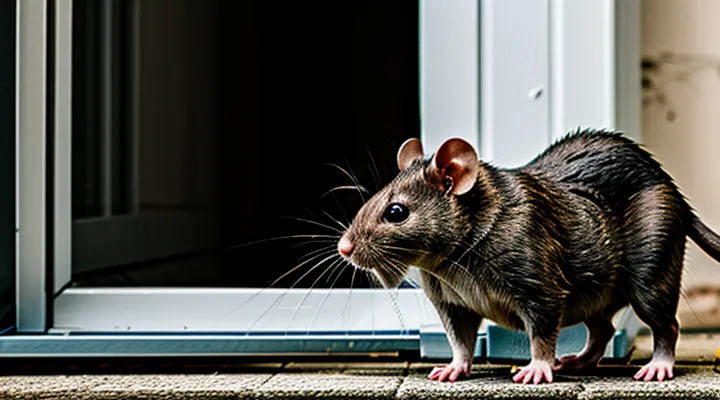
Understanding the Rat Problem
Identifying Rat Infestation Signs
Droppings and Urine Trails
Rats leave droppings and urine trails wherever they travel, providing reliable indicators of their presence and movement patterns. Recognizing these signs enables targeted, non‑chemical interventions.
Droppings are typically ¼‑inch long, dark brown to black, and tapered at one end. They appear in clusters near food sources, nesting sites, and along wall cracks. Urine stains are invisible but can be detected by a faint, musky odor or by using a blacklight, which makes the wet spots glow.
Effective sanitation follows a three‑step protocol:
- Wear disposable gloves and a mask; isolate the area to prevent aerosol spread.
- Wet the droppings with a disinfectant solution (e.g., 10 % bleach) before removal to minimize dust.
- Dispose of contaminated material in sealed bags and clean the surface with the same disinfectant, allowing a 10‑minute contact time before wiping dry.
After cleaning, the remaining scent marks guide placement of mechanical traps. Position snap traps or live‑capture devices perpendicular to the identified trails, with the trigger side facing the direction of travel. Bait the trap with high‑protein items such as peanut butter or dried meat, which complement the rats’ foraging behavior. Monitor traps daily, relocate them if no activity is observed, and repeat the process until droppings and urine are no longer detected.
Gnaw Marks and Damage
Rats leave distinctive gnaw marks on wood, plastic, wiring, and food containers. The bite pattern is clean, angular, and often shows parallel lines where the animal has chewed through material. Identifying these signs confirms an infestation and helps prioritize repair work.
Damage caused by gnawing can create fire hazards, especially when electrical cables are exposed. Compromised insulation may short circuit appliances, leading to costly repairs and safety risks. Structural components such as joists and support beams weaken over time, reducing the integrity of walls and floors.
To address gnaw marks without resorting to toxic baits, follow these steps:
- Inspect thoroughly – Examine all accessible areas, focusing on corners, attics, basements, and behind appliances. Use a flashlight to reveal hidden chew damage.
- Seal entry points – Apply steel wool, copper mesh, or concrete caulk to gaps larger than ¼ inch. Rodents cannot gnaw through these materials.
- Replace compromised wiring – Cut and re‑insulate any cables showing bite damage. Engage a licensed electrician for safety compliance.
- Repair structural damage – Reinforce or replace chewed wood with treated lumber. Secure fasteners to prevent further weakening.
- Deploy physical deterrents – Install snap traps, live‑catch traps, or electronic deterrent devices near gnaw sites. Position traps perpendicular to walls, where rats travel.
- Maintain cleanliness – Store food in metal containers, remove debris, and keep garbage sealed. Eliminating food sources reduces chewing activity.
Monitoring repaired areas for new gnaw marks confirms the effectiveness of non‑poison control measures. Prompt detection and remediation prevent escalation, protect property, and keep the environment free of hazardous chemicals.
Unusual Noises and Odors
Rats reveal their presence through distinctive sounds and smells that can guide non‑chemical control efforts.
The most common auditory signs include:
- Scratching on walls, ceilings or stored items, especially at night.
- Scurrying noises within insulation, ducts or crawl spaces.
- High‑pitched squeaks when rats are startled or communicating.
Odorous cues typically consist of:
- A strong, musky odor originating from urine, especially near food sources or nesting sites.
- A sharp, ammonia‑like scent from feces, often concentrated in concealed corners.
- A faint metallic smell from gnawed wiring or metal components.
When these indicators appear, follow a systematic response:
- Locate the exact area by tracking the sound source and odor concentration.
- Seal all entry points larger than a half‑inch using steel wool, cement or metal flashing.
- Install snap or live‑capture traps in identified pathways, positioning them perpendicular to walls for optimal strike angles.
- Remove food, water and shelter opportunities: store dry goods in airtight containers, fix leaks, and clear clutter.
- Maintain a regular inspection schedule to verify the absence of new noises or odors, adjusting barriers and traps as needed.
By interpreting unusual noises and odors accurately, it is possible to eradicate rodent infestations without resorting to toxic substances.
Common Rat Entry Points
Gaps in Foundations and Walls
Rats enter homes through openings in foundations and walls, exploiting any crack, void, or poorly sealed joint. These gaps provide shelter, a travel route, and direct access to food sources. Identifying and sealing them eliminates the primary pathway, reducing the need for toxic control measures.
Inspection should focus on the perimeter of the building, including basement walls, crawl‑space floors, and exterior foundations. Look for signs such as gnaw marks, droppings, or disturbed insulation. Pay particular attention to areas where different construction materials meet, as differential movement often creates fissures.
Effective sealing methods include:
- Expanding polyurethane foam for gaps up to ¼ inch, applied from the interior side.
- Cement‑based mortar or concrete patch for larger cracks in concrete foundations.
- Steel wool packed into openings, followed by a layer of caulk to prevent chewing.
- Metal flashing or hardware cloth (½‑inch mesh) installed over vent openings and utility penetrations.
After repairs, maintain a barrier by keeping vegetation trimmed away from the building, ensuring proper drainage to avoid moisture‑induced settling, and conducting periodic visual checks. Consistent exclusion of entry points sustains a rat‑free environment without resorting to poisonous substances.
Roof and Gutter Access
Access to the roof and gutters is a critical point in preventing rodent infestations without resorting to toxic methods. Rats can climb trees, shrubs, or utility lines to reach the eaves, then use gaps in roofing material or open gutters as pathways into a building. Securing these areas reduces the likelihood that rodents will establish a foothold and eliminates a common route for entry.
Inspection should begin with a visual survey of the entire roof surface. Look for damaged shingles, loose flashing, and exposed soffits. In gutters, check for accumulated leaves, twigs, or debris that can create hiding spots and facilitate climbing. Any identified weaknesses must be repaired or sealed before further action.
Practical steps for effective roof and gutter management include:
- Install metal flashing or sturdy mesh over vent openings and soffit gaps; material must be no larger than ¼ inch to prevent rodent passage.
- Apply a continuous strip of stainless‑steel wire or hardware cloth along the eaves, ensuring overlap at seams.
- Trim tree branches and vegetation so they remain at least three feet below the roofline, removing easy climbing routes.
- Clean gutters regularly, removing all organic material that could serve as nesting sites.
- Fit gutter guards made of fine mesh or solid covers to block access while allowing water flow.
After physical barriers are in place, employ non‑lethal deterrents such as snap traps or electronic devices positioned near likely entry points. Monitor trap activity weekly and adjust placement as needed. Maintaining a sealed roof and debris‑free gutters, combined with strategic trapping, provides a comprehensive, poison‑free solution to rodent problems.
Utility Line Openings
Utility line openings provide direct pathways for rodents to infiltrate buildings. Identifying every cable entry, conduit, and vent is the first step in a chemical‑free rodent control program.
Inspect each opening from the exterior and interior. Look for gaps larger than ¼ inch, damaged seals, and worn flashing. Record locations and prioritize those near food storage or waste areas.
Seal identified gaps using materials that resist gnawing:
- Steel mesh (¼‑inch or smaller) secured with stainless‑steel screws
- Heavy‑duty silicone or polyurethane sealant applied to joints and seams
- Metal flashing or copper plates over larger penetrations
Replace vulnerable conduit sleeves with rigid, rodent‑proof conduit. Install brush guards on drainage pipes to prevent climbing.
Maintain a schedule of quarterly inspections. During each visit, verify that seals remain intact, replace compromised components, and clear debris that could conceal new openings.
Combine sealed utility lines with habitat reduction: keep vegetation away from the building foundation, store waste in sealed containers, and eliminate standing water. This integrated approach removes access points and removes attractants, achieving effective rat control without reliance on toxic baits.
Non-Toxic Rat Control Methods
Exclusion and Prevention
Sealing Entry Points
Sealing entry points blocks the routes rats use to infiltrate buildings, providing a permanent barrier that eliminates the need for toxic baits.
Identify all potential openings. Common locations include gaps around utility pipes, vents, door frames, window casings, foundation cracks, and gaps beneath appliances. Conduct a systematic walk‑through, inspecting both interior and exterior surfaces for holes larger than a quarter of an inch.
Apply appropriate sealing materials.
- Steel wool or copper mesh: pack into small openings, then cover with caulk to prevent gnawing.
- Expanding foam: fill irregular gaps, trim excess after curing.
- Concrete or mortar: repair foundation cracks and large holes.
- Hardware cloth (½‑inch mesh): overlay larger gaps, secure with screws or nails.
- Weather‑stripping: install around doors and windows to close narrow seams.
After sealing, perform a follow‑up inspection within two weeks to verify that no new gaps have appeared. Maintain barriers by replacing worn weather‑stripping annually and re‑applying caulk where movement or settling occurs. Regular monitoring sustains a rat‑free environment without resorting to poisonous measures.
Securing Food Sources
Securing food supplies eliminates the primary attraction that draws rats into homes and commercial spaces. By removing accessible nutrition, you create an environment where rats cannot establish a sustainable presence.
- Store dry goods in airtight containers made of metal or heavy‑duty plastic; seal lids tightly after each use.
- Keep pet food in sealed bins and feed animals only at scheduled times, removing leftovers immediately.
- Clean countertops, floors, and countertops after meals; sweep crumbs and mop spills before they dry.
- Dispose of garbage in containers with tight-fitting lids; empty bins regularly and store them away from building entrances.
- Repair leaks and eliminate standing water; dry surfaces that could serve as drinking sources.
Implementing these measures reduces the likelihood of rat infestation without resorting to toxic substances, encouraging long‑term control through environmental management.
Maintaining Cleanliness
Keeping the environment clean deprives rats of food, shelter, and nesting material, forcing them to seek more hospitable locations. Regular removal of food residues, proper storage, and prompt disposal of waste eliminate the primary attractions that bring rodents into homes and businesses.
- Store grains, pet food, and other perishables in sealed, rodent‑proof containers.
- Sweep floors and vacuum crumbs after each meal; clean countertops and appliances with mild detergent.
- Empty trash bins daily, using lids that close tightly; place bins away from building entrances.
- Repair cracks, gaps, and holes in walls, floors, and foundations; install metal or cement flashing where needed.
- Maintain yard cleanliness: trim vegetation, clear fallen fruit, and remove debris that could serve as cover.
Inspect storage areas, pantry shelves, and behind appliances weekly for signs of droppings or gnaw marks. Immediate cleaning of any detected contamination prevents the spread of disease and discourages further infestation. By enforcing strict sanitation standards, the likelihood of rat activity diminishes without resorting to chemical agents.
Humane Trapping Techniques
Snap Traps (Ethical Considerations)
Snap traps provide a rapid, non‑chemical method for eliminating rats. The mechanism relies on a spring‑loaded bar that releases when a rodent triggers a pressure plate, delivering an instantaneous impact that causes immediate death. Because the outcome is swift, snap traps are frequently cited as a more humane alternative to poison, which can cause prolonged suffering and secondary poisoning of wildlife.
Ethical considerations focus on three primary aspects: animal welfare, responsible use, and disposal.
- Animal welfare: The design must ensure that the force applied is sufficient to cause instant loss of consciousness. Improperly calibrated traps may result in partial injury, prolonging distress. Selecting models with proven efficacy and regularly inspecting them for malfunction reduces this risk.
- Responsible use: Placement should target active rat pathways while avoiding areas where non‑target species, such as birds or pets, could be harmed. Baiting with food items unattractive to other animals further limits accidental capture.
- Disposal: After a capture, the carcass should be removed promptly and handled with gloves to prevent disease transmission. Disposal methods include double‑bagging and discarding in sealed waste containers, or contacting local wildlife services for appropriate processing.
Legal frameworks in many jurisdictions require humane killing methods and may restrict the use of certain trap designs. Compliance with local regulations protects both the user and the broader ecosystem.
When snap traps are employed with attention to calibration, strategic placement, and proper carcass management, they align with ethical standards for rodent control while eliminating the need for toxic substances.
Live Traps
Live traps are cages that capture rodents alive, allowing removal without lethal chemicals. The device closes automatically when a rat enters, keeping the animal intact for later release.
Using a live‑capture system eliminates health hazards associated with toxins, prevents secondary poisoning of pets or wildlife, and complies with regulations that restrict hazardous substances in residential settings.
Key factors when selecting a trap include:
- Size sufficient for adult rats (minimum interior dimensions 10 × 5 × 5 inches).
- Sturdy construction of metal or heavy‑duty plastic to resist chewing.
- Sensitive trigger mechanism that activates with minimal weight.
Effective placement follows rodent behavior patterns. Position traps along walls, behind appliances, and near known runways. Keep the device flush against the surface to guide the rat into the entrance. Avoid locations exposed to direct sunlight or heavy foot traffic, which can reduce capture rates.
Bait selection influences success. Preferred attractants are high‑protein foods such as peanut butter, cooked meat, or dried fruit. Apply a small amount to the trigger plate, ensuring the rat must step onto the plate to reach the bait.
Operational routine:
- Set the trap and inspect it each morning.
- Release captured rats at least 2 miles from the property, following local wildlife regulations.
- Clean the cage with hot, soapy water after each use to remove scent trails.
Regular maintenance prevents re‑infestation. Seal entry points, store food in sealed containers, and monitor for fresh droppings. Consistent use of live traps, combined with proper sanitation, provides a reliable, non‑poisonous solution for rat control.
Baiting Strategies
Effective baiting relies on understanding rat behavior and applying targeted attractants to non‑chemical control methods. Choose food items that match the species’ diet preferences and remain appealing over time. Common options include peanut butter, dried fruit, nuts, and grain mixes. Rotate bait types every few days to prevent habituation and maintain curiosity.
Placement determines success. Position baited traps along walls, near entry points, and in concealed corners where rodents travel. Secure traps at ground level or slightly below, aligning with the natural runway. Use a small amount of bait—just enough to cover the trigger surface—so rats must contact the mechanism to access the food.
Timing influences capture rates. Deploy traps in the evening when rats are most active, then inspect and reset before daylight. Remove any uneaten bait after 24 hours to avoid attracting non‑target wildlife.
Maintain a clean environment to enhance bait effectiveness. Eliminate competing food sources by storing pantry items in sealed containers, promptly cleaning spills, and securing garbage. Reducing alternative nourishment forces rats to seek the provided bait.
Implementing a systematic baiting program—selecting appropriate attractants, positioning traps strategically, rotating offerings, and controlling extraneous food—provides a reliable, poison‑free solution for rat removal.
Natural Deterrents
Essential Oils
Essential oils offer a non‑lethal alternative for deterring rodents. Their strong aromas interfere with rats’ sensory perception, prompting avoidance of treated areas.
- Peppermint oil: apply 10 drops diluted in water to cotton balls; place near entry points and nesting sites. Replace every three days.
- Eucalyptus oil: soak fabric strips with 15 drops per cup of water; hang in closets and under appliances. Refresh weekly.
- Citronella oil: spray a solution of 20 drops per quart of water on baseboards and walls. Reapply after cleaning or rain.
- Clove oil: mix 5 drops with a carrier oil; rub on exterior of trash cans and pantry doors. Reapply bi‑weekly.
Effectiveness depends on consistent application and coverage of potential pathways. Oils should be stored in sealed containers to preserve potency. Avoid direct contact with pets; test a small area for material compatibility before widespread use.
Combining oil treatments with physical barriers—such as sealing cracks and installing metal mesh—enhances results. Regular inspection of bait stations and removal of food sources further reduces attraction, supporting a poison‑free strategy.
Predator Urine
Predator urine exploits the natural fear response of rodents. Carnivores such as foxes, coyotes, and feral cats release scent markers that contain volatile compounds detectable by rats. When these odors are present in a building or yard, rats perceive an increased risk of predation and tend to avoid the area.
Application methods include:
- Spraying diluted urine on entry points, baseboards, and along walls.
- Soaking cotton balls or fabric strips in the liquid and placing them in concealed locations.
- Using commercial dispenser units that release a steady stream of scent.
Effectiveness depends on concentration, renewal frequency, and environmental conditions. Fresh urine retains potency for 24–48 hours; reapplication every two days maintains deterrence. Exposure to sunlight, heat, or ventilation reduces odor strength, requiring more frequent treatment.
Safety considerations:
- Use gloves and eye protection during handling.
- Store containers away from food preparation surfaces.
- Ensure the source is disease‑free; reputable suppliers provide sterilized, pathogen‑tested products.
Limitations:
- Rats may habituate if the scent remains constant without accompanying predator cues.
- Indoor use may cause lingering odor complaints from occupants.
- Heavy infestations often require supplemental measures such as trapping or habitat modification.
Integrating predator urine with exclusion techniques—sealing cracks, removing food sources, and maintaining clean surroundings—enhances overall control without resorting to toxic substances.
Electronic Repellents
Electronic repellents offer a non‑chemical method for reducing rat activity in homes and commercial spaces. These devices emit ultrasonic frequencies or electromagnetic pulses that interfere with the rodents’ nervous system, prompting them to vacate the area. Because they contain no toxins, they comply with health‑safety regulations and avoid contaminating food supplies.
Key considerations when selecting an electronic repellent:
- Frequency range: effective models cover 20–65 kHz, matching the hearing sensitivity of rats.
- Coverage area: manufacturers specify square footage; choose a unit that exceeds the target space to ensure overlapping fields.
- Power source: plug‑in units provide continuous operation, while battery‑powered models allow placement in locations without outlets.
- Durability: devices with sealed housings resist dust and moisture, maintaining performance over time.
Proper deployment maximizes efficacy:
- Install units at the highest point of each room, as ultrasonic waves travel downward.
- Position devices near entry points, such as gaps under doors or utility openings, to create a barrier.
- Keep furniture and décor at least 6 inches away from the emitter to prevent signal obstruction.
- Replace units after the manufacturer’s recommended lifespan, typically 2–3 years, to avoid signal degradation.
Electronic repellents do not eliminate existing infestations instantly; they discourage new incursions and encourage existing rats to relocate. For severe problems, combine repellents with sealing of entry points and, if necessary, professional trapping to achieve comprehensive, poison‑free control.
Professional Non-Toxic Solutions
Consulting Pest Control Experts
Consulting professional pest‑control specialists provides a reliable pathway to eradicate rodent infestations while avoiding toxic substances. Experts assess the property, identify entry points, and recommend targeted, non‑chemical interventions that align with health‑safety standards.
A typical consultation includes:
- Inspection of structural weaknesses such as gaps around pipes, vents, and doors.
- Evaluation of food storage practices and waste management.
- Recommendation of physical barriers (steel wool, metal flashing) and sealing materials.
- Installation of trap systems designed for humane capture and release.
- Guidance on habitat modification to reduce shelter availability.
When selecting a service provider, verify credentials, request a written plan outlining non‑poisonous methods, and confirm that follow‑up visits are part of the agreement. The documented strategy enables measurable progress and ensures compliance with local regulations.
Implementing the expert‑advised measures reduces rodent activity, protects indoor air quality, and eliminates reliance on hazardous chemicals. Continuous monitoring by the consultant confirms long‑term effectiveness and allows timely adjustments if new intrusion points emerge.
Integrated Pest Management (IPM)
Integrated Pest Management (IPM) provides a systematic framework for reducing rat populations while avoiding toxic substances. The process begins with a thorough site assessment to identify entry points, food sources, and harborages. Visual inspection, tracking stations, and motion‑activated cameras reveal activity patterns and help prioritize interventions.
Sanitation eliminates the resources rats need to survive. Steps include:
- Securing garbage in sealed containers.
- Removing spilled grain, pet food, and compost from accessible areas.
- Repairing leaks and eliminating standing water.
Exclusion prevents re‑entry. Install metal flashing, concrete lintels, and steel mesh around openings larger than ¼ inch. Seal cracks with cement or steel wool, and fit door sweeps on all exterior doors.
Mechanical controls target individuals directly. Deploy snap traps, electric traps, or live‑catch cages in high‑activity zones identified during monitoring. Position devices perpendicular to walls, with bait placed at the rear to encourage entry. Check traps daily, dispose of captured rodents promptly, and reset devices as needed.
Monitoring continues after initial actions. Replace tracking stations with fresh powder, record new signs, and adjust trap placement based on observed movement. Documentation of capture rates and infestation hotspots guides decision‑making.
Evaluation compares pre‑ and post‑intervention data. A decline of 70 % or greater in activity indicators within six weeks signals effective control. If targets are not met, revisit sanitation practices, reinforce exclusion measures, or increase trap density.
IPM emphasizes minimal reliance on chemicals, focusing instead on habitat manipulation, physical barriers, and precise removal techniques. When applied consistently, the approach achieves long‑term rat suppression without resorting to poison.