
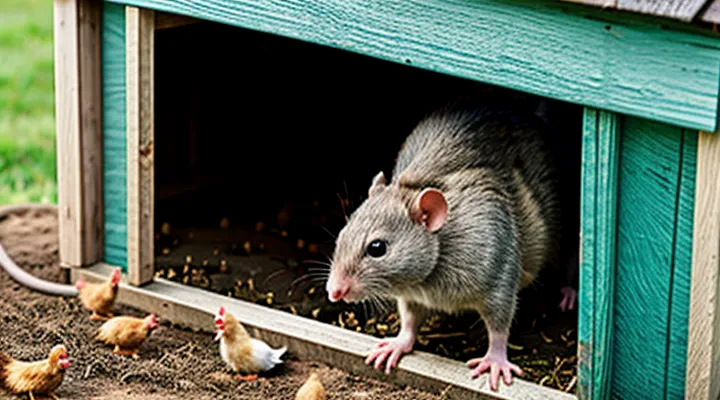
Understanding the Rat Problem in Chicken Coops
Why Rats are a Threat to Chickens and Coops
Health Risks for Chickens
Rats in a chicken coop transmit pathogens that can compromise flock health. Direct contact with rat droppings, urine, or saliva introduces bacteria, viruses, and parasites that affect poultry productivity and survival.
Common health threats include:
- Salmonella: bacterial infection causing diarrhea, dehydration, and reduced egg quality.
- Escherichia coli: can lead to septicemia, respiratory distress, and mortality in young birds.
- Campylobacter: results in gastrointestinal illness and can be passed to humans handling eggs or meat.
- Mites and lice: rats carry ectoparasites that infest chickens, causing irritation, feather loss, and anemia.
- Tapeworms (Hymenolepis spp.): ingested via contaminated feed, leading to weight loss and poor feed conversion.
Stress from rat presence also weakens immune function, making chickens more susceptible to secondary infections and decreasing egg production. Preventing rodent entry eliminates these vectors and supports overall flock resilience.
Non‑chemical rodent control measures—such as sealing openings, maintaining clean bedding, and installing predator‑proof fencing—reduce disease exposure without introducing toxic residues that could harm birds or contaminate eggs. Regular monitoring for signs of infection and prompt veterinary intervention further mitigate health risks associated with rodent activity.
Damage to Coop Structure and Feed
Rats gnaw on wooden beams, wire mesh, and plastic fittings, creating holes that compromise the coop’s integrity. Their incisors can cut through ¼‑inch lumber in a matter of days, weakening walls and roofs and allowing predators and weather to enter.
Feed stores suffer direct loss as rats chew bags, spill grain, and deposit urine and feces. Contaminated feed reduces nutritional value, spreads disease to chickens, and creates an ongoing source of attraction for additional rodents.
Mitigation measures that avoid toxic substances include:
- Installing metal hardware cloth (½‑inch mesh) around all openings; steel resists chewing better than wood or plastic.
- Securing feed in airtight containers made of heavy‑gauge plastic or metal with tight‑fitting lids.
- Elevating feed bins off the ground on sturdy platforms to prevent rats from reaching them.
- Using snap‑traps or live‑catch cages positioned along established runways; check and reset daily.
- Removing debris, nesting material, and excess straw that provide shelter for rodents.
Regular inspection of the coop’s structure and feed storage identifies damage early, allowing prompt repair and reducing the likelihood of a full‑scale infestation.
Non-Toxic Rat Control Strategies
Prevention is Key: Securing the Coop
Rat-Proofing the Coop Structure
A solid barrier is the most reliable method for preventing rodents from entering a chicken enclosure. Begin with a thorough inspection of the entire structure. Identify any openings larger than ¼ inch, including cracks in the foundation, gaps around vent pipes, and spaces where the roof meets the walls. Seal these openings with stainless‑steel hardware cloth, not chicken wire, because the smaller mesh resists chewing.
- Attach hardware cloth to the exterior of walls and roof, overlapping seams by at least 2 inches and fastening with rust‑proof staples or screws.
- Cover all ventilation openings with mesh that matches the wall material; use a fine‑gauge screen for any feed or water trough openings.
- Install a concrete or metal base that extends 6–12 inches below ground level; backfill with crushed stone to discourage burrowing.
- Fit doors and hatches with self‑closing latches and a sweep or brush seal at the bottom to block entry when closed.
- Elevate feeders and water containers at least 12 inches off the floor; attach them to the coop frame to prevent rats from climbing directly from the ground.
Reinforce corners and joints with metal brackets and additional mesh to eliminate weak points. Regularly check the integrity of the barrier, repairing any damage promptly. By maintaining a fully sealed, elevated, and mesh‑reinforced structure, the coop becomes inhospitable to rats without resorting to toxic measures.
Managing Feed Storage
Proper feed storage directly reduces rat attraction in a poultry enclosure that relies on non‑chemical control methods. Keep feed in sealed containers made of metal or heavy‑wall plastic; lids must close tightly and resist gnawing. Store feed on raised platforms at least 12 inches above the ground to prevent rodents from reaching it from the floor. Position storage units away from walls and coop openings, creating a clear perimeter that eliminates hiding places.
- Use airtight, rodent‑proof bins with latch mechanisms that require two hands to open.
- Rotate stock regularly; discard any spilt or stale feed promptly.
- Clean the storage area after each feeding, sweeping away crumbs and debris.
- Install metal shelving with no gaps larger than ¼ inch; avoid wood that can be chewed.
- Inspect containers weekly for signs of damage or rodent activity, repairing or replacing compromised units immediately.
By eliminating accessible food sources, rats lose the incentive to enter the coop, supporting a sustainable, poison‑free rodent management strategy.
Maintaining a Clean Environment
A spotless coop deprives rats of shelter and food, making it the most reliable non‑chemical deterrent.
- Remove all spilled feed each day; store grain in sealed containers made of metal or thick plastic.
- Sweep the floor, discard droppings, and replace bedding weekly; use absorbent material that stays dry.
- Clean waterers daily, rinse thoroughly, and prevent leaks that create moist zones.
- Dispose of dead birds, eggshells, and moldy bedding immediately in a sealed trash bag.
Consistent sanitation eliminates the attractants that draw rodents. Regular inspections reveal debris buildup before it becomes a problem. Sealing cracks, gaps, and openings in walls, doors, and ventilation screens blocks entry points, reinforcing the clean‑environment strategy.
By enforcing strict hygiene protocols, the coop remains inhospitable to rats, eliminating the need for toxic control measures.
Trapping Methods
Live Traps
Live traps provide a humane method for eliminating rodents from a poultry enclosure while avoiding toxic substances. Choose traps made of sturdy wire mesh with a trigger mechanism that closes securely when a rat enters. Models featuring a smooth interior prevent the animal from escaping once captured.
Place traps along known runways: near feed containers, along walls, and adjacent to entry points such as holes or gaps. Position them on the floor, not on top of bedding, to keep the trigger at the rat’s natural height. Secure each trap to a stable surface to prevent tipping.
Check traps at least twice daily. Remove captured rats promptly to reduce stress and prevent scent buildup that could attract additional rodents. Wear disposable gloves and a mask when handling captures to protect both the handler and the flock from disease transmission.
After removal, release rats at least five miles from the property, preferably in a wooded area with natural cover. This distance discourages immediate return and complies with local wildlife regulations.
Maintain trap effectiveness by cleaning mesh with hot, soapy water after each use. Disinfect with a diluted bleach solution, rinse thoroughly, and dry before redeploying. Regular cleaning eliminates urine and feces that could deter rats or contaminate the coop environment.
Integrate live trapping with broader exclusion measures: seal all openings larger than a quarter inch, store feed in sealed containers, and keep the coop free of clutter. When traps are combined with proper sanitation and structural repairs, rodent populations decline without the need for poison.
Snap Traps (Placement and Safety)
Snap traps provide immediate, humane control of rats in a chicken coop when poison is unsuitable. The mechanism kills instantly, preventing suffering and eliminating the risk of secondary poisoning of poultry.
- Position traps along walls where rats travel, typically within 2–3 inches of the baseboard.
- Place traps near known entry points, such as gaps beneath doors, ventilation openings, and feed storage areas.
- Set traps on the floor rather than on elevated surfaces; rats prefer ground routes.
- Use multiple traps spaced 12–18 inches apart to cover high‑traffic corridors.
- Anchor traps to a sturdy surface to prevent displacement by curious chickens.
Safety considerations protect both the birds and the caretaker:
- Select traps with a safety shield that covers the spring until the trigger is engaged.
- Keep traps out of reach of chickens by installing them on low shelves or behind protective barriers.
- Wear thick gloves when loading bait and resetting traps to avoid accidental discharge.
- Dispose of captured rodents promptly in sealed bags; sanitize the trap with a diluted bleach solution before reuse.
- Inspect traps daily; remove dead rats to prevent odor buildup that could attract additional rodents.
CO2 Traps
CO2 traps attract rats by emitting carbon dioxide that mimics the breath of potential prey. The gas diffuses through a small vent, drawing rodents toward the source. Inside the trap, a funnel leads to a sealed chamber where the animal cannot escape.
Construction and placement
- Use a sturdy plastic or metal container with a tight‑locking lid.
- Install a regulated CO2 generator (e.g., yeast‑sugar mixture or compressed cartridge) that releases a steady flow of gas.
- Cut a 2‑inch opening near the top, attach a funnel that narrows to a 1‑inch entrance.
- Position the device along the coop’s perimeter, close to known runways or nesting sites, but away from the chickens’ roosting area to prevent accidental exposure.
Operation guidelines
- Verify that the CO2 output does not exceed safe levels for poultry; maintain concentrations below 0.5 % in the surrounding air.
- Check the trap daily; remove captured rats, reset the CO2 source, and clean the interior to prevent odor buildup.
- Rotate trap locations every two weeks to cover new activity zones and discourage habituation.
Advantages
- No toxic chemicals enter the coop, preserving egg safety.
- Targeted attraction reduces non‑target wildlife encounters.
- Reusable components lower long‑term costs.
Limitations
- Requires regular monitoring to ensure gas levels remain harmless for chickens.
- Effectiveness depends on proper seal; leaks diminish attraction and may pose ventilation concerns.
- Initial setup may be more labor‑intensive than simple snap traps.
When integrated with sanitation measures—such as sealing entry points, removing food scraps, and maintaining dry bedding—CO2 traps provide a viable, non‑poisonous solution for controlling rat populations in a chicken enclosure.
Natural Deterrents and Repellents
Essential Oils and Their Application
Essential oils provide a non‑lethal means of discouraging rodents from entering a poultry enclosure. Their strong aromatic compounds interfere with the olfactory cues rats use to locate shelter and food, prompting avoidance behavior without harming the birds.
Effective oils include peppermint, clove, eucalyptus, citronella, and rosemary. Peppermint oil contains menthol, which rats find repellent; clove oil’s eugenol acts as a sensory irritant; eucalyptus oil’s cineole disrupts scent trails; citronella and rosemary add complementary volatility that broadens the deterrent spectrum.
Application methods:
- Cotton‑ball placement: Soak a cotton ball in 10–15 drops of oil, seal in a breathable mesh pouch, and position near entry points, nesting boxes, and feed stations. Replace every 3–4 days.
- Spray solution: Mix 1 part oil with 4 parts water and a teaspoon of mild dish soap to emulsify. Spray the mixture on the coop’s exterior walls, ventilation openings, and the perimeter fence. Reapply weekly or after rain.
- Diffuser use: Place a small electric diffuser inside the coop, set to a low mist output. Use 3–5 drops of oil per 100 ml of water. Operate for 6–8 hours daily; monitor humidity to prevent excess moisture.
Safety considerations:
- Verify that the chosen oil is non‑toxic to poultry; avoid wintergreen and camphor, which can cause respiratory irritation.
- Conduct a spot test on a small area of the coop material to ensure no discoloration or degradation.
- Maintain proper ventilation; essential oils should not accumulate to concentrations that could stress the chickens.
Integration with other management practices enhances effectiveness. Seal gaps, store feed in rodent‑proof containers, and keep the coop clean to reduce attractants. When essential oils are used consistently, they create an inhospitable scent environment that deters rats while preserving the health of the flock.
Predatory Scents
Predatory scents exploit the natural wariness of rodents by mimicking the odor of common predators. When introduced into a chicken coop environment, these odors create a perceived threat that discourages rats from entering or nesting.
Typical predator-derived aromas include:
- Fermented fox urine, available in concentrated spray form.
- Coyote or wolf scent pads, infused with glandular secretions.
- Mustelid (weasel, mink) oil, applied to wooden beams or wire mesh.
- Owl or hawk feather extract, dispersed as a fine mist.
To maximize effectiveness, follow these steps:
- Place scent sources near entry points, such as gaps under doors and ventilation openings.
- Refresh applications every 7‑10 days, as volatile compounds dissipate quickly.
- Combine scents with physical barriers (hardware cloth, sealed gaps) to prevent rats from testing the threat.
- Monitor rat activity with motion‑activated cameras; reduce or relocate scent sources if rats appear acclimated.
Predatory scents do not harm chickens, leave no residue on eggs, and avoid the regulatory concerns associated with chemical poisons. Proper rotation and consistent placement maintain a hostile olfactory landscape that deters rodent incursions while preserving a safe environment for poultry.
Using Ammonia
Ammonia can serve as an effective, non‑lethal deterrent for rodents in a chicken coop. The strong odor mimics the scent of urine and other waste, which rats associate with the presence of predators or competitors, prompting them to avoid the area.
To employ ammonia safely:
- Dilute household ammonia (5‑10 % concentration) with water at a 1:4 ratio.
- Soak rags or cotton balls in the solution and place them in sealed, ventilated containers near entry points, nesting boxes, and feed storage.
- Replace the containers every 48 hours to maintain a consistent scent level.
- Keep the coop well‑ventilated to prevent respiratory irritation for both chickens and humans.
Precautions:
- Do not apply ammonia directly on surfaces that chickens may peck or ingest.
- Wear gloves and eye protection when handling the solution.
- Store ammonia away from heat sources and out of reach of children and pets.
Regular monitoring of rodent activity, combined with proper coop sanitation and exclusion measures (sealed gaps, predator‑proof fencing), enhances the likelihood of sustained rat avoidance without resorting to toxic baits.
Biological Control
Introducing Natural Predators (Limitations and Considerations)
Natural predators can suppress rodent activity in a poultry enclosure without chemical interventions. Species such as barn owls, hawkraptors, snakes, feral cats, and trained terriers each present distinct mechanisms for locating and removing rats.
- Barn owls: Hunt primarily at night, using silent flight and acute hearing. Installation of nesting boxes encourages residency, but local wildlife regulations may limit placement. Owls do not pose a direct threat to chickens, yet their presence can attract other raptors that might view hens as prey.
- Hawk species: Provide aerial pressure during daylight hours. Perches and bait stations can lure temporary visits. Licensing requirements often apply; repeated exposure may habituate rats, reducing effectiveness over time.
- Snakes: Certain non‑venomous constrictors enter burrows and consume rodents. Introducing snakes demands secure coop design to prevent escape and to protect birds from accidental predation. Climate suitability restricts their use in cooler regions.
- Feral or domestic cats: Offer continuous ground-level control. Cats must be acclimated to the coop environment to avoid stress-induced aggression toward poultry. Overpopulation of cats can lead to disease transmission and ecological concerns.
- Terriers: Trained hunting dogs can locate and flush out rats in confined spaces. Regular exercise and supervision are essential to prevent injury to chickens and to maintain the dogs’ focus on rodent targets.
Considerations common to all predators include:
- Legal compliance: Verify permits, protected‑species status, and municipal ordinances before introducing any wildlife.
- Impact on poultry: Assess whether the predator’s hunting style could unintentionally harm hens or chicks.
- Habitat requirements: Provide appropriate shelter, perching sites, or denning areas to sustain predator interest.
- Population control: Monitor predator numbers to avoid over‑predation, which can disrupt the coop’s ecological balance.
- Health monitoring: Conduct regular veterinary checks on domestic predators to prevent disease spread to the flock.
When applied with attention to regulation, safety, and habitat, natural predators become a viable component of a non‑toxic rodent management plan for chicken housing.
Post-Eradication Measures
Ongoing Monitoring
Effective rodent control in a poultry enclosure without chemicals depends on continuous observation. Regular inspections reveal new entry points, population changes, and the effectiveness of non‑toxic deterrents.
A systematic monitoring routine should include:
- Daily visual sweep of nesting boxes, feed stations, and perimeters for droppings, gnaw marks, or fresh burrows.
- Weekly check of snap or live traps to record captures, reset mechanisms, and replace bait if necessary.
- Bi‑weekly assessment of structural integrity, focusing on gaps larger than ¼ inch, vent openings, and damaged wire mesh.
- Monthly review of motion‑activated cameras or infrared sensors positioned near known activity zones, documenting movement patterns and peak activity times.
Maintain a log that notes date, location, observed signs, and corrective actions taken. Trend analysis of this data highlights emerging problems before they expand, allowing timely reinforcement of barriers or adjustment of trap placement.
When anomalies appear—such as increased droppings or unexplained feed loss—escalate inspection frequency to twice daily until the issue is resolved. Consistent record‑keeping and prompt response form the backbone of a sustainable, poison‑free rodent management program in a chicken coop.
Reinforcing Preventive Measures
Reinforcing preventive measures creates a durable barrier that keeps rodents out of a poultry enclosure while avoiding toxic substances. Physical obstruction, habitat reduction, and continuous monitoring work together to deny rats access and limit their attraction to the coop.
-
Seal all gaps larger than ¼ inch with stainless‑steel hardware cloth or metal flashing.
-
Install a tight‑fitting roof over the run and ensure doors close flush with the frame.
-
Cover ventilation openings with mesh that resists chewing.
-
Repair cracks in walls, floors, and foundation promptly.
-
Store feed in sealed, rodent‑proof containers; discard excess grain nightly.
-
Clear vegetation, debris, and standing water within a 10‑foot perimeter of the coop.
-
Keep hay, straw, and nesting material elevated on pallets or racks to discourage nesting.
Conduct weekly inspections to detect new entry points or signs of activity. Place snap traps or live‑capture devices along established runways, checking and resetting them daily. Record findings to identify patterns and adjust barriers accordingly. Consistent application of these reinforced measures maintains a rat‑free environment without reliance on poison.