
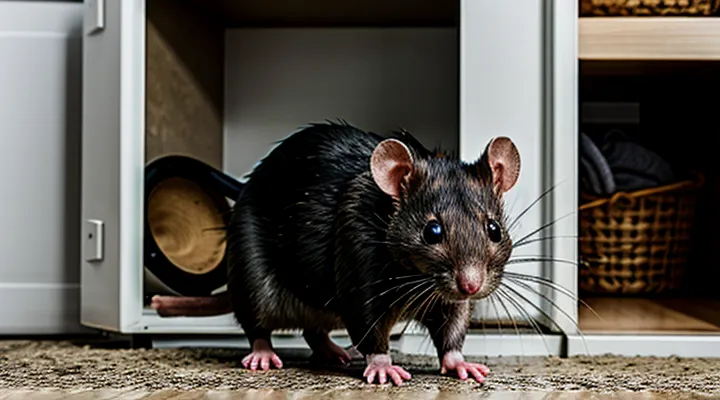
Understanding Your Rat Problem
Signs of a Rat Infestation
Droppings and Urine Smells
Rats leave dark, pellet‑shaped feces that are typically ¼‑inch long and have a distinctive shape with pointed ends. Finding droppings in kitchens, pantries, or hidden corners confirms rodent activity and signals a health hazard. Droppings can harbor pathogens such as Hantavirus, Salmonella, and leptospirosis; inhalation of dust contaminated with dried feces may cause respiratory issues. Immediate removal reduces exposure risk.
Urine produces a strong, musky odor that intensifies in warm, poorly ventilated areas. The smell is a reliable indicator of hidden nests and ongoing infestation. Urine also contains bacteria and parasites that contaminate surfaces, food, and water supplies.
Effective cleaning protocol
- Wear disposable gloves, a mask, and eye protection before handling any material.
- Vacuum or sweep loose droppings with a HEPA‑rated vacuum; seal the bag and discard it in a rigid container.
- Apply an enzymatic cleaner to all affected surfaces; the enzyme breaks down organic residues, neutralizing odors and destroying residual pathogens.
- After the enzymatic treatment, wash the area with hot, soapy water; rinse thoroughly.
- For porous materials (carpet, insulation) that cannot be fully decontaminated, remove and replace them.
Odor mitigation
- Place activated charcoal or baking soda in the vicinity of the smell; both absorb volatile compounds.
- Increase airflow by opening windows or using an exhaust fan; fresh air dilutes lingering odor.
- Use a commercial odor‑neutralizing spray formulated for pest urine; follow the manufacturer’s instructions for safe application.
Disposal guidelines
- Seal all contaminated waste in double‑layered bags.
- Label the bags as “biological hazard” and place them in an outdoor trash bin that is collected weekly.
- Do not compost droppings or urine‑soaked materials; they pose a contamination risk to soil and crops.
Prompt identification, thorough decontamination, and proper waste handling eliminate the health threats posed by rat excreta and remove the unmistakable scent that attracts further rodent activity.
Gnaw Marks and Damage
Rats leave distinctive gnaw marks that reveal the extent of their activity. Teeth continuously grow, so they chew on wood, plastic, wiring, and insulation to keep them trimmed. The resulting holes are jagged, irregular, and often appear in clusters near food sources or entry points.
Typical damage includes:
- Chewed electrical cords, creating fire hazards.
- Compromised structural timber, weakening walls or floors.
- Ruined insulation, reducing energy efficiency.
- Punctured food containers, leading to contamination.
- Scratched surfaces that expose underlying material.
Identifying gnaw marks promptly prevents escalation. Look for bite-sized sections missing from furniture legs, exposed wires, and shredded packaging. Examine hidden areas such as attics, basements, and behind appliances, where rodents prefer to work unnoticed.
After detection, take immediate action:
- Cut power to any damaged circuitry and replace compromised cords with rodent‑resistant alternatives.
- Seal holes larger than ¼ inch with steel wool and caulk to block re‑entry.
- Replace or reinforce weakened wood using metal plates or rodent‑proof materials.
- Dispose of contaminated food and clean surfaces with a disinfectant approved for pest‑related pathogens.
- Deploy traps or bait stations in proximity to the damage to reduce the population.
Addressing gnaw marks and the associated destruction is a critical component of any effective rat‑removal strategy for a household.
Strange Noises
Strange noises in walls, ceilings, or attics often indicate rodent activity. Rats produce scratching, scurrying, and gnawing sounds, especially at night when they forage for food. Recognizing these auditory clues early prevents infestation from expanding.
When unusual sounds appear, follow a systematic assessment:
- Pause and listen for repetitive patterns; continuous rustling suggests a nesting site, while intermittent squeaks may signal movement between walls.
- Locate the source by moving around the room; louder noises usually originate from the nearest wall cavity or floor joist.
- Inspect adjacent areas for droppings, shredded insulation, or gnawed materials that confirm rat presence.
After confirming activity, implement control measures promptly:
- Seal entry points larger than a quarter‑inch with steel wool and caulk or with metal flashing.
- Deploy snap traps or electronic traps near identified pathways; position them perpendicular to travel routes for maximum effectiveness.
- Use rodent‑specific bait stations, placing them out of reach of children and pets, and replace them regularly.
- Maintain a clean environment: store food in sealed containers, eliminate standing water, and remove clutter that offers shelter.
Monitoring after intervention is essential. Re‑listen for residual sounds weekly; persistent noise may indicate surviving individuals or new breaches that require additional sealing and trapping. Consistent vigilance, combined with prompt sealing and trapping, eliminates the auditory evidence of rats and restores a quiet, rodent‑free home.
Sightings
Rats typically reveal their presence through distinct signs that indicate an infestation before damage becomes severe. Droppings appear as dark, rice‑shaped pellets near food sources, along walls, or in hidden corners. Gnaw marks on wood, plastic, or wiring suggest active feeding and nesting activity. Strong, oily odors, especially in attics or basements, often accompany large populations. Fresh urine stains create yellowish rings on surfaces, while shredded insulation or paper indicates material gathering for nests.
To confirm a sighting, follow these steps:
- Inspect low‑lying walls, cabinets, and behind appliances for droppings and gnaw marks.
- Use a flashlight to examine ceiling joists, crawl spaces, and behind drywall for fresh urine stains.
- Set up motion‑activated cameras or infrared traps to capture nocturnal movement.
- Check for burrows or pathways in stored food containers, grain bins, or pet feed.
Accurate identification of these indicators enables targeted intervention, reducing the risk of structural damage and disease transmission.
Why Rats are a Threat
Health Risks
Rats living inside a residence introduce a range of health threats that can affect occupants immediately and over time. Their presence creates direct exposure to pathogens and indirect hazards through contamination of food, surfaces, and structural elements.
- Transmission of bacterial infections such as leptospirosis, salmonellosis, and hantavirus pulmonary syndrome.
- Spread of viral diseases, including lymphocytic choriomeningitis and rat-bite fever.
- Contamination of pantry items with urine, feces, and saliva, leading to food poisoning.
- Allergic reactions and asthma exacerbation caused by rodent dander and droppings.
- Bites and scratches that may become infected, requiring medical treatment.
- Structural damage that encourages mold growth, increasing respiratory risk.
Addressing these risks is essential when implementing rodent eradication in a dwelling. Effective control measures—trapping, sealing entry points, and thorough sanitation—reduce pathogen exposure and protect resident health. Professional assessment may be necessary to ensure comprehensive removal and prevent re‑infestation.
Property Damage
Rats gnaw on electrical wiring, creating short circuits that can disable appliances and increase fire risk. Their incisors also damage insulation, exposing live conductors and compromising safety systems.
Structural components suffer from rodent activity. Beams, joists, and wall studs are chewed, weakening load‑bearing capacity and leading to costly repairs. Holes left by rats allow moisture infiltration, accelerating rot and mold growth.
Plumbing is vulnerable to rodent interference. Rats chew through plastic and copper pipes, causing leaks that waste water and create water‑damage stains on floors and ceilings. Leaking pipes can also foster pest infestations, compounding the problem.
Food storage areas are not immune. Rats contaminate pantry items with urine, droppings, and hair, rendering supplies unusable and requiring disposal. This loss adds to the financial burden of an infestation.
Typical signs of property damage include:
- Exposed or frayed wires
- Small, clean‑cut holes in wood or drywall
- Rust or corrosion around pipe joints
- Stains or discoloration on ceilings and walls
- Visible gnaw marks on food containers
Addressing the infestation promptly prevents escalation of these damages. Sealing entry points, setting traps, and maintaining cleanliness reduce the likelihood of structural compromise and protect the home’s value.
Fire Hazards
Rats increase fire risk by gnawing electrical wiring, compromising insulation, and contaminating heating equipment with droppings. Damaged cables can spark, while accumulated debris creates combustible buildup near heat sources. Addressing these hazards is essential when removing rodents from a residence.
Inspect all exposed wiring for chew marks. Replace any compromised sections with fire‑rated cable. Seal entry points around conduits to prevent future intrusion. Clean soot and droppings from furnaces, water heaters, and dryer vents; residue can ignite under high temperatures.
Implement preventive measures:
- Install rodent‑proof metal mesh around vent openings and pipe entries.
- Use sealed, tamper‑resistant electrical boxes.
- Maintain a clear space of at least six inches around heaters and stoves.
- Schedule regular professional inspections of wiring and HVAC systems.
When deploying traps or baits, avoid placing them near open flames, hot appliances, or flammable materials. Store chemicals in locked, fire‑resistant containers away from heat sources.
By eliminating chewing damage, removing contaminated debris, and reinforcing barriers, homeowners reduce the likelihood of fire while effectively eradicating rodent populations.
Effective Rat Removal Strategies
Prevention is Key
Sealing Entry Points
Sealing entry points prevents rats from re‑entering the property and is the most reliable preventive measure. Identify all potential openings larger than a quarter‑inch by inspecting the building envelope: foundation cracks, gaps around utility penetrations, vent louvers, soffit vents, door thresholds, and window frames. Pay particular attention to areas where pipes, cables, or ducts pass through walls and floors.
- Repair foundation cracks with hydraulic cement or epoxy filler.
- Install steel wool or copper mesh in small holes before applying sealant; steel wool deters chewing.
- Apply a continuous bead of silicone or polyurethane caulk around pipes, cables, and vent edges.
- Fit self‑closing door sweeps and weather‑stripping on all exterior doors.
- Cover larger gaps with sheet metal flashing or hardware cloth (¼‑inch mesh) secured with screws and sealant.
- Install metal grates on vent openings and ensure they are tightly fitted.
After sealing, monitor the sealed areas for signs of new activity. If fresh gnaw marks appear, re‑evaluate the sealant integrity and reinforce with additional material. Maintaining a tight building envelope eliminates the primary route rats use to access indoor spaces, thereby reducing the need for ongoing trapping or chemical control.
Eliminating Food Sources
Eliminating food sources is the most effective method for preventing rats from establishing a foothold inside a residence. Rodents are attracted by easily accessible nutrients; removing those attractions cuts off the primary incentive for infestation.
Secure all food items in airtight containers made of metal or heavy‑grade plastic. Store pet food in sealed bins and avoid leaving kibble on the floor. Clean kitchen surfaces after each meal, wiping away crumbs and spills. Dispose of garbage in containers with tight‑fitting lids and remove trash from the home daily. Eliminate outdoor attractants by keeping compost piles covered, feeding birds in feeders away from the house, and clearing fallen fruit or birdseed from the yard.
- Inspect pantry shelves for uncovered packages and reseal any damaged packaging.
- Sweep beneath appliances, cabinets, and furniture to remove hidden debris.
- Install metal or glass bins for recycling and refuse; avoid cardboard boxes that can be chewed.
- Schedule regular cleaning of garage and storage sheds, discarding expired or unused food items.
- Use a broom or vacuum to clear droppings and urine stains, then disinfect the area with a rodent‑approved cleaner.
Maintaining Cleanliness
Keeping the living space free of food residues, clutter, and moisture removes the resources rats need to survive. A clean environment reduces hiding places and discourages entry points, making it harder for rodents to establish a foothold.
- Store food in sealed containers; discard crumbs immediately.
- Empty trash daily and use bins with tight‑fitting lids.
- Sweep, mop, and vacuum floors at least once a day in kitchens and dining areas.
- Clean behind appliances, under sinks, and in pantry shelves regularly.
- Repair leaks promptly; dry damp areas such as basements and bathrooms.
Routine inspections reinforce cleanliness. Check countertops, countertops, and storage areas weekly for spills or debris. Rotate deep‑cleaning tasks—wipe down cabinets, sanitize cutting boards, and sanitize pet feeding stations—to prevent buildup that can attract rats. Consistent upkeep creates an environment where rodents cannot thrive, supporting broader pest‑control measures.
Non-Lethal Methods
Live Traps
Live traps provide a humane method for removing rats from a residence. The device consists of a sealed cage with a trigger mechanism that closes the door when the animal enters to reach bait.
Select a trap sized for adult rats, preferably metal or heavy‑duty plastic, to prevent escape. Choose a bait that appeals to rodents—peanut butter, dried fruit, or small pieces of meat—applied to the trigger plate.
Place traps along walls, behind appliances, in dark corners, and near evidence of activity such as droppings or gnaw marks. Position the trigger side facing the wall, because rats travel close to surfaces.
Check traps at least twice daily. When a rat is captured, wear thick gloves, cover the cage with a cloth, and transport the animal at least 100 feet from the property. Release the rat in a wooded area with adequate cover and access to water.
After each capture, clean the trap with a mild disinfectant, rinse thoroughly, and reset with fresh bait. Rotate trap locations to cover new activity zones.
Maintain a clutter‑free environment, seal entry points, and store food in sealed containers to reduce re‑infestation. Live traps, when used consistently and combined with exclusion measures, effectively reduce rat populations without lethal methods.
Natural Repellents
Rats can be deterred without chemicals by employing strong odors and irritants that disrupt their sensory pathways. The following natural agents have documented repellent properties:
- Peppermint essential oil: concentrate 10‑15 drops in a cup of water, soak cotton balls, and place them near entry points, nesting sites, and pantry shelves. Refresh every three days.
- Clove or clove oil: sprinkle ground cloves or apply a few drops of oil on rags in concealed corners. The pungent scent discourages gnawing.
- Cayenne or hot pepper powder: dust thin layers on countertops, behind appliances, and along baseboards. Reapply after cleaning or moisture exposure.
- Citronella oil: mix with water in a spray bottle, mist cracks, vents, and outdoor perimeters. The volatile compounds repel rodents and insects alike.
- Ammonia: combine equal parts ammonia and water in a shallow dish, position in attic or basement spaces. The sharp fumes create an inhospitable environment.
Effective use requires consistent placement and periodic renewal, as volatile compounds evaporate quickly. Combine several agents to cover larger areas and reduce the chance of habituation. Natural repellents do not eliminate established infestations; they are most successful when integrated with sealing entry points, removing food sources, and maintaining sanitation. If activity persists after two weeks of sustained application, consider professional assessment.
Exclusion Devices
Exclusion devices are physical barriers that prevent rats from entering a dwelling. They work by sealing gaps, blocking access points, and creating a continuous perimeter that rodents cannot breach.
Typical exclusion tools include:
- Steel wool or copper mesh packed into cracks around pipes, vents, and foundation seams. The material resists chewing and can be combined with caulking for a durable seal.
- Metal flashing or sheet metal installed over larger openings such as utility entry points, garage doors, and crawl‑space vents. Properly overlapped and screwed into studs, flashing eliminates the narrow gaps rats exploit.
- Door sweeps and weatherstripping applied to exterior doors and sliding panels. Adjustable sweeps close the gap at the bottom of doors, while compressible weatherstripping seals the frame edges.
- Concrete or masonry patching compounds used to fill holes in walls, floors, and foundation walls. Once cured, the patch creates a solid, chew‑proof surface.
- Rodent‑proof screens for vents and chimneys, constructed from heavy‑gauge wire mesh with openings no larger than ¼ inch. Screens must be securely fastened to prevent displacement.
Installation follows a systematic process. First, conduct a thorough inspection to locate all potential entry routes. Second, prioritize large, obvious openings; sealing these yields the greatest immediate reduction in rat activity. Third, apply the chosen barrier material, ensuring overlap of at least one inch on each side of the gap. Fourth, test the seal by applying gentle pressure; any movement indicates a need for reinforcement. Finally, schedule periodic checks—especially after severe weather—to confirm that barriers remain intact.
Effective exclusion reduces reliance on chemical controls, limits re‑infestation, and protects structural integrity. When combined with sanitation and trapping, exclusion devices form a comprehensive strategy for removing rats from a home.
Lethal Methods
Snap Traps
Snap traps provide a rapid, humane method for eliminating rats within residential settings. The device consists of a spring‑loaded bar that delivers a swift, lethal strike when the rodent activates the trigger mechanism. Because the action is instantaneous, snap traps minimize suffering and reduce the likelihood of escape.
Effective use of snap traps depends on proper selection, positioning, and maintenance. Choose traps made from durable metal with a strong spring; plastic models may lose tension after several captures. Bait the trigger with attractive foods such as peanut butter, dried fruit, or small pieces of cooked meat. Place traps along walls, behind appliances, in dark corners, and near known runways; rats habitually travel close to surfaces. Ensure the trap’s trigger faces the wall so the rat must push forward to reach the bait.
Safety considerations are essential. Keep traps out of reach of children and pets; use protective gloves when handling set traps and when disposing of captured rodents. After a kill, wear gloves, seal the carcass in a plastic bag, and discard it in an outdoor trash container. Clean the trap with hot, soapy water before resetting to maintain spring performance.
Regular monitoring improves results. Check traps daily, remove dead rodents promptly, and reset with fresh bait. If multiple captures occur, increase the number of traps to match the infestation level. Replace traps whose springs show signs of fatigue, typically after ten to fifteen uses.
Key points for optimal deployment:
- Select metal traps with a high‑tension spring.
- Bait with strong-smelling, oily foods.
- Position traps near walls and in concealed pathways.
- Protect children and pets by placing traps out of reach.
- Inspect and reset traps daily; replace worn units promptly.
When used correctly, snap traps form a reliable component of a comprehensive rat control strategy for the home.
Electronic Traps
Electronic traps provide a rapid, humane method for eliminating rats in residential environments. The devices deliver a high‑voltage shock that instantly kills the rodent, eliminating the need for poison or manual disposal.
Key characteristics of effective electronic traps include:
- Voltage rating – models typically generate 3,000–5,000 volts; higher voltage ensures quick mortality.
- Power source – battery‑operated units allow placement away from outlets; plug‑in models guarantee continuous operation.
- Sensor type – infrared or pressure plates trigger the shock only when a rat enters, reducing false activations.
- Capacity – traps with multiple chambers collect several victims before emptying is required.
Placement strategies maximize capture rates:
- Identify active pathways: near walls, behind appliances, and along baseboard cracks.
- Position traps perpendicular to the wall, with the entry side facing the expected direction of travel.
- Keep the area clear of clutter to prevent rodents from bypassing the device.
Safety considerations are essential. Ensure the trap is out of reach of children and pets; most models feature a safety lock that disables the shock when the lid is opened. Regularly inspect the battery or power cord for damage, and replace the unit after a specified number of kills, as indicated by the manufacturer.
Cost analysis shows that electronic traps have a higher upfront price than snap traps, but the long‑term expense is lower because they eliminate the need for repeated bait purchases and reduce the risk of secondary poisoning. When selecting a model, compare warranty terms, voltage specifications, and the number of chambers to align with the size of the infestation.
In practice, electronic traps serve as a reliable component of an integrated rat‑control program, delivering swift results while minimizing health hazards associated with chemical alternatives.
Baits and Poisons
Baits and poisons provide a direct means of reducing rat populations inside residential properties when applied according to manufacturer instructions and safety standards.
- Anticoagulant baits (e.g., warfarin, bromadiolone) interfere with blood clotting, leading to death after several days of ingestion.
- Non‑anticoagulant baits (e.g., zinc phosphide, cholecalciferol) cause rapid physiological disruption.
- Single‑dose baits contain sufficient toxin for a lethal effect from one feeding, reducing the need for repeated placement.
- Multi‑dose baits rely on cumulative intake, useful when rats are wary of new food sources.
Safety measures demand that all toxic products be stored in locked containers, placed out of reach of children and non‑target animals, and labeled clearly. Protective gloves should be worn during handling, and any spillage must be cleaned immediately with appropriate absorbents.
Effective placement follows rat behavior: position stations along walls, behind appliances, and within concealed entry points. Secure stations prevent scavenging by pets and limit environmental contamination. Rotate stations every two weeks to maintain bait freshness and discourage bait shyness.
Compliance with local pest‑control regulations requires reading the product label, observing maximum application rates, and disposing of unused bait according to hazardous‑waste guidelines. Failure to adhere to these rules can result in legal penalties and unintended harm to wildlife.
After deployment, inspect stations daily for consumption evidence. Replace depleted units promptly, and maintain a log of bait locations, dates, and observed activity to evaluate control progress and adjust strategy as needed.
Professional Pest Control
When to Call an Exterminator
Rats become a serious problem when visual signs indicate that a household cannot control the infestation with basic measures. Immediate professional intervention is warranted if any of the following conditions are present:
- Multiple active burrows or nests discovered inside walls, ceilings, or insulated areas.
- Continuous droppings, urine stains, or gnaw marks appearing in several rooms over a short period.
- Evidence of disease transmission, such as bites or allergic reactions among occupants.
- Structural damage caused by gnawing on wiring, piping, or support beams.
- Repeated failure of traps, baits, or sealing attempts after several days of diligent effort.
- Legal or insurance requirements that mandate certified pest control for certain property types.
When these indicators converge, contacting a licensed exterminator ensures comprehensive assessment, targeted treatment, and safe removal, reducing the risk of recurrence and protecting health and property.
What to Expect from a Professional
Hiring a licensed pest‑control operator provides a systematic approach to eliminating rodents from a residence. The technician arrives with a written service agreement, conducts a thorough inspection of interior and exterior entry points, and documents evidence such as droppings, gnaw marks, and active pathways.
During the inspection the professional classifies the infestation level, identifies species, and recommends a treatment plan. Options may include:
- Snap or electronic traps placed at high‑traffic zones
- Bait stations with rodenticide, secured to prevent accidental exposure
- Structural sealing of gaps, vents, and utility openings
- Sanitation advice to remove food and water sources
All equipment is calibrated for safety and efficacy. Technicians wear protective apparel, follow local regulations for pesticide application, and take precautions to safeguard children and pets, such as using tamper‑proof bait stations and applying chemicals in inaccessible areas only.
The service contract typically includes a warranty period during which the provider returns for follow‑up inspections and additional trap checks. Written reports detail actions taken, locations treated, and any residual activity observed, allowing the homeowner to verify compliance and effectiveness.
Fees are presented upfront, covering labor, materials, and disposal of captured rodents. Providers must hold current state licenses and carry liability insurance, which are confirmed before work begins.
Post-Removal Measures
Cleaning and Sanitation
Disinfecting Contaminated Areas
After a rodent incursion, any area touched by droppings, urine, or nesting material must be sanitized before further action. Failure to disinfect can spread diseases, attract additional pests, and compromise indoor air quality.
Procedure
- Wear disposable gloves, mask, and protective eyewear.
- Remove visible debris with a shovel or heavy‑duty trash bag; seal the bag and discard it according to local hazardous‑waste guidelines.
- Spray the affected surface with a disinfectant approved for rodent‑borne pathogens (e.g., a 1:10 dilution of bleach solution or a commercial quaternary ammonium product). Ensure the solution contacts all crevices, corners, and hard‑to‑reach spots.
- Let the disinfectant remain on the surface for the manufacturer‑specified dwell time, typically 10–15 minutes, to achieve full microbial kill.
- Rinse with clean water if the disinfectant requires removal; otherwise, allow the area to air‑dry completely.
- Dispose of cleaning cloths or mop heads in sealed bags; treat them as contaminated waste.
Key points
- Conduct disinfection while the space remains well‑ventilated; open windows or use fans to circulate air.
- Repeat the process in any area that shows signs of re‑contamination during subsequent inspections.
- Store disinfectants in labeled containers away from children and pets.
By following these steps, the environment becomes safe for further pest‑control measures and for normal household use.
Odor Removal
Rats leave urine, feces, and dead tissue that produce strong, lingering smells. Removing these odors is essential for health, comfort, and preventing re‑infestation, because lingering scent can attract other rodents.
- Locate all contaminated areas: inspect kitchens, attics, basements, and crawl spaces for stains, droppings, and nesting material.
- Clean surfaces thoroughly: scrape solid debris, wash with hot water, then apply a detergent solution.
- Apply an enzymatic cleaner: enzymes break down organic residues that cause odor, reaching into porous materials where standard cleaners stop.
- Disinfect after cleaning: use a diluted bleach solution (1 part bleach to 9 parts water) or a commercial disinfectant to kill remaining pathogens.
- Neutralize persistent smells: place activated charcoal bags, baking soda trays, or commercial odor absorbers in affected rooms for 24–48 hours.
- Increase ventilation: open windows, run fans, and use exhaust vents to circulate fresh air and speed drying.
- Seal entry points: after odor removal, repair holes and gaps to stop new rodents from entering, which also limits future odor sources.
Finally, schedule periodic inspections and deep cleaning to ensure that any residual scent is eliminated before it can become a problem again.
Long-Term Prevention
Regular Inspections
Regular inspections are a cornerstone of effective rodent control in a residence. By consistently monitoring potential entry points and activity signs, homeowners can detect infestations before they expand, reducing the need for extensive remediation.
A systematic inspection routine should include the following steps:
- Examine the building envelope weekly for gaps, cracks, or holes larger than ¼ inch. Pay special attention to areas around pipes, vents, and utility openings.
- Inspect the attic, crawl spaces, and basements for droppings, gnaw marks, and shredded insulation. Use a flashlight to reveal hidden evidence.
- Check storage rooms, pantry shelves, and garbage receptacles for food spillage or unsecured containers. Seal all food sources in airtight containers.
- Survey exterior perimeters monthly, focusing on landscaping, mulch, and debris piles that provide shelter. Trim vegetation away from the foundation and keep the ground level.
- Record findings in a log, noting location, type of evidence, and date. Use the log to prioritize repairs and schedule follow‑up checks.
Tools that enhance inspection accuracy include a handheld UV light for spotting urine stains, a thin probe for probing hidden voids, and a digital camera for documenting damage. Promptly sealing identified openings with steel wool, caulk, or metal flashing prevents re‑entry.
Integrating these practices into a regular schedule maintains a hostile environment for rats, limits population growth, and supports long‑term eradication efforts.
Continuous Maintenance
Continuous maintenance is essential for preventing a rat infestation from returning. After initial removal, the property must be kept in a condition that denies rodents any advantage.
First, seal every possible entry. Inspect walls, foundations, and rooflines for gaps larger than a quarter‑inch. Apply steel wool, metal flashing, or caulking to close openings. Repeat the inspection quarterly, as structural shifts can create new cracks.
Second, maintain a clean environment. Store food in airtight containers, dispose of waste in sealed bins, and clean crumbs immediately. Regularly sweep behind appliances and under furniture where debris accumulates. Schedule weekly checks of pantry shelves and garbage areas.
Third, keep trapping devices functional. Replace bait in snap traps or electronic units every two weeks. Verify that mechanical traps are not jammed and that battery‑powered devices have fresh batteries. Record placement and capture data to identify hotspots.
Fourth, monitor for signs of activity. Look for droppings, gnaw marks, or gnawed wiring. Use motion‑activated cameras in concealed locations during night hours. Conduct monthly walkthroughs, focusing on dark corners, attics, and crawl spaces.
Finally, document all actions. Maintain a log that includes dates of inspections, repairs made, trap servicing, and any sightings. Review the log quarterly to detect patterns and adjust preventive measures accordingly.