
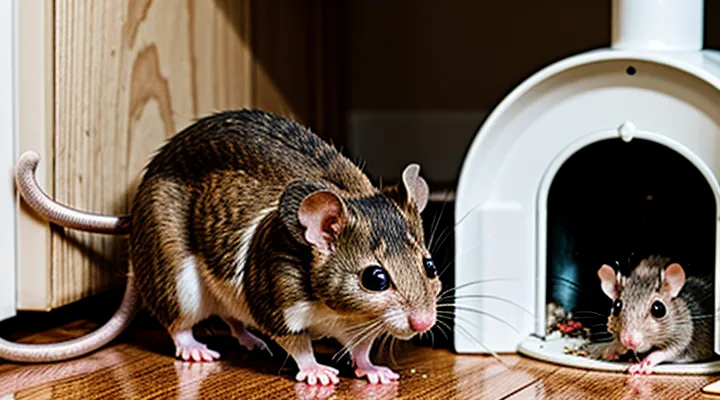
Understanding the Enemy: The Persistent Mouse
Why Mice Are So Hard to Eradicate
Their Reproductive Rate
Mice reproduce with extraordinary speed, a factor that drives persistent infestations. A female can become pregnant within 24 hours after giving birth, and the gestation period lasts 19–21 days. Each litter typically contains five to twelve pups; under optimal conditions a single female may produce five to ten litters annually. Consequently, a small founding population can multiply tenfold in just a few months, overwhelming any passive control effort.
Rapid reproduction demands immediate disruption of the breeding cycle. Effective measures include:
- Deploying multiple snap or electronic traps to capture breeding females before they can rear a new litter.
- Sealing all known entry points with steel wool, cement, or metal flashing to prevent new individuals from entering.
- Removing accessible food sources, storing dry goods in airtight containers, and cleaning crumbs and spills promptly.
- Maintaining low indoor humidity and eliminating clutter that offers nesting material.
Because each female can generate dozens of offspring within a single season, failure to address the reproductive capacity directly results in exponential population growth and continued property damage. Prompt, comprehensive action is the only reliable method to halt the cycle.
Their Adaptability and Resilience
Mice survive in homes because they quickly adjust to new conditions. When food sources shift, they locate alternative items within minutes, guided by an acute sense of smell and whisker‑based spatial mapping. Their ability to squeeze through openings as small as a quarter‑inch allows entry through cracks, gaps around pipes, and damaged screens.
Key aspects of their resilience include:
- Rapid breeding cycle: a female can produce up to five litters per year, each containing 5‑8 offspring, replenishing populations after control attempts.
- Behavioral flexibility: after exposure to traps or poisons, individuals learn to avoid similar devices, altering foraging routes and timing.
- Physiological tolerance: mice endure low temperatures, limited water, and brief periods without food, sustaining activity during harsh conditions.
These traits undermine conventional eradication methods. Successful mitigation requires sealing entry points smaller than 6 mm, rotating bait types to counter learned avoidance, and employing multiple control strategies simultaneously to disrupt breeding and foraging patterns.
Signs of a Persistent Infestation
Mice that have taken up residence in a home leave unmistakable evidence of their presence. Recognizing these indicators early prevents extensive damage and simplifies eradication efforts.
Visible droppings appear as small, dark pellets near food sources, along baseboards, and behind appliances. Fresh droppings are moist and glossy, while older ones dry and crumble. Gnaw marks on wood, plastic, or wiring indicate active feeding and nesting activity. Chewed insulation, cables, or furniture shows the animals’ ability to breach structural barriers.
Nests consist of shredded paper, fabric, or dried plant material, often found in hidden corners, attics, or behind walls. A strong, musky odor, especially in confined spaces, signals a growing colony. Unexplained squeaking or scratching noises during nighttime confirm nocturnal movement.
- Accumulated droppings in multiple rooms
- Fresh gnaw holes in structural and electrical components
- Presence of shredded nesting material in concealed areas
- Persistent odor resembling ammonia or stale cheese
- Audible activity after dark, especially in walls or ceiling voids
- Damage to stored food, packaging, or pantry items
- Increased sightings of live or dead rodents near entry points
Each of these signs confirms that the infestation is not occasional but entrenched, requiring comprehensive control measures.
Initial Assessment and Damage Control
Identifying Entry Points
Inspect every exterior opening where a mouse can squeeze through. Rodents require an opening no larger than ¼ inch; any gap beyond that is a potential route.
- Foundation cracks: Examine concrete walls and basement floors for hairline fractures. Seal with hydraulic cement or expanding foam.
- Utility penetrations: Locate where pipes, cables, and HVAC ducts enter the structure. Wrap each with steel wool then cover with copper mesh or silicone caulk.
- Door thresholds: Check the bottom of exterior doors for gaps. Install door sweeps and adjust hinges to eliminate space.
- Window frames: Look for deteriorated caulking or loose screens. Replace damaged seals and repair cracked glass.
- Ventilation openings: Verify that dryer, bathroom, and attic vents have tight-fitting metal covers with fine mesh.
- Roof eaves and soffits: Probe for gaps between roofing material and fascia. Fill with metal flashing or weather‑resistant sealant.
- Crawl spaces: Survey the perimeter for holes in the foundation wall or floor joists. Install a continuous barrier of heavy‑gauge polyethylene and seal seams.
- Chimney and fireplace: Ensure the chimney crown is intact and that a chimney cap with mesh is in place.
After sealing, conduct a final walkthrough with a flashlight at night. Observe any new gnaw marks or droppings that indicate missed openings. Document each repaired point and schedule quarterly inspections to confirm that barriers remain intact.
Assessing the Extent of Damage
Begin by walking through every room, focusing on areas where rodents are most active: kitchens, pantries, basements, attics, and wall voids. Look for fresh gnaw marks, shredded insulation, and droppings. Record each finding with a brief description and location; a simple spreadsheet or notebook works well.
Identify the materials affected. Prioritize structural components (beams, joists, drywall) because compromised integrity can lead to costly repairs. Next, assess wiring and plumbing; chewed cables or hoses present fire and water‑damage hazards. Finally, examine stored food, pet supplies, and fabrics for contamination that may require disposal.
Quantify the damage. Estimate the length of gnawed sections, count the number of compromised items, and note the severity (light surface scratches versus deep cuts). This data enables you to calculate repair costs, schedule necessary contractor work, and determine whether any insurance claims are applicable.
Create an action plan based on the assessment. Address structural and safety issues first, then move to sanitation and replacement of damaged goods. Document each completed step to maintain a clear record of progress and ensure that all damage is fully resolved before implementing long‑term rodent‑proofing measures.
Immediate Sanitation Measures
Cleaning Up Droppings and Urine
Mice droppings and urine pose health risks and attract further infestation, so thorough decontamination is essential. Begin by ventilating the area: open windows, shut off HVAC, and wear an N‑95 respirator, disposable gloves, and eye protection. Avoid sweeping or vacuuming dry droppings, which can aerosolize pathogens.
-
Disinfect surface – Mix one part bleach with ten parts water (1.5 % sodium hypochlorite). Apply generously to all contaminated zones, including floors, countertops, and walls. Let the solution sit for at least ten minutes before wiping.
-
Remove waste – After the contact time, use a disposable paper towel or damp cloth to gather the soaked material. Place it directly into a sealed plastic bag, double‑bag, and discard in an outdoor trash container.
-
Clean porous items – Items such as cardboard, fabric, or insulation that have been soiled should be sealed in a plastic bag and disposed of; laundering will not eliminate rodent‑borne bacteria.
-
Sanitize tools – Soak reusable tools (sponges, mops) in the bleach solution for five minutes, then rinse with clean water and allow to air‑dry.
-
Dry and monitor – Dry the treated area with clean towels or a fan. Inspect regularly for residual stains or odors; repeat disinfection if any remain.
Finally, seal cracks and openings that allowed entry, and set up a preventive program to keep the environment inhospitable to future rodent activity.
Discarding Contaminated Food
Discarding food that has been exposed to rodent activity eliminates a primary attractant and prevents further health hazards. Mice are drawn to accessible, spoiled, or gnawed items; removing these sources reduces the incentive to remain in the home.
Key actions for safe disposal:
- Identify all products that show bite marks, droppings, urine stains, or unusual odor. Include pantry items, pet food, and waste in open containers.
- Seal each compromised item in a sturdy, airtight bag. Double‑bagging prevents leakage and odors from spreading.
- Place sealed bags in an outdoor garbage bin with a secure lid. Ensure the bin is emptied regularly to avoid re‑contamination.
- Clean the storage area with a disinfectant approved for food‑contact surfaces. Remove crumbs and residues that may have been left behind.
- Store remaining food in rodent‑proof containers made of metal or heavy‑wall plastic. Verify that lids close tightly and that containers are elevated off the floor.
Completing these steps removes a critical food source, making the environment less hospitable for persistent mice and supporting broader eradication measures.
Strategic Eradication Methods
Trapping Techniques for Stubborn Pests
Snap Traps: Placement and Baiting
Snap traps are the most reliable mechanical method for terminating a serious mouse infestation. Their immediate kill action eliminates the pest and prevents ongoing damage to wiring, insulation, and food stores.
Effective placement follows three principles: proximity to activity, line of travel, and safety. Position traps within 1–2 feet of observed gnaw marks, droppings, or nesting material. Align traps perpendicular to walls, with the trigger end facing the baseboard, because mice habitually run along edges. Avoid areas where children or pets can reach the device; use enclosed bait stations or secure the trap with a protective cover.
Bait selection influences capture rates. Use high‑protein or high‑fat foods that mice cannot resist, such as peanut butter, small pieces of cooked bacon, or bits of cheese. Apply a pea‑sized amount directly onto the trigger platform; excess bait may allow the mouse to feed without activating the mechanism. For locations with limited space, a single drop of commercial rodent attractant gel provides a concentrated lure without clutter.
Routine monitoring maximizes results. Check traps daily, remove captured rodents with disposable gloves, and reset the device with fresh bait. Replace traps that have been triggered multiple times without a catch, as sensitivity may decline. Rotate trap locations every few days to cover new pathways discovered during the inspection.
By adhering to precise placement and optimal baiting practices, snap traps can rapidly suppress a persistent mouse problem and protect the household from further gnawing damage.
Live Traps: Humane Removal Options
Live traps provide a direct, non‑lethal method for eliminating rodents that have caused extensive damage. The devices consist of a cage or tube that closes automatically when a mouse enters, allowing capture without injury.
- Choose a trap with a secure latch and a smooth interior to prevent escape.
- Position traps along walls, behind appliances, and near known gnawing sites; mice prefer concealed routes.
- Use high‑protein bait such as peanut butter, dried fruit, or small pieces of cooked chicken. Apply a pea‑sized amount to the trigger mechanism.
- Set traps in the late afternoon; rodents are most active during evening and nighttime hours.
- Inspect traps every 12–24 hours. Release captured mice at least 2 km from the residence, preferably in a wooded or agricultural area, to reduce the chance of return.
- Disinfect traps after each use with a diluted bleach solution to eliminate scent trails that may deter further captures.
Live traps eliminate the need for toxic chemicals, comply with most local wildlife regulations, and allow homeowners to address infestations while maintaining ethical standards. Proper placement, appropriate bait, and regular monitoring maximize capture rates and shorten the period of damage.
Electronic Traps: High-Efficiency Solutions
Electronic traps deliver rapid, humane elimination of persistent rodents that have damaged household structures. The devices emit a high‑voltage shock that kills the mouse instantly, preventing prolonged suffering and eliminating the need for poison or snap traps that can miss target animals.
Key attributes to evaluate when selecting a high‑efficiency model include:
- Voltage rating of at least 2,500 V to ensure instant fatality.
- Battery life or plug‑in capability for continuous operation.
- Built‑in detection sensor that activates only when a mouse contacts the metal grid, reducing false triggers.
- Transparent enclosure for easy inspection of captured specimens.
- Safety lockout to prevent accidental discharge by children or pets.
Optimal placement maximizes contact probability. Position traps along established runways, near walls, behind appliances, and close to entry points such as gaps around pipes. Maintain a clear line of sight to the sensor area; clutter or dust can impair detection. Replace batteries or verify power supply weekly; a depleted source reduces shock intensity and may allow survivors to escape.
Integrating electronic traps with complementary measures—sealing entry holes, removing food sources, and employing repellents—creates a comprehensive control strategy. Regular monitoring of trap catches provides data on infestation levels, informing adjustments to trap density and location. The combination of immediate lethality, low maintenance, and precise targeting makes electronic traps a reliable cornerstone of rodent eradication efforts.
Advanced Poisoning Strategies
Understanding Different Bait Types
Effective mouse control begins with selecting the appropriate bait. Different attractants target specific feeding habits, increasing trap success and reducing the need for repeated applications.
Common bait categories include:
- Protein‑based: dried fish, canned tuna, cooked meat fragments. Ideal for nocturnal foragers that seek high‑protein meals.
- Carbohydrate‑based: peanut butter, chocolate, cereal grains. Preferred by mice that favor sweet or starchy foods.
- Fat‑rich: cheese, bacon grease, lard. Attracts individuals with a strong preference for oily substances.
- Synthetic: commercially formulated rodent attractants containing pheromones or concentrated nutrients. Provide consistent potency and lower spoilage risk.
Choose bait that matches the observed diet of the infestation. Rotate attractants every few days to prevent habituation; mice quickly lose interest in a single source. Place bait on snap traps, live‑catch cages, or bait stations, ensuring the amount is sufficient to entice but not so abundant that it masks the trap mechanism.
Maintain bait freshness by storing in airtight containers and replacing any material that becomes damp or moldy. Regular inspection of trap placement, combined with proper bait selection, maximizes elimination of persistent rodent activity throughout the residence.
Safe Placement of Baits
Place bait stations where mice are most active while keeping them out of reach of children, pets, and non‑target wildlife. Position devices along walls, behind appliances, in cabinets, and near known gnawing sites. Avoid areas where food is prepared or served; maintain at least a three‑foot buffer from countertops, sinks, and eating surfaces.
Use tamper‑resistant containers that lock the bait inside, preventing accidental contact. Secure stations to the underside of a counter or the back of a cupboard door, ensuring the opening faces the wall so rodents must approach from the side. Install stations at a height of 2–4 inches above the floor, matching the typical running line of mice.
When deploying multiple stations, distribute them evenly throughout the infested zone. Do not cluster baits in a single location; spacing of 10–15 feet reduces the chance of a single mouse monopolizing the supply and encourages broader coverage. Rotate placements after a week to prevent bait aversion and to target new activity corridors.
Maintain a clean environment around each station. Remove crumbs, spilled food, and debris that could distract rodents from the bait. Seal cracks and gaps larger than ¼ inch to limit alternative entry points, forcing mice toward the placed stations.
Inspect stations daily. Replace dead or depleted baits promptly, and record the number of captures to assess effectiveness. If a station shows no activity after several days, relocate it to a nearby high‑traffic area.
Follow local regulations regarding rodent control products. Use only approved bait formulations, and dispose of used stations according to municipal guidelines to avoid environmental contamination.
Risks and Precautions with Poisons
Poison baits can eliminate a severe mouse infestation quickly, but they introduce health hazards that require strict control. Toxic agents may be absorbed through skin or inhaled as dust, posing acute poisoning risk to adults, children, and pets. Accidental ingestion of bait can cause gastrointestinal bleeding, seizures, or death. Residual poison on carcasses can lead to secondary poisoning of scavengers and domestic animals that consume the dead mice. Misuse or over‑application may create resistance in rodent populations, reducing long‑term effectiveness. Legal regulations often restrict certain rodenticides, mandating licensing or prohibiting use in occupied dwellings.
- Store baits in locked containers away from food preparation areas.
- Deploy tamper‑resistant stations that limit access to non‑target species.
- Follow label dosage precisely; avoid scattering loose granules.
- Wear disposable gloves and a mask when handling poison.
- Keep stations out of reach of children and pets, preferably in concealed wall voids or attic spaces.
- Inspect bait stations daily; replace only when bait is depleted.
- Dispose of dead rodents in sealed bags, then place in a double‑bagged trash container for municipal pickup.
After bait use, seal entry points to prevent re‑infestation and eliminate the need for further chemical intervention. Conduct a thorough cleaning of surfaces that may have contacted poison, using soap and water, then rinse with clean water. Monitor the environment for signs of lingering toxicity, such as unusual odors or residue, and document any adverse incidents for regulatory reporting.
Fortifying Your Home: Prevention is Key
Sealing All Potential Entry Points
Inspecting Foundation and Walls
Inspect the foundation and walls early in any rodent control plan. Mice exploit tiny cracks, gaps around utility penetrations, and deteriorated sealants to enter a home. A systematic inspection reveals these vulnerabilities before they become active pathways.
Begin at the exterior perimeter. Walk the entire foundation, using a flashlight to highlight fissures wider than ¼ inch. Pay particular attention to:
- Gaps around pipe sleeves, vent stacks, and cable entries
- Openings where siding meets the foundation
- Cracks in concrete footings or block walls
Mark each defect with a waterproof tag for later reference.
Proceed to interior wall surfaces adjacent to the foundation. Look for:
- Chewed or gnawed wood, insulation, and drywall
- Small piles of mouse droppings or urine stains
- Fresh gnaw marks on baseboards, electrical boxes, or HVAC ducts
Use a mirror on an extendable pole to view hidden corners behind appliances and under cabinets. Document findings with photographs to track progress.
After identification, prioritize repairs based on size and proximity to mouse activity. Seal cracks with a cement-based mortar for larger openings and apply steel wool or copper mesh followed by silicone caulk for smaller gaps. Replace deteriorated weatherstripping around doors and windows, and install metal flashing around utility penetrations.
A thorough foundation and wall inspection, combined with prompt sealing of all entry points, removes the structural advantages that allow mice to persist and cause damage throughout the residence.
Securing Vents and Pipes
Mice enter homes through gaps in ventilation ducts, dryer vents, and plumbing chases. These openings provide unobstructed pathways to walls, attics, and crawl spaces where rodents can establish nests and cause damage.
- Inspect every vent cover, especially those in the basement, attic, and kitchen. Remove the cover and examine the frame for cracks, loose screws, or missing sections.
- Seal gaps larger than ¼ inch with steel wool followed by high‑temperature silicone caulk or a metal mesh patch. Steel wool deters chewing, while caulk prevents re‑opening.
- Replace damaged vent grilles with metal models that feature a tight, threaded fit. Plastic or flimsy metal grilles can be gnawed through.
- For dryer exhaust pipes, install a metal duct clamp at each joint and wrap the connection with aluminum foil tape. Conventional duct tape disintegrates under heat and can be torn by rodents.
- Apply a continuous strip of copper mesh (¼‑inch gauge) around the exterior of any pipe that passes through a wall or floor. Secure the mesh with stainless‑steel staples to eliminate chewable surfaces.
- Use a vent cover with a built‑in mouse guard. These devices incorporate a fine mesh screen that blocks entry while maintaining airflow.
Regular maintenance prevents re‑entry. Schedule quarterly checks of all vent and pipe seals, replace any compromised material immediately, and keep surrounding areas clear of debris that could conceal new entry points.
Addressing Gaps Around Doors and Windows
Sealing openings around entryways eliminates the primary route mice use to infiltrate a home. Every crack, gap, or misaligned frame offers a pathway for rodents to access food and shelter, so comprehensive closure directly reduces infestation risk.
Typical vulnerabilities include:
- The space between the door jamb and the frame, especially when the door rests on a sweep that has worn away.
- Gaps around the door latch plate and lock hardware.
- Unsealed gaps at the top and sides of sliding or hinged windows, often left after installation.
- Openings around vent covers, curtain rods, and window screens that have become detached.
To secure these areas, follow a systematic approach:
- Inspect each door and window with a flashlight, noting any openings larger than ¼ inch.
- Measure gaps to determine appropriate filler material.
- Apply a durable sealant—silicone caulk for small cracks, expanding foam for larger voids.
- Install door sweeps that extend at least ½ inch beyond the threshold; replace worn strips promptly.
- Fit metal or mesh reinforcement over vent openings and around window frames, securing with stainless‑steel screws.
- Check the fit of window screens; repair tears with fiberglass patching or replace compromised screens.
- Re‑evaluate after each weather change, as temperature fluctuations can shift frames and reopen sealed areas.
Materials such as steel wool, copper mesh, and high‑quality weatherstripping resist gnawing and maintain integrity under repeated use. When applying foam, trim excess after curing to prevent accumulation of debris that could attract pests.
Routine verification—monthly visual checks and seasonal inspections—prevents re‑emergence of gaps. Prompt repair of any new openings sustains an environment where mice cannot gain entry, supporting long‑term control of persistent rodent activity.
Eliminating Food and Water Sources
Proper Food Storage
Effective food storage reduces attractants that sustain a persistent rodent problem. When food sources are inaccessible, mice lose the incentive to remain in the home and are more likely to leave or be trapped.
- Store dry goods in airtight containers made of metal or thick plastic; seal lids tightly after each use.
- Keep pet food in sealed bins; discard leftovers promptly.
- Refrigerate perishable items; place them in sealed bags before refrigeration if the original packaging is not airtight.
- Clean pantry shelves regularly; remove crumbs and spills immediately.
- Position containers away from walls and corners; avoid stacking items that create hidden gaps.
Additional measures reinforce protection. Remove garbage daily and use bins with tight-fitting lids. Inspect storage containers for cracks or holes and replace damaged ones. Rotate stock to prevent stale or spoiled food that emits odors. By eliminating accessible food, the environment becomes hostile to mice, supporting broader eradication efforts.
Fixing Leaks and Dripping Faucets
Mice are attracted to water sources; a dripping faucet or hidden pipe leak creates a reliable supply that encourages them to stay and multiply. Eliminating these sources removes a key incentive, forcing rodents to search elsewhere and making other control measures more effective.
Identify all active drips. Inspect visible faucets, showerheads, and outdoor spigots for steady moisture. Run a dry‑tissue over each fixture; any wet spot after a minute indicates a leak. Examine under sinks and behind appliances for condensation or pooled water. Use a flashlight to reveal moisture on walls or ceilings.
Repair steps:
- Turn off water supply at the nearest shut‑off valve.
- Disconnect the faucet or pipe segment showing leakage.
- Replace worn washers, O‑rings, or damaged seals with appropriate replacements.
- Tighten connections with a wrench; avoid over‑tightening that could strip threads.
- Re‑attach the fixture, restore water flow, and test for drips.
- For concealed pipe leaks, cut out the compromised section, fit a new pipe or coupling, and solder or use a compression fitting as required.
After repairs, dry the area thoroughly. Use a dehumidifier or fan to eliminate residual moisture. Seal gaps around the repaired fixtures with silicone caulk to prevent future condensation.
Regular maintenance prevents new leaks: check faucet handles quarterly, monitor water pressure, and inspect pipe insulation. A dry environment reduces the attractiveness of the home to rodents, supporting long‑term eradication efforts.
Maintaining a Clean Environment
Regular Cleaning and Decluttering
Regular cleaning removes food residues that attract rodents. Sweep floors, wipe countertops, and vacuum carpets after each meal. Store dry goods in sealed containers; glass or heavy‑plastic jars with tight lids prevent mice from accessing crumbs.
Decluttering eliminates hiding places. Remove piles of newspapers, cardboard boxes, and unused items from corners and under furniture. Keep storage areas organized on shelves, leaving at least a few inches of clearance for air flow and inspection.
Key actions:
- Eliminate all sources of accessible food.
- Seal entry points such as gaps around pipes, vents, and baseboards with steel wool or caulk.
- Maintain a clutter‑free environment by discarding or storing items in sealed containers.
- Perform weekly inspections of storage rooms, attics, and basements; remove any debris that could serve as nesting material.
Consistent implementation of these practices reduces the attractiveness of a dwelling to persistent house mice, limits their ability to establish nests, and supports broader pest‑control measures.
Outdoor Yard Maintenance
Effective yard upkeep is essential when confronting stubborn rodents that have caused extensive damage inside the home. Maintaining a clean, well‑structured perimeter reduces shelter and travel routes, limiting the animals’ ability to re‑enter the house.
First, eliminate all sources of cover. Remove piles of leaves, wood, compost, and discarded building materials. Store firewood at least three feet off the ground and away from the house foundation. Trim shrubs, grass, and low‑lying branches so that they do not touch the exterior walls. This creates a clear zone that discourages mice from climbing or hiding near entry points.
Second, inspect and reinforce the building envelope. Seal cracks, gaps, and openings larger than a quarter of an inch with steel wool, caulk, or hardware cloth. Pay particular attention to:
- Gaps around utility lines and pipes
- Openings beneath doors and windows
- Spaces where the foundation meets the siding
Third, manage food and water availability outdoors. Keep garbage bins tightly closed, relocate pet feeding stations away from the house, and clean up fallen fruit or birdseed. Install a drip‑free irrigation system to prevent standing water that may attract insects, which in turn draw rodents.
Fourth, deploy targeted control measures in the yard. Place snap traps or electronic devices along established runways, such as along the foundation, near garage doors, and under deck overhangs. Bait with high‑protein items (e.g., peanut butter) and check traps regularly. Position motion‑activated deterrents or ultrasonic emitters near vulnerable zones to create an additional barrier.
Finally, schedule regular maintenance. Conduct a monthly perimeter walk to identify new debris, vegetation growth, or damage to seals. Promptly address any issues to maintain a hostile environment for rodents and prevent re‑infestation of the interior spaces.
When to Call in the Professionals
Signs of a Severe Infestation
Recognizing a severe mouse problem is a prerequisite for effective eradication of persistent rodents that have caused extensive damage throughout a residence.
Typical indicators of an advanced infestation include:
- Multiple active gnaw marks on structural elements, wiring, and food packaging.
- Presence of droppings in large quantities, especially in concealed areas such as behind appliances, inside wall cavities, and beneath cabinets.
- Visible nesting material composed of shredded paper, fabric, insulation, or dried food debris.
- Frequent sightings of live mice or fresh tracks across floors, countertops, and entry points.
- Unexplained odors resembling ammonia or decaying flesh, often strongest near hidden burrows.
- Damage to stored goods, including chewed packaging, shredded grains, and contaminated pantry items.
When several of these signs appear simultaneously, the infestation has likely expanded beyond isolated activity, requiring immediate comprehensive control measures. Delaying response increases the risk of structural compromise, electrical hazards, and potential health threats from pathogens carried by the rodents. Prompt implementation of trapping, sealing entry points, and professional sanitation reduces the population before it escalates further.
The Limitations of DIY Methods
DIY attempts often rely on traps, homemade repellents, and over‑the‑counter poisons. These measures can reduce a small number of intruders, but they rarely stop a colony that has already caused extensive damage.
- Traps capture only a fraction of the population; mice quickly learn to avoid unfamiliar devices.
- Homemade repellents lack standardized potency; effectiveness varies with humidity, temperature, and mouse habituation.
- Over‑the‑counter poisons depend on bait acceptance; seasoned rodents may reject unfamiliar food sources.
- Safety hazards increase when chemicals are placed in homes with children or pets, leading to accidental exposure.
- Professional equipment, such as infrared cameras and ultrasonic detectors, provides data that DIY tools cannot generate.
- Local regulations often restrict the use of certain rodenticides; non‑compliant applications can result in legal penalties.
- DIY solutions address symptoms rather than the underlying entry points, allowing new mice to re‑enter after the initial devices are removed.
The cumulative effect of these shortcomings is a prolonged infestation, continued structural damage, and heightened health risks. When initial measures fail to produce a measurable decline, escalating to professional pest‑control services becomes the logical next step.
What to Expect from Professional Pest Control
Inspection and Assessment
Begin by sealing all exterior openings larger than a quarter‑inch. Use steel wool, caulk, or hardware cloth to block gaps around foundations, vents, and utility penetrations.
Survey interior spaces systematically. Start at the kitchen, then move to pantry, storage closets, and utility rooms. Look for fresh droppings, urine stains, and gnaw marks on wood, plastic, and wiring. Record each finding with location, type of damage, and estimated age based on size and moisture content.
Identify active pathways. Trace runways by following parallel gnaw lines and droppings that lead to concealed areas such as wall voids, attic insulation, and crawl‑space floors. Mark these routes on a floor plan to visualize movement patterns.
Assess structural damage. Examine compromised beams, joists, and insulation for signs of chewing that could threaten integrity. Prioritize repairs that eliminate shelter and food sources.
Compile a risk matrix. Rate each inspected zone on three criteria: infestation intensity (high, medium, low), potential for property damage (critical, moderate, minimal), and accessibility for control measures (easy, restricted, difficult). Use the matrix to allocate resources and schedule interventions.
Validate findings with a professional pest‑control technician. Request a secondary inspection to confirm hotspots and verify that all entry points have been addressed before implementing eradication tactics.
Treatment Plans and Follow-Up
Effective eradication of a severe mouse infestation requires a structured treatment plan followed by systematic monitoring. The plan should combine immediate action, long‑term prevention, and verification steps.
- Conduct a thorough inspection to locate entry points, nesting sites, and food sources.
- Seal all identified openings with steel wool, metal mesh, or caulk.
- Deploy a combination of snap traps, electronic traps, and, where appropriate, bait stations containing anticoagulant or non‑anticoagulant rodenticides.
- Position traps along walls, behind appliances, and near known activity zones, spacing them no more than 12 inches apart.
- Replace or replenish bait and traps every 48 hours until captures cease.
- Remove droppings, gnaw marks, and contaminated materials using disposable gloves and a HEPA‑filtered vacuum; disinfect surfaces with a 10 % bleach solution.
After the initial phase, initiate a follow‑up protocol to confirm elimination and prevent recurrence.
First, schedule weekly inspections for the next four weeks, documenting trap counts and signs of activity. Second, re‑evaluate sealed entry points after two weeks to verify integrity. Third, maintain a perimeter of deterrent devices—such as ultrasonic emitters or scent‑based repellents—while monitoring their effectiveness. Fourth, educate household members on proper food storage, waste management, and sanitation practices to eliminate attractants.
Conclude the program with a final assessment after one month of zero captures. Record findings, archive inspection logs, and retain a small inventory of traps for emergency use. This disciplined approach ensures that the mouse problem is resolved and remains under control.
Post-Eradication: Long-Term Monitoring
Regular Inspections for Reinfestation
Regular inspections are the most reliable safeguard against mouse return after an initial eradication effort. A systematic survey detects early signs of activity before damage escalates, allowing prompt remedial action.
Key inspection components:
- Visual scan of walls, ceilings, and under‑floor spaces for droppings, gnaw marks, and shredded material.
- Examination of entry points, including gaps around pipes, vents, and utility openings, for fresh chew marks or loose material.
- Monitoring of bait stations and traps for new captures or untouched bait, indicating reduced pressure or renewed presence.
- Use of motion‑activated cameras or infrared sensors in concealed areas to capture nocturnal movement.
Inspection frequency should match the risk level. In the first month after treatment, conduct checks every 3‑5 days. Extend intervals to weekly for the next two months, then to bi‑weekly for the remainder of the year. Increase frequency immediately if any evidence of activity appears.
Documentation is essential. Record date, location, observed signs, and corrective steps in a logbook or digital tracker. Trend analysis of entries highlights hotspots and informs targeted sealing or additional trapping.
Integrate inspections with preventive measures. Seal identified openings with steel wool, copper mesh, or concrete. Maintain a clean environment by storing food in airtight containers and promptly removing waste. Replace worn bait or trap placements based on inspection findings.
Consistent, thorough inspections close the feedback loop between elimination and prevention, ensuring that a mouse problem does not reestablish itself in the home.
Implementing Continuous Prevention Tactics
Effective, long‑term mouse control relies on a systematic prevention program that operates continuously, not only after an infestation is discovered. The program consists of three interrelated components: exclusion, sanitation, and surveillance.
-
Seal every possible entry point. Inspect foundation cracks, gaps around utility penetrations, and openings behind appliances. Use steel wool, copper mesh, or cement‑based sealants that rodents cannot chew through. Replace damaged weatherstripping on doors and windows.
-
Eliminate food and water sources. Store dry goods in airtight containers made of glass or thick plastic. Remove pet food after each feeding and clean up crumbs promptly. Fix leaking pipes, drips, and condensation issues that provide moisture.
-
Reduce shelter opportunities. Keep storage areas, basements, and attics tidy; stack boxes on pallets rather than directly on the floor. Trim vegetation that contacts the building, and relocate compost piles at least three meters from the structure.
-
Deploy monitoring devices. Place snap traps or electronic detectors along walls, behind appliances, and near known pathways. Check devices weekly, record captures, and adjust placement based on activity patterns.
-
Conduct scheduled inspections. Perform a thorough walkthrough every month, focusing on previously sealed openings, waste accumulation, and trap performance. Document findings and repair any new vulnerabilities immediately.
-
Maintain a documentation log. Record dates of inspections, repairs, and trap checks. Review the log quarterly to identify trends and reinforce weak points before they become problematic.
By integrating these actions into a routine maintenance schedule, homeowners create an environment that deters rodents consistently, preventing future damage and eliminating the need for reactive emergency measures.
Dealing with Lingering Odors and Damages
Mice leave behind urine, feces, and broken insulation that create persistent odors and structural damage. Eliminate the smell by removing all contaminated material, then treating the area with an enzymatic cleaner designed for rodent waste. Enzymatic solutions break down organic residues, neutralizing odors at the source rather than masking them.
For damaged surfaces, follow these steps:
- Inspect walls, ceilings, and floors for gnaw marks, chewed wiring, and compromised insulation.
- Cut away any softened wood, drywall, or insulation that shows signs of moisture or nesting.
- Disinfect exposed studs and joists with a 10 % bleach solution, allowing at least 10 minutes of contact time before rinsing.
- Replace removed building components with new, rodent‑resistant materials such as metal flashing or hard‑plastic sheathing.
- Seal all entry points with steel wool, copper mesh, or silicone caulk to prevent re‑infestation.
Air quality improves when ventilation is increased during and after cleaning. Install high‑efficiency particulate air (HEPA) filters in HVAC units, and run portable air purifiers in affected rooms for 48 hours. If odor persists after thorough cleaning, consider professional ozone treatment, which oxidizes residual odor molecules without leaving chemical residues.
Finally, document all repairs and cleaning procedures. A detailed record supports insurance claims and provides a reference for future maintenance, ensuring that lingering odors and damage do not recur.