
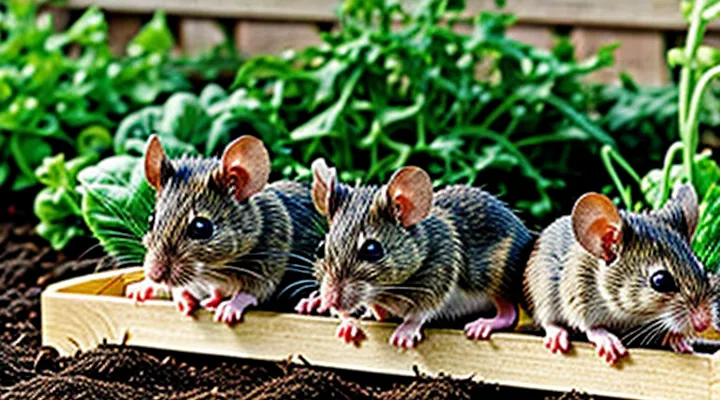
«Understanding the Mouse Problem»
«Identifying Signs of Mice in Vegetable Beds»
«Gnaw Marks on Vegetables and Plants»
«Gnaw Marks on Vegetables and Plants» indicate active rodent feeding. Visible cuts appear as clean, semicircular bites around stems, leaves, or tubers. Marks are larger than insect damage and often expose inner tissue.
Characteristics of mouse gnawing include:
- Rounded bite edges with minimal crushing.
- Preferred entry points near ground level or plant base.
- Repeated marks on the same plant suggesting persistent activity.
Presence of these signs confirms that mice are exploiting the vegetable bed, increasing risk of disease transmission and crop loss. Prompt identification allows targeted intervention before population expansion.
Effective response steps:
- Inspect all plants for fresh bite marks each morning.
- Remove and destroy severely damaged vegetation to eliminate food sources.
- Install physical barriers such as fine mesh or hardware cloth around bed perimeter.
- Deploy snap traps or electronic devices along identified runways.
- Apply natural repellents (e.g., peppermint oil-soaked cotton) near entry points.
- Maintain clean garden beds by clearing fallen debris and harvesting promptly.
Consistent monitoring and barrier maintenance reduce mouse pressure, preserving vegetable yield and plant health.
«Mouse Droppings and Urine Trails»
Mouse droppings and urine trails provide the most reliable evidence of rodent presence in vegetable beds. Recognizing these signs enables timely intervention before damage escalates.
Droppings appear as small, dark, cylindrical pellets about 5‑7 mm long. They are commonly found along runways, near plant bases, and under mulch. Fresh droppings retain a moist sheen, while older deposits become dry and crumbly. Concentrations increase where food sources are abundant.
Urine trails manifest as faint, glistening lines on soil or plant foliage. The liquid may leave a yellowish stain that darkens with oxidation. A strong, musky odor often accompanies active urine deposits, especially in warm, humid conditions.
Both feces and urine carry pathogens such as Salmonella, Hantavirus, and Leptospira. Direct contact or consumption of contaminated produce poses a health risk. Pathogens can survive in droppings for weeks and in urine for several days, emphasizing the need for immediate sanitation.
Effective response includes:
- Wear disposable gloves and a mask before handling any material.
- Collect droppings with a stiff brush or scoop; place them in a sealed bag for disposal.
- Saturate urine‑stained areas with a 1:10 solution of bleach and water; allow contact for at least five minutes before rinsing.
- Remove and replace contaminated mulch or topsoil to eliminate residual traces.
- Install physical barriers, such as fine‑mesh hardware cloth, around bed perimeters to prevent re‑entry.
- Apply rodent‑resistant planting techniques, including raised beds and dense ground cover, to reduce accessible habitats.
Consistent monitoring of droppings and urine trails, combined with thorough cleaning and preventative barriers, markedly reduces rodent populations and safeguards vegetable production.
«Visible Tunnels and Burrows»
Visible tunnels and burrows provide the most reliable evidence of rodent presence in vegetable beds. Their appearance signals active foraging and nesting, which increases the risk of crop damage and disease transmission.
Inspection should focus on the soil surface around planting rows. Look for raised ridges, collapsed soil mounds, and fresh entry holes. Fresh tunnels often have loose, crumbly edges, while older burrows may be lined with shredded plant material. Identifying the exact locations allows targeted intervention and prevents unnecessary disturbance of healthy soil.
Effective control proceeds in three stages: exposure, disruption, and exclusion.
- Expose tunnels by gently clearing mulch and loosening soil around the openings.
- Disrupt activity with handheld tools, such as a garden fork, to collapse the tunnel network and force rodents to the surface.
- Exclude re‑entry by installing tight‑fitting hardware cloth (minimum 1 mm mesh) around the perimeter of each bed, securing it to the ground with staples or stakes.
Complementary measures include placing snap traps or electronic devices directly in the collapsed tunnels, and applying natural repellents—such as crushed garlic or peppermint oil—along the tunnel walls before sealing. Regular monitoring of the soil surface ensures early detection of new tunnel formation, allowing prompt remediation before infestations spread.
«Reasons Why Mice Are Attracted to Vegetable Beds»
«Availability of Food Sources»
Mice are drawn to vegetable beds primarily because edible material is readily accessible. When plants produce fruit, seeds, or tender foliage, the resulting abundance creates a predictable foraging zone that supports rodent populations.
Reducing «Availability of Food Sources» directly diminishes the attractiveness of the garden. Prompt harvesting removes mature produce before rodents can exploit it. Regular removal of dropped fruit, wilted leaves, and plant debris eliminates hidden caches that sustain mice throughout the season. Maintaining a clean bed surface prevents accidental feeding stations.
- Harvest crops at peak ripeness and remove them from the bed promptly.
- Collect and compost fallen produce, ensuring it is sealed from rodent entry.
- Trim excess foliage and discard wilted material daily.
- Apply coarse mulch or straw barriers to discourage burrowing and concealment.
- Store supplemental feed (e.g., birdseed) in sealed containers away from the garden.
Integrating these practices into a broader pest‑management plan limits the nutritional resources that mice rely on, thereby reducing pressure on vegetable beds without resorting to chemical controls.
«Shelter and Nesting Opportunities»
Mice are attracted to vegetable beds because loose soil, dense mulch, and standing debris provide easy shelter and sites for building nests. Reducing these elements removes the primary incentives for rodent colonization.
Typical shelter sources include:
- Thick layers of organic mulch that retain moisture and conceal entry points.
- Overgrown weeds or tall groundcover that create hidden pathways.
- Stacked garden tools, compost bins, and piles of fallen leaves that offer protected cavities.
- Gaps around irrigation tubing, raised‑bed frames, and fence posts that allow access to the soil interior.
Effective measures to eliminate shelter and nesting opportunities:
- Replace heavy mulch with a thin, evenly spread layer of coarse material; refresh regularly to prevent compaction.
- Trim perimeter vegetation to a height of no more than 10 cm, exposing soil and reducing cover.
- Store garden equipment off the ground, preferably in sealed containers or on shelves.
- Install metal or PVC collars around the bases of raised beds and fence posts, extending at least 15 cm below ground to block burrowing.
- Seal cracks in garden structures with waterproof caulk; use fine mesh (1 mm) to cover ventilation openings.
- Maintain a regular schedule of soil turnover, disturbing potential nesting sites and exposing any hidden nests.
Additional habitat‑modification practices:
- Position watering systems to avoid excess splash that creates damp, soft soil favored by mice.
- Remove fallen fruit, vegetable scraps, and seed heads promptly; these provide both food and nesting material.
- Apply a thin layer of diatomaceous earth around the perimeter of beds; the abrasive particles deter rodents without harming plants.
By systematically removing shelter and nesting options, the environment becomes inhospitable to mice, decreasing their presence in vegetable plots without reliance on chemical controls.
«Access to Water»
Mice are drawn to vegetable beds by readily available moisture. Water accumulates in soil depressions, leaky irrigation emitters, and mulch that retains dampness, creating an inviting habitat for rodents seeking hydration and cover.
• Eliminate standing water by leveling soil surfaces and filling low spots.
• Repair leaks in drip‑line tubing, soaker hoses, and sprinkler heads.
• Use rain‑free mulch such as coarse bark or straw that dries quickly, reducing prolonged dampness.
• Install drainage channels or perforated edging to divert excess runoff away from planting zones.
• Schedule irrigation early in the day, allowing soil to dry before nightfall when mice are most active.
Irrigation systems should incorporate timers and moisture sensors to deliver water only when soil moisture falls below a defined threshold. Sensors prevent over‑watering, limiting the duration of saturated conditions that attract rodents. When using drip irrigation, place emitters at the base of each plant and cover them with a protective shield to deter mice from accessing the water source.
Consistent monitoring of soil moisture levels, prompt repair of irrigation faults, and selection of fast‑drying mulches collectively reduce water‑related attractants, thereby lowering the likelihood of mouse infestation in vegetable gardens.
«Preventative Measures to Deter Mice»
«Garden Hygiene and Maintenance»
«Removing Fallen Fruits and Vegetables»
«Removing Fallen Fruits and Vegetables» is a critical step in reducing rodent activity in garden beds. Decaying produce provides a reliable food source, encouraging mice to linger and breed. Eliminating this resource forces the pests to search elsewhere, decreasing their presence around cultivated plants.
Effective removal involves three actions:
- Collect all dropped produce daily, using a hand‑basket or shallow tray to avoid scattering.
- Dispose of gathered material in sealed bags, then place them in an outdoor trash container with a tight‑fitting lid.
- Clean the soil surface with a garden rake or a light harrow to expose any hidden remnants and to disrupt nests.
Implementing these measures consistently disrupts the food chain that sustains mice, supporting broader efforts to keep garden beds free of rodent damage.
«Weeding and Clearing Debris»
Weeding removes food sources and shelter that attract rodents to vegetable plots. Regular removal of unwanted plants eliminates seeds and tender growth that mice gnaw, while also exposing the soil surface to predators.
Clearing debris creates an environment where hiding places are scarce. The following actions enhance habitat sanitation:
- Pull all weeds, including roots, before they seed.
- Collect fallen leaves, mulch fragments, and plant residues; dispose of them away from the garden.
- Trim low‑lying foliage that forms a continuous cover.
- Compact the soil lightly after cleaning to discourage burrowing.
Maintaining a tidy bed reduces the attractiveness of the area for rodents and supports healthier crop growth. Continuous implementation of these practices sustains a low‑population environment for mice.
«Storing Produce Securely»
Harvested vegetables remain vulnerable to rodent intrusion if left exposed in the garden. Effective protection begins with immediate transfer of produce to a secure storage area.
The principle of «Storing Produce Securely» relies on three measures. First, employ containers with tight-fitting lids made of plastic, metal, or thick glass. Second, elevate storage units on pallets or shelves to prevent direct contact with the soil. Third, position containers away from garden edges, where mouse activity concentrates.
Maintain a clean perimeter around the storage site. Remove plant debris, fallen leaves, and compost piles that attract foraging rodents. Install a perimeter barrier—such as hardware cloth buried 12 cm deep and extending 30 cm above ground—to block burrowing and climbing.
Recommended actions:
- Sort harvest by type; place root crops in ventilated crates, leafy greens in perforated bags.
- Seal each crate with a latch or snap‑fit closure; avoid using plastic wrap that can be torn.
- Store crates inside a shed or garage equipped with a metal door and weather‑tight seal.
- Conduct weekly inspections for signs of gnawing or nesting; replace damaged containers promptly.
- Rotate stock regularly; consume older produce first to reduce time exposed to potential infestation.
By integrating airtight containers, elevated placement, and rigorous site sanitation, harvested vegetables remain inaccessible to mice, preserving crop quality and yield.
«Physical Barriers and Exclusion»
«Fencing and Mesh Around Beds»
Physical barriers provide the most reliable protection for garden beds against rodent intrusion. Installing a perimeter of sturdy fencing combined with fine mesh eliminates gaps that mice can exploit, creating a sealed zone around cultivated soil.
Suitable materials include galvanized steel or vinyl fence posts, reinforced wire mesh, and optional bottom edging. Mesh openings must not exceed ¼ inch (≈ 6 mm) to prevent entry while allowing water flow. Corrosion‑resistant coatings extend the lifespan of the structure in outdoor conditions.
Installation steps:
- Drive fence posts at intervals no greater than 6 feet (≈ 1.8 m) around the bed perimeter, ensuring each post is anchored at least 12 inches (≈ 30 cm) below ground level.
- Attach mesh to the posts using stainless‑steel staples or zip ties, pulling the material taut to avoid sagging.
- Secure the lower edge of the mesh to a buried strip of hardware cloth, extending 6 inches (≈ 15 cm) underground to block burrowing.
- Seal any joints with wire mesh tape, overlapping sections by at least 2 inches (≈ 5 cm).
Regular maintenance includes inspecting for torn sections after heavy rain, tightening loose fasteners, and clearing vegetation that may contact the barrier. Replacing damaged mesh promptly restores the integrity of the enclosure.
When properly constructed and maintained, «Fencing and Mesh Around Beds» offers a durable, low‑maintenance solution that physically excludes mice, allowing vegetables to thrive without the need for chemical deterrents.
«Burying Wire Mesh Below Ground»
«Burying Wire Mesh Below Ground» provides a reliable barrier that prevents rodents from reaching root zones in cultivated plots. The mesh creates a physical obstruction that mice cannot tunnel through, forcing them to seek alternative routes that are less likely to intersect with vegetable rows.
Installation begins with selecting a sturdy, galvanized mesh with apertures no larger than ¼ inch. A trench 12–18 inches deep and 6 inches wide follows the perimeter of the bed, extending slightly beyond the planting area to accommodate root spread. Lay the mesh flat at the bottom of the trench, ensuring continuous coverage without gaps. Backfill the trench with soil, compacting gently to eliminate voids that could allow burrowing.
Key considerations:
- Depth: 12–18 inches prevents most mouse burrows, which rarely exceed 10 inches.
- Mesh size: ≤¼ inch holes block entry while allowing water and air flow.
- Overlap: Overlap adjacent sheets by at least 6 inches, securing with staples or garden ties.
- Soil type: Coarse, well‑draining soils reduce moisture accumulation that could attract rodents.
Maintenance involves periodic inspection for mesh displacement or damage, especially after heavy rain or cultivation activities. Repair any compromised sections promptly to maintain an uninterrupted barrier.
The method offers several advantages: long‑term effectiveness, minimal chemical use, and compatibility with organic gardening practices. Potential drawbacks include initial labor intensity and the need for careful installation to avoid harming plant roots. Proper execution yields a durable, low‑maintenance solution for protecting vegetable beds from mouse intrusion.
«Protecting Individual Plants»
Mice damage individual vegetables by gnawing stems, stripping leaves, and contaminating produce. Immediate protection reduces loss and prevents infestation spread.
- Enclose each plant in a cylinder of hardware cloth or fine mesh, securing the base with soil‑tight clamps.
- Install a collar of rigid plastic or metal tubing around the stem, leaving a 1‑2 cm gap at the soil line to block entry.
- Place a shallow tray of sand or gravel beneath the plant; mice avoid moving across loose substrate.
Apply repellents directly to the plant’s perimeter. Natural options such as crushed peppermint, dried cayenne, or predator urine pellets create an odor barrier. Chemical deterrents containing naphthalene or pyrethroids may be applied according to label instructions, focusing on soil edges and plant bases.
Set traps in close proximity to the target plant. Snap traps positioned at ground level capture active rodents; live traps with oat or peanut bait attract individuals without harming the crop. Check traps daily and remove captured mice promptly to prevent secondary injury.
Maintain cultural conditions that discourage mouse activity. Remove fallen fruit, weeds, and debris that provide cover. Keep soil moisture consistent to avoid creating soft, burrow‑friendly zones. Rotate crops annually and avoid planting the same species in the same location for more than two seasons.
Combined use of physical barriers, targeted repellents, precise trapping, and rigorous sanitation creates a comprehensive defense for each vegetable, ensuring healthy growth despite rodent pressure.
«Natural Deterrents and Repellents»
«Planting Mouse-Repelling Herbs»
Planting mouse‑repelling herbs creates a hostile environment for rodents while enhancing the garden’s biodiversity. Herbs such as mint, rosemary, sage, and lavender release strong aromatic compounds that mice find unpleasant. When these plants are established around the perimeter of vegetable beds, they act as a natural barrier, reducing the likelihood of entry.
Key considerations for effective implementation:
- Select locations where herbs receive full sun or partial shade, matching the requirements of each species.
- Space plants 12–18 inches apart to allow vigorous growth and optimal scent dispersion.
- Use a mulch layer of straw or shredded bark to retain moisture and discourage burrowing.
- Prune regularly to prevent excessive spreading, especially for mint, which can become invasive.
- Combine with physical deterrents, such as hardware cloth or raised beds, for added protection.
Root depth and leaf density influence the intensity of the repellent effect. Deep‑rooted rosemary and sage maintain strong essential oils throughout the growing season, while flowering lavender adds a visual deterrent. Planting a mix of these herbs ensures continuous coverage as individual plants mature and decline.
Monitoring is essential. Observe mouse activity weekly; if signs persist, increase herb density or introduce additional repellent species such as catnip or wormwood. Integrating herb planting with proper sanitation—removing fallen fruit and securing compost—maximizes the overall reduction of rodent presence in vegetable production areas.
«Using Peppermint Oil and Other Scents»
«Using Peppermint Oil and Other Scents» offers a non‑toxic approach for protecting vegetable beds from rodent activity. Peppermint oil contains menthol, a compound that mice find irritating to the respiratory system and olfactory receptors. Applying the oil in a diluted form creates a barrier that discourages entry without harming beneficial insects.
- Mix 10 ml peppermint essential oil with 1 liter water; add a few drops of mild dish soap to emulsify.
- Spray the solution along the perimeter of the bed, focusing on soil edges, mulch, and any gaps in fencing.
- Reapply after heavy rain or irrigation, typically every 5–7 days during peak rodent season.
Other aromatic substances reinforce the deterrent effect. Clove oil, eucalyptus oil, and dried lavender sachets release volatile compounds that mice avoid. For oil blends, combine equal parts peppermint, clove, and eucalyptus with a carrier oil (e.g., grapeseed) and apply to stakes inserted into the soil. For dry aromatics, place sachets of dried lavender or citrus peel beneath the mulch; replace every two weeks to maintain potency.
Success depends on consistent coverage and eliminating alternative shelter. Remove debris, seal cracks, and keep the garden free of fallen fruit. When scent barriers are maintained, mouse activity in vegetable beds declines markedly, preserving crops without resorting to poisons or traps.
«Introducing Predators to the Garden»
Introducing natural enemies into a vegetable plot creates a self‑sustaining control system. Predatory species hunt small mammals, reducing their numbers without chemical intervention.
- Ground‑dwelling birds such as owls and hawks: install perches and nest boxes to encourage habitation.
- Small carnivores like foxes and weasels: preserve hedgerows and provide cover to attract them.
- Beneficial insects: release predatory beetles and nematodes that target rodent larvae in the soil.
Maintain habitat diversity to support predator populations. Provide water sources, avoid excessive pesticide use, and keep vegetation at varying heights. Regular monitoring confirms predator activity and guides adjustments.
«Effective Mouse Control Strategies»
«Trapping Methods»
«Setting Snap Traps Safely»
Effective rodent control in garden vegetable plots relies on precise trap deployment. Properly set snap traps reduce damage while protecting non‑target organisms.
- Select traps with sturdy spring mechanisms and smooth trigger plates.
- Inspect each unit for cracks or rust before use.
- Wear thick gloves to avoid accidental finger injury.
- Position the trigger arm so the bait sits just beyond the jaw, allowing a quick release when contacted.
Placement guidelines:
- Locate traps along established mouse pathways, such as near the edges of raised beds or beneath low‑lying foliage.
- Place traps on a stable surface, avoiding loose soil that could shift the trigger.
- Keep traps at least 12 inches away from edible plants to prevent accidental capture of beneficial insects.
- Use bait that appeals to rodents—peanut butter, sunflower seeds, or dried fruit—secured within the bait cup.
Maintenance procedures:
- Check traps daily; remove captured rodents with disposable gloves and seal them in a plastic bag for humane disposal.
- Reset the trigger after each catch, ensuring the spring tension remains firm.
- Clean traps with mild detergent and water after several uses to maintain reliability.
- Store unused traps in a dry container, away from children and pets.
Adhering to these safety measures maximizes the effectiveness of «snap traps» while minimizing risk to garden workers and wildlife.
«Using Live Traps for Relocation»
Live trapping offers a humane method for removing rodents from vegetable plots. The device consists of a cage that closes when a mouse enters, allowing capture without injury. Proper implementation maximizes effectiveness and minimizes disruption to crops.
Placement of traps follows the mice’s activity pattern. Position cages along established runways, near the base of plants, and adjacent to cover such as mulch or debris. Align traps perpendicular to the expected travel direction to increase entry probability.
Bait selection influences capture rates. Small portions of peanut butter, cheese, or dried fruit placed on the trigger plate provide strong attraction. Use a single bite‑sized amount to prevent the mouse from removing the lure without triggering the mechanism.
Monitoring frequency is critical. Check traps at least twice daily to reduce stress and prevent consumption of captured animals. Release each mouse at a distance of 1–2 kilometres from the garden, preferably in a wooded area with natural shelter and no direct access to cultivated land.
After relocation, reinforce exclusion measures. Install metal mesh or hardware cloth beneath rows, seal gaps around irrigation lines, and maintain a clean perimeter free of fallen fruit and debris. Regular inspection of trap locations ensures early detection of new activity.
The following checklist summarizes the procedure:
- Select appropriate «live trap» model with a smooth interior.
- Locate traps along mouse pathways, near plant bases.
- Apply a small amount of high‑fat bait to the trigger.
- Inspect traps twice daily; record captures.
- Transport each mouse at least 1 km away; release in suitable habitat.
- Implement physical barriers and sanitation to deter re‑entry.
Consistent application of these steps reduces rodent presence while preserving the integrity of the vegetable beds.
«Baiting Strategies for Traps»
Effective bait selection determines the success of trap deployment in garden vegetable plots. Properly chosen attractants increase capture rates while minimizing non‑target interference.
- Peanut butter, cheese, or nut butter: strong scent, adheres to trap surfaces, suitable for night‑active rodents.
- Sunflower seeds, pumpkin seeds, or cracked corn: natural food sources, effective in areas where rodents have access to crop residues.
- Commercial rodent gel baits: concentrated formulation, useful for short‑term intensive control, requires careful handling to avoid accidental exposure.
- Fresh fruit pieces (apple, berry): high sugar content, attractive during warm weather, must be refreshed frequently to prevent spoilage.
Placement guidelines ensure bait accessibility and trap visibility.
- Position traps along established runways, identified by fresh gnaw marks or droppings.
- Set bait at the rear of the trigger mechanism to force the mouse to fully engage the device.
- Maintain a distance of 12–18 inches between adjacent traps to prevent competition and allow individual assessment.
- Install traps at ground level or slightly elevated, matching the typical foraging height of the target species.
Safety and monitoring practices preserve garden integrity and maintain trap effectiveness.
- Use gloves when handling baits to prevent scent transfer to human skin, which can deter rodents.
- Inspect traps daily; remove captured rodents promptly, reset with fresh bait, and record capture numbers to evaluate control progress.
- Rotate bait types every 3–5 days to prevent habituation and sustain attraction.
- Store unused bait in sealed containers, away from children and pets, to comply with safety regulations.
Consistent application of these baiting strategies reduces rodent pressure on vegetable beds, supporting healthy crop development.
«Bait Stations and Rodenticides»
«Choosing Safe Rodenticides for Gardens»
Effective rodent control in edible plots requires products that protect crops while minimizing health risks. The process begins with understanding the characteristics of safe rodenticides.
Key safety criteria include:
- Active ingredients classified as low‑toxicity anticoagulants, such as bromadiolone‑based formulations with limited oral LD₅₀ values for mammals.
- Formulations designed to reduce secondary poisoning, featuring bittering agents or reduced palatability for non‑target species.
- Minimal residue persistence, verified by label claims of rapid degradation in soil and plant tissues.
- Certification that complies with organic or integrated pest management standards, where applicable.
- Clear labeling indicating permissible use in proximity to harvestable produce.
Application practices that preserve safety:
- Apply the recommended dose strictly according to label instructions; avoid excess that could increase residue levels.
- Schedule treatments after planting and before fruiting to limit direct contact with edible parts.
- Place baits in tamper‑resistant stations positioned away from areas of human activity and wildlife corridors.
- Wear appropriate personal protective equipment during handling and disposal to prevent occupational exposure.
- Maintain detailed records of product name, batch number, application date, and location for traceability.
Integrating non‑chemical measures enhances overall effectiveness:
- Install fine‑mesh fencing or hardware cloth around beds to prevent entry.
- Remove dense ground cover, debris, and alternative food sources that attract rodents.
- Encourage natural predators, such as barn owls and predatory insects, by providing nesting boxes and habitat diversity.
By adhering to these guidelines, gardeners can select rodenticides that control mouse populations while safeguarding the safety of vegetables and the surrounding environment.
«Placing Bait Stations Strategically»
Strategic positioning of bait stations maximizes rodent control while minimizing risk to non‑target organisms in garden vegetable plots.
Locate stations along established mouse pathways: near walls, under mulch, and adjacent to dense vegetation. Place devices at ground level, away from direct sunlight, and at least 30 cm from edible crops to reduce accidental contact.
Key placement guidelines:
- Position one station per 10 m² of cultivated area.
- Install stations at the ends of rows and near entry points such as garden gates or fence gaps.
- Use a staggered pattern, alternating left and right sides of pathways to cover both travel directions.
- Secure stations to the soil with stakes or weighted bases to prevent displacement by wind or animal activity.
Regularly inspect stations, replace depleted bait, and rotate locations every two weeks to prevent mice from habituating to fixed points.
«Safety Precautions with Rodenticides»
When using chemical rodent controls in garden vegetable plots, strict adherence to safety protocols prevents contamination of crops and protects non‑target organisms.
All personnel must wear appropriate personal protective equipment: chemical‑resistant gloves, safety goggles, and disposable coveralls. Clothing should be removed before entering the garden and laundered separately.
Only apply rodenticides according to the manufacturer’s label. Do not exceed recommended concentrations, and avoid broadcasting products on soil that will later be tilled.
Place baits in sealed stations that restrict access to target rodents. Position stations away from plant crowns, irrigation lines, and areas frequented by children, pets, or wildlife.
After placement, monitor bait stations daily. Remove and dispose of spent stations in a sealed container according to local hazardous‑waste regulations.
If accidental spillage occurs, isolate the area, absorb the material with inert absorbent, and dispose of it in a labeled container. Decontaminate tools and footwear with soap and water before reuse.
Store rodenticides in their original, tightly sealed containers, in a locked, well‑ventilated area out of reach of unauthorized persons. Keep inventory records to track quantities and expiration dates.
Before harvesting, verify that the waiting period indicated on the product label has elapsed. Rinse produce thoroughly under running water to remove any surface residues.
Following these measures ensures effective rodent management while maintaining the safety of edible crops and the surrounding environment.
«Integrated Pest Management Approaches»
«Combining Multiple Control Methods»
Effective rodent management in garden vegetable plots relies on the coordinated use of several control tactics. Each tactic addresses a different stage of the infestation cycle, reducing the likelihood that mice will adapt to a single method.
«Combining Multiple Control Methods» can be implemented through the following actions:
- Install sturdy, underground barriers such as fine‑mesh hardware cloth around beds to block entry points.
- Deploy snap traps and live‑catch traps along established runways; position bait at dusk when activity peaks.
- Apply low‑toxicity bait stations containing anticoagulant pellets, ensuring placement away from non‑target wildlife and following label instructions.
- Encourage natural predators by providing nesting boxes for barn owls and perches for raptors; maintain habitats that support feral cats under controlled conditions.
- Use botanical repellents (e.g., peppermint oil, dried garlic) on mulch surfaces; reapply after heavy rain.
- Remove attractants by harvesting ripe produce promptly, storing harvested crops in sealed containers, and cleaning debris that offers shelter.
Synchronizing these measures maximizes pressure on mouse populations. Physical barriers prevent re‑entry, while traps and baits reduce existing numbers. Predator support and repellents create an unfavorable environment, discouraging recolonization.
Continuous monitoring is essential. Record trap captures, inspect barrier integrity, and assess bait consumption weekly. Adjust trap density or rotate bait formulations when capture rates decline, indicating possible habituation.
By integrating mechanical, chemical, biological, and cultural tactics, the overall effectiveness surpasses that of isolated interventions, leading to sustained reduction of rodent damage in vegetable beds.
«Monitoring Mouse Activity Regularly»
Regular monitoring of rodent activity is a prerequisite for effective control in vegetable beds. Early detection of signs such as gnawed seedlings, droppings, or fresh burrows allows prompt intervention before populations expand.
Monitoring should be performed at least twice weekly during the growing season. Each session includes:
- Visual inspection of plant stems, leaves, and soil surface for fresh damage.
- Examination of mulch, compost, and perimeter fences for holes or tracks.
- Placement of non‑lethal detection devices (e.g., motion‑activated cameras or chew‑sensitive tape) near known entry points.
- Recording of findings in a simple log, noting date, location, and type of evidence.
Consistent documentation creates a pattern that reveals peak activity periods and the most vulnerable zones. When a rise in activity is observed, immediate deployment of targeted traps or exclusion barriers reduces the risk of crop loss. Maintaining the log for the entire season supports analysis of control measures, guiding adjustments for future planting cycles.
«Adjusting Strategies Based on Effectiveness»
Effective rodent management in vegetable plots requires continual assessment of each control measure. When a technique yields insufficient capture rates or persistent damage, the next step involves modifying the approach rather than maintaining the original plan.
Monitoring should include daily inspection of trap locations, systematic recording of captures, and visual checks for gnaw marks on seedlings. Data collected over a one‑week interval provides a baseline for evaluating performance. If capture numbers fall below a predetermined threshold, the strategy must be adjusted.
- Increase trap density in areas with highest activity.
- Rotate bait types to prevent habituation.
- Replace snap traps with live‑capture devices where non‑target captures occur.
- Introduce habitat modifications such as mulch removal, ground‑cover trimming, and removal of debris that offers shelter.
- Apply targeted rodenticides only after confirming that mechanical methods have reached maximum efficacy.
Each adjustment should be re‑evaluated using the same monitoring protocol. When results improve, maintain the revised configuration; when they stagnate, repeat the cycle with alternative measures. Continuous feedback loops ensure that control efforts remain aligned with actual field conditions, minimizing mouse presence while protecting the vegetable harvest. «Effective monitoring is essential for adaptive management».
«Long-Term Garden Management for Mouse Prevention»
«Crop Rotation and Garden Planning»
«Disrupting Mouse Habitats»
Disrupting mouse habitats forms a decisive element in eliminating rodents from garden beds. Removing shelter, limiting food access, and creating physical barriers reduce the attractiveness of the area for pests.
- Clear dense ground cover, mulch, and debris that provide nesting sites.
- Store compost, fallen fruit, and discarded vegetables in sealed containers.
- Install hardware cloth or fine mesh around bed perimeters, burying edges 12 inches deep to block underground entry.
- Apply diatomaceous earth lightly on soil surface; it deters movement without harming plants.
- Rotate crops annually, avoiding repeated planting of the same species in the same location.
Sustained vigilance maintains the disruption. Regular inspection for new burrows, prompt removal of emerging food sources, and periodic renewal of barrier materials prevent re‑establishment of mouse populations. The systematic approach outlined under «Disrupting Mouse Habitats» ensures long‑term protection of vegetable production.
«Reducing Food Availability Seasonally»
Reducing food availability on a seasonal basis deprives rodents of the resources that sustain populations in garden vegetable plots. By limiting edible material during critical growth periods, pressure on crops diminishes and mouse activity drops.
Implementing seasonal food restriction involves several practical measures:
- Remove fallen fruit, seed heads, and wilted foliage promptly after harvest. Residual matter serves as a readily accessible nutrient source.
- Harvest mature vegetables regularly; avoid leaving produce to overripen on the ground where it can attract foraging rodents.
- Apply mulch sparingly and replace it with coarse, inorganic ground cover after each cropping cycle. Coarse material hampers the ability of mice to conceal food items.
- Rotate crop varieties annually, selecting species less palatable to rodents for the early season. Subsequent planting of more attractive crops follows a period of reduced foraging opportunity.
- Store saved produce in sealed containers or off‑site facilities throughout the off‑season. Eliminating on‑site storage removes a persistent food reserve.
Synchronizing these actions with the growth calendar ensures that food scarcity aligns with peak mouse reproductive phases. The resulting habitat becomes less conducive to population expansion, supporting long‑term protection of vegetable beds from rodent damage.
«Encouraging Beneficial Wildlife»
«Attracting Owls and Hawks»
Attracting owls and hawks provides a natural method for reducing rodent activity in vegetable gardens. Both raptors hunt small mammals, creating a predatory presence that discourages mice from foraging among crops.
Key factors that encourage raptor visitation include:
- Installation of nesting boxes positioned 12–15 feet above ground, with entrance holes of 5–6 inches to suit common owl species.
- Preservation of perching sites such as tall trees, utility poles, or dedicated platforms that offer clear lines of sight over the garden.
- Maintenance of open, low‑vegetation corridors that allow hawks to patrol and swoop without obstruction.
Supplementary measures reinforce habitat suitability:
- Avoidance of bright artificial lighting during dusk and dawn, periods when raptors are most active.
- Limitation of pesticide use that could diminish prey availability for owls and hawks, thereby reducing their incentive to remain nearby.
- Placement of water sources, such as shallow birdbaths, to meet the hydration needs of resident birds of prey.
By integrating these habitat enhancements, gardeners create an environment where owls and hawks naturally contribute to rodent control, reducing reliance on chemical interventions and supporting ecological balance within vegetable production areas.
«Supporting Garter Snakes and Other Predators»
Natural predators reduce rodent activity in vegetable garden beds without chemical intervention. Encouraging garter snakes and complementary hunters creates a self‑sustaining control system.
To attract and retain garter snakes, implement the following measures:
- Place flat stones or sun‑warmed rocks in sunny locations for basking.
- Install low, damp shelter such as log piles, stone stacks, or overturned buckets.
- Maintain a layer of leaf litter and mulch to provide cover and foraging habitat.
- Provide a shallow water source, refreshed regularly, to support hydration.
- Eliminate broad‑spectrum rodenticides and insecticides that can harm non‑target reptiles.
Additional predators contribute to rodent suppression:
- Install nesting boxes for barn owls and raptors on fence lines.
- Preserve hedgerows and native shrubs to encourage ground‑nesting birds and hedgehogs.
- Position perches and platforms for hawks and kestrels near open fields.
- Avoid excessive mowing; allow tall grasses and wildflowers to develop as hunting grounds.
Integrating these practices limits mouse presence, enhances garden biodiversity, and reduces reliance on toxic controls.
«Regular Inspection and Maintenance»
«Checking for New Signs of Infestation»
The process of «Checking for New Signs of Infestation» begins with a systematic walk through each vegetable bed. Examine soil surfaces, plant stems, and the edges of raised beds for fresh evidence of rodent activity.
- Fresh droppings, typically dark and pellet‑shaped, located near seedling rows or mulch.
- Gnaw marks on stems, roots, or garden twine.
- Small, open tunnels or mounds of displaced soil at the base of plants.
- Visible footprints or tail marks in damp soil or on nearby pathways.
- Chewed seed packets, plastic containers, or storage bags.
Conduct inspections during early morning or late evening when mice are most active. Use a handheld flashlight to reveal subtle tracks in low light. Move methodically from one corner to the opposite, ensuring no section is overlooked. A small trowel can gently lift soil to expose hidden burrows without damaging crops.
Record each observation in a field notebook or digital log, noting location, type of sign, and date. Correlate findings with previous entries to identify emerging patterns. When new signs appear, promptly implement control measures such as bait stations, traps, or habitat modification to prevent further spread. Continuous monitoring and accurate documentation form the foundation of effective rodent management in vegetable gardens.
«Maintaining Garden Cleanliness»
Maintaining garden cleanliness directly reduces the attractiveness of vegetable beds to rodents. Removing food sources, shelter, and pathways eliminates the conditions that encourage mouse activity.
- Collect fallen fruit, vegetables, and debris daily; rodents are drawn to exposed produce.
- Trim grass and weeds around the bed to create a clear perimeter; dense vegetation offers cover and nesting sites.
- Store compost in sealed containers; open piles provide both food and shelter.
- Keep irrigation equipment free of standing water; moisture attracts insects, which in turn feed mice.
- Dispose of garden waste in sealed bags or bins; loose material can be repurposed for nesting.
Regularly inspecting the bed for burrows or gnaw marks allows prompt intervention before populations establish. Rotating crops and rotating planting locations disrupts established foraging routes, further discouraging rodent presence. Consistent sanitation combined with other deterrent measures creates an environment where mice find little incentive to remain.