
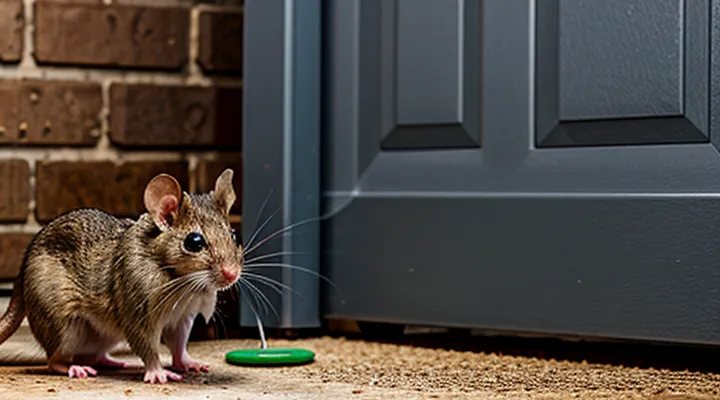
Understanding the Mouse Problem in Your Basement
Why Mice Are Attracted to Basements
Food Sources
Food availability directly influences mouse activity in a basement. When edible material is present, rodents are attracted, reproduce, and establish permanent routes.
Typical attractants include:
- Crumbs and spilled liquids from stored pantry items.
- Open packages of cereal, grains, pet food, or dried fruit.
- Unsealed containers of flour, sugar, or baking supplies.
- Organic waste such as fruit peels, vegetable trimmings, or meat scraps.
- Fallen leaves, mulch, or compost placed near basement access points.
Effective control measures focus on eliminating these resources. Store all dry goods in airtight containers made of metal or heavy‑wall plastic. Clean surfaces nightly, removing debris and wiping spills promptly. Dispose of organic waste in sealed bags and remove it from the basement area. Position trash bins with tight‑fitting lids and empty them regularly. Seal cracks and gaps that allow debris or pests to enter. Implement a routine inspection schedule to verify that no new food sources appear. By maintaining a consistently clean environment, the incentive for mice to invade the basement is removed.
Shelter and Warmth
Mice are attracted to basements because they provide shelter from predators and external weather conditions. Warm, undisturbed spaces enable rapid breeding and prolonged activity, making the environment ideal for infestation.
Reducing shelter involves eliminating hidden entry points and clutter. Seal cracks around foundations, utility penetrations, and pipe sleeves with steel wool and caulk. Install door sweeps on basement doors and repair damaged flooring or drywall. Remove piles of cardboard, insulation, or stored items that create secluded nesting sites.
Controlling warmth requires managing temperature fluctuations and moisture. Install ventilation to lower ambient humidity, which discourages mice seeking humid microclimates. Maintain a consistent temperature by insulating exterior walls without providing accessible cavities. Use low‑profile lighting to limit dark corners where rodents feel secure.
Implementing these measures creates an inhospitable environment, decreasing the likelihood of mouse colonization. Continuous monitoring of potential shelter and heat sources ensures long‑term effectiveness.
Entry Points
Identifying and eliminating entry points is a prerequisite for successful rodent control in a basement environment. Mice exploit any opening larger than a quarter‑inch, including gaps around pipes, vents, and foundation cracks. Sealing these openings prevents re‑infestation and supports other control measures.
Typical entry routes and recommended sealing actions:
- Gaps around utility penetrations – apply steel wool followed by expanding foam or metal flashing.
- Foundation cracks – fill with hydraulic cement or concrete patch, ensuring a tight bond.
- Openings under doors or windows – install door sweeps, weather‑stripping, or replace damaged frames.
- Ventilation openings – cover with hardware cloth (¼‑inch mesh) secured by screws or wire mesh.
- Open crawl‑space access – install solid doors or heavy‑duty panels, sealing edges with silicone caulk.
Regular inspection after sealing verifies integrity; any new gaps discovered during seasonal changes must be addressed promptly. Maintaining a sealed perimeter eliminates the primary pathway for mice, thereby enhancing the overall effectiveness of basement pest‑management strategies.
Signs of a Mouse Infestation
Droppings
Droppings are a primary indicator of mouse activity in a basement and a source of health hazards. Fresh pellets are dark, moist, and approximately the size of a grain of rice; older deposits turn grayish‑brown and become crumbly. Presence of droppings confirms infestation and guides the placement of control measures.
Health risks associated with mouse feces include transmission of hantavirus, salmonella, and leptospirosis. Inhalation of aerosolized particles from disturbed droppings can cause respiratory illness. Direct contact may lead to gastrointestinal infections. Immediate removal reduces exposure for occupants and pets.
Effective cleaning protocol:
- Wear disposable gloves, a N95 respirator, and protective eyewear.
- Wet droppings with a disinfectant solution (e.g., 1 % bleach) to prevent dust formation.
- Allow the solution to sit for at least five minutes.
- Scrape material into a sealed plastic bag and discard in a garbage container with a tight‑fitting lid.
- Clean the affected surface with the same disinfectant, then rinse with water and dry thoroughly.
- Dispose of all cleaning supplies in sealed bags.
Prevention measures focus on eliminating conditions that attract mice:
- Seal cracks and gaps larger than ¼ inch in walls, floors, and foundation.
- Store boxes and stored items off the floor, using plastic containers with tight lids.
- Maintain low humidity; dehumidifiers reduce moisture that supports droppings accumulation.
- Install traps or bait stations in areas where droppings have been found, monitoring regularly.
Regular inspection for new droppings, combined with prompt cleaning and structural sealing, constitutes a comprehensive approach to reducing mouse presence in a basement.
Gnaw Marks
Gnaw marks appear as shallow, parallel grooves on wood, plastic, or insulation, often accompanied by splintered edges. The pattern results from rodents’ continuously growing incisors, which require frequent chewing to maintain length.
These indications reveal active pathways and potential entry points. Concentrations near walls, baseboards, or utility openings suggest routes used for movement and access to the basement’s interior.
Locating gnaw marks involves systematic inspection of:
- Structural timber and joists
- Pipe sleeves and conduit holes
- Electrical boxes and outlet covers
- Storage containers and cardboard boxes
- Insulation panels and drywall seams
Once identified, immediate measures include:
- Removing debris and contaminated material
- Disinfecting surfaces with a solution containing at least 70 % isopropyl alcohol or a diluted bleach mixture
- Applying steel wool or metal flashing to seal drilled holes, ensuring a tight fit that rodents cannot bypass
- Installing snap traps or electronic devices along identified pathways, positioning bait at the far end of each gnaw‑marked route
Preventive actions focus on eliminating incentives and restricting access:
- Store food in sealed containers; avoid leaving pet feed or garbage in the basement
- Maintain low humidity to deter nesting; use dehumidifiers if necessary
- Conduct quarterly inspections to detect new gnaw marks early, allowing prompt remediation before infestations expand
Addressing gnaw marks promptly interrupts the rodents’ established routes, reduces the likelihood of structural damage, and supports long‑term control of basement infestations.
Scurrying Sounds
Scurrying sounds in a basement are a reliable indicator of rodent activity. The noise typically originates from mice moving through wall cavities, insulation, or stored boxes. Identifying the source helps prioritize control measures and prevents further infestation.
When the sound is heard, follow these steps:
- Locate the exact area by listening from different positions; narrow the zone to a few feet.
- Inspect the identified zone for droppings, gnaw marks, and entry holes.
- Seal all openings larger than a quarter‑inch with steel wool and caulking; use hardware cloth for larger gaps.
- Set snap traps or electronic traps along walls where the noise is strongest; place bait at the far end of each trap to encourage entry.
- Deploy bait stations with anticoagulant poison in concealed locations, ensuring they are inaccessible to children and pets.
- Reduce clutter and eliminate food sources; store items in sealed containers and keep the floor clear.
- Maintain low humidity and adequate ventilation to discourage nesting.
Continuous monitoring of the area for renewed scurrying sounds confirms the effectiveness of the intervention. Absence of noise for several days indicates a successful reduction in mouse presence. Regular inspection and prompt sealing of new entry points sustain a rodent‑free environment.
Nests
Mice construct nests in secluded, damp areas of the basement. Typical locations include behind stored boxes, within insulation, under piles of debris, and inside wall cavities. Identifying nest sites is essential for effective control.
Key characteristics of mouse nests:
- Compact, irregularly shaped clusters of shredded paper, fabric, insulation, or dried plant material.
- Presence of gnaw marks on surrounding surfaces.
- Small droppings and urine stains nearby.
- Warm, humid microclimate that encourages breeding.
Removal procedure:
- Wear disposable gloves and a mask to prevent exposure to allergens and disease agents.
- Place a sturdy trash bag over the nest, seal the bag, and discard it in an outdoor waste container.
- Clean the area with a disinfectant solution, focusing on corners and crevices where residue remains.
- Apply a rodent‑resistant sealant to gaps larger than ¼ inch to block re‑entry.
Prevention strategies:
- Store items on pallets, keeping the floor clear of clutter.
- Install metal or concrete shelving to eliminate soft nesting surfaces.
- Reduce humidity with a dehumidifier; dry environments deter nest formation.
- Use steel wool or copper mesh to fill small openings, as mice cannot chew through these materials.
Regular inspection, prompt removal of discovered nests, and sealing of entry points collectively reduce the likelihood of reinfestation. «A clean, sealed basement leaves no suitable habitat for mouse nests».
Preparation and Prevention
Sealing Entry Points
Inspecting the Foundation
Inspecting the foundation is a critical step in eliminating rodent activity within a basement. Structural gaps and deteriorated concrete provide direct pathways for mice to infiltrate living spaces. Identifying and sealing these openings prevents re‑entry after other control measures are applied.
Key inspection actions include:
- Conduct a thorough visual survey of all exterior walls, focusing on the base of the foundation.
- Locate cracks larger than ¼ inch, noting both horizontal and vertical orientations.
- Examine joints where the foundation meets the slab, looking for gaps caused by settling.
- Assess moisture accumulation, as damp conditions attract rodents and accelerate material decay.
- Use a flashlight and mirror to inspect concealed areas such as crawl spaces and utility penetrations.
Remedial measures after detection:
- Apply epoxy or hydraulic cement to fill cracks, ensuring the material adheres to both sides of the break.
- Install metal flashing around foundation seams and at points where pipes or wiring enter the structure.
- Pack steel wool into small openings before sealing with caulk, creating a barrier that rodents cannot gnaw through.
- Replace deteriorated concrete sections with new, reinforced pour where damage is extensive.
- Verify that all repairs are level with the surrounding surface to eliminate hidden gaps.
Regular re‑inspection, performed at least bi‑annually, confirms the integrity of the foundation and sustains a mouse‑free environment.
Checking Vents and Pipes
Inspecting ventilation openings and plumbing shafts is essential for preventing mouse intrusion in a basement environment. Rodents exploit gaps around ducts, exhaust fans, and pipe penetrations to gain access to concealed spaces. Regular examination of these points identifies potential entry routes before infestations develop.
During inspection, follow these steps:
- Seal all vent covers with steel‑mesh screens that have openings no larger than ¼ inch.
- Examine the exterior of the building for damaged or missing flashing around vent stacks; replace compromised sections promptly.
- Apply durable caulk or expanding foam to gaps between vent ducts and surrounding framing.
- Locate all utility pipes that pass through basement walls or floors; fit pipe sleeves or metal collars to block openings around the pipe.
- Verify that any access panels are fitted with tight‑closing latches; install additional weatherstripping if gaps are present.
Consistent monitoring reduces the likelihood of mice establishing nests within concealed cavities. By maintaining airtight seals on vents and pipe penetrations, the basement remains inhospitable to rodent activity.
Repairing Gaps and Cracks
Repairing gaps and cracks in the basement structure eliminates primary entry points for rodents. Identify all openings larger than a quarter‑inch, including those around pipes, vents, and foundation seams. Use a flashlight and a mirror to inspect hard‑to‑reach areas.
Select appropriate sealant materials: expandable polyurethane foam for gaps up to two inches, cement‑based mortar for larger fissures, and steel wool or copper mesh for holes surrounding utilities. Apply sealant according to manufacturer instructions, ensuring complete coverage and a smooth finish. Allow curing time before exposing the area to moisture.
Implement the following steps:
- Clean the surface of debris, dust, and loose material.
- Fill small gaps with steel wool or copper mesh, then coat with spray‑on foam.
- For medium‑size cracks, inject polyurethane foam, allowing expansion to fill voids.
- Apply mortar or concrete patch to large fissures, shaping the repair to match surrounding walls.
- Smooth the repaired area with a trowel; let the material cure fully.
- Inspect the repaired sections after 48 hours for any signs of re‑opening.
Regularly monitor the basement for new cracks caused by settling or moisture movement. Promptly address any fresh openings to maintain an impermeable barrier against mouse intrusion. «Seal all entry points promptly to prevent re‑infestation».
Eliminating Food Sources
Storing Food Properly
Storing food correctly eliminates a primary attraction for rodents in subterranean spaces.
Airtight containers made of metal or heavy‑wall plastic prevent scent leakage and restrict access. Choose containers with sealed lids, and verify that seams remain intact after each use.
Separate raw and processed items. Raw meat requires refrigeration at temperatures below 4 °C; processed goods belong on shelves away from moisture sources.
Label each container with the purchase date and conduct monthly inventory checks. Discard items that exceed recommended storage periods to avoid spoilage odors.
Maintain a clean environment by wiping down shelves immediately after spills. Use a damp cloth followed by a disinfectant solution; dry surfaces discourage nesting material accumulation.
Implement a routine inspection schedule:
- Verify integrity of all storage containers.
- Confirm temperature settings of refrigeration units.
- Remove debris and food residue from floor and walls.
- Record any signs of gnawing or contamination.
Consistent application of these practices reduces food availability for mice, supporting broader rodent‑prevention efforts in basement areas.
Cleaning Up Spills and Crumbs
Spills and crumbs create a reliable food source for rodents; eliminating them reduces the attraction of mice to the basement. Promptly wipe liquid messes with absorbent cloths, then sanitize the area with a solution containing at least 70 % isopropyl alcohol or a diluted bleach mixture (1 part bleach to 9 parts water). Allow the surface to air‑dry before replacing any stored items.
Maintain a strict cleaning schedule for all floors, countertops, and shelving. Remove debris daily and inspect corners where particles may accumulate. Store food in sealed, rodent‑proof containers; label containers clearly to avoid accidental exposure.
Key actions for effective housekeeping:
- Sweep or vacuum floors every evening, focusing on hidden zones.
- Mop with a disinfectant after each sweep, paying special attention to spills.
- Empty trash cans weekly, using lids that close tightly.
- Inspect and clean behind appliances, under pallets, and within storage boxes.
Securing Pet Food
Securing pet food is a critical component of any plan to eliminate rodents from a basement environment. Food left accessible provides a steady attractant, encouraging mice to establish a presence despite other control measures.
• Store dry kibble in airtight containers made of metal or heavy‑wall plastic; ensure lids seal completely.
• Place containers on shelving that is at least six inches off the floor to reduce the chance of gnawing.
• Keep wet food in the refrigerator or in sealed bags; discard leftovers promptly.
• Avoid feeding pets in the basement; feed them in a separate, mouse‑free area and return uneaten portions immediately.
• Clean up spilled crumbs or droppings daily; use a damp cloth rather than sweeping, which can disperse particles.
Regularly inspect storage containers for signs of damage. Replace compromised lids or containers without delay. By eliminating food sources, the basement becomes less hospitable, supporting broader rodent‑prevention efforts.
Reducing Clutter
Organizing Storage Areas
Organizing storage areas in a basement directly reduces hiding places and food sources that attract mice. Clear pathways, eliminate excess containers, and store items in sealed, rodent‑proof containers to create an environment that discourages infestation.
- Remove cardboard boxes and paper piles; replace with plastic bins featuring tight‑locking lids.
- Position bins away from walls, leaving a minimum of 12 inches of clearance for inspection and cleaning.
- Label each container and maintain an inventory to avoid unnecessary accumulation of unused items.
- Keep the floor free of debris; sweep regularly and vacuum corners where droppings may accumulate.
- Install shelving that allows airflow and prevents moisture buildup, which can draw rodents seeking shelter.
Consistent application of these practices limits shelter opportunities, reduces food availability, and supports broader recommendations for basement mouse control. Regular audits of stored goods ensure that clutter does not reappear, maintaining a hostile environment for pests.
Removing Unused Items
Removing unused items from a basement directly reduces shelter and food sources for rodents. Clutter creates hidden pathways, making detection and control more difficult. A systematic clearance creates an environment less attractive to mice and simplifies monitoring.
Key actions include:
- Sort all stored material; separate items needed for future use, those that can be donated, and waste suitable for disposal.
- Relocate essential belongings to sealed containers made of plastic or metal; ensure lids close tightly.
- Discard broken, damp, or mold‑affected objects, as they provide nesting material and moisture.
- Arrange remaining items on sturdy shelves, leaving a clear aisle of at least 12 inches (30 cm) around each unit for inspection.
- Label sealed boxes with concise descriptions to avoid accidental reopening.
After clearance, conduct a visual inspection of walls, floors, and joists for signs of activity. Replace any damaged insulation with rodent‑resistant material. Regularly revisit the storage layout to prevent re‑accumulation of debris that could invite infestation.
Improving Ventilation
Improving basement airflow reduces moisture levels that attract rodents. Lower humidity diminishes the suitability of insulation and stored items as nesting material, making the environment less appealing to mice.
Effective ventilation requires sealing entry points and enhancing mechanical air movement. Install exhaust fans that draw stale air outward, positioning them near known nesting zones. Connect fans to a timer or humidity sensor to maintain consistent exchange without excessive energy use. Replace blocked or clogged vents with screened openings that prevent rodent entry while allowing free passage of air.
- Inspect walls, floors, and utility penetrations for gaps; apply steel wool and caulk to close openings.
- Mount a high‑capacity exhaust fan on the basement ceiling; route exhaust duct to the exterior, sealing seams with metal tape.
- Use a dehumidifier in conjunction with the fan to keep relative humidity below 50 %.
- Ensure existing supply vents are unobstructed; install mesh guards to block small animals.
- Schedule regular maintenance of fans and filters to preserve optimal performance.
Consistent air turnover creates a dry, less hospitable setting, thereby supporting broader mouse‑control measures in the basement.
Effective Removal Methods
Trapping Strategies
Snap Traps
Snap traps provide rapid, humane termination of rodents when positioned correctly in a basement environment. The mechanism consists of a spring‑loaded bar that delivers a swift impact to the mouse’s neck, minimizing suffering and preventing escape.
Key characteristics of snap traps include:
- Rigid construction of steel or plastic, ensuring durability against repeated use.
- Adjustable trigger tension, allowing customization for different mouse sizes.
- Compatibility with a variety of baits, such as peanut butter, cheese, or commercial attractants.
Effective deployment follows a systematic approach:
- Identify high‑traffic zones by observing droppings, gnaw marks, and nesting material.
- Place traps perpendicular to walls, with the trigger end facing the expected entry path.
- Secure bait to the trigger plate, ensuring it does not obstruct the spring mechanism.
- Maintain a minimum distance of 12 inches between traps to prevent interference.
- Inspect traps daily; replace captured specimens promptly and reset with fresh bait.
Safety considerations mandate that traps be positioned out of reach of children and pets. Protective gloves should be worn during handling to avoid accidental activation. Disposal of deceased rodents must follow local sanitation regulations, typically involving sealed bags and placement in designated waste containers.
When integrated with complementary measures—such as sealing entry points and eliminating food sources—snap traps constitute a reliable component of a comprehensive mouse‑control strategy for basement spaces.
Live Traps
Live traps provide a humane alternative for removing rodents from a basement environment. These devices capture mice without killing them, allowing relocation away from the home. Proper selection, placement, and management of live traps maximize effectiveness and minimize stress on the captured animal.
Key considerations for using live traps:
- Choose traps sized for adult house mice, typically 4–5 inches long, with a secure closing mechanism.
- Bait with high‑attractant foods such as peanut butter, sunflower seeds, or small pieces of cheese.
- Position traps along walls, behind appliances, and near known gnaw marks; mice prefer travel routes close to vertical surfaces.
- Set traps in the evening when mouse activity peaks; check them early each morning to prevent prolonged confinement.
- Release captured mice at least two miles from the residence, preferably in a wooded or field area, to discourage return.
- Clean and disinfect traps after each use to eliminate scent trails that could deter future captures.
Integrating live traps with complementary measures—sealing entry points, removing food sources, and maintaining low humidity—creates a comprehensive strategy for eliminating basement mouse infestations.
Baits for Traps
Effective mouse control in a basement relies on selecting appropriate bait for traps. Proper bait attracts rodents quickly, increases trap success, and reduces the time needed to achieve a pest‑free environment.
Commonly used baits include:
- Peanut butter – strong odor, adheres to trap surfaces.
- Hard‑boiled egg – high protein, appealing to hungry mice.
- Commercial rodent gel – formulated with attractants, long‑lasting.
- Sunflower seeds – natural, readily accepted.
- Small pieces of cheese – traditional, works when fresh.
Placement of bait must consider mouse behavior. Position traps along walls, behind stored items, and near entry points. Secure bait to the trigger mechanism to prevent removal without activation. Replace bait daily to maintain freshness and scent potency.
Safety protocols require wearing disposable gloves when handling bait, especially when using commercial gels that contain toxic compounds. Store unused bait out of reach of children and pets, and dispose of spent traps according to local regulations.
Proper Trap Placement
Effective mouse control in a basement depends on strategic trap positioning. Locate devices along walls where rodents travel, because mice prefer to run close to vertical surfaces. Place traps perpendicular to the wall, with the trigger side facing the wall, to intersect their natural path. Ensure each trap is positioned near known signs of activity, such as droppings, gnaw marks, or nesting material.
Key placement guidelines:
- Position traps at 1‑2 feet above the floor, matching the typical height of mouse runs.
- Deploy a series of traps at regular intervals (approximately 10‑15 feet) to create a continuous barrier.
- Situate traps near entry points, including gaps around pipes, vents, and foundation cracks.
- Use multiple trap types (snap, electronic, or live‑catch) in the same area to increase capture probability.
Maintain trap effectiveness by checking devices daily, removing captured rodents promptly, and resetting or replacing traps as needed. Clean the surrounding area to eliminate food residues that could distract mice from the traps. Consistent, well‑planned placement maximizes the likelihood of rapid population reduction.
Rodenticides (Use with Caution)
Types of Rodenticides
Effective mouse control in a basement often relies on chemical agents classified as «rodenticides». Understanding the categories helps select a product that matches the infestation level and safety requirements.
-
Anticoagulant agents
• First‑generation compounds (warfarin, diphacinone) cause blood clotting after multiple feedings.
• Second‑generation compounds (bromadiolone, brodifacoum) require a single dose and act more rapidly. -
Neurotoxic agents
• Bromethalin disrupts mitochondrial function, leading to paralysis after a single ingestion. -
Vitamin‑derived agents
• Cholecalciferol (vitamin D3) induces hypercalcemia, resulting in organ failure after one or two meals. -
Phosphide agents
• Zinc phosphide releases phosphine gas in the stomach, producing rapid lethal effects.
Selection criteria include target species, resistance history, and exposure risk to humans or pets. Bait stations should be sealed, placed along walls, and inspected regularly. Compliance with local regulations is mandatory; many jurisdictions restrict second‑generation anticoagulants to professional use. Proper disposal of dead rodents and unused bait prevents secondary poisoning and environmental contamination.
Safe Application
Effective rodent control in a basement requires methods that protect occupants, pets, and the structure while eliminating the infestation. Safety begins with proper placement, secure containment, and adherence to manufacturer instructions.
- Choose snap traps or electric devices that seal the kill zone, preventing accidental contact.
- Position traps along walls, behind stored items, and near known activity pathways.
- Use gloves when handling traps; dispose of captured rodents in sealed bags before discarding in an outdoor trash container.
Bait stations provide a concealed delivery system for anticoagulant or non‑anticoagulant poisons. Safety measures include:
- Select tamper‑proof stations rated for use in residential settings.
- Install stations at least 12 inches above the floor and away from food preparation areas.
- Label each station with the warning «Poison – Keep out of reach of children and pets».
- Inspect stations weekly; replace expired bait and remove any dead rodents promptly.
Chemical repellents, such as ultrasonic emitters or natural oil sprays, must be applied according to label directions. Follow these precautions:
- Verify compatibility with ventilation systems; avoid sealing the basement tightly when using aerosol products.
- Wear protective eyewear and a mask during application to prevent inhalation of irritants.
- Store all chemicals in locked cabinets, out of reach of non‑authorized persons.
Regular monitoring ensures that safety protocols remain effective. Conduct a visual inspection each month, documenting trap catches, bait consumption, and signs of new activity. Adjust placement and dosage only after confirming that all safety barriers remain intact.
Risks to Pets and Children
Mice infestations in a basement create direct hazards for both domestic animals and children. Rodents can transmit diseases such as leptospirosis, hantavirus, and salmonellosis through urine, droppings, and saliva. Contact with contaminated surfaces may lead to gastrointestinal distress, respiratory issues, or allergic reactions in vulnerable individuals.
Key risks include:
- Bite or scratch injuries from defensive mice.
- Ingestion of poisoned bait, which can be fatal for pets and children.
- Exposure to secondary poisoning when a predator animal consumes a poisoned rodent.
- Contamination of stored food supplies, increasing the likelihood of accidental consumption.
- Structural damage that creates hidden entry points, allowing rodents to reach living spaces.
Mitigation measures:
- Install sealed bait stations that restrict access to non‑target species.
- Use non‑chemical traps, such as snap or live‑capture devices, placed in areas unreachable by children and pets.
- Maintain a clean environment: remove food sources, store items in airtight containers, and regularly vacuum droppings with a HEPA filter.
- Seal cracks and gaps in walls, floors, and utility openings to prevent rodent entry.
- Educate household members about safe handling of traps and bait, emphasizing supervision of children and pets during control operations.
Natural Deterrents
Peppermint Oil
Peppermint oil («peppermint oil») serves as a natural rodent deterrent in basement environments. Its volatile compounds produce a strong aroma that rodents find unpleasant, prompting avoidance of treated areas.
The oil’s scent interferes with the mice’s sensory receptors, creating a hostile atmosphere without harming the animals. Effectiveness depends on consistent exposure to the odor.
Application methods include:
- Soaking cotton balls in undiluted oil and positioning them near entry points, vents, and corners.
- Mixing a few drops with water in a spray bottle, then misting floor edges, baseboards, and hidden crevices.
- Placing a few drops on cloth strips or small sachets, then distributing them throughout the space.
- Using an electric diffuser to release a steady vapor, especially in larger or poorly ventilated basements.
Benefits of peppermint oil comprise low toxicity to humans and pets, ease of acquisition, and minimal environmental impact. The oil does not require professional installation and can be integrated into routine cleaning schedules.
Limitations include a short duration of efficacy; the scent dissipates within days, necessitating regular replacement of treated items. In severe infestations, peppermint oil alone may not achieve control and should be combined with structural sealing, sanitation, and, if needed, mechanical traps.
Regular monitoring of rodent activity and timely renewal of oil applications enhance overall success in maintaining a mouse‑free basement.
Dryer Sheets
Dryer sheets emit a strong fragrance that rodents find unpleasant. When placed strategically in a basement, they can deter mice from nesting and foraging.
Effective deployment includes:
- Positioning sheets in corners, behind stored items, and near entry points such as utility openings.
- Replacing sheets every two weeks to maintain potency.
- Combining dryer sheets with physical barriers, such as sealed gaps and traps, for comprehensive control.
The scent works by overwhelming the mice’s olfactory receptors, reducing their willingness to remain in the area. This method does not eliminate an existing infestation but lowers the likelihood of new activity. For persistent problems, integrate dryer sheets with sanitation measures and professional pest‑management services.
«Mice avoid the chemical compounds released by dryer sheets», a statement supported by observations in residential settings. Use this simple, low‑cost tool as part of a layered strategy to protect a basement from rodent intrusion.
Ultrasonic Devices
Ultrasonic emitters represent a non‑chemical option for suppressing mouse activity in subterranean spaces. The devices generate sound waves above 20 kHz, a frequency range that rodents perceive as irritating while remaining inaudible to humans.
Effective deployment requires strategic positioning. Units should be mounted on walls or ceilings, away from large furniture and stored items that block sound propagation. Coverage maps supplied by manufacturers indicate the radius of reliable emission; overlapping zones ensure continuous exposure throughout the basement. Devices equipped with adjustable frequency settings allow adaptation to local rodent populations, typically targeting 25–45 kHz. Continuous power operation, either via mains electricity or long‑life batteries, maintains consistent output.
Limitations include reduced efficacy in cluttered environments where acoustic pathways are obstructed. Some mouse strains exhibit habituation, diminishing long‑term impact. Ultrasonic systems do not address food sources, entry points, or nesting materials; integrated pest‑management practices remain essential.
Practical recommendations:
- Conduct a baseline inspection to identify entry routes and food availability.
- Install emitters at intervals recommended by coverage specifications, ensuring no solid obstacles between units and target areas.
- Activate devices on a 24‑hour schedule; many models include automatic timers for energy efficiency.
- Monitor mouse activity for at least two weeks, adjusting frequency settings if activity persists.
- Complement ultrasonic treatment with sealing gaps, proper sanitation, and, when necessary, mechanical traps.
When applied according to these guidelines, ultrasonic devices can contribute significantly to the reduction of rodent presence in basement environments.
Ammonia
Ammonia is a volatile compound with a strong, pungent odor that rodents find highly aversive. The scent interferes with mice’s sensitive olfactory system, prompting avoidance of treated areas.
Application methods for basement environments include:
- Soaking cotton pads in concentrated ammonia and placing them in corners, entry points, and near suspected nesting sites.
- Mixing a small quantity of ammonia with water (approximately 1 part ammonia to 10 parts water) and spraying the solution along baseboards, wall crevices, and drainage openings.
- Adding a few drops of ammonia to a cloth and positioning it under stored items to create a protective barrier.
Safety precautions are mandatory. Ammonia vapors can irritate eyes, skin, and respiratory passages; therefore, wear protective goggles, gloves, and a mask during preparation and placement. Ensure adequate ventilation by opening windows or using exhaust fans. Store the chemical in a sealed container away from children and pets.
Effectiveness diminishes in well‑ventilated spaces, as rapid dissipation reduces odor concentration. Ammonia does not eliminate existing infestations; it serves solely as a repellent. Combine ammonia treatment with structural sealing, sanitation, and trapping for comprehensive control.
Post-Extermination Cleanup and Maintenance
Disinfecting Affected Areas
Cleaning Droppings and Urine
Cleaning rodent waste eliminates health hazards and removes attractants that encourage further infestation. Droppings and urine can harbor pathogens such as hantavirus and salmonella; thorough removal reduces the risk of disease transmission to occupants and pets.
Before beginning, secure personal protection. Wear disposable gloves, a fitted respirator or N‑95 mask, and eye protection. Ensure adequate ventilation by opening windows or using an exhaust fan. Contain the work area with plastic sheeting if possible to prevent cross‑contamination.
Follow a systematic procedure:
- Identify all visible droppings, urine streaks, and stained surfaces. Pay particular attention to corners, insulation, and hidden cavities.
- Moisten solid waste with a disinfectant solution (e.g., a 1 % bleach mixture) to prevent aerosolization of particles.
- Collect the softened material using a disposable scoop or paper towel. Place it directly into a sealed, heavy‑duty plastic bag.
- Apply the same disinfectant to the affected area, scrubbing gently with a brush or sponge. Allow the solution to remain for at least five minutes to ensure microbial kill.
- Rinse the surface with clean water, then dry thoroughly. For porous materials that cannot be fully sanitized, consider removal and replacement.
- Seal the waste bag, label it as biohazard, and dispose of it according to local regulations for hazardous waste.
After cleaning, treat surrounding structures with a rodent‑repellent spray or a non‑toxic deterrent to discourage re‑entry. Regular inspection and prompt removal of any new signs of activity maintain a sanitary environment and support long‑term control efforts.
Sanitizing Surfaces
Sanitizing surfaces eliminates pathogens left by rodents, reduces attraction to food residues, and prevents re‑infestation in a basement environment.
Effective cleaning follows a clear sequence:
- Remove visible debris, droppings, and nesting material with disposable gloves and a stiff brush.
- Wash all hard surfaces—floors, walls, shelving, and countertops—with hot, soapy water.
- Apply an EPA‑approved disinfectant, ensuring contact time matches the product label.
- Rinse with clean water and allow surfaces to dry completely before restoring stored items.
Disinfectants containing quaternary ammonium compounds, bleach solutions (1 % sodium hypochlorite), or alcohol‑based formulations provide reliable microbial control. Verify that the chosen agent is safe for the specific material to avoid corrosion or degradation.
After thorough sanitization, seal entry points, store food in airtight containers, and maintain low humidity to deter future mouse activity. Regular inspection and prompt cleaning of any new contamination preserve a hygienic basement and support long‑term rodent control.
Preventing Future Infestations
Regular Inspections
Regular inspections form the backbone of any effective basement rodent‑control program. By systematically checking vulnerable areas, hidden entry points, and signs of activity, infestations can be identified before populations expand.
Key inspection components include:
- Visual survey of walls, floors, and ceilings for gnaw marks, droppings, and nesting material.
- Examination of utility penetrations, pipe sleeves, and vent openings for gaps larger than ¼ inch.
- Verification that doors, windows, and basement access panels seal tightly when closed.
- Assessment of stored items, especially cardboard, fabric, and food containers, for contamination.
Inspections should occur at least once every month during peak rodent season and quarterly during colder periods. Seasonal adjustments account for changes in mouse behavior and breeding cycles. Documentation of findings—date, location, evidence type, and corrective actions—creates a reliable record that guides remediation efforts and tracks progress over time.
Prompt repair of identified breaches, removal of food sources, and sanitation of contaminated zones follow each inspection. Consistent execution of these steps minimizes the likelihood of a full‑scale infestation and supports long‑term rodent‑free conditions in the basement.
Maintaining a Clean Environment
A clean basement deprives mice of shelter and food, reducing the likelihood of infestation.
- Eliminate food residues by storing pantry items in sealed containers and promptly cleaning spills.
- Remove clutter that creates hiding places; stack boxes on pallets and keep the floor free of debris.
- Dispose of garbage in tightly closed bins and empty them regularly to prevent odor attraction.
- Sweep and mop floors weekly; use a vacuum with a HEPA filter to capture droppings and nesting material.
- Inspect for moisture leaks; repair drips and maintain low humidity to discourage rodents.
Routine inspections identify emerging problems early. During each check, look for gnaw marks, droppings, and signs of nesting. Immediate removal of discovered waste and prompt repair of structural gaps close pathways for entry.
Consistent application of these practices creates an environment where mice cannot thrive, supporting long‑term control efforts.
Addressing Moisture Issues
Moisture creates an environment conducive to rodent activity. Damp soil and standing water attract mice seeking food and shelter. Reducing humidity eliminates a primary incentive for infestation.
Key actions to control moisture in a basement:
- Repair all water‑inlet leaks, including pipe joints, foundation cracks, and roof penetrations.
- Install a properly sized dehumidifier; maintain relative humidity below 50 %.
- Enhance ventilation with exhaust fans or air exchangers to promote air circulation.
- Grade the surrounding landscape away from the foundation to prevent surface runoff.
- Seal gaps around utility penetrations, windows, and doors with silicone or expanding foam.
- Employ a sump pump equipped with a backup power source to manage groundwater accumulation.
Regular inspection of these systems prevents re‑saturation. Promptly addressing any new sources of dampness sustains a dry environment, thereby reducing the likelihood of mouse habitation.