
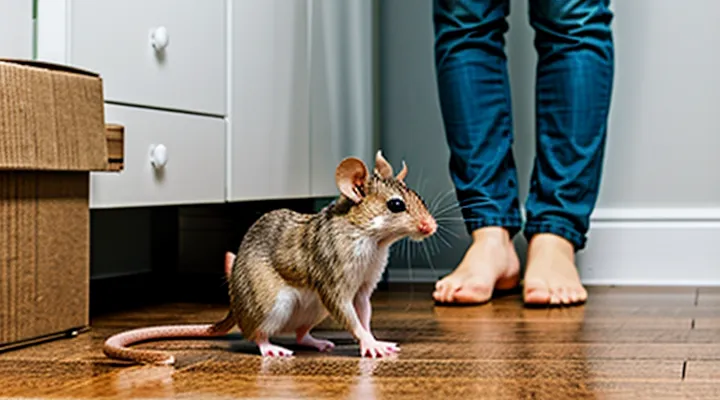
Identifying an Infestation
Recognizing the Presence of Mice
Signs of Activity
Identifying mouse presence early prevents infestation from escalating. Visible evidence, scent, and damage together confirm activity.
- Small, dark droppings near food sources, corners, and along walls.
- Gnaw marks on wood, plastic, wiring, or insulation; fresh cuts appear lighter than older ones.
- Nests constructed from shredded paper, fabric, or insulation, often hidden in concealed spaces such as behind appliances or within wall cavities.
- Scratching or scurrying sounds, especially at night, originating from ceilings, attics, or behind cabinets.
- Wet patches or stains with a strong, ammonia‑like odor indicate urine deposition.
- Chewed or missing food items, packaging punctured or shredded.
Each sign points to specific locations where mice travel and hide. Concentrating inspection on areas with multiple indicators allows targeted intervention, reducing the need for widespread treatment. Prompt action based on these observations maximizes the effectiveness of simple control measures.
Locating Entry Points and Nests
Locating the ways mice access an apartment and identifying their nesting sites are essential steps before any control measures can succeed.
Inspecting the building envelope reveals most entry points. Examine gaps around windows, doors, and sliding panels; openings larger than a quarter‑inch permit mouse passage. Check utility penetrations, such as pipes, cables, and HVAC ducts, for missing seals or cracked sleeves. Verify that vent covers are intact and that weatherstripping on exterior doors is continuous. Seal discovered openings with steel wool, caulk, or hardware cloth to prevent re‑entry.
Inside the living space, signs of nesting indicate where mice have established a base. Look for accumulations of shredded paper, fabric, or insulation in concealed areas such as behind appliances, under sinks, and within wall cavities. Droppings clustered near food sources or along wall edges confirm activity. Gnaw marks on wood, plastic, or wiring reveal routes used for movement.
Common entry points to verify:
- Gaps around window frames
- Undersized door sweeps
- Openings around pipe penetrations
- Unsealed holes in drywall or plaster
- Damaged vent covers
Typical nesting indicators:
- Bundles of soft material in hidden corners
- Concentrated droppings on floors or countertops
- Chewed insulation or wiring
- Small, dark tunnels in walls or baseboards
Addressing each identified breach and removing nesting material reduces the likelihood of a persistent infestation. Continuous monitoring of the inspected zones ensures that new entry points are detected promptly.
Preparing the Apartment for Eradication
Sanitizing Food Storage Areas
Securing Pantry Items
Mice locate food sources quickly; unsecured pantry items provide an easy entry point.
- Store dry goods, cereals, and snacks in containers with snap‑tight lids made of plastic, glass, or metal.
- Choose containers rated “rodent‑proof” or equipped with silicone gaskets that close completely.
- Label each container with the purchase date to encourage regular rotation and prevent stale supplies.
Maintain a clean pantry environment. Wipe shelves after each use, sweep crumbs from the floor, and dispose of packaging in sealed trash bags. Inspect containers weekly for cracks or worn seals; replace compromised units promptly.
Limit access points by installing door sweeps on pantry doors and sealing gaps around baseboards with caulk. Regularly check for signs of gnawing or droppings; immediate removal of contaminated items reduces the risk of infestation.
Cleaning Up Debris and Spills
Cleaning debris and spills eliminates food sources and reduces shelter opportunities for rodents. Food particles left on countertops, floors or in cabinets provide a reliable attractant; moisture from spills creates a conducive environment for foraging and nesting. Removing these elements disrupts the conditions that encourage mouse activity.
Practical steps for thorough cleanup:
- Clear all surfaces of crumbs, dust and spilled liquids. Use a brush or vacuum to collect loose particles before wiping.
- Wash countertops, tables and shelves with hot, soapy water. Follow with a disinfectant solution to eliminate residual scent trails.
- Mop floors using a detergent that cuts grease. Rinse with clean water to prevent sticky residues.
- Dispose of waste promptly in sealed containers. Replace bag liners regularly to avoid leakage.
- Store food in airtight containers made of glass, metal or heavy‑wall plastic. Inspect packaging for damage and discard expired items.
- Inspect hidden areas such as behind appliances, under the sink and inside cabinets. Remove any accumulated debris and repair leaks that may cause moisture buildup.
Consistent application of these measures deprives mice of nourishment and hiding spots, thereby lowering the likelihood of infestation. Regular maintenance—weekly surface cleaning and monthly deep cleaning of storage zones—maintains an environment that is unattractive to rodents. «Mice are attracted to food remnants», so eliminating those remnants directly reduces the risk of rodent presence.
Decluttering Potential Hiding Spots
Organizing Utility Closets
Organizing utility closets reduces the availability of shelter and food sources for rodents, directly supporting effective rodent control in apartments.
A systematic approach includes the following actions:
- Remove all unnecessary items; retain only essential supplies.
- Store materials in sealed, airtight containers to eliminate food odors.
- Inspect walls, floors, and ceilings for gaps; seal openings with steel wool and caulk.
- Install sturdy shelves that keep items off the floor, facilitating cleaning.
- Ensure adequate ventilation to discourage humidity that attracts pests.
A tidy «utility closet» allows quick visual inspections, making it easier to detect signs of mouse activity. Maintaining clear pathways prevents rodents from establishing nests, thereby supporting simple, long‑term pest‑free living conditions.
Clearing Areas Behind Appliances
Keeping the space behind refrigerators, stoves, and other large appliances free of clutter and debris eliminates shelter for rodents. Food particles, spilled liquids, and paper waste provide both nourishment and nesting material; their removal reduces attraction and reproductive potential.
- Pull appliances away from walls at least six inches to expose the entire underside.
- Vacuum or sweep the exposed area, collecting all crumbs and dust.
- Wipe surfaces with a disinfectant solution to eliminate residual odors.
- Inspect the floor and walls for gaps larger than a quarter‑inch; seal openings with steel wool and caulk.
- Store pet food, canned goods, and pantry items in sealed containers; avoid leaving open packages on the floor.
After cleaning, reposition appliances so that ventilation gaps remain unobstructed. Regularly repeat the inspection and cleaning cycle, especially after meals or when new food supplies are introduced. Maintaining a clear, sanitized zone behind appliances deprives mice of critical resources, thereby supporting broader pest‑control efforts in the residence.
Implementation of Control Measures
Selection of Trapping Methods
Utilizing Snap Traps
Snap traps provide a rapid, chemical‑free solution for eliminating mice in residential units. Their design relies on a spring‑loaded bar that delivers a lethal strike when the rodent triggers the bait platform. Proper placement, bait selection, and maintenance maximize effectiveness while minimizing unintended harm.
- Position traps along walls, behind appliances, and near known activity zones; mice prefer routes adjacent to surfaces.
- Use a small amount of high‑protein bait such as peanut butter, cheese, or dried fruit; secure the bait to prevent premature release.
- Set traps with the trigger end facing the wall, ensuring the bar is fully cocked and the safety latch is disengaged.
- Check traps daily; dispose of captured rodents in sealed bags and reset the device with fresh bait.
- Replace traps after a series of catches or if the spring mechanism shows signs of fatigue.
Regular inspection of entry points, sealing gaps, and maintaining a tidy environment complement snap trap usage, creating a hostile habitat for rodents and reducing reinfestation risk.
Effective Bait Choices
Effective bait selection determines the success of mouse control in an apartment. Choosing attractants that match the rodent’s dietary preferences and pairing them with appropriate delivery mechanisms maximizes capture rates while minimizing exposure to non‑target occupants.
- Peanut butter – strong scent, high fat content, adheres well to traps.
- Small pieces of cheese – familiar food source, suitable for live‑catch traps.
- Sunflower seeds – natural rodent favorite, works with snap and glue devices.
- Commercial rodenticide blocks – formulated with anticoagulants, require secure placement.
- Oats mixed with dried fruit – appealing to foraging mice, suitable for bait stations.
Placement guidelines: Position baits along walls, behind appliances, and in concealed corners where mouse activity is observed. Secure bait stations to prevent accidental contact by children or pets. Rotate bait types every few days to prevent habituation. Maintain cleanliness by removing spilled food residues that could distract mice from the offered bait.
Optimal Placement Locations
Optimal placement of control devices determines the effectiveness of a rodent‑free apartment. Position traps and bait stations where mice travel most often. Typical routes include:
- Along walls, especially behind appliances, cabinets, and furniture.
- Near entry points such as cracks, gaps around pipes, and ventilation openings.
- Inside concealed spaces like the back of cupboards, under sinks, and within attic or crawl‑space access panels.
- Adjacent to food storage areas, including pantry shelves and garbage containers.
Traps should sit perpendicular to the wall, with the trigger side facing the anticipated path. Bait stations benefit from placement at a height of 2–3 inches above the floor, where mice can easily reach but pets cannot. Seal all identified entry points before deploying devices; otherwise, re‑entry will diminish results.
For electronic deterrents, install devices in corners of rooms, ensuring coverage of multiple walls. The emitted ultrasonic waves lose potency beyond 15 feet, so overlapping zones increase coverage. «Place devices in the farthest corners from each other to maximize field overlap.»
Regular inspection of each location is essential. Replace or reposition any trap that shows no activity after 48 hours, and refresh bait every two weeks to maintain attractiveness. By concentrating control tools in these strategic spots, the likelihood of rapid mouse population decline rises dramatically.
Employing Live-Catch Traps
Live‑catch traps provide a humane alternative for eliminating rodent infestations in residential units. These devices consist of a cage that closes automatically when a mouse enters, allowing capture without lethal injury.
Choosing an appropriate trap involves selecting a model with a secure latch, a smooth interior surface, and a size sufficient for adult mice. Plastic and metal cages meet these criteria; models featuring a transparent front panel facilitate visual monitoring.
- Position traps along established mouse pathways, typically near walls, behind appliances, and in concealed corners.
- Place bait at the far end of the trap to ensure full entry; effective options include peanut butter, small pieces of cheese, or dried fruit.
- Secure traps to the floor or a stable surface to prevent displacement by the animal.
- Deploy multiple traps simultaneously to increase capture probability, spacing them 1–2 feet apart along the same route.
Check traps at least once daily. When a mouse is captured, wear disposable gloves, transport the cage to a suitable release site—preferably a wooded area at least 0.5 mile from the dwelling—and open the latch to allow immediate escape. Release should occur during daylight hours to reduce predation risk.
After each capture, sanitize the trap with a mild bleach solution to eliminate scent trails that may deter further activity. Seal any entry points discovered during inspection, such as gaps around pipes or cracks in flooring, to prevent re‑entry. Maintaining a clean environment, storing food in airtight containers, and disposing of waste promptly complement the effectiveness of live‑catch traps in controlling rodent populations.
Humane Handling Procedures
Humane handling of rodents in a residential setting relies on prevention, capture, and safe release without causing suffering.
Effective prevention begins with sealing entry points. Inspect walls, baseboards, and utility openings for gaps larger than ¼ inch; apply steel wool combined with caulking or install metal flashing. Eliminate food sources by storing pantry items in airtight containers and promptly cleaning crumbs and spills. Reduce water availability by fixing leaks and removing standing moisture.
Capture methods should allow live removal. Commercial snap‑trap alternatives include:
- Multi‑catch live traps equipped with a gentle trigger mechanism; check traps at least twice daily to prevent stress.
- Single‑catch humane traps featuring a smooth interior and a release door; position traps along established runways, identified by droppings or gnaw marks.
- Bucket traps using a ramp and a bait platform; ensure the bucket is deep enough to prevent escape.
Bait selection influences success. Favor high‑protein items such as peanut butter, sunflower seeds, or small pieces of cooked meat. Place bait inside the trap, not on the exterior, to encourage entry.
After capture, relocate rodents at a distance of at least two miles from the dwelling, preferably in a wooded area with natural cover. Wear disposable gloves during handling, release the animal gently, and immediately disinfect the trap with a bleach solution (1 part bleach to 9 parts water) before reuse.
Monitoring continues after initial removal. Install motion‑activated infrared sensors near potential entry zones to detect renewed activity. Maintain rigorous sanitation and regular inspections to sustain a rodent‑free environment while adhering to humane standards.
Safe Application of Repellents
Natural Deterrents
Natural deterrents offer a non‑chemical approach to mouse control in apartments, reducing risk to occupants and pets while targeting rodent behavior.
- Peppermint oil applied to cotton balls and positioned near gaps, vents, and pantry shelves creates a scent that interferes with mice’s olfactory navigation.
- Ground cloves scattered in corners, cabinets, and along baseboards emit a strong aroma that rodents avoid.
- Cayenne pepper powder sprinkled around entry points and inside storage areas provides a pungent barrier that irritates sensitive mucous membranes.
- Fresh catnip leaves placed in hidden crevices act as a repellent; the plant’s volatile compounds trigger aversive reactions in mice.
- Coffee grounds spread in trash bins and under appliances release a bitter odor that discourages foraging.
For optimal effect, replace cotton balls with peppermint oil every three days, refresh dry spices weekly, and replenish catnip and coffee grounds after two weeks. Seal visible cracks with steel wool before applying deterrents to prevent re‑entry. Maintain a clean environment by storing food in sealed containers and removing clutter, thereby limiting attractive habitats.
«Peppermint oil repels mice» is a widely documented observation; similar evidence supports the efficacy of cloves and cayenne pepper. Consistent application of these natural agents, combined with proper sanitation, creates an inhospitable setting that reduces mouse activity without reliance on toxic substances.
Using Peppermint Oil
Peppermint oil works as a natural repellent for rodents. The strong menthol scent overwhelms mice’s olfactory receptors, causing avoidance of treated areas.
Application steps:
- Dilute essential oil with water at a ratio of 1 part oil to 10 parts water.
- Soak cotton balls in the solution and place them in corners, behind appliances, and near entry points.
- Replace cotton balls every three to five days to maintain potency.
- Avoid direct contact with food preparation surfaces; use separate containers for kitchen and storage zones.
Safety considerations:
- Verify that pets, especially cats, do not have access to treated spots, as concentrated oil may irritate their respiratory system.
- Test a small area for surface compatibility before widespread use to prevent staining or damage.
Effectiveness notes:
- Peppermint oil deters but does not eradicate established infestations; combine with sealing cracks and trapping for comprehensive control.
- Results vary with infestation size; larger populations may require additional methods.
Exploring Ultrasonic Devices
Ultrasonic repellents emit sound waves at frequencies above 20 kHz, a range inaudible to humans but uncomfortable for rodents. The devices generate a continuous or intermittent signal that interferes with the auditory system of mice, prompting them to vacate the area.
Effectiveness depends on several factors. Proper installation ensures that the sound field reaches all potential nesting sites. Obstacles such as furniture, walls, and curtains absorb ultrasonic energy, creating dead zones where mice may remain undisturbed. Continuous operation is required; intermittent schedules reduce exposure and diminish deterrent impact.
Typical specifications include:
- Frequency range: 20–65 kHz, selected to target rodent hearing sensitivity.
- Power output: 80–100 dB SPL measured at one meter, sufficient to affect small mammals.
- Coverage area: 100–150 sq ft per unit, varying with room geometry and acoustic absorption.
Recommended placement guidelines:
- Position units at least 12 inches above the floor to avoid furniture blockage.
- Install devices on opposite walls of each room to create overlapping sound fields.
- Avoid direct exposure to sunlight or moisture, which can reduce electronic reliability.
- Replace units after the manufacturer’s recommended service life, typically 12–18 months, to maintain output strength.
Limitations are documented. Mice can habituate to constant frequencies, diminishing long‑term efficacy. Ultrasonic waves do not penetrate solid barriers, so sealed rooms remain unaffected. Devices provide no physical removal of rodents; integration with traps, sealing entry points, and sanitation enhances overall control.
When combined with exclusion methods and regular cleaning, ultrasonic repellents contribute to a comprehensive strategy for eliminating mouse infestations in residential units.
Understanding the Limits of Poison
Poison provides rapid elimination of individual rodents, yet its application in a residential setting encounters several constraints. Toxic substances can affect non‑target organisms, including children, pets, and beneficial insects. Accidental ingestion or contact may result in medical emergencies, requiring immediate treatment and potentially legal liability.
Regulatory agencies impose strict limits on the types and quantities of rodenticides available for home use. Many products demand professional certification, and some are prohibited altogether in multi‑unit buildings. Compliance with local ordinances prevents unauthorized deployment and reduces the risk of fines.
Rodents develop behavioral resistance to bait stations over time. Repeated exposure to the same formulation can lead to avoidance, diminishing long‑term efficacy. Rotating active ingredients or integrating alternative methods restores control but complicates management.
Secondary poisoning poses a significant ecological threat. Predators or scavengers that consume poisoned mice may suffer delayed mortality, disrupting local food webs. Monitoring and proper disposal of carcasses mitigate this risk.
Effectiveness hinges on correct placement. Bait must reside in areas inaccessible to children and pets, yet reachable by mice. Improper positioning reduces uptake and may increase exposure to unintended individuals.
Key limitations of poison in a flat:
- Human and pet safety concerns
- Legal restrictions on purchase and use
- Development of rodent bait aversion
- Potential for secondary wildlife poisoning
- Necessity for precise bait placement
Understanding these boundaries informs a balanced approach, combining chemical control with preventive measures such as sealing entry points, eliminating food sources, and employing traps. This integration maximizes reduction of rodent activity while minimizing health and legal risks.
Exclusion and Long-Term Prevention
Sealing Off Access Points
Inspecting Walls and Floors
Inspecting walls and floors is a critical early step in eliminating rodent activity. Visible signs such as gnaw marks, droppings, and shredded material indicate pathways and nesting sites. Identifying these clues allows targeted intervention before infestations spread.
Key inspection actions:
- Conduct a systematic walk‑through of all rooms, focusing on baseboards, corners, and under cabinets.
- Use a bright flashlight to reveal small holes, cracks, or gaps in plaster, drywall, and flooring joints.
- Examine behind appliances, especially refrigerators and stoves, where mice often travel unnoticed.
- Check attic access panels and crawl‑space openings for evidence of entry.
- Record each finding on a simple diagram to plan sealing and bait placement.
Sealing identified openings prevents further ingress. Apply steel‑wool or copper mesh followed by caulk or expanding foam to close gaps larger than a quarter inch. Replace damaged sections of drywall or flooring where structural compromise could provide shelter.
Regular re‑inspection after sealing confirms the effectiveness of measures. A follow‑up survey within one week should focus on previously treated areas to ensure no new signs appear. Continuous monitoring sustains a mouse‑free environment.
Using «Steel Wool» and Caulk for Repairs
Mice exploit gaps around pipes, vents, and foundation cracks. Sealing these openings eliminates access points and reduces the likelihood of infestation.
«Steel Wool» provides a physical barrier that rodents cannot gnash through. Its dense fibers fill irregular spaces, preventing entry while allowing expansion and contraction of building materials. When applied alone, the material may shift over time; combining it with «Caulk» creates a durable seal that adheres to surrounding surfaces and resists moisture.
- Clean the target area; remove debris and loose material.
- Pack compressed «Steel Wool» into the opening, ensuring complete coverage.
- Apply a bead of «Caulk» over the wool, smoothing it to create a seamless surface.
- Allow the sealant to cure according to manufacturer instructions before exposing the area to humidity or temperature changes.
Regular inspection of sealed zones identifies wear or displacement. Reapply «Steel Wool» and «Caulk» as needed to maintain an effective barrier. This method offers a low‑cost, chemical‑free solution that integrates easily into routine apartment maintenance.
Addressing Gaps Around Plumbing
Gaps surrounding pipes, drains and vent stacks create direct pathways for rodents to enter living spaces. Small openings, often unnoticed behind sinks, behind toilets or at the base of water lines, allow mice to move from utility areas into rooms where food is stored.
Typical problem areas include:
- Space between pipe and wall or floor, especially where the pipe penetrates a finished surface.
- Openings around sink cabinets, where the drain pipe exits the cabinet.
- Gaps around shower or bathtub overflow pipes.
- Unsealed joints at the base of water heaters and washing machines.
To eliminate these entry points, follow a systematic sealing process:
- Inspect all visible plumbing connections, using a flashlight to reveal cracks and holes.
- Remove loose material and clean the surface to ensure adhesion.
- Apply a durable, rodent‑resistant sealant such as silicone‑based caulk or expanding foam, filling the gap completely.
- For larger openings, install metal or copper mesh before sealing to provide structural support.
- Allow the sealant to cure according to manufacturer instructions, then verify the seal by running a thin wire through the area; any resistance indicates a successful closure.
Select products labeled as waterproof and pest‑proof. Re‑inspect sealed areas quarterly, paying particular attention after renovations or pipe repairs, to maintain an airtight barrier and prevent future infestations.
Maintaining Environmental Control
Routine Inspections
Routine inspections form the backbone of effective rodent control in a residential setting. Regularly scheduled checks identify early signs of mouse activity, prevent infestations from escalating, and guide timely interventions.
Key elements of a systematic inspection routine include:
- Visual examination of walls, ceilings, and floor joists for droppings, gnaw marks, or shredded material.
- Inspection of potential entry points such as gaps around pipes, vents, and window frames; any opening larger than a quarter‑inch warrants immediate sealing.
- Assessment of food storage areas; ensure containers are airtight and surfaces are free of crumbs.
- Verification of trap placement and functionality; replace or reposition devices that show no recent captures.
- Evaluation of sanitation practices; confirm that waste receptacles are covered and that spills are promptly cleaned.
Conducting these inspections on a weekly basis during high‑risk seasons—autumn and winter—maximizes detection probability. Documenting findings in a logbook facilitates trend analysis and informs adjustments to preventative measures. Consistency in execution reduces the likelihood of mouse populations establishing permanent footholds within the apartment.
Waste Management Protocols
Effective rodent control in a flat relies on strict waste handling. Food remnants and improperly stored refuse provide a reliable food source, encouraging infestation. Implementing clear waste management protocols eliminates this attraction.
Key practices include:
- Store all waste in containers with tight‑fitting lids; ensure lids remain sealed after each use.
- Empty containers daily or at least every 24 hours; avoid accumulation that creates odor.
- Place containers away from walls and corners, preferably on countertops or designated waste stations.
- Use recyclable bins with separate compartments; keep each compartment sealed.
- Clean interior of containers weekly with hot water and detergent to remove residue.
- Dispose of bagged waste in outdoor collection points promptly; avoid leaving bags inside the apartment.
Additional measures strengthen the protocol:
- Install splash‑proof liners inside bins to prevent moisture, which attracts rodents.
- Conduct routine inspections for cracks or gaps in bin seals; repair or replace damaged components immediately.
- Educate all occupants about proper disposal habits; enforce consistent adherence to the schedule.
Consistent application of these steps reduces food availability, discourages mouse activity, and supports overall pest‑prevention efforts.
Monitoring Vulnerable Areas
Monitoring vulnerable areas is a critical component of any effective mouse control strategy in an apartment. Identifying locations where rodents can enter, travel, or hide allows targeted interventions that reduce the likelihood of infestation. Common entry points include gaps around pipes, cracks in walls, gaps beneath doors, and openings around utility penetrations. Once these points are documented, regular inspection schedules ensure that new vulnerabilities are detected before they become active pathways.
Practical monitoring steps:
- Conduct a visual sweep of the perimeter weekly, focusing on baseboards, window frames, and ceiling edges.
- Use a flashlight to examine dark corners, behind appliances, and inside storage closets.
- Place motion‑activated cameras or infrared sensors in high‑risk zones to record activity after dark.
- Install non‑toxic tracking powders or sticky pads near suspected routes; replace them every 48 hours.
- Record findings in a simple log, noting date, location, and type of evidence (droppings, gnaw marks, sightings).
Promptly sealing identified gaps with steel wool, caulk, or metal flashing eliminates access routes. Continuous observation of the same areas confirms the durability of repairs and alerts the resident to any re‑opening, thereby maintaining a mouse‑free environment.