
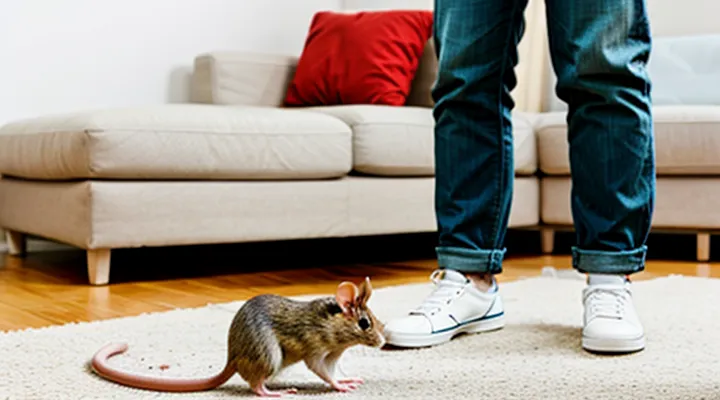
Understanding the Threat: Why Mice are a Problem in Apartments
Health Risks Associated with Mice
Disease Transmission
Mice living in a dwelling harbor bacteria, viruses, and parasites capable of infecting occupants through direct contact, contaminated food, or aerosolized particles. Their urine, droppings, and saliva deposit pathogens onto surfaces that people touch or ingest.
Common illnesses linked to rodent exposure include:
- Hantavirus pulmonary syndrome, transmitted via inhalation of dried urine or feces.
- Leptospirosis, spread through contact with contaminated water or soil.
- Salmonellosis, resulting from ingestion of food tainted by droppings.
- Lymphocytic choriomeningitis, passed by handling infected rodents or their excreta.
Eliminating the rodent presence removes the primary source of these agents, thereby lowering infection risk. Effective control requires both immediate eradication and long‑term prevention.
Practical measures:
- Seal entry points: install metal mesh or steel wool in gaps around pipes, vents, and doors.
- Remove food sources: store pantry items in airtight containers, clean crumbs promptly.
- Maintain cleanliness: disinfect countertops and floors with a bleach solution after any sign of contamination.
- Set traps or bait stations: use snap traps or professionally applied rodenticides, following label instructions to avoid secondary poisoning.
- Conduct regular inspections: check for fresh droppings, gnaw marks, or nesting material weekly.
By addressing these factors, residents reduce the probability of disease transmission associated with mouse infestations.
Allergenic Reactions
Allergic reactions to mouse‑related allergens arise from urine, feces, saliva and dander that accumulate in infested apartments. Inhalation of aerosolized particles triggers IgE‑mediated responses, producing sneezing, nasal congestion, wheezing, cough, itchy eyes and skin rashes. Individuals with asthma or pre‑existing sensitivities experience heightened bronchoconstriction, which can lead to emergency medical events. Persistent exposure increases the likelihood of chronic respiratory irritation and sensitization, even in previously non‑allergic occupants.
Effective mouse eradication must incorporate allergen control to protect health. Prior to any trapping or baiting, occupants should:
- Wear disposable gloves, N95 respirators and protective clothing.
- Seal cracks, gaps and utility openings to prevent re‑entry.
- Use snap traps or electronic devices that avoid poison residues.
- Remove visible droppings and urine stains with a HEPA‑filtered vacuum, followed by disinfectant cleaning.
- Launder fabrics, curtains and bedding at temperatures above 60 °C or discard heavily contaminated items.
Post‑remediation cleaning should include a final HEPA vacuum of all surfaces, air‑filter replacement and a thorough inspection for residual droppings. Monitoring indoor air quality for rodent‑specific allergens confirms that allergenic risk has been reduced to acceptable levels.
Property Damage Caused by Rodents
Chewed Wires and Structural Damage
Mice gnaw on electrical wiring, plumbing, and structural components, creating fire hazards, water leaks, and weakened walls. Their incisors continuously grow, prompting them to chew anything that offers resistance, which includes insulated copper, PVC pipe, and wooden studs. Damage often appears as exposed conductors, frayed cords, or holes in drywall near baseboards and cabinets.
Detecting rodent‑induced damage requires visual inspection and functional testing:
- Look for chew marks, shredded insulation, or bite‑shaped holes in walls, floors, and ceilings.
- Use a voltage tester to identify compromised outlets or switches.
- Check for water stains or drips that may indicate pipe damage.
- Listen for intermittent power loss or flickering lights, which can signal broken wires.
Repair and prevention steps:
- Turn off power to affected circuits before removing damaged wiring.
- Replace chewed sections with new, rodent‑resistant cable, securing it with metal conduit where possible.
- Seal entry points using steel wool, caulk, or hardware cloth to block further access.
- Install traps or bait stations to reduce the current infestation.
- Conduct regular inspections after remediation to ensure no new damage occurs.
Prompt remediation eliminates safety risks and protects the integrity of the apartment’s infrastructure.
Contamination of Food and Surfaces
Mice introduce urine, feces, and saliva onto food items and kitchen surfaces, creating a pathway for bacteria such as Salmonella, E. coli, and Hantavirus. These contaminants can spread to untouched foods, utensils, and countertops, increasing the risk of foodborne illness for all occupants.
To protect consumables and work areas, implement the following actions:
- Store all food in airtight containers made of glass, metal, or heavy‑duty plastic.
- Keep pantry shelves clear of crumbs and debris; wipe them down with a disinfectant after each use.
- Seal gaps around pipes, vents, and cabinetry with steel wool and caulk to block rodent entry.
- Remove pet food after feeding and place it in sealed containers.
- Clean spills immediately; use a solution of diluted bleach (1 part bleach to 10 parts water) on surfaces that may have been contacted.
- Dispose of trash in containers equipped with tight‑fitting lids; empty them regularly.
Regular inspection of stored items for gnaw marks or droppings, combined with prompt sanitation, reduces the likelihood that mouse activity will compromise food safety and surface hygiene.
Initial Steps: Identifying and Preparing for Mouse Eradication
Signs of a Mouse Infestation
Droppings and Urine Stains
Droppings and urine stains are reliable indicators of a rodent presence in a dwelling. Fresh droppings appear as small, dark pellets, roughly the size of a grain of rice, typically found along walls, behind appliances, and in hidden corners. Older feces may turn lighter and crumble easily. Urine stains manifest as yellowish or amber discolorations on fabrics, wood, or tile, often accompanied by a faint, musky odor.
Health concerns stem from pathogens carried by mouse waste. Salmonella, Hantavirus, and leptospirosis can be transmitted through direct contact or inhalation of dried particles. Immediate removal reduces exposure risk.
Cleaning protocol:
- Ventilate the area by opening windows and using fans.
- Wear disposable gloves, a mask rated N95, and eye protection.
- Sweep or vacuum loose droppings with a HEPA‑equipped vacuum; discard the collection bag in a sealed container.
- Apply a disinfectant solution (e.g., 1 % bleach in water) to the contaminated surface; let it sit for at least five minutes.
- Scrub the area with a stiff brush, then rinse with clean water.
- Dry thoroughly to prevent mold growth.
For porous materials such as insulation, carpet, or upholstery, removal and disposal are preferable, as absorption hinders thorough decontamination. Seal all waste in double‑layered bags before discarding in a municipal trash receptacle.
Preventive measures include sealing entry points, maintaining a clutter‑free environment, and storing food in airtight containers. Regular inspection of suspected zones helps detect new droppings before infestations expand.
Gnaw Marks and Noises
Mice leave distinctive gnaw marks on wood, plastic, and wiring; these scratches are shallow, often V‑shaped, and appear where the animal has chewed to gain access or to test material strength. Inspect cabinets, baseboards, and appliance cords for such evidence; any fresh bite should be traced back to a possible entry point.
Audible activity typically occurs at night and includes high‑pitched squeaks, scratching on walls, and the sound of tiny feet scurrying through insulation. Listen for repeated patterns, especially near concealed spaces such as behind refrigerators or within wall cavities. Persistent noises indicate an established nest or a foraging route.
To act on these signs:
- Seal identified openings with steel wool, copper mesh, or caulking; rodents cannot gnaw through metal.
- Replace damaged wiring or plastic with rodent‑resistant materials to prevent fire hazards.
- Set snap traps or electronic traps along walls where gnaw marks converge; position bait near the noise source.
- Use ultrasonic emitters only as supplemental deterrents; they do not eliminate existing populations.
Document the location of each gnaw mark and the timing of noises. This record guides targeted placement of traps and helps verify the effectiveness of sealing measures. Eliminate food sources, store pantry items in airtight containers, and maintain a clutter‑free environment to reduce attractants. Continuous monitoring of gnaw evidence and sound activity ensures that the infestation is fully resolved.
Nests and Tracks
Mice create nests from shredded paper, fabric, insulation, or dried food. Nests are typically found in hidden corners, behind appliances, within wall cavities, or under furniture. Inspect these areas for layered material, gnawed edges, and a faint, sweet odor that indicates rodent activity.
Tracks appear as dark, greasy lines along walls, baseboards, and ceilings. Fresh tracks are shiny and may contain droppings or urine stains. Follow the direction of the lines to locate entry points and the central nesting zone.
To confirm a nesting site, look for:
- Accumulated debris that forms a loose, pillow‑like structure
- Visible gnaw marks on surrounding materials
- Small piles of droppings near the nest entrance
Once identified, remove the nest by sealing the area, disposing of contaminated material in a sealed bag, and cleaning the surface with a disinfectant solution. Replace removed insulation or padding with rodent‑proof alternatives.
Eliminate tracks by sealing cracks, gaps, and openings larger than a quarter inch. Apply steel wool or caulk to potential entryways, then reinforce with metal flashing where necessary. Regularly clean surfaces with a detergent solution to erase residual scent trails that guide other mice back to the site.
Apartment Preparation Before Treatment
Thorough Cleaning and Decluttering
A clean, uncluttered living space removes the food, shelter, and nesting material that attract rodents. Eliminate crumbs, spills, and food residues by wiping countertops, sweeping floors, and mopping regularly. Store pantry items in sealed containers; avoid leaving pet food out overnight.
Reduce clutter to limit hiding places. Remove stacks of newspapers, cardboard boxes, and unused fabric. Keep storage areas organized, placing items on shelves instead of the floor. Dispose of garbage promptly and use bins with tight‑fitting lids.
- Vacuum corners, behind appliances, and under furniture weekly.
- Wash dishes immediately; do not leave them in the sink.
- Inspect and seal gaps around pipes, vents, and baseboards with steel wool or caulk.
These actions create an environment where mice cannot find sustenance or shelter, significantly lowering the likelihood of infestation.
Storing Food Properly
Proper food storage is a cornerstone of mouse control in a rental unit. Secure containers eliminate easy access to nutrition, reducing the incentive for rodent activity.
- Use airtight, polymer or metal containers with sealed lids for all dry goods, including cereals, grains, nuts, and pet food.
- Transfer opened packages into these containers immediately after use.
- Store perishable items in the refrigerator or freezer, and discard leftovers within 24 hours.
- Keep pantry shelves clean; wipe spills promptly and avoid stacking items on the floor.
Maintain a routine of inspecting storage containers for cracks or compromised seals. Replace damaged containers without delay. Position food storage areas away from walls and avoid placing items directly on the floor to limit hiding spots.
By eliminating accessible food sources, the environment becomes unattractive to mice, supporting broader pest‑management efforts.
Sealing Entry Points
Sealing entry points blocks the most reliable pathway mice use to invade an apartment. By eliminating these openings, the population cannot establish a foothold, and existing individuals lose access to shelter and food.
Begin with a thorough inspection. Turn off lights, use a flashlight, and scan walls, floors, and ceilings for holes larger than a quarter‑inch. Pay special attention to areas where utilities enter the unit, such as plumbing stacks, electrical conduits, and cable lines. Examine the perimeter of doors and windows, the base of cabinets, and the space beneath appliances.
Common entry locations include:
- Gaps around pipe sleeves and vent pipes
- Cracks in foundation or sill plates
- Openings behind refrigerator, stove, and dishwasher
- Unsealed gaps beneath sliding doors and baseboards
- Holes in drywall or plaster near cabinets
Select durable, rodent‑proof materials for repair. Use steel wool or copper mesh for small gaps, then cover with expanding polyurethane foam or cement‑based sealant. For larger openings, install metal flashing, sheet metal, or hardware cloth (minimum ¼‑inch mesh) secured with screws or construction adhesive. Apply caulk around door frames and window sills, ensuring a continuous bead that adheres to both surfaces.
After sealing, conduct a follow‑up inspection. Verify that no new gaps have appeared and that repaired areas remain intact. Re‑apply sealant annually or after any renovation work. Maintaining a tight envelope around the living space prevents re‑infestation and supports long‑term control.
Effective Mouse Control Methods
Trapping Strategies
Snap Traps: Pros and Cons
Snap traps are a mechanical solution widely used in residential units to eliminate mice quickly. They operate by delivering a rapid, lethal force when a rodent bites the baited trigger.
Advantages
- Immediate result; the mouse dies on contact, preventing breeding.
- Low cost; a single trap costs a few dollars, making large‑scale deployment affordable.
- No chemicals; eliminates risk of poisoning pets or children.
- Simple setup; placement requires only bait and a stable surface.
Disadvantages
- Requires careful positioning; traps must align with mouse pathways to be effective.
- Potential for accidental injury if handled improperly.
- Visible dead rodents may cause distress for occupants.
- Limited reusability; each trap needs replacement after a catch.
When selecting snap traps, assess traffic patterns, ensure bait is attractive (e.g., peanut butter), and place traps perpendicular to walls. Regular inspection and safe disposal of captured mice are essential to maintain hygiene and avoid secondary infestations.
Live Traps: Humane Solutions
Live traps provide a humane method for removing rodents from a residential unit without resorting to lethal measures. The devices consist of a cage with a trigger mechanism that closes the door once a mouse enters to reach bait. Because the animal remains alive, it can be released outdoors, preventing further infestation inside the dwelling.
Effective use of live traps requires careful selection, positioning, monitoring, and disposal of captured pests. Choose traps made from sturdy, escape‑proof material and equipped with a smooth interior to discourage climbing. Bait with high‑protein foods such as peanut butter, cheese, or dried fruit, applying a small amount to the trigger plate to ensure entry.
Key steps for optimal results:
- Identify high‑traffic zones by observing droppings, gnaw marks, and pathways; place traps along walls, behind appliances, and near suspected entry points.
- Set traps at night when mice are most active; check them early each morning to reduce stress on captured rodents.
- Release captured mice at least 1 kilometer from the building, preferably in a wooded or grassy area, and release them promptly to prevent suffering.
- Clean traps with mild detergent after each use to eliminate scent trails that may deter future captures.
- Repeat placement until no additional captures occur for several consecutive days, then remove all traps.
Live traps also serve as a diagnostic tool, confirming the presence and extent of an infestation. By combining them with exclusion techniques—sealing cracks, installing door sweeps, and maintaining a clutter‑free environment—residents can achieve long‑term rodent control while adhering to humane standards.
Glue Traps: Considerations for Use
Glue traps provide a quick, non‑toxic means of capturing mice within a residential unit. Their adhesive surface immobilizes rodents that step onto the device, allowing for immediate removal.
- Position traps along walls, behind appliances, and near known activity sites; mice travel close to surfaces.
- Use multiple traps to increase capture probability; a single mouse may avoid one device.
- Check traps daily; live rodents can suffer prolonged distress, and unattended traps may attract predators or cause odor issues.
- Wear disposable gloves when handling traps to prevent skin contact with adhesive and potential allergens.
- Dispose of captured mice in sealed plastic bags before discarding; follow local waste‑management regulations.
- Keep traps out of reach of children and pets; accidental entrapment can result in injury or legal liability.
- Consider humidity; high moisture can reduce adhesive effectiveness, requiring replacement more often.
- Verify that the product complies with housing‑authority standards; some jurisdictions restrict the use of glue traps in multi‑unit buildings.
Monitoring trap performance informs adjustments to placement and quantity. Replace traps that lose tackiness or become contaminated. Document capture dates to identify patterns and assess the overall reduction in rodent activity.
When glue traps are employed correctly, they contribute to a systematic reduction of mouse presence while minimizing chemical exposure.
Baits and Repellents
Commercial Bait Stations
Commercial bait stations provide a self‑contained, tamper‑resistant platform for delivering rodenticide in multi‑unit dwellings. The enclosure shields the poison from children, pets, and non‑target wildlife while allowing mice to access the bait through a small entry slot.
Key characteristics of effective stations include:
- Secure construction – heavy‑gauge plastic or metal housing with a lockable lid.
- Standardized dosage – pre‑measured bait blocks that deliver a lethal dose to a single mouse, reducing the risk of over‑exposure.
- Regulatory compliance – certification by local pest‑control authorities, often required for use in rental properties.
- Ease of inspection – clear windows or removable panels that allow quick assessment of bait consumption and trap activity.
Selection criteria focus on size, placement flexibility, and compatibility with the chosen attractant. Small stations fit behind appliances or within wall voids; larger models accommodate multiple bait blocks for high‑traffic corridors.
Proper deployment follows a systematic pattern:
- Identify entry points, wall voids, and areas of frequent droppings.
- Install stations at least 6–12 inches from walls, with the entry slot facing the anticipated travel path.
- Space stations 10–15 feet apart in continuous infestations; increase density in heavily infested sections.
- Record the exact location of each unit for routine monitoring.
Maintenance involves weekly visual checks, replacement of depleted bait, and documentation of capture rates. If activity persists after three weeks, rotate to a different active ingredient to mitigate bait shyness.
Safety protocols mandate that landlords provide written notices to tenants, restrict access to the stations, and train maintenance staff in proper handling. Personal protective equipment—gloves and eye protection—must be worn during installation and bait replacement.
When commercial stations are unavailable, sealed cardboard traps or snap devices may supplement control efforts, but they lack the containment benefits and dosage consistency of professional bait stations.
DIY Natural Repellents
Mice avoid strong scents that interfere with their sensory receptors. Several household items can be transformed into effective, chemical‑free deterrents.
- Peppermint oil – soak cotton balls in pure oil and place them behind cabinets, near entry points, and inside closets. Replace every three days to maintain potency.
- Clove oil – mix a tablespoon with a cup of water, spray the solution along baseboards and behind appliances. Reapply weekly.
- Vinegar – combine equal parts white vinegar and water, spray on surfaces where droppings are found. The acidic odor repels rodents without harming surfaces.
- Ammonia – fill small containers with undiluted ammonia and position them in concealed corners. The pungent vapor creates an inhospitable environment; ensure adequate ventilation.
- Dryer sheets – tuck scented sheets inside drawers and under furniture. The lingering fragrance deters mice while providing a fresh scent.
Preparation steps:
- Gather the chosen repellent and a clean, reusable container (glass jar, spray bottle, or cotton ball holder).
- Apply the substance according to the guidelines above, focusing on potential travel routes such as gaps around pipes, vents, and door thresholds.
- Seal entry points with steel wool or caulk to prevent re‑infestation.
- Monitor activity for a week; increase the number of repellents if sightings persist.
Safety considerations:
- Test each solution on a hidden area to rule out damage to paint or fabric.
- Keep repellents away from pets and children; essential oils can cause irritation if ingested.
- Avoid mixing chemicals; combine only the recommended ingredients.
Regular maintenance—replacing cotton balls, refreshing sprays, and inspecting seals—keeps the apartment unwelcoming to rodents without resorting to poisons or traps.
Ultrasonic Devices: Effectiveness and Limitations
Ultrasonic emitters are marketed as a non‑chemical approach to rodent control in residential units. The devices generate sound waves above 20 kHz, a range that mice cannot hear but that is claimed to cause discomfort and drive them away.
Effectiveness depends on several factors. Laboratory tests demonstrate that frequencies between 30 kHz and 50 kHz can disrupt mouse activity for short periods. Field trials in multi‑room apartments report a reduction of sightings by 20‑40 % when devices are placed in open areas with minimal furniture. Continuous operation is required; intermittent use quickly restores normal behavior.
Limitations are significant.
- Sound does not penetrate solid barriers; walls, furniture and appliances create dead zones where the wave intensity falls below disruptive levels.
- Mice may habituate after a few days, rendering the device ineffective despite constant emission.
- Device specifications often omit power output, making it difficult to compare products objectively.
- Battery‑powered units lose efficacy as voltage drops, and plug‑in models add to the household’s electrical load.
- No single device covers an entire apartment; multiple units increase cost and complexity.
Professional pest‑management guidelines recommend ultrasonic emitters only as a supplementary measure, combined with sealing entry points, proper sanitation and, when necessary, traps or baits. Relying exclusively on sound generators rarely achieves complete eradication.
Professional Pest Control
When to Call an Exterminator
If traps and sealing measures fail, professional pest control becomes necessary. Call an exterminator when any of the following conditions are met:
- Multiple active mouse sightings in different rooms within a week.
- Evidence of gnaw damage to wiring, insulation, or structural components.
- Persistent droppings or urine stains despite thorough cleaning.
- Presence of nests concealed behind walls, under appliances, or in ceiling voids.
- Rising health concerns, such as allergic reactions or asthma flare‑ups linked to rodent allergens.
At the point where DIY interventions no longer reduce activity, a licensed specialist can assess entry points, apply targeted baits, and ensure compliance with local health regulations. Delaying professional help risks extensive property damage and increased disease risk. Promptly engaging an exterminator after these warning signs safeguards both the living environment and the occupants’ well‑being.
What to Expect from a Professional Service
A reputable pest‑control firm begins with a thorough inspection of the unit. Technicians locate entry points, assess the extent of infestation, and document evidence such as droppings, gnaw marks, and nesting material. The inspection report forms the basis for a customized treatment plan that addresses both the current problem and future prevention.
The treatment plan typically includes:
- Selection of an appropriate control method (e.g., baits, traps, or rodenticides) based on the species, level of activity, and resident preferences.
- Placement of devices in concealed, high‑traffic areas to maximize effectiveness while minimizing disruption.
- Use of EPA‑approved products and adherence to safety protocols to protect occupants, pets, and the building’s infrastructure.
Professional services provide a written guarantee outlining the expected outcome and the duration of coverage. If activity persists after the initial intervention, the contract usually covers additional visits at no extra charge within the guarantee period.
Follow‑up visits are scheduled to verify the success of the operation, remove or replace devices, and inspect for new entry points. Technicians may offer advice on sealing gaps, proper food storage, and waste management to reduce the likelihood of recurrence.
Clients receive a detailed invoice that itemizes labor, materials, and any optional services such as building‑wide treatment or preventive maintenance contracts. All personnel are required to hold relevant licenses and undergo regular training, ensuring compliance with local regulations and industry standards.
Preventing Future Infestations
Sealing Entry Points Permanently
Identifying Common Entryways
Identifying the routes through which mice enter an apartment is the first step in eliminating an infestation. Precise detection allows targeted sealing, preventing re‑entry and reducing the need for repeated treatments.
- Gaps around plumbing and gas pipes, especially where they pass through walls or floors
- Cracks in foundation walls, basement slabs, or perimeter joints
- Openings around electrical conduits, cable lines, and HVAC ducts
- Unsealed spaces beneath doors, including gaps at the bottom of entry doors and interior doors
- Unscreened vents, dryer exhausts, and attic hatches
- Holes left by previous repairs, pest control devices, or construction work
- Small openings behind appliances such as refrigerators, stoves, and dishwashers
- Cracked or missing weather stripping on windows and sliding doors
Inspect each potential entry point by using a flashlight and a thin probe (e.g., a wire or a piece of stiff cardboard). Look for signs of gnawing, droppings, or nesting material near the openings. Apply appropriate sealants: steel wool or copper mesh for larger gaps, followed by caulk or expanding foam; metal flashing for vents and ducts; and durable door sweeps for thresholds. After sealing, monitor the area for new activity and repeat inspections periodically to ensure no new breaches develop.
Materials for Effective Sealing
Effective sealing is essential for preventing rodent entry in a residential unit. Choose materials that combine durability, flexibility, and resistance to gnawing.
- Steel wool: Insert tightly into cracks; compress to eliminate gaps. Pair with caulk for added strength.
- Copper mesh (hardware cloth): Cut to size, staple or screw over larger openings such as vent covers and utility penetrations. Mesh size of ¼‑inch prevents chewing.
- Silicone or polyurethane sealant: Apply to seams around windows, door frames, and baseboards. Allows movement without cracking.
- Expanding spray foam: Fill irregular voids behind appliances and under flooring. Trim excess after curing; seal surface with caulk.
- Sheet metal flashing: Use thin aluminum or galvanized steel to cover gaps around pipes and ducts. Secure with screws and seal edges.
- Concrete or mortar: Repair foundation cracks and floor joist fissures. Smooth finish eliminates crevices.
- Self‑adhesive rubber gaskets: Install around door thresholds and sliding glass tracks to block small passages.
When sealing, follow a systematic process: inspect every potential entry point, remove debris, apply the chosen material, and finish with a sealant that adheres to the surrounding surface. Regularly inspect sealed areas for wear and reapply as needed to maintain a continuous barrier against rodents.
Maintaining Apartment Hygiene
Regular Cleaning Practices
Regular cleaning is essential for preventing rodent activity in a dwelling. Food residues, crumbs, and spills attract mice, so all surfaces must be kept free of debris. Store dry goods in airtight containers; avoid leaving bags or boxes open. Immediately clean up any spilled liquids or food particles, and wipe down counters after each use.
Dispose of garbage daily and use bins with tight‑fitting lids. Transfer waste to outdoor receptacles promptly to eliminate odors that could lure pests. Keep pet food sealed and remove uneaten portions after each feeding.
Maintain a routine vacuum schedule. Focus on areas behind refrigerators, stoves, and cabinets where droppings may accumulate unnoticed. Vacuum carpets, rugs, and upholstery to eliminate hidden food particles.
Declutter storage spaces. Remove unnecessary boxes, papers, and fabrics that provide nesting material. Organize closets and pantries so that items are visible and accessible, reducing hidden habitats.
Wash dishes promptly; avoid letting dishes sit in the sink. Rinse and dry all kitchenware before storage. Regularly clean the dishwasher filter and interior to prevent buildup.
Implement these practices consistently to reduce food availability and shelter, thereby diminishing the likelihood of mouse infestation.
Proper Waste Management
Effective waste handling reduces food sources that attract rodents in residential units. Secure containers prevent mice from accessing discarded material, limiting their ability to establish a foothold.
Maintain sealed bins with tight-fitting lids. Empty trash daily to avoid accumulation. Place containers on a stable surface, away from walls and entry points. Use heavy-duty bags that resist tearing.
- Store organic waste in a separate, airtight container.
- Dispose of food scraps in a compost bin that is rodent‑proof.
- Keep recycling bins covered and free of residue.
- Clean the exterior of trash cans regularly to remove spills.
Avoid leaving food remnants on countertops or floor. Clean spills immediately, wiping surfaces with a disinfectant. Remove pet food after each feeding and store it in sealed containers.
Inspect waste areas for signs of damage. Replace cracked lids or broken seals promptly. Arrange regular inspections to ensure that all waste storage complies with the preventive measures outlined above.
Outdoor Prevention
Landscaping and Yard Maintenance
Effective rodent control begins outside the building. Proper landscaping and yard upkeep reduce the likelihood that mice will seek shelter in an apartment.
Trim vegetation so that shrubs and trees do not touch the exterior walls. Overhanging branches provide a bridge for rodents, allowing them to reach roof eaves and crawl onto the structure. Keep grass at a modest height; dense, tall turf creates cover and a food source for wild mice.
Maintain a clear perimeter around the foundation. Remove debris, leaf piles, and compost heaps that sit directly against the building. Store firewood at least two feet off the ground and away from the walls. Ensure that drainage systems function correctly; standing water attracts insects, which in turn draw rodents.
Inspect and repair exterior features regularly. Seal gaps around utility lines, vents, and pipe entries. Use metal flashing or cement to close openings larger than a quarter inch. Install door sweeps on exterior doors to prevent entry from the yard.
Implement a systematic waste management plan. Place garbage containers on a paved surface, away from the building, and use tightly fitting lids. Empty bins frequently to eliminate food residues that lure mice.
Key yard maintenance actions:
- Prune trees and shrubs to maintain a minimum three‑foot gap from the building.
- Mow lawns weekly during the growing season.
- Clear leaf litter and organic debris from the foundation area.
- Elevate stored materials (firewood, compost) on pallets.
- Repair cracks in sidewalks, driveways, and foundation walls.
- Apply rodent‑proof barriers such as metal mesh around vulnerable openings.
By integrating these landscaping practices with interior sealing measures, residents create an environment that discourages mouse activity and supports long‑term pest‑free living.
Securing Outdoor Food Sources
Mice are attracted to accessible food outside the building, so eliminating these sources reduces the likelihood of infestation. Store all outdoor provisions in sealed containers made of metal or heavy‑wall plastic; lids must lock tightly. Dispose of waste in bins equipped with tight‑fitting lids and empty them regularly to prevent odor buildup.
- Keep grills, pet feeders, and compost piles at least three feet from building walls.
- Clean up fallen fruit, seeds, and spilled birdseed daily.
- Use steel‑mesh covers for trash cans and recycling containers.
- Remove standing water from bird baths and plant saucers; replace with drip‑irrigation systems that limit runoff.
- Inspect outdoor storage areas weekly for cracks or gaps, sealing any openings with caulk or hardware cloth.
By controlling outdoor food availability, the incentive for rodents to enter residential spaces diminishes, supporting long‑term pest prevention.
Safety Precautions and Post-Extermination Cleanup
Handling Traps and Baits Safely
Personal Protective Equipment
When confronting a rodent infestation inside a residence, direct contact with droppings, urine, and pest control chemicals presents health risks. Protective gear isolates skin, respiratory passages, and eyes from contamination, reducing the chance of disease transmission and chemical irritation.
- Heavy‑duty disposable gloves (nitrile or latex) that resist puncture and chemical permeation.
- Respiratory protection rated N95 or higher when handling dust, sealed traps, or aerosolized rodenticides.
- Safety goggles or full‑face shield to block splashes and airborne particles.
- Disposable coveralls or long‑sleeved work shirts with cuffs sealed by elastic bands.
- Slip‑resistant boots or shoe covers to prevent tracking debris across flooring.
Select equipment with certifications appropriate for biological hazards and pesticide exposure. Inspect each item for tears, cracks, or compromised seals before use; replace damaged components immediately. After the operation, remove and discard disposable items in sealed bags, then wash reusable gear according to manufacturer guidelines. Proper donning and doffing procedures prevent cross‑contamination between treated areas and living spaces.
Safe Disposal of Traps and Deceased Mice
When a mouse trap has captured a rodent, handle the carcass without direct contact. Put on disposable nitrile gloves before moving the trap. Place the dead mouse and the trap together in a sealable plastic bag, press out excess air, and tie the bag tightly. Dispose of the sealed bag in an outdoor trash container that is emptied regularly; follow local waste‑management guidelines for dead animal disposal.
After removal, clean the trap surface with a disinfectant solution (e.g., 70 % isopropyl alcohol) to eliminate pathogens. Rinse with water, dry, and store the trap in a sealed container if it will be reused. If the trap is single‑use, discard it in the same sealed bag as the mouse.
Sanitize the area where the trap was placed:
- Spray the floor or surface with a disinfectant.
- Allow the surface to remain wet for the contact time indicated on the product label.
- Wipe dry with a disposable paper towel and discard it in a sealed bag.
Finally, wash hands thoroughly with soap and warm water for at least 20 seconds after removing gloves and disposing of all waste. This routine prevents disease transmission and maintains a hygienic living environment.
Cleaning Up After an Infestation
Disinfecting Contaminated Areas
Disinfecting areas contaminated by rodents is essential after eliminating the pests from a residence. Residual urine, droppings, and gnaw marks harbor bacteria, viruses, and parasites that can cause illness. Immediate cleaning prevents spread of pathogens and reduces lingering odors that attract new intruders.
Begin by wearing disposable gloves and a mask to protect against aerosolized particles. Remove all visible debris with a damp paper towel; discard the material in a sealed bag. Follow with a two‑step disinfection protocol:
- Apply an EPA‑approved disinfectant formulated for rodent‑borne contaminants. Ensure the product label lists efficacy against Salmonella, Hantavirus, and Leptospira. Saturate the affected surface, allow the recommended dwell time, then wipe clean with a fresh cloth.
- Rinse the area with hot water and a mild detergent solution to remove chemical residues. Dry thoroughly with disposable towels or allow air circulation to prevent moisture buildup.
After treatment, ventilate the space for at least 30 minutes. Replace any absorbent materials (e.g., carpets, insulation) that cannot be fully sanitized. Conduct a final inspection to confirm no stains or odors remain before reinstating normal use of the apartment.
Airing Out the Apartment
Ventilation reduces indoor humidity, which discourages mice from nesting in walls, cabinets, and ceiling voids. Fresh air lowers moisture levels that attract rodents seeking shelter and food sources.
To maximize airflow, follow these steps:
- Open all exterior windows and doors for at least 30 minutes each morning.
- Position a portable fan near an open window to draw fresh air through the living space.
- Use a dehumidifier in areas prone to dampness, such as kitchens and bathrooms, while the windows remain open.
- Arrange furniture to avoid blocking air passages; keep curtains and blinds pulled back to allow unobstructed flow.
Consistent airing removes lingering odors that can signal food availability to mice. A dry, well‑ventilated environment makes the apartment less hospitable, prompting any existing rodents to seek alternative habitats outside the dwelling.