
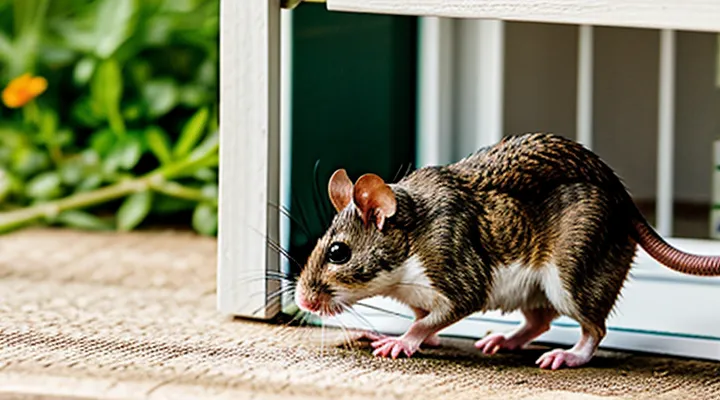
Understanding the Mouse Problem in Your Summer House
Why Mice Are Attracted to Summer Houses
Food Sources
Mice enter a summer residence primarily in search of nutrition. Accessible food supplies create a predictable foraging path that leads rodents directly into living spaces.
Typical attractants include:
- Dry goods such as cereals, flour, rice, and pasta stored in open packaging.
- Pet feed left in bowls or containers without lids.
- Fresh fruit, berries, and vegetables left on countertops or tables.
- Unsealed garbage cans or compost bins that contain organic waste.
- Birdseed spilled from feeders or stored in accessible containers.
Eliminating these resources requires systematic control:
- Transfer all dry products to airtight, rodent‑proof containers made of metal or heavy‑wall plastic.
- Clean up crumbs and spills immediately; wipe surfaces after each meal preparation.
- Store fresh produce in refrigerated compartments or sealed bins; discard overripe items promptly.
- Use garbage cans with tight‑fitting lids; empty them regularly and keep them away from the building’s exterior.
- Relocate bird feeders to a distance that prevents rodents from reaching the seed, and place feeders on sturdy poles equipped with predator guards.
Removing or securing food sources deprives mice of the primary incentive to invade, thereby decreasing the likelihood of infestation in a seasonal dwelling.
Shelter and Warmth
Mice seek out any area that offers protection from predators and stable temperatures; a summer house with unsealed gaps, cluttered storage, and residual heat provides ideal refuge. Reducing such conditions removes a primary incentive for rodent occupancy.
- Seal cracks, gaps, and openings around foundations, windows, and doors with steel wool, caulk, or expanding foam.
- Store firewood, garden tools, and other materials on pallets, away from walls, and cover with breathable fabric.
- Install door sweeps and screen vent covers to block entry points while preserving airflow.
- Remove debris, leaf litter, and overgrown vegetation within a two‑meter perimeter to eliminate external nesting sites.
Control of interior warmth limits a mouse’s ability to maintain body temperature during cooler evenings. Insulation that traps heat can be repurposed for rodent shelter; therefore, manage temperature sources carefully.
- Turn off or unplug unused appliances that emit heat, such as portable heaters, when not in use.
- Adjust thermostat settings to avoid excessive warmth in unoccupied rooms.
- Use low‑profile LED lighting instead of incandescent bulbs, reducing heat output.
- Maintain proper ventilation in attics and crawl spaces to disperse residual warmth and prevent condensation that attracts rodents.
Easy Access Points
Mice exploit any opening that permits passage, regardless of size. Identifying and eliminating these easy access points prevents infestation before it begins.
Common entry locations include:
- Gaps around exterior doors and windows, often less than one inch wide.
- Cracks in foundation walls, especially near utility penetrations.
- Openings around vent pipes, chimney flues, and dryer exhausts.
- Unsealed gaps where plumbing, electrical wiring, or cable conduits enter the building.
- Undersized or damaged screens on porches and decks.
- Holes in siding, soffits, and eaves where weather stripping is missing.
Effective sealing methods:
- Install stainless‑steel mesh or hardware cloth with openings no larger than ¼ inch; secure with corrosion‑resistant screws.
- Apply expanding polyurethane foam to fill irregular cracks; trim excess after curing.
- Use silicone or acrylic caulk for narrow seams around frames and trim.
- Fit door sweeps and weatherstripping to eliminate gaps beneath entryways.
- Replace damaged screens with reinforced mesh designed for pest exclusion.
- Inspect and repair roof flashing, ensuring tight seams around chimneys and vent stacks.
Regular inspection of the building envelope, combined with prompt repair of identified openings, reduces the likelihood of mouse entry and supports long‑term rodent control.
Signs of a Mouse Infestation
Droppings
Rodent droppings are a reliable indicator of infestation in a seasonal cottage. Their presence confirms active feeding and nesting activity, allowing targeted intervention before damage escalates.
Droppings pose significant health risks. They can carry Hantavirus, salmonella, and other pathogens capable of contaminating food surfaces and air. Direct contact or inhalation of dried particles may lead to respiratory and gastrointestinal illnesses.
Effective removal requires a systematic approach:
- Wear disposable gloves and a mask rated for particulate protection.
- Ventilate the area by opening windows and using fans to create airflow away from occupied spaces.
- Moisten droppings with a disinfectant solution (e.g., 1 % bleach in water) to prevent aerosolization.
- Collect the saturated material with paper towels and place it in a sealed plastic bag.
- Dispose of the bag in an outdoor trash container; avoid recycling bins.
- Clean the underlying surface with the same disinfectant, allowing a contact time of at least ten minutes before wiping dry.
- Repeat the process in all rooms, including attics, basements, and storage closets.
Prevention relies on eliminating conditions that attract rodents. Store food in airtight containers, seal entry points with steel wool or caulking, and maintain a regular inspection schedule. Monitoring devices such as snap traps or motion-activated cameras can verify the absence of new droppings, confirming successful eradication. «Early detection of rodent feces prevents extensive contamination and reduces the need for chemical control.»
Gnaw Marks
Gnaw marks indicate active rodent activity and reveal entry points, nesting sites, and food sources. Recognizing these signs is essential for an effective eradication plan.
Typical characteristics include:
- Parallel grooves on wood, plastic, or insulation, often 2–6 mm wide.
- Rounded edges where material has been chewed away, exposing underlying surfaces.
- Fresh marks appear lighter in color than older damage, suggesting recent activity.
Inspect all structural components, especially around windows, doors, and utility penetrations. Document the location and extent of each mark to prioritize treatment areas.
Control measures focus on eliminating the cause of gnawing:
- Seal openings larger than ¼ inch with steel wool, copper mesh, or cement‑based caulk.
- Replace damaged wood or insulation to remove attractive nesting material.
- Install metal or hard‑plastic barriers on vulnerable sections to prevent further chewing.
- Deploy bait stations or traps near confirmed gnaw sites, following safety guidelines.
Regular monitoring of previously marked areas confirms the success of interventions. Absence of new gnaw marks over several weeks indicates that the rodent population has been suppressed and that structural integrity is being restored.
Nests and Nests Materials
Mice construct nests to shelter, reproduce, and store food, making nests a primary indicator of infestation in a summer residence. Nests are typically found in concealed locations such as attic insulation, wall voids, under floorboards, and within stored items like clothing or firewood. Identifying these sites enables targeted intervention and reduces the likelihood of recurrence.
Common nest materials include shredded paper, fabric fibers, dried plant matter, insulation debris, and soft organic waste. The choice of material reflects availability within the structure and the mouse’s need for warmth and concealment. Insulation fragments provide excellent thermal protection, while shredded paper offers ease of manipulation and rapid construction.
Effective management of nests involves several steps:
- Locate all potential nesting sites through visual inspection and the presence of droppings, gnaw marks, or urine stains.
- Remove existing nests by carefully extracting material, placing it in sealed bags, and disposing of it away from the property.
- Clean the area with a disinfectant solution to eliminate residual scent cues that attract rodents.
- Replace removed insulation with rodent‑resistant alternatives, such as mineral wool or steel‑mesh barriers, to deny future nesting opportunities.
- Seal entry points larger than a quarter‑inch using steel wool, caulk, or hardware cloth to prevent new occupants from establishing nests.
Preventive measures focus on limiting access to suitable nesting resources. Store firewood and other combustible materials away from the building envelope, maintain a clutter‑free interior, and keep food items in airtight containers. Regular maintenance inspections, particularly after seasonal changes, ensure that any emerging nests are detected and addressed promptly.
Strange Noises
Strange noises often signal the presence of rodents in a seasonal cottage. Recognizing the acoustic patterns associated with mice allows timely intervention before damage escalates.
Typical sounds include high‑pitched squeaks, rapid scratching on walls or stored materials, and faint scurrying within ceiling voids. Activity peaks during dusk and the early night hours when rodents forage for food.
To verify the source of unusual sounds, follow a systematic approach:
- Record the timing and location of each noise episode.
- Inspect walls, floors, and attic spaces for fresh gnaw marks, droppings, or displaced insulation.
- Deploy passive infrared or ultrasonic detectors near suspected entry points.
- Confirm presence by observing fresh feeding traces such as shredded fabric or grain remnants.
Once activity is confirmed, implement preventive measures:
- Seal gaps larger than ¼ inch with steel wool and caulking.
- Install snap traps or live‑capture devices along established runways, positioning them near walls and behind furniture.
- Apply rodent‑repellent granules or ultrasonic emitters in concealed corners.
- Maintain a clean environment by storing food in airtight containers and removing clutter that offers shelter.
Continual monitoring of noise levels after these actions provides feedback on the effectiveness of the control strategy. Persistent sounds despite remediation indicate hidden colonies or unsealed access points, requiring a secondary inspection and reinforcement of barriers.
Preventive Measures
Sealing Entry Points
Inspecting the Exterior
Inspecting the exterior of a summer residence is the first step in preventing rodent intrusion. Identify all potential entry points, including gaps around doors, windows, vents, and utility lines. Examine the foundation for cracks larger than a quarter‑inch and seal them with cement or metal flashing. Verify that roof eaves and soffits are intact; replace damaged panels and install mesh covers over ventilation openings.
Maintain a clear perimeter to discourage nesting. Trim tree branches, shrubs, and vines that touch the building, creating a minimum clearance of two feet. Remove debris, woodpiles, and compost heaps from the immediate vicinity, as they provide shelter and food sources. Ensure that exterior lighting is functional, reducing attractants for insects that draw mice.
Check drainage systems for standing water or clogged gutters. Repair leaks promptly, because moisture attracts insects, which in turn lure rodents. Install metal or heavy‑duty hardware cloth around crawl‑space openings and under the deck, securing it with rust‑resistant screws.
Key inspection tasks:
- Survey all cracks, holes, and crevices; document size and location.
- Apply appropriate sealing material to each identified gap.
- Install protective barriers on vents, chimneys, and utility penetrations.
- Trim vegetation and remove external food sources.
- Verify integrity of roofing and siding; replace compromised sections.
Completing a thorough exterior assessment reduces the likelihood of mouse ingress, establishing a solid foundation for subsequent interior control measures.
Using Appropriate Materials
Using the right materials determines the success of rodent control in a summer cottage. Selecting products that match the building’s construction and the mouse’s behavior prevents wasteful effort and long‑term damage.
- Steel wool or copper mesh for sealing gaps around pipes, vents, and door frames.
- Expanding polyurethane foam to fill larger openings in walls and foundations.
- Snap traps made of stainless steel for immediate capture; position them perpendicular to walls where mice travel.
- Live‑catch traps with smooth interiors to avoid injury; release captured rodents at least 100 meters from the property.
- Natural repellents such as peppermint oil‑infused cotton balls; replace every two weeks to maintain potency.
- Electronic deterrents that emit ultrasonic frequencies; install at ceiling height in rooms with known activity.
Apply sealing materials before setting traps to eliminate entry points. After sealing, distribute traps along established runways, keeping bait minimal to avoid attracting non‑target species. Replace or recharge repellents regularly, and inspect electronic devices for proper operation. Combining these materials creates a comprehensive barrier that discourages re‑infestation and safeguards the summer house’s structural integrity.
Eliminating Food Sources
Storing Food Properly
Proper food storage is a critical factor in preventing rodent activity within a seasonal cottage. Food residues attract mice, and unsecured supplies provide a reliable source of nourishment, encouraging infestation.
All edible items should be kept in containers that seal tightly. Containers made of hard plastic, metal, or glass with airtight lids deny mice access to scent and moisture. Open bags, cardboard boxes, and loosely covered dishes must be eliminated from the kitchen and pantry areas.
A systematic approach to pantry organization reduces risk:
- Store dry goods (grains, cereals, nuts) in sealed containers immediately after purchase.
- Transfer perishable items from original packaging to airtight containers within 24 hours.
- Place containers on shelves rather than on the floor; rodents can gnaw through flooring gaps.
- Label containers with purchase dates to encourage timely consumption and prevent long‑term storage.
Cleaning routines complement storage practices. After each meal, wipe countertops, sweep crumbs, and dispose of waste in a bin equipped with a tight‑fitting lid. Regularly inspect storage containers for signs of damage; replace compromised lids promptly.
Waste management extends beyond the interior. Outdoor grills, picnic tables, and trash cans must feature lids and be positioned away from the building’s foundation. Compost bins should be sealed and located at a distance that discourages rodents from traveling between the compost and the cottage.
By eliminating food sources through airtight storage, disciplined cleaning, and secure waste handling, the likelihood of mouse presence in a summer residence diminishes significantly. This strategy aligns with broader rodent‑control measures, reinforcing a habitat that is inhospitable to pests.
Cleaning Up Crumbs and Spills
Keeping a summer cottage free of food debris is essential for preventing rodent activity. Crumbs, spilled liquids, and uncovered snacks provide a reliable food source that encourages mice to enter and remain in the property.
- Sweep floors daily, paying special attention to corners, under furniture, and near waste bins.
- Vacuum upholstered surfaces and rugs after each meal preparation to remove hidden particles.
- Wipe countertops, tables, and appliance exteriors with a mild detergent immediately after cooking or eating.
- Store dry goods in sealed containers made of glass, metal, or heavy‑wall plastic; avoid open bags or boxes.
- Clean pet feeding areas after each use; rinse bowls and remove leftover kibble.
- Empty trash cans nightly; use bins with tight‑fitting lids and keep them away from entry points.
Regular removal of edible residues eliminates the primary attraction for mice, reducing the likelihood of infestation without the need for chemical interventions.
Maintaining a Tidy Environment
Decluttering Inside
Effective mouse control in a summer retreat begins with a clutter‑free interior. Excess items create hiding places, obstruct inspection, and provide food sources. Removing unnecessary objects reduces habitat suitability and simplifies sanitation.
Key actions:
- Eliminate all food remnants: store pantry goods in sealed containers, clean crumbs from countertops and floors, and dispose of expired products.
- Consolidate storage: keep only essential items, place them on shelves rather than on the floor, and use airtight bins for seasonal belongings.
- Clear floor space: sweep and vacuum regularly, remove piles of firewood, blankets, or magazines that can conceal droppings or nests.
- Inspect and repair: seal gaps around doors, windows, and utility openings; replace damaged screens and weather stripping.
- Maintain waste management: use covered trash cans, empty them frequently, and keep recycling bins sealed.
A tidy interior also facilitates monitoring. With unobstructed sightlines, signs of rodent activity—droppings, gnaw marks, or urine odor—become readily apparent, allowing prompt intervention. Regular cleaning schedules reinforce these benefits and support long‑term pest prevention.
Clearing Outdoor Debris
Eliminating accumulated leaves, twigs, and discarded materials around a summer residence reduces shelter and foraging sites that attract rodents. When debris is left untouched, it creates a humid micro‑environment favorable for nesting, while also concealing entry points to the building.
Effective removal involves the following actions:
- Gather all loose foliage, branches, and yard waste within a 10‑meter perimeter of the structure.
- Transport material to a sealed container or compost bin located away from the house.
- Shred larger debris to accelerate decomposition and discourage rodent habitation.
- Level the ground to eliminate depressions where moisture can pool.
- Store firewood on a raised platform, maintaining a minimum distance of one meter from the foundation.
Regular inspections, conducted at least monthly during warm months, ensure that newly fallen material does not accumulate. Promptly addressing storm‑generated debris prevents re‑establishment of rodent habitats and supports long‑term exclusion efforts.
Eradicating Existing Mice
Trapping Methods
Snap Traps
Snap traps provide immediate mortality for rodents entering a seasonal cottage. The mechanism relies on a spring‑loaded bar that releases when a mouse triggers the trigger plate, delivering a swift impact that kills the animal instantly. This method eliminates the need for prolonged exposure to poison and reduces the risk of secondary ingestion by pets or children.
Key considerations for effective deployment:
- Position traps along established runways: near walls, behind appliances, and at entry points such as gaps under doors.
- Use bait that attracts mice but does not deter other wildlife: peanut butter, small pieces of cheese, or dried fruit work reliably.
- Set traps with the trigger plate facing the wall; mice typically travel with their heads close to the surface.
- Check traps daily; remove captured rodents promptly and reset the device with fresh bait.
- Replace worn springs or broken components to maintain consistent force.
Maintenance guidelines:
- Store unused traps in a dry environment to prevent rust.
- Inspect the spring tension before each season; a weakened spring reduces lethality.
- Dispose of captured rodents in sealed bags and follow local regulations for waste handling.
Integrating snap traps with complementary measures—such as sealing entry points, eliminating food sources, and maintaining cleanliness—creates a comprehensive strategy for mouse eradication in a summer house.
Live Traps
Live traps capture rodents without killing them, allowing relocation away from the property.
When choosing a trap, prefer models with sturdy wire mesh, a spring‑loaded door, and a secure latch. Size should accommodate adult mice, typically 5–7 inches long, to prevent escape.
Effective placement follows three principles: position traps along walls where mice travel, set them near known activity signs such as droppings or gnaw marks, and keep them away from pets and children.
Bait options include peanut butter, dried fruit, or small pieces of cheese. Apply a thin layer to the trigger plate; avoid excess that may mask scent cues.
Check traps at least twice daily. Upon capture, transport the animal in a sealed container, release it at least one mile from the residence, preferably in a wooded area with natural cover.
After each use, disinfect the trap with a diluted bleach solution, rinse thoroughly, and dry before redeployment. Regular maintenance extends the trap’s lifespan and preserves effectiveness.
Electronic Traps
Electronic traps provide a rapid, non‑chemical method for controlling rodent populations in seasonal residences. The devices emit a high‑frequency pulse that interferes with the nervous system of mice, causing immediate immobilisation and death. Because the mechanism relies on electricity rather than bait, the risk of accidental poisoning of pets or children is eliminated.
Key considerations for effective deployment include:
• Power source – models operate on mains electricity or rechargeable batteries; a continuous supply ensures uninterrupted coverage.
• Placement – install units along walls, near entry points, and in concealed areas where mice travel; positioning at a height of 5–10 cm above the floor maximises contact.
• Safety features – choose traps equipped with insulated housing and automatic shut‑off when the chamber is empty, reducing fire hazards.
• Maintenance – empty the collection compartment after each activation, clean with mild detergent, and inspect the pulse emitter for wear every six months.
When integrated into a comprehensive pest‑management plan, electronic traps reduce infestation levels within weeks, limit future breeding, and preserve the structural integrity of a summer cottage without the drawbacks of toxic substances.
Proper Placement and Baiting
Proper placement of traps and bait determines the success of rodent control in a seasonal cottage. Identify active pathways by inspecting walls, baseboards, and near food storage. Position devices parallel to the wall, with the trigger end facing the expected travel direction. Avoid placing traps in open spaces where mice can bypass them.
Effective baiting requires selection of attractive, non‑toxic materials and regular renewal. Recommended options include:
- Peanut butter mixed with oats
- Small pieces of dried fruit
- Commercial rodent gel formulated for indoor use
Apply a pea‑sized amount directly onto the trigger platform. Rotate bait types every 3‑4 days to prevent habituation. Keep bait away from human food supplies to avoid contamination.
Maintenance involves checking traps daily, disposing of captured rodents, and resetting devices with fresh bait. Replace any malfunctioning trap promptly to maintain continuous pressure on the infestation.
Repellents
Natural Repellents
Natural repellents provide a chemical-free method for discouraging rodents in a vacation cottage during warm months. Their effectiveness relies on strong odors that mice find unpleasant, prompting avoidance of treated areas.
- Peppermint oil: Apply a few drops to cotton balls and place them near entry points, pantry shelves, and hidden corners. Refresh every few days to maintain potency.
- Dried lavender bundles: Hang or tuck them in closets, cabinets, and under furniture. The scent interferes with the rodents’ scent‑tracking abilities.
- Ground cloves or clove oil: Sprinkle a thin layer along baseboards or mix with water for a spray solution. Clove’s phenolic compounds act as a deterrent.
- Citrus peels: Distribute fresh orange or lemon peels in trash cans and near food storage. The acidic aroma repels mice and decomposes quickly.
- Catnip leaves: Scatter dried catnip in areas where activity is observed. The nepetalactone compound causes aversion in many rodent species.
For optimal results, combine several repellents to create a layered barrier. Monitor placement regularly and replace materials before the scent diminishes. This approach reduces reliance on chemical poisons while maintaining a pleasant environment for occupants.
Ultrasonic Devices
Ultrasonic devices emit high‑frequency sound waves that rodents cannot hear, creating a hostile environment without chemicals or traps. The waves propagate through walls and floorboards, reaching hidden nesting sites and travel pathways.
Effective deployment requires strategic placement:
- Install units near entry points such as doors, windows, and ventilation shafts.
- Position devices in each major room, ensuring overlapping coverage to avoid blind spots.
- Elevate units above ground level, typically 1–2 meters, to maximize dispersion.
Key considerations:
- Frequency range of 20–65 kHz is optimal for mouse aversion; lower frequencies may affect pets or humans.
- Continuous operation is essential; intermittent use reduces efficacy as rodents acclimate.
- Power sources vary; plug‑in models guarantee uninterrupted emission, while battery‑powered units demand regular replacement.
Limitations include:
- Effectiveness diminishes in cluttered spaces where furniture blocks sound propagation.
- Mice may develop tolerance after prolonged exposure, necessitating periodic device rotation or supplemental methods.
- Ultrasonic waves do not eliminate existing infestations; they deter new activity and encourage relocation.
Maintenance involves cleaning transducer surfaces monthly to prevent dust buildup, which can attenuate output. Regularly verify that indicator lights confirm proper functioning; replace units showing diminished performance.
When integrated with sealing of structural gaps and proper sanitation, ultrasonic devices constitute a non‑toxic component of a comprehensive mouse‑control strategy for seasonal residences.
When to Call Professional Exterminators
Large Infestations
Large mouse populations in a summer residence demand swift, systematic action. First, confirm the scale of the problem by counting droppings, gnaw marks, and live sightings across all rooms and outbuildings. A density exceeding a few dozen individuals qualifies as a severe infestation and requires comprehensive measures.
Next, eliminate all potential entry points. Inspect walls, foundations, vents, and roof eaves for gaps larger than ¼ inch. Apply steel‑wool, cement, or metal flashing to seal each opening, prioritizing areas near food storage and utilities.
Sanitation follows sealing. Remove all accessible food sources, store perishables in airtight containers, and clean surfaces to erase scent trails. Dispose of clutter that provides nesting material, especially in attics, basements, and sheds.
Deploy multiple control methods simultaneously. Use snap traps positioned along walls, behind appliances, and near suspected runways; place at least one trap per 10 sq ft of infested area. Complement traps with tamper‑resistant bait stations, stocked with anticoagulant or bromethalin pellets, and rotate bait types every five days to prevent bait aversion.
When mechanical and chemical tactics prove insufficient, engage a licensed pest‑control professional. Request an integrated pest‑management plan that combines baiting, rodent‑proofing, and ongoing monitoring. Professionals can apply rodenticides in concealed locations, reducing risk to non‑target wildlife.
Finally, maintain a post‑treatment monitoring schedule. Inspect traps and bait stations weekly for four weeks, then monthly for the next six months. Record any new activity; repeat sealing and sanitation steps promptly if signs reappear. Consistent vigilance prevents re‑infestation and preserves the habitability of the seasonal property.
Persistent Problems
Persistent mouse infestations in a seasonal residence often stem from structural vulnerabilities that remain unaddressed over time. Small gaps around windows, doors, and utility penetrations provide continuous access for rodents. Weather‑exposed siding, cracked foundations, and deteriorated screens create additional pathways that persist despite occasional repairs.
Food and water availability sustain rodent populations throughout the warm months. Unsecured garbage containers, pet food left outdoors, and spilled birdseed attract mice repeatedly. Moisture sources such as leaking roofs, clogged gutters, or damp basements offer ideal nesting conditions, encouraging long‑term colonization.
Typical recurring issues include:
- Unsealed entry points around exterior fixtures
- Cracked or missing insulation in walls and attics
- Accumulated debris in crawl spaces that shelters nests
- Inadequate waste management practices
- Persistent humidity due to poor ventilation or water intrusion
Resolving these problems requires systematic inspection, sealing of all openings, rigorous sanitation, and ongoing maintenance to prevent re‑infestation. Regular monitoring and prompt repair of any new damage sustain a mouse‑free environment in the summer house.
Post-Extermination Cleanup and Future Prevention
Sanitizing Affected Areas
Disinfecting Surfaces
Disinfecting surfaces eliminates residual food particles and scent trails that attract rodents. Thorough cleaning removes droppings, urine stains, and grease, reducing the likelihood of re‑infestation.
- Sweep all floors, paying special attention to corners, under furniture, and behind appliances.
- Vacuum carpets and upholstery with a HEPA‑rated filter to capture microscopic debris.
- Wash countertops, tables, and shelves with hot, soapy water; rinse thoroughly.
- Apply an EPA‑approved disinfectant to hard, non‑porous surfaces. Follow the manufacturer’s contact time to ensure microbial inactivation.
- Treat areas where mice have nested with a diluted bleach solution (1 part bleach to 9 parts water). Allow the mixture to sit for at least 10 minutes before rinsing.
- Dry all treated surfaces completely to prevent moisture buildup that could encourage mold or further pest activity.
Regular disinfection schedules, combined with proper food storage and sealing of entry points, maintain a hostile environment for mice and protect the health of occupants. «Proper sanitation is the foundation of effective rodent management.»
Handling Carcasses Safely
When a mouse dies inside a seasonal cottage, immediate and safe handling prevents disease spread and secondary infestations. Protective gloves, disposable masks, and dedicated tools isolate the carcass from living areas. Dispose of the animal without direct contact; place it in a sealed, puncture‑resistant bag before removal.
Safe handling procedure
- Wear nitrile gloves and a disposable face mask.
- Use a rigid scoop or tongs to lift the carcass.
- Transfer the animal into a double‑layered plastic bag, seal, and label.
- Disinfect the surrounding surface with a 1 % bleach solution or an EPA‑approved rodent disinfectant.
- Launder or discard any contaminated clothing according to local health regulations.
Disposal options
- Contact municipal waste services for dead‑animal pickup; follow their packaging guidelines.
- Bury the sealed bag at a depth of at least 30 cm, away from water sources and vegetable gardens.
- Use a licensed pest‑removal contractor for larger infestations that produce multiple carcasses.
Regular sanitation, such as removing food residues and sealing entry points, reduces the likelihood of future deaths. Maintaining a schedule for inspection and prompt removal of any found carcasses sustains a hygienic environment throughout the warm months.
Long-Term Monitoring
Regular Inspections
Regular inspections form the backbone of an effective rodent‑control program for a summer residence. Systematic checks reveal entry points, nesting sites, and signs of activity before populations expand.
A practical inspection routine includes:
- Exterior survey: examine foundations, eaves, and utility penetrations for gaps larger than ¼ inch; seal with steel wool, caulk, or hardware cloth.
- Interior review: inspect kitchens, storage areas, and attics for droppings, gnaw marks, and shredded materials.
- Food storage audit: verify that all provisions are stored in airtight containers; discard any compromised items.
- Waste management check: ensure trash bins have tight‑fitting lids and are emptied regularly.
- Structural assessment: look for damaged screens, broken vents, and weather‑stripping failures; repair promptly.
Inspection frequency should match seasonal risk. Conduct a thorough walkthrough at the start of each warm period, followed by bi‑weekly spot checks during peak activity months. Document findings in a log, noting location, type of evidence, and corrective actions taken. Prompt remediation based on recorded data prevents re‑infestation and minimizes damage to the property.
Addressing New Signs Quickly
Early detection prevents population growth. Fresh droppings, gnawed wood, shredded insulation, and faint scratching sounds constitute the primary indicators of recent activity. Immediate verification eliminates uncertainty and limits damage.
- Verify signs with a flashlight and magnifying lens.
- Locate the exact area of activity; mark entry points and pathways.
- Deploy snap traps or electronic devices within a two‑foot radius of the evidence.
- Apply non‑repellent rodent bait in sealed stations, avoiding food‑contaminated zones.
- Seal discovered gaps using steel wool and caulking before the night cycle ends.
Prompt action curtails breeding cycles. After trapping, remove carcasses, clean contaminated surfaces with a disinfectant solution, and store food in airtight containers. Regular inspections, conducted weekly during warm months, maintain a mouse‑free environment in the seasonal cottage.
Seasonal Preparations
Securing the Summer House for Winter
Securing a summer house for the colder months reduces the likelihood of rodent intrusion. Mice exploit cracks, gaps, and poorly insulated openings to gain shelter and food during winter. Eliminating these access points creates an environment that is inhospitable to pests.
- Inspect the exterior for openings larger than ¼ inch; prioritize areas around windows, doors, vents, and utility penetrations.
- Apply steel wool or copper mesh to fill gaps in siding, foundation, and roof eaves.
- Install self‑closing door sweeps and weatherstripping on all entry doors.
- Seal vent covers with fine mesh screens rated for rodent exclusion.
- Repair damaged screens, gutters, and flashing to prevent water damage that can attract insects and, subsequently, mice.
Inside the structure, maintain conditions that deter rodents. Store all food items in airtight containers; avoid leaving crumbs or spills on countertops. Remove clutter, especially cardboard and fabric piles, which provide nesting material. Position snap traps or electronic devices along known travel routes, such as along walls and behind appliances, to intercept any individuals that manage to enter.
Regular monitoring sustains protection. Conduct monthly visual checks of seals and traps, replacing compromised materials promptly. During periods of heavy snowfall, verify that snow accumulation does not block ventilation, as reduced airflow can create damp conditions favorable to pest activity. Consistent upkeep ensures the summer house remains rodent‑free throughout the winter season.
Pre-Opening Checks
Before residents occupy a summer cottage, a systematic pre‑opening inspection is essential to prevent rodent intrusion. The inspection should cover the entire structure, including roof, walls, foundation, and utility openings.
- Examine all exterior walls for gaps larger than ¼ inch; seal with steel wool, caulk, or metal flashing.
- Inspect roof eaves, soffits, and vents; install mesh screens on ventilation openings.
- Verify that doors and windows close tightly; fit weather‑stripping or door sweeps where needed.
- Check the foundation for cracks; fill with cement‑based filler or expandable foam.
- Review attic and crawl‑space access points; block any openings with rodent‑proof material.
- Survey interior for signs of activity—droppings, gnaw marks, or burrows; remove debris and sanitize affected areas.
- Position snap traps or electronic devices along established travel routes; label each device for monitoring.
- Store food, feed, and waste in sealed, rodent‑resistant containers; keep compost bins away from the building.
- Ensure landscaping is trimmed; eliminate low branches and dense shrubs that provide shelter.
- Test all exterior lighting; replace faulty bulbs to maintain visibility around the perimeter.
Completing these checks establishes a barrier that discourages mice from entering the property, thereby reducing the need for reactive control measures after occupancy begins.