
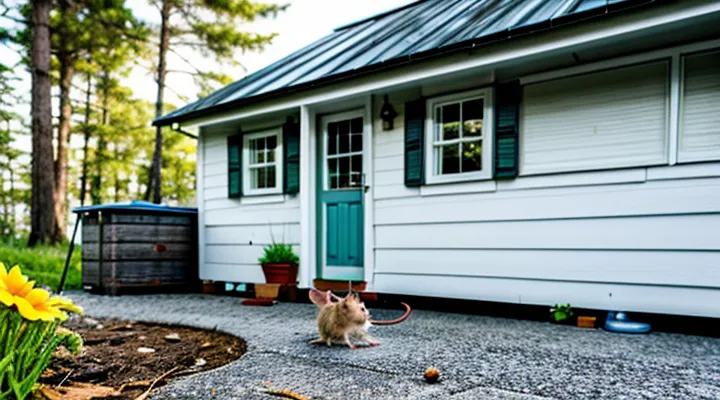
Understanding the Mouse Problem in Your Summer Cottage
Signs of Mouse Infestation
Droppings and Urine Stains
Mice droppings appear as small, dark, rice‑shaped pellets, typically found along walls, behind appliances, and in hidden corners. Urine stains are faint yellow or brown discolorations that may emit a sharp ammonia odor. Both indicate active infestation and pose health hazards, including hantavirus and bacterial contamination.
Cleaning requires protective equipment and thorough disinfection. Follow these steps:
- Wear disposable gloves and a mask to prevent inhalation of dust and pathogens.
- Ventilate the area for at least 15 minutes before beginning.
- Moisten droppings and urine spots with a 1:10 dilution of bleach and water; allow the solution to sit for 5 minutes to neutralize viruses.
- Scrape solid waste into a sealed bag, then wipe the surface with the bleach solution using disposable cloths.
- Rinse the area with clean water and dry completely to discourage re‑infestation.
- Dispose of all contaminated materials in a sealed container and discard them according to local regulations.
After cleaning, seal entry points, store food in airtight containers, and maintain regular inspections to ensure that droppings and urine do not reappear. Continuous monitoring reduces the risk of recurrence and protects the cottage’s habitability.
Gnaw Marks
Gnaw marks are a reliable indicator of rodent activity in a seasonal cottage. They appear as clean, parallel cuts on wood, plastic, or insulation, typically 2‑4 mm wide. The depth and pattern reveal the size of the animal and the direction of movement.
Identifying gnaw marks distinguishes mouse damage from that caused by insects, weather, or human tools. Mouse teeth leave smooth, shallow incisions, while larger rodents produce deeper, irregular bites. Examine corners of walls, baseboards, and storage areas where food is stored; these locations concentrate gnawing.
Use gnaw marks to locate entry points and focus control measures:
- Trace the line of marks to the nearest opening; common sites include gaps around pipes, vents, and door frames.
- Seal openings with steel wool, copper mesh, or cement‑based caulk; steel wool deters re‑entry because mice cannot chew through metal.
- Install chew‑resistant hardware such as metal plates or hardware cloth around vulnerable areas.
- Place snap traps or electronic traps adjacent to the identified pathways; position bait near the gnaw marks to increase capture rates.
- Monitor the sealed areas for new marks weekly; re‑seal any fresh damage promptly.
Regular inspection of gnaw marks enables early detection, targeted sealing, and efficient deployment of traps, reducing the likelihood of an infestation in a summer cottage.
Nests and Hiding Spots
Mice construct nests in secluded, insulated areas where food and moisture are readily available. Common locations in a summer cottage include:
- Wall voids and attic insulation
- Under floorboards and in crawl spaces
- Behind cabinets, pantry shelves, and pantry walls
- Inside stored firewood piles
- Within unused appliances, such as refrigerators or washing machines
- Beneath furniture cushions and in upholstered furniture
Identifying these sites requires systematic inspection. Begin by examining all structural gaps larger than ¼ inch, as mice can enter through such openings. Use a flashlight to trace droppings, gnaw marks, or shredded material, which indicate active nesting. Check for urine stains or a musky odor, especially near food storage areas.
Once nests are located, eliminate them promptly. Remove all debris, replace damaged insulation, and seal entry points with steel wool and caulk. Clean the area with a disinfectant solution to eradicate lingering scent trails that attract further activity. Dispose of removed nesting material in sealed bags before discarding.
Prevent future nesting by maintaining a clutter‑free environment. Store firewood away from the cottage’s exterior walls, keep food in airtight containers, and regularly inspect and repair any structural gaps. Continuous vigilance reduces the likelihood of mice establishing new hiding spots.
Why Mice Are Attracted to Cottages
Food Sources
Mice are attracted to any readily available nourishment, making the control of food sources a critical component of any effective eradication plan for a seasonal cottage. Eliminate exposure by storing all edibles in containers that seal tightly against rodents; metal or heavy‑duty plastic bins with snap‑lids are preferable to cardboard boxes. Clean cooking areas after each use, wiping down countertops, stovetops, and floors to remove crumbs, grease, and spilled liquids. Dispose of waste promptly in bins equipped with secure lids, and transfer the bins to an external, insulated storage area to prevent nocturnal foraging.
Pet food should be placed in sealed containers and offered only at scheduled feeding times; any leftover portions must be removed and stored or discarded immediately. Outdoor feeding stations for birds or wildlife are common mouse magnets; relocate feeders away from the cottage foundation, elevate them on sturdy poles, and use ground‑level trays that can be emptied and cleaned regularly.
Maintain the surrounding environment to reduce accidental food deposits. Trim vegetation that contacts the building, sweep away fallen fruit or seeds, and store firewood on a raised platform to avoid contact with the ground. Inspect and seal gaps around doors, windows, and utility penetrations, as even a quarter‑inch opening can permit entry.
Key actions to secure food sources:
- Use rodent‑proof containers for pantry items, dry goods, and pet supplies.
- Clean all surfaces after meals; sweep, vacuum, and mop to remove residues.
- Store garbage in sealed bins; remove it from the cottage nightly.
- Feed pets from closed dishes; discard uneaten food promptly.
- Relocate outdoor feeders; keep them away from structures and clean them regularly.
- Clear fallen fruit, nuts, and seeds from the yard; keep the perimeter tidy.
- Elevate firewood and other storage away from direct ground contact.
By systematically removing all potential food supplies, the cottage becomes an unattractive habitat for mice, significantly increasing the likelihood of a successful, long‑term reduction in their population.
Shelter and Warmth
Mice seek out any place that offers protection from predators and the elements. In a summer cottage, gaps under doors, cracks in walls, and unsealed openings around utilities create the shelter rodents need to establish nests. Sealing these entry points removes the primary refuge and forces mice to look elsewhere.
Reducing warmth eliminates another attraction. Mice prefer environments where ambient temperature stays above the outdoor average, especially during cooler evenings. Heat sources such as stored firewood, exposed insulation, and improperly stored appliances generate micro‑climates that sustain rodent activity. Removing or relocating these heat sources lowers the temperature gradient that draws mice indoors.
Practical actions:
- Inspect the building envelope; apply steel wool or silicone caulk to seal holes larger than ¼ inch.
- Install door sweeps and weatherstripping on all exterior doors.
- Relocate firewood and building materials at least two feet from the structure; keep them covered with a waterproof tarp.
- Store appliances and electronics in sealed containers; avoid leaving them plugged in when not in use.
- Trim vegetation and remove debris within three feet of the cottage to prevent sheltering sites near the foundation.
By eliminating both shelter and excess warmth, the environment becomes inhospitable to mice, substantially decreasing the likelihood of infestation in a seasonal retreat.
Easy Access Points
Mice enter a summer cottage through the smallest openings. Identifying and sealing these easy access points is the first step in any effective rodent‑control plan.
Common entry locations include:
- Gaps around exterior doors and windows, especially where weather‑stripping is missing or damaged.
- Cracks in the foundation, siding, or brickwork, often hidden behind vegetation.
- Openings around utility penetrations such as plumbing, electrical conduit, and vent pipes.
- Unsealed holes in roof eaves, soffits, and attic vents.
- Gaps under raised deck boards or around outdoor storage sheds.
Effective sealing measures:
- Install tight‑fitting door sweeps and replace worn weather‑stripping.
- Fill foundation cracks with hydraulic cement or expandable foam; apply a metal mesh over larger gaps before sealing.
- Use steel wool or copper mesh to block utility openings, then cover with caulk or silicone sealant.
- Install metal flashing over vent openings; cover eaves with solid sheathing and seal seams with silicone.
- Secure deck boards with screws, not nails, and apply a continuous sealant along the perimeter of storage structures.
Regular inspection after sealing confirms that no new gaps have formed. Maintaining a sealed envelope around the cottage eliminates the primary route mice use to gain entry, reducing the need for additional control methods.
Proactive Prevention Strategies
Sealing Entry Points
Inspecting Foundation and Walls
Inspect the foundation and exterior walls of a summer cottage before initiating any mouse‑control measures. Structural gaps and cracks provide direct access points for rodents; locating and sealing them eliminates the most common entry routes.
- Conduct a daylight visual sweep of the perimeter, focusing on joints between the foundation and walls, around windows, doors, and utility penetrations.
- Use a bright flashlight at night to reveal hidden openings that daylight may miss.
- Probe suspected gaps with a thin rod or a piece of steel wool; any resistance indicates a potential entry.
- Examine the interior side of walls for gnaw marks, shredded insulation, or droppings, which confirm active use.
- Record each defect, noting size and location, to prioritize repairs.
Seal identified openings with materials that resist chewing. For gaps up to ¼ inch, insert steel wool, then cover with exterior‑grade caulk. Larger cracks require a combination of hardware cloth (½‑inch mesh) secured with screws and a layer of concrete or masonry sealant. Ensure that the sealant is applied in a continuous bead, overlapping the surrounding material by at least 2 inches.
Maintain proper grading around the cottage to direct water away from the foundation. Accumulated moisture softens soil, creating voids that mice exploit. Trim vegetation that contacts the walls, as it can serve as a bridge for rodents.
A systematic inspection and sealing of the foundation and walls removes the primary pathways for mice, laying the groundwork for any additional control tactics.
Securing Doors and Windows
Mice enter cottages through gaps in doors and windows. Eliminating these openings blocks the primary pathways used by rodents during the warm months.
Inspect every entry point. Look for cracks, gaps around frames, and worn weatherstripping. Replace damaged seals with silicone caulk or expandable foam. Install tight‑fitting screens on all windows; choose mesh with openings no larger than 1 mm. Attach self‑closing hinges or latch mechanisms to doors, ensuring the latch engages fully when closed. Add a door sweep that contacts the floor without creating a drag, preventing rodents from slipping underneath.
Key actions:
- Seal cracks with silicone or polyurethane foam.
- Fit durable, fine‑mesh screens on windows and vents.
- Upgrade weatherstripping on doors and windows.
- Install self‑closing hinges or deadbolts on exterior doors.
- Attach door sweeps or thresholds that eliminate under‑door gaps.
- Conduct a final walk‑through with a flashlight to verify no openings remain.
Covering Vents and Openings
Covering vents and openings is a critical barrier against rodent entry in a seasonal cottage. Mice can squeeze through gaps as small as a quarter‑inch, so every potential pathway must be sealed before the warm months begin.
- Install fine‑mesh hardware cloth (¼‑inch or smaller) over all ventilation ducts, chimney flues, and attic vents. Secure the mesh with stainless‑steel staples or screws to prevent loosening.
- Apply expanding polyurethane foam to gaps around pipe penetrations, electrical conduit, and foundation cracks. Trim excess foam after curing to maintain clear airflow.
- Fit metal flashing or weather‑resistant caulk around windows, doors, and sliding panels. Ensure that weatherstripping is intact and overlaps any adjacent seams.
- Use removable, louvered covers on utility openings that require occasional access. The louver design allows airflow while denying rodents a foothold.
Regular inspection after each storm or heavy wind event confirms that seals remain intact. Replace any damaged mesh or foam promptly to sustain a continuous exclusion system.
Eliminating Food and Water Sources
Proper Food Storage
Proper food storage is essential for preventing mouse infestations in a seasonal cottage. Food that is easily accessible provides a reliable energy source, encouraging rodents to remain and reproduce. Eliminating this attraction removes a primary incentive for mice to enter the dwelling.
- Use containers with snap‑tight, rubber‑sealed lids for grains, cereals, nuts, and dried fruit.
- Store perishable items in a refrigerator or freezer; keep doors closed and seals intact.
- Place pet food in the same type of airtight containers and feed only the amount needed for each meal.
- Keep countertops, tables, and floors free of crumbs; wipe surfaces after each use.
- Dispose of waste daily in sealed bags and store them in a locked outdoor bin.
Regular inspection reinforces these measures. Check containers for damage, replace compromised lids, and verify that seals remain functional. Clean storage areas weekly with a mild detergent to remove residue that could attract rodents. By maintaining strict control over food availability, the cottage becomes an unfavorable environment for mice, supporting long‑term pest‑free occupancy.
Cleaning Up Spills and Crumbs
Eliminate food residues to deny mice access to energy sources. Spilled liquids and scattered crumbs attract rodents, especially in a cottage where food storage is limited and outdoor foraging is seasonal.
- Wipe any liquid spill within minutes using a disposable cloth or paper towel.
- Apply a non‑toxic cleaning solution to remove sticky residues that may cling to surfaces.
- Sweep or vacuum crumbs from countertops, tables, and floors after each meal.
- Transfer collected debris to a sealed bag and discard it in an outdoor trash container with a tight‑fitting lid.
Implement a daily inspection routine. Examine kitchen appliances, pantry shelves, and under furniture for hidden crumbs or damp spots. Clean the interior of appliances, such as microwaves and toasters, after each use. Use a broom or handheld vacuum in tight corners where mice may travel unnoticed.
Maintain a regular schedule for deep cleaning. At least once a week, mop floors with a rodent‑deterrent disinfectant, empty all waste bins, and replace liners. Ensure that outdoor eating areas are cleared of food particles before nightfall. Consistent removal of spills and crumbs reduces the likelihood of mouse activity and supports long‑term pest‑free conditions in a summer cottage.
Addressing Leaks
Leaks create moisture and shelter that attract mice. Moisture softens wood and insulation, allowing rodents to gnaw and nest more easily. Sealing leaks eliminates these conditions, reducing the likelihood of infestation.
Identify sources of water intrusion. Common points include roof joints, window frames, pipe connections, and foundation cracks. Inspect the cottage after rain, looking for drips, stains, or damp spots. Use a moisture meter to confirm hidden saturation.
Repair measures:
- Replace damaged roofing felt or flashing around chimneys and skylights.
- Apply weather‑resistant caulk to gaps around windows, doors, and exterior trim.
- Install pipe sleeves and tighten fittings to stop condensation leaks.
- Fill foundation cracks with hydraulic cement or epoxy sealant.
- Ensure gutters and downspouts direct water away from the building’s base; add splash blocks if necessary.
After repairs, dry affected areas thoroughly. Use dehumidifiers or ventilators to lower humidity to below 50 % relative humidity. Verify that no standing water remains in basements, crawl spaces, or storage sheds.
Regular maintenance prevents re‑entry. Schedule quarterly checks of seals, especially after storms, and reapply protective coatings as needed. By eliminating water sources, the cottage becomes inhospitable to mice, supporting long‑term pest control.
Maintaining a Clean Environment
Decluttering and Organizing
Removing unnecessary items and creating order inside a summer cottage reduces hiding places and food sources that attract rodents. Clutter provides insulated pockets where mice can build nests, while exposed food can sustain an infestation. A systematic approach to decluttering eliminates these advantages.
Key actions for effective decluttering and organization:
- Eliminate food residues – sweep floors, wipe countertops, and clean storage areas daily; use airtight containers for grains, nuts, and dried goods.
- Store items off the floor – place firewood, garden tools, and seasonal equipment on raised racks or in sealed sheds; keep boxes on shelves rather than stacked loosely.
- Remove potential nesting material – discard shredded paper, fabric scraps, and unused insulation; replace with sealed bins or vacuum‑sealed bags.
- Maintain clear pathways – keep corridors and entryways free of boxes and furniture that block inspection; ensure easy access for cleaning and pest‑control inspections.
- Regularly inspect and reorganize – schedule monthly reviews of storage areas, discard expired or unnecessary goods, and rearrange items to prevent accumulation.
Implementing these steps creates an environment where mice find no shelter or sustenance, substantially lowering the risk of infestation in a seasonal cottage. Continuous organization sustains the results, making future rodent control measures less necessary.
Regular Cleaning and Vacuuming
Regular cleaning disrupts food sources that attract rodents, making a summer cottage less inviting to mice. Removing crumbs, spills, and pet food eliminates the nutritional incentives that sustain an infestation.
Key actions for maintaining a rodent‑unfriendly environment:
- Sweep floors daily, especially in kitchens, dining areas, and near outdoor entry points.
- Wipe countertops and tables after each meal; use a disinfectant to destroy residues.
- Store dry goods in airtight containers; keep pantry shelves clear of open packages.
- Dispose of garbage in sealed bins, emptying them regularly to prevent odor buildup.
Vacuuming complements sweeping by extracting hidden debris from carpets, upholstery, and hard‑to‑reach corners. Perform vacuuming at least twice weekly, focusing on:
- Under furniture and behind appliances where droppings may accumulate.
- Baseboards, wall cavities, and door frames that serve as travel routes for rodents.
- Outdoor porches and deck floors where wind‑blown food can settle.
Use a vacuum equipped with a HEPA filter to capture fine particles and potential allergens. After each session, empty the canister outdoors to avoid re‑contamination. Consistent execution of these cleaning and vacuuming practices reduces available sustenance, discourages nesting, and supports broader pest‑control measures in the cottage.
Effective Mouse Eradication Methods
Trapping Solutions
Snap Traps
Snap traps provide immediate, chemical‑free control of mice that have entered a seasonal cottage. The device delivers a swift, lethal strike, allowing the homeowner to reduce the population without reliance on poisons that could contaminate food stores.
Key benefits include:
- Rapid kill, preventing breeding cycles.
- Reusability after each capture.
- No odor or residue that might attract other pests.
- Low cost compared with electronic or ultrasonic alternatives.
When selecting a trap, consider the following criteria:
- Size compatible with the typical mouse species in the region.
- Sensitive trigger mechanism that activates with minimal pressure.
- Secure, replaceable bait platform that holds a variety of attractants.
Effective placement follows the mouse’s natural pathways:
- Position traps along walls, within 2 inches of the baseboard, because rodents travel close to surfaces.
- Set traps behind furniture, in cabinets, and near known entry points such as gaps around pipes or vents.
- Deploy several traps simultaneously to increase capture probability during peak activity periods, usually at dusk and dawn.
Bait options that consistently draw mice:
- Small pieces of peanut butter.
- Soft cheese fragments.
- Sunflower seeds or bits of dried fruit. Apply a thin layer to the bait holder to prevent leakage and maintain trap sensitivity.
Safety measures are essential:
- Wear disposable gloves when handling traps to avoid transferring scent.
- Keep traps out of reach of children and non‑target animals; use protective covers if necessary.
- Inspect traps daily, remove captured rodents promptly, and reset the device with fresh bait.
Disposal and maintenance:
- Seal captured mice in a plastic bag, dispose of them in a sealed trash container.
- Clean the trigger bar and bait platform with mild detergent after each use to ensure reliable operation.
- Store unused traps in a dry environment to prevent rust or corrosion.
Integrating snap traps into a broader pest‑management plan—such as sealing entry points and eliminating food sources—maximizes the likelihood of a mouse‑free summer cottage.
Live-Catch Traps
Live‑catch traps are devices that confine rodents without killing them, allowing owners to remove mice from a cottage without resorting to poisons or lethal snap traps. The traps consist of a hinged or slide‑door entry that shuts when a mouse pushes a trigger, keeping the animal alive inside a secure compartment.
Several designs are available. Multi‑catch models hold several individuals before needing emptying, while single‑catch units target one mouse at a time and are easier to monitor. Materials range from plastic cages with clear walls for visibility to metal enclosures that resist chewing. Choose a size that matches the typical adult mouse (approximately 4–5 inches long) and a trigger mechanism sensitive enough to activate with minimal pressure.
Effective placement maximizes capture rates:
- Position traps along walls, where mice prefer to travel.
- Align entrances with known entry points such as gaps under doors or vents.
- Set traps near food storage, but keep them away from direct sunlight that can overheat the interior.
- Space multiple traps 2–3 feet apart in high‑activity zones.
Check traps at least once every 24 hours. Prompt removal prevents stress and reduces the risk of escape. After each capture, wear gloves, transfer the mouse into a ventilated container, and disinfect the trap with a mild bleach solution before resetting. Regular cleaning eliminates scent trails that could deter further captures.
When releasing captured mice, follow local wildlife regulations. Transport the animal at least 0.5 miles away from the cottage, preferably to a wooded area with natural cover. Release during cooler evening hours to increase survival chances, and ensure the release site does not conflict with protected species.
Integrating live‑catch traps with complementary measures—such as sealing entry holes, maintaining clean food storage, and limiting vegetation around the building—creates a comprehensive, humane approach to eliminating mouse infestations from a seasonal cottage.
Electronic Traps
Electronic traps eliminate rodents by delivering a rapid, high‑voltage shock that kills the animal instantly. The device contains a sensor plate that detects the mouse’s weight, closes an electric circuit, and discharges a calibrated pulse. Because the shock is lethal, there is no need for poison or frequent checking of live captures.
Effective deployment requires positioning the trap along established mouse pathways: near wall edges, behind appliances, and in dark corners where gnawing evidence appears. Secure the unit on a flat surface, ensuring the sensor plate is unobstructed. For a summer cottage, choose a model with a rechargeable battery or solar panel to avoid reliance on mains electricity, especially during power outages.
Maintenance consists of the following steps:
- Inspect the interior after each activation; dead rodents are typically deposited in a sealed collection compartment.
- Empty the compartment, clean with mild detergent, and dry thoroughly.
- Recharge or replace the power source according to the manufacturer’s schedule.
- Test the sensor plate periodically by placing a small object of similar weight to confirm activation.
Advantages:
- Immediate kill eliminates suffering and prevents disease transmission.
- No bait required, reducing attraction of non‑target species.
- Sealed collection chamber contains debris, simplifying disposal.
- Reusable, lowering long‑term costs compared with disposable snap traps.
Limitations:
- Higher upfront price than traditional mechanical traps.
- Requires periodic power maintenance; a dead battery renders the unit ineffective.
- Effectiveness diminishes in cluttered environments where the sensor plate cannot detect weight reliably.
When selecting a model, prioritize:
- Voltage sufficient to ensure a humane kill (typically 2,000–3,000 V).
- Battery life of at least several weeks per charge.
- Transparent collection bin for quick visual verification.
- Warranty and availability of replacement parts.
Integrating electronic traps with complementary measures—such as sealing entry points, removing food sources, and maintaining a tidy interior—provides a comprehensive strategy for eliminating mouse infestations in seasonal cottages.
Using Repellents
Natural Repellents («Peppermint Oil», «Clove Oil»)
Peppermint oil is a potent rodent deterrent because its strong menthol scent overwhelms mice’s olfactory receptors, causing them to avoid treated areas. Apply a few drops to cotton balls and place them in corners, under floorboards, and near entry points. Replace the cotton balls every 3–5 days to maintain intensity. For larger surfaces, mix 10 ml of peppermint oil with 250 ml of water, add a mild surfactant, and spray the solution around the perimeter of the cottage and in storage rooms. Ensure the mixture does not saturate wood or fabric, which could lead to staining.
Clove oil functions similarly; eugenol, its primary component, irritates the nasal passages of rodents. Soak small fabric strips in undiluted clove oil and tuck them into gaps, cracks, and behind appliances. For broader coverage, combine 15 ml of clove oil with 300 ml of water and a few drops of dish soap, then mist the solution on walls, shelving, and pantry shelves. Reapply weekly, especially after rain or high humidity, to preserve efficacy.
Both oils are safe for humans and pets when used as described, but avoid direct contact with skin and keep them away from open flames. Their effectiveness increases when used together, creating a layered scent barrier that discourages mice from entering or nesting. Monitoring rodent activity after treatment will confirm the reduction in sightings and droppings.
Ultrasonic Devices
Ultrasonic repellents emit high‑frequency sound waves that rodents cannot tolerate. The device converts electrical energy into acoustic pulses ranging from 20 kHz to 65 kHz, creating a hostile auditory environment for mice without affecting humans or pets that hear lower frequencies.
When selecting a unit for a seasonal cottage, consider the following criteria:
- Frequency range covering at least 30 kHz, which aligns with the hearing sensitivity of common house mice.
- Adjustable timer or automatic shut‑off to conserve battery life during long periods of inactivity.
- Coverage area specified by the manufacturer; multiple units may be required for larger rooms or loft spaces.
- Power source compatibility with the cottage’s electricity supply (plug‑in, rechargeable battery, or solar panel).
Effective placement maximises exposure while minimizing acoustic dead zones. Install devices at ceiling height near entry points such as door frames, windows, and ventilation ducts. Avoid obstructing the speaker with furniture, curtains, or insulation materials, as these block sound propagation. Space units evenly throughout the interior; overlapping coverage ensures continuous deterrence.
Performance data from independent field trials indicate a reduction in mouse activity of 45 % to 70 % after continuous operation for two weeks. Results vary with environmental factors: dense wall insulation, open outdoor access, and high ambient noise can diminish efficacy. Ultrasonic devices should therefore complement, not replace, physical exclusion measures such as sealing gaps and maintaining clean storage areas.
Maintenance requirements are minimal. Clean the exterior surface monthly to prevent dust accumulation that may dampen sound output. Replace batteries or recharge units according to the manufacturer’s schedule, typically every 30–60 days for battery‑powered models. Periodically test functionality by listening for a faint high‑pitch tone; absence of tone suggests a malfunction and warrants replacement.
In summary, ultrasonic repellents provide a non‑chemical, low‑maintenance option for deterring mice in a summer cottage. Proper selection, strategic installation, and regular upkeep are essential to achieve consistent results.
Chemical Baits and Poisons
Safety Considerations
When eliminating rodents from a seasonal retreat, safety must precede effectiveness. Use only products labeled for indoor or outdoor use according to the area’s ventilation. Wear gloves, goggles, and a mask when handling poisons or snap traps to prevent skin contact and inhalation of dust. Keep all chemicals out of reach of children and pets; store them in locked containers.
Secure traps away from pathways frequented by non‑target animals. Position snap devices on flat surfaces, avoiding placement near food preparation zones. Check traps daily; dispose of captured rodents in sealed bags and discard them in a municipal waste container.
When applying rodenticides, follow label instructions precisely. Apply bait in tamper‑proof stations, limiting exposure to wildlife. Maintain adequate airflow if using aerosol sprays; open windows and doors only after the recommended period has elapsed.
Maintain a clean environment to reduce reliance on hazardous measures. Seal gaps larger than ¼ inch, remove clutter, and store food in airtight containers. Regular inspections of insulation, wiring, and stored items help identify infestations early, reducing the need for aggressive control methods.
Key safety actions
- Wear protective equipment during setup and removal.
- Store all toxic agents in locked, labeled containers.
- Place traps and baits out of reach of children, pets, and non‑target species.
- Inspect and replace damaged or malfunctioning devices promptly.
- Follow manufacturer’s dwell time before re‑entering treated areas.
Proper Placement and Monitoring
Effective rodent control in a seasonal cottage depends on strategic trap positioning and systematic activity tracking. Correct placement maximizes encounter rates, while consistent monitoring reveals infestation patterns and informs adjustments.
Key placement principles:
- Position devices along walls, behind appliances, and near known entry points; mice travel close to vertical surfaces.
- Install traps within 12–18 inches of each other to create a barrier across suspected pathways.
- Place bait stations in concealed corners of storage rooms, pantries, and garages, avoiding direct sunlight and drafts.
- Keep traps at ground level or slightly elevated, matching the typical foraging height of house mice.
- Use multiple trap types (snap, electronic, live‑catch) to address varying behaviors and reduce trap avoidance.
Monitoring protocol:
- Inspect each device daily; record captures, non‑captures, and bait condition.
- Replace or reposition traps that show no activity after 48 hours.
- Apply non‑toxic tracking powder along walls and beneath traps; examine footprints during each check.
- Deploy motion‑activated cameras at high‑traffic zones to verify nocturnal movement.
- Maintain a log of dates, locations, and capture counts; analyze trends weekly to identify persistent hotspots.
Adhering to these placement and surveillance steps ensures rapid reduction of mouse populations and prevents re‑infestation during the cottage’s active season.
Professional Pest Control Services
When to Call an Expert
Mice infestations that persist despite basic preventive measures require professional intervention. Contact a pest‑control specialist under the following conditions:
- Traps and bait stations placed for two weeks produce no captures.
- Evidence of nesting, such as shredded material or droppings, appears in multiple rooms.
- Damage to insulation, wiring, or stored food exceeds a few square feet.
- Children, pets, or elderly residents are at risk from toxic rodenticides.
- The property is situated near dense vegetation, water sources, or wild habitats that attract rodents, making DIY control ineffective.
- Legal or insurance requirements mandate documented eradication efforts.
Engaging an expert ensures accurate identification of entry points, implementation of integrated pest‑management strategies, and compliance with health‑safety regulations. Prompt professional action prevents structural damage, contamination of food supplies, and potential disease transmission.
Benefits of Professional Intervention
Professional mouse control offers several distinct advantages for owners of seasonal cottages. Trained technicians can identify entry points that are often missed during DIY inspections, applying sealants and barriers that match the structure’s specific design. Their knowledge of rodent behavior enables placement of baits and traps in optimal locations, increasing capture rates while minimizing disruption to occupants.
A certified service provides access to regulated products unavailable to the general public. These formulations are designed for rapid action and reduced risk to pets and children, and they are applied according to safety protocols that prevent contamination of food storage areas. Moreover, many providers include a warranty that covers re‑infestation within a defined period, ensuring that the initial investment yields lasting protection.
Key benefits of hiring experts
- Comprehensive assessment of structural vulnerabilities
- Use of professional‑grade, legally compliant control agents
- Targeted deployment of devices based on scientific rodent patterns
- Reduced exposure to hazardous chemicals for residents and wildlife
- Documentation of work performed, supporting insurance claims if damage occurs
- Ongoing monitoring and follow‑up visits to confirm eradication
By leveraging specialized expertise, cottage owners achieve faster elimination of mice, lower likelihood of recurrence, and preservation of the property’s condition without the trial‑and‑error associated with amateur attempts.
Post-Extermination Measures
Cleaning and Sanitization
Disinfecting Contaminated Areas
After mice have been removed from a summer cottage, every surface that may have been contaminated must be treated to eliminate pathogens and odors. Begin by removing visible debris, such as droppings, nesting material, and food remnants, using disposable gloves and a sealed bag. Dispose of the bag immediately to prevent spread of bacteria.
Next, select a disinfectant that is effective against rodent‑borne germs, including Salmonella, Hantavirus, and Leptospira. Suitable products include:
- EPA‑registered household bleach solution (1 part bleach to 9 parts water).
- Quaternary ammonium compounds labeled for rodent control.
- Hydrogen peroxide at a concentration of 3 % or higher.
Apply the chosen disinfectant to all exposed areas: countertops, floors, cabinets, windowsills, and any surfaces that mice could have contacted. Use a spray bottle or a clean cloth, ensuring the solution remains wet for the contact time indicated on the label (usually 5–10 minutes). After the prescribed period, wipe the surface with a clean, damp rag and allow it to air‑dry.
For porous materials that cannot be fully disinfected—such as insulation, carpet padding, or damaged wood—remove and replace them. Seal any removed items in a plastic bag before disposal.
Finally, ventilate the cottage for at least 30 minutes after cleaning. Open windows and doors, and run fans to circulate fresh air. This step reduces residual chemical odor and helps dry any remaining moisture.
Following these procedures restores a hygienic environment, minimizes health risks, and prepares the cottage for continued pest‑prevention measures.
Removing Carcasses and Droppings
Removing dead mice and their droppings is a prerequisite for any effective rodent‑control program in a seasonal dwelling. Decomposing carcasses emit odors that attract surviving rodents, while feces harbor pathogens such as hantavirus, salmonella, and leptospira. Prompt, thorough cleanup eliminates food sources, reduces health hazards, and prevents reinfestation.
Procedure for safe removal
- Wear disposable gloves, a particulate‑filter mask, and eye protection before contacting any material.
- Place each carcass in a sealed, heavy‑duty plastic bag; double‑bag to prevent leaks.
- Collect droppings with a damp disposable paper towel; avoid sweeping dry pellets, which can aerosolize bacteria.
- Transfer droppings into a separate sealed bag.
- Dispose of both bags in an outdoor trash container that is emptied regularly, or contact local waste‑management services for hazardous‑waste pickup.
After removal, disinfect the affected area. Apply a solution of 1 % bleach (one part household bleach to nine parts water) to all surfaces, let it stand for at least ten minutes, then rinse with clean water. Allow the site to dry completely before restoring food storage or bedding. Regular inspection and immediate disposal of any new carcasses or droppings maintain a sanitary environment and support long‑term rodent eradication.
Ongoing Monitoring and Maintenance
Regular Inspections
Regular inspections form the backbone of any effective rodent‑control strategy for a seasonal retreat. Detecting entry points, nesting sites, and signs of activity before an infestation escalates saves time and reduces reliance on chemical treatments.
- Inspect the building envelope every two weeks during the warm months. Focus on gaps around windows, doors, vents, and utility penetrations; seal openings with steel wool, caulk, or hardware cloth.
- Examine the interior for droppings, gnaw marks, and shredded material. Typical locations include kitchen cabinets, pantry shelves, attic beams, and under stored furniture.
- Check exterior structures such as sheds, garages, and decks. Look for chew damage on wiring, insulation, or wooden supports.
- Test traps and bait stations weekly. Replace spent devices and record placement dates to track efficacy.
- Maintain a log that notes inspection dates, findings, remedial actions, and any observed mouse activity. Use the record to adjust inspection frequency and target problem areas.
Consistent monitoring detects early signs, allows prompt sealing of access routes, and ensures that control measures remain functional throughout the cottage’s occupancy period.
Implementing Long-Term Prevention Plans
Implement a comprehensive exclusion strategy by sealing every possible entry. Inspect the cottage’s foundation, walls, windows, and roof for gaps larger than 1 mm; apply steel wool, silicone caulk, or metal flashing to close them. Replace deteriorated siding and repair cracked mortar to eliminate hidden passages.
Maintain a strict sanitation protocol. Store all pantry items in airtight containers made of glass or heavy‑wall plastic. Remove food debris nightly, clean countertops with a disinfectant, and keep garbage in sealed bins away from the building. Eliminate outdoor attractants by trimming vegetation within a two‑meter radius, removing fallen fruit, and keeping compost piles covered.
Establish a regular monitoring routine. Conduct visual inspections weekly, focusing on nesting sites such as attics, crawl spaces, and stored firewood. Deploy snap traps or electronic devices in identified hotspots, and replace bait or batteries promptly. Record observations in a log to detect patterns and adjust measures accordingly.
Promote natural deterrents. Install birdhouses for owls or install bat boxes to encourage predators that reduce rodent populations. Use ultrasonic emitters only as supplementary tools, verifying their effectiveness through periodic checks.
Schedule seasonal maintenance. Before summer, perform a thorough seal‑check and clean gutters to prevent water accumulation that attracts insects, which in turn draw mice. After the peak season, re‑inspect all barriers, replace worn sealing materials, and refresh trap placement to sustain long‑term protection.