
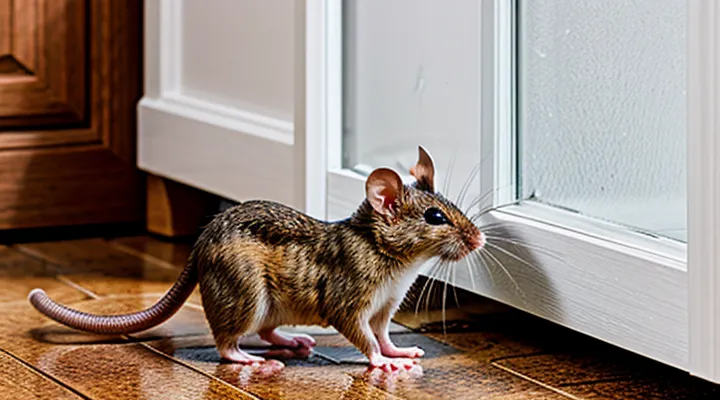
Understanding the Mouse Problem
Signs of Mice Infestation
Droppings and Urine Smells
Mice droppings appear as small, dark, rice‑shaped pellets, typically found along walls, behind appliances, and in stored food areas. Their presence signals active foraging and indicates that the infestation is established enough to pose health risks, including exposure to hantavirus and salmonella. Prompt removal of droppings reduces the likelihood of disease transmission and eliminates a primary food source that can sustain the population.
Urine odors arise from concentrated waste deposits in hidden locations such as insulation, crawl spaces, and behind furniture. The smell intensifies in warm, humid conditions and can permeate fabrics, carpets, and drywall. Persistent odor not only signals ongoing activity but also attracts additional rodents, creating a feedback loop that hinders eradication efforts.
Effective, non‑chemical remediation follows a systematic approach:
- Wear disposable gloves and a mask to prevent inhalation of airborne particles.
- Use a disposable paper towel to collect fresh droppings; place the material in a sealed plastic bag.
- Disinfect the area with a solution of one part white vinegar to three parts water, or apply a 1 % bleach solution (one part bleach to nine parts water). Allow the disinfectant to remain for at least five minutes before wiping clean.
- For dried urine stains, soak the affected surface with the same vinegar solution, then blot with a clean cloth. Repeat until the odor diminishes.
- After cleaning, expose the area to fresh air and, if possible, use a dehumidifier to lower moisture levels that favor odor retention.
- Dispose of all cleaning materials in a sealed bag and wash hands thoroughly.
Regular inspection of potential nesting sites and immediate cleaning of any new droppings or urine spots prevent re‑infestation and keep odor levels low, supporting a long‑term, chemical‑free solution.
Gnaw Marks and Damage
Mice leave distinctive gnaw marks on wood, plastic, wiring, and insulation. Teeth continuously grow, so rodents chew to maintain length, creating shallow, crescent‑shaped bites that appear fresh on soft materials and deeper, splintered holes on harder surfaces. Identifying these signs pinpoints entry points and high‑traffic routes, essential for any chemical‑free eradication plan.
Damage extends beyond cosmetic wear. Chewed electrical cords pose fire hazards; compromised insulation reduces thermal efficiency; gnawed structural members weaken load‑bearing capacity. Accumulated droppings and urine in gnawed areas increase the risk of disease transmission, making prompt remediation a safety priority.
Effective response without chemicals involves three steps:
- Repair and seal: Fill gaps larger than ¼ inch with steel wool, copper mesh, or cement; replace damaged wiring and insulation.
- Remove attractants: Store food in airtight containers, clean spills immediately, and eliminate clutter that offers nesting material.
- Install physical barriers: Fit snap traps, live‑capture devices, or ultrasonic deterrents near identified gnaw sites; monitor and reset regularly.
By addressing gnaw marks directly, homeowners disrupt rodent pathways, reduce structural harm, and maintain a safe environment without resorting to toxic substances.
Strange Noises
Strange noises often signal a rodent presence before visual evidence appears. The sounds typically include scratching in walls, scurrying in ceilings, and faint squeaks at night. Each noise originates from specific activities: scratching indicates gnawing on insulation or structural material, while rapid footfalls suggest movement through concealed pathways.
Detecting the precise location requires systematic listening. Begin in quiet conditions, preferably after sunset when mouse activity peaks. Move slowly along walls, pausing at each junction to note changes in volume or pitch. Record the time and area of each distinct sound; patterns emerge that reveal primary nesting or foraging zones.
After pinpointing the source, implement non‑chemical interventions:
- Seal entry points with steel wool, copper mesh, or cement to block access.
- Install snap or live traps directly along identified routes; position traps perpendicular to walls for optimal contact.
- Deploy ultrasonic emitters calibrated to the frequency range of mouse hearing; place units near active zones and power them continuously.
- Remove food attractants by storing pantry items in airtight containers and eliminating crumbs or spilled grains.
- Reduce clutter and nesting material by clearing debris, storing firewood away from the house, and trimming vegetation that contacts the foundation.
Addressing strange noises promptly prevents population growth and limits structural damage. Consistent monitoring and the application of these mechanical controls maintain a rodent‑free environment without resorting to toxic substances.
Why Avoid Chemicals?
Safety for Humans and Pets
Effective rodent control that excludes toxic substances demands strict attention to human and animal safety. Physical barriers, such as steel mesh around openings and sealed entry points, prevent mice from entering living spaces without exposing occupants to hazardous materials. Installation should be performed when children and pets are not present in the work area; any temporary gaps must be covered promptly.
Live‑catch traps provide a humane alternative to poisons. Position traps along walls, behind appliances, and in concealed corners, where rodents travel. Use bait that does not attract pets—dry grains or small pieces of cheese placed inside a secured compartment. Check traps at least twice daily; release captured mice far from the residence, adhering to local wildlife regulations. Dispose of trap components in sealed bags to avoid accidental contact.
Snap traps, when selected, must feature enclosed killing mechanisms that shield fingers and paws. Place them out of reach of curious animals and small children, preferably inside mounted boxes or behind protective shields. Regular inspection ensures that malfunctioning devices are removed before they pose a risk.
Ultrasonic emitters emit high‑frequency sounds inaudible to humans but disruptive to rodents. Verify that the device’s frequency range does not affect household pets; many cats and dogs can perceive certain ultrasonic levels. Choose models with adjustable output and automatic shutoff after a set period, reducing continuous exposure.
Sanitation practices reduce attractants without chemical intervention. Store food in airtight containers, clean spills promptly, and maintain garbage bins with secure lids. These measures lower the likelihood of mouse activity, diminishing the need for traps that could endanger non‑target species.
When implementing any non‑chemical strategy, document the locations of devices, monitor for signs of tampering, and educate household members about safe handling procedures. Consistent application of these safety‑focused measures ensures rodent management while protecting the health of people and companion animals.
Environmental Impact
Eliminating rodents from a residence without resorting to poisons reduces chemical discharge into soil and water. Fewer toxins enter drainage systems, preserving aquatic organisms and preventing bioaccumulation in the food chain.
Non‑toxic methods protect non‑target species. Live‑capture traps and exclusion techniques avoid accidental poisoning of birds, insects, and pets. By maintaining the integrity of local biodiversity, these approaches sustain pollinator populations and natural pest regulators.
Physical barriers and habitat modification influence ecosystem dynamics. Sealing entry points deprives mice of shelter, encouraging them to relocate rather than perish, which limits waste of animal life and reduces scavenger attraction to dead rodents. However, increased reliance on predators such as domestic cats can raise predation pressure on native wildlife; careful management of pet access to outdoor areas mitigates this risk.
Key environmental outcomes include:
- Decreased pesticide residues in household dust and garden soil.
- Lower risk of groundwater contamination from rodent control chemicals.
- Preservation of beneficial insects and small vertebrates by avoiding broad‑spectrum poisons.
- Reduced secondary poisoning incidents affecting raptors and mammals that consume poisoned rodents.
Implementing mechanical and preventive strategies aligns rodent management with sustainable household practices, ensuring minimal disruption to surrounding ecosystems while achieving effective control.
Resistance Development
Rodent populations can acquire tolerance to control measures through repeated exposure, a process known as resistance development. When a single type of mechanical trap or deterrent is used continuously, mice learn to avoid it, reducing capture rates and prolonging infestation.
Behavioral resistance emerges from three primary mechanisms: habituation to trap appearance, alteration of foraging routes to bypass obstacles, and increased wariness of human scent near devices. These adaptations weaken the effectiveness of any single‑method approach and demand a dynamic strategy.
To limit resistance, implement a systematic rotation of control tactics and maintain environmental barriers:
- Alternate snap traps, live‑catch traps, and electronic devices every few weeks.
- Relocate bait stations regularly to disrupt learned avoidance patterns.
- Seal entry points with steel wool, cement, or metal flashing to prevent re‑entry.
- Reduce food availability by storing perishables in airtight containers and promptly cleaning crumbs.
- Encourage natural predators, such as barn owls, by installing nesting boxes away from human activity.
Consistent monitoring of capture data enables early detection of declining efficacy, prompting timely adjustments before resistance becomes entrenched. By varying methods and strengthening structural defenses, homeowners can sustain control success without resorting to chemical agents.
Non-Chemical Mouse Control Strategies
Prevention: Sealing Entry Points
Inspecting the Exterior
Inspect the building’s outer envelope to locate every possible entry point for rodents. Begin at ground level, walk around the house, and note gaps larger than a quarter‑inch in siding, foundation cracks, and spaces around utility penetrations. Examine the roofline for damaged eaves, missing shingles, or loose soffits that could provide access from trees or attic spaces. Verify that vent covers, chimney flues, and exhaust fans are fitted with metal screens or tight seals.
Identify vegetation that contacts the structure, such as overgrown shrubs, ivy, or tree branches. Trim plants so they clear the walls by at least twelve inches, reducing bridges that mice can use to reach the roof or siding. Remove debris, wood piles, and stored items that sit directly against the exterior, as these create shelter and concealment for rodents.
Take corrective actions based on the findings:
- Seal cracks and holes with steel wool followed by cement, metal flashing, or hardware cloth; avoid materials that rodents can gnaw through.
- Install durable mesh screens on vents, crawl‑space openings, and utility entries.
- Repair or replace damaged siding, soffits, and roof components to eliminate weak spots.
- Apply a continuous strip of copper or aluminum flashing around the foundation perimeter where soil meets the wall.
Completing a thorough exterior inspection and sealing identified vulnerabilities creates a physical barrier that prevents mice from entering the home without resorting to chemical measures.
Sealing Cracks and Gaps
Sealing cracks and gaps removes the primary entry points that mice use to invade a home. Identify all potential openings, including those around doors, windows, utility penetrations, and foundation walls. Use a flashlight and a mirror to inspect hard‑to‑see areas such as behind baseboards, under sinks, and inside cabinets.
Apply appropriate materials for each type of opening:
- Expandable foam sealant for gaps larger than ¼ inch; trim excess after curing.
- Steel wool or copper mesh combined with caulk for holes around pipes and vents to prevent chewing.
- Silicone or acrylic caulk for narrow cracks in walls, floors, and trim.
- Weatherstripping on exterior doors and windows to block gaps that open when the building settles.
After sealing, re‑examine the perimeter weekly for new damage. Repair any compromised sections promptly to maintain a continuous barrier against rodent intrusion.
Protecting Vents and Pipes
Protecting vents and pipes is a critical component of a non‑chemical mouse management plan. Openings in HVAC ducts, dryer exhausts, and plumbing shafts provide direct pathways for rodents to enter living spaces. Sealing these routes eliminates one of the most common access points.
- Install stainless‑steel mesh (¼‑inch or smaller) over vent openings. The material resists gnawing and does not impede airflow. Secure the mesh with corrosion‑resistant screws and sealant.
- Fit pipe sleeves made of heavy‑gauge metal or rigid PVC around all exposed pipe sections that pass through walls or floors. Wrap the sleeves with steel wool or copper mesh before securing to prevent chewing.
- Apply high‑quality silicone or acrylic caulk around the perimeter of each vent cover and pipe collar. Ensure the seal is continuous, filling gaps larger than 2 mm.
- Use vent caps equipped with a built‑in grill that meets the same mesh specifications. Replace damaged or warped caps promptly.
- Inspect attic and crawl‑space ventilation regularly. Replace cracked vent flaps and reinforce any deteriorated framing that could create gaps.
Regular maintenance reinforces the barrier. After installation, verify that no gaps remain by conducting a visual inspection and, if possible, using a thin flashlight to detect hidden openings. By systematically protecting vents and pipes, the house becomes inhospitable to mice without resorting to toxic substances.
Sanitation and Food Storage
Cleaning Practices
Effective mouse control in a private residence without resorting to chemicals depends on rigorous sanitation. Mice thrive where food residues, shelter, and water are readily available; eliminating these resources forces the rodents to seek alternative habitats.
Remove all accessible food sources. Store dry goods in airtight containers, promptly clean up crumbs after meals, and avoid leaving pet food out overnight. Vacuum or sweep floors daily to capture particles that could attract foragers. Wipe countertops, cabinets, and appliance exteriors with a damp cloth after each use; a moist surface prevents food from adhering and reduces scent trails.
Implement the following cleaning practices:
- Declutter storage areas, eliminating cardboard boxes, fabric piles, and other potential nesting material.
- Seal gaps around pipes, vents, and door frames to block entry points; use steel wool or copper mesh where appropriate.
- Empty trash bins regularly, line them with tight‑fitting lids, and clean the interior surfaces to remove residue.
- Wash dishes immediately; avoid overnight standing water in sinks or basins.
- Maintain dry conditions by fixing leaks, wiping damp spots, and using a dehumidifier in humid rooms.
Schedule these tasks on a weekly basis and conduct a monthly inspection of hidden corners, under appliances, and behind furniture. Consistent execution deprives mice of sustenance and shelter, thereby reducing the likelihood of infestation without chemical intervention.
Proper Food Storage
Storing food correctly eliminates the primary attraction for rodents in a residence that relies on non‑chemical pest control. Secure containers prevent odors and crumbs from reaching mice, thereby reducing the likelihood of infestation.
- Use airtight, plastic or glass jars with screw‑on lids for grains, cereals, nuts and dried fruit.
- Keep pet food in sealed containers and feed only the amount needed for each meal.
- Place all stored items on shelves away from walls, and avoid stacking boxes directly on the floor.
- Clean spills immediately; wipe surfaces with a damp cloth after handling food.
- Rotate stock regularly; discard items past their expiration date to avoid spoilage odors.
Implementing these practices creates an environment where food sources are inaccessible, making it difficult for mice to survive and reproduce without resorting to chemical interventions.
Waste Management
Effective rodent control in a home that avoids chemical treatments begins with proper waste management. Food residues, packaging, and organic debris attract mice; eliminating these sources reduces the likelihood of infestation.
- Store all food in airtight containers made of glass, metal, or heavy‑duty plastic. Ensure lids seal completely.
- Dispose of kitchen waste daily. Use bins with tight‑fitting lids and empty them before they become a breeding ground.
- Keep compost piles outside the building, at least three meters from the house foundation, and cover them with a solid lid.
- Clean pet feeding areas after each meal. Remove uneaten food and wash bowls with hot water.
- Regularly sweep floors, vacuum carpets, and wipe countertops to remove crumbs and droppings.
- Seal garbage cans with a metal or thick‑plastic lid that locks in place; avoid disposable bags that can tear easily.
In addition to daily practices, structural measures complement waste control:
- Inspect and repair gaps around doors, windows, and utility penetrations. Use steel wool or metal mesh to block entry points that are larger than a quarter inch.
- Install door sweeps on exterior doors to prevent rodents from slipping underneath.
- Maintain a clear perimeter by trimming vegetation, removing debris, and storing firewood at least one meter away from the house.
By integrating disciplined waste handling with physical barriers, homeowners create an environment where mice find no food or shelter, achieving rodent suppression without resorting to toxic substances.
Natural Repellents
Essential Oils
Essential oils offer a non‑toxic approach to deterring mice in residential settings. Their strong aromas mask food odors and create an environment that rodents find hostile, reducing the likelihood of infestation.
Effective oils and recommended application methods:
- Peppermint oil – apply 10 drops to cotton balls, place them in corners, behind appliances, and near entry points; replace weekly.
- Eucalyptus oil – soak cloth strips in 15 drops per cup of water, hang in crawl spaces and attic vents; refresh biweekly.
- Citronella oil – mix 20 drops with 250 ml of water, spray along baseboards and around potential nesting sites; reapply after cleaning.
- Clove oil – dab 5 drops on wooden beams and window frames; monitor for scent fade and reapply as needed.
Implementation guidelines:
- Identify all possible access routes and nesting areas.
- Position treated cotton or cloth items where mice travel, avoiding direct contact with food surfaces.
- Rotate oils every two weeks to prevent habituation.
- Combine with sealing gaps and removing attractants for lasting control.
Proper use of these aromatic agents, coupled with physical exclusion measures, provides a reliable, chemical‑free solution for rodent management in private homes.
Plant-Based Repellents
Plant‑based repellents offer a practical alternative for homeowners seeking non‑chemical mouse control. Certain herbs, essential oils, and dried botanicals emit scents that rodents find aversive, disrupting their foraging and nesting behavior.
Commonly used botanicals include:
- Peppermint oil – strong menthol aroma; apply a few drops on cotton balls and place them in corners, behind appliances, and near entry points.
- Lavender – fragrant flowers or dried sachets; position near gaps and in storage areas.
- Clove oil – pungent smell; dilute with water and spray along baseboards and door frames.
- Cedar shavings – natural wood scent; spread in closets, pantries, and under furniture.
- Rosemary – fresh sprigs or dried leaves; lay in crawl spaces and attic corners.
Effective deployment follows three principles:
- Concentration – use undiluted essential oils on small absorbent media; excessive dilution reduces potency.
- Placement – locate repellents at known rodent pathways, including vent openings, utility chases, and foundation cracks.
- Maintenance – refresh oils or replace botanical material every two weeks, as scent intensity declines with exposure to air.
Safety considerations are straightforward: plant-derived repellents pose minimal risk to humans and pets when used as directed. Avoid direct skin contact with undiluted essential oils; wear gloves if handling large quantities.
While plant-based methods may not eradicate an established infestation, they create an environment that discourages new activity. For severe problems, combine botanical deterrents with physical barriers such as steel mesh, sealed entry points, and traps to achieve comprehensive, chemical‑free control.
Homemade Solutions
Effective mouse control in a private residence can be achieved with simple, non‑chemical remedies that rely on physical barriers, natural deterrents, and homemade traps. These approaches avoid toxic substances while targeting the habits that attract rodents.
- Block entry points with steel wool or copper mesh, then seal gaps using caulk or wood filler.
- Place snap traps or bucket traps baited with peanut butter, oats, or dried fruit; position them along walls, behind appliances, and near suspected pathways.
- Deploy cotton balls soaked in peppermint oil, clove oil, or crushed garlic in corners, cabinets, and under sinks; the strong scent discourages gnawing.
- Scatter shredded newspaper or dryer lint in corners to create uncomfortable nesting material, prompting mice to relocate.
- Use a mixture of equal parts water and white vinegar on countertops and floors; the acidic residue eliminates scent trails that guide rodents.
When setting traps, wear gloves to prevent transferring human scent, and check them daily to remove captured animals promptly. Dispose of dead mice in sealed bags to avoid secondary infestations. Replace bait regularly to maintain potency, and rotate trap locations to prevent habituation.
Continual monitoring involves inspecting for fresh droppings, gnaw marks, or new entry holes. Reinforce any newly discovered gaps immediately. Regular cleaning removes food residues that attract rodents, sustaining the effectiveness of homemade deterrents over time.
Humane Trapping Methods
Live Traps
Live traps provide a humane alternative for removing rodents from a residence while avoiding toxic agents. The device consists of a cage with a trigger mechanism that closes the door once a mouse enters, allowing capture without injury.
Choose a trap with the following features: sturdy wire mesh, a sensitive trigger plate, a secure latch, and a transparent door for observation. Models made of stainless steel resist rust and simplify cleaning.
Effective placement follows a pattern of proximity to activity signs—near walls, behind appliances, and close to entry points. Position traps perpendicular to the wall, with the entry side facing the baseboard, because mice travel along edges.
Bait selection influences capture rates. Recommended options include:
- Small pieces of peanut butter
- A slice of cheese
- A dab of soft cheese or tuna
- A few grains of oats mixed with honey
Apply a pea‑sized amount to the trigger plate to avoid spillage that may deter the rodent.
After setting, inspect traps at least twice daily. When a mouse is caught, wear disposable gloves, cover the cage with a cloth, and transport it to a release site at least 200 meters from the home, preferably in a wooded or agricultural area. Open the latch gently to allow escape.
Maintain trap hygiene by washing with hot, soapy water after each use. Disinfect with a mild bleach solution (1 % concentration) and rinse thoroughly to prevent odor buildup that could reduce effectiveness.
Legal considerations vary by jurisdiction; verify local regulations regarding the release of captured wildlife to ensure compliance.
Trap Placement
Effective mouse control without chemicals depends on strategic trap positioning. Choose locations where rodents travel, hide, or feed. Typical points include walls, behind appliances, under cabinets, and near entryways. Place traps perpendicular to the wall, with the trigger side facing the wall, because mice run along edges and will encounter the bait more readily.
- Identify active pathways by observing droppings, gnaw marks, or grease trails.
- Position traps 1–2 feet from the wall, aligning the trigger edge against the baseboard.
- Use multiple traps in a single area, spacing them 12–18 inches apart to cover a broader corridor.
- Locate traps near known food sources, such as pantry shelves or kitchen counters, but keep them out of reach of children and pets.
- Rotate trap locations weekly; mice may avoid previously used spots, so changing positions maintains effectiveness.
Secure traps on stable surfaces to prevent tipping and ensure the trigger mechanism remains functional. After placement, check traps daily, remove captured rodents promptly, and reset or replace traps as needed. Consistent monitoring and adjustment of trap sites maximize capture rates while maintaining a chemical‑free environment.
Releasing Trapped Mice
When a live‑catch trap secures a mouse, immediate release prevents suffering and reduces the chance of re‑infestation. Choose a release site at least 100 m from the house, preferably in a wooded area or field where natural shelter and food are available. Follow these steps:
- Wear disposable gloves to avoid leaving human scent on the animal.
- Transport the trap upright, keeping it level to prevent injury.
- Open the trap away from the house, allowing the mouse to exit voluntarily.
- Observe the mouse for a few seconds to confirm it has left the device.
- Return the trap to its original location promptly; prolonged absence encourages new captures.
If the mouse appears injured or lethargic, contact a wildlife rehabilitator rather than releasing it. Clean the trap with hot, soapy water after each use to remove odors that could deter future captures. Consistent, humane handling of trapped rodents supports long‑term control without resorting to poisons or repellents.
Disrupting Mouse Habitats
Decluttering and Organization
Removing rodents from a private home without chemicals begins with eliminating the conditions that attract them. Clutter offers shelter, nesting material, and concealed food sources. By reducing excess items and organizing storage areas, you deny mice safe habitats and make them more visible to traps or natural predators.
A systematic approach to decluttering creates an environment where rodents cannot thrive. Begin with rooms where food is prepared or consumed, then move to bedrooms, basements, and attics. Keep floors clear, store items off the ground, and seal openings that lead to hidden spaces.
- Remove all food containers from open shelves; place them in airtight bins.
- Sort belongings into three categories: keep, relocate, discard.
- Store kept items in sealed plastic containers or on elevated shelves.
- Eliminate cardboard boxes, paper piles, and fabric scraps that can serve as nesting material.
- Inspect storage areas for gaps larger than ¼ inch; seal with steel wool, caulk, or hardware cloth.
- Regularly clean behind appliances, under furniture, and inside cabinets to uncover hidden debris.
Consistent organization maintains a hostile setting for mice, reducing reliance on chemical solutions and supporting long‑term rodent prevention.
Removing Potential Nesting Materials
Eliminating rodents from a residence without using chemicals begins with depriving them of materials suitable for building nests. Mice seek soft, insulated, and concealed items to raise their young; removing these resources forces them to relocate.
First, clear clutter from basements, attics, garages, and storage rooms. Boxes, piles of laundry, and unused fabrics provide ideal cover. Store items in sealed plastic containers with tight‑fitting lids rather than cardboard boxes.
Second, secure all food sources. Keep pantry goods in airtight containers, promptly clean crumbs and spills, and avoid leaving pet food out overnight. Even small amounts of grain or cereal can attract mice and serve as nesting filler.
Third, manage building insulation. Replace damaged or loose insulation in walls, crawl spaces, and ceiling voids with properly fitted material. Seal gaps around vents, pipes, and wiring penetrations using steel wool and caulk; steel wool cannot be gnawed through, preventing mice from accessing hidden cavities.
Fourth, eliminate nesting debris in outdoor areas that can be brought indoors. Trim vegetation away from the house foundation, remove piles of leaves, firewood, or debris that sit directly against walls, and store firewood at least two feet from the building.
Key actions to remove potential nesting materials
- Declutter all interior storage spaces; use sealed containers.
- Store food in airtight packaging; clean surfaces after each meal.
- Inspect and repair insulation; seal entry points with steel wool and caulk.
- Keep the exterior perimeter clear of vegetation and debris; maintain a gap between stored wood and the house.
Implementing these steps reduces the availability of comfortable nesting sites, compelling mice to abandon the property in favor of environments that meet their shelter requirements.
Garden Maintenance
Effective garden maintenance reduces the likelihood of mouse activity inside a residence. Regular trimming of shrubs and low‑lying trees eliminates pathways that rodents use to approach the house. Removing leaf litter, fallen fruit, and other organic debris deprives mice of shelter and food sources near the foundation.
- Keep grass at a moderate height; short turf exposes the ground and discourages nesting.
- Prune vegetation away from the building’s exterior walls, maintaining at least a one‑meter gap.
- Store firewood and garden tools off the ground and away from the house.
- Install a sealed compost bin; avoid open piles that attract rodents.
- Eliminate standing water in birdbaths, gutters, and garden containers to remove drinking sources.
Securing structural access points complements garden work. Inspect the foundation for cracks, gaps around utility lines, and openings beneath doors; seal them with steel wool, caulk, or hardware cloth. Use metal or tightly fitting plastic containers for seed, feed, and other attractants. Position outdoor trash cans on raised platforms with fitted lids.
Consistent application of these practices creates an environment where mice find no refuge or nourishment, thereby preventing their entry without reliance on chemical interventions.
Introducing Natural Predators
Cats and Dogs
Cats are natural predators of rodents; their hunting instinct can reduce mouse activity in a residence. A healthy adult cat typically detects mouse movement through sound and scent, then pursues and eliminates the intruder. When selecting a cat for rodent control, choose an individual with a strong prey drive, regardless of breed. Provide the animal with regular veterinary care, secure litter boxes, and safe indoor access to prevent escapes and ensure health.
Dogs can complement feline efforts, especially breeds with high prey motivation such as terriers, herding dogs, or hunting varieties. These dogs locate mice by scent, alert owners to presence, and may capture or kill the rodents. Effective canine use requires training to focus on rodent detection without encouraging destructive behavior. Consistent reinforcement of the “search” command and controlled exposure to mouse trails improve reliability.
Key considerations for employing pets in non‑chemical mouse management:
- Ensure pets are indoor‑only or supervised to avoid exposure to external hazards.
- Maintain hygiene: clean feeding areas, store food in sealed containers, and remove clutter that offers shelter.
- Monitor for injuries or disease transmission; regular health checks are essential.
- Recognize that pets may not eradicate an established infestation; combine with physical barriers (e.g., sealing entry points) and traps for comprehensive control.
When implemented correctly, cats and dogs provide a sustainable, chemical‑free method to suppress mouse populations in a private home.
Encouraging Wild Predators (Owls, Hawks)
Encouraging native raptors such as owls and hawks offers a natural, chemical‑free method to suppress mouse populations in residential settings. These predators instinctively hunt rodents, and their presence can create a deterrent effect that reduces indoor activity.
Install perches and nesting boxes in the garden or attic to attract raptors. Position boxes at heights of 10–15 feet, facing south or southeast, and ensure openings are 3–4 inches wide to accommodate small owl species. Use sturdy, weather‑resistant materials and seal any gaps that could allow predators to escape once they have settled.
Provide open hunting corridors by maintaining low vegetation and clearing debris near the house. This creates clear sightlines and flight paths, allowing hawks and owls to spot and pursue mice moving between the yard and the structure. Avoid bright artificial lighting that could disorient nocturnal hunters.
Key actions:
- Install at least two nesting boxes, spaced 30 feet apart.
- Mount boxes on sturdy trees or poles, away from direct sunlight.
- Keep surrounding vegetation trimmed to 2–3 feet in height.
- Eliminate obstacles that block flight routes, such as dense shrubs or stacked firewood.
- Monitor box occupancy during spring and autumn, adjusting placement if predators do not settle.
By establishing suitable habitats and unobstructed access, homeowners can leverage the predatory habits of owls and hawks to achieve lasting mouse control without resorting to toxic substances.