
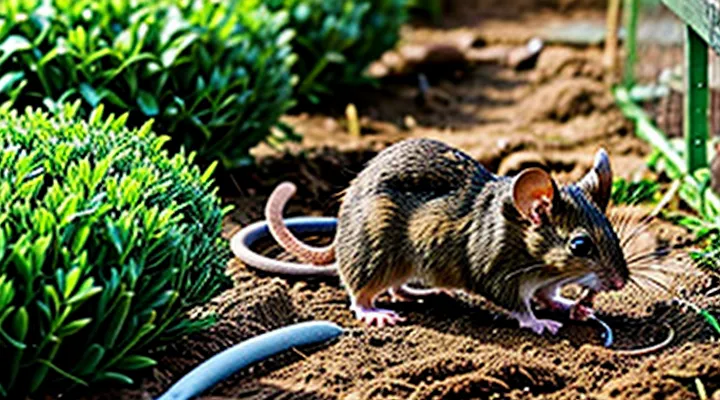
Understanding the Mouse Problem in Your Garden
Identifying Mouse Activity
Signs of Mice Presence
Mice leave unmistakable evidence that a garden plot is compromised. Recognizing these indicators early prevents extensive damage and informs the choice of traditional control measures.
- Small, dark droppings scattered along planting rows, near seed trays, or under mulch.
- Gnawed edges on vegetable stems, fruit skins, and wooden garden structures.
- Visible burrows or tunnels in loose soil, often near the base of plants or along fence lines.
- Fresh footprints in damp earth, identifiable by four-toed pads and a distinct tail drag mark.
- Nests constructed from shredded leaves, grass clippings, or softened paper, usually hidden under debris or within dense foliage.
- Chewed or missing seed packets, fertilizer bags, and other soft materials.
- Subtle rustling sounds at night, especially near dense cover or stored produce.
Each sign confirms mouse activity and signals the need for prompt, conventional intervention such as traps, natural repellents, and habitat modification.
Common Damage to Plants and Crops
Mice regularly infiltrate garden beds, where they feed on vulnerable vegetation and compromise crop productivity. Their activities produce several recognizable forms of damage.
- Seedlings are chewed at the stem base, often resulting in complete loss of young plants.
- Roots are exposed or broken when mice burrow beneath the soil, weakening plant stability and reducing nutrient uptake.
- Fruit and vegetable heads are gnawed, leaving holes that accelerate rot and attract secondary pests.
- Contamination occurs as mice deposit urine and feces on foliage, creating conditions for bacterial and fungal infections.
- Plant stems are stripped of bark and leaves, impairing photosynthesis and encouraging pest colonization.
These effects diminish overall yield, increase the need for chemical interventions, and raise the risk of disease spread throughout the garden plot. Addressing mouse presence with conventional control measures—such as snap traps, predator scent deterrents, and habitat modification—directly mitigates the described damage and preserves crop health.
Why Traditional Methods are Preferred
Safety for Pets and Children
When applying conventional mouse‑control techniques in a garden bed, protect pets and children by eliminating hazards before, during, and after treatment.
Use only non‑toxic deterrents such as cinnamon, peppermint oil, or crushed cloves. Apply them to the soil surface or around the perimeter, avoiding direct contact with edible plants.
If mechanical traps are preferred, choose snap or live‑capture devices without bait that could be ingested. Place traps in low‑traffic zones, at least one meter from pathways used by children or pets. Check traps daily and dispose of captured rodents promptly, using sealed containers.
When rodenticides are considered, select formulations approved for limited outdoor use and keep them out of reach. Store the product in a locked cabinet, apply it in concealed bait stations, and mark the area with warning signs. Monitor the site continuously; remove stations as soon as activity declines.
Maintain a clean garden environment to reduce attraction. Remove fallen fruit, seed heads, and debris that provide shelter. Regularly mow grass and trim vegetation to limit hiding places.
Implement physical barriers where feasible. Install fine‑mesh fencing or hardware cloth at the garden’s edge, securing it firmly to prevent burrowing. Verify that gaps are smaller than 1 cm to block entry by small mammals.
Educate all household members about the risks. Instruct children not to handle traps or bait, and keep pets on leashes while working in the area. After any control action, wash hands and clean tools with soap and water.
By following these measures, mouse‑removal efforts remain effective while minimizing exposure for vulnerable family members.
Environmentally Friendly Approaches
Effective control of rodents in a vegetable or flower bed can rely on methods that preserve soil health and protect non‑target organisms. Traditional techniques, when applied with ecological awareness, reduce mouse populations while maintaining biodiversity.
- Install a perimeter of tightly woven hardware cloth, buried 10 cm underground to block burrowing. Mesh size of 6 mm prevents entry without restricting water flow.
- Place natural repellents such as crushed garlic, peppermint oil‑soaked cotton balls, or dried chili flakes along pathways and near planting rows. Refresh every two weeks to sustain potency.
- Deploy live traps baited with oat or peanut butter. Release captured individuals at least 500 m from the garden to prevent re‑infestation.
- Encourage predatory birds and mammals by installing nesting boxes for owls, raptors, or hedgehogs. Provide shelter and water sources to attract these allies.
- Rotate crops and remove excess debris after harvest. Eliminating seed heads and fallen fruit deprives mice of food and shelter, disrupting their life cycle.
Complementary practices include regular monitoring of activity signs—runways, gnaw marks, droppings—and immediate removal of discovered nests. Maintaining a clean, well‑tilled soil surface reduces hiding places, while mulches composed of cedar or pine discourage burrowing due to strong scent. Together, these steps create a hostile environment for mice without resorting to chemical poisons, preserving the garden’s ecological balance.
Cost-Effectiveness
Traditional techniques for eliminating mice from a garden bed—such as snap traps, live‑catch cages, and natural repellents—offer a clear financial advantage over chemical or electronic solutions. Initial outlay for a set of wooden snap traps or a few humane cages ranges from $5 to $15, while a small bottle of peppermint oil or dried herbs costs under $3. These items can be reused multiple seasons, reducing long‑term expenses.
Key cost‑effectiveness factors:
- Material cost: Low‑priced, readily available supplies keep upfront spending minimal.
- Labor requirement: Simple placement and occasional checking demand only a few minutes of daily effort.
- Durability: Reusable traps and repellent materials extend utility for several years, amortizing the purchase price.
- Environmental impact: Absence of pesticides eliminates potential soil remediation costs.
When comparing total expenditure over a typical growing season, traditional methods consistently stay below $30, whereas electronic deterrents or professional pest‑control contracts can exceed $150. The modest investment, combined with minimal maintenance, delivers a reliable return by protecting crops without imposing significant financial strain.
Traditional Methods for Mouse Control
Repellent Plants
Mint Varieties
Mint varieties serve as a practical, low‑maintenance tool for discouraging rodents in garden beds. Their strong aromatic compounds interfere with mouse olfactory cues, reducing the likelihood of infestation without chemicals.
- Spearmint (Mentha spicata): vigorous growth, moderate leaf size, pleasant scent; effective when planted along perimeter rows.
- Peppermint (Mentha × piperita): high menthol content, robust fragrance; best suited for containers to prevent spreading.
- Apple mint (Mentha suaveolens): fruity aroma, compact habit; ideal for intercropping with vegetables.
- Chocolate mint (Mentha × piperita ‘Chocolate’): subtle cocoa notes, moderate vigor; useful for decorative borders that also deter mice.
- Pineapple mint (Mentha suaveolens ‘Variegata’): variegated foliage, citrus‑mint scent; works well as ground cover in shaded areas.
Plant mint in early spring, spacing runners 12–18 inches apart to allow airflow and prevent fungal issues. Water consistently, keeping soil moist but not waterlogged. Harvest leaves weekly to maintain strong volatile oils; cutting back the tops encourages lateral growth and sustains the deterrent effect.
Integrate mint with other traditional rodent‑control practices such as physical barriers, predator attraction, and regular garden sanitation. Combining aromatic herbs with traps or natural predators enhances overall protection, ensuring a healthier, mouse‑free plot.
Garlic and Onions
Garlic and onions serve as natural deterrents against garden rodents. Their strong sulfur compounds irritate the olfactory receptors of mice, prompting avoidance of treated areas.
To employ these vegetables effectively, follow a systematic approach:
- Crush several cloves of garlic or chop an onion into small pieces.
- Mix the material with an equal volume of water; let the blend steep for 12 hours.
- Strain the liquid and dilute with an additional equal portion of water.
- Apply the solution to the perimeter of the garden plot using a spray bottle, focusing on entry points and planting rows.
- Reapply every five days, or after heavy rainfall, to maintain potency.
For solid deployment, distribute thin layers of minced garlic or onion shavings around the plot’s borders. Replace the material weekly to prevent decomposition and loss of scent.
Effectiveness diminishes in wet conditions; combine the botanical method with physical barriers such as mesh or copper tape for comprehensive control. Avoid excessive application near edible crops, as residual flavor may affect produce quality. Regular monitoring of mouse activity will indicate whether the strategy requires adjustment or supplementation with additional traditional measures.
Other Aromatic Herbs
Aromatic herbs create strong scents that mice find unpleasant, making them useful components of a garden‑wide rodent deterrent. Planting these species around the perimeter of a vegetable plot and interspersing them among crops establishes a chemical barrier without chemicals.
- Lavender (Lavandula spp.) – dense foliage and volatile oils repel rodents; prefers full sun and well‑drained soil; prune after flowering to maintain airflow.
- Sage (Salvia officinalis) – woody stems and pungent leaves deter mice; tolerates moderate shade; harvest leaves regularly to prevent woody overgrowth.
- Thyme (Thymus vulgaris) – low‑growing herb releases strong aroma when brushed; thrives in sandy, alkaline soils; mulch with straw to enhance scent release.
- Oregano (Origanum vulgare) – robust growth and aromatic compounds discourage burrowing; requires regular thinning to avoid crowding; mulch around plant bases for added protection.
- Catnip (Nepeta cataria) – contains nepetalactone, an effective mouse repellent; can be invasive, so contain with edging; plant in sunny spots and water sparingly.
Implementation steps:
- Prepare a 12‑inch wide border around the plot; loosen soil to a depth of 6 inches.
- Arrange herbs in alternating rows to prevent any single species from dominating.
- Water newly planted herbs lightly; maintain moisture until establishment, then reduce frequency.
- Harvest or trim foliage weekly to release volatile oils; discard plant material away from the garden.
- Re‑plant any lost herbs each season to sustain the aromatic barrier.
Combining these herbs with traditional methods—such as removing debris, sealing entry points, and using natural predators—strengthens overall mouse control while preserving the garden’s ecological balance.
Natural Barriers and Fences
Mesh Fencing Around Beds
Mesh fencing provides a physical barrier that prevents mice from entering garden beds, a time‑tested approach for rodent control. The fence must be constructed from durable material and installed correctly to remain effective.
Choose a mesh with openings no larger than ¼ inch to block even juvenile mice. Galvanized steel or plastic‑coated wire offers corrosion resistance and long‑term strength. Secure the mesh to sturdy posts placed at least 12 inches beyond the bed edge, and bury the lower edge 6–8 inches underground to eliminate underground entry points.
- Drive posts into the soil at 2‑foot intervals, ensuring vertical alignment.
- Attach the mesh to posts using heavy‑duty staples or wire ties, maintaining tension to avoid sagging.
- Overlap adjacent mesh panels by at least 6 inches and fasten the overlap with clamps.
- Backfill around the fence base, compacting soil to seal gaps.
Inspect the fence regularly for tears, rust, or displaced sections. Repair damage promptly with matching mesh and fasteners. Keep vegetation trimmed away from the fence to prevent mice from using plants as a bridge.
Combine mesh fencing with complementary tactics such as removing food sources and trapping to increase overall success. Proper installation and ongoing upkeep ensure the barrier remains a reliable component of traditional rodent management.
Elevated Planters
Elevated planters provide a practical means of reducing rodent activity in a garden area while preserving the benefits of traditional pest‑control techniques. By raising the growing medium above ground level, the direct access points that mice use to enter soil and seek shelter are eliminated.
The design of an elevated planter should include the following elements: sturdy framework that supports at least 12‑18 inches of soil, a smooth underside to prevent climbing, and a secure lip or rim that can be fitted with wire mesh. Position the unit away from existing mouse pathways, preferably on a hard surface such as gravel or paving stones, to discourage burrowing.
Traditional methods can be incorporated into the elevated system:
- Install fine‑mesh hardware cloth (¼‑inch openings) around the planter’s base to block entry.
- Place snap or live‑catch traps along the perimeter of the planter, checking them daily.
- Apply natural repellents—such as dried peppermint leaves or crushed garlic—around the planter’s exterior to create an unfriendly scent for rodents.
- Use mulch made from shredded bark or cedar chips on top of the soil; these materials are less attractive to mice than loose compost.
Regular maintenance ensures continued effectiveness. Inspect the mesh for gaps after storms, replace worn traps, and refresh repellents every two weeks. Monitor plant health and soil moisture, as overly wet conditions can attract mice seeking water. By combining the physical barrier of an elevated planter with established, non‑chemical control measures, gardeners can achieve reliable rodent reduction without resorting to pesticides.
Gravel and Sharp Materials
Gravel and sharp objects create a physical barrier that deters mice from entering a garden bed. The abrasive surface of coarse gravel prevents rodents from gaining traction, while the sharp edges of selected materials damage paws and discourage repeated attempts.
Use a layer of 2–3 cm of angular, washed gravel along the perimeter of the plot. Compact the gravel to eliminate loose gaps. For added protection, embed short, pointed stakes or metal spikes at 30‑cm intervals, driving them 10 cm into the soil so that only the sharp tips remain exposed above the gravel surface.
Implement the following sharp‑material measures:
- Install a 1‑mm thick galvanized steel mesh or chicken wire, buried 5 cm deep and extending 10 cm above ground level; secure edges with sturdy staples.
- Place rows of broken terracotta shards or jagged river stones, spaced no more than 5 cm apart, directly on top of the gravel.
- Embed metal nail strips (head side up) into the soil, leaving heads protruding 1–2 cm above the surface.
Maintain the barrier by inspecting for displaced gravel or damaged spikes after heavy rain or garden work. Replace any softened or shifted material promptly to preserve continuous protection. Regularly clear debris that could provide cover for mice, ensuring the barrier remains visible and effective.
Trapping Techniques
Live Traps
Live traps provide a humane alternative for removing mice from a garden plot while preserving the surrounding ecosystem. The devices consist of a cage or tube with a trigger mechanism that closes the entrance when a mouse enters.
Key considerations for effective use:
- Selection of trap type – wire-mesh cages with a single-door latch are durable and easy to clean; plastic tube traps are lightweight and suitable for temporary placement.
- Bait choice – peanut butter, sunflower seeds, or small pieces of fruit attract mice quickly; apply a pea-sized amount to the trigger plate to ensure activation.
- Placement strategy – position traps along established runways, near burrow entrances, or adjacent to vegetable rows; low vegetation and mulch increase visibility.
- Check frequency – inspect traps at least twice daily; prompt removal of captured mice prevents stress and reduces the risk of escape.
- Release protocol – transport the animal to a suitable release site at least 1 km from the garden; choose a natural area with cover and food sources; open the trap gently and retreat.
Maintenance steps enhance trap performance:
- Clean the interior with mild soap and water after each capture to remove scent trails.
- Reset the trigger mechanism before redeployment.
- Rotate trap locations weekly to cover new activity zones.
Integrating live traps with complementary measures—such as removing debris, sealing entry points, and managing seed spillage—creates a comprehensive, traditional approach to mouse control in garden environments.
Snap Traps
Snap traps provide immediate, mechanical control of mice that invade garden beds. The device consists of a spring‑loaded bar that snaps shut when a mouse triggers the baited trigger plate, delivering a lethal blow.
Choosing an appropriate trap involves these criteria:
- Size compatible with the target species (standard mouse traps are 2–3 inches long).
- Durable construction, preferably stainless steel or sturdy plastic, to resist corrosion from soil moisture.
- Secure, non‑slipping base to keep the trap stable on uneven ground.
Placement determines effectiveness. Position traps along established runways, near the edges of planting rows, and close to sources of food or shelter. Align the trigger plate so the bait faces outward, allowing the mouse to approach from either side. Set traps at ground level; avoid elevating them on stakes, which reduces trigger sensitivity.
Bait selection influences capture rates. Peanut butter, small pieces of cheese, or sunflower seed kernels work well. Apply a pea‑sized amount to the trigger plate, ensuring the mouse must touch the plate to obtain the food.
Safety considerations include wearing thick gloves when handling traps, checking the area for non‑target wildlife before setting, and keeping traps out of reach of children and pets. After a kill, use a disposable bag or container to transport the carcass, then seal and discard according to local regulations.
Maintenance requires regular inspection. Replace bait daily, reset any sprung traps, and dispose of captured rodents promptly. Replace worn springs or trigger plates to preserve snap force. Cleaning traps with mild detergent and drying them before reuse prevents rust and odor buildup.
By adhering to these practices, snap traps become a reliable, low‑cost component of traditional mouse management in garden plots.
Baiting Strategies
Effective baiting eliminates garden rodents with minimal disruption to plants. Select attractants that match mice dietary preferences and place them where activity is highest.
- Use high‑protein foods such as peanut butter, dried fish, or boiled egg yolk. Apply a thin layer on a small piece of cardboard or a wooden block to prevent spillage onto soil.
- Incorporate grains like wheat, cornmeal, or oats mixed with a few drops of vanilla extract. The scent enhances appeal while the texture remains manageable.
- Combine sweet and fatty components, for example, a mixture of honey and cheese. This dual attractant targets both foraging and opportunistic feeding behaviors.
Position bait stations near known runways, burrow entrances, and the periphery of planting rows. Secure stations with wire cages or commercially available snap‑trap boxes to protect non‑target species and reduce weather damage. Replace bait daily to maintain freshness; stale bait loses potency and may encourage scavenging by insects.
When using poisoned bait, adhere to local regulations and employ rodenticides formulated for outdoor use. Place the toxic mixture in tamper‑proof containers, label them clearly, and monitor placement regularly. Dispose of dead rodents promptly, following sanitary guidelines, to prevent disease spread.
Rotate bait types every 3–5 days. Alternating attractants prevents habituation, ensuring mice continue to investigate new offerings. Record observations of bait consumption and mouse activity to refine placement and improve overall efficacy.
Scent-Based Deterrents
Essential Oils
Essential oils provide a non‑chemical option for discouraging mice in garden beds. The most effective scents are peppermint, clove, eucalyptus, and citronella, all of which rodents find intolerable.
- Prepare a 10‑15 % solution by mixing 10 ml of essential oil with 90 ml of water and a few drops of mild detergent to emulsify.
- Soak cotton balls or small fabric pads in the mixture, then place them around the perimeter of the plot, near entry points, and beneath low‑lying foliage.
- Reapply the solution every 3–4 days, or after rain, to maintain a strong olfactory barrier.
Direct spraying onto soil and plant leaves can reinforce the deterrent effect, but avoid excessive amounts that may stress delicate plants. Combine oil treatment with physical barriers—such as fine mesh or copper tape—to prevent rodents from reaching the vegetation. Monitoring for signs of activity (droppings, gnaw marks) will indicate whether the scent concentration requires adjustment.
Essential oils are biodegradable, pose minimal risk to beneficial insects when used sparingly, and align with traditional, low‑impact garden management practices.
Animal Fur and Hair
Animal fur and hair have long served as natural deterrents against rodents in cultivated areas. Their scent and texture trigger innate avoidance responses in mice, reducing the likelihood of intrusion.
When applied correctly, fur and hair create a hostile sensory environment. Predator fur—such as that of foxes, owls, or feral cats—releases pheromones that mice associate with danger. Domestic animal hair, especially from cats, retains similar chemical markers. The presence of these markers interferes with the rodents’ foraging behavior and discourages settlement.
Practical applications include:
- Distribute small bundles of predator fur along garden borders and near planting rows. Replace bundles every two weeks to maintain potency.
- Scatter loose cat hair around seed beds and compost piles. Mix hair with mulch to mask plant odors.
- Incorporate hair into snap‑trap bait. Attach a few strands of fur to the trigger mechanism; the scent enhances trap attractiveness while the tactile element encourages contact.
- Create a perimeter barrier using tightly packed fur strips tied to stakes. The visual and olfactory cue forms a continuous deterrent line.
Regular renewal of fur and hair material preserves effectiveness, as environmental exposure degrades scent compounds. Combining these traditional measures with basic sanitation—removing debris and securing food sources—produces a comprehensive, low‑technology strategy for eliminating mice from garden plots.
Soaked Cotton Balls
Soaked cotton balls are a practical component of conventional mouse control in garden beds. The cotton should be saturated with a repellent solution such as peppermint oil, garlic extract, or a commercial rodent deterrent. These odors are unpleasant to rodents, discouraging entry into the planting area.
Placement is critical. Distribute the damp balls at intervals of 30–45 cm along the perimeter of the plot, near known entry points, and around the base of vulnerable plants. Secure each ball with a small stake or place it in a shallow trench to prevent displacement by wind or rain.
Maintain effectiveness by refreshing the solution every 48 hours. Remove and replace any cotton that has dried, become moldy, or shows signs of contamination. Rotate the placement pattern weekly to avoid habituation, ensuring mice encounter a consistently fresh scent barrier.
Advantages of this method include:
- No chemical residues in soil or produce.
- Simple materials readily available to most gardeners.
- Immediate odor release without the need for complex apparatus.
Potential drawbacks involve frequent re‑application and limited range of odor diffusion. Integrating soaked cotton balls with additional traditional measures—such as physical barriers, habitat reduction, and regular monitoring—maximizes overall success in eliminating mice from a garden plot.
Predator Attraction
Encouraging Owls and Hawks
Encouraging owls and hawks creates a natural predator presence that reduces mouse activity in garden beds. These birds hunt rodents at night and during daylight, providing continuous pressure on mouse populations.
To attract and sustain raptor activity, follow these steps:
- Install sturdy nesting boxes sized for barn owls (42 × 30 × 30 cm) and larger cavities for hawks. Place boxes 3–5 m above ground, facing away from prevailing winds.
- Provide open perching sites on fence posts or utility poles. Aim for a height of 2–4 m to give birds clear lines of sight.
- Preserve mature trees and hedgerows near the plot. Dense foliage offers roosting spots and hunting cover.
- Minimize pesticide use. Reducing chemical inputs maintains a healthy insect base, supporting the food chain that sustains raptors.
- Ensure a reliable water source, such as a shallow bird bath, refreshed daily to attract daytime hunters.
Maintain the habitat by cleaning debris from nesting boxes annually, repairing any damage, and monitoring for predators that might threaten eggs. Consistent provision of these elements encourages resident owls and hawks, leading to a measurable decline in mouse presence without resorting to traps or poisons.
Domestic Cats
Domestic cats have long been employed as a biological control agent against rodents in cultivated areas. Their predatory instincts drive them to hunt small mammals, making them a practical addition to garden pest‑management programs that rely on conventional techniques.
When integrating cats into a garden plot, select individuals with proven hunting ability and a temperament suited to outdoor exposure. Prefer cats that are spayed or neutered to prevent unwanted litters and to reduce territorial roaming. Provide shelter such as a weather‑proof box or a low‑profile structure to protect the animal from extreme temperatures and predators.
Effective deployment follows a few operational steps:
- Acclimatization: Allow the cat several days to explore the plot, become familiar with the terrain, and locate common mouse pathways.
- Observation: Monitor activity during dawn and dusk, periods when mice are most active, to confirm predation events.
- Maintenance: Ensure regular feeding of a balanced diet; supplemental feeding prevents starvation while still encouraging hunting behavior.
- Health checks: Conduct routine veterinary examinations, focusing on parasite control and vaccination, to protect both the cat and the garden ecosystem.
Potential drawbacks require attention. Cats may disturb beneficial wildlife, such as ground‑nesting birds or beneficial insects. To mitigate this, confine the animal to the garden perimeter with a secure fence or a cat‑proof enclosure, allowing access to mouse habitats while limiting contact with non‑target species.
In summary, domestic cats serve as a low‑cost, low‑chemical option for rodent suppression in vegetable or ornamental beds. Proper selection, habitat provision, and ongoing oversight maximize their efficacy and minimize ecological side effects.
Weasels and Foxes
Weasels and foxes serve as natural predators of garden rodents, providing an effective, low‑maintenance component of traditional rodent‑control strategies. Their predatory behavior reduces mouse populations by locating burrows, chasing individuals, and disrupting breeding cycles. Unlike traps or chemicals, these mammals operate continuously and leave no residues.
Encouraging their presence requires habitat‑friendly practices. Provide shelter such as brush piles, stone stacks, or wooden log shelters near the garden perimeter. Maintain a perimeter of dense vegetation or hedgerows to offer cover and hunting routes. Avoid excessive pesticide use, which can harm both predators and prey and diminish the food base that attracts weasels and foxes.
Key considerations for integrating these predators:
- Safety: Ensure domestic pets are supervised; both weasels and foxes may view small dogs or cats as threats.
- Legal compliance: Verify local wildlife regulations; some regions restrict the encouragement of certain carnivores.
- Population balance: Monitor mouse activity; excessive predation can lead to a decline in prey, prompting predators to seek alternative food sources.
By creating a supportive environment, gardeners can harness the predatory efficiency of weasels and foxes, complementing other conventional methods such as traps and manual removal, and achieve sustained rodent suppression without chemical intervention.
Long-Term Prevention and Maintenance
Garden Hygiene
Removing Debris and Hiding Spots
Eliminating mice from a garden bed relies heavily on denying the rodents shelter and food sources. The first step is to clear all organic material that could serve as nesting sites. Collect fallen leaves, grass clippings, and rotting fruit, then compost or dispose of them away from the planting area. Remove any piles of twigs, mulch layers thicker than two inches, and excess straw, as these create concealed pathways for mice to move undetected.
Next, inspect the perimeter of the plot for structural gaps. Seal cracks in raised beds, repair broken wooden slats, and compact soil edges to prevent burrowing. Replace loose stones or bricks with tightly fitted alternatives, and install a shallow layer of coarse sand or gravel along the border to discourage digging.
Maintain a tidy environment throughout the growing season:
- Trim low‑lying vegetation that touches the soil surface.
- Store garden tools, seed bags, and feed in sealed containers.
- Regularly sweep the area to eliminate small debris that can accumulate after rain or wind.
By systematically removing potential hiding places and reinforcing the garden’s boundaries, mice lose the advantages that allow them to establish a foothold, making traditional control measures far more effective.
Proper Food Storage
Proper food storage directly influences mouse activity in a garden plot. Food left exposed provides a reliable energy source, encouraging rodents to remain and reproduce. Secure containers eliminate this attraction and support traditional control measures.
- Use airtight, metal or heavy‑plastic bins with sealed lids for grains, seeds, and dried fruit.
- Store fresh produce in refrigerated units or covered trays that rodents cannot breach.
- Keep compost in closed bins; add a tight‑fitting lid and turn material regularly to discourage nesting.
- Position storage units away from planting beds, preferably on raised platforms or against solid walls.
Cleaning practices reinforce these measures. Remove spilled grains or fruit remnants each evening. Sweep pathways and prune foliage that could conceal food. Regular inspection of containers for cracks or worn seals prevents accidental access.
Integrating disciplined food management with traps, natural predators, and habitat modification creates a comprehensive, low‑technology strategy that reduces mouse populations without chemicals.
Composting Practices
Effective compost management reduces the likelihood of rodent intrusion in a garden plot. Proper techniques create an environment that is unattractive to mice while preserving the benefits of organic matter.
Maintain a sealed, sturdy container. Use a metal or thick‑walled plastic bin with a tight‑fitting lid. Position the bin away from planting areas, preferably on a hard surface to prevent burrowing.
Control moisture levels. Add sufficient carbon‑rich material (dry leaves, straw, shredded newspaper) to balance nitrogen sources. Keep the pile damp, not wet, to discourage nesting.
Turn the pile regularly. Aeration disrupts potential nesting sites and accelerates decomposition. Rotate the pile every two to three weeks, moving material from the center to the outer edges.
Avoid direct food waste that attracts mice. Exclude meat, dairy, and oily scraps. Limit fruit and vegetable peelings to small quantities, and mix them thoroughly with dry bulking agents.
Create a barrier between the compost and soil. Place a layer of coarse material (gravel, sand) at the base of the bin. This prevents rodents from tunneling underneath.
Implement natural repellents. Sprinkle dried peppermint or crushed dried rosemary around the bin exterior. These herbs emit odors that mice find unpleasant.
Monitor for signs of activity. Inspect the bin weekly for gnaw marks, droppings, or entry holes. Promptly repair any damage to maintain the integrity of the container.
By adhering to these practices, gardeners can sustain a productive compost system while minimizing mouse presence in the surrounding plot.
Regular Garden Inspections
Early Detection of Infestations
Early detection prevents small mouse colonies from expanding into destructive infestations. Inspect soil surface each morning for fresh droppings, gnawed seedlings, and shallow burrow entrances. Look for chew marks on plant stems, especially near the base, and for displaced mulch or compost.
Maintain a routine of visual sweeps and tactile checks. Run a gloved hand lightly over loose soil to feel the slightest tunnels. Place short wooden stakes in rows; a sudden shift in stake position indicates recent activity. Record findings in a simple log to track patterns over weeks.
Use traditional monitoring tools to confirm presence. Deploy snap traps or live‑catch cages along established runways, spacing them 1–2 feet apart. Check traps at dawn and dusk; a captured mouse confirms an active problem. Replace bait with grain or seed that matches the garden’s crops to increase attraction.
When signs appear consistently in a specific zone, act immediately. Remove debris that offers shelter, tighten garden borders, and increase trap density. Early intervention limits damage to seedlings and reduces the need for extensive control measures later.
Monitoring Effectiveness of Methods
Effective assessment of rodent‑control tactics in a garden bed requires systematic observation and data collection. Begin by establishing a baseline count of mouse activity. Record signs such as fresh gnaw marks, droppings, or burrow entrances over a 48‑hour period before any intervention.
Create a simple log sheet that includes:
- Date and time of observation
- Number of fresh droppings per square meter
- Quantity of new burrow openings
- Presence of damaged plants or seedlings
- Type of traditional control method applied (e.g., snap traps, natural repellents, predator encouragement)
Conduct observations at consistent intervals—preferably every morning and evening—for at least two weeks after implementation. Compare post‑treatment figures with the baseline to calculate reduction percentages. A decline of 70 % or more within the first week generally indicates a successful approach; smaller changes suggest the need for method adjustment.
Document environmental variables that could influence results, such as rainfall, temperature fluctuations, and nearby food sources. Correlating these factors with activity levels helps differentiate between method efficacy and external influences.
When data reveal persistent activity, modify the strategy by increasing trap density, rotating repellent substances, or introducing additional predators. Re‑measure using the same log format to verify improvement. Continuous monitoring, coupled with precise record‑keeping, ensures that traditional rodent‑control measures remain effective and that garden productivity is protected.
Seasonal Considerations
Winter Preparations
Winter demands specific actions to keep rodents out of a garden plot when using conventional control methods. Begin by clearing all plant debris, fallen fruit, and seed remnants that could serve as food sources. Store harvested produce in sealed containers or an indoor refrigerator; do not leave vegetables in the open soil.
Next, reinforce the physical barrier around the plot. Apply a fine‑mesh hardware cloth (¼‑inch openings) over the bottom of raised beds and along the perimeter. Seal cracks in fences, walls, and adjacent structures with mortar or steel wool. Install a shallow trench filled with gravel around the plot to discourage burrowing.
Prepare the soil for winter while limiting shelter opportunities. Remove excess mulch, compost, and straw piles that provide nesting material. If mulch is needed for insulation, use a thin layer of wood chips placed directly on the soil surface, avoiding deep piles.
Deploy traditional trapping devices before the first hard freeze. Place snap traps or live‑capture traps along known mouse pathways, baited with a small amount of peanut butter or cheese. Check traps daily and dispose of captured rodents promptly to prevent disease spread.
Maintain a clean perimeter throughout the season. Sweep away leaf litter, prune low‑lying branches, and keep the garden edge free of dense vegetation that could conceal entry points.
Key winter preparation steps
- Remove all organic debris and stored food from the garden area.
- Install fine‑mesh barriers and seal structural gaps.
- Reduce mulch depth and eliminate compost heaps near the plot.
- Set and monitor traditional traps with appropriate bait.
- Keep the surrounding area tidy and vegetation trimmed.
These measures create an environment where mice find no food, shelter, or access points, allowing traditional control techniques to remain effective throughout the cold months.
Springtime Vigilance
Spring brings increased rodent activity; early detection prevents infestation from spreading throughout a garden plot. Regular inspection of soil, mulch, and plant bases reveals fresh burrows, gnaw marks, and droppings. Mark observed signs on a garden map to track movement patterns and focus control efforts where activity concentrates.
Maintain garden hygiene before planting. Remove fallen fruit, excess vegetation, and debris that provide shelter. Trim low‑lying foliage to eliminate cover. Store seed, feed, and compost in sealed containers to deny food sources.
Deploy traditional deterrents at the first sign of mice:
- Scatter powdered chalk or talc along runways; rodents avoid slippery surfaces.
- Place rows of dried herbs such as mint, rosemary, or lavender; strong scents repel them.
- Insert wooden stakes fitted with metal plates near burrow entrances; the plates create an unstable footing that discourages entry.
Set mechanical traps promptly after detection. Use snap traps or live‑capture cages, positioning them perpendicular to the identified pathways. Bait with high‑protein items (peanut butter, sunflower seeds) and check traps daily to remove captured rodents and reset devices.
Implement physical barriers once the plot is established. Lay fine‑mesh hardware cloth (¼‑inch openings) around the perimeter, burying it 6‑8 inches deep to block subterranean entry. Cover raised beds with wire netting to prevent climbing.
Monitor the garden continuously throughout spring. Re‑inspect after heavy rain, as moisture can create new tunnels. Record any resurgence of signs and adjust deterrent placement accordingly. Consistent vigilance, combined with proven traditional methods, sustains a mouse‑free garden environment.