
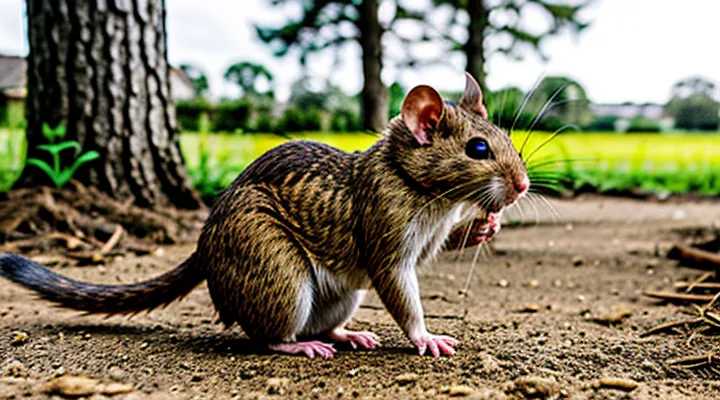
Understanding Ground Rats
Identifying Ground Rat Presence
Signs of Infestation
Identifying a ground‑rat problem begins with recognizing specific indicators that confirm their presence on a property.
- Fresh droppings, typically dark and pellet‑shaped, found near food sources, burrows, or along walls.
- Gnaw marks on wooden structures, insulation, wiring, or stored feed.
- Visible tracks or tail marks in dusty areas, mud, or soft soil.
- Fresh burrow entrances, often 2–4 inches in diameter, with loose soil and a funnel‑shaped opening.
- Unexplained odors resembling ammonia or musky urine, especially in confined spaces.
- Hearing of scurrying or scratching noises at night, when rats are most active.
Each of these signs points to active rodent activity. Droppings confirm recent feeding and can indicate disease risk. Gnaw damage signals structural compromise and potential electrical hazards. Tracks and tail marks verify movement patterns and help locate nesting sites. Burrow entrances reveal entry points that require sealing. Odors arise from urine accumulation, indicating high population density. Nocturnal sounds confirm that rats are present and foraging after dark. Recognizing these markers promptly enables targeted control measures and prevents further property damage.
Common Habitats on Property
Ground rats exploit locations that provide shelter, food, and easy movement across a property.
- Dense ground cover such as tall grass, weeds, or shrubbery creates concealed pathways and nesting sites.
- Accumulated organic material, including leaf piles, mulch, and compost, offers both concealment and a ready food source.
- Woodpiles, stacked lumber, and stored building materials contain cavities and gaps suitable for burrowing.
- Structural gaps around foundations, crawl spaces, and utility penetrations serve as entry points and indoor shelter.
- Underground drainage systems, sewer lines, and irrigation pipes present moist environments that support rat activity.
- Rock or stone piles, retaining walls, and landscaping features with crevices provide additional refuge.
Identifying and eliminating these habitats reduces the likelihood of infestation and supports effective control measures.
Prevention Strategies
Property Maintenance
Sealing Entry Points
Sealing all potential openings prevents ground rats from entering a property and eliminates the primary pathway for infestation.
Common access points include:
- Gaps beneath exterior walls and foundations
- Openings around utility penetrations (pipes, cables, vents)
- Cracks in concrete slabs and walkways
- Unscreened vents and crawl‑space doors
- Damaged or missing siding, soffits, and eaves
Effective sealing requires durable, rodent‑proof materials. Use steel wool or copper mesh to fill larger voids, then apply a caulking compound compatible with the substrate. For structural cracks, inject expanding polyurethane foam or epoxy resin. Install metal flashing or hardware cloth (minimum ¼‑inch mesh) over vents and openings that must remain functional.
Conduct a systematic inspection before and after sealing. Begin at the foundation and work outward, documenting each repaired site. Re‑evaluate after seasonal changes, as settling can create new gaps. Routine maintenance—replacing worn mesh, resealing caulk joints, and clearing debris—maintains a barrier against future intrusion.
Eliminating Food Sources
Eliminating food sources deprives ground rats of the energy needed to reproduce and expand their colonies. Without accessible nutrition, populations decline naturally and control measures become more effective.
- Store all pet feed in sealed, metal containers; discard leftovers immediately.
- Keep garbage in tightly lidded bins; remove bags from the property daily.
- Eliminate bird seed spillage; use feeders designed to prevent scattering.
- Clean grills, outdoor kitchens, and picnic areas after each use; sweep away crumbs and grease.
- Remove fallen fruit, nuts, and vegetable waste from gardens and lawns.
Maintain compost piles in enclosed bins with secure lids; turn the material regularly to discourage rodent entry. Trim vegetation away from building foundations, and clear debris where rats can hide while searching for food. Regular inspections of these areas allow prompt correction of new attractants.
By systematically denying ground rats any reliable food supply, property owners create an environment where the rodents cannot sustain themselves, facilitating long‑term eradication.
Reducing Shelter Opportunities
Reducing the number of places where ground rats can hide directly limits population growth and encourages individuals to move elsewhere. Removing dense vegetation, wood piles, and debris eliminates the cover that rodents use for nesting and daytime refuge.
- Trim grass to a maximum height of 3 inches; short turf exposes the ground and discourages burrowing.
- Clear all leaf litter, compost heaps, and garden waste within a 10‑foot radius of structures.
- Store firewood on pallets, stacked no higher than 4 feet, and keep it at least 3 feet away from walls.
- Seal gaps larger than ¼ inch in foundations, crawl spaces, and utility openings with steel wool or metal flashing.
- Relocate or discard overturned containers, old tires, and building materials that create dark cavities.
- Maintain a regular schedule of yard clean‑up to prevent new shelter formation.
Deterrents
Natural Repellents
Natural repellents provide a chemical-free approach to managing ground rat activity on a property. Their effectiveness relies on odors or substances that rats find unpleasant, prompting avoidance of treated areas.
Commonly used natural agents include:
- Peppermint oil: dilute 1 ml in 1 L of water, spray along burrow entrances and perimeter fences.
- Garlic powder or crushed cloves: scatter around nesting sites; the sulfur compounds deter foraging.
- Ammonia solution: mix equal parts ammonia and water, apply to pathways; the strong vapour repels rodents.
- Predator urine (fox, owl): distribute on the ground near suspected tunnels; scent signals danger.
- Cayenne pepper or hot sauce: sprinkle a thin layer on soil surfaces; capsaicin irritates sensory receptors.
Application guidelines:
- Identify active burrows and travel routes.
- Prepare each repellent according to the recommended dilution.
- Apply immediately after rain or irrigation to enhance absorption.
- Reapply weekly, or after heavy rain, to maintain potency.
- Monitor rodent signs; adjust placement if activity persists.
Integrating natural repellents with habitat modification—such as removing food sources, trimming vegetation, and sealing entry points—creates a comprehensive strategy that reduces ground rat presence without chemical hazards.
Commercial Deterrents
Effective commercial deterrents target ground rats through multiple mechanisms, reducing infestation risk while complying with regulatory standards.
Ultrasonic emitters generate frequencies intolerable to rodents, disrupting nesting and foraging activities. Devices designed for industrial sites cover large zones, require periodic calibration, and must be positioned away from metal structures that can interfere with signal propagation.
Bait stations combine attractants with anticoagulant compounds, delivering lethal doses to individuals that ingest the product. Commercial models feature tamper‑resistant locks, weather‑proof housings, and clear labeling to satisfy occupational safety guidelines. Placement follows a grid pattern, typically 30–45 feet apart, ensuring overlapping coverage of high‑traffic corridors.
Mechanical traps, such as multi‑catch snap or live‑capture units, provide immediate removal of active rodents. Heavy‑duty constructions withstand repeated use; spring tension can be adjusted to target larger ground rats without harming non‑target species. Regular inspection and prompt disposal of captured animals maintain trap efficacy.
Perimeter exclusion systems employ reinforced concrete foundations, steel mesh, and buried metal flashing to prevent burrowing. Continuous footing around building edges, combined with underground barriers extending at least 12 inches deep, blocks ingress points. Maintenance crews inspect for gaps after landscaping or construction activities.
Rodent‑repellent granules and sprays containing capsaicin, predator urine, or essential‑oil extracts create an unfriendly environment. Application rates follow manufacturer specifications, typically 5 lb per 1,000 sq ft, and reapplication occurs after heavy rain or irrigation.
Professional pest‑management services integrate these tools into a coordinated program. Certified technicians conduct site assessments, develop action plans, and document results for compliance audits. Contracts often include monitoring visits, data logging of trap catches, and adjustments based on seasonal population shifts.
Implementing a layered strategy—ultrasonic coverage, bait stations, mechanical traps, exclusion barriers, repellents, and expert oversight—maximizes control efficiency and safeguards property assets from ground rat damage.
Eradication Methods
Trapping
Types of Traps
Ground rats can be managed effectively with a variety of traps, each suited to specific conditions and control objectives.
-
Snap traps – Metal devices that deliver a rapid kill when the rat triggers a spring‑loaded bar. Position near active runways, use fresh bait, and check daily to remove carcasses and reset the mechanism.
-
Live‑catch traps – Wire cages with a one‑way door that close when the animal enters. Ideal when relocation or humane disposal is required. Place in concealed locations, provide appropriate bait, and inspect at least twice daily to prevent stress or injury.
-
Glue boards – Adhesive sheets that immobilize rats on contact. Best for short‑term monitoring in areas where lethal methods are undesirable. Replace promptly after capture to avoid prolonged suffering and to maintain effectiveness.
-
Electronic traps – Battery‑powered units that deliver a high‑voltage shock, killing the rat instantly. Require power source and periodic cleaning of the interior chamber. Offer consistent results with minimal handling of dead rodents.
-
Bait stations with secondary kill devices – Enclosed containers that house poisoned bait, accessible only to target species. Must comply with local regulations, be placed out of reach of children and non‑target wildlife, and be inspected regularly for depletion.
Selecting the appropriate trap depends on property layout, occupancy patterns, and regulatory constraints. Combining multiple trap types along established runways increases capture rates and accelerates population reduction. Regular maintenance, proper bait selection, and strategic placement are essential for sustained success.
Best Practices for Trapping
Effective trapping reduces ground‑rat populations while minimizing non‑target captures. Select a trap type that matches the infestation level and site conditions. Snap traps provide rapid kill and are reusable; live‑capture cages allow relocation but require prompt release to prevent stress. Glue boards are unsuitable for large rodents and pose animal‑welfare concerns.
Placement determines success. Position traps along established runways, near burrow entrances, and adjacent to food sources. Align traps perpendicular to walls, with the trigger side facing the wall, to intercept rodents moving along edges. Use multiple traps spaced 10–15 feet apart to create a continuous barrier.
Bait selection influences capture rates. Use high‑protein or high‑fat foods such as peanut butter, bacon bits, or dried fruit. Apply a pea‑sized amount directly on the trigger plate to ensure contact. Refresh bait daily to maintain scent strength.
Maintain traps consistently. Check traps at least twice daily; remove dead rodents promptly to reduce disease risk. Reset or replace traps after each capture. Record capture locations to identify activity hotspots and adjust placement accordingly. Rotate trap locations weekly to prevent trap shyness.
Integrate trapping with habitat modification. Eliminate clutter, trim vegetation, and seal entry points to reduce shelter and food availability. Combining diligent trap management with environmental control yields the most reliable reduction in ground‑rat activity.
Safety Precautions
When tackling rodent infestations, personal safety must precede elimination efforts.
- Wear thick‑walled gloves, long‑sleeved clothing, and sturdy boots to prevent bites and skin contact with pathogens.
- Use a N95 or higher respirator when applying rodenticides, dusts, or aerosols; ensure adequate ventilation in enclosed spaces.
- Store chemicals in locked containers, label them clearly, and keep them out of reach of children and pets.
Traps and devices present additional hazards.
- Position snap traps away from walkways and high‑traffic areas to avoid accidental discharge.
- Secure live‑catch cages on stable surfaces; check them frequently to reduce animal stress and prevent escape.
- Dispose of dead rodents in sealed bags, then place them in a municipal hazardous‑waste bin or follow local regulations.
Environmental and property considerations reduce risk of secondary exposure.
- Eliminate food sources by sealing garbage bins, cleaning up spills, and storing feed in metal containers.
- Repair cracks, gaps, and utility openings to block entry points; use steel wool or cement where appropriate.
- Maintain clear access to fire exits and emergency equipment; do not obstruct pathways with traps or bait stations.
In case of accidental exposure or injury, follow established emergency protocols.
- Rinse skin or eyes with running water for at least 15 minutes; seek medical attention promptly.
- Contact local poison control with details of the chemical involved.
- Document the incident, including location, product name, and dosage, for future reference and regulatory compliance.
Baits and Poisons
Choosing the Right Bait
Selecting an effective bait is a critical step in suppressing ground rat populations on a property. The choice influences detection speed, mortality rate, and non‑target safety.
- Identify the preferred food source: grain‑based baits attract rodents that forage on seeds, while protein‑rich formulations appeal to omnivorous individuals. Match the bait composition to the observed diet in the infestation area.
- Choose a delivery system: sealed stations prevent exposure to pets and wildlife; open‑track blocks work where direct contact is feasible. Ensure the device complies with local regulations.
- Consider the active ingredient: anticoagulants (first‑generation) act quickly but may require multiple doses; second‑generation compounds provide higher potency with fewer applications. Evaluate resistance patterns; if previous control attempts used anticoagulants, rotate to a different class.
- Assess environmental factors: high humidity can degrade certain baits, reducing efficacy. Store products in a dry place and place stations under shelter when possible.
- Verify legal compliance: many jurisdictions restrict the concentration of toxicants and mandate label warnings. Review the product label and obtain any required permits before deployment.
Placement strategy directly affects success. Position bait stations along runways, near burrow entrances, and within 10‑15 feet of known activity zones. Space stations 20‑30 feet apart to cover the entire property while minimizing overlap.
Monitoring is essential. Check stations weekly for consumption, replace depleted units, and record any non‑target captures. Adjust bait type or concentration based on observed effectiveness and emerging resistance.
By aligning bait composition, delivery method, active ingredient, and placement with the specific behavior of ground rats, property owners can achieve rapid population reduction while safeguarding other animals and complying with regulatory standards.
Safe Application and Disposal
When using rodenticides or bait stations, wear gloves, goggles, and a mask to prevent skin contact and inhalation. Apply products only in sealed containers, following label instructions for concentration and coverage area. Keep bait out of reach of children, pets, and non‑target wildlife by placing it inside tamper‑proof stations or underground boxes.
- Identify target zones where ground rats travel.
- Place bait stations at 10‑ to 15‑foot intervals along walls and near burrow entrances.
- Limit each station to the amount specified on the product label.
- Monitor stations daily; replace only when bait is depleted or contaminated.
- Record placement locations and dates for future reference.
Disposal of used bait, empty containers, and dead rodents must comply with local hazardous‑waste regulations. Seal dead rodents in plastic bags, double‑bag, and place in a locked trash container for collection by a licensed disposal service. Rinse empty containers with water, then soak in a solution of 1 % bleach for at least 10 minutes before recycling or discarding. Do not dump chemicals down drains or into soil, as this can contaminate groundwater and harm beneficial organisms.
Risks to Non-Target Animals
When attempting to eliminate ground rats, the methods employed can unintentionally affect wildlife, pets, and beneficial insects. Understanding these risks enables responsible pest management.
Chemical rodenticides often contain anticoagulants or neurotoxins. Non‑target mammals may ingest bait directly or consume poisoned carcasses, leading to internal bleeding or neurological failure. Birds of prey and scavengers are especially vulnerable because they feed on dead rodents. Secondary poisoning also occurs when predators eat sublethally affected rats, amplifying toxin accumulation within ecosystems.
Snap and live traps present physical hazards. Small mammals such as field mice, shrews, and hedgehogs can be caught unintentionally, resulting in injury or death. Domestic cats and dogs may suffer lacerations or stress if they interact with trapped animals. Improper placement near wildlife corridors increases capture rates of non‑target species.
Habitat alteration, including vegetation removal and soil disturbance, reduces shelter for insects, amphibians, and ground-nesting birds. Removing cover may force these organisms into open areas, exposing them to predation and environmental stressors.
Biological controls, such as introducing predatory species, carry ecological implications. Released predators may hunt native fauna, compete with existing predators, or establish invasive populations that disrupt local food webs.
Mitigation measures:
- Use bait stations with selective entry designs that exclude animals larger or smaller than rats.
- Deploy tamper‑resistant traps positioned away from known wildlife pathways.
- Choose rodenticides with low secondary toxicity and apply them according to label specifications.
- Conduct pre‑treatment surveys to identify non‑target species present on the site.
- Implement habitat preservation practices, retaining native vegetation and ground cover where possible.
By evaluating each control method for collateral impact, property owners can reduce ground rat populations while safeguarding surrounding animal life.
Professional Pest Control
When to Call an Expert
Ground rat infestations can become hazardous when they exceed the capacity of DIY measures. Immediate professional intervention is warranted if any of the following conditions are present:
- Burrows or nesting sites are discovered within structural foundations, crawl spaces, or utility lines.
- Damage to insulation, wiring, or plumbing is evident, indicating potential fire or water‑damage risk.
- Signs of disease transmission appear, such as rodent droppings in food‑preparation areas or excessive urine odor.
- Population density is high enough that traps and baits fail to reduce activity within a week.
- Local regulations require licensed pest control for certain control methods or for properties used for commercial purposes.
When these indicators arise, contacting a certified exterminator ensures proper assessment, selection of legally compliant control products, and implementation of a comprehensive eradication plan. A professional will also provide a monitoring schedule to confirm long‑term success and prevent re‑infestation.
What to Expect from a Professional Service
Hiring a qualified pest‑control provider ensures a systematic approach to removing burrowing rodents from a property. Professionals begin with a thorough site inspection, documenting entry points, activity signs, and population density. This assessment forms the basis for a targeted eradication plan.
- Identification of species and infestation level
- Recommendation of control methods (traps, bait stations, exclusion)
- Implementation of chosen techniques with calibrated equipment
- Post‑treatment verification to confirm success
- Scheduled follow‑up visits for monitoring and reinforcement
All technicians must hold current licenses and comply with local health and safety regulations. They use EPA‑approved products, wear protective gear, and keep detailed service records, including dates, locations treated, and materials applied.
Clients can expect transparent pricing that reflects inspection, treatment, and any required follow‑up. Service agreements typically include warranties covering re‑infestation within a defined period, and providers will outline response times for emergencies. Communication remains clear: reports are delivered promptly, and recommendations for property maintenance are provided to prevent future incursions.
Post-Eradication Measures
Cleaning and Sanitization
Disinfecting Contaminated Areas
Disinfecting contaminated zones eliminates health hazards left by burrowing rodents and prevents reinfestation. Begin by removing all visible debris, droppings, and nesting material. Wear disposable gloves, a mask, and eye protection to avoid direct contact with pathogens.
- Choose a disinfectant registered for rodent‑borne disease control, such as a 10 % bleach solution, accelerated hydrogen peroxide, or a quaternary ammonium product. Verify the label for contact time and surface compatibility.
- Apply the disinfectant liberally to floors, walls, and any surfaces the rats have accessed. Use a spray bottle for porous areas and a mop or cloth for hard surfaces.
- Allow the prescribed dwell time, typically 10–15 minutes, to ensure microbial kill. Do not rinse unless the product instructions require it.
- After the dwell period, dispose of contaminated cleaning tools in sealed bags and wash hands thoroughly.
Ventilate the treated space for at least 30 minutes to dissipate chemical vapors. Conduct a final visual inspection to confirm the absence of residue and remaining droppings. Document the disinfecting process, including dates, products used, and personnel involved, to maintain compliance with health‑safety standards.
Preventing Future Infestations
After eliminating ground rats, securing the property against new arrivals is critical. Durable barriers, habitat reduction, and regular inspection form the core of a sustainable defense.
- Seal all ground-level openings with metal flashing, concrete, or hardware cloth; gaps larger than ¼ inch invite entry.
- Remove food sources by storing feed in airtight containers and cleaning spilled grain or waste promptly.
- Trim vegetation, mow lawns, and clear debris within a 10‑foot perimeter to eliminate cover and nesting sites.
- Install drainage improvements to prevent standing water that attracts rodents.
- Place bait stations or traps only where required, rotating locations to avoid habituation.
Maintain a schedule of monthly visual checks and quarterly professional assessments. Document any signs of activity—droppings, gnaw marks, or burrows—and respond immediately with targeted control measures. Consistent vigilance preserves the property’s rodent‑free status.
Monitoring for Reinfestation
Effective surveillance after a rat‑removal program prevents the return of infestations. Establish a baseline by documenting all observed activity: count droppings, gnaw marks, and burrow entrances. Record the locations with a simple map or spreadsheet, noting date and weather conditions.
Inspect the property regularly. Conduct visual checks at least once a week for the first month, then bi‑weekly for the next two months, and monthly thereafter. Focus on high‑risk zones such as food storage areas, water sources, and structural gaps. Use motion‑activated cameras or infrared detectors where direct sight lines are limited.
Maintain environmental controls that deter rodents. Seal cracks larger than ¼ inch, repair broken screens, and keep vegetation trimmed at least 12 inches from building foundations. Store feed in sealed containers and remove debris that could provide shelter.
Track any new signs promptly. If fresh droppings or gnaw marks appear, increase inspection frequency to every 2–3 days and consider additional trapping or baiting. Document each response and evaluate its effectiveness, adjusting the plan as needed.
Review the data quarterly. Compare current findings with the initial baseline to identify trends. A rise in activity indicates a breach in preventive measures; a stable or declining pattern confirms that the control strategy remains effective.