
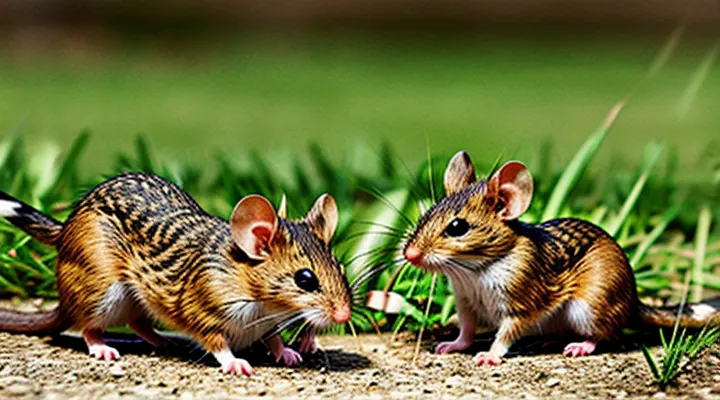
Identifying Field Mice Infestation
Signs of Field Mice Activity
Field mice leave unmistakable evidence of their presence. Recognizing these indicators is the first step toward effective control in a garden setting.
Typical signs include:
- Droppings: Small, dark pellets about 2‑3 mm long, often found along runways, near food sources, or beneath plant foliage.
- Gnaw marks: Fresh, clean cuts on stems, roots, or wooden structures; incisors leave parallel grooves about 1 mm apart.
- Burrows: Entrance holes 2‑3 cm in diameter, usually at the base of dense vegetation, beneath mulch, or near compost piles. Fresh soil piles near the opening suggest recent activity.
- Tracks: Fine, elongated footprints with a distinct toe spread; often visible in soft soil, sand, or powdered talc placed near suspected pathways.
- Seed caches: Gathered seeds or grains hidden in shallow depressions or under debris; the material may appear partially chewed.
- Nesting material: Bundles of shredded leaves, grass stems, or paper placed in concealed corners of the garden, especially near shelter.
Additional damage may manifest as:
- Chewed seedlings: Young plants exhibit missing or ragged leaves and stems, indicating feeding.
- Wilted roots: Underground feeding leads to stunted growth and discoloration of root systems.
Documenting the frequency and location of these signs enables targeted interventions, such as habitat modification, exclusion devices, or bait placement, to reduce field mouse populations effectively.
Damage Caused by Field Mice
Field mice inflict extensive harm on garden ecosystems, undermining both plant health and overall productivity.
Their primary impact is direct consumption of vegetation. Mice gnaw seedlings, tender shoots, and fruit, often removing entire crops before they mature. This loss translates into reduced yields and increased labor to replant.
Secondary damage arises from burrowing behavior. Underground tunnels destabilize soil structure, leading to:
- Root exposure and breakage
- Increased susceptibility to drought and waterlogging
- Accelerated erosion of topsoil
These effects compromise plant anchorage and nutrient uptake, weakening growth cycles.
Field mice also serve as vectors for pathogens. Their saliva and feces introduce bacteria and fungi to foliage and soil, promoting diseases such as seed rot and leaf spot. Contamination extends to stored produce, where droppings create sanitary hazards and accelerate spoilage.
Infrastructure within the garden suffers as well. Mice gnaw wiring, irrigation tubing, and wooden frames, causing leaks, short circuits, and structural failure. Repaired components incur additional expense and downtime.
Collectively, the damage reduces aesthetic appeal, inflates maintenance costs, and threatens long‑term garden viability.
Prevention Strategies
Garden Maintenance Practices
Effective garden upkeep directly reduces field mouse populations. Regular soil turnover, proper waste management, and structural barriers create an environment that deters nesting and foraging.
- Remove fallen fruit, seeds, and debris daily.
- Keep compost bins sealed with tight-fitting lids.
- Install low fencing or metal mesh around vegetable beds; ensure gaps are no larger than 2 cm.
- Trim dense ground cover and prune shrubs to eliminate shelter.
- Store firewood off the ground and away from garden borders.
- Use raised beds with smooth, hard‑sided containers to prevent burrowing.
Implementing these measures minimizes food sources and hiding places, forcing rodents to seek habitats elsewhere. Consistent application maintains a less attractive landscape for field mice, supporting long‑term garden health.
Deterrents and Repellents
Effective control of field mice in a garden relies on deterrents that alter the environment and repellents that create an unfavorable scent or taste. Implementing both categories reduces the likelihood of infestation and protects plants without extensive trapping.
- Install low, rigid fencing made of metal or plastic, buried 6 inches deep to block burrowing.
- Place smooth‑sided garden beds and raised planters; mice prefer textured surfaces for climbing.
- Use motion‑activated ultrasonic devices, positioning them near vulnerable rows to emit frequencies that discourage activity.
- Deploy steel wool or hardware cloth at entry points, sealing gaps around pipes, vents, and garden sheds.
Chemical repellents contain compounds such as peppermint oil, capsicum extract, or commercial rodent‑repellent granules. Apply a thin coating to soil surfaces, mulch, or plant stems every two weeks, especially after rain. Concentrations must follow label instructions to avoid phytotoxic effects.
Natural alternatives include predator scents and plant extracts. Sprinkle powdered dried fox urine or place sachets of crushed dried mint leaves around perimeter rows. Planting strong‑smelling herbs—rosemary, thyme, or lavender—creates a volatile barrier that mice tend to avoid. Rotate these herbs annually to maintain potency.
Regular inspection of the garden for fresh burrows, gnaw marks, or droppings allows prompt reinforcement of deterrent measures. Combining physical barriers with scent‑based repellents forms a comprehensive strategy that minimizes mouse presence while preserving the garden’s ecological balance.
Fencing and Barriers
Effective fencing creates a physical boundary that prevents field mice from entering cultivated areas. Choose materials that resist chewing and can be installed tightly against the ground. Metal mesh with openings no larger than ¼ inch blocks entry while allowing water flow. Hardened plastic panels provide a lightweight alternative, but must be reinforced at corners.
- Install fence at least 12 inches below soil surface to stop burrowing.
- Secure the top edge with a 12‑inch outward overhang to deter climbing.
- Seal gaps around gates, irrigation lines, and garden structures with metal flashing or silicone sealant.
- Regularly inspect for damage; replace compromised sections promptly.
A perimeter of solid barrier reduces the need for chemical controls and limits mouse activity to peripheral habitats. Combining fence installation with habitat modification—removing debris, trimming low vegetation, and storing feed in sealed containers—creates an environment where field mice find no shelter or food source, leading to a sustained decline in their presence.
Eradication Methods
Trapping Field Mice
Effective trapping of garden rodents requires careful selection, strategic placement, and diligent maintenance. Choose traps that match the target size and behavior. Common options include snap traps, live‑catch cages, and electronic devices. Snap traps provide rapid mortality, while live‑catch cages allow relocation if local regulations permit. Electronic traps deliver a quick, humane kill with minimal disturbance to surrounding flora.
Placement determines success. Position traps along established runways, near burrow entrances, and adjacent to food sources such as vegetable beds or compost piles. Align traps perpendicular to the mouse’s path to ensure contact with the trigger mechanism. Secure traps to the ground to prevent displacement by wind or other animals.
Bait selection influences capture rates. Use high‑protein items—peanut butter, sunflower seeds, or bits of cooked egg—applied sparingly to the trigger area. Refresh bait daily to maintain potency and reduce scent loss.
Maintain traps consistently. Inspect each device at sunrise and sunset, remove captured mice promptly, and reset traps with fresh bait. Clean reusable traps with mild detergent and disinfectant to prevent disease transmission. Replace worn springs or batteries according to manufacturer guidelines.
Safety considerations protect both the gardener and non‑target wildlife. Wear gloves when handling traps, store them out of reach of children and pets, and locate live‑catch cages away from domestic animals. Dispose of deceased rodents in sealed bags, following local waste regulations.
A concise protocol for trapping garden rodents:
- Select appropriate trap type.
- Identify mouse pathways and burrow sites.
- Install traps perpendicular to runways, secured to ground.
- Apply a small amount of protein‑rich bait.
- Check traps twice daily; remove and reset.
- Clean and service traps regularly.
- Follow safety and disposal guidelines.
Implementing this systematic approach maximizes capture efficiency while minimizing ecological disruption.
Types of Traps
Effective rodent control in garden beds relies on selecting appropriate capture devices. Different trap designs target specific behaviors of field mice, allowing precise management without extensive chemical use.
- Snap traps: spring‑loaded mechanisms deliver instantaneous lethal force; ideal for high‑traffic pathways.
- Live‑catch traps: enclosed cages with bait; enable humane removal and relocation of captured animals.
- Glue boards: adhesive surfaces attract mice; suitable for monitoring low‑level infestations in confined areas.
- Electronic traps: voltage‑powered chambers kill instantly; useful for indoor storage sheds adjacent to gardens.
Choose a trap type that matches the infestation level and desired outcome. Position devices along established runways, near shelter sites, and at entry points. Replace bait regularly, inspect traps daily, and dispose of captured rodents according to local regulations. Consistent deployment maximizes reduction of mouse activity throughout the garden.
Trap Placement and Baiting
Effective trap placement maximizes capture rates. Position devices along established mouse pathways: near the base of vegetable rows, underneath low‑lying foliage, and adjacent to garden structures such as sheds or compost bins. Secure traps on stable ground to prevent tipping; use a small amount of sand or soil to anchor snap or live‑catch models. Space multiple traps 10–15 feet apart to cover the typical foraging radius of field mice.
Select bait that appeals to the target species while minimizing attraction of non‑target animals. Recommended options include:
- Peanut butter mixed with rolled oats (strong scent, difficult for larger mammals to access).
- Sunflower seed fragments (high fat content, readily consumed).
- Fresh apple or carrot pieces (short‑term appeal, useful for monitoring activity).
Apply a pea‑sized amount directly onto the trigger mechanism. Replace bait daily to maintain potency and to detect trap success. Rotate trap locations each week to prevent habituation; move devices a few feet along the same corridor to intercept mice that have learned to avoid static positions.
Maintain a clean environment to enhance effectiveness. Remove excess debris, trim dense groundcover, and keep mulch shallow near traps. Regular inspection—at least twice daily—ensures timely release of captured mice and reduces risk of bait spoilage. Document capture dates and locations to identify high‑activity zones and adjust placement strategy accordingly.
Natural Predators
Natural predators provide a biologically based solution for reducing field mouse populations in garden environments. Predatory species pursue rodents as part of their regular diet, creating continuous pressure that limits breeding success and foraging activity.
- Barn owls (Tyto alba) – nocturnal hunters that locate prey by sound; installing nest boxes encourages occupancy.
- Short‑tailed weasels (Mustela erminea) – agile hunters that enter burrows and chase mice across open ground.
- Red foxes (Vulpes vulpes) – opportunistic carnivores that patrol garden borders; maintaining hedgerows supports their movement.
- Raptors such as kestrels (Falco tinnunculus) – daytime hunters that scan low vegetation for movement; perching poles increase visibility.
- Domestic cats (Felis catus) – controlled outdoor access can supplement predation; ensure pets are vaccinated and supervised.
To attract and retain these predators, adopt the following practices. Provide shelter structures such as owl boxes, rock piles, or dense shrubbery. Preserve natural hunting corridors by avoiding excessive paving and maintaining hedgerow continuity. Limit pesticide use to prevent secondary poisoning of beneficial carnivores. Install water sources in shaded locations to meet hydration needs. Monitor predator activity regularly to assess impact and adjust habitat enhancements accordingly.
Chemical Control Options
Effective chemical control of garden-dwelling field rodents relies on selecting appropriate rodenticides, applying them correctly, and managing associated risks.
- Anticoagulant baits (e.g., bromadiolone, difenacoum) disrupt blood clotting, causing lethal internal hemorrhage after ingestion.
- Acute toxicants such as zinc phosphide release phosphine gas when consumed, leading to rapid respiratory failure.
- Metaldehyde formulations act as neurotoxins, impairing nervous system function and resulting in death.
- Combination products blend anticoagulants with attractants to increase uptake by target species.
Application methods include pre‑baited stations, granular broadcast, and targeted placement near burrow entrances. Dose rates must follow label specifications to avoid sub‑lethal exposure and resistance development. Protective equipment is mandatory for handlers; non‑target wildlife and pets should be excluded with physical barriers or bait stations designed for rodent‑only access. Monitoring of bait consumption and population response guides adjustment of treatment frequency. Integration with habitat modification—removing cover, securing food sources, and maintaining sanitation—enhances long‑term effectiveness and reduces reliance on chemicals alone.
Baits and Rodenticides
Bait selection for garden rodents requires a clear understanding of active ingredients, delivery formats, and target species behavior. Effective products contain anticoagulant compounds such as bromadiolone, difenacoum, or pindone, which disrupt blood clotting after ingestion. Non‑anticoagulant options include zinc phosphide, which releases phosphine gas in the stomach, and cholecalciferol, a high‑dose vitamin D formulation that causes hypercalcemia. Each class presents distinct onset times, mortality rates, and secondary poisoning risks; choose the one that aligns with local wildlife presence and regulatory limits.
Application guidelines:
- Place bait stations at mouse runways, near burrow entrances, and under low vegetation.
- Use tamper‑resistant containers to protect non‑target animals and children.
- Distribute 0.5‑1 g of bait per station, replenishing only when consumption is observed.
- Rotate active ingredients after a two‑week interval to prevent resistance development.
- Monitor stations daily, recording removal rates and any signs of secondary exposure.
Safety measures mandate wearing gloves, avoiding direct contact with the product, and washing hands after handling. Dispose of unused bait in accordance with local hazardous waste regulations. Record-keeping of product type, batch number, and placement dates supports compliance with environmental authorities and facilitates future pest‑management assessments.
Safety Precautions
Effective mouse control in a garden demands strict adherence to safety protocols. Neglecting these measures can result in injury, unintended poisoning, or ecological damage.
Personal protection is essential. Wear thick gloves, long sleeves, and sturdy footwear when handling traps or bait. Use eye protection if applying liquid repellents. Secure the work area to prevent children and pets from accessing hazardous zones.
Trap safety requires careful placement and maintenance. Follow these steps:
- Position snap traps away from high‑traffic paths, targeting mouse runways.
- Bait traps with small amounts of food, avoiding excess that could attract non‑target species.
- Check traps daily; dispose of captured mice in sealed bags and replace with fresh traps.
- Store unused traps out of reach of children and animals.
Chemical deterrents must be used responsibly. Observe the following guidelines:
- Select rodenticides approved for outdoor use and labeled for garden applications.
- Apply bait stations with lock‑able covers, positioning them at least two meters from vegetable beds and water sources.
- Record the exact location of each station to facilitate monitoring and removal.
- Wear disposable gloves and a mask when handling powders or pellets; wash hands thoroughly after use.
Environmental considerations protect beneficial wildlife and soil health. Implement these practices:
- Limit the quantity of poison to the minimum effective dose.
- Avoid spreading bait on windy days to prevent drift onto pollinator habitats.
- Remove dead rodents promptly to deter disease spread.
- Incorporate non‑chemical methods, such as habitat modification and natural predators, to reduce reliance on toxic agents.
Consistent application of these precautions ensures mouse management remains effective while safeguarding human health, domestic animals, and the surrounding ecosystem.
Post-Eradication Measures
Cleaning Up After Mice
Cleaning up after mice eliminates food sources and nesting materials that encourage further activity in garden beds. Removing droppings, shredded plant matter, and debris reduces disease risk and discourages new incursions.
- Collect and dispose of all mouse droppings using a sealed bag; disinfect the area with a bleach solution (1 part bleach to 9 parts water).
- Gather shredded leaves, stems, and other organic debris; compost only after thorough heat treatment or discard.
- Sweep pathways and vegetable rows to eliminate crumbs and seeds; vacuum or hand‑pick any remaining particles.
- Wash garden tools, gloves, and containers with hot, soapy water; rinse with the bleach solution and let dry.
- Inspect storage sheds and tool sheds; seal gaps, and store feed in airtight containers.
Consistently applying these steps removes attractants, making the garden environment hostile to field mice and supporting long‑term control.
Preventing Re-infestation
After rodents have been removed from a vegetable plot, the priority is to stop them from returning. Effective prevention combines habitat alteration, physical barriers, and regular sanitation.
- Eliminate cover: clear weeds, cut back tall grasses, and remove debris where mice can hide.
- Secure food sources: store seeds, feed, and harvested produce in sealed containers; clean up fallen fruit and spilled grain promptly.
- Install barriers: place hardware cloth or fine mesh around garden beds, under raised beds, and across entry points; seal gaps around irrigation pipes and fence foundations.
- Manage water: fix leaks, avoid standing water, and use drip irrigation to reduce moist habitats that attract rodents.
Maintain a schedule of inspection. Walk the perimeter weekly to check for fresh gnaw marks, burrow openings, or new vegetation growth. Repair any damage to barriers immediately. Replace damaged mesh and re‑apply mulch or ground cover only after it has been cleared of debris. Consistent monitoring combined with the measures above creates a hostile environment for field mice, minimizing the risk of re‑infestation.