
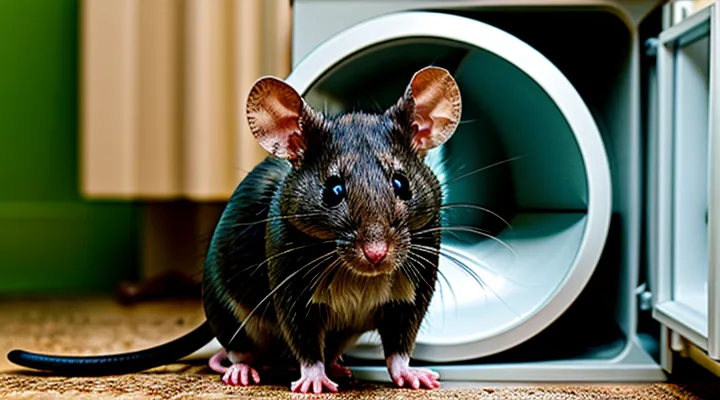
Understanding the Rodent Problem
Signs of Rodent Infestation
Droppings and Urine Stains
Droppings and urine stains provide the most reliable indication of rodent activity, allowing rapid assessment of infestation severity. Their size, shape, and distribution differentiate species, enabling targeted interventions that avoid toxic substances.
These residues carry pathogens such as Hantavirus, Leptospira, and Salmonella, which can contaminate food, surfaces, and air. Direct contact or inhalation of dried particles poses a health risk to occupants and pets. Immediate removal reduces exposure and limits disease transmission.
Effective monitoring relies on systematic inspection of high‑traffic areas: kitchens, storage rooms, attics, and behind appliances. Recording locations and quantities creates a baseline for evaluating control measures and for identifying hotspots that require intensified sanitation.
Cleaning protocol:
- Wear disposable gloves and a fitted mask; isolate the area to prevent aerosol spread.
- Moisten droppings with a disinfectant solution (e.g., 1 % bleach in water) for at least five minutes; avoid dry sweeping.
- Collect material with a disposable paper towel, place in a sealed bag, and discard according to local hazardous‑waste guidelines.
- Apply the same disinfectant to urine‑stained surfaces; allow a minimum contact time of ten minutes.
- Rinse with clean water, dry thoroughly, and verify that no odor remains.
Preventive actions focus on eliminating conditions that attract rodents. Seal entry points, store food in airtight containers, maintain low humidity, and keep clutter to a minimum. Regular sanitation of identified hotspots interrupts the cycle of contamination, supporting a non‑poisonous approach to rodent management.
Gnaw Marks and Damage
Rodents leave distinctive gnaw marks that signal structural compromise and potential health hazards. Chewed wood, plastic, or wiring displays clean, shallow incisions with rough, splintered edges. Damage to insulation or cables may expose live wires, creating fire risk. Food containers pierced by incisors allow contamination and attract further infestation. Burrows and gnawed openings in walls or foundations provide entry points for additional individuals.
Recognizing these signs guides the selection of non‑chemical control measures:
- Seal all visible gnaw holes with steel wool or metal mesh before applying a tight‑fitting sealant.
- Replace compromised wiring and insulation to eliminate fire hazards.
- Install sturdy, chew‑resistant barriers such as copper mesh around vulnerable pipes and ducts.
- Use snap traps or electronic capture devices positioned near identified gnaw sites; monitor and release captured animals promptly.
- Deploy ultrasonic deterrents in areas where gnaw marks indicate active foraging, ensuring devices cover the full range of the infestation.
By addressing gnaw marks directly, property damage is reduced, and the need for toxic substances diminishes. Continuous inspection and prompt repair maintain an environment that discourages rodent activity without resorting to poisons.
Nests and Burrowing
Understanding rodent nesting and burrowing behavior is essential for non‑toxic population management. Rats and mice construct nests from soft materials in concealed locations and dig burrows to access food, water, and shelter. These structures provide protection from predators and environmental stress, making them focal points for infestation persistence.
Identification of nests and burrows relies on visual and tactile cues. Typical signs include shredded paper, fabric, or insulation near walls; small piles of droppings; gnaw marks on wood or plastic; and visible entry holes ranging from ¼ to ½ inch in diameter. Burrow systems often emerge as soil mounds or tunnels along foundation walls, under decks, or in garden beds. Regular inspection of these areas reveals activity levels and guides intervention placement.
Control measures that avoid chemicals focus on habitat modification and physical barriers.
- Seal all exterior entry points with steel wool, metal flashing, or cement.
- Install mesh (¼‑inch or smaller) over vents, gaps, and utility openings.
- Remove nesting materials by clearing debris, storing food in sealed containers, and maintaining clean surfaces.
- Deploy snap or electronic traps directly adjacent to identified burrow entrances; position traps perpendicular to runways for optimal contact.
- Elevate stored items and elevate structures to reduce ground contact, limiting burrow access.
Ongoing maintenance sustains effectiveness. Conduct monthly inspections to detect new nests or burrows, repair compromised barriers promptly, and reset traps as needed. Consistent removal of attractants and reinforcement of exclusion devices prevents re‑infestation without reliance on poisons.
Rodent Sightings
Rodent sightings provide the first reliable evidence that a property is being accessed by rats or mice. Recognizing and recording these observations enable the implementation of non‑chemical control strategies before an infestation escalates.
Typical signs of activity include:
- Fresh droppings, dark and cylindrical, found along walls, behind appliances, or in pantry corners.
- Gnaw marks on wood, plastic, or wiring, especially near entry points.
- Silky trails of urine or greasy smears on surfaces.
- Nests constructed from shredded paper, fabric, or insulation, often hidden in concealed spaces.
- Audible sounds such as scratching or scurrying, most noticeable at night.
Accurate documentation requires a systematic approach. Note the location, date, and time of each sign; photograph evidence when possible; and map findings on a floor plan. This record creates a baseline for monitoring activity trends and evaluating the effectiveness of interventions.
Data derived from sightings directs targeted actions: sealing identified entryways, installing deterrent devices, and arranging habitat modifications that reduce food and shelter availability. Continuous observation ensures that humane, poison‑free measures remain aligned with the actual presence of rodents, preventing unnecessary escalation and preserving a safe environment.
Risks Associated with Rodents
Health Hazards
Rodent infestations pose significant health threats that persist even when lethal chemicals are excluded. Direct contact with rats and mice transmits pathogens such as hantavirus, leptospira, and salmonella, leading to respiratory, renal, and gastrointestinal illnesses. Their droppings and urine release aerosolized particles that irritate mucous membranes, trigger allergic reactions, and exacerbate asthma. Bite injuries introduce bacterial infections, often requiring medical treatment.
Alternative control techniques introduce their own risks. Mechanical traps can cause accidental injury to non‑target occupants, especially children and pets, if not properly secured. Snap devices generate sharp force that may result in broken limbs or lacerations when mishandled. Live‑catch traps retain animals in confined spaces, creating conditions for disease proliferation and stress‑induced shedding of hair and dander, which aggravate allergic responses. Exclusion methods, such as sealing entry points, may involve cutting or drilling into structural components, exposing workers to dust, asbestos, or lead‑based paint hazards.
Key health hazards associated with non‑chemical rodent management include:
- Transmission of zoonotic diseases through direct or indirect contact
- Respiratory irritation from aerosolized rodent waste
- Allergic sensitization to rodent dander and urine proteins
- Physical injuries from traps or handling live captures
- Secondary exposure to hazardous building materials during exclusion work
Property Damage
Rodents cause extensive structural and material loss, undermining building integrity and increasing repair costs. Gnawing on electrical wiring creates fire hazards, while damage to insulation reduces energy efficiency. Burrowing in foundations weakens support walls, leading to cracks and water infiltration. Contamination of stored goods results in spoilage and financial loss for businesses and homeowners alike.
Non‑lethal control strategies mitigate these risks without chemical hazards. Effective measures include:
- Sealing entry points with steel‑wool or cement to prevent access.
- Installing snap traps or electronic devices in high‑traffic zones.
- Deploying ultrasonic emitters that disrupt rodent communication.
- Maintaining rigorous sanitation to eliminate food sources and nesting material.
Each approach directly reduces the likelihood of structural compromise, preserves utility systems, and safeguards stored products, thereby limiting property damage while avoiding toxic substances.
Non-Toxic Rodent Control Strategies
Exclusion and Prevention
Sealing Entry Points
Sealing entry points eliminates the primary pathway rodents use to infiltrate buildings, reducing the need for toxic interventions. Identify all potential openings, such as gaps around pipes, vents, doors, and foundation cracks. Prioritize larger openings that accommodate the size of rats and mice, then address smaller gaps that serve as secondary routes.
- Inspect exterior walls, roof eaves, and crawl spaces for visible cracks or holes.
- Use steel wool or copper mesh to fill gaps larger than ¼ inch; these materials resist chewing.
- Apply a durable, rodent‑proof sealant (e.g., polyurethane caulk) around edges of windows, doors, and utility penetrations.
- Install door sweeps and weather stripping on all exterior doors to block bottom entry.
- Cover ventilation openings with fine mesh (≥1 mm) secured by stainless steel staples.
- Repair damaged siding, brick, or stucco with appropriate mortar or patching compound.
After sealing, conduct a follow‑up inspection to confirm that all closures remain intact. Maintaining the integrity of these barriers prevents re‑infestation and supports a non‑chemical approach to rodent management.
Maintaining a Clean Environment
Maintaining a clean environment directly reduces the attractiveness of homes and businesses to rats and mice, making it a core component of chemical‑free rodent control.
- Store all food in sealed containers; eliminate exposed crumbs and spills.
- Remove pet food after each feeding; keep feeding areas free of debris.
- Dispose of garbage in containers with tight‑fitting lids; empty them regularly.
- Clean kitchen appliances, especially under and behind them, to eliminate hidden residues.
Structural upkeep complements sanitation. Repair cracks in walls, floors, and foundations; install door sweeps and weather‑stripping to block entry points. Fix leaky pipes and eliminate standing water, as moisture supports rodent activity.
Implement a routine cleaning schedule. Weekly inspections should focus on potential food sources, waste accumulation, and signs of rodent activity. Document findings and adjust practices promptly to maintain an inhospitable setting for pests.
Food Storage and Waste Management
Proper food storage and diligent waste management form the first line of defense against rat and mouse infestations. Secure containers, sealed lids, and airtight packaging eliminate access points that attract rodents. Store dry goods on elevated shelves, away from walls, and keep quantities limited to reduce lingering odors.
Effective waste handling requires:
- Frequent removal of garbage from indoor areas, at least daily in high‑traffic zones.
- Use of metal or heavy‑duty plastic bins with tight‑fitting lids; avoid cardboard boxes that can be chewed.
- Placement of external refuse containers at least three meters from building foundations and elevated on platforms to prevent climbing.
- Regular cleaning of spills, crumbs, and food residues from floors, countertops, and equipment.
Additional measures reinforce these practices:
- Install door sweeps and sealed gaps around utility entry points to block rodent entry.
- Maintain a schedule for compost turnover; keep compost piles covered and located away from structures.
- Conduct routine inspections of storage areas for signs of gnawing or droppings, correcting breaches immediately.
Implementing these protocols reduces food availability, discourages nesting, and limits shelter options, thereby lowering rodent activity without reliance on toxic substances.
Trapping Methods
Snap Traps
Snap traps provide a mechanical solution for eliminating rats and mice while avoiding chemical agents. The device consists of a spring‑loaded bar that releases instantaneously when triggered by a rodent’s movement, delivering a lethal force to the neck or spine. This method eliminates the risk of secondary poisoning, protects non‑target wildlife, and leaves no residue in the environment.
Effective use requires attention to safety and placement. Install traps on flat surfaces, away from children and pets, and secure the trigger mechanism with a protective cover if available. Position each trap along established runways—behind appliances, near walls, or in concealed corners—where rodents frequently travel. Bait selection influences capture rates; small quantities of peanut butter, cheese, or dried fruit attract both rats and mice without creating excess mess.
Maintenance guidelines include regular inspection, prompt disposal of captured animals, and resetting of the mechanism. Dispose of the carcass in a sealed bag and follow local regulations for animal waste. Replace worn springs or broken components to preserve consistent performance. Periodic cleaning with mild soap removes residual scent that could deter subsequent captures.
Advantages of snap traps:
- Immediate kill reduces suffering compared to slow‑acting devices.
- No chemicals limit exposure for humans, pets, and beneficial insects.
- Low cost and reusable design lower long‑term expenses.
Limitations to consider:
- Requires manual handling of dead rodents, which may be undesirable for some users.
- Effectiveness depends on correct placement and regular monitoring.
- May be less suitable in large infestations where multiple traps are needed simultaneously.
When integrated into a broader non‑toxic rodent management plan—combined with sanitation, exclusion of entry points, and habitat modification—snap traps serve as a reliable, humane, and environmentally sound tool for controlling rat and mouse populations.
Live Traps
Live traps provide a non‑chemical solution for managing rats and mice, allowing capture and release without harming the animals. The devices consist of a hinged or collapsible cage that closes automatically when a rodent triggers a trigger mechanism. Materials range from plastic to metal, each offering durability and ease of cleaning.
Effective use of live traps relies on strategic placement. Position traps along walls, behind appliances, and in dark corners where rodents travel. Avoid open spaces; rodents prefer concealed routes. Secure traps to prevent accidental displacement by pets or children.
Bait selection influences capture rates. High‑protein foods such as peanut butter, cooked egg, or small pieces of meat attract both rats and mice. Apply a thin layer to the trigger plate to encourage interaction without excess residue that could cause premature closures.
Once a rodent is captured, handle the trap with gloves to reduce stress and prevent disease transmission. Release the animal at least one mile from the property, preferably in a wooded or agricultural area where it can find shelter and food. Follow local wildlife regulations, as some jurisdictions restrict relocation of certain species.
Maintenance prolongs trap effectiveness. After each capture, clean the interior with mild soap and water, rinse thoroughly, and dry before reuse. Inspect the trigger mechanism for wear, replace broken springs, and check that the latch closes securely.
Key practices for optimal results:
- Choose a trap size appropriate for the target species (larger cages for rats, smaller for mice).
- Use fresh bait daily; replace stale material to maintain attractiveness.
- Set multiple traps simultaneously to increase capture probability.
- Monitor traps at least twice daily to reduce animal stress and prevent escape.
- Record capture locations to identify activity hotspots and adjust placement accordingly.
By adhering to these guidelines, live traps deliver a humane, efficient, and environmentally responsible method for rodent control without reliance on toxic substances.
Multi-Catch Traps
Multi‑catch traps capture several rodents in a single device, allowing repeated use without the need for lethal chemicals. The mechanism typically consists of a spring‑loaded platform or a rotating cage that closes when a rodent enters, retaining the animal until the trap is emptied.
Design variations include:
- Live‑capture models: feature a hinged door that shuts automatically, preserving the animal for relocation.
- Mechanical multipliers: employ a series of linked chambers that sequentially engage, increasing capacity.
- Sensor‑activated units: use infrared or pressure sensors to trigger closure, reducing accidental releases.
Effective deployment follows precise guidelines:
- Identify high‑activity zones by observing droppings, gnaw marks, and runways.
- Position traps perpendicular to walls, with the entry side facing the rodent’s natural path.
- Secure traps on stable surfaces to prevent displacement by larger rodents.
- Check and clean traps daily to avoid stress‑induced mortality and to maintain bait attractiveness.
Safety considerations emphasize non‑toxic operation. Traps are constructed from corrosion‑resistant materials, eliminating chemical exposure for humans and pets. Bait choices should be natural foods (e.g., grain, fruit) to avoid secondary poisoning. When releasing captured rodents, follow local wildlife regulations and use protective gloves to prevent disease transmission.
Regular maintenance extends trap lifespan: inspect springs for fatigue, lubricate moving parts with food‑grade oil, and replace worn components promptly. By adhering to these practices, multi‑catch traps provide a reliable, humane alternative to poisonous control methods, supporting long‑term rodent management without compromising health or safety.
Trap Placement and Baiting
Effective rodent control without chemicals relies on strategic trap deployment and appropriate bait selection. Position traps along established runways, typically within 1–2 feet of walls where rats and mice travel. Place devices perpendicular to the wall, with the trigger side facing the anticipated direction of movement. Avoid isolated areas; focus on zones near food sources, nesting sites, and entry points.
Key considerations for trap placement:
- Locate near concealed pathways, such as behind appliances, under cabinets, and within crawl spaces.
- Set at a height of 2–4 inches for mice and 6–12 inches for rats to align with their natural foraging level.
- Maintain a minimum spacing of 10–15 feet between multiple traps to prevent competition and ensure coverage.
- Secure traps on stable surfaces to prevent displacement by the target animal or household activity.
Bait choice influences capture rates. Use high‑protein, low‑fat items that rodents find irresistible, such as peanut butter, dried fruit, or small pieces of cooked meat. For mouse traps, a pea‑sized dab of peanut butter suffices; for larger rat traps, a quarter‑inch cube of cheese or a piece of bacon works effectively. Keep bait fresh; replace every 24 hours to maintain potency and reduce spoilage.
Safety measures include wearing gloves when handling traps and bait, disposing of captured rodents in sealed containers, and regularly inspecting devices for malfunction. Record capture dates and locations to identify hotspots and adjust placement accordingly. Consistent monitoring and timely repositioning maintain the efficacy of a non‑poisonous rodent management program.
Natural Deterrents
Essential Oils
Essential oils provide a non‑chemical alternative for deterring rats and mice. Their strong aromatic compounds interfere with the rodents’ olfactory receptors, causing avoidance of treated areas.
Commonly used oils include:
- Peppermint oil – high menthol content creates a scent rats find intolerable.
- Eucalyptus oil – phenolic compounds act as a repellent.
- Clove oil – eugenol disrupts scent trails.
- Citronella oil – limonene and citronellal mask food odors.
- Lavender oil – linalool produces a mild irritant effect.
Application methods:
- Mix 10–15 ml of oil with 1 liter of water, add a few drops of emulsifier, and spray along baseboards, entry points, and near nesting sites.
- Soak cotton balls in undiluted oil, place them in concealed corners, and replace weekly.
- Use ultrasonic diffusers to disperse vapor continuously in enclosed spaces.
Safety considerations:
- Oils are flammable; keep away from open flames.
- Prolonged skin contact may cause irritation; wear gloves during preparation.
- Pets can be sensitive to certain oils; test in a limited area before widespread use.
Effectiveness depends on regular reapplication, as volatility reduces potency within 24–48 hours. Essential oils should complement structural exclusion measures, such as sealing gaps and removing food sources, to achieve reliable rodent control without reliance on toxic baits.
Plant-Based Repellents
Plant-based repellents offer a non‑toxic alternative for deterring rats and mice in residential and commercial settings. Essential oils such as peppermint, eucalyptus, and citronella contain compounds that irritate the sensory receptors of rodents, prompting avoidance of treated areas. Crushed garlic, powdered cayenne pepper, and dried mint leaves produce strong odors that interfere with the animals’ ability to locate food and nesting sites.
Effective deployment follows a systematic approach:
- Identify entry points and high‑traffic zones; concentrate repellent application near cracks, gaps, and along baseboards.
- Prepare a solution by diluting 10‑15 ml of essential oil in one liter of water; add a few drops of mild surfactant to improve surface coverage.
- Apply the mixture to cotton balls, cloth strips, or spray directly onto surfaces; replace every 3–5 days to maintain potency.
- For solid powders, sprinkle a thin layer of dried herb or spice around potential nesting sites; reapply after cleaning or moisture exposure.
Research indicates that peppermint oil reduces rodent activity by up to 70 % in controlled trials, while garlic extracts show moderate deterrent effects. Efficacy varies with concentration, frequency of reapplication, and environmental conditions such as humidity and temperature.
Safety considerations include:
- Avoid direct contact with skin and eyes; wear gloves during preparation.
- Ensure pets and children are not exposed to concentrated oils, which can cause irritation.
- Store all repellent mixtures in sealed containers away from heat sources.
Limitations involve short residual activity and the need for regular maintenance. Plant-derived repellents should be integrated with physical exclusion measures—sealing openings, removing food sources, and maintaining cleanliness—to achieve sustained rodent control without reliance on chemical poisons.
Ultrasonic Devices
Ultrasonic devices emit high‑frequency sound waves that are inaudible to humans but uncomfortable for rodents. The sound creates an aversive environment, prompting rats and mice to vacate the area and avoid re‑entry.
Key characteristics to evaluate when selecting a unit:
- Frequency range of 20–50 kHz, matching the hearing sensitivity of common rodent species.
- Adjustable intensity levels to accommodate varying space sizes and rodent tolerance.
- Coverage radius that matches the target zone; larger areas may require multiple units or a model with a broader dispersion pattern.
- Integrated timer or motion sensor to conserve energy and reduce habituation risk.
Effectiveness depends on consistent exposure and proper placement. Devices should be positioned at ceiling height or mounted on walls, directed toward entry points such as gaps, vents, and utility openings. Over time, rodents may become desensitized if the emitted tone remains constant; rotating frequencies or using models with automatic variation mitigates this adaptation.
Safety considerations include:
- Absence of chemicals eliminates risk of secondary poisoning for non‑target wildlife, pets, and humans.
- Low electromagnetic emissions comply with residential safety standards.
- Regular cleaning of the transducer surface prevents dust accumulation that could diminish output.
Maintenance involves checking power supply, verifying that the indicator light confirms operation, and replacing units according to the manufacturer’s lifespan recommendation, typically every 2–3 years. Documentation of installation locations and performance observations supports ongoing assessment and adjustment of the control strategy.
Biological Control
Predatory Animals (e.g., Cats, Owls)
Predatory animals such as domestic cats and barn owls provide a biological alternative to chemical rodent control. Their natural hunting instincts reduce rat and mouse populations while eliminating the risks associated with toxic substances.
Cats are adaptable to indoor and outdoor environments. They require regular veterinary care, secure shelter, and sufficient space to roam without jeopardizing other wildlife. Proper feeding schedules prevent reliance on rodents for nutrition, ensuring humane treatment.
Barn owls excel in open fields, barns, and warehouses. Installing nesting boxes encourages colonization; boxes should be placed 10–15 feet above ground, protected from predators and harsh weather. Supplemental lighting and minimal disturbance increase occupancy rates.
Key considerations for integrating predators:
- Assess habitat suitability; avoid areas where protected species may be affected.
- Monitor rodent activity to gauge effectiveness and adjust predator numbers accordingly.
- Provide legal compliance; verify permits for owl installations and adhere to animal welfare regulations for cats.
- Combine with sanitation measures—secure waste, seal entry points, and eliminate food sources—to enhance overall success.
When managed responsibly, predatory animals create a sustainable, non‑toxic method for suppressing rodent infestations.
Integrated Pest Management (IPM) Approach
Combining Multiple Methods
Combining several non‑toxic techniques creates a robust framework for managing rat and mouse populations while avoiding hazardous substances. Each method targets a different aspect of rodent behavior, reducing the likelihood that individuals will adapt and survive.
- Physical barriers: sealing entry points, installing metal mesh, and using heavy-duty door sweeps prevent access to buildings and storage areas.
- Mechanical traps: snap traps, electric devices, and live‑catch cages provide immediate removal of active rodents.
- Habitat modification: eliminating food sources, reducing clutter, and maintaining proper sanitation diminish attractants and shelter.
- Biological agents: introducing predatory birds or employing rodent‑specific nematodes offers natural population suppression.
- Monitoring tools: motion‑activated cameras and tracking powders verify activity levels and guide adjustments to the control plan.
Integrating these elements follows a sequential logic: first secure the environment, then reduce existing infestations, and finally maintain low numbers through ongoing observation. Adjustments are based on data from monitoring tools, allowing swift replacement of ineffective components without resorting to poison.
The combined approach minimizes human exposure to chemicals, complies with health regulations, and sustains long‑term efficacy. Continuous evaluation ensures that the strategy remains aligned with changing conditions and rodent behavior patterns.
Continuous Monitoring
Continuous monitoring provides real‑time insight into rodent activity, enabling immediate response without resorting to chemical agents. Sensors placed along walls, in utility shafts, and near food storage detect movement, temperature changes, and acoustic signatures characteristic of rats and mice. Video cameras equipped with infrared illumination capture nocturnal activity, supplying visual confirmation for verification and record‑keeping.
Data from these devices feed a central dashboard that aggregates counts, timestamps, and location tags. Automated alerts trigger when thresholds are exceeded, prompting targeted interventions such as trap deployment or habitat modification. Historical logs reveal trends, supporting strategic adjustments to exclusion measures and sanitation practices.
Effective implementation follows several guidelines:
- Install detection equipment at known entry points, feeding stations, and high‑traffic zones.
- Calibrate sensitivity to differentiate target species from non‑target wildlife, reducing false positives.
- Integrate monitoring software with inventory systems to correlate infestations with supply chain disruptions.
- Conduct routine maintenance of sensors and cameras to preserve accuracy.
- Review analytics weekly, adjusting trap placement and structural repairs based on verified hotspots.
Continuous monitoring also reduces labor costs by focusing personnel effort on verified problem areas rather than blanket inspections. The objective data it generates enhances accountability, allowing facility managers to demonstrate compliance with health‑safety standards and to document the effectiveness of non‑chemical control programs.
Professional Assistance (When to Call Experts)
Professional assistance in rodent management involves trained technicians who assess infestations, design targeted interventions, and execute control measures without reliance on toxic substances. Their expertise eliminates guesswork and reduces the risk of ineffective or hazardous actions.
Call an expert when any of the following conditions are present:
- Evidence of active nesting, such as shredded material or droppings, in living or food‑storage areas.
- Repeated sightings despite personal sanitation efforts.
- Damage to structural components, wiring, or stored goods.
- Health concerns for vulnerable occupants, including children, the elderly, or immunocompromised individuals.
- Legal or regulatory requirements that mandate certified pest‑control practices.
Professional services typically include:
- Comprehensive inspection to identify entry points, population size, and species behavior.
- Development of a customized, non‑chemical plan that may involve trapping, exclusion, and habitat modification.
- Implementation of control actions with documentation of results and follow‑up monitoring.
- Guidance on long‑term prevention, including building maintenance and waste management recommendations.
Engaging qualified technicians ensures swift, reliable resolution while preserving safety for humans and pets. Prompt action prevents escalation, protects property, and maintains a healthy environment.