
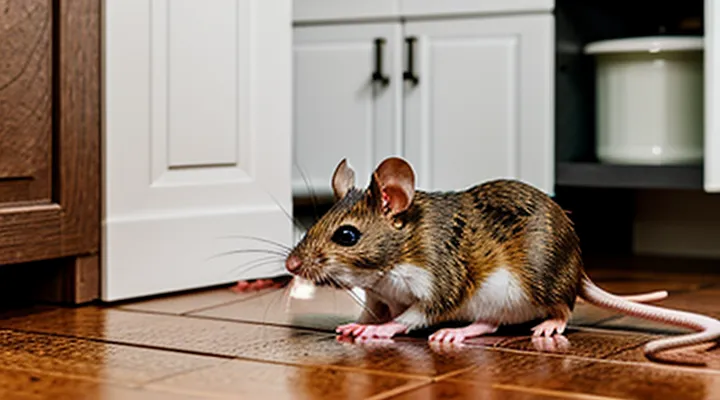
Understanding the Mouse Problem
Signs of a Mouse Infestation
Droppings and Urine Trails
Droppings and urine trails are the most reliable indicators of a mouse presence. Fresh droppings appear as small, dark pellets about the size of a grain of rice, often found along walls, behind appliances, and in pantry corners. Urine leaves a faint, oily sheen that may become visible under a blacklight, and it emits a musky odor detectable after prolonged exposure.
Identifying these signs enables targeted action. Once locations are mapped, eliminate food sources and moisture that sustain the rodents. Replace contaminated items, seal food containers, and repair leaks to remove the environmental conditions attracting mice.
Cleaning protocol:
- Wear disposable gloves and a mask; avoid inhaling dust.
- Vacuum dry droppings with a HEPA filter vacuum; discard the bag immediately.
- Apply a solution of warm water and mild detergent to soak remaining residue.
- Rinse with clean water, then disinfect with a 1‑part bleach to 9‑part water mixture; allow a minimum of ten minutes contact time.
- Dispose of cleaning materials in sealed bags.
After sanitation, focus on exclusion. Block entry points identified near the droppings and urine trails using steel wool, copper mesh, or cement. Position snap or live traps along the same pathways; the scent of previous activity increases trap success. Regular monitoring of cleared areas confirms the removal of the infestation without resorting to chemical agents.
Gnaw Marks and Damage
Mice leave distinctive gnaw marks that reveal the extent of their activity. These incisions appear as clean, V‑shaped bites on wood, plastic, wiring, and food packaging. The size of the hole—typically 2‑4 mm across—matches the animal’s incisors and distinguishes mouse damage from that of larger rodents.
Identifying gnaw marks serves two purposes: confirming an infestation and locating pathways used for entry and travel. Common locations include baseboards, cabinet backs, behind appliances, and along cable bundles. Damage to electrical cords poses a fire hazard, while compromised structural elements can weaken walls or flooring.
Typical damage patterns:
- Wooden components – smooth, shallow cuts on beams, frames, and furniture legs.
- Plastic items – jagged bites on containers, pipe insulation, and toy casings.
- Wiring – exposed conductors after mice chew through sheath, increasing short‑circuit risk.
- Food packaging – perforations in bags, boxes, and foil that allow contamination.
Addressing gnaw marks without chemicals involves physical barriers and habitat modification. Seal entry points with steel wool, copper mesh, or tightly fitting caulk. Replace damaged wiring and insulation promptly to eliminate attractive nesting material. Rearrange stored items to create clear zones around walls, reducing concealment opportunities.
Regular inspection of the identified hotspots allows early detection and rapid response. Documenting the location and size of each gnaw mark supports targeted sealing efforts and prevents recurrence. By focusing on the visible evidence of mouse activity, homeowners can effectively eradicate the problem while maintaining a chemical‑free environment.
Strange Noises
Strange noises in walls, ceilings, or cabinets often indicate rodent activity. The sounds typically include scratching, scurrying, or intermittent squeaks, most noticeable at night when mice move seeking food and shelter. Identifying the source helps target non‑chemical removal methods.
- Locate the area where noises originate by listening closely and noting the time of day when activity peaks.
- Seal entry points near the identified zone with steel wool, copper mesh, or caulk; mice cannot squeeze through gaps smaller than a quarter inch.
- Install snap traps or live‑catch traps directly in the pathway; position them perpendicular to walls for optimal placement.
- Reduce attractants by storing food in airtight containers, cleaning crumbs, and eliminating standing water.
- Maintain a tidy environment, removing clutter that provides nesting material and hiding spots.
Monitoring after implementing these steps reveals whether the noises cease, confirming successful exclusion without reliance on chemical agents. Continuous vigilance, combined with prompt repair of any new openings, prevents re‑infestation.
Why Avoid Chemicals
Risks to Pets and Children
Using non‑chemical methods to deter rodents reduces exposure to toxic substances, yet it introduces hazards that affect both animals and children.
- Snap or electric traps can cause accidental injury if a pet or child triggers them while exploring low‑lying areas.
- Live‑capture traps may be opened by curious youngsters, releasing captured mice that could bite or transmit pathogens.
- Glue boards, though effective for mice, present a risk of skin adhesion and trauma to pets that step on them.
- Placement of bait (e.g., peanut butter or cheese) without supervision can attract pets, leading to ingestion of contaminated food or direct contact with trapped rodents.
- Accumulated mouse droppings and urine left unchecked become a source of disease (e.g., hantavirus, leptospirosis) that can affect both children and pets through inhalation or contact.
Mitigation strategies include securing traps behind barriers, positioning devices out of reach, supervising areas where bait is used, regularly cleaning and disinfecting sites of rodent activity, and choosing humane capture methods that allow safe release away from the home.
Environmental Concerns
Environmental impact drives the choice of non-chemical rodent eviction methods. Conventional poisons and sprays introduce toxic compounds into soil, water, and food chains, threatening aquatic organisms, pollinators, and predators that feed on rodents. Eliminating chemicals reduces the risk of bioaccumulation, protects biodiversity, and aligns household practices with broader ecological stewardship.
Key considerations for eco‑friendly mouse control include:
- Physical barriers such as steel mesh, door sweeps, and sealed entry points prevent infestations without releasing pollutants.
- Mechanical traps, when placed responsibly, allow for humane removal and avoid secondary poisoning of pets or wildlife.
- Habitat modification—removing food residues, storing grain in airtight containers, and maintaining clean surroundings—diminishes attractants and eliminates the need for chemical lures.
- Disposal practices that use sealed containers or local wildlife rehabilitation services prevent carcass decomposition from contaminating the environment.
Adopting these strategies limits chemical runoff, safeguards non‑target species, and supports sustainable household management.
Ineffectiveness of Some Chemical Methods
Chemical rodent control often fails because the substances used do not reach the target in sufficient quantities. Many mouse poisons require ingestion of a precise dose; if food sources are abundant, bait consumption drops dramatically, leaving the population largely untouched.
Resistance develops when mice are repeatedly exposed to the same anticoagulant. Genetic mutations alter the clotting pathway, rendering standard poisons ineffective and prompting the need for higher, potentially hazardous doses.
Application errors further reduce efficacy. Sprays and powders applied to cracks or walls can be displaced by cleaning, ventilation, or normal household activity, eliminating the residual effect. Inadequate coverage leaves untreated zones where mice can thrive.
Health concerns limit practical use. Toxicants pose risks to children, pets, and non‑target wildlife. Regulatory restrictions often require sealed bait stations, which restrict placement options and diminish overall impact.
Environmental factors also undermine chemical measures. Moisture degrades active ingredients, and temperature fluctuations can alter potency, causing inconsistent results.
Consequently, reliance on these methods yields unpredictable outcomes and may exacerbate the problem by fostering resistant populations while exposing occupants to unnecessary hazards.
Non-Chemical Mouse Expulsion Strategies
Prevention is Key
Sealing Entry Points
Sealing entry points blocks the most reliable pathway rodents use to invade a residence. Identify every potential opening by inspecting the building envelope: gaps around doors, windows, utility penetrations, foundation cracks, vents, and roof eaves. Use a flashlight and a mirror to locate spaces as small as a quarter‑inch.
Materials suitable for permanent closure include:
- Steel wool or copper mesh, tightly packed into gaps larger than a pencil diameter.
- Expanding polyurethane foam, applied sparingly to irregular cracks; the foam hardens and resists chewing.
- Cement‑based caulk for seams around windows, baseboards, and pipe sleeves.
- Heavy‑duty metal flashing or sheet metal for larger openings such as vents and chimney bases.
- Weather‑strip and door sweeps to seal the bottom of exterior doors.
Apply each material according to its specifications:
- Clean the surface, removing debris and loose material.
- Insert steel wool or mesh, then cover with caulk or foam to prevent mice from pulling it out.
- For foundation cracks, press foam into the void, allow it to expand, then trim excess.
- Secure flashing with screws and a waterproof sealant to protect against rain intrusion.
- Install door sweeps so the gap under the door does not exceed ¼ inch.
After sealing, conduct a follow‑up inspection within a week to verify that no new gaps have appeared. Maintain the barrier by repairing any damage caused by weather, settling, or renovation work. Consistent upkeep of sealed openings eliminates the primary access route, reducing the likelihood of a rodent presence without resorting to chemical measures.
Inspecting Your Home's Exterior
A thorough examination of the building’s outer envelope is the first line of defense against rodent intrusion. Identify every potential entry point and eliminate it before mice can access interior spaces.
- Inspect the foundation for cracks, gaps around pipe penetrations, and openings at utility lines. Seal with cement, steel wool, or hardware cloth sized no larger than ¼ inch.
- Examine siding, soffits, and eaves for loose panels, damaged weather‑stripping, or torn mesh. Replace or repair with durable material that resists gnawing.
- Verify that doors and windows close tightly; install door sweeps and weather‑seal strips where gaps exceed 3 mm.
- Check vent covers, chimney flues, and attic hatches. Fit metal flashing or fine‑mesh screens to prevent entry while maintaining airflow.
- Trim vegetation that contacts the house—branches, vines, and shrubbery often serve as bridges. Maintain a clearance of at least 18 inches from the exterior walls.
- Remove debris, firewood piles, and stored items from the perimeter. Keep these supplies elevated and away from walls to reduce shelter opportunities.
Document each defect, prioritize repairs based on size and proximity to food sources, and schedule remediation promptly. By securing the exterior envelope, you create a barrier that deters mice without resorting to chemical measures.
Filling Gaps and Cracks
Sealing openings eliminates the primary route mice use to enter a residence. Even tiny cracks around pipes, windows, doors, and foundation walls provide access. Once these passages are closed, the rodents lose the ability to move between exterior and interior spaces, reducing the need for traps or repellents.
Identify all potential entry points. Inspect the exterior for gaps larger than ¼ inch, focusing on:
- Spaces around utility penetrations (cable, plumbing, vent pipes)
- Gaps at the base of doors and windows
- Cracks in foundation, siding, and brickwork
- Openings around HVAC ducts and chimney flues
Select appropriate sealing materials. Use a combination of:
- Steel wool or copper mesh for irregular holes, preventing gnawing
- Expanding polyurethane foam for larger voids, applied in thin layers to avoid excess pressure
- Cement‑based caulk or mortar for masonry cracks, ensuring a durable bond
- Weather‑resistant silicone sealant for movable joints such as door frames
Apply the sealants systematically:
- Clean each gap of debris, dust, and loose material.
- Insert steel wool or mesh into narrow openings, compressing tightly.
- Fill remaining space with expanding foam, allowing full expansion, then trim excess.
- For structural cracks, press mortar or caulk into the fissure, smooth the surface, and let cure according to manufacturer instructions.
- Verify the seal by checking for any residual openings; repeat as needed.
Regular maintenance preserves the barrier. Conduct a quarterly walk‑around inspection, reseal any new cracks caused by settling or weather, and keep the exterior free of vegetation that may conceal fresh openings. This proactive sealing strategy maintains a mouse‑free home without resorting to chemical measures.
Maintaining a Clean Environment
A spotless living space deprives rodents of shelter and food, making it the most reliable non‑chemical deterrent. Regularly sweep floors, vacuum carpets, and wipe countertops to eliminate crumbs that attract mice. Store dry goods in airtight containers; discard expired items promptly. Keep garbage bins sealed and empty them frequently to prevent odor buildup.
- Remove clutter from basements, attics, and storage closets; boxes and piles provide nesting sites.
- Clean behind appliances, under sinks, and inside cabinets where food residues accumulate.
- Wash dishes immediately; avoid leaving pet food out overnight.
- Use a damp cloth to wipe pantry shelves after each restocking, eliminating hidden particles.
- Dispose of pet waste promptly and sanitize litter boxes weekly.
By maintaining these habits, the home becomes inhospitable to rodents without resorting to chemical treatments.
Proper Food Storage
Secure food storage prevents rodents from finding sustenance, thereby reducing their motivation to enter living spaces. Seal all consumables in airtight containers made of glass, metal, or heavy‑wall plastic; this eliminates scent trails and blocks gnawing access. Store pantry items on low shelves, away from walls, and keep the floor clear of crumbs or spills.
Implement the following practices:
- Transfer bulk grains, cereals, and nuts into containers with lock‑tight lids immediately after purchase.
- Place pet food in sealed bins and remove leftovers within two hours.
- Keep fruit and vegetables in refrigerated compartments or sealed produce bags; discard overripe produce promptly.
- Conduct weekly inspections of storage areas for signs of damage or infestation; replace compromised containers without delay.
Maintain a routine of cleaning shelves with hot, soapy water and drying thoroughly before restocking. By eliminating food sources, the environment becomes inhospitable to mice, supporting a chemical‑free approach to rodent exclusion.
Regular Waste Disposal
Regular waste disposal directly limits the food sources that attract house mice. When garbage is stored in open containers or left for extended periods, rodents quickly learn that the area provides nourishment and shelter.
Effective waste management includes the following actions:
- Use bins with tightly fitting lids made of metal or heavy‑duty plastic.
- Empty trash daily, especially in kitchens and dining areas.
- Separate organic waste from recyclable material and store each in sealed containers.
- Keep the exterior of bins clean; wipe spills and remove debris that could hide crumbs.
By eliminating accessible refuse, mice lose a primary incentive to enter the home, reducing the need for chemical deterrents. Consistent removal of waste also discourages nesting, because fewer crumbs and droppings remain for offspring to thrive on.
Additional measures reinforce the strategy: position bins away from walls, avoid stacking bags inside the container, and inspect lids regularly for cracks. Maintaining these practices creates an environment where rodents cannot sustain a presence, supporting a chemical‑free approach to rodent exclusion.
Decluttering Your Home
Clutter creates concealed pathways and shelter that invite mice to explore a residence. Piles of paper, boxes, and unused items provide nesting material, while loosely stored food supplies sustain the infestation. Reducing unnecessary objects eliminates hiding places and limits access to nourishment, forming a fundamental element of non‑chemical rodent control.
- Remove all items no longer in use; donate, recycle, or discard them promptly.
- Store remaining belongings in sealed containers made of plastic or metal; avoid cardboard boxes that rodents can gnaw through.
- Keep closets, attics, and basements organized; label boxes and stack them against walls to maintain clear aisles.
- Place food in airtight containers; eliminate crumbs and spills from countertops and floors.
An orderly environment permits regular inspection of potential entry points, such as gaps around pipes, vents, and doors. With fewer concealed spaces, traps and exclusion methods become more visible and effective. Maintaining a tidy space also discourages new mice from establishing a foothold, as the habitat no longer offers the shelter they require.
Schedule monthly reviews of storage areas, checking for accumulated debris or displaced items. Promptly restore order after any renovation, moving, or seasonal cleaning. Consistent decluttering sustains a hostile setting for mice, supporting a chemical‑free approach to keeping the home rodent‑free.
Natural Repellents
Essential Oils
Essential oils provide a natural, odor‑based method for discouraging mice from entering living spaces. Their strong, volatile compounds interfere with rodents’ scent trails and feeding behavior, prompting avoidance of treated areas.
- Peppermint oil – high menthol concentration, strong repellent effect.
- Eucalyptus oil – contains eucalyptol, disrupts olfactory cues.
- Citronella oil – citrus scent overwhelms mouse detection.
- Clove oil – eugenol component irritates rodents.
- Rosemary oil – camphor and rosmarinic acid act as deterrents.
- Tea tree oil – terpinen‑4‑ol creates an unpleasant environment.
Prepare a spray by mixing 5–10 drops of the chosen oil with 250 ml of water; add a small amount of carrier oil (e.g., almond or jojoba) to improve solubility. Transfer the solution to a spray bottle, shake before each use.
Apply the mixture to the following locations: entry points (doors, windows, vents), baseboards, behind appliances, inside cabinets, and along walls where mouse activity is observed. Reapply every 5–7 days or after cleaning to maintain potency.
Observe safety precautions: keep solutions out of reach of children and pets, avoid direct contact with eyes, and test on a hidden surface to prevent staining. Do not ingest; store in a sealed container away from heat.
For maximum effectiveness, combine oil treatment with physical barriers (seal cracks, install door sweeps), proper food storage, and mechanical traps. This integrated approach reduces mouse presence without reliance on synthetic chemicals.
Peppermint Oil Application
Peppermint oil deters mice through its strong scent, which interferes with their olfactory cues and discourages nesting. Apply the oil in a manner that maximizes exposure while maintaining safety for occupants and pets.
- Dilute 10–15 drops of pure peppermint essential oil in 100 ml of water. Use a spray bottle to distribute the mixture evenly.
- Target entry points: gaps around doors, windows, baseboards, and utility openings. Spray a light mist on the exterior of these openings and the interior surfaces nearby.
- Treat pathways: run a thin line of the solution along walls, behind appliances, and in cabinets where mice are known to travel.
- Reapply every 3–4 days, or after cleaning, to sustain the aromatic barrier.
- For persistent activity, place cotton balls soaked in undiluted peppermint oil in concealed locations such as behind radiators, under sinks, and inside wall voids. Replace the balls weekly.
Avoid over‑saturation; excess moisture can damage wood or promote mold. Store the oil in a sealed container away from direct sunlight to preserve potency. Combining peppermint oil with other natural repellents, such as dried mint leaves or cedar shavings, enhances overall effectiveness without introducing chemicals.
Other Repellent Scents
Mice avoid strong aromatic compounds that mask their scent trails and create an unpleasant environment. Several natural fragrances work effectively when applied correctly.
- Peppermint oil – diluted 5 % with water or a carrier oil, sprayed along baseboards, behind appliances, and near entry points. Reapply every 48 hours because the scent dissipates quickly.
- Eucalyptus oil – mixed 3 % with water, misted in closets, pantry shelves, and crawl‑space vents. The menthol component interferes with rodent olfactory receptors.
- Clove oil – 4 % solution applied on cotton balls placed in hidden corners. The pungent phenol content deters foraging activity.
- Cedar shavings – spread in storage bins, drawers, and under shelving. The natural wood resin repels rodents without requiring liquid application.
- Citronella – 6 % spray used around outdoor entryways and garage doors. Its citrus notes mask food odors that attract mice.
For optimal results, combine multiple scents in a rotational schedule: alternate peppermint and eucalyptus each week to prevent habituation. Ensure ventilation to avoid respiratory irritation for occupants and pets. Monitor effectiveness by checking for fresh droppings or gnaw marks; discontinue any scent that causes adverse reactions.
Household Items
Using common household objects can create an environment that discourages mice without resorting to poisons or sprays. Solid barriers, unpleasant textures, and strong scents are the primary mechanisms.
- Steel‑wool or copper mesh placed around entry points blocks gnawing.
- Aluminum foil strips on countertops and shelves create a surface mice avoid.
- Dryer sheets or cotton balls soaked in peppermint oil emit an odor that rodents find repellent.
- Scented sachets filled with cloves, cinnamon, or dried lavender can be positioned in cabinets and pantry corners.
- Snap traps made of wood or plastic, without chemical bait, rely on the animal’s instinct to investigate moving objects.
Place deterrents where mice travel: behind appliances, under sinks, along baseboards, and inside stored food containers. Replace worn items regularly; steel‑wool loses effectiveness after repeated chewing, and essential‑oil sachets lose potency after a few weeks. Keep food sealed, eliminate water sources, and maintain a tidy interior to reduce attraction. Combining physical barriers with odor‑based repellents maximizes success while keeping the home chemical‑free.
Vinegar Solutions
Vinegar solutions provide a non‑toxic option for discouraging mice from entering living spaces. The strong odor of acetic acid interferes with rodents’ scent trails, making treated areas unattractive.
To prepare an effective mixture, combine one part white distilled vinegar with three parts water. For heightened potency, increase the vinegar proportion to one‑half of the total volume, but avoid full‑strength vinegar on delicate surfaces.
Application guidelines:
- Soak cotton balls or cloth strips in the solution and place them near entry points, such as gaps under doors, cracks in walls, and the backs of cabinets.
- Spray the mixture onto surfaces where droppings or gnaw marks are visible; reapply every 48 hours to maintain odor intensity.
- Use a spray bottle for hard‑to‑reach corners, ensuring an even coating without saturating flooring or upholstery.
Safety considerations:
- Vinegar is safe for humans and pets when used in diluted form; however, keep treated items out of reach of small animals that might chew on soaked material.
- Test the solution on a hidden area of painted or finished wood to confirm that it does not cause discoloration.
Limitations:
- Vinegar does not kill mice; it merely deters them. Persistent infestations require sealing entry points and, if necessary, professional trapping.
- Strong ventilation reduces the scent’s effectiveness, so limit airflow in treated zones for several hours after application.
Integrating vinegar solutions with mechanical barriers—such as steel wool or door sweeps—creates a comprehensive, chemical‑free strategy for keeping mice out of the home.
Spicy Sprays
Spicy sprays use capsaicin‑based formulas to create an environment that rodents find uncomfortable. The active ingredient irritates the mucous membranes of mice, prompting them to avoid treated surfaces.
Typical components include:
- Capsaicin extract from chili peppers
- Water or a mild carrier oil
- Natural preservatives such as rosemary extract
Application guidelines:
- Dilute the concentrate according to manufacturer instructions; excessive concentration may damage finishes.
- Spray along baseboards, entry points, and areas where droppings have been observed.
- Reapply every 3–5 days, especially after cleaning or moisture exposure.
- Avoid direct contact with pets and children; keep treated zones inaccessible until the spray dries.
Effectiveness relies on the strong sensory deterrent rather than toxicity. Studies show mice retreat from capsaicin concentrations as low as 0.01 % by weight. The method does not leave harmful residues, making it suitable for households with food preparation areas.
Limitations:
- Mice may become accustomed if exposure is intermittent; consistent coverage is necessary.
- The spray does not eliminate an existing infestation; it works best as part of a broader exclusion strategy that seals cracks and removes food sources.
- Strong odors may be unpleasant for some occupants; ventilation reduces residual scent.
Safety considerations:
- Use gloves when handling concentrated solutions.
- Test a small, inconspicuous area before full application to ensure surfaces are not discolored.
- Store the product out of reach of children and pets.
When integrated with physical barriers and proper sanitation, spicy sprays provide a non‑chemical option for discouraging mice from inhabiting residential spaces.
Humane Trapping Methods
Live Traps
Live traps provide a humane alternative for removing mice without resorting to poisons or sprays. The device consists of a cage or tube with a trigger mechanism that closes the entrance once the rodent enters. This method captures the animal alive, allowing owners to release it far from the residence.
Key considerations for effective use:
- Selection of trap type – Choose a model with a sensitive trigger and a secure latch; common designs include wooden box traps, plastic tunnel traps, and metal snap‑back cages.
- Bait placement – Apply a small amount of high‑fat food such as peanut butter, cheese, or seeds directly on the trigger platform. Avoid over‑baiting, which can cause the mouse to avoid the trap.
- Location – Position traps along walls, behind appliances, and in concealed pathways where mouse activity signs (droppings, gnaw marks) are evident. Align the entrance perpendicular to the wall to match natural travel routes.
- Inspection schedule – Check traps at least twice daily. Prompt removal of captured mice reduces stress on the animal and prevents scent buildup that could deter further captures.
- Release protocol – Transport the trap to a wooded area at least two miles from the home. Open the latch outdoors, allowing the mouse to exit quickly. Wear gloves to avoid direct contact and to protect against disease transmission.
- Cleaning and maintenance – After each release, disinfect the trap with a solution of diluted bleach or hydrogen peroxide. Inspect the trigger for wear and replace any damaged components before reuse.
Advantages of live trapping include compliance with household members who oppose lethal methods, avoidance of secondary poisoning risks, and the ability to monitor mouse activity through captured specimens. Proper implementation—optimal bait, strategic placement, regular checks, and responsible release—maximizes the likelihood of eliminating infestations while preserving humane standards.
Baiting Techniques
Effective mouse removal without relying on poisons hinges on strategic baiting. Proper bait selection and placement lure rodents into traps while keeping the household free of hazardous substances.
- Use high‑protein foods such as peanut butter, cooked chicken, or hard‑boiled egg. These scents attract mice more reliably than grain‑based options.
- Combine a small amount of sweet treat (e.g., dried fruit) with protein to create a balanced lure that appeals to both foraging and exploratory instincts.
- Employ scent‑enhanced bait pads that release natural odors like catnip or peppermint oil. These compounds stimulate curiosity without harming the animal.
- Position baited traps along walls, behind appliances, and near known entry points. Mice travel close to surfaces; placing bait within 2‑3 inches of the wall maximizes contact.
- Rotate bait types every 3‑5 days. Changing the aroma prevents habituation and maintains high capture rates.
- Secure baited snap traps or humane live‑catch devices with a stable base to avoid accidental displacement by pets or children.
Monitoring is essential. Check traps daily, replace consumed bait, and record capture locations. Patterns reveal active pathways, allowing focused bait deployment and eventual exclusion of entryways. Consistent application of these non‑toxic baiting methods eliminates infestations while preserving a safe indoor environment.
Safe Release Practices
When opting for a non‑chemical approach to removing rodents, the final step—releasing captured mice—requires careful planning to protect both the animal and the surrounding environment.
First, select a trap that allows humane capture without injury. Live‑catch cages with smooth interiors and secure doors prevent stress and physical harm. After catching a mouse, handle the cage with gloves to avoid direct contact and reduce the risk of disease transmission.
Next, choose a release location at least two miles from the residence. Ideal sites include wooded areas, fields, or abandoned structures where natural shelter and food sources exist. Verify that local regulations permit the introduction of wild rodents to the chosen area; some municipalities restrict releasing captured animals on public land.
Transport the cage in a ventilated vehicle, keeping it upright to prevent the mouse from escaping prematurely. During travel, limit exposure to extreme temperatures and avoid sudden movements that could cause panic.
Upon arrival, open the cage on the ground, step back, and allow the mouse to exit voluntarily. Do not chase or force the animal out, as this increases stress and the likelihood of injury. After release, clean and disinfect the trap according to manufacturer guidelines before reuse.
Implementing these practices ensures the removal process remains humane, complies with legal standards, and minimizes the chance of the mouse returning to the home.
DIY Traps
DIY traps provide an effective, chemical‑free method for removing mice from residential spaces. Constructed from common household items, they allow precise placement, easy monitoring, and humane disposal of captured rodents.
A simple bucket trap uses a tall container, a wooden dowel, and a bait station. Position the dowel as a ramp leading to the bucket’s rim; attach a small platform at the top to hold bait such as peanut butter. When a mouse climbs the ramp, its weight tips the platform, causing it to fall into the bucket where escape is impossible.
A bottle‑based trap requires a 2‑liter plastic soda bottle, a pair of scissors, and a piece of cardboard. Cut the bottle near the base, invert the upper section, and insert it into the lower half to create a funnel. Secure the funnel with tape, place bait at the narrow end, and set the trap on a flat surface. The mouse enters through the wide opening, proceeds toward the bait, and cannot locate the exit.
A rolling‑pin trap combines a wooden rolling pin, a piece of cardboard, and a shallow dish of water. Secure the rolling pin horizontally across a doorway, leaving a small gap. Place bait on the cardboard beneath the pin. When the mouse reaches for the bait, the pin slides, dropping the rodent into the water dish where it drowns quickly.
A snap‑free trap uses a disposable plastic cup, a rubber band, and a stick. Position the cup upside down on a flat surface, stretch the rubber band across the top, and attach the stick as a trigger lever. Place bait beneath the cup. When the mouse lifts the cup to access the bait, the rubber band snaps the cup closed, immobilizing the animal without injury.
Key considerations for all DIY designs:
- Use fresh, aromatic bait to attract mice quickly.
- Position traps along walls, behind appliances, and near suspected entry points.
- Check traps at least twice daily to prevent prolonged suffering.
- Release captured mice far from the residence or dispose of them according to local regulations.
By employing these straightforward constructions, homeowners can eliminate mouse infestations while maintaining a chemical‑free environment.
Long-Term Management
Regular Inspections
Regular inspections form the backbone of a non‑chemical mouse management plan. By systematically checking the interior and exterior of a dwelling, occupants can locate entry points, identify activity signs, and act before populations establish.
A practical inspection routine includes:
- Inspecting foundations, gaps around doors, windows, and utility penetrations for openings larger than ¼ inch.
- Examining attic, basement, crawl spaces, and wall cavities for gnaw marks, droppings, and shredded material.
- Checking stored food containers, pantry shelves, and garbage areas for spillage or compromised packaging.
- Monitoring pet food dishes and bird feeders for remnants that attract rodents.
- Reviewing exterior vegetation, mulch, and debris that provide cover for nesting.
Conduct inspections weekly during the breeding season (spring through early fall) and bi‑weekly during colder months. Document findings in a log, noting location, type of evidence, and any remedial actions taken. Promptly seal identified gaps with steel wool, copper mesh, or appropriate hardware cloth, and eliminate food sources that support rodent survival.
Consistent monitoring reduces the likelihood of infestations, limits damage, and eliminates the need for toxic deterrents.
Continuous Prevention Efforts
Continuous prevention is essential to keep rodents out after an initial removal. Seal every opening larger than a quarter‑inch with steel wool, cement, or metal flashing; mice can squeeze through much smaller gaps. Inspect doors, windows, and utility penetrations monthly, repairing any new cracks promptly.
Maintain a clean environment that denies food sources. Store dry goods in airtight containers, dispose of waste in sealed bins, and clean crumbs from countertops and floors daily. Keep pet food in sealed dishes and remove leftovers before they cool.
Implement regular monitoring to detect early signs of activity. Place non‑chemical traps in high‑traffic zones such as behind appliances, under sinks, and along baseboards; check them weekly and reset as needed. Use motion‑activated cameras or infrared sensors to verify presence without chemicals.
Schedule seasonal checks before colder months, when mice seek shelter indoors. Review the integrity of insulation, attic vents, and crawl‑space barriers, reinforcing any weak points. Document findings and actions in a simple log to ensure no detail is overlooked.