
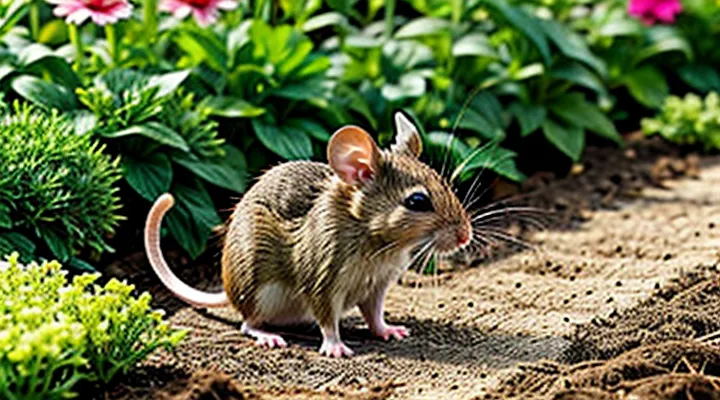
Understanding the Enemy: Garden Mice
Identifying Mouse Activity
«Signs of Presence»
Mice leave unmistakable evidence that a garden plot is being used as a foraging ground. Their activity can be confirmed by inspecting soil, plant bases, and surrounding structures.
- Fresh droppings, 3‑5 mm long, dark‑brown to black, often found near seed trays, compost, or low‑lying foliage.
- Gnaw marks on plant stems, seed heads, and irrigation tubing; teeth create clean, crescent‑shaped cuts.
- Silky tunnels or burrows in loose soil, especially along the edges of raised beds or under mulch.
- Grease or urine stains on surfaces, leaving a faint, musky odor that intensifies after rain.
- Presence of shredded plant material, seed husks, or displaced mulch piles, indicating foraging behavior.
- Small footprints in damp soil or on smooth surfaces, revealing a distinctive four‑toed pattern.
Detecting any combination of these signs warrants immediate implementation of control measures to protect crops and prevent population growth.
«Types of Damage»
Mice infiltrating a vegetable or ornamental bed cause several distinct forms of harm that directly reduce plant vigor and harvest quality.
- Roots are chewed or displaced, impairing water and nutrient uptake and leading to wilting or death of seedlings.
- Seeds and young sprouts are consumed, eliminating emergence and lowering stand density.
- Stems are gnawed, creating entry points for pathogens and weakening structural support, especially in tall or vining crops.
- Bark and tender shoots of woody plants are stripped, exposing cambium and encouraging rot.
- Mulch and compost are disturbed, exposing soil surface and increasing erosion risk.
- Droppings and urine contaminate the growing medium, introducing bacteria and parasites that can infect both plants and humans.
- Irrigation lines and drip emitters are bitten, causing leaks, uneven watering, and increased maintenance costs.
- Plant ties, cages, and trellises are chewed, reducing support for fruiting vines and leading to breakage under load.
Each damage type accelerates plant stress, creates opportunities for secondary infestations, and diminishes overall garden productivity. Prompt identification of these symptoms guides effective control measures and protects the cultivated area from further loss.
Common Mouse Species in Gardens
«Field Mice»
Field mice (Apodemus sylvaticus) are small rodents that frequent cultivated soils, especially where seed heads, weeds, and ground cover provide shelter. Their nocturnal activity includes foraging on seedlings, tubers, and tender leaves, which can reduce plant vigor and lower marketable yield. Burrowing behavior creates shallow tunnels that destabilize soil structure and facilitate fungal invasion.
Physical barriers constitute the first line of defense. Install fine‑mesh (≤1 mm) hardware cloth around the perimeter of the plot, burying the lower edge 15 cm deep to prevent under‑soil entry. Elevate raised beds on a base of compacted gravel, then overlay with the mesh to block climbing.
Habitat modification reduces attractants. Remove fallen fruit, seed heads, and dense ground cover that offer food and cover. Maintain a mulch depth of 5–7 cm using coarse, dry material that deters nesting while allowing moisture retention. Keep irrigation schedules regular but avoid excess moisture that encourages seed germination favored by mice.
Chemical and biological controls may supplement physical measures. Apply rodent‑specific anticoagulant baits in tamper‑proof stations placed at least 2 m from vegetable foliage. Rotate bait locations weekly to prevent habituation. Introduce predatory species such as barn owls by installing nesting boxes at a height of 3–4 m; these natural hunters can reduce mouse populations without chemical residues.
A concise protocol for garden plot management:
- Survey plot for signs of activity (droppings, gnaw marks, burrows).
- Install perimeter mesh and secure edges.
- Clear debris and excess vegetation.
- Apply bait stations following label instructions.
- Set up owl boxes or encourage resident raptors.
- Monitor weekly, adjust barriers and bait placement as needed.
Consistent application of these steps limits field mouse intrusion, preserves plant health, and sustains productive garden output.
«House Mice (Outdoor Habitats)» VOID
House mice readily colonize open garden areas when shelter, food, or water are accessible. Their ability to exploit small gaps and dense vegetation makes garden plots vulnerable to infestation.
These rodents favor locations that provide cover from predators and weather. Typical outdoor refuges include:
- Compost piles and mulched beds where organic material retains moisture.
- Low shrubbery, tall grasses, and ground‑cover plants that conceal nests.
- Burrows adjacent to garden edges, fence lines, or irrigation channels.
Presence is confirmed by several reliable signs:
- Fresh droppings, approximately 3 mm long, scattered near plant stems or pathways.
- Gnaw marks on stems, roots, and garden equipment.
- Silky nests constructed from shredded leaves, paper, or fabric.
- Tracks in soft soil or mulch, often forming small, irregular pathways.
Effective eradication combines immediate control with long‑term prevention:
- Remove food sources by storing seeds, fruits, and pet feed in sealed containers.
- Eliminate shelter by thinning dense ground cover, trimming hedges, and turning compost weekly.
- Install sturdy physical barriers, such as fine‑mesh hardware cloth, around raised beds and under row covers.
- Deploy targeted traps—snap or electronic models—placed along established runways, checked daily, and disposed of according to local regulations.
- Apply rodent‑specific baits only in sealed stations, positioned away from non‑target wildlife and children.
After removal, maintain a hostile environment for reinvasion by regularly inspecting perimeter fences, repairing cracks, and preserving a clean, debris‑free garden surface. Consistent monitoring and habitat management sustain a mouse‑free plot.
Prevention is Key: Deterrent Strategies
Garden Design and Maintenance
«Sanitation Practices»
Effective sanitation reduces the attractiveness of a garden to mice and limits their ability to establish nests. Begin by eliminating all sources of edible material. Remove fallen fruit, vegetable scraps, and seed heads promptly; place them in sealed containers and dispose of them away from the garden area. Keep compost piles covered with tight‑fitting lids and turn them regularly to discourage rodent access.
Maintain a clean surface around planting beds. Sweep away mulch, leaf litter, and plant debris that can serve as shelter. If mulch is used, apply a thin, uniform layer and replace it only after thorough cleaning. Store garden tools, hoses, and irrigation equipment in a dry, enclosed space to prevent moisture buildup that attracts mice.
Manage waste effectively. Install rodent‑proof bins with solid lids, and empty them frequently. Position bins away from garden borders and elevate them on platforms or pallets to reduce direct contact with the soil.
Control water sources. Repair leaks in irrigation lines, drip emitters, and rain barrels. Ensure that standing water is drained or covered, as moisture supports mouse activity and breeding.
Implement regular inspection cycles. Conduct weekly walks through the plot, looking for droppings, gnaw marks, and burrow entrances. Remove identified debris immediately and record locations to monitor patterns.
By maintaining these sanitation measures consistently, the garden environment becomes inhospitable to mice, supporting broader pest‑management strategies.
«Weed Control»
Weed control directly reduces shelter and food sources that attract rodents to garden beds. Dense weed growth creates protected pathways for mice, allowing easy movement between planting rows and hiding spots. Removing these habitats forces mice to seek less favorable environments, increasing the effectiveness of other control measures.
- Identify and eliminate perennial weeds that produce seed heads and dense foliage.
- Apply a pre‑emergent herbicide before germination to prevent annual weed establishment.
- Use a shallow mulch layer (e.g., straw or wood chips) to suppress weed seedlings while maintaining soil moisture.
- Conduct weekly hand‑weeding around the perimeter of the plot to remove any regrowth.
- Rotate crops annually to disrupt weed seed banks and reduce attractants for mice.
Consistent weed management limits the cover that mice rely on, supports healthier plant growth, and enhances overall pest‑reduction strategies.
«Securing Food Sources»
Securing food sources removes the primary incentive for mice to occupy a garden plot, thereby reducing population pressure and limiting damage to plants.
- Harvest ripe produce promptly; leave no fruit on the ground.
- Collect fallen seeds, nuts, and vegetable scraps daily.
- Store grains, beans, and pet feed in sealed metal or heavy‑duty plastic containers with tight lids.
- Use compost bins with fine mesh coverings; turn compost regularly to discourage nesting.
- Keep bird feeders away from the garden and install squirrel‑proof designs that prevent rodent access.
- Apply mulch sparingly; choose coarse, non‑organic materials that do not offer sustenance.
Regular inspection verifies that no new food sources appear. Remove any debris, weed growth, or damaged plant tissue that could serve as a mouse buffet. Maintain the routine to sustain a low‑attractant environment and support overall rodent‑control strategies.
Natural Repellents
«Planting Deterrent Herbs»
Aromatic herbs create an olfactory barrier that discourages rodents from entering garden beds. Their strong volatile compounds mask the scent of seeds and roots, making the area unattractive to mice.
- Mentha spp. (mint) – releases menthol and pulegone, both known to repel small mammals.
- Rosmarinus officinalis (rosemary) – produces camphor and rosmarinic acid, which mice avoid.
- Lavandula angustifolia (lavender) – emits linalool and linalyl acetate, effective in deterring foraging behavior.
- Salvia officinalis (sage) – contains thujone and camphor, compounds that irritate rodent sensory receptors.
- Thymus vulgaris (thyme) – offers thymol and carvacrol, substances that mice find repellent.
Plant herbs in well‑drained soil with a pH of 6.0–7.0, receiving at least six hours of sunlight daily. Space mint and rosemary 30–45 cm apart to prevent overcrowding; lavender and sage may be spaced 45–60 cm to allow airflow. Direct planting in early spring ensures root establishment before peak mouse activity in summer.
Maintain vigor by trimming foliage weekly, removing flower spikes before seed set, and harvesting leaves for culinary use. Mulch with coarse material to discourage burrowing while preserving soil moisture. Avoid excessive nitrogen fertilization, which can increase herb palatability for rodents.
Integrate herb rows with physical deterrents such as wire mesh or raised beds, and keep the garden free of debris and fallen fruit. The combined effect of scent repellent, habitat modification, and barrier protection reduces mouse pressure without chemical intervention.
«Using Essential Oils»
Essential oils provide a botanical alternative for discouraging mice in cultivated beds. Their strong aromas interfere with rodent scent trails, prompting relocation without harming plants.
- Peppermint oil – high menthol concentration, repels rodents on contact.
- Clove oil – eugenol component acts as a deterrent.
- Citronella oil – strong citrus scent disrupts mouse foraging.
- Rosemary oil – woody fragrance deters small mammals.
Apply oils using one of the following methods: soak cotton balls, place them at tunnel entrances and near planting rows; dilute 10 ml oil in 1 L water, spray onto soil surface and around the perimeter; mix a few drops with carrier oil, rub onto garden stakes inserted into the ground. Reapply every 3–5 days, especially after rain.
Observe plant tolerance: dilute oils to avoid foliar burn, test on a single leaf before broad application. Keep treated areas inaccessible to pets and children; some oils can cause irritation if ingested.
Combine oil treatment with physical barriers—mesh fencing, raised beds, and regular removal of debris—to enhance overall effectiveness and sustain a mouse‑free garden plot.
Physical Barriers
«Fencing Solutions»
Physical barriers provide the most reliable method for preventing mice from entering a garden plot. A well‑constructed fence eliminates access points, reduces reliance on chemical deterrents, and protects seedlings from gnawing damage.
Materials suitable for rodent‑proof fencing include:
- Galvanized hardware cloth with mesh openings no larger than ¼ inch (6 mm).
- Stainless‑steel or copper mesh for long‑term corrosion resistance.
- Polyethylene or PVC sheeting reinforced with wire mesh for lightweight applications.
Design specifications must address both vertical and horizontal intrusion. The fence should extend at least 12 inches (30 cm) below ground level to block burrowing, and rise 18–24 inches (45–60 cm) above soil to deter climbing. Overlap sections by 2–3 inches (5–7 cm) and secure joints with stainless‑steel staples or wire ties. Corner posts require additional reinforcement to prevent mice from squeezing through gaps.
Installation procedure:
- Excavate a shallow trench 12 inches deep along the intended perimeter.
- Place the fence material in the trench, ensuring continuous coverage without gaps.
- Backfill with soil, compacting firmly to eliminate voids.
- Anchor vertical posts at 3‑foot intervals using concrete or deep soil packing.
- Attach a rolled‑edge or L‑shaped flange at the base to maintain the underground barrier’s integrity.
Maintenance involves periodic inspection for tears, rust, or ground settlement. Repair any breaches immediately with matching mesh and fasteners. Clean the surface of metal fences to prevent buildup of debris that could create hiding spots.
By adhering to these construction standards, gardeners create a durable, mouse‑exclusion system that safeguards crops and reduces the need for ongoing pest‑control measures.
«Protecting Individual Plants»
Protecting each plant from mouse damage requires targeted measures that limit access, deter foraging, and minimize attraction. Install a fine‑mesh (¼‑inch) cage around the base of vulnerable seedlings, securing it with stakes or garden twine. Ensure the cage extends at least 6 inches below ground to block burrowing. Apply a thin layer of crushed oyster shells or diatomaceous earth around the perimeter; the abrasive texture discourages gnawing while remaining safe for the plant.
Use non‑chemical repellents strategically. Soak cotton balls in peppermint oil and place them near stems, replacing them weekly. Sprinkle dried rosemary or crushed garlic cloves around foliage; the strong scent reduces mouse activity. Combine repellents with physical traps: position snap traps or humane catch‑and‑release devices at mouse runways identified by fresh droppings or gnaw marks. Check traps daily to prevent prolonged suffering and to remove captured rodents promptly.
Maintain a clean growing environment to reduce incentives. Remove fallen fruit, seed pods, and excess mulch that provide food and shelter. Rotate crops annually, avoiding planting the same species in the same spot for more than two seasons. Encourage natural predators by installing birdhouses or providing habitats for barn owls, which help keep mouse populations in check.
Key actions for individual plant protection
- Encase stems with fine‑mesh cages, anchored below soil surface.
- Apply abrasive barriers (oyster shells, diatomaceous earth) around roots.
- Deploy peppermint oil or aromatic herbs as repellents, refreshed regularly.
- Position traps at identified mouse pathways; monitor and clear captures daily.
- Eliminate debris, fallen produce, and excess organic mulch.
- Practice crop rotation and diversify plant species in each plot.
- Foster predator presence through habitat enhancements.
Active Eradication Methods
Trapping Techniques
«Live Traps»
Live traps provide a humane option for removing mice from garden beds without chemical intervention. They capture the animal intact, allowing relocation away from cultivated areas and preventing secondary poisoning of beneficial insects or pets.
When choosing a trap, consider the following attributes:
- Size sufficient for adult house mice (minimum interior dimensions 5 × 5 × 5 cm).
- Durable construction, such as reinforced plastic or metal, to resist gnawing.
- Sensitive trigger mechanism that activates with minimal pressure, ensuring quick capture.
- Secure, ventilated door that closes automatically and remains locked until manually opened.
Effective placement and baiting follow these principles:
- Position traps along established runways, typically beside walls, under mulch, or near seed storage.
- Set traps perpendicular to the wall, with the entrance facing the expected direction of travel.
- Use high‑protein baits—peanut butter, sunflower seeds, or bits of cooked egg—applied sparingly to the trigger plate.
- Avoid placing traps directly in the sun; shade prolongs bait freshness and reduces mouse avoidance.
Maintain traps by checking them at least twice daily. Release captured mice at least 1 km from the garden, preferably in a wooded area with natural shelter. After each capture, clean the trap with a mild disinfectant to remove scent trails that could deter future visits. Integrate live trapping with habitat modification—remove debris, seal entry points, and manage low‑lying vegetation—to reduce reinfestation risk.
«Snap Traps»
Snap traps provide immediate, mechanical control of mice that forage among vegetable rows and ornamental beds. Their design relies on a spring‑loaded bar that delivers a rapid, lethal strike when the trigger is activated by a mouse’s movement. Proper placement, bait selection, and maintenance maximize effectiveness while minimizing risk to non‑target wildlife.
- Position traps along established runways, typically within 30 cm of a wall, fence, or trellis where mice travel.
- Use a small amount of high‑protein bait—peanut butter, sunflower seeds, or bits of cooked meat—applied to the trigger plate.
- Set traps at night; mice are most active after dusk, increasing capture rates.
- Check traps daily, remove carcasses, and reset with fresh bait to sustain pressure on the population.
- Replace worn springs or corroded components promptly; a compromised mechanism reduces lethality and may cause injury without capture.
When integrating snap traps into a broader garden management plan, combine them with habitat modification: eliminate debris, store feed in sealed containers, and maintain clean edges around planting beds. This dual approach reduces attractants while delivering direct removal of rodents, leading to a rapid decline in mouse activity and protecting crops from damage.
«Baiting Strategies»
Effective baiting demands careful selection, placement, and maintenance to suppress mouse activity without harming beneficial organisms.
Choose a bait that matches the target’s preferences and safety requirements. Common options include:
- High‑protein pellets (e.g., dried fish, peanut butter‑based blocks) for rapid uptake.
- Low‑toxicity grain mixes for areas where non‑target wildlife may encounter the bait.
- Commercial rodenticide stations equipped with tamper‑proof covers to limit exposure to pets and children.
Position bait stations near known pathways, nesting sites, and food sources. Place them at ground level, concealed by vegetation but accessible to rodents. Maintain a minimum distance of 2 feet between stations to prevent competition and ensure coverage across the plot.
Schedule bait deployment during peak foraging periods, typically dusk to early night. Replace or refresh bait every 3–5 days, monitoring for consumption and signs of activity. Record observations to adjust station density and bait type as needed.
Rotate active ingredients regularly to deter resistance. Alternate anticoagulant formulations with non‑anticoagulant options, adhering to label‑specified waiting periods before switching.
Secure bait containers with biodegradable mulch or soil cover to protect against rain and wind while preserving efficacy. Dispose of unused bait according to local regulations to avoid environmental contamination.
Baits and Poisons (Use with Caution)
«Understanding Rodenticides»
Rodenticides are chemical agents specifically formulated to control rodent populations that threaten garden productivity. Understanding their classification, mechanisms, and safe use is essential for effective mouse management without compromising plant health or non‑target organisms.
First‑generation anticoagulants, such as warfarin and chlorophacinone, interfere with vitamin K recycling, leading to fatal bleeding after several days of ingestion. Second‑generation compounds—including bromadiolone, difenacoum, and brodifacoum—require lower doses, act more rapidly, and persist longer in the environment. Non‑anticoagulant options, such as zinc phosphide and bromethalin, cause acute toxicity through phosphine gas release or disruption of cellular energy metabolism, respectively.
Key considerations for application:
- Target specificity – Choose formulations labeled for mouse control; avoid broad‑spectrum products that attract beneficial wildlife.
- Dosage and placement – Follow label‑specified concentrations; position baits in low‑traffic, concealed areas near burrow entrances.
- Weather resistance – Use moisture‑proof bait stations to maintain potency during rain or irrigation.
- Secondary poisoning risk – Limit exposure to predators and scavengers by employing tamper‑proof dispensers and removing uneaten bait promptly.
- Regulatory compliance – Verify that the selected rodenticide is approved for horticultural use in your jurisdiction and that you possess any required certifications.
Safety protocols include wearing gloves, washing hands after handling, and storing products in locked containers away from children and pets. Record the date, location, and type of bait used to monitor effectiveness and adjust strategies as needed.
Integrating rodenticides with cultural controls—such as habitat reduction, proper sanitation, and physical barriers—enhances overall efficacy while minimizing chemical reliance. Continuous evaluation of mouse activity and bait performance ensures that chemical interventions remain targeted, responsible, and aligned with sustainable garden management.
«Safe Application Practices»
When applying rodenticides or deterrent solutions in a garden, follow strict safety protocols to protect humans, pets, and beneficial wildlife. Wear chemical‑resistant gloves, goggles, and a dust mask to prevent skin contact and inhalation. Use a calibrated sprayer or applicator that delivers the exact amount recommended on the product label; over‑application increases toxic risk without improving efficacy.
Apply treatments during calm weather, preferably in the early morning or late afternoon when temperatures are moderate. Avoid windy conditions that can disperse particles beyond the target area. Place bait stations at least 30 cm above ground level and secure them to prevent accidental access by non‑target animals.
Maintain a clear log that records the product name, concentration, application date, and exact locations within the plot. This documentation facilitates monitoring, complies with regulatory requirements, and assists in adjusting future interventions.
Dispose of empty containers and residual material according to local hazardous‑waste regulations. Rinse all equipment with water and soap, then store it in a locked, labeled container away from food supplies.
Adhering to these practices minimizes health hazards, preserves ecological balance, and enhances the overall effectiveness of mouse‑control measures in the garden.
«Alternatives to Chemical Poisons»
Effective rodent management in garden beds requires strategies that avoid toxic substances while protecting crops and soil health. The following non‑chemical options provide reliable control when applied correctly.
- Install fine‑mesh hardware cloth (¼‑inch) around the perimeter of raised beds, under the soil surface, and over any openings. Secure the material tightly to prevent burrowing.
- Elevate planting containers on stands or bricks, creating a gap that blocks direct access from the ground.
- Place a continuous barrier of smooth, angled metal flashing around the base of garden structures; mice cannot climb slick surfaces.
Maintain an environment that discourages mouse habitation. Remove debris, fallen fruit, and excess mulch that offer shelter. Keep grass and weeds trimmed to the soil line, and store compost in sealed containers. Regularly turn the soil to expose any hidden nests, disrupting breeding sites.
Introduce natural predators to the garden ecosystem. Encourage barn owls, hawks, and snakes by installing nesting boxes, perches, and rock piles. Plant dense, aromatic herbs such as mint, rosemary, and thyme; strong scents deter rodents without harming plants.
Employ humane trapping methods to reduce populations swiftly. Use snap traps positioned along established runways, baited with peanut butter or oats. Check traps daily, dispose of captured mice promptly, and reset devices as needed. For larger infestations, deploy multiple traps in a grid pattern to increase capture rates.
Combine these measures—physical exclusion, habitat alteration, biological deterrence, and targeted trapping—to achieve sustained mouse control without resorting to poisons. Consistent implementation ensures a healthy, productive garden free from chemical residues.
Natural Predators
«Encouraging Owls and Hawks»
Encouraging owls and hawks creates a natural barrier against garden rodents. These raptors locate prey by sound and movement, making them effective hunters of mice that infiltrate vegetable beds. Providing suitable habitat increases their presence and reduces reliance on chemical controls.
Key habitat features include:
- Nesting boxes mounted 10–15 feet above ground, with entrance holes sized 4–5 inches to accommodate common owl species.
- Perches such as tall, sturdy posts or dead trees positioned near the garden’s edge, allowing hawks to scan the area.
- Open sightlines by trimming dense shrubbery, which improves hunting efficiency and prevents concealment of prey.
Supplementary measures reinforce raptor activity:
- Install low‑intensity lighting that does not disturb nocturnal hunters but deters rodents.
- Preserve ground‑cover insects that serve as secondary food sources, sustaining predator populations throughout the year.
- Avoid pesticides that impair raptor health; opt for targeted, non‑toxic rodent traps when necessary.
Monitoring includes regular inspection of nesting boxes for occupancy, recording predation signs such as feathers or remains, and adjusting perch locations based on observed hunting patterns. Consistent application of these practices establishes a self‑regulating ecosystem, minimizing mouse damage to garden plots.
«Benefits of Garden Snakes»
Garden snakes contribute directly to the reduction of rodent populations in cultivated beds. Their predation lowers the number of mice that damage seedlings and compete for nutrients, providing a biological alternative to chemical controls.
- Natural regulation of mouse numbers through active hunting.
- Decrease in pesticide applications, which preserves beneficial insects and soil microbes.
- Enhancement of soil aeration as snakes move through leaf litter and mulch.
- Promotion of biodiversity, creating a more resilient ecosystem.
To attract and retain snakes, gardeners should maintain dense ground cover, such as native grasses and low shrubs, provide flat stones or logs for basking, ensure a reliable water source, and limit the use of broad‑spectrum poisons. Installing a small, unobtrusive rock pile or a shallow stone slab offers a safe refuge without encouraging pests.
Safety measures include learning to identify venomous species, avoiding direct handling, and educating household members about snake behavior. Properly managed, garden snakes become an effective component of an integrated mouse‑management plan.
Integrated Pest Management for Long-Term Control
Combining Strategies for Effectiveness
Effective mouse control in a garden plot requires the coordinated use of several methods rather than reliance on a single tactic. Combining physical, biological, and chemical measures creates an environment where rodents cannot establish a sustainable presence.
- Install fine‑mesh hardware cloth (¼‑inch openings) around the perimeter of the plot and beneath raised beds to block entry.
- Eliminate shelter by removing dense weeds, excess mulch, and debris that provide cover.
- Deploy snap traps or electronic traps along known runways; position them perpendicular to walls and near burrow openings.
- Apply plant‑derived repellents such as crushed garlic, dried mint, or commercially formulated rodent deterrents; reapply after rain.
- Encourage predatory birds and mammals by installing owl boxes, raptor perches, and providing habitats for hedgehogs or feral cats, where appropriate.
- Maintain strict sanitation: store compost in sealed containers, keep feed and seed bags off the ground, and promptly clean spilled grain or fruit.
Implement the measures in a logical sequence: start with barrier installation, follow with habitat reduction, then add traps and repellents, and finally introduce predators. Monitor trap captures and signs of activity weekly; adjust placement or increase density of barriers when evidence of intrusion persists.
A layered approach reduces the likelihood of resistance, limits reinfestation, and minimizes reliance on any single control method, resulting in a more resilient garden ecosystem.
Monitoring and Adaptation
Effective mouse control begins with continuous observation. Record rodent activity each morning and evening, noting trap captures, gnaw marks, droppings, and soil disturbance. Use a simple log sheet or digital spreadsheet to track dates, locations, and numbers.
- Set snap or live traps at ground level, spaced 2–3 feet apart along suspected runways.
- Install motion‑activated cameras near vegetable beds to capture nocturnal movement.
- Sprinkle a thin layer of flour or sand on the soil surface; examine footprints after 24 hours.
- Place seed‑based bait stations in concealed spots, checking them daily for consumption.
Analyze collected data weekly. Identify hotspots where capture rates exceed two rodents per trap, and note any shifts in activity patterns. Correlate findings with environmental changes such as rainfall, temperature, or recent planting.
Adaptation follows analysis. In high‑activity zones, increase trap density or rotate bait types to prevent habituation. Reduce shelter by removing dense mulch, tall weeds, and debris that provide cover. Adjust planting schedules to avoid overlapping growth periods that attract mice. If bait effectiveness declines, replace with a new protein source or add a mild repellent such as crushed peppermint leaves.
Maintain the monitoring cycle throughout the growing season. Prompt adjustments based on recorded trends prevent population rebounds and protect crops with minimal chemical intervention.
Seasonal Considerations
Mice activity in a garden plot varies with temperature, moisture, and food availability. Adjust control measures to each season to maintain effectiveness.
In spring, rising temperatures stimulate breeding and increase foraging. Reduce shelter by clearing debris, trimming low vegetation, and storing mulch in sealed containers. Install low, sturdy fencing around the plot and check for gaps after heavy rains. Place snap traps or electronic devices near known runways before populations expand.
During summer, abundant seed and fruit attract rodents. Harvest ripe produce promptly and compost only in sealed bins. Keep irrigation drip lines underground to prevent standing water that encourages burrowing. Replace bait regularly, as heat accelerates spoilage.
Autumn brings leaf fall and cooler nights, providing cover for nesting. Remove fallen leaves and compost them only after thorough heating or high‑temperature composting. Apply a thin layer of coarse sand around plant bases to discourage digging. Conduct a final inspection of all entry points before winter sets in.
Winter reduces activity but mice seek warmth and stored food. Seal any cracks in garden structures, and place insulating barriers such as hardware cloth beneath raised beds. Use bait stations with winter‑stable attractants, checking them weekly for depletion. Maintain a clean perimeter to prevent rodents from using the garden as a shelter corridor.
Seasonal checklist