
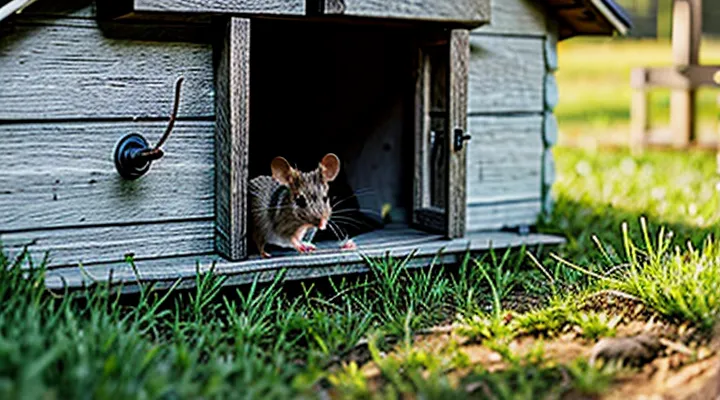
Understanding the Mice Problem in Summer Cottages
Why Mice are Attracted to Cottages
Food Sources
Mice invade a summer cottage primarily because of accessible food. Identifying and eliminating these resources reduces infestation risk.
Common attractants include:
- Unsealed grain, flour, or cereal containers.
- Pet food left out overnight.
- Fruit, berries, or vegetable scraps on countertops.
- Birdseed spilled near windows or doors.
- Compost piles with exposed organic matter.
Folk remedies that deny mice access to food:
- Store dry goods in airtight glass jars or metal containers with rubber seals.
- Place a thin layer of dried chili powder or cayenne around pantry shelves; rodents avoid strong capsaicin.
- Sprinkle powdered cloves or crushed garlic near entry points; the scent deters foraging.
- Hang dried bay leaves in cabinets and drawers; the aromatic oils act as a natural repellent.
- Mix equal parts water and white vinegar; wipe surfaces after meals to remove lingering odors that attract rodents.
- Keep compost in a sealed bin with a tight-fitting lid; line the bottom with sand to discourage burrowing.
Maintaining these practices removes the primary lure for mice, supporting the overall strategy of pest control through traditional methods.
Shelter and Warmth
Mice seek out the most comfortable spots in a summer cottage, gravitating toward areas that provide shelter and retain heat. Gaps around windows, doors, and roof eaves create hidden chambers where rodents can nest, while insulated walls or stored firewood offer additional warmth. Identifying and eliminating these micro‑habitats reduces the attraction for mice and limits their ability to establish a breeding population.
- Seal all openings larger than ¼ inch with steel wool, caulk, or weather‑stripping.
- Install mesh screens on ventilation ducts and chimney flues.
- Remove excess debris, such as fallen leaves or stacked lumber, from the cottage perimeter.
- Store firewood at least 30 cm off the ground and away from the building’s foundation.
Folk remedies that target shelter and warmth focus on making the environment inhospitable. Sprinkling dried rosemary or cloves in suspected entry points releases strong aromas that rodents avoid. A solution of vinegar and water applied to cracks dries quickly, creating a bitter taste that deters chewing. Additionally, placing sachets of dried mint leaves near stored heat sources interferes with mice’s scent trails, discouraging them from nesting in those areas.
Consistent monitoring of sealed gaps and periodic reapplication of natural deterrents sustain a mouse‑free cottage throughout the summer season.
Proximity to Nature
A summer cottage nestled in a forested area often coexists with wildlife, making chemical rodenticides undesirable. Traditional, nature‑based tactics align with the environment and reduce contamination of nearby streams and garden beds.
Local vegetation supplies several aromatic deterrents. Mint, lavender, rosemary, and thyme release scents that mice avoid. Crushed garlic cloves or dried hot pepper placed in corners create an unfriendly olfactory barrier. Dried citrus peels, when scattered near entry points, add an additional repellent effect.
Predatory birds and domesticated cats provide continuous pressure on rodent populations. Installing simple perches for owls or encouraging barn owls to nest in the loft creates a natural surveillance system. A single well‑trained cat can patrol the perimeter without the need for traps.
Effective deployment depends on strategic placement. Deterrents should be positioned near known entryways, food storage areas, and warm shelter spots. Refresh plant material every two weeks to maintain potency. Seasonal shifts may alter mouse activity; during hot months, concentrate repellents near outdoor sheds and garden sheds where mice seek shade.
Combining plant‑based repellents with natural predators leverages the cottage’s proximity to nature, delivering a sustainable, low‑impact solution for rodent control.
Signs of a Mouse Infestation
Droppings and Urine Stains
Droppings and urine stains are the most reliable indicators of a mouse presence in a seasonal cottage. Fresh droppings appear as small, dark, rice‑shaped pellets, typically found along walls, under cabinets, and near food storage. Older droppings turn grayish and may crumble when disturbed. Urine stains manifest as faint yellow or amber discolorations on wood, fabric, or plaster, often accompanied by a sharp, ammonia‑like odor.
Health risks stem from pathogens carried in rodent waste, including hantavirus, salmonella, and leptospirosis. Direct contact or inhalation of dust particles contaminated with dried droppings can trigger severe respiratory issues. Prompt removal of waste eliminates the primary source of infection and discourages further infestation.
Effective folk‑based cleaning protocol:
- Wear disposable gloves and a mask; isolate the area from pets and children.
- Sprinkle a layer of diatomaceous earth over droppings and urine‑stained surfaces; leave for 30 minutes to desiccate particles.
- Vacuum the powder using a sealed bag or a HEPA‑filtered device; discard the bag immediately.
- Mix equal parts white vinegar and water; apply to the cleaned area with a spray bottle. Vinegar neutralizes odor and inhibits bacterial growth.
- For porous materials (carpet, upholstery), sprinkle baking soda, let sit for 15 minutes, then vacuum. Baking soda absorbs residual moisture and odor.
- After drying, wipe the surface with a solution of 10 % hydrogen peroxide and a few drops of tea tree essential oil; this combination offers antimicrobial action and a lingering deterrent scent.
Regular inspection of droppings and urine stains, followed by the described folk remedies, reduces the likelihood of a thriving mouse population and safeguards the cottage’s habitability during the summer months.
Gnaw Marks
Gnaw marks reveal the pathways mice use to access food, shelter, and nesting material. Fresh, shallow cuts on wood, plastic, or wiring indicate recent activity, while deeper, ragged edges suggest repeated chewing. Identifying these signs allows precise placement of folk deterrents, reducing the need for widespread chemical treatment.
Inspect all interior surfaces, especially near pantry shelves, baseboards, and attic entry points. Record the location, depth, and orientation of each mark. Use this data to prioritize areas where natural repellents will have the greatest impact.
Apply traditional remedies directly to the affected zones:
- Sprinkle ground dried mint or rosemary around the edges of gnawed openings; the strong scent discourages further chewing.
- Soak cotton balls in a mixture of vinegar and water, then tuck them into cracks and holes marked by gnawing; acidity irritates rodent sensory receptors.
- Create a paste of powdered garlic and chalk; press it onto the outer surface of gnaw marks. The combination creates an unpleasant taste and visual barrier.
- Hang bundles of dried lavender or sage near identified pathways; volatile oils interfere with mice’s scent trails.
After treatment, monitor the marks weekly. A reduction in fresh gnawing indicates the remedy’s effectiveness; persistent activity may require reapplication or additional folk methods such as predator scent sachets or ultrasonic devices. Regular maintenance—sealing new openings, storing food in airtight containers, and keeping the cottage dry—prevents the re‑establishment of gnaw marks and the mouse population they signal.
Scratching Noises
Scratching noises heard at night or early morning often signal the movement of mice within a cottage’s walls, attic, or under floorboards. Rodents create these sounds while nesting, gnawing, or searching for food, and the intensity increases when populations grow.
The noises typically originate from concealed entry points such as gaps around pipes, unsheathed wiring, or poorly sealed windows. Identifying the exact location helps target folk‑based interventions effectively.
- Apply powdered chalk or charcoal to suspected entryways; rodents avoid dry, dusty surfaces.
- Place bundles of dried lavender, mint, or rosemary near walls; strong herbal scents deter mouse activity.
- Use a mixture of powdered cayenne pepper and ground cloves on floor edges; the pungent aroma irritates rodent sensory receptors, reducing movement.
- Set up simple snap traps baited with peanut butter or oat flakes; immediate capture eliminates the source of scratching.
Maintain a clean environment by storing food in airtight containers, sealing cracks with lime‑based mortar, and keeping vegetation trimmed away from the building. These steps minimize attractants and prevent new rodents from entering, thereby reducing audible scratching.
Folk Remedies for Mouse Control
Repellents Based on Scent
Peppermint Oil
Peppermint oil is a potent deterrent against mice in a seasonal cottage when applied correctly. The strong menthol scent overwhelms rodents’ olfactory receptors, causing them to avoid treated areas. Unlike chemical poisons, the oil poses no risk to humans or pets when used in recommended concentrations.
Effective application includes the following steps:
- Soak cotton balls in pure peppermint essential oil (approximately 10 ml per 100 ml of water for dilution).
- Place the saturated balls in locations where mice activity is observed: near entry points, along baseboards, behind appliances, and inside storage closets.
- Replace cotton balls every 3–5 days to maintain scent intensity.
- Combine oil‑treated balls with natural barriers such as steel mesh on vents and sealed gaps to prevent re‑entry.
Safety considerations: avoid direct skin contact with undiluted oil; wear gloves when handling. Store oil in a cool, dark place to preserve potency. Do not apply oil on food surfaces or near open flames, as the volatile compounds are flammable.
When integrated with standard preventive measures—sealing cracks, removing food debris, and maintaining clean surroundings—peppermint oil contributes to a sustainable, low‑toxicity strategy for rodent control in a summer retreat.
Essential Oil Blends («eucalyptus», «tea tree»)
Essential oil blends containing eucalyptus and tea tree offer a natural deterrent against mice in a seasonal cottage. Both oils emit volatile compounds that irritate rodent sensory receptors, prompting avoidance of treated areas.
Preparation and application
- Mix 10 ml eucalyptus oil with 10 ml tea tree oil in a dark glass bottle. Add 200 ml water and shake vigorously to create an emulsion.
- Transfer the mixture to a spray bottle. Apply to entry points, baseboards, and interior corners once daily for the first week, then reduce to every other day.
- Soak cotton balls in the undiluted blend and place them in hidden locations such as under furniture, inside cabinets, and near stored firewood. Replace every 48 hours.
Safety considerations
- Verify that pets and children cannot access treated surfaces; both oils can cause skin irritation in high concentrations.
- Test a small area before widespread use to ensure no discoloration of fabrics or finishes.
- Store the blend in a sealed container away from direct sunlight to preserve potency.
Integration with other folk practices
- Combine oil treatment with physical barriers (steel wool, mesh) to block ingress.
- Maintain a clean environment by removing food debris and sealing waste containers, reinforcing the repellent effect of the oils.
The described blend provides a straightforward, low‑toxicity method for discouraging rodent activity in a summer retreat.
Strong-Smelling Herbs («bay leaves», «wormwood»)
Strong‑smelling herbs such as bay leaves (Laurus nobilis) and wormwood (Artemisia absinthium) deter mice through volatile compounds that irritate the rodents’ olfactory receptors. The aromatic oils released by these plants create an environment that mice avoid, making them useful for passive protection in a seasonal dwelling.
- Placement – Distribute whole bay leaves in corners, under furniture, and inside pantry shelves. Position dried wormwood bundles near entry points, in attic spaces, and along wall cracks where mice may travel.
- Quantity – Use a minimum of five bay leaves per location; a single bundle of wormwood (approximately 30 g) suffices for a small cottage room. Replace herbs every two weeks, or sooner if the scent fades.
- Preparation – Store dried leaves and stems in airtight containers until deployment. Avoid crushing; intact foliage releases the maximum amount of essential oil over time.
- Safety – Both herbs are non‑toxic to humans and pets when used externally. Keep them away from food preparation surfaces to prevent accidental ingestion of large quantities.
- Effectiveness – Field observations report reduced mouse activity within 48 hours of deployment. Herbs do not eradicate infestations; they function as a deterrent that should accompany structural sealing and sanitation measures.
Integrating bay leaves and wormwood into a comprehensive folk‑based rodent control plan enhances the likelihood of keeping a summer cottage free of mice without resorting to chemical products. Regular monitoring and renewal of the herbs maintain the repellent effect throughout the warm season.
Vinegar
Vinegar is a widely available folk remedy that deters rodents by emitting a strong, unfamiliar odor. Mice rely on scent to locate safe pathways; the acetic acid vapour disrupts their navigation and discourages entry.
To employ vinegar effectively in a summer cottage, follow these steps:
- Mix equal parts white distilled vinegar and water in a spray bottle.
- Spray the solution along baseboards, entry gaps, and around stored food containers.
- Reapply every 48 hours, especially after rain or heavy cleaning.
- Combine with other deterrents, such as peppermint oil or steel wool, to cover multiple sensory cues.
Safety considerations include avoiding direct contact with open wounds and keeping the solution away from food preparation surfaces until it has evaporated. Vinegar does not kill mice; it merely creates an inhospitable environment, prompting relocation. For persistent infestations, integrate vinegar treatment with trapping and structural sealing to achieve lasting results.
Physical Barriers and Traps
Homemade Traps («bucket traps», «glue traps»)
Homemade bucket traps provide a simple, reusable solution for catching mice in a seasonal cottage. Assemble a 5‑liter bucket, a wooden plank or sturdy stick, and a small piece of cheese or peanut butter as bait. Position the plank as a ramp leading to the bucket’s rim, securing it with nails or strong tape. Place the bait at the far end of the ramp; a mouse will climb, lose footing at the edge, and fall into the bucket. Fill the container with a thin layer of sand or water to prevent escape. Check the trap daily, release captured rodents far from the property, and reset the bait as needed.
Glue traps, another folk remedy, rely on a sticky surface that immobilizes rodents. Use a low‑toxicity adhesive, such as a mixture of corn syrup and powdered sugar, spread thinly on a piece of cardboard or an old newspaper. Position the trap along walls, behind furniture, and near known entry points, where mice travel close to surfaces. Replace the adhesive after each capture to maintain effectiveness. Dispose of trapped mice in sealed bags to avoid odor and secondary infestations.
Both methods require strategic placement. Identify active pathways by observing droppings, gnaw marks, and food spillage. Install bucket traps at a minimum of 30 cm above the ground to avoid interference from other animals. Position glue traps perpendicular to the wall, with the sticky side facing the anticipated travel direction. Rotate trap locations weekly to cover new activity zones.
Safety considerations include keeping traps out of reach of children and pets. Use natural bait such as sunflower seeds or oat flakes to minimize attraction of non‑target species. Regular cleaning of bucket interiors prevents bacterial growth, while proper disposal of glue‑bound rodents reduces health risks. Combining these homemade devices with sealing cracks and storing food in airtight containers creates a comprehensive, low‑cost strategy for rodent control in a summer cottage.
Blocking Entry Points
Preventing rodents from entering a seasonal cottage begins with eliminating every possible opening. Inspect the structure thoroughly; mice can squeeze through gaps as small as a quarter‑inch. Seal cracks around foundations, windows, and doors with materials that resist weathering and are readily available in traditional households.
- Apply a mixture of clay and straw to fill gaps in wooden frames; the composition hardens and deters burrowing.
- Coat vent openings with fine mesh (¼‑inch wire) secured by twine or natural resin to maintain airflow while blocking rodents.
- Pack dry herbs such as lavender or mint into cracks; the strong scent repels mice and the dried material fills voids.
- Use boiled river stones or sandbags at the base of exterior walls; the weight prevents digging and the smooth surface discourages climbing.
- Install wooden shutters fitted tightly to window frames; attach them with hemp rope and a thin layer of beeswax to create a flexible, weather‑proof seal.
Regularly check the integrity of these barriers, especially after heavy rain or strong winds. Replace worn natural sealants before gaps reappear, and keep surrounding vegetation trimmed to reduce cover for rodents. By maintaining a continuous, sealed perimeter, the cottage becomes inhospitable to mice without resorting to chemical interventions.
Cleaning and Decluttering
Cleaning and decluttering create an environment that discourages rodents from entering a summer cottage. Removing food residues, sealing storage, and eliminating hiding places reduce the attractiveness of the site for mice.
- Sweep floors and wipe surfaces daily to eliminate crumbs and spills.
- Store all edible items in airtight glass jars or metal containers.
- Dispose of garbage in sealed bags and remove it from the cottage at least once a week.
- Clear clutter such as stacks of firewood, piles of clothing, and unused equipment from corners and under furniture.
- Trim vegetation and remove debris around the foundation to prevent external access points.
- Inspect and clean behind appliances, inside cabinets, and in attic spaces where droppings may accumulate.
Maintain a regular schedule: weekly deep cleaning of kitchens and storage areas, monthly inspection of structural gaps, and seasonal removal of outdoor clutter. Consistent adherence to these practices sustains the efficacy of traditional rodent‑deterrent methods.
Natural Predators
Encouraging Cats
Cats naturally hunt rodents, making them an effective component of a traditional mouse‑control strategy for a seasonal cottage. Their presence deters mice, reduces breeding opportunities, and can eliminate existing individuals without chemical intervention.
- Provide shelter: place a small, insulated box with bedding in a quiet corner of the cottage.
- Ensure access: keep a clear pathway from the exterior to the interior, allowing free movement.
- Offer food: supply dry cat food or occasional treats, but avoid overfeeding to prevent dependence on human provisions.
- Maintain health: schedule regular veterinary checks, vaccinate, and apply parasite control to keep the cat active and disease‑free.
- Encourage play: add scratching posts and toys to stimulate hunting instincts, increasing the likelihood of mouse pursuit.
When integrating a cat, verify that the animal is comfortable with the cottage’s layout and that local regulations permit domestic felines. Remove potential hazards such as unsecured windows or toxic plants. Monitor mouse activity after introduction; a noticeable decline typically occurs within a few weeks, confirming the cat’s contribution to the rodent‑reduction plan.
Attracting Owls
Owls are efficient predators of mice and can significantly reduce rodent activity in a rural retreat. Their nocturnal hunting habits align with the peak activity periods of house mice, making them a natural control agent.
To encourage owls to occupy the property, implement the following measures:
- Install sturdy nest boxes at heights of 10–15 feet, using entrance holes of 4 inches to suit species such as the barn owl or tawny owl. Position boxes near open fields or woodland edges where prey is abundant.
- Provide unobstructed perching sites: install wooden or metal poles 12–15 feet tall, spaced 30–40 feet apart, to allow owls to scan for movement.
- Reduce artificial lighting at night; dim or shield exterior lights to maintain a dark environment that attracts nocturnal hunters.
- Preserve natural vegetation and hedgerows that offer cover and nesting material, avoiding excessive pruning or clearing.
- Limit the use of rodenticides and strong chemical repellents, which can poison owls directly or indirectly through the food chain.
Regularly inspect nest boxes for debris and ensure entry holes remain clear. Monitoring owl activity—through sightings or auditory cues—provides immediate feedback on the effectiveness of the attraction strategy and the consequent decline in mouse presence.
Prevention and Long-Term Strategies
Regular Cottage Maintenance
Sealing Cracks and Gaps
Sealing cracks and gaps is a direct method for preventing mouse entry in a seasonal cottage. The approach relies on eliminating all potential passageways that rodents can exploit.
First, conduct a systematic inspection of the building envelope. Walk around the exterior, focusing on foundations, window frames, door thresholds, roof eaves, and utility penetrations. Inside, examine walls, cabinets, and storage areas for small openings.
Next, apply appropriate sealing materials:
- Use silicone or acrylic caulk for narrow fissures around windows and doors.
- Insert steel wool into larger holes, then cover with expanding foam to create a durable barrier.
- Fit weather‑stripping on movable doors and windows to block gaps that open and close.
- Seal gaps around pipes and cables with metal mesh or cement‑based filler.
After sealing, perform a verification step. Run a thin piece of paper or a flashlight beam along treated seams; any visible movement indicates an incomplete seal. Re‑apply material as needed.
Maintain the integrity of the barriers by inspecting them seasonally. Replace deteriorated caulk, refresh weather‑stripping, and repair any new cracks caused by settlement or weather exposure.
By systematically identifying and sealing every opening, the cottage becomes inhospitable to mice, reducing reliance on chemical controls and aligning with traditional, low‑impact pest‑management practices.
Proper Food Storage
Proper food storage is a cornerstone of rodent control in a seasonal cottage, especially when relying on traditional, non‑chemical methods. Mice are attracted to accessible, odorous food sources; eliminating these attractions reduces the likelihood of infestation.
Store all dry goods—grains, cereals, nuts, and dried fruit—in containers made of glass, metal, or heavy‑wall plastic with tight‑locking lids. Ensure seals remain intact after each use; replace damaged containers promptly. Keep containers off the floor, preferably on shelves at least six inches from walls, to prevent mice from climbing directly onto them.
Maintain a clean pantry environment. Sweep and wipe shelves daily to remove crumbs. Dispose of waste in sealed bags and remove it from the cottage at least once a week. Do not leave pet food, birdseed, or leftover meals uncovered overnight.
Implement natural deterrents within storage areas:
- Place a few dried lavender sprigs or sachets of dried rosemary on shelves; their scent repels rodents.
- Scatter small amounts of powdered cayenne pepper or ground cloves around container bases; these powders irritate mice’s sensory organs.
- Use a thin layer of diatomaceous earth on the floor near food storage; it damages the exoskeleton of crawling insects that might attract mice.
Rotate stored supplies regularly. Use older items first and discard any product that shows signs of moisture, mold, or rodent damage. Regular rotation prevents long‑term exposure that could draw mice seeking stale or compromised food.
Finally, inspect storage areas weekly for signs of gnaw marks, droppings, or shredded packaging. Promptly repair any gaps in walls, floors, or door frames that could provide entry points. Consistent, disciplined food storage eliminates the primary lure for mice, reinforcing the effectiveness of folk‑based rodent‑control strategies.
Waste Management
Effective waste handling directly reduces food sources that attract rodents, a critical factor when applying traditional mouse‑deterrent methods in a seasonal cottage.
Store all waste in sealed, rodent‑proof containers. Empty bins daily to prevent odor buildup. Keep compost piles away from the building, cover them with wire mesh, and turn them regularly to accelerate decomposition and discourage burrowing.
Separate organic refuse that can be transformed into folk repellents. Dry rosemary stems, mint leaves, or dried lavender buds—byproducts of kitchen waste—can be placed in sachets near entry points. Ground pepper or garlic skins, also derived from kitchen scraps, may be scattered along baseboards to create an unfriendly environment for mice.
- Use airtight bins for food scraps; avoid open piles.
- Position waste containers on concrete pads to block gnawing.
- Apply natural repellents made from kitchen waste at door thresholds and window sills.
- Regularly inspect and repair gaps in walls, vents, and eaves where waste might accumulate.
- Rotate and replace organic deterrents every two weeks to maintain potency.
By integrating disciplined waste management with readily available folk ingredients, a summer cottage can sustain a rodent‑free condition without reliance on chemical agents.
Seasonal Preparation
Winterizing Your Cottage
Winterizing a cottage creates a barrier that deters rodents from entering when temperatures drop. Proper sealing of openings, removal of attractants, and use of traditional repellents form a reliable defense.
- Inspect walls, roof eaves, and foundation for cracks; fill gaps with steel wool and caulk.
- Install weather‑stripping on doors and windows; ensure tight closure.
- Store firewood off the ground and away from the building envelope.
- Relocate pet food, birdseed, and compost to sealed containers.
- Clear debris, leaf litter, and overgrown vegetation near the structure.
Folk remedies complement physical barriers. Cedar shavings placed in corners and attic spaces emit a scent that mice avoid. Peppermint oil, diluted with water, can be sprayed along entry points and along baseboards; the volatile compounds act as a natural deterrent. Dried lavender bundles hung in storage rooms add a secondary repellent effect.
During the heating season, monitor for signs of activity—droppings, gnaw marks, or nesting material. Replace compromised seals promptly, refresh peppermint sprays weekly, and replenish cedar bedding as needed. Continuous upkeep preserves the cottage’s integrity and minimizes the likelihood of rodent intrusion throughout winter.
Pre-Opening Inspection
A thorough inspection before occupying a seasonal cottage is essential for preventing rodent activity when relying on traditional control methods. The inspection should verify that the environment is prepared to support folk remedies and to deny mice shelter and food sources.
- Examine the building envelope for gaps larger than 6 mm; seal cracks with natural materials such as clay, lime mortar, or cotton‑filled hemp rope.
- Inspect eaves, soffits, and roof vents; install fine mesh made from woven willow or sisal to block entry while preserving airflow.
- Check interior walls and floorboards for signs of gnawing; replace damaged sections with untreated pine or oak that can be treated with a mixture of garlic oil and vinegar.
- Locate potential food storage areas; line pantry shelves with dried bay leaves or mint sprigs, which emit scents that repel rodents.
- Assess water sources; eliminate standing moisture by applying a poultice of dried barley husks around leaky pipes, discouraging mice from nesting nearby.
After sealing entry points and applying the selected natural deterrents, conduct a visual sweep of each room. Confirm that no droppings, gnawed materials, or nesting debris remain. Record findings in a checklist, noting any residual issues that require further treatment. Only when the cottage passes this verification should occupancy commence, ensuring that folk‑based rodent control remains effective throughout the summer season.
Monitoring and Follow-Up
Routine Checks
Routine checks form the backbone of any successful rodent‑control plan in a seasonal cottage. By inspecting the property regularly, you identify early signs of mouse activity before populations expand, allowing folk remedies to work efficiently.
Key inspection points include:
- Exterior walls and foundation for gaps, cracks, or holes; seal with natural materials such as clay or lime plaster.
- Roof eaves, soffits, and vent openings; examine for gnaw marks and block with twisted pine bark or dried hemp rope.
- Storage areas, especially pantry shelves and firewood stacks; look for droppings, gnawed packaging, and displaced food items.
- Indoor corners, under cabinets, and behind appliances; check for shredded insulation, nests made of shredded paper, or faint urine odor.
- Water sources, including outdoor taps and rain barrels; ensure lids are tight and no condensation creates damp spots.
Conduct these inspections at least once a week during the warm months, recording any findings in a simple log. Immediate repair of identified entry points, combined with traditional deterrents such as dried mint, rosemary sprigs, or a solution of vinegar and water, maximizes the likelihood of keeping the cottage mouse‑free.
Addressing Recurrent Issues
Mice often return to a summer cottage even after initial folk treatments, indicating that the underlying causes have not been fully resolved. Persistent infestations typically stem from accessible food sources, structural gaps, and inadequate sanitation, which provide continuous shelter and nourishment.
To break the cycle, follow a structured protocol:
- Eliminate attractants – store all food in airtight containers, clean crumbs promptly, and secure compost bins away from the building.
- Seal entry points – inspect walls, doors, windows, and foundations for cracks; apply steel wool and caulk to block passages that rodents can exploit.
- Deploy deterrent plants – plant mint, lavender, or rue around the perimeter; their strong scents discourage mice without chemical intervention.
- Use traditional traps – set up snap traps or bucket traps baited with peanut butter or oats; position them along walls and near known activity zones.
- Maintain dry conditions – repair leaks, improve ventilation, and keep storage areas free of moisture, which reduces nesting suitability.
After implementation, conduct weekly inspections to verify that no new signs of activity appear. Replace depleted baits, reset traps, and reapply sealants as needed. Consistent monitoring and prompt corrective actions prevent re‑establishment of mouse populations and sustain the effectiveness of folk-based control measures.