
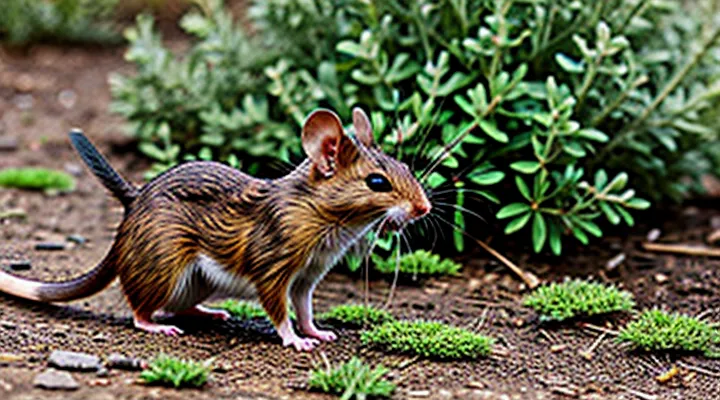
Understanding Field Mice
Identifying Field Mice Infestation
Signs of Presence
Field mice leave unmistakable evidence that indicates their activity and helps target control measures. Recognizing these indicators early prevents population growth and reduces damage to crops, stored feed, and infrastructure.
- Fresh droppings, typically 2–5 mm long, dark brown to black, found along walls, under equipment, or in feed stores.
- Gnaw marks on wood, plastic, or wiring, often round-toothed and concentrated near entry points.
- Nests constructed from shredded material such as paper, fabric, or insulation, located in hidden corners, under pallets, or within wall cavities.
- Trail mucus or urine deposits, visible as a faint, oily sheen on surfaces, especially near food sources.
- Audible sounds, including scratching or scurrying, heard especially at night when mice are most active.
- Unexplained food loss or contamination, evidenced by partially eaten seeds, grain spillage, or chewed packaging.
Each sign confirms the presence of field mice and guides the selection of appropriate eradication tactics. Prompt identification allows swift implementation of traps, baits, and exclusion methods to eliminate the infestation.
Common Hiding Spots
Field mice thrive by exploiting concealed areas that provide shelter, warmth, and easy access to food. Recognizing these locations is essential for any effective rodent control plan.
- Wall voids and behind baseboards
- Under appliances such as refrigerators, stoves, and dishwashers
- Inside pantry shelves, especially where grain products are stored
- Within insulation material in attics and crawl spaces
- Beneath floorboards and in joist spaces
- Inside wall cavities near electrical outlets and wiring
- In stored firewood piles and lumber stacks
- Within furniture cushions, especially sofas and upholstered chairs
- Around plumbing fixtures, including under sinks and behind water heaters
- In cluttered storage closets, laundry hampers, and cardboard boxes
Inspection should focus on signs of activity: droppings, gnaw marks, shredded materials, and faint rub marks along walls. Use a flashlight to examine dark corners and probe potential entry points with a thin rod or wire. Seal identified gaps with steel wool, caulk, or hardware cloth before deploying traps or baits.
Consistent monitoring, combined with prompt exclusion of discovered hiding spots, reduces reinfestation risk and supports long‑term mouse eradication.
Why Field Mice are a Problem
Health Risks
Field mice carry a range of pathogens that can affect humans and domestic animals. Direct contact with mouse droppings, urine, or saliva introduces bacteria, viruses, and parasites into the environment.
- Hantavirus: Transmitted through inhalation of aerosolized particles from dried urine or feces; can cause severe respiratory illness and, in some cases, death.
- Salmonella: Contaminates food and surfaces; ingestion leads to gastrointestinal infection with fever, diarrhea, and dehydration.
- Leptospirosis: Spread via urine that contaminates water or soil; can cause kidney damage, liver failure, and meningitis.
- Lymphocytic choriomeningitis virus (LCMV): Enters through broken skin or mucous membranes; may produce flu‑like symptoms, meningitis, or encephalitis.
- Parasites (e.g., Hymenolepis nana, Giardia): Shed in feces; ingestion results in abdominal pain, malabsorption, and chronic fatigue.
Allergic reactions to mouse dander and droppings are common, especially among individuals with asthma or other respiratory conditions. Repeated exposure can exacerbate symptoms, leading to increased medication use and reduced quality of life.
Mitigating these health threats requires prompt removal of mouse infestations, thorough sanitation of contaminated areas, and protective measures such as gloves and masks during cleanup. Regular monitoring and exclusion techniques reduce the likelihood of re‑infestation, thereby limiting ongoing exposure to disease agents.
Property Damage
Field mice frequently compromise structural integrity, electrical systems, and stored goods. Their gnawing habit damages insulation, wiring, and wooden components, creating fire hazards and costly repairs. Contamination of food supplies and bedding materials arises from urine and droppings, leading to health risks and product loss.
Typical damage includes:
- Chewed electrical cords, causing short circuits.
- Burrowed foundations, weakening walls and floors.
- Torn insulation, reducing energy efficiency.
- Spoiled grain, seeds, and pet food from contamination.
Damage results from the animals’ need to build nests, access food, and create pathways. Continuous gnawing weakens materials, while nesting material accumulates, attracting further infestations.
Preventive actions:
- Seal entry points larger than ¼ inch with steel wool, cement, or metal flashing.
- Install metal or hard‑plastic barriers around utility lines and pipe openings.
- Store dry goods in airtight containers made of glass or heavy‑wall plastic.
- Maintain a clean environment: remove debris, trim vegetation, and eliminate standing water.
- Place traps or bait stations along known runways, checking and resetting them regularly.
After implementing barriers, conduct a thorough inspection of walls, attics, and crawl spaces. Replace damaged wiring, repair compromised insulation, and disinfect contaminated areas with an appropriate rodent‑borne pathogen sanitizer. Document findings and schedule quarterly reviews to ensure ongoing protection against field mouse‑induced property damage.
Prevention Strategies
Sealing Entry Points
Inspecting Your Home's Exterior
Inspecting the exterior of a residence is a critical first step in preventing field mice from establishing entry points. Identify every potential route that rodents could use to gain access to the interior.
- Examine the foundation for cracks, gaps around utility penetrations, and loose siding.
- Inspect doors and windows; verify that weatherstripping is intact and that thresholds seal tightly.
- Survey the roofline for openings around vents, chimneys, and eaves; ensure flashing is secure.
- Check the perimeter for overgrown vegetation, mulch piles, and debris that can conceal nests or provide cover.
- Look for signs of gnawing on wood, plastic, or metal components.
Repair identified deficiencies promptly. Use steel wool or copper mesh to fill small openings, then apply a durable sealant or hardware cloth for larger gaps. Trim shrubs and trees to maintain a minimum two‑foot clearance from the building envelope. Relocate firewood, compost, and storage bins at least three feet away from the structure and elevate them off the ground. Install tight-fitting door sweeps and ensure that garage doors close fully without gaps.
A systematic exterior inspection, followed by immediate remediation, removes the primary avenues field mice exploit. Regularly repeat the assessment each season to sustain a barrier against future infestations.
DIY Sealing Methods
Effective control of field mouse populations begins with sealing all possible entry points. Identify gaps larger than a quarter‑inch in walls, foundations, roof eaves, vents, and utility penetrations. Inspect exterior siding, siding trim, and door thresholds for cracks or loose caulking.
Use the following materials for a durable seal:
- Steel wool or copper mesh – compress into gaps to deter chewing.
- Expanding polyurethane foam – apply to irregular openings, then trim excess.
- Silicone or acrylic caulk – fill small cracks and seams around windows and doors.
- Sheet metal flashing – cover larger gaps around pipes and vent shafts.
- Weather‑stripping – install on doors and movable windows to block gaps.
Apply the sealing process in these steps:
- Clean each opening of debris, dust, and loose material.
- Insert steel wool or mesh into the gap, ensuring it fills the space completely.
- Apply foam over the filler, allowing it to expand and adhere to surrounding surfaces.
- Trim cured foam flush with the wall or floor, then cover with caulk for a smooth finish.
- Secure metal flashing over larger penetrations, sealing edges with caulk.
- Attach weather‑stripping to all movable closures, testing for a tight seal when closed.
Regularly re‑inspect sealed areas after heavy weather or seasonal changes. Replace any deteriorated material promptly to maintain an uninterrupted barrier against field mice.
Maintaining a Clean Environment
Food Storage Best Practices
Effective food storage is a cornerstone of any plan to deter field mice. Secure containers, proper placement, and regular maintenance eliminate attractive food sources and reduce the likelihood of infestation.
- Use airtight, rodent‑proof containers made of metal or heavy‑wall plastic; avoid thin plastic bags that can be chewed.
- Store dry goods on elevated shelves, at least 12 inches above the floor, and keep them away from walls where mice can climb.
- Seal all openings in pantry doors, cabinets, and walls with steel wool or silicone caulk; mice can enter through gaps as small as ¼ inch.
- Rotate inventory regularly; place newer items at the back and consume older stock first to prevent spoilage that draws rodents.
- Keep the storage area clean; sweep crumbs, vacuum spills, and wipe down surfaces after each use.
- Dispose of waste promptly in sealed bins; avoid leaving food remnants in trash cans that are accessible to rodents.
Maintain a routine inspection schedule. Check containers for damage, verify seals, and look for droppings or gnaw marks weekly. Promptly repair any breaches in the storage environment to sustain a hostile setting for field mice.
Eliminating Clutter
Reducing clutter in fields, storage areas, and around structures directly impedes the shelter options that field mice exploit. When debris, tall grasses, and unmanaged vegetation are removed, the environment becomes less attractive for nesting and foraging, limiting population growth.
Key actions to eliminate clutter:
- Trim grass and weeds to a height of no more than 4 inches, exposing ground surfaces and discouraging concealment.
- Remove piles of wood, rocks, and compost that provide cover; store necessary materials on raised platforms or inside sealed containers.
- Clear fallen leaves and organic litter regularly to prevent moisture buildup and food sources.
- Maintain a buffer zone of at least 10 feet around buildings, keeping the ground free of dense vegetation and debris.
- Dispose of waste promptly in rodent‑proof containers; avoid leaving food scraps or grain spillage on the ground.
Implementing these measures creates a hostile environment for field mice, reduces their access to shelter, and enhances the effectiveness of other control tactics. Consistent upkeep of a tidy, open landscape sustains long‑term suppression of rodent activity.
Landscape Management
Trimming Vegetation
Trimming vegetation reduces shelter and food sources for field mice, forcing them to move away from cultivated areas and structures. Low, open ground limits nesting sites and makes it harder for mice to travel undetected.
- Cut grass to a height of 4–6 cm and keep it consistently short.
- Remove dense shrubs and low-hanging branches within a 3‑meter perimeter of buildings, storage sheds, and compost piles.
- Thin out thick groundcover, especially around irrigation lines and garden beds, to eliminate continuous cover.
- Dispose of clippings and plant debris promptly; avoid piling material that could serve as a nest.
- Schedule trimming at least twice a year, preferably in early spring and late summer, to interrupt breeding cycles.
Maintaining a clear, well‑managed landscape creates an environment hostile to field mice and complements other control measures.
Removing Debris
Removing debris eliminates the primary shelter and foraging grounds that field mice depend on. When litter, fallen branches, and unmanaged vegetation are cleared, the habitat becomes inhospitable, reducing the likelihood of infestation.
- Survey the area to locate all sources of debris: leaf piles, wood stacks, compost heaps, and dense ground cover.
- Trim grass and low shrubs to a height of no more than six inches, preventing mice from nesting under foliage.
- Disassemble and relocate woodpiles away from structures; store timber on raised platforms with a minimum clearance of twelve inches.
- Compact or remove leaf litter and organic mulch; replace with coarse, non‑organic ground cover where feasible.
- Secure compost bins with tight-fitting lids and keep them elevated off the ground to deter entry.
Conduct regular inspections, especially after storms or seasonal changes, to identify newly accumulated material. Schedule quarterly clean‑up sessions to maintain a debris‑free environment, thereby sustaining the effectiveness of broader rodent‑control measures.
Elimination Methods
Trapping
Types of Traps
Effective mouse control relies on selecting the appropriate trap for the specific situation. Understanding the mechanisms, advantages, and limitations of each trap type enables precise targeting and reduces unnecessary harm to non‑target species.
-
Snap traps – spring‑loaded devices that deliver an instant kill. Ideal for indoor use where quick results are required. Place them perpendicular to walls, with the trigger end facing the mouse’s entry route. Use a small amount of attractive bait to increase capture rates.
-
Live‑catch traps – cage‑style enclosures that confine the mouse without injury. Suitable for humane removal or for areas where killing is prohibited. Check traps at least twice daily; release captured mice at least 2 km from the property to prevent re‑infestation.
-
Electronic traps – battery‑powered units that deliver a high‑voltage shock. Provide rapid, painless mortality and contain the carcass for easy disposal. Position them near active runways and ensure the power source remains functional throughout the control period.
-
Glue boards – adhesive sheets that immobilize rodents. Effective for short‑term monitoring but raise animal‑welfare concerns due to prolonged suffering. Use only in confined spaces where alternative humane options are unavailable, and dispose of trapped mice promptly.
-
Bait stations with anticoagulant or non‑anticoagulant poison – sealed containers that protect bait from accidental contact. While technically a trap, they function as a delivery system for toxicants. Follow label instructions, place stations out of reach of children and pets, and monitor for signs of secondary poisoning.
Choosing the right trap involves assessing the environment (indoor vs. outdoor), the desired level of humaneness, and local regulations. Combining multiple trap types along established mouse pathways maximizes capture efficiency and accelerates population reduction.
Baiting Techniques
Effective baiting demands precise selection, placement, and monitoring to achieve reliable control of field mice.
Choose attractants that match the target’s dietary preferences. Common options include high‑protein pellets, grain blends, and natural foods such as peanut butter or dried fruit. Rotate flavors weekly to prevent habituation.
Place bait stations near established runways, burrow entrances, and feeding zones. Position stations at ground level, shielded from wind and rain, and secure them to prevent access by non‑target species. Use tamper‑resistant containers when pets or wildlife are present.
Maintain a consistent bait density. In low‑infestation areas, distribute one station per 10 m²; in heavy infestations, increase to one per 5 m². Ensure each station contains enough material to remain attractive for 48–72 hours.
Monitor stations daily. Replace depleted bait promptly, record capture activity, and adjust station locations based on observed mouse movement. Remove stations once activity ceases for three consecutive checks to avoid unnecessary exposure.
Integrate baiting with complementary measures—such as habitat modification and exclusion—to sustain long‑term reduction of field mouse populations.
Trap Placement
Effective field‑mouse control depends heavily on where traps are set. Place devices along established runways, typically narrow paths between walls and baseboards, near food sources, and at points where mice enter the structure. Position traps perpendicular to walls, with the trigger side facing the wall, because rodents prefer to run close to vertical surfaces.
Key placement guidelines:
- Identify fresh droppings or gnaw marks and locate the nearest wall; set a trap within 12–18 inches of that point.
- Install traps at mouse height, roughly 2–3 inches above the floor, to align with their natural movement plane.
- Deploy multiple traps in each active area; a spacing of 1–2 ft between devices maximizes coverage without creating gaps.
- Secure traps in corners where two walls meet, as mice often turn at right angles.
- Avoid placing traps directly on top of food containers; position them a short distance away to encourage approach without immediate competition.
Timing influences success. Activate traps in the evening when mice are most active, and check them early each morning. Replace captured devices promptly to maintain pressure on the population. For high‑traffic zones, consider a combination of snap traps and live‑capture traps to address both immediate reduction and humane removal.
Proper placement, consistent monitoring, and strategic density together create a reliable barrier that significantly reduces field‑mouse activity.
Safe Disposal
When field mice are removed, their remains and any contaminated materials must be handled to prevent disease spread and secondary infestations. Follow these steps for safe disposal:
- Place dead rodents, used traps, and bait containers in a sealable, puncture‑resistant bag. Double‑bagging adds an extra barrier against leakage.
- Add a disinfectant solution—such as a 10 % bleach mixture—to the bag before sealing. This neutralizes pathogens and reduces odor.
- Store the sealed bag in a locked, well‑ventilated area away from food preparation zones until removal.
- Arrange for municipal hazardous‑waste collection or a licensed pest‑control contractor to transport the sealed bag to an approved disposal facility. Do not place the bag in regular household trash.
- Clean and disinfect all tools, gloves, and surfaces that contacted the rodents. Use an EPA‑approved disinfectant, apply for the recommended contact time, and rinse with clean water.
Document each disposal event, noting date, location, and method used. Records support compliance with local health regulations and facilitate future monitoring.
Baits and Poisons
When to Use Baits
Baits provide a rapid, targeted method for reducing field mouse populations, but their effectiveness depends on precise timing and environmental conditions. Deploying baits is advisable when the following criteria are met:
- Active foraging: Mice must be feeding outdoors or in accessible indoor areas. Signs such as fresh droppings, gnaw marks, or grain spillage confirm active foraging behavior.
- Low natural food availability: When alternative food sources are scarce, rodents are more likely to seek out bait stations. Seasonal reductions in seed and insect abundance create optimal conditions.
- Stable weather: Moderate temperatures (10‑25 °C) and low precipitation prevent bait degradation and maintain palatability. Avoid application during heavy rain, high humidity, or extreme heat.
- Limited non‑target exposure: Areas with minimal wildlife, pets, or children reduce the risk of accidental ingestion. Install tamper‑proof stations and position them away from food preparation zones.
- Pre‑treatment monitoring: Conduct a baseline count of mouse activity for at least three days. Initiate baiting only after confirming a sustained presence, ensuring resources are not wasted on transient incursions.
Timing relative to the mouse life cycle also influences success. Bait placement during the breeding season (spring to early summer) interrupts population growth, while post‑breeding periods (late summer) can suppress the subsequent generation. In cold climates, introduce baits shortly before the first frost, when rodents seek shelter and food indoors.
Proper bait selection complements timing. Use anticoagulant blocks for long‑term control and quick‑acting grain baits for immediate reduction. Rotate active ingredients every 30‑45 days to prevent resistance development.
In summary, employ baits when mice exhibit consistent foraging, alternative foods are limited, weather conditions preserve bait integrity, non‑target risks are minimized, and monitoring confirms an established infestation. Align baiting with breeding cycles for maximal impact, and adjust formulations regularly to sustain efficacy.
Safe Handling and Application
Effective control of field rodents requires careful preparation, correct equipment use, and adherence to safety standards. Prior to any intervention, identify target zones, assess the extent of infestation, and select methods that match the environment and regulatory constraints.
- Wear protective gloves and eyewear when handling traps, baits, or chemicals. Replace damaged protective gear immediately.
- Store rodenticides in locked containers, away from food, water sources, and non‑target wildlife. Keep the material out of reach of children and pets.
- Follow manufacturer dosage instructions precisely. Apply the minimum effective amount to reduce exposure risks.
- Position snap traps or live‑catch devices where non‑target animals cannot access them. Use bait stations with secure covers to prevent accidental contact.
- After placement, monitor devices daily. Remove captured rodents promptly, using sealed bags or containers for disposal according to local regulations.
- Decontaminate gloves, tools, and work surfaces with soap and water or an approved disinfectant after each session.
- Record the date, location, and type of each device or product used. Documentation supports compliance checks and future assessments.
Implementing these practices minimizes health hazards, protects non‑target species, and enhances the overall success of rodent management programs.
Risks to Pets and Children
Field‑mouse control measures can create hazards for household pets and children. Toxic baits, snap traps, and glue boards pose immediate physical threats, while rodents themselves carry pathogens that may be transferred through bites or contaminated surfaces.
Primary risks
- Anticoagulant rodenticides cause internal bleeding if ingested by dogs, cats, or curious toddlers.
- Snap traps can crush paws, tails, or fingers when triggered inadvertently.
- Glue boards adhere to fur or skin, requiring painful removal and risking skin injury.
- Rodents harbor leptospira, hantavirus, and salmonella; contact with urine, droppings, or contaminated food spreads infection.
- Secondary poisoning occurs when a pet consumes a poisoned mouse, amplifying toxicity effects.
Mitigation strategies
- Store all rodenticides in locked containers, out of reach of children and animals.
- Deploy bait stations with tamper‑resistant covers; position them behind appliances or in inaccessible crawl spaces.
- Choose snap traps with safety shields; place them along walls where pets and children cannot access.
- Replace glue boards with live‑capture cages or ultrasonic deterrents that eliminate the need for adhesive surfaces.
- Conduct regular inspections of trap sites; remove dead rodents promptly and disinfect surrounding areas with a 1% bleach solution.
- Consult a veterinarian before applying any chemical control to ensure compatibility with pet health.
- Educate family members about the locations of traps and baits, emphasizing supervision of young children during eradication efforts.
By applying these precautions, mouse‑removal actions remain effective while minimizing exposure of vulnerable household members to accidental injury or poisoning.
Natural Deterrents
Essential Oils
Essential oils provide a non‑chemical option for discouraging field mice from entering structures and nesting sites. Their strong aromatic compounds interfere with the rodents’ sensory receptors, prompting avoidance behavior without leaving toxic residues.
- Peppermint oil – high menthol content, rapid volatilization; effective when applied to entry points and interior corners.
- Eucalyptus oil – contains eucalyptol, repels rodents and masks food odors; suitable for baseboard treatment.
- Citronella oil – fresh citrus scent, disrupts mouse foraging trails; works well on outdoor perimeters.
- Clove oil – eugenol component, strong irritant to rodent nasal passages; appropriate for storage areas with limited ventilation.
Application guidelines:
- Dilute each oil with a carrier (e.g., mineral oil or water‑soluble emulsifier) at a ratio of 10 ml oil per 100 ml carrier to ensure even distribution and prevent surface damage.
- Soak cotton balls or small fabric pads in the diluted solution, then place them in cracks, gaps, and behind appliances where activity has been observed.
- Refresh the pads every 3–5 days, or sooner if the scent diminishes due to ventilation or cleaning.
- For larger areas, use a spray bottle to mist the diluted mixture onto walls, floors, and shelving, focusing on travel routes identified by droppings or gnaw marks.
Safety considerations include avoiding direct contact with skin and eyes, using gloves during preparation, and keeping treated materials out of reach of children and pets. Essential oils do not eradicate established infestations; they function best as part of an integrated approach that combines exclusion, sanitation, and, when necessary, professional pest control. Regular monitoring of mouse activity will confirm the efficacy of the oil treatment and indicate when additional measures are required.
Predator Urine
Predator urine, typically derived from foxes, coyotes, or bobcats, serves as a chemical deterrent that mimics the scent of a natural enemy. When deposited in areas where field mice forage or nest, the odor triggers an innate avoidance response, reducing the likelihood of entry and encouraging relocation.
Effective use requires strategic placement and timing. Apply the product directly to entry points, such as cracks, gaps, and burrow openings, using a spray bottle or soaked cotton balls. Reapply after rain or heavy dew, as moisture diminishes potency. Rotate locations every few days to prevent habituation; rodents can become desensitized if exposed to a constant scent source.
Key considerations:
- Choose a formulation with a high concentration of volatile compounds; low‑strength mixes lose efficacy quickly.
- Combine with physical barriers (steel wool, sealing foam) for maximum exclusion.
- Store in a cool, dark place to preserve aromatic integrity.
- Test on a small area first to ensure no adverse reactions with pets or household items.
Limitations include reduced impact in large, open fields where scent disperses rapidly, and potential regulatory restrictions on wildlife‑derived products in some jurisdictions. For indoor or semi‑enclosed structures, predator urine remains a viable component of an integrated control program, complementing trapping, sanitation, and exclusion measures.
Plants that Deter Mice
Plants that naturally repel mice can complement mechanical and chemical controls, reducing the need for hazardous substances. Certain aromatic herbs, strong‑smelling foliage, and toxic species create an environment that mice avoid for feeding and nesting.
- Mint (Mentha spp.) – high menthol content overwhelms rodent olfactory receptors; plant in containers to prevent invasive spread.
- Lavender (Lavandula angustifolia) – volatile oils emit a scent that discourages entry into gardens and storage areas.
- Rosemary (Rosmarinus officinalis) – piney aroma acts as a repellent; thrives in sunny, well‑drained soil.
- Pennyroyal (Mentha pulegium) – similar to mint but more potent; use with caution due to toxicity to pets.
- Coleus (Plectranthus scutellarioides) – leaves release a strong odor that mice find unpleasant.
- Marigold (Tagetes spp.) – contains thiophenes that deter many pests, including rodents.
- Daffodil (Narcissus spp.) – alkaloids are toxic to rodents; planting around perimeter creates a chemical barrier.
- Garlic (Allium sativum) – crushed cloves release sulfur compounds that repel mice; suitable for intercropping.
Effective deployment requires strategic placement. Plant repellent species along fence lines, near entry points, and around storage structures. Maintain dense growth to maximize scent emission; prune regularly to prevent flowering that may attract other insects. Use containers for invasive herbs like mint to control spread. Combine multiple species to create overlapping deterrent zones, enhancing overall efficacy without relying on single‑plant solutions. Regularly monitor rodent activity and adjust plant density accordingly.
Post-Elimination Measures
Cleaning and Sanitization
Disinfecting Contaminated Areas
Disinfecting areas contaminated by field mice is essential to eliminate disease risk and prevent re‑infestation. Rodent droppings, urine and nesting material harbor bacteria, viruses and parasites that can survive for weeks if left untreated.
Before applying any disinfectant, secure personal protection with gloves, mask and eye protection. Ventilate the space by opening windows or using fans. Remove visible debris, shred or discard contaminated insulation, bedding and food residues. Sweep or vacuum with a HEPA‑rated filter, then dispose of the collected material in sealed bags.
- Choose an EPA‑registered disinfectant proven effective against rodent‑borne pathogens (e.g., quaternary ammonium compounds, chlorine bleach solution 1 % v/v, or hydrogen peroxide‑based products).
- Dilute concentrate according to manufacturer instructions; inaccurate ratios reduce efficacy and increase toxicity.
- Apply the solution liberally to all surfaces, including walls, floors, ceilings, ducts and crevices. Use a pump sprayer or fogger for hard‑to‑reach areas.
- Maintain wet contact time specified on the label (typically 5–10 minutes) before wiping or allowing to air‑dry.
- Rinse surfaces with clean water only if the disinfectant label requires it; otherwise, leave the residue to continue acting.
After treatment, inspect the area for missed spots, especially in hidden corners and behind appliances. Conduct a second pass if any residue remains. Schedule regular cleaning with the same disinfectant every two weeks during the active rodent season to sustain a sanitary environment and deter future incursions.
Removing Odors
Odor removal is a critical component of any field‑mouse control program because lingering scents attract rodents and mask the presence of deterrents. Effective odor management reduces the likelihood of re‑infestation and supports the overall success of eradication efforts.
- Clean all surfaces with enzymatic cleaners that break down urine, feces, and glandular secretions; rinse thoroughly to eliminate residues.
- Dispose of contaminated bedding, insulation, and debris in sealed, double‑bagged containers before removal from the premises.
- Apply activated‑charcoal or zeolite powders in crawl spaces and wall voids to absorb residual smells; replace periodically.
- Use ozone generators in unoccupied areas for short cycles, following manufacturer safety guidelines, to neutralize organic odors without leaving chemical traces.
- Install ventilation fans that exchange indoor air with fresh outdoor air, ensuring continuous airflow through basements, attics, and storage rooms.
Maintaining a scent‑free environment requires regular inspection, prompt cleaning of spills, and periodic re‑application of absorbent agents. Consistent odor control complements trapping, exclusion, and habitat modification measures, creating conditions unfavorable to field mice and sustaining long‑term results.
Ongoing Monitoring
Regular Inspections
Regular inspections are a cornerstone of any effective rodent‑control program. By systematically checking vulnerable areas, you can detect early signs of mouse activity, confirm the success of existing measures, and prevent infestations from expanding.
Key components of a thorough inspection routine include:
- Frequency – Conduct checks at least once a week during peak seasons (spring through autumn) and bi‑weekly during colder months. Adjust intervals if recent activity spikes.
- Target zones – Examine storage rooms, feed bins, utility shafts, and building foundations. Pay special attention to gaps around pipes, vents, and door frames where mice can enter.
- Evidence collection – Look for droppings, gnaw marks, nesting material, and urine stains. Use a flashlight to spot droppings in dark corners and a magnifying lens for small chew marks.
- Trap and bait assessment – Verify that traps remain set, bait stations are intact, and no devices have been displaced. Replace any malfunctioning equipment promptly.
- Documentation – Record findings in a log, noting location, type of evidence, and date. Tracking patterns over time helps identify hotspots and evaluate the impact of interventions.
Implementing this disciplined inspection schedule enables rapid response to emerging problems, reduces the need for extensive eradication efforts, and supports long‑term mouse‑free environments.
Addressing Re-infestations
After an initial eradication effort, the likelihood of field‑mouse re‑infestation rises if preventive measures are not sustained. Continuous monitoring, habitat modification, and strategic reinforcement of barriers form the core of long‑term control.
Regular inspection of interior and exterior spaces identifies early signs—droppings, gnaw marks, or fresh burrows—within 24 hours of detection. Document locations, quantify activity, and adjust interventions promptly.
Key actions to suppress re‑infestation:
- Seal all entry points larger than ¼ inch with steel wool, copper mesh, or concrete; re‑check seals after seasonal temperature shifts.
- Eliminate food sources by storing grain, feed, and waste in airtight containers; clean spills immediately and maintain a debris‑free perimeter.
- Reduce shelter by removing tall grasses, weeds, and excess mulch within a 10‑foot radius of structures; keep soil compacted and level.
- Deploy snap traps or electronic devices in high‑activity zones; replace bait with high‑protein options every 48 hours to maintain attractiveness.
- Apply targeted rodenticides only where non‑target species are absent; follow label instructions and rotate active ingredients to prevent tolerance.
Integrate a schedule that alternates between intensive trapping phases and maintenance checks every two weeks for the first three months, then monthly thereafter. Record trap captures and adjust placement based on shifting mouse pathways.
If re‑infestation persists despite these measures, consider professional pest‑control services for comprehensive site assessment and advanced exclusion techniques. Continuous adherence to the outlined protocol minimizes recurrence and protects stored crops and property integrity.