
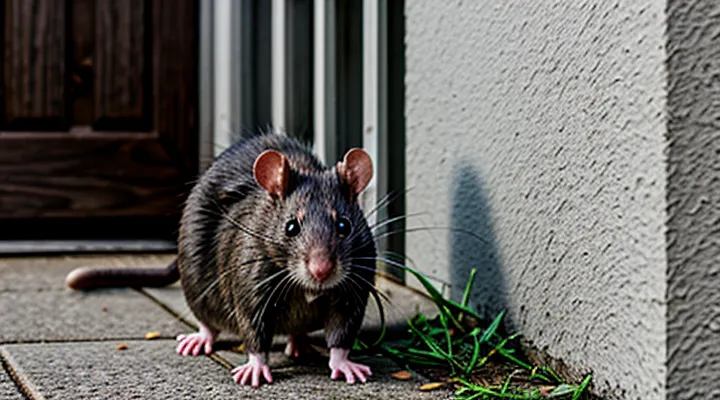
Understanding Rat Behavior
Why Rats Enter Homes
Search for Food
Rats locate sustenance by exploiting accessible food sources, scent trails, and visual cues. Disrupting these cues eliminates the primary incentive for entry and reduces the likelihood of repeated visitation.
- Eliminate unsecured food: store pantry items in sealed containers, dispose of leftover crumbs, and clean countertops after each use.
- Secure waste: use bins with tight‑fitting lids, empty them regularly, and keep compost away from the building envelope.
- Remove pet food: feed pets only when present, store dry feed in metal or heavy‑duty plastic containers, and clean feeding areas after each meal.
- Block access to water: fix leaky pipes, dry standing water, and cover water bowls when not in use.
Alter the foraging environment to discourage exploration:
- Install stainless‑steel or glass shelving in kitchens and pantries; rodents cannot gnaw through these materials.
- Apply non‑toxic repellents that mask food odors, such as concentrated peppermint oil or ammonia solutions, near entry points and along known runways.
- Use motion‑activated ultrasonic devices to create an aversive acoustic field whenever a rat approaches a food zone.
Seal potential entry routes to prevent the animal from reaching the food supply:
- Inspect foundation cracks, utility openings, and vent screens; fill gaps with steel wool and caulk.
- Install door sweeps and weather stripping on exterior doors.
- Repair damaged screens on windows and crawl spaces.
By systematically removing attractants, altering sensory cues, and denying physical access, the rat’s search for nourishment becomes futile, compelling the pest to relocate voluntarily.
Search for Shelter
Rats seek concealed, warm, and dry spaces to rest, breed, and store food. Common sites include wall voids, attic insulation, crawl‑space gaps, and cluttered storage areas. Identifying these locations is essential for depriving rodents of refuge.
- Seal cracks larger than ¼ in. with steel‑wool and caulk.
- Install metal flashing over vents and utility openings.
- Replace damaged weatherstripping on doors and windows.
- Remove piles of cardboard, fabric, or debris from basements and garages.
- Elevate stored items on pallets to create an air gap beneath them.
After structural gaps are closed, maintain a clear environment. Regularly inspect previously used spaces for new openings, and keep surfaces free of droppings and gnaw marks. Promptly repair water leaks to eliminate moisture that attracts nesting material. Consistent monitoring prevents rats from reestablishing shelter in the same area.
Search for Water
Rats must maintain a regular intake of water; their survival instinct drives them to locate moisture sources even when food is abundant. Recognizing this behavior enables targeted deterrence measures.
Signs that a rat is actively searching for water include:
- Wet or droplet‑stained droppings near walls or ceilings
- Gnaw marks on pipes, faucets, and condensation coils
- Presence of small puddles or damp spots in concealed areas
Effective deterrence relies on disrupting the water‑seeking cycle. Actions to implement:
- Seal all leaks in plumbing, roofs, and foundation walls.
- Install airtight covers on external drains and gutters.
- Remove standing water from pet dishes, bird baths, and plant trays each night.
- Place moisture‑absorbing granules or desiccant packets in suspected foraging zones.
- Deploy ultrasonic emitters or scent‑based repellents near identified water sources; rodents avoid continuous high‑frequency noise and strong chemical odors.
By eliminating accessible water, a rat’s motivation to remain in the environment diminishes, prompting relocation to areas lacking essential hydration. Sustained maintenance of dry conditions therefore serves as a primary method for repelling these rodents.
Signs of Rat Infestation
Droppings
Rat droppings provide the most reliable indicator of active infestation. Fresh pellets are dark, ¼‑inch long, tapered at one end, and emit a distinct, musky odor. Accumulation in corners, behind appliances, or along walls confirms ongoing presence.
Identifying droppings enables precise placement of deterrent measures. Removing visible waste eliminates a food source and reduces the scent trail that attracts conspecifics. Simultaneously, the act of cleaning signals to the animal that the area is hostile, encouraging relocation.
To incorporate droppings into a comprehensive deterrence plan, follow these actions:
- Wear disposable gloves and a mask; seal used protective gear in a plastic bag before disposal.
- Sweep or vacuum droppings, then disinfect the surface with a 10 % bleach solution or an EPA‑approved rodent sanitizer.
- Place scent‑based repellents (e.g., predator urine, essential oil blends) immediately after cleaning, targeting the exact locations where droppings were found.
- Install mechanical traps or snap devices adjacent to the cleaned zones; rats frequently revisit recent activity sites.
- Monitor the area for new droppings daily; repeat cleaning and repellent application within 24 hours of detection.
Consistent removal of droppings, coupled with targeted repellent and trapping, creates an environment that discourages re‑entry and promotes permanent departure.
Gnaw Marks
Gnaw marks appear as shallow, crescent‑shaped bites on wood, plastic, or wiring, typically 2–5 mm wide with smooth interiors and rough outer edges. Fresh marks retain a lighter color from the exposed material; older ones darken due to oxidation.
These impressions reveal a rat’s preferred pathways and the materials it targets. By mapping the location and direction of each mark, you can pinpoint entry points, nesting sites, and foraging routes, allowing precise placement of deterrents.
To convert gnaw‑mark evidence into an effective scare strategy:
- Inspect all surfaces within 30 cm of the marks; seal gaps with steel wool, copper mesh, or cement‑based filler.
- Apply strong‑odor repellents (peppermint oil, ammonia) directly on the damaged area; rats avoid re‑entering marked zones.
- Install ultrasonic emitters or motion‑activated lights at the identified routes; the sudden stimulus reinforces the perception of danger.
- Replace compromised materials with rat‑resistant alternatives (hard‑plastic conduits, metal brackets) to eliminate future bite sites.
- Monitor the area weekly; disappearance of gnaw marks indicates successful exclusion, while new marks signal the need for additional barriers.
Scratching Noises
Scratching noises can disrupt a rat’s sense of safety and prompt it to leave an area. The abrupt, irregular sounds mimic the activity of larger animals or competitors, triggering a flight response.
Rats rely on auditory cues to detect threats. A sudden, sharp scrape on a hard surface suggests the presence of a predator or rival, causing heightened alertness and avoidance behavior. Repeated exposure reinforces the perception of danger, reducing the likelihood of re‑entry.
Effective generation of scratching noises includes:
- Using a wooden board tapped with a metal rod at irregular intervals.
- Employing a handheld scraper on a metal pipe, moving it quickly to create sharp, random rasping.
- Installing a battery‑powered device that produces intermittent scratching sounds on a metal plate.
Placement of the sound source should be near entry points, nesting sites, or pathways commonly used by the rodent. Intervals of 10–30 seconds, varying in duration from one to three seconds, prevent habituation. Ensure the device is secured to avoid accidental injury to humans or pets.
Limitations arise if the rat becomes accustomed to a predictable pattern or if the sound is muffled by insulation. In such cases, adjust timing, increase volume, or combine scratching noises with other deterrents such as ultrasonic emitters or physical barriers.
Unpleasant Odors
Rats possess a highly sensitive olfactory system; strong, disagreeable scents can trigger avoidance behavior. Deploying such odors creates an environment that rats are reluctant to enter, reducing the likelihood of infestation.
- Ammonia: vaporizes quickly, produces a pungent, irritating smell.
- Peppermint oil: contains menthol, which overwhelms rodent scent receptors.
- Garlic powder or crushed cloves: emit sulfur compounds that rats find offensive.
- Citronella: releases a sharp, citrusy odor that disrupts rodent foraging patterns.
- Vinegar: produces an acidic vapor that repels rodents in confined spaces.
Apply the chosen odor directly to entry points, nesting sites, and food storage areas. Use a cloth soaked in the liquid or a cotton ball placed in a sealed container with small ventilation holes. Replace or refresh the source every 48–72 hours, as potency diminishes with exposure to air. Ensure adequate ventilation for human occupants and avoid concentrations that could irritate skin or respiratory passages.
Unpleasant odors alone rarely eradicate an established population; combine them with physical barriers, sanitation, and trapping for comprehensive control. Continuous monitoring confirms effectiveness and guides adjustments in odor selection or placement.
Immediate Rat Deterrents
Auditory Deterrents
High-Frequency Sounds
High‑frequency acoustic emitters generate ultrasonic waves beyond the range of human hearing, typically between 20 kHz and 65 kHz. Rodents possess acute hearing; frequencies above 20 kHz cause discomfort and provoke avoidance behavior.
Ultrasonic devices operate on two principles:
- Continuous emission creates a persistent hostile acoustic environment, discouraging entry and nesting.
- Intermittent bursts prevent habituation, maintaining deterrent effectiveness over time.
Key parameters influencing performance:
- Frequency band – 30–50 kHz offers optimal balance between penetration and aversive effect.
- Sound pressure level – 90–110 dB SPL at one meter ensures sufficient intensity without damaging surrounding structures.
- Coverage radius – manufacturers specify effective radius; placement should overlap to eliminate blind spots.
Installation guidelines:
- Position emitters at entry points, such as gaps under doors, wall penetrations, and near food sources.
- Mount devices at a height of 12–18 in (30–45 cm) to align with rodent locomotion pathways.
- Verify unobstructed line of sight; solid objects attenuate ultrasonic propagation.
Maintenance considerations:
- Replace batteries or power supplies annually to sustain output.
- Clean transducer surfaces monthly to prevent dust accumulation, which reduces acoustic efficiency.
- Conduct periodic efficacy checks by monitoring rodent activity; adjust device placement if activity persists.
Creating Loud Noises
Loud noises disrupt a rat’s sense of safety, prompting it to abandon the area. Sudden, high‑intensity sounds create a hostile environment that rodents quickly learn to avoid.
Effective implementation requires appropriate sound sources, frequency ranges, and deployment strategies:
- Ultrasonic emitters: Produce frequencies above 20 kHz, inaudible to humans but distressing to rats. Place units near entry points, walls, and nesting sites. Ensure continuous operation or set timers for periodic bursts to prevent habituation.
- Mechanical devices: Air horns, rattling metal sheets, or clanging pans generate broadband noise. Activate manually when rat activity is observed, or install motion‑triggered alarms that emit a loud blast on detection.
- Electronic alarms: Battery‑powered buzzers emit sharp tones at 2–5 kHz, a range detectable by rats. Mount on walls at a height of 12–18 inches, the typical travel path for rodents.
- Periodic disturbances: Schedule brief, intense noise bursts (10–15 seconds) every 30–45 minutes during peak activity periods (dusk and dawn). Consistency prevents rats from acclimating to the sound pattern.
Safety considerations:
- Verify that sound levels remain below occupational hearing limits for humans (≤85 dB) to avoid occupational hazards.
- Shield ultrasonic units from moisture and dust to maintain output reliability.
- Position mechanical alarms away from fragile items to prevent collateral damage.
Maintenance:
- Replace battery‑powered devices every six months or when output diminishes.
- Clean ultrasonic transducers with a dry cloth to preserve acoustic efficiency.
- Test motion sensors weekly to ensure prompt activation.
By integrating these loud‑noise tactics with exclusion methods and sanitation, the rodent’s habitat becomes uninhabitable, encouraging it to vacate permanently.
Olfactory Deterrents
Peppermint Oil
Peppermint oil works as a natural rat repellent because rodents find the strong menthol scent overwhelming. The oil’s volatile compounds irritate a rat’s olfactory receptors, creating an environment that rats avoid.
Effective application requires consistent coverage and proper dilution. Use the following routine:
- Mix 10 ml of pure peppermint essential oil with 1 liter of water; add a few drops of mild dish soap to emulsify.
- Soak cotton balls in the solution and place them in suspected pathways, near entry points, and inside storage areas.
- Replace saturated cotton balls every 3–4 days to maintain potency.
- For outdoor use, spray the mixture onto the perimeter of the building and around garbage bins.
Safety considerations include keeping the solution away from pets and children, as high concentrations can cause skin irritation. Store unopened oil in a cool, dark place to preserve its aromatic compounds.
Peppermint oil’s deterrent effect diminishes over time; regular reapplication is essential for sustained results. In situations where infestation persists, combine peppermint oil with physical barriers, traps, or professional pest‑control measures to achieve comprehensive control.
Ammonia
Ammonia emits a strong, pungent odor that rats find intolerable. The chemical’s volatility creates an environment that discourages rodents from entering or remaining in treated areas.
When using ammonia as a deterrent, follow these steps:
- Dilute household ammonia with water at a 1:1 ratio to reduce corrosion risk while maintaining potency.
- Soak cloth rags or cotton balls in the solution and place them near entry points, burrows, or along walls where activity is observed.
- Replace saturated materials every 48 hours to sustain odor intensity.
- Keep the area well‑ventilated for human safety; avoid direct contact with skin or eyes by wearing gloves and goggles.
Effectiveness depends on concentration, placement, and environmental factors such as temperature and humidity. Higher temperatures increase vapor release, enhancing the repellent effect, while excessive moisture may diminish odor dispersion.
Potential drawbacks include damage to paint, wood, or metal surfaces exposed to undiluted ammonia. Test a small, inconspicuous spot before widespread application. Prolonged exposure may cause respiratory irritation for occupants; ensure that occupied spaces are vacated during treatment.
Ammonia works best as part of an integrated approach that includes sealing entry points, eliminating food sources, and maintaining cleanliness. When combined with physical barriers and sanitation, ammonia contributes to a reliable strategy for keeping rats away.
Mothballs
Mothballs release a strong chemical odor that rats find unpleasant. The vapour, primarily composed of naphthalene or paradichlorobenzene, interferes with the rodent’s respiratory system, prompting it to leave the treated area.
Effective use
- Place mothballs in sealed containers or sachets near entry points, nests, or food storage zones.
- Use a quantity sufficient to maintain a saturated scent for at least 48 hours; replace when the odor weakens.
- Ensure the area is well‑ventilated for humans and pets, as prolonged exposure can cause health issues.
Safety considerations
- Store mothballs out of reach of children and domestic animals.
- Avoid direct contact with skin; wear gloves when handling.
- Do not use in occupied living spaces without adequate airflow, because inhalation of the fumes may lead to dizziness, headache, or respiratory irritation.
Limitations
- Effectiveness declines in open environments where the scent disperses quickly.
- Rats may become habituated if exposure is intermittent; consistent, high‑concentration application is required.
- Legal restrictions in some jurisdictions limit the sale or indoor use of certain mothball formulations.
When applied correctly, mothballs can serve as a short‑term deterrent, complementing other control measures such as sealing entry points and eliminating food sources.
Predator Urine
Predator urine serves as a chemical repellent that exploits rats’ innate avoidance of carnivore scent. The odor signals the presence of a potential threat, prompting rodents to vacate the area and avoid re‑entry.
The deterrent effect relies on volatile compounds such as 2‑acetyl‑1‑pyrroline and sulfur‑containing molecules. These substances persist in confined spaces for several days, maintaining a hostile olfactory environment without physical contact.
- Choose urine from species with documented predatory behavior toward rats (e.g., fox, coyote, ferret, or domestic cat).
- Obtain a commercial product formulated for rodent control; avoid raw urine to ensure consistent concentration.
- Apply the liquid to strategic points: entry holes, nesting sites, and along walls near food sources.
- Use a spray bottle or sponge to distribute a thin, even coating; oversaturation can attract other wildlife.
- Reapply every 5–7 days, or after heavy rain or cleaning, to sustain the scent barrier.
Effectiveness varies with environmental conditions. Studies report a 60‑80 % reduction in rat activity when predator urine is combined with exclusion methods. The repellent loses potency in well‑ventilated areas and may be less persuasive for populations that have habituated to low‑level predator cues.
Handle the product with gloves, store in a cool, dark place, and keep containers sealed to prevent degradation. Dispose of empty containers according to local hazardous‑waste guidelines. Proper use of predator urine can complement structural sealing, sanitation, and trapping to achieve reliable rodent deterrence.
Visual Deterrents
Bright Lights
Bright lights exploit the natural aversion of rats to sudden, intense illumination. Rats are primarily nocturnal; exposure to high‑intensity light disrupts their foraging patterns and forces them to seek darker refuge, often away from occupied structures.
Effective implementation requires strategic placement and appropriate light characteristics. Position fixtures near entry points, burrow entrances, and pathways commonly used by rodents. Use LEDs or metal‑halide lamps that emit at least 1,000 lux; lower levels fail to create sufficient deterrent effect. Ensure lights remain on throughout the night, as intermittent periods allow rats to re‑establish activity.
Consider the following guidelines:
- Install motion‑activated units to conserve energy while delivering immediate brightness when activity is detected.
- Elevate fixtures to prevent tampering and to cover a broader area.
- Combine bright illumination with other deterrents, such as ultrasonic emitters, for synergistic impact.
- Verify compliance with local lighting regulations to avoid nuisance to humans or wildlife.
Limitations include reduced efficacy in cluttered environments where shadows persist, and the potential for rats to adapt over extended exposure. Periodic rotation of light sources and occasional increase in intensity help maintain effectiveness. Proper maintenance—clean lenses, functional sensors, and reliable power supply—ensures consistent performance.
Decoys
Decoys provide a visual threat that can discourage rodent activity without direct contact. Effective models include predator silhouettes, moving reflective ribbons, and electronic sound emitters that mimic the calls of natural enemies.
- Predator silhouettes: cardboard or plastic shapes of owls, snakes, or cats; inexpensive, easy to position.
- Reflective ribbons: thin strips of Mylar that flutter in drafts, creating unpredictable flashes that startle rodents.
- Electronic emitters: battery‑powered devices that broadcast ultrasonic predator calls; require periodic battery replacement.
Placement determines success. Install decoys along established runways, near entry points, and directly above stored food. Align them with lighting sources to enhance visibility at night. Rotate or reposition every two weeks to prevent habituation.
Maintenance ensures continued deterrence. Clean surfaces to remove dust that dulls visual impact. Verify that electronic units remain functional; replace damaged parts promptly. Store decoys in a dry environment when not in use.
When integrated with sanitation, sealing of entryways, and trapping, decoys reinforce a comprehensive strategy to repel rats from residential or commercial spaces.
Long-Term Rat Prevention Strategies
Sealing Entry Points
Inspecting Foundations
Inspecting the structural base of a building reveals the pathways rats exploit to enter and hide. Identify gaps where utilities, pipes, or vent ducts intersect the foundation; seal openings with steel wool, cement, or metal flashing to prevent re‑entry. Examine the perimeter for cracks or erosion caused by moisture; repair with hydraulic cement that expands as it cures, creating a durable barrier. Verify that drainage systems direct water away from the foundation, reducing soil saturation that encourages burrowing activity.
Key inspection actions:
- Walk the entire exterior, focusing on low‑lying sections where soil meets concrete.
- Use a flashlight and mirror to view concealed joints beneath siding or flooring.
- Test for hollow spots by tapping surfaces; resonant sounds indicate voids that may house rodents.
- Record measurements of any fissures larger than ¼ inch, then prioritize repairs based on proximity to known rat activity.
- Confirm that all crawl spaces are equipped with tight‑fitting doors or bulkheads, and that any access panels are locked.
A thorough foundation audit eliminates the structural conditions that attract rats, making subsequent deterrent measures more effective and reducing the likelihood of future infestations.
Sealing Cracks and Holes
Sealing cracks and holes eliminates entry points that rodents exploit, directly reducing the likelihood of infestation. Identify all potential gaps in walls, floors, foundations, and around utility penetrations. Use a flashlight and a mirror to inspect hidden areas, especially behind appliances and under sinks.
- Apply steel wool or copper mesh to gaps larger than ¼ inch before sealing; rodents can gnaw through softer materials.
- Fill smaller openings with high‑quality expanding polyurethane foam or cement‑based caulk; allow the product to cure fully.
- Reinforce repaired sections with metal flashing or hardware cloth where structural stress is expected.
- Inspect exterior foundations and seal gaps around pipes, vents, and wiring with concrete sealant or masonry mortar.
Regularly re‑examine sealed areas after seasonal temperature changes, as expansion and contraction can create new openings. Maintaining a tight building envelope sustains the deterrent effect and prevents rats from re‑entering.
Installing Door Sweeps and Mesh
Door sweeps and mesh create a physical barrier that prevents rats from entering through gaps under doors and between walls and frames. By sealing these openings, you eliminate the primary routes rodents use to infiltrate homes and commercial spaces, thereby reducing the likelihood of infestation.
Select sweeps made of durable rubber, silicone, or brush‑type material that can compress to fill uneven gaps. Choose mesh with a ¼‑inch or smaller aperture, preferably stainless steel or heavy‑duty nylon, to withstand chewing. Verify that the sweep length matches the door width and that the mesh can be securely fastened to the doorframe or wall.
Installation steps:
- Measure the door’s bottom width and the gap between the floor and the door.
- Cut the sweep to the measured length, leaving a small excess for adjustment.
- Align the sweep with the door edge, ensuring full contact with the floor when the door closes.
- Secure the sweep using the supplied screws or adhesive, tightening until the sweep rests flush against the floor without excessive compression.
- Attach mesh to the doorframe or adjacent wall using staples, screws, or a heavy‑duty adhesive, overlapping edges by at least one inch to prevent gaps.
- Test the barrier by closing the door and inspecting for any visible openings; adjust the sweep or mesh tension as needed.
Regular maintenance includes cleaning debris from the sweep, inspecting for wear or chew damage, and replacing compromised sections promptly. A well‑installed sweep and mesh system, combined with proper sanitation, significantly reduces rat ingress without reliance on chemical deterrents.
Eliminating Food Sources
Storing Food in Airtight Containers
Storing food in sealed containers removes a primary attractant for rodents, reducing the likelihood that a rat will explore the area. When food odors cannot escape, rats lose the sensory cues that guide them to a potential meal, making the environment less inviting.
Airtight containers should be made of rigid material, feature a locking lid that compresses the seal, and be free of cracks or gaps. The seal must withstand repeated opening and closing without losing integrity, and the container should be large enough to hold the intended quantity without requiring frequent access.
Implementation steps:
- Choose containers with a certified airtight rating (e.g., BPA‑free plastic or glass with silicone gasket).
- Transfer all dry goods, pet food, and leftovers into the containers immediately after purchase or preparation.
- Label each container with the contents and date of storage to avoid prolonged retention of stale food.
- Store containers on elevated shelves away from walls, preventing rats from reaching them via climbing.
- Inspect seals weekly; replace any container showing wear or loss of compression.
By eliminating exposed food sources, the space becomes unattractive to rats, supporting broader pest‑deterrent measures.
Cleaning Up Spills and Crumbs Promptly
Prompt removal of food residues eliminates a primary attractant for rodents. When liquid spills are left unattended, they create moisture that supports bacterial growth and provides a convenient drinking source. Crumbs and dried particles serve as easy-to-find food caches, encouraging rats to explore and establish a foraging route.
Effective sanitation requires immediate action and consistent routine:
- Wipe up liquid spills with a disposable cloth or mop within seconds of occurrence.
- Dispose of the cleaning material in a sealed bag to prevent odor buildup.
- Sweep or vacuum crumbs from countertops, floors, and appliance interiors after each meal preparation.
- Store food in airtight containers; avoid open packages on work surfaces.
- Perform a nightly inspection of kitchen and pantry areas to confirm no residual debris remains.
By maintaining a spotless environment, the likelihood of rat visitation drops sharply, reinforcing broader pest‑deterrence measures.
Securing Trash Cans
Rats locate food sources by scent; exposed waste provides a reliable attractant. Securing trash containers eliminates that incentive and forms a primary barrier against infestation.
- Choose cans with airtight, snap‑tight lids that compress when closed.
- Install locking mechanisms or latch systems to prevent accidental opening.
- Position cans on elevated platforms or stands to keep them out of reach of climbing rodents.
- Clean interior surfaces regularly to remove food residue and grease buildup.
- Inspect seals and hinges weekly; replace cracked or warped components promptly.
A sealed container denies rats access to nourishment, reduces odor diffusion, and discourages repeated foraging attempts. Consistent maintenance of these measures sustains a hostile environment for rodents, supporting broader efforts to keep them at bay.
Removing Water Sources
Fixing Leaky Pipes
Leaking water lines create moist environments that attract rodents, providing both a water source and a pathway into structures. When water drips onto walls, floors, or insulation, rats can follow the scent and use the moisture to locate entry points. Eliminating these sources removes a primary incentive for infestation.
To repair a leaking pipe:
- Shut off the water supply at the nearest valve.
- Drain the affected segment by opening a downstream faucet.
- Inspect the pipe for cracks, corrosion, or loose fittings.
- Replace damaged sections with appropriate material (copper, PVC, or PEX) using solvent cement, compression fittings, or solder, depending on the type.
- Tighten all connections, apply pipe‑thread sealant where needed, and restore pressure gradually to check for residual leaks.
- Re‑insulate exposed piping to prevent condensation and future damage.
By restoring a watertight system, you deny rats a reliable hydration point, reducing their motivation to explore and inhabit the premises. This preventive measure complements other deterrent tactics, creating a comprehensive approach to rodent control.
Drying Wet Areas
Dry environments reduce the attractiveness of a location for rats, which prefer moist, hidden spaces for nesting and foraging. Removing standing water and eliminating damp surfaces deprive rodents of essential resources and force them to seek alternative habitats.
Effective moisture control involves several practical actions:
- Identify leaks in pipes, faucets, and appliances; repair or replace faulty components promptly.
- Insulate basement walls and crawl‑space ceilings to prevent condensation.
- Use a dehumidifier in areas with high relative humidity; maintain levels below 50 % to inhibit fungal growth and odor that attract rats.
- Clean up spills immediately; mop floors and wipe surfaces until completely dry.
- Ensure proper drainage around the foundation; grade soil away from the building and clear gutters of debris.
Regular monitoring is essential. Conduct weekly inspections of basements, attics, and utility rooms for signs of moisture, such as damp spots, mold, or musty odors. Prompt remediation prevents the conditions that encourage rodent activity and supports broader pest‑deterrence strategies.
Modifying the Environment
Trimming Vegetation
Trimming vegetation eliminates the dense cover that rats use for nesting, travel, and food storage. By reducing shrub height and removing overgrown ground cover, you deny rats the concealment they need to approach structures undetected.
Rats prefer low, thick foliage because it offers protection from predators and weather while providing easy routes to building foundations, crawl spaces, and garbage areas. When vegetation is kept short and tidy, the risk of accidental entry points—such as gaps beneath hedges or cracks created by root growth—declines sharply.
- Cut back shrubs to a maximum height of 12 inches; maintain a clear buffer of at least 3 feet between plants and building walls.
- Remove leaf litter, fallen branches, and compost piles from the immediate perimeter.
- Trim grass regularly to prevent thick, moist mats that attract rodents.
- Prune vines and climbing plants away from eaves, vents, and rooflines; install physical barriers if necessary.
Continual upkeep reinforces the deterrent effect. Schedule monthly inspections to verify that growth has not reclaimed cleared zones, repair any new gaps promptly, and adjust trimming heights according to seasonal vegetation changes. Consistent maintenance sustains an environment where rats find no viable shelter, thereby reinforcing overall rodent‑control efforts.
Removing Clutter
Rats exploit piles of unused material because such environments provide shelter, nesting sites, and concealed pathways. Eliminating unnecessary objects removes the cover that encourages rodent activity and forces the animals to seek more exposed, less suitable habitats.
Effective decluttering involves several concrete steps:
- Remove cardboard boxes, paper stacks, and discarded fabrics from basements, garages, and closets. Store items in sealed plastic containers with tight‑fitting lids.
- Clear the space beneath appliances, sinks, and furniture. Vacuum or sweep debris regularly to prevent accumulation.
- Dispose of expired food, pet kibble, and organic waste in sealed bins that are emptied frequently.
- Trim vegetation and trim back overgrown shrubs that touch the building’s exterior, eliminating direct routes to interior clutter.
- Seal cracks, gaps, and openings in walls, floors, and around utility lines to block access points that might be concealed by stored items.
A clutter‑free environment reduces hiding places, limits food availability, and simplifies inspection for signs of rodent activity. Maintaining such order enhances the overall effectiveness of any rat‑deterrence strategy.
Using Rat-Proof Bins
Secure waste containers are a primary defense against rodent intrusion. When food remnants are sealed inside sturdy, rat‑proof bins, the attraction that drives rats into homes and businesses disappears.
Effective containers possess the following characteristics:
- Heavy‑gauge lids that lock or latch shut, preventing gnawing.
- Seamless walls without gaps, joints, or cracks that rats could exploit.
- Materials resistant to chewing, such as reinforced plastic or metal.
- Elevated placement or mounting to keep the bin away from ground level where rats navigate.
Implementation steps:
- Select bins meeting the criteria above; verify latch mechanisms function reliably.
- Position containers away from walls and other structures, allowing a clearance of at least 12 inches on all sides.
- Install a rigid base or platform to deter climbing and to keep the bin stable.
- Empty and clean bins frequently; remove residues that could emit odors despite the sealed lid.
- Inspect lids and seals weekly for wear, repairing or replacing compromised components immediately.
By integrating these measures, waste management becomes a robust barrier, reducing the likelihood that rats will seek shelter or food sources within the premises.
Professional Rat Control
When to Call an Exterminator
Severe Infestation
A severe rat infestation signals a population that has established multiple nesting sites, abundant food sources, and regular movement paths throughout a structure. Population density often exceeds a dozen individuals, leading to rapid reproduction, extensive gnawing damage, and heightened health risks.
When numbers are high, basic deterrents such as single traps or mild repellents lose effectiveness because rats become accustomed to isolated threats. The presence of several entry points and concealed harborage areas further reduces the impact of low‑intensity scare tactics.
To counter a heavy infestation, intensify fear‑inducing measures and apply them systematically:
- Deploy motion‑activated ultrasonic emitters in each major room; cover overlapping zones to eliminate blind spots.
- Install high‑frequency vibration devices under walls and floors; continuous operation disrupts nesting behavior.
- Place strong‑odor repellents (e.g., concentrated peppermint oil or ammonia) near known runways; refresh concentrations every 48 hours.
- Set up multiple snap traps or electronic kill stations along established pathways; use bait that matches the local diet to increase capture rates.
- Seal all visible gaps larger than ¼ inch; combine steel wool with expanding foam for reinforced closure.
Implement the above actions simultaneously for at least two weeks, then reassess activity levels. Persistent monitoring and rapid adjustment of deterrent placement are essential to eradicate a dense rat population.
Persistent Problem
Rats remain a long‑term nuisance because they reproduce quickly, locate hidden entry points, and tolerate a wide range of environments. Their ability to exploit minor food sources and shelter makes a single intervention insufficient; the problem reappears unless all contributing factors are eliminated.
Three primary drivers sustain the infestation:
- High reproductive rate: a pair can produce dozens of offspring within months.
- Access to concealed pathways: gaps around pipes, vents, and foundations provide continuous entry.
- Availability of food waste: improperly stored garbage or pet food offers a reliable supply.
Effective resolution requires a coordinated, ongoing plan:
- Conduct thorough inspection to locate every opening and seal it with steel wool, copper mesh, or cement.
- Implement rigorous sanitation: store food in airtight containers, remove debris, and clean spills immediately.
- Deploy a combination of snap traps and electronic devices, positioning them along known travel routes. Replace bait regularly to maintain attraction.
- Apply ultrasonic or scent‑based repellents as supplemental deterrents, monitoring their efficacy weekly.
- Establish a schedule for weekly checks, documenting trap captures and any new signs of activity; adjust measures promptly based on findings.
Consistent application of these actions prevents reestablishment, turning a persistent issue into a manageable condition.
Types of Professional Services
Trapping
Effective rat control often relies on trapping as a direct deterrent. Properly executed traps create immediate pressure on the pest, prompting avoidance behavior and reducing population quickly.
Choose a trap that matches the environment. Common options include snap traps for rapid kill, live‑catch cages for relocation, and electronic devices that deliver lethal shock. Each type requires specific handling: snap traps demand precise spring tension, live cages need secure doors, and electronic units must be powered continuously.
Placement determines success. Position traps along walls, near known runways, and close to food sources. Rats prefer darkness and travel along edges, so align the trigger mechanism against the wall to ensure contact. Space traps 1–2 feet apart in high‑activity zones to increase capture probability.
Select bait that appeals to omnivorous rodents. Peanut butter, dried fruit, or small meat pieces generate strong attraction. Apply a pea‑size amount directly on the trigger to prevent spillage and maintain focus on the trap.
Maintain a regular inspection schedule. Check traps daily, remove captured rodents promptly, and reset the device with fresh bait. Record capture locations to identify hotspots and adjust trap density accordingly.
Dispose of dead rats safely. Wear disposable gloves, place the carcass in a sealed bag, and follow local regulations for waste disposal. Clean and disinfect traps after each use to prevent disease transmission and preserve effectiveness.
By adhering to these practices—appropriate trap selection, strategic placement, targeted baiting, diligent monitoring, and proper disposal—trapping becomes a reliable component of any comprehensive rat‑deterrence strategy.
Baiting
Baiting leverages a rat’s strong sensory preferences to create an environment that discourages entry and encourages departure. By presenting unattractive or harmful substances in strategic locations, the animal learns to associate the area with negative outcomes, reducing the likelihood of repeated visits.
- Choose baits that emit strong, repellent odors (e.g., peppermint oil, ammonia, or concentrated vinegar).
- Deploy taste‑based deterrents such as bitter agents or capsaicin‑infused gels on surfaces rats commonly gnaw.
- Utilize visual deterrents, including flashing lights or reflective tape, to disrupt nocturnal foraging patterns.
Place each bait near known pathways, nesting sites, or food sources. Secure the material to prevent accidental ingestion by non‑target species and ensure compliance with local regulations. Replace baits regularly, as potency diminishes with exposure to air and moisture.
Monitor activity using motion‑activated cameras or tracking powders. If rats persist, adjust bait type, concentration, or placement distance. Consistent observation and timely modification maintain pressure on the rodent population, reinforcing avoidance behavior.
Exclusion Services
Exclusion services focus on eliminating pathways that allow rats to enter buildings. Professionals conduct a thorough survey to locate gaps, cracks, and openings in foundations, walls, roofs, and utility penetrations. Once identified, they apply durable materials—metal flashing, cement, steel wool, or expanding foam—to seal each breach. The process includes reinforcing doors and windows with weatherstripping and installing rat‑proof screens on vents and chimneys.
Key components of an exclusion program:
- Inspection – systematic examination of structural elements and potential entry points.
- Sealing – application of appropriate closure materials tailored to the size and location of each gap.
- Barrier installation – placement of physical obstacles such as metal mesh around drainage systems and garbage areas.
- Maintenance schedule – periodic re‑inspection to verify integrity of seals and address new damage caused by weather or building activity.
Effective exclusion reduces the likelihood of rat presence more reliably than traps or repellents alone. By removing access, the environment becomes inhospitable, discouraging rodents from establishing nests or foraging pathways. Continuous monitoring ensures that repairs remain intact, sustaining long‑term protection against future incursions.
Safety Precautions
Protecting Pets
Rats pose a direct threat to small animals, and effective deterrence must consider pet safety. Use physical barriers that prevent rat entry while allowing pets free movement; install tight-fitting screens on vents, seal gaps around pipes, and place metal or heavy‑duty mesh under cabinets.
- Choose repellents that are non‑toxic to dogs, cats, birds, and reptiles; oil‑based or ultrasonic devices approved for household use meet this criterion.
- Employ traps that activate without exposing pets to bait; snap traps with a protective cover or electronic models that deliver a quick, contained discharge reduce accidental contact.
- Store food, waste, and pet supplies in sealed containers; eliminate unsecured crumbs that attract rodents and simultaneously deny pets access to hazardous materials.
Maintain regular inspection of the environment. Replace worn seals, verify that traps remain functional, and monitor pet behavior for signs of stress or curiosity near deterrent devices. Prompt adjustments preserve both rat control efficacy and animal welfare.
Protecting Children
When a rat appears in a home where children are present, the priority is to eliminate the threat without exposing youngsters to hazardous substances or dangerous traps.
First, secure the environment. Store food in airtight containers, clean crumbs immediately, and seal gaps around pipes, vents, and foundation cracks. These actions remove attractants and block entry points, reducing the likelihood that a rodent will approach areas used by children.
Second, choose deterrents that are safe for young users. Options include:
- Ultrasonic emitters placed out of reach, which emit high‑frequency sounds intolerable to rodents but inaudible to humans.
- Commercially available peppermint oil sprays applied to entry points; the scent repels rats while posing minimal risk when used according to label directions.
- Motion‑activated lights or air blasts that startle rodents without involving chemicals.
Third, avoid traps that could injure a child. If capture is necessary, select enclosed snap traps or live‑catch cages that prevent accidental contact. Place them in concealed locations such as behind appliances or inside crawl spaces, and monitor them daily.
Finally, educate children about rodent hazards. Teach them to report sightings, to keep food sealed, and to stay away from any device used for control. Supervision during clean‑up activities further reduces the chance of accidental exposure.
By combining environmental sanitation, child‑safe deterrents, secure trapping methods, and clear guidance, households can effectively repel rats while maintaining a safe space for children.
Handling Rats Humanely
Effective deterrence of rats begins with humane handling practices that prevent escalation and reduce reliance on lethal measures. Understanding rat behavior, recognizing signs of infestation, and applying non‑lethal interventions create a sustainable barrier against repeated intrusions.
- Identify entry points such as gaps around pipes, vents, and foundation cracks; seal them with steel wool, copper mesh, or concrete.
- Deploy live‑catch traps that allow immediate release at a distance of at least one mile from the property; ensure traps are baited with high‑energy foods like peanut butter or dried fruit.
- Maintain a clean environment by storing food in sealed containers, promptly disposing of waste, and eliminating standing water that attracts rodents.
- Install ultrasonic emitters calibrated to frequencies that disrupt rodent communication without harming pets or humans; verify device placement covers all vulnerable zones.
- Introduce natural predators, such as barn owls or feral cats, in controlled settings; provide nesting boxes or shelters to encourage their presence.
When a rat is captured, handle it with thick gloves to avoid bites, cover the animal with a towel to reduce stress, and transport it in a ventilated container. Release the animal during daylight hours to increase survival odds. Document capture locations and dates to track patterns and adjust preventive measures accordingly.
Continuous monitoring, prompt repair of structural breaches, and consistent application of humane deterrents collectively diminish rat activity while respecting animal welfare.