
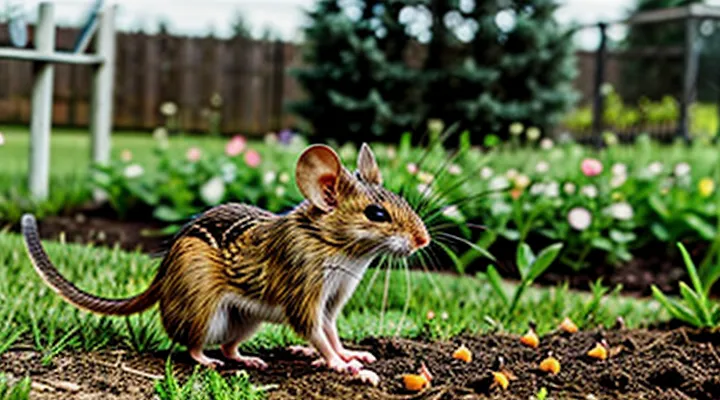
Understanding Field Mice in Your Garden
Identifying Field Mice
Appearance and Habits
Field mice (Apodemus sylvaticus) are small, agile rodents typically measuring 8–10 cm in body length with a 6–9 cm tail. Their fur ranges from gray‑brown on the dorsal side to paler shades underneath; ears are thin, hairless, and proportionally large. Eyes are prominent, providing excellent night vision, while whiskers aid navigation through dense vegetation. Feet possess sharp claws that facilitate rapid climbing and digging.
Habits relevant to garden management include:
- Nocturnal foraging, primarily between dusk and dawn, when mice seek seeds, insects, and tender plant shoots.
- Preference for cover near ground cover, mulch, or compost piles, which offer protection from predators and harsh weather.
- Construction of shallow burrow networks up to 30 cm deep, often intersecting irrigation lines or root zones.
- Strong reproductive capacity; a single female can produce 4–6 litters per year, each containing 4–7 offspring, leading to rapid population growth under favorable conditions.
- Use of established pathways along garden edges, fence lines, and hedgerows to move between feeding sites and nesting areas.
Understanding these physical traits and behavioral patterns enables targeted interventions that disrupt feeding cycles, limit shelter availability, and prevent population expansion within a cultivated plot.
Signs of Infestation
Field mice reveal their presence through distinct indicators that can be identified during routine garden inspections.
- Small, dark droppings about the size of a grain of rice, often found near plant bases, seed trays, or along pathways.
- Fresh gnaw marks on stems, roots, or wooden garden structures; teeth leave clean, crescent-shaped cuts.
- Visible burrow entrances—round holes 2–3 cm in diameter, sometimes lined with loose soil or shredded plant material.
- Chewed seed heads, fruit, or seedlings, showing irregular bite patterns and missing portions.
- Presence of nests constructed from shredded leaves, grass, or paper, typically hidden under mulch, in dense vegetation, or within compost piles.
- Unexplained damage to irrigation tubing or plastic sheeting, manifested as bite-throughs or punctures.
These signs, when observed together, confirm an active mouse population within the garden plot and warrant immediate control measures.
Prevention Strategies
Garden Maintenance Practices
Weed Control and Debris Removal
Effective management of weeds and debris directly reduces shelter and food sources for field mice in a garden plot. Dense weed growth creates cover that protects rodents from predators, while accumulated plant litter offers nesting material. Removing these elements forces mice to seek less hospitable environments, making control measures more successful.
Maintain a regular weed‑removal schedule. Cut back tall grasses and invasive species before they seed. Use a shallow hoe or hand tools to uproot seedlings, preventing regrowth. Apply a pre‑emergent herbicide only where necessary, following label instructions to avoid harming desirable crops.
Clear garden debris consistently. Collect fallen leaves, fruit husks, and broken stems weekly. Dispose of organic waste in sealed compost bins or remove it from the site entirely. Keep mulch layers thin—no more than two inches—to discourage burrowing while still providing soil moisture retention.
Implement these practices in a systematic routine:
- Inspect the plot at sunrise and sunset for new weed patches or debris accumulation.
- Remove identified weeds and debris immediately, using appropriate tools.
- Record actions in a simple log to track frequency and identify problem areas.
- Rotate crops annually to disrupt mouse foraging patterns and reduce weed seed banks.
By integrating disciplined weed control and thorough debris removal, the garden environment becomes inhospitable to field mice, enhancing the efficacy of any additional rodent‑management strategies.
Proper Storage of Food Sources
Proper storage of edible materials directly influences the presence of field mice in a garden plot. When food remnants are accessible, rodents locate the area as a reliable feeding site, increasing infestation risk.
Effective storage practices include:
- Use containers with sealed, lockable lids made of metal or thick plastic.
- Position containers on raised platforms or shelves away from soil and plant beds.
- Keep containers in shaded, dry locations to prevent moisture buildup that attracts pests.
- Label each container with purchase dates and rotate stock to eliminate stale items.
Additional measures reinforce protection:
- Remove fallen fruit, seeds, and vegetable scraps daily.
- Clean storage surfaces with a mild detergent and rinse thoroughly.
- Inspect containers regularly for cracks or worn seals, replacing compromised units promptly.
- Store animal feed in separate, rodent‑proof bins to avoid cross‑contamination.
Consistent implementation of these steps reduces food availability, discourages mouse activity, and supports long‑term garden health.
Protective Barriers and Fencing
Types of Fencing Materials
A physical barrier is essential for preventing field mice from entering a garden plot. The barrier’s effectiveness depends on material choice, mesh size, and installation depth.
- Galvanized steel mesh (hardware cloth) – ¼‑inch openings, corrosion‑resistant, can be buried 6‑12 inches to block burrowing.
- Aluminum sheet – lightweight, rust‑proof, suitable for low‑profile fences; combine with mesh at the base for added protection.
- PVC pipe fencing – smooth surface deters climbing, easy to cut and join; install a buried skirt of mesh for burrow resistance.
- Pressure‑treated lumber – strong vertical slats, compatible with wire mesh at the bottom; treat for durability against moisture.
- Concrete or brick wall – permanent, impermeable, eliminates gaps; add a metal or plastic strip at the base to prevent mouse entry under the wall.
- Composite panels – blend wood fibers and plastic, resistant to rot, can be fitted with metal mesh reinforcement.
Selection criteria include: mesh aperture no larger than ¼ inch, material durability in local climate, ease of installation, and cost. Properly anchoring the fence and extending the lower edge underground or beneath a concrete footing eliminates common entry points. Choosing the appropriate fencing material and installing it according to these specifications creates a reliable exclusion system for field mice.
Installation Techniques
Effective mouse control in a garden plot begins with proper installation of deterrent and capture devices. Choose products designed for outdoor use, such as snap traps, live‑catch cages, and bait stations, and locate them where activity is highest—near burrow entrances, along fence lines, and close to vegetable rows.
Installation steps:
- Clear debris and vegetation within a 12‑inch radius of each device to ensure unobstructed access.
- Secure traps to the ground using stakes or heavy‑duty anchors; avoid loose placement that allows movement by wind or animals.
- Set bait or trigger mechanisms according to manufacturer instructions; position bait at the rear of snap traps to encourage entry.
- Cover bait stations with weather‑resistant lids, leaving only the entry slot exposed.
- Mark each location with a discreet flag or label for regular monitoring.
Barrier methods complement traps. Install hardware cloth or metal mesh with openings no larger than ¼ inch around the perimeter of the garden bed, burying the bottom edge 6 inches deep to block subterranean entry. Overlap seams by at least 2 inches and fasten with galvanized staples to prevent corrosion.
Routine inspection is essential. Check devices daily, remove captured rodents promptly, and replenish bait as needed. Replace damaged equipment immediately to maintain continuous protection.
Eradication Methods
Trapping Solutions
Snap Traps
Snap traps provide a rapid, humane method for eliminating field mice from garden beds. The mechanism consists of a spring‑loaded bar that delivers a swift, lethal strike when the mouse triggers the trigger plate.
Effective deployment requires precise positioning. Place traps along established runways, near burrow entrances, or beside vegetation that offers cover. Position the trigger plate on the side of the trap facing the mouse’s natural path to increase contact probability.
Bait selection influences success rates. Preferred options include:
- Small pieces of peanut butter
- Seeds of sunflower or millet
- Bits of dried fruit
Apply a pea‑sized amount directly to the trigger plate; excessive bait may discourage activation.
Safety considerations are essential. Wear thick gloves when handling traps to avoid accidental discharge. Keep traps out of reach of children, pets, and non‑target wildlife by situating them within a confined area or using protective barriers.
Maintenance involves regular inspection. Remove dead rodents promptly to prevent disease spread and to reset the trap. After each capture, reset the spring mechanism according to the manufacturer’s instructions, and replace bait as needed.
Advantages of snap traps include immediate results, low cost, and no reliance on chemicals. Limitations consist of the need for careful placement, potential non‑target captures, and the requirement for periodic resetting. When integrated with habitat modification—such as eliminating shelter and reducing food sources—snap traps become a cornerstone tool for controlling field mouse populations in garden plots.
Live Traps
Live traps provide a humane method for reducing field‑mouse populations in garden beds. They capture animals without killing them, allowing for relocation away from cultivated areas.
Select traps made of sturdy wire mesh or plastic with a smooth interior to prevent injury. Models featuring a spring‑loaded door or a drop‑door mechanism close securely when the mouse enters. Ensure the trap size accommodates adult field mice, typically 3–4 inches long.
Effective bait consists of high‑protein items that attract mice quickly. Suitable choices include peanut butter, sunflower seeds, or small pieces of cooked egg. Apply a thin layer to the trigger plate to avoid spillage that might discourage entry.
Placement determines capture success. Position traps along established runways, near the edges of planting rows, and close to shelter such as mulch or stone piles. Set traps at ground level, with the trigger plate flush with the soil surface. Space multiple traps 5–10 feet apart to cover a larger area.
Check traps at least twice daily. Remove captured mice promptly to prevent stress or death. Release each animal at least one mile from the garden, in a wooded or field environment where it can find cover and food. Wear gloves when handling traps to avoid scent transfer that could deter future captures.
Maintain trap effectiveness by cleaning and disinfecting after each use. Replace worn springs or trigger plates to preserve sensitivity. Rotate trap locations periodically to address new activity hotspots.
Integrate live traps with complementary measures—such as removing debris, sealing entry points, and managing vegetation height—to achieve sustained reduction of field‑mouse activity in the garden plot.
Baiting Strategies
Effective baiting requires precise selection, placement, and timing to disrupt field mouse activity in a cultivated area. Choose attractants that align with the rodents’ dietary preferences while minimizing risk to non‑target species.
- Use high‑protein pellets or dried insects as primary bait; these mimic natural foraging sources and increase uptake.
- Combine a small amount of a proven anticoagulant rodenticide with the attractant, ensuring the dosage adheres to local regulations.
- Position bait stations at the base of vegetable rows, near burrow entrances, and along established runways; keep stations no more than 1 meter apart for comprehensive coverage.
- Rotate bait formulations every 7‑10 days to prevent habituation and maintain effectiveness.
Deploy weather‑resistant, lockable bait boxes to protect the contents from rain and from unintended access by pets or wildlife. Install the boxes at ground level, concealed by low foliage, but visible enough for regular inspection.
Monitor activity daily; record captures, note any signs of bait avoidance, and adjust station density accordingly. Replace depleted bait promptly to sustain pressure on the mouse population and avoid rebound colonization.
Natural Deterrents
Repellent Plants
Plants that deter field mice provide a chemical or sensory barrier without chemicals. Species with strong aromas or bitter foliage create an environment mice avoid, reducing damage to vegetables and seed beds.
- Mint (Mentha spp.) – releases volatile oils that repel rodents; plant in containers to prevent invasive spread.
- Lavender (Lavandula angustifolia) – fragrant blossoms and leaves deter mice; position along garden edges where they can be seen and smelled.
- Marigold (Tagetes erecta) – produces thiophenes that are unpleasant to rodents; interplant with leafy crops for continuous protection.
- Allium family (garlic, onions, chives) – sulfur compounds act as natural repellents; sow in rows adjacent to vulnerable seedlings.
- Catnip (Nepeta cataria) – contains nepetalactone, a known mouse deterrent; place in peripheral beds where cats may also patrol.
Effective deployment requires strategic placement. Plant repellent species at garden perimeters, in raised beds, and in gaps where mice could enter. Use dense planting to eliminate hiding spots and maintain a continuous scent barrier. Rotate crops annually to prevent mice from acclimating to a single plant’s odor.
Soil preparation influences plant vigor and repellent potency. Ensure well‑drained, nutrient‑rich soil; avoid excessive nitrogen, which encourages mouse populations. Mulch with cedar shavings or pine needles adds a secondary deterrent, as rodents dislike the texture and scent.
Monitoring confirms efficacy. Inspect for fresh gnaw marks or droppings weekly; if activity persists, increase plant density or combine with physical barriers such as mesh fencing. Repellent plants alone may not eradicate a severe infestation, but they form a sustainable component of an integrated mouse‑management plan.
Predatory Animals
Predatory animals provide natural control of field mice that damage garden plots. Birds of prey, such as owls and hawks, hunt rodents during dusk and night, reducing populations without chemical intervention. Ground mammals, including feral cats and weasels, pursue mice in dense vegetation, delivering immediate predation pressure.
Effective integration of predators requires habitat features that attract and sustain them.
- Install nesting boxes for barn owls at the garden’s edge to encourage occupancy.
- Preserve hedgerows and stone piles to offer shelter for weasels and foxes.
- Maintain open perches for hawks, such as tall poles or fence posts, to improve hunting visibility.
- Limit rodent food sources by promptly removing fallen fruit and seed heads, making the area more appealing to predators than to prey.
Monitoring predator activity and rodent damage informs adjustments. Regular observation of owl pellet deposits, weasel tracks, and hawk flight patterns confirms the presence of effective hunters. When predator numbers decline, reinforce habitat elements or consider supplemental measures, such as installing raptor perches, to sustain biological control.
Chemical Control (Use with Caution)
Rodenticides and Their Risks
Rodenticides are chemical agents designed to kill rodents. Common categories include anticoagulants (e.g., warfarin‑derived compounds), neurotoxins such as bromethalin, and metal phosphides like zinc phosphide. These products are often applied in bait stations or directly on the soil to suppress field mouse populations in garden areas.
Risks associated with rodenticides are multiple:
- Non‑target poisoning: Birds, beneficial insects, and small mammals may ingest bait or contaminated prey, leading to mortality.
- Secondary toxicity: Predators and scavengers that consume poisoned mice can suffer delayed lethal effects.
- Human exposure: Improper handling or accidental ingestion of bait poses acute health hazards, including internal bleeding and neurological impairment.
- Environmental persistence: Anticoagulant residues can remain active in soil and water for extended periods, contaminating adjacent ecosystems.
- Regulatory compliance: Many jurisdictions require registration, label adherence, and record‑keeping for rodenticide use; violations result in fines or loss of license.
Safe application demands strict adherence to label instructions: use bait stations that restrict access to target rodents, place them away from vegetable beds, wear protective gloves, and keep children and pets out of treated zones. Dosage calculations must reflect the specific product potency and the estimated mouse density to avoid over‑application.
Consider integrating non‑chemical measures—such as habitat modification, physical barriers, and targeted trapping—to reduce reliance on toxic agents and mitigate the outlined risks.
Safe Application and Placement
Effective rodent management in a garden plot requires precise placement of control tools to protect crops, pets, and children. Safety begins with selecting the appropriate device and positioning it where mice are most active while minimizing exposure to non‑target organisms.
- Identify runways along the edges of planting beds, near compost piles, and beneath low vegetation.
- Install snap traps perpendicular to the wall of the plot, with the trigger end facing the expected travel direction.
- Place live‑capture cages at ground level, concealed by mulch or leaf litter to encourage entry.
- Space multiple traps 10–15 cm apart in high‑traffic zones; increase density if activity persists.
When using toxic baits, follow strict containment protocols:
- Choose bait stations equipped with lockable covers that admit only rodents.
- Position stations at least 1 m from vegetable foliage and 2 m from any pet roaming area.
- Elevate stations on a platform or place them within a shallow trench to deter curious wildlife.
- Label each station with warning signs and record placement dates for future reference.
Environmental safeguards further reduce risk:
- Apply a thin layer of sand or diatomaceous earth around trap edges to discourage accidental footfalls by larger animals.
- Avoid placement near water sources to prevent bait dissolution and unintended ingestion.
- Remove all dead rodents promptly; sterilize the area with a mild bleach solution to prevent disease spread.
Regular inspection supports ongoing safety. Check each device daily, reset or relocate malfunctioning traps, and replace depleted bait. Adjust placement based on observed mouse movement patterns to maintain effective control while preserving garden safety.
Post-Eradication Measures
Monitoring for Reinfestation
Effective monitoring prevents a resurgence of field mice after initial control measures. Begin by establishing a baseline of activity: place several snap traps or live‑catch cages along known travel routes and record capture dates. Maintain a log that includes trap type, location, and number of mice captured. Review the log weekly; a sudden drop to zero catches followed by any new captures signals the need for immediate action.
Deploy detection devices that operate continuously without human interference. Options include:
- Motion‑activated infrared cameras positioned near burrow entrances.
- Electronic chew‑sensors attached to seed trays or vegetable seedlings.
- Plastic tubes filled with flour or powdered cornmeal, inspected for gnaw marks.
Inspect these devices at least twice a week. Record any evidence of chewing, fresh droppings, or disturbed bedding. A single positive indication warrants a targeted response: increase trap density, apply a short‑term rodenticide bait, or reinforce barriers.
Environmental cues also reveal early reinfestation. Look for fresh mounded soil, newly opened burrow holes, or increased gnawing damage on plant stems. Conduct a systematic walkaround of the plot every 3–5 days, focusing on the periphery where mice typically re‑enter from surrounding fields.
Integrate the data into a simple spreadsheet. Columns should track date, detection method, positive/negative result, and corrective action taken. Analyze trends monthly; a rising frequency of positives indicates that existing control measures are losing efficacy and that a revised strategy—such as habitat modification or predator encouragement—is required.
Finally, maintain vigilance during seasonal transitions. Mice populations expand in spring and autumn; increase monitoring frequency to twice weekly during these periods. Consistent, data‑driven observation ensures that any resurgence is identified and addressed before it compromises crop health.
Long-Term Prevention Tips
Effective long-term control of field mice in a garden plot depends on habitat modification, exclusion techniques, and vigilant maintenance.
Reduce shelter opportunities by removing dense ground cover, excess mulch, and fallen debris. Keep grass trimmed to a maximum height of 4 inches, and store compost in sealed containers. Eliminate standing water and repair irrigation leaks to discourage foraging.
Install physical barriers where feasible. Bury hardware cloth (½‑inch mesh) at least 12 inches deep around the perimeter of raised beds, and extend the barrier outward by 12 inches to block burrowing. Fit garden beds with tight‑fitting lids or wire covers to prevent entry.
Maintain a clean feeding zone. Harvest crops promptly, store produce in rodent‑proof containers, and avoid leaving seed or grain on the soil surface. Use metal or concrete feed stations for wildlife that do not grant mice access.
Implement regular monitoring. Inspect planting rows weekly for fresh gnaw marks, droppings, or burrow entrances. Replace damaged sections of barrier immediately, and reset traps or bait stations as needed.
Adopt biological deterrents selectively. Encourage predators such as owls and hawks by installing perches or nesting boxes. Plant aromatic herbs—mint, rosemary, and sage—along borders to create an unfriendly scent environment.
Schedule seasonal reviews. After each growing season, clear all plant residues, rotate crop locations, and re‑evaluate barrier integrity. Consistent application of these measures sustains a mouse‑free garden plot over the long term.