
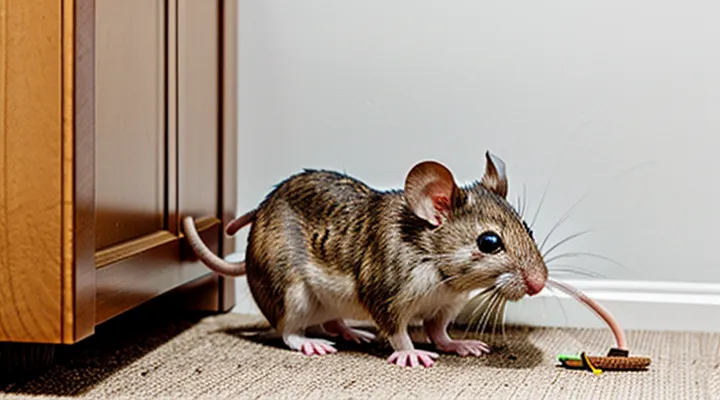
Understanding the Mouse Problem
Signs of a Mouse Infestation
«Droppings and Urine Trails»
Droppings and urine trails provide reliable evidence of mouse presence. Fresh droppings appear as small, dark pellets, typically 3‑5 mm long, with tapered ends. Older droppings may darken and become brittle. Urine trails are invisible to the naked eye but can be detected by a faint, sweet odor or by using a blacklight, which makes fresh urine fluoresce.
Identifying these signs serves two purposes. First, it confirms infestation zones, allowing targeted intervention. Second, it reveals movement pathways, enabling placement of physical barriers or traps along established routes.
Cleaning procedures must eliminate scent cues that attract rodents. Recommended steps:
- Wear disposable gloves and a mask.
- Collect droppings with a damp paper towel; discard in a sealed bag.
- Apply a mixture of hot water and a mild detergent to the contaminated surface.
- Rinse with clean water; dry thoroughly.
- For urine, soak the area with a solution of one part white vinegar to three parts water; let sit for ten minutes, then blot and rinse.
- After cleaning, allow the surface to dry completely before installing deterrents.
After removal, inspect adjacent areas for additional droppings or fresh urine spots. Persistent trails indicate ongoing activity and may require sealing entry points or repositioning traps.
By systematically locating, cleaning, and monitoring droppings and urine trails, mouse populations can be reduced without resorting to chemical agents. This approach aligns with a non‑chemical strategy for evicting rodents from residential spaces.
«Gnaw Marks and Damage»
Mice leave unmistakable evidence through their chewing activity, which directly indicates infestation severity and guides non‑chemical exclusion measures. «Gnaw Marks and Damage» appear on a variety of household items, providing reliable clues for early intervention.
Typical signs include:
- Parallel incisions on wooden beams, baseboards, or furniture legs; depth of 2–3 mm suggests active feeding.
- Chewed edges on plastic containers, cables, and insulation; exposed wiring creates fire risk.
- Rounded holes in stored grain, pet food, or pantry packaging; presence of droppings confirms contamination.
- Structural compromise of drywall or cabinet doors; enlarged openings facilitate further entry.
Each form of damage carries specific consequences. Compromised insulation reduces thermal efficiency, increasing heating costs. Damaged wiring raises the probability of short circuits and electrical fires. Structural weakening of framing elements can lead to costly repairs and reduced building integrity. Food contamination poses health hazards, attracting additional pests and spreading disease.
Identifying these patterns enables targeted, chemical‑free control actions. Seal openings larger than ¼ inch with steel wool or copper mesh, reinforce vulnerable wooden components with hard‑board patches, and relocate food storage to airtight containers. Regular inspection of the listed indicators maintains a clear picture of infestation progress and supports effective, sustainable mouse management.
«Unusual Sounds and Odors»
Unusual sounds and odors provide practical, non‑chemical options for discouraging house mice.
Sound‑based deterrents rely on frequencies outside human hearing range or on predator vocalizations. Ultrasonic emitters generate continuous tones between 20 kHz and 50 kHz, disrupting mouse communication and causing avoidance. Devices should be placed near entry points, concealed in walls, and powered continuously to prevent habituation. Predator recordings, such as owl hoots or cat snarls, create an environment perceived as unsafe; playback units must rotate recordings every few minutes to maintain effectiveness.
Odor‑based deterrents exploit rodents’ heightened sense of smell. Essential oils with strong, pungent aromas—peppermint, eucalyptus, clove—repel mice when applied to cotton balls or soaked into fabric strips. Concentrated solutions should be refreshed weekly, focusing on gaps, attics, and pantry shelves. Ammonia vapors, diluted in a sealed container with a perforated lid, generate an irritating scent that discourages nesting. Natural deterrents, such as dried lavender or citrus peels, offer milder alternatives but require frequent replacement.
Effective implementation combines both modalities. A typical arrangement includes:
- Ultrasonic emitters at each potential entry.
- Predator sound modules in high‑traffic rooms.
- Peppermint‑oil soaked pads in closets and cabinets.
- Ammonia‑based sachets near known activity zones.
Monitoring for reduced sightings confirms success; persistent activity may indicate the need for device repositioning or odor refreshment. This dual approach leverages sensory discomfort without resorting to chemical poisons, aligning with humane rodent management practices.
Identifying Entry Points
«Cracks and Gaps in Foundations»
Cracks and gaps in a building’s foundation create direct pathways for mice to enter living spaces. These openings bypass exterior barriers and allow rodents to exploit structural weaknesses without needing chemical attractants.
Common locations include:
- Horizontal cracks along the perimeter slab
- Vertical fissures around basement walls
- Openings around utility pipes, cables, and vent stacks
- Gaps between foundation and adjoining structures, such as decks or garages
Inspection should begin with a thorough visual survey of the basement and crawl spaces. Use a flashlight to trace the perimeter, noting any visible fissures larger than ¼ inch. Employ a flexible probe or a piece of steel wool to test the integrity of narrow gaps; resistance indicates a sealable opening, while free passage suggests a larger breach.
Sealing methods prioritize materials that mice cannot gnaw through:
- Apply polyurethane or silicone caulk to fill small cracks; ensure the product remains flexible to accommodate minor foundation movement.
- Insert steel wool into larger gaps, then cover with expanding foam to lock the material in place.
- For openings exceeding ½ inch, install hardware cloth (¼‑inch mesh) or metal flashing, fastening securely with corrosion‑resistant screws.
- Reinforce repaired sections with a thin layer of cement or mortar where appropriate, smoothing the surface to prevent future fissuring.
Regular maintenance reduces the risk of new entry points. Schedule bi‑annual checks of the foundation, especially after heavy rain or ground settling. Promptly address emerging cracks, and keep vegetation trimmed away from the building’s base to minimize moisture‑induced expansion of foundation seams.
«Openings Around Pipes and Wires»
Openings around pipes and wires provide direct pathways for rodents to enter living spaces. These gaps often appear where utility lines penetrate walls, floors, or foundations, and they remain unnoticed until signs of activity emerge.
Identify all visible gaps by inspecting the exterior and interior of the building. Pay particular attention to areas where plumbing, electrical conduits, and cable bundles emerge. Use a flashlight to reveal dark spaces and a mirror to view concealed corners.
Seal each opening with durable, non‑toxic materials. Recommended solutions include:
- Steel wool tightly packed into the gap, then covered with expanding foam for added protection.
- Copper mesh or hardware cloth (minimum ¼‑inch openings) secured with stainless‑steel staples or screws.
- Silicone‑based caulk applied around pipe sleeves and conduit entries to create a flexible barrier.
After sealing, verify the integrity of the work by running a thin piece of string through the repaired area; any movement indicates residual openings that require further attention. Regularly revisit these sites, especially after seasonal temperature changes, to maintain a continuous barrier against mouse intrusion.
«Damaged Vents and Screens»
Damaged vents and screens provide direct pathways for mice to enter living spaces. Cracks, holes, or torn mesh allow rodents to bypass exterior barriers and reach interior rooms where food and shelter are available.
Inspection should focus on all ventilation openings, including attic hatches, dryer vents, and bathroom exhaust fans. Look for rusted or warped metal, missing sections of screen, and gaps between the vent frame and surrounding wall. Use a flashlight to reveal hidden damage behind insulation or cabinetry.
Repair steps:
- Replace torn or corroded screens with stainless‑steel mesh that resists chewing.
- Seal gaps with steel wool followed by caulking or metal flashing to prevent re‑entry.
- Install hinged or louvered covers that close securely when not in use.
- Secure vent frames with screws and washers to eliminate loose joints.
Regular maintenance reduces the likelihood of re‑infestation. Schedule quarterly checks, especially after severe weather, to ensure that all ventilation components remain intact and rodent‑proof. By eliminating compromised vents and screens, the primary entry points for mice are removed, supporting a chemical‑free approach to keeping the home rodent‑free.
Non-Chemical Exclusion Strategies
Sealing Entry Points
«Materials for Sealing: Steel Wool and Caulk»
The non‑chemical approach to preventing mouse intrusion relies heavily on sealing gaps where rodents can enter. Effective sealing requires durable, flexible materials that block small passageways and resist gnawing.
Steel wool provides a physical barrier that mice cannot chew through. Its dense fibers conform to irregular openings around pipes, vents, and foundation cracks. To install, compress the wool tightly into the gap, then trim excess. The material remains effective as long as it stays compact; periodic inspection ensures no displacement.
Caulk fills seams and joints that steel wool cannot reach, such as around window frames, door thresholds, and baseboards. Choose a silicone‑based or polyurethane caulk for elasticity and long‑term adhesion. Apply a bead of caulk along the seam, smooth it with a putty knife, and allow the recommended curing time before exposing the area to moisture.
Combining both materials creates a layered defense: steel wool blocks larger, irregular gaps, while caulk seals surrounding crevices. Regular maintenance—checking for wear, resealing damaged sections, and keeping surrounding areas clear of debris—preserves the integrity of the seal and sustains a mouse‑free environment.
«Materials for Sealing: Steel Wool and Caulk» offers a practical, chemical‑free solution for homeowners seeking to eliminate rodent access points.
«Inspecting and Repairing Exterior Walls»
Effective control of rodent entry begins with a thorough assessment of the building’s outer envelope. Weak points in exterior walls provide direct pathways for mice, allowing them to bypass interior barriers and seek shelter indoors.
Key actions during the inspection phase include:
- Visual scanning of all wall surfaces for visible cracks, gaps around windows, doors, and utility penetrations.
- Tactile probing of siding, trim, and foundation joints to detect concealed openings.
- Monitoring for signs of gnawing, nesting material, or droppings near the building perimeter.
- Documentation of any damage to flashing, weather‑resistant barriers, or sealants.
Repair procedures focus on eliminating identified entry routes:
- Apply high‑quality silicone or polyurethane sealant to seal small fissures and joints.
- Install steel wool or copper mesh behind caulking in larger gaps before sealing, preventing rodents from re‑chewing.
- Replace damaged siding, soffits, or fascias with materials that resist gnawing, such as metal or fiber‑cement.
- Fit metal flashing around openings, ensuring overlap and secure attachment to deter climbing.
- Re‑caulk around windows, doors, and utility conduits, using a continuous bead that adheres to both interior and exterior surfaces.
Regular maintenance reinforces these measures. Schedule bi‑annual inspections after severe weather events, promptly address new damage, and keep vegetation trimmed away from the wall base to reduce concealment opportunities for mice. Consistent attention to «Inspecting and Repairing Exterior Walls» sustains a physical barrier that prevents rodent ingress without reliance on chemical interventions.
Eliminating Food and Water Sources
«Proper Food Storage Techniques»
Proper food storage is a fundamental component of any strategy aimed at deterring rodents without resorting to chemical treatments. Secure containers, airtight seals, and strategic placement reduce the availability of attractive food sources, thereby limiting mouse activity inside the dwelling.
Sealed containers made from rigid plastic or glass prevent scent diffusion and limit access. Containers should feature snap‑tight lids or screw‑on closures that maintain an airtight environment. Storing bulk items such as grains, cereals, and pet food in these containers eliminates the possibility of rodents chewing through packaging.
Location matters. Keep food storage units off the floor, preferably on shelves or in cabinets with smooth interior surfaces. Elevated placement hinders climbing and reduces the likelihood of mice using stored food as a navigational cue.
Regular maintenance supports effectiveness:
- Inspect containers weekly for cracks, worn seals, or damage.
- Rotate stock to use older items first, minimizing the time food remains exposed.
- Clean spills immediately; even small crumbs can attract rodents.
- Dispose of expired or spoiled food in sealed bags before discarding.
By integrating these practices, households create an environment that deprives mice of essential nutrition, encouraging them to seek shelter elsewhere without the need for toxic repellents. The result is a cleaner, safer living space with reduced rodent presence.
«Managing Pet Food and Water Bowls»
Managing pet food and water bowls is a critical element of chemical‑free rodent deterrence. Food remnants and standing water create strong attractants for mice; eliminating these sources reduces the likelihood of infestation.
Secure storage prevents accidental spillage. Transfer dry kibble to airtight containers made of metal or heavy‑wall plastic. Clean the container lid and surrounding area after each refill. Use a scoop that can be rinsed immediately, avoiding crumbs on countertops.
Water bowls require daily attention. Empty and refill the bowl each morning, then wash the bowl with hot, soapy water. Rinse thoroughly to remove any residue that could draw rodents. Position the bowl on a stable, elevated surface to deter climbing.
Implement regular inspection routines. Check for tiny crumbs under the bowl, around the feeding station, and behind furniture. Dispose of any debris in a sealed trash bag before it reaches the floor.
Practical steps:
- Store all pet food in sealed, non‑transparent containers.
- Replace kibble with measured portions; discard leftovers after each meal.
- Clean water bowls twice daily; dry them before refilling.
- Elevate feeding stations at least 12 inches off the floor.
- Inspect the area weekly for signs of droppings or gnaw marks.
Consistent application of these measures removes food and water incentives, supporting a sustainable, non‑chemical approach to keeping mice out of the home.
«Addressing Leaks and Moisture»
Mice are attracted to environments where water sources are readily available. Identifying and repairing leaks eliminates a primary incentive for infestation.
Inspect all potential entry points for moisture:
- Roof shingles and flashing
- Pipes beneath sinks and appliances
- Foundation cracks and crawl‑space walls
- Bathroom and kitchen seals
Seal discovered leaks with appropriate materials: silicone sealant for small gaps, pipe‑wrap tape for minor pipe damage, and cement‑based mortar for foundation fissures.
After repairs, reduce ambient humidity by employing dehumidifiers or improving ventilation in damp areas such as basements and attics. Low‑humidity conditions discourage mice from nesting and foraging.
Regularly monitor repaired sites for signs of recurrence. Prompt detection of new moisture sources prevents re‑attraction of rodents without resorting to chemical deterrents.
Maintaining a Clean Environment
«Regular Cleaning and Decluttering»
Regular cleaning and decluttering form a core component of chemical‑free rodent deterrence. Food particles, crumbs, and spills provide attractants; their removal reduces the likelihood of mouse activity. Persistent elimination of accessible nourishment deprives rodents of a primary incentive to enter living spaces.
Key practices include:
- Store dry goods in airtight containers made of metal or thick plastic.
- Promptly clean dishes, countertops, and cooking surfaces after meals.
- Sweep and vacuum floors daily, paying special attention to edges and corners.
- Empty trash bins regularly; use lids that close securely.
- Remove pet food dishes after each feeding period and store supplies in sealed containers.
Clutter creates concealed pathways and nesting sites. By maintaining an organized environment, entry points become visible and can be sealed effectively. Recommended actions:
- Keep storage areas organized; place items on shelves rather than the floor.
- Eliminate piles of newspapers, cardboard, or fabric that could serve as shelter.
- Regularly inspect basements, attics, and crawl spaces for accumulated debris.
- Rotate and reorganize stored items to expose hidden gaps and potential ingress points.
Consistent implementation of these measures limits food availability and eliminates sheltered habitats, thereby discouraging mouse presence without reliance on chemical interventions.
«Prompt Disposal of Waste»
Prompt disposal of waste directly reduces food sources that attract rodents, thereby supporting non‑chemical mouse exclusion strategies. Removing garbage promptly eliminates the scent trails and residual crumbs that mice use to locate entry points and nesting sites.
Effective waste management includes the following actions:
- Store trash in containers with tight‑fitting lids; ensure lids seal completely after each use.
- Transfer waste to outdoor receptacles no later than the end of each day; avoid accumulation inside the home.
- Position outdoor bins away from building foundations and seal gaps around the bins to prevent rodent entry.
- Clean containers regularly with hot water and detergent to remove food residues that could attract mice.
Timely removal of organic waste also discourages secondary infestations, such as insects that serve as additional food for mice. Maintaining a routine schedule for waste collection prevents buildup and limits the attractiveness of the environment to pests.
Integrating prompt waste disposal with other preventive measures—such as sealing entry points, eliminating clutter, and controlling indoor humidity—creates a comprehensive, chemical‑free approach to mouse control.
Humane Trapping and Repelling Methods
Live Traps
«Selecting and Baiting Live Traps»
Selecting a suitable live trap is the first step in a chemical‑free rodent control strategy. Effective models share three characteristics: sturdy construction, a sensitive trigger mechanism, and a secure release door.
- Sturdy construction prevents escape and withstands repeated use.
- Sensitive triggers react to the lightest touch, ensuring capture of timid mice.
- Secure release doors allow safe handling and relocation without injury.
Bait selection directly influences capture rates. Protein‑rich foods attract mice more reliably than carbohydrate‑only options. Recommended baits include:
- Small pieces of cooked chicken or turkey.
- Peanut butter applied to the trigger plate.
- Hard‑boiled egg halves.
Apply bait sparingly to the trap’s trigger area to avoid saturation, which can deter entry. Position traps along established mouse pathways—near walls, behind appliances, and in concealed corners. Check traps at least twice daily to release captured animals promptly and to reset bait freshness.
Consistent monitoring and proper placement, combined with the criteria above, maximize the effectiveness of live‑trap deployment while maintaining a non‑chemical approach to mouse removal.
«Safe Release Practices»
Safe release of captured mice prevents recurrence and respects animal welfare. Gloves protect handlers from disease and prevent scent transfer that could attract other rodents. Disinfection of trap surfaces after each capture eliminates pathogens.
Release locations must meet specific conditions:
- Distance exceeding 100 meters from the residence, reducing likelihood of return.
- Presence of natural shelter such as dense vegetation, stone piles, or abandoned structures.
- Access to water sources, ensuring survival without human assistance.
- Absence of domestic predators that could cause immediate mortality.
Transport the animal in a ventilated container, avoiding excessive temperature fluctuations. Keep the container upright, limiting stress. Upon arrival at the selected site, open the container away from the opening, allowing the mouse to exit voluntarily. Do not force movement; a calm environment encourages self‑release.
After release, monitor the original capture area for signs of new activity. Replace baited traps with deterrent devices, such as ultrasonic emitters or sealed entry points, to maintain a mouse‑free environment. Regular inspection of potential entry gaps ensures long‑term prevention without chemical interventions.
Natural Repellents
«Peppermint Oil and Cotton Balls»
Peppermint oil applied to cotton balls offers a scent‑based deterrent that does not involve toxic substances. The strong menthol aroma overwhelms the olfactory receptors of mice, prompting them to avoid treated zones.
To prepare the repellent, soak each cotton ball with several drops of pure «peppermint oil». Use a carrier such as a small amount of water only if the oil is overly concentrated; excessive dilution reduces efficacy. Allow the cotton to absorb the oil fully before placement.
Placement guidelines:
- Position a treated cotton ball near known entry points, such as gaps under doors, vent openings, and foundation cracks.
- Distribute additional balls along interior pathways, including behind appliances, in pantry corners, and within wall voids where evidence of activity appears.
- Replace each ball every 3–5 days, or sooner if the scent diminishes noticeably.
Effectiveness stems from the volatile compounds that disperse quickly, creating an environment unattractive to rodents. The method does not harm pets or children when used in moderate amounts, but avoid direct contact with eyes and skin. Persistent infestations may indicate structural vulnerabilities; scent deterrents alone cannot resolve a breach.
Combining the oil‑cotton approach with sealing gaps, removing food sources, and maintaining a clean interior enhances overall control without resorting to chemical agents.
«Clove Oil and Sachets»
Clove oil, when contained in small fabric sachets, provides a potent, non‑chemical deterrent for housebound rodents. The volatile compounds in the oil emit a strong aroma that irritates mouse sensory receptors, prompting avoidance of treated areas.
The efficacy of the method relies on continuous scent release. Proper preparation ensures consistent diffusion:
- Saturate a cotton ball or small piece of felt with several drops of clove oil.
- Enclose the saturated material in a breathable fabric pouch, securing the opening with a stitch or knot.
- Label each sachet with the preparation date to monitor potency.
Strategic placement maximizes impact. Position sachets near known entry points, such as gaps around doors, baseboards, and utility openings. Additional locations include pantry shelves, behind appliances, and within wall cavities where mice travel. Maintain a distance of at least 12 inches from food storage to prevent flavor transfer.
Replace sachets every two to three weeks, or sooner if the scent diminishes. Store unused oil in a sealed container away from direct sunlight. Keep sachets out of reach of children and pets, as concentrated oil may cause skin irritation. Combine this approach with sealing cracks and eliminating food sources for comprehensive, chemical‑free rodent control.
«Other Essential Oil Applications»
Essential oils provide versatile, non‑chemical options for managing rodent activity. Beyond direct placement to repel mice, several additional techniques enhance effectiveness while maintaining a safe indoor environment.
«Other Essential Oil Applications» include:
- Diluted spray applied to baseboards, entry points, and pantry shelves; a mixture of water and a few drops of peppermint, eucalyptus, or citronella creates a volatile barrier that discourages nesting.
- Cotton balls or small fabric pads soaked in oil and positioned in hidden corners, under appliances, or within wall cavities; the slow release of scent sustains deterrence over days.
- Portable diffusers placed in rooms where rodent signs appear; continuous emission disperses aromatic compounds throughout the air space, reaching less accessible areas.
- Cleaning solutions combining vinegar, water, and essential oil for wiping down counters, cabinets, and floor seams; residual fragrance remains after drying, reducing attraction.
- Sealing gaps with oil‑infused silicone caulk; the added scent reinforces the physical barrier, preventing re‑entry.
Implementing these methods alongside primary deterrent strategies maximizes coverage, limits mouse habituation, and preserves a chemical‑free household.
Electronic Repellents
«Understanding Ultrasonic Devices»
Ultrasonic devices emit sound waves above the range of human hearing, typically between 20 kHz and 65 kHz, creating a hostile acoustic environment for mice. The high‑frequency pulses interfere with rodent communication, causing disorientation and avoidance behavior.
Effective deployment requires positioning units where mice travel or nest. Devices should be mounted on walls at least 12 inches above the floor, facing open pathways such as entry gaps, cabinets, and attic access points. Solid objects block ultrasonic propagation; therefore, clear line‑of‑sight between emitter and target area maximizes coverage.
Key considerations for ultrasonic rodent control:
- Frequency selection: models operating at 30 kHz–45 kHz target common house mice while remaining inaudible to most pets.
- Coverage area: each unit typically covers 500–1 000 sq ft; larger spaces demand multiple emitters with overlapping fields.
- Power source: continuous‑run plug‑in units provide consistent emission; battery‑powered models may experience duty‑cycle interruptions.
- Environmental factors: high humidity and temperature fluctuations can reduce wave intensity; maintain stable indoor conditions for optimal performance.
- Safety: ultrasonic output poses no chemical risk to humans or non‑target animals when used as directed.
Regular inspection ensures devices remain functional; dust accumulation on transducers diminishes output and should be cleaned monthly. Replacement of faulty units restores effectiveness without introducing chemical agents.
«Placement and Effectiveness Considerations»
Effective mouse control without chemicals depends on strategic placement and realistic assessment of each method’s impact. Position devices along established travel routes; mice habitually follow walls and conceal themselves in concealed gaps. Locate deterrents near entry points, such as foundation cracks, utility openings, and vent covers, to intercept rodents before they enter living spaces. Install traps or exclusion barriers within 12‑18 inches of the floor, where mice prefer to move. Deploy devices in dark, undisturbed areas—behind appliances, under cabinets, and within pantry corners—to increase encounter rates. Ensure placement does not obstruct normal household traffic, reducing the risk of accidental contact.
Key factors influencing effectiveness include:
- Proximity to food sources – devices near stored grains, pet food, or garbage containers yield higher capture rates.
- Size of openings – sealing gaps smaller than ¼ inches prevents re‑entry, sustaining long‑term results.
- Device density – multiple units per 100 sq ft improve coverage, especially in multi‑room layouts.
- Maintenance schedule – regular inspection and prompt replacement of triggered devices maintain pressure on the population.
- Environmental conditions – low humidity and reduced clutter limit shelter options, enhancing overall success.
Monitoring outcomes provides feedback for adjustment. Record capture frequency and relocate underperforming devices to more active zones. Combine placement precision with diligent sanitation to achieve consistent, chemical‑free mouse deterrence.
Ongoing Prevention and Monitoring
Regular Home Inspections
«Seasonal Checks for New Entry Points»
Regularly inspecting a home for fresh mouse entry points prevents infestations without resorting to chemicals. Seasonal assessments align with typical weather patterns that influence rodent behavior and building vulnerabilities.
• Spring – Examine gaps around doors and windows caused by expansion of wooden frames. Seal cracks in exterior siding and re‑check weatherstripping after heavy rains.
• Summer – Inspect roof eaves, soffits, and attic vents for damage from heat‑induced material warping. Repair or cover any openings that could admit mice seeking shade.
• Fall – Focus on drainage areas; fallen leaves can conceal holes at the foundation. Clear debris from crawl‑space vents and reinforce screens.
• Winter – Verify that insulation does not create gaps around utility penetrations. Apply steel wool or copper mesh to pipe entries that may be widened by frost.
Each inspection should include a visual sweep of the building envelope, tactile testing of suspected seams, and documentation of repaired locations. Promptly sealing identified gaps eliminates the pathways mice exploit during seasonal transitions, maintaining a chemical‑free environment.
«Monitoring for Renewed Activity»
Effective non‑chemical rodent control requires continuous verification that mice have not returned. «Monitoring for Renewed Activity» provides the feedback loop necessary to confirm the success of exclusion measures and to trigger timely interventions.
Key actions include:
- Inspect entry points each morning; record any fresh gnaw marks or droppings.
- Deploy motion‑activated cameras in concealed locations; review footage weekly for nocturnal movement.
- Place non‑toxic bait stations with tracking powder; examine residues every three days.
- Conduct auditory sweeps using a quiet listening device; note squeaks or rustling sounds indicative of presence.
When evidence of activity appears, reinforce seals around openings, adjust trap placement, and repeat the observation cycle. Persistent documentation ensures that the household remains free of mice without resorting to chemical solutions.
Landscape Management
«Trimming Vegetation Away from the House»
Keeping shrubs, vines, and groundcover at a safe distance from the building creates a physical barrier that discourages mice from approaching the foundation. Dense vegetation offers cover, eases climbing, and creates moisture pockets attractive to rodents; removing this habitat reduces the likelihood of entry.
Key actions for effective vegetation management:
- Trim all branches and vines to maintain at least a two‑foot clearance from walls, windows, and eaves.
- Cut back hedges and shrubs so that stems do not touch the exterior; use shears or powered trimmers for clean cuts.
- Remove leaf litter, fallen branches, and debris from the perimeter to eliminate shelter and nesting material.
- Keep grass mowed to a maximum height of three inches; use a mulching mower to disperse cut material away from the foundation.
- Prune trees regularly to prevent low-hanging limbs that could serve as mouse runways.
Regular inspection and maintenance reinforce the barrier. Conduct a visual sweep of the property each month, focusing on points where vegetation meets the structure. Replace dead or overgrown plants promptly, and consider installing a low fence or gravel strip along the base of the house to further impede rodent movement. Consistent application of these practices sustains a chemical‑free environment that limits mouse activity around the home.
«Clearing Debris and Woodpiles»
Eliminating clutter around a residence removes essential shelter for rodents, directly supporting chemical‑free exclusion strategies.
Mice seek out piles of leaves, broken branches, and stored firewood because these materials provide insulation, nesting sites, and protection from predators. When such resources are present, the likelihood of infestation increases dramatically.
Practical actions for «Clearing Debris and Woodpiles»:
- Gather all loose leaves, twigs, and garden waste; compost or dispose of material in sealed containers.
- Separate firewood from the house, store it on a raised platform, and keep it at least two feet away from exterior walls.
- Trim vegetation that contacts the building, creating a clear zone of at least three feet.
- Inspect the area weekly for newly accumulated debris; remove any material promptly.
Consistent upkeep of the cleared zone prevents mice from reestablishing footholds, reinforcing non‑chemical deterrence and maintaining a rodent‑free environment.
Community Involvement
«Collaborating with Neighbors»
Collaborating with neighboring households increases the effectiveness of chemical‑free rodent control by expanding the area of observation and reducing the likelihood of reinfestation from adjacent properties. Shared boundaries often contain entry points such as gaps under utility lines, shared walls, and common storage areas; coordinated inspection and sealing of these openings limit the routes mice can exploit.
Key steps for neighbor collaboration:
- Establish a communication channel (e.g., a neighborhood email list or messaging group) to share sightings, entry‑point locations, and successful deterrent methods.
- Conduct joint inspections of exterior walls, foundations, and shared structures; document compromised sections and assign responsibility for repairs.
- Synchronize the placement of physical barriers (steel wool, copper mesh) and traps along shared perimeters to create a continuous deterrent line.
- Agree on a schedule for regular maintenance, including clearing clutter, trimming vegetation, and storing food in sealed containers.
- Share resources such as tools, replacement hardware, and informational flyers that outline non‑chemical deterrent techniques.
Consistent cooperation prevents isolated efforts from being undermined by untreated neighboring spaces. When each household adheres to the agreed protocol, the collective environment becomes inhospitable to rodents, sustaining long‑term, chemical‑free protection. «Shared responsibility» thus becomes a practical strategy for maintaining a mouse‑free community.
«Addressing Local Infestation Issues»
«Addressing Local Infestation Issues» requires a systematic, non‑chemical approach that targets entry points, habitat, and behavior. Begin with a thorough inspection of the property to locate gnaw marks, droppings, and potential pathways. Seal gaps larger than a quarter‑inch using steel wool, copper mesh, or concrete; prioritize doors, windows, utility openings, and foundation cracks. Remove food sources by storing grain, cereals, and pet feed in airtight containers and cleaning crumbs promptly.
- Install snap traps or electronic devices along walls, behind appliances, and near known activity zones.
- Position humane catch‑and‑release traps in concealed areas; release captured mice at least two miles from the residence to prevent re‑entry.
- Deploy natural deterrents such as peppermint oil–soaked cotton balls, dried lavender, or ultrasonic emitters in rooms where activity persists.
Maintain vigilance by conducting weekly checks of traps, inspecting sealed openings, and documenting sightings. Adjust trap placement based on observed movement patterns. Consistent execution of these steps reduces mouse populations without reliance on pesticides, safeguards indoor air quality, and supports long‑term prevention.