
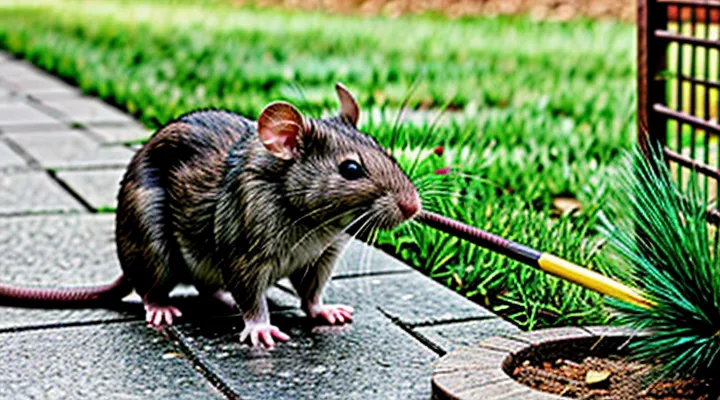
Understanding the Rat Problem
Identifying Rat Presence
Signs of Rats
Rats reveal their presence through several unmistakable indicators.
- Dark, pellet‑shaped droppings, typically ½‑inch long, found near food sources, along walls, or in hidden corners.
- Gnaw marks on wood, plastic, wiring, or garden structures; teeth leave clean, parallel cuts about ¼‑inch deep.
- Nests constructed from shredded paper, fabric, insulation, or plant material, often located in burrows, under decks, or within dense vegetation.
- Fresh burrows in soil or mulch, identified by loose, sandy tunnels and small piles of displaced earth.
- Scratching or scurrying sounds in walls, attics, or underground, most audible at night.
- Grease or urine stains—dark, oily patches on surfaces where rats travel frequently.
- Damage to crops, seedlings, or stored feed, manifested as chewed stems, missing produce, or exposed roots.
Observing any combination of these signs confirms rat activity and signals the need for immediate control measures to protect a residential garden.
Common Rat Species in Residential Areas
Rats that regularly occupy suburban yards belong to a limited number of species, each with distinct habits that affect control measures.
-
Norway rat (Rattus norvegicus) – Large, brown‑gray body, prefers ground burrows, sewers, and dense vegetation. Frequently found near compost piles, pet food, and building foundations. Excellent digger; creates extensive tunnel systems that can undermine garden soil.
-
Roof rat (Rattus rattus) – Smaller, slender, black‑brown coat, favors elevated sites such as trees, fences, and roof spaces. Climbs readily, using vines and wires to access attics, sheds, and stacked firewood. Prefers dry, warm environments and feeds on fruit, nuts, and garden produce.
-
House mouse (Mus musculus) – Though technically a mouse, it shares residential habitats with rats. Small, grayish body, thrives in interior walls, crawl spaces, and stored grain. Rapid reproduction and ability to squeeze through tiny openings make it a persistent nuisance.
Understanding these species’ preferred nesting locations, food sources, and movement patterns is essential for designing effective exclusion, sanitation, and trapping strategies in a residential yard.
Why Rats Are Attracted to Your Yard
Food Sources
Rats are drawn to any accessible food in the yard; eliminating these sources reduces the likelihood of infestation.
- Store pet food in sealed containers and feed animals only at scheduled times, removing leftovers immediately.
- Secure garbage bins with tight‑fitting lids; transfer waste to a secondary container before collection.
- Compost only in rat‑proof bins, keeping lids closed and locating the unit away from the house.
- Harvest fallen fruit promptly; prune trees to prevent fruit drop onto the ground.
- Clean bird‑feeder trays daily, place feeders on poles with baffles, and use trays that prevent spillage.
By denying rats a reliable food supply, the yard becomes unfavorable for settlement, supporting long‑term control.
Water Sources
Rats require regular access to water; eliminating accessible sources removes a primary incentive for their presence in a yard.
Inspect the property for any of the following and address each promptly:
- Leaking hose connections, sprinkler heads, or irrigation lines; repair or replace faulty components.
- Birdbaths, pet water bowls, and decorative fountains; empty after use, clean daily, and store when not needed.
- Puddles formed by uneven ground or compacted soil; regrade and improve drainage to prevent water accumulation.
- Open containers such as rain barrels or buckets; secure lids tightly and position on raised platforms.
Maintain a routine that includes:
- Checking all irrigation equipment weekly for drips.
- Cleaning and refilling animal water dishes each day, discarding any stale water.
- Removing debris that can trap moisture, such as leaves, mulch, and garden waste.
By systematically removing standing water and ensuring that any necessary water sources are tightly sealed, the yard becomes unsuitable for rats, reducing the likelihood of infestation.
Shelter and Hiding Spots
Rats thrive in yards that provide concealed, moist, or insulated spaces. Identifying and eliminating these refuges removes the incentive for rodents to establish a presence.
Typical shelter sources include:
- Wood piles left directly on the ground; stack them on pallets or keep them covered.
- Thick layers of leaf litter or compost; rake regularly and maintain a thin surface.
- Dense shrubbery and low‑lying branches; trim to create an open perimeter.
- Unsealed gaps under decks, fences, or sheds; seal with metal flashing or concrete.
- Burrows in soft soil; fill with coarse gravel or compacted earth after confirming no active activity.
Additional measures strengthen protection:
- Install hardware cloth (½‑inch mesh) around foundations and under raised beds to block entry.
- Elevate bird feeders, pet food, and water containers at least 18 inches above ground and secure them to prevent gnawing.
- Remove standing water; ensure drainage slopes away from structures.
- Use rodent‑proof containers for stored firewood, garden tools, and debris.
Consistent maintenance of these areas deprives rats of safe hideouts, compelling them to seek alternative habitats away from the property.
Implementing Rat Control Strategies
Eliminating Attractants
Securing Food and Waste
Securing food and waste eliminates the primary attraction that draws rats into residential yards. Food residues, pet feed, and improperly stored garbage provide a reliable source of nutrition, encouraging rodents to establish foraging routes and nesting sites.
- Store all dry goods in metal or heavy‑duty plastic containers with tight‑fitting lids.
- Keep compost bins sealed and positioned away from the house, using a lid that locks.
- Place outdoor trash cans on a raised platform and fit them with rat‑proof lids that close automatically.
- Remove fallen fruit, birdseed, and pet food promptly; avoid leaving bowls uncovered overnight.
- Clean grills, grills, and outdoor cooking equipment after each use to eliminate grease and crumbs.
Regular inspection reinforces these measures. Check containers for cracks, replace worn seals, and clear debris that could conceal food. Maintain a schedule for disposing of waste, ensuring that bins are emptied before they become overloaded. By eliminating accessible nourishment, the yard becomes inhospitable to rats, reducing the likelihood of infestation.
Removing Water Sources
Rats thrive where water is readily available. Eliminating all unnecessary moisture deprives them of a critical resource, forcing them to search elsewhere and reducing the likelihood of infestation in a residential yard.
Identify and eliminate sources of standing water. Common contributors include leaking faucets, broken irrigation lines, clogged gutters, and low‑lying depressions that collect rain. Repair all leaks promptly, ensure that drainage systems direct water away from foundations, and smooth any uneven ground to prevent puddles.
Maintain pet and wildlife water containers responsibly. Use containers with tight‑fitting lids, refill them daily, and clean them regularly to avoid spillage. If birdbaths are present, place them on a slope or use a drainage plug to eliminate overflow.
- Inspect plumbing fixtures weekly for drips.
- Test irrigation timers for overwatering and adjust schedules.
- Clear debris from gutters and downspouts quarterly.
- Level garden beds and pathways to promote runoff.
- Store firewood off the ground to keep it dry.
By systematically removing water sources, the environment becomes inhospitable to rats, supporting long‑term control of their presence in the yard.
Clearing Yard Debris
Removing accumulated debris from a yard eliminates shelter and food sources that attract rats. Loose wood, leaf piles, and discarded containers create hidden pathways and nesting sites. Regularly disposing of these materials reduces the habitat suitability for rodents and forces them to seek alternative locations.
Effective debris clearance includes:
- Collecting fallen branches, logs, and dense brush; cut them into manageable pieces and dispose of them in a sealed container or compost bin with a tight lid.
- Raking leaf litter and grass clippings daily; store the material in a covered bin or spread it thinly to prevent moisture buildup.
- Eliminating broken garden tools, pallets, and any cardboard or paper waste; place them in a locked trash enclosure.
- Inspecting the perimeter for hidden piles of debris; move them away from the house foundation and keep the area clear for at least three feet.
Consistent removal of yard clutter deprives rats of hiding places, making the environment inhospitable and encouraging them to vacate the property.
Exclusion Techniques
Sealing Entry Points
Sealing entry points eliminates the most common avenue rats use to invade a yard. By removing gaps, holes, and weak spots, the habitat becomes unsuitable for nesting and foraging, forcing rodents to seek shelter elsewhere.
- Conduct a thorough inspection of the perimeter, including foundations, walls, and utility openings.
- Identify any openings larger than ¼ inch; rats can squeeze through spaces as small as a quarter‑inch.
- Repair cracks with cement, mortar, or expandable foam, ensuring a tight bond.
- Install steel wool or copper mesh in gaps around pipes, vents, and drainage lines before applying sealant; rodents cannot gnaw through metal.
- Use weather‑resistant caulking around door frames, windows, and exterior trim to prevent water damage that could create new openings.
- Replace damaged or missing vent covers, chimney caps, and crawl‑space doors with solid, rodent‑proof materials.
Regularly monitor repaired areas, especially after heavy rain or seasonal temperature changes, to detect any new deterioration. Prompt maintenance preserves the integrity of the barrier and sustains long‑term rat exclusion.
Protecting Garden Beds
Rats damage garden beds by gnawing seedlings, contaminating soil, and spreading disease. Effective protection begins with habitat reduction and physical barriers.
- Remove fallen fruit, vegetable scraps, and compost that attract rodents.
- Store feed and pet food in sealed containers; place them away from garden edges.
- Keep grass trimmed and mulch thin; dense vegetation provides cover for rats.
- Install hardware cloth (¼‑inch mesh) around bed perimeters, securing it firmly to the ground.
- Use raised beds with a smooth bottom; add a layer of fine sand or gravel beneath soil to discourage burrowing.
- Apply natural repellents such as crushed peppermint leaves or dried cayenne pepper around the outer edge of each bed.
- Position motion‑activated lights or ultrasonic devices near vulnerable sections to create an unfriendly environment.
Regular inspection of beds for gnaw marks, droppings, or burrows allows prompt intervention. Combining sanitation, barrier installation, and deterrent tactics maintains garden integrity while supporting broader efforts to keep rats out of the yard.
Trapping and Baiting Methods
Types of Traps
Snap traps provide immediate kill. Constructed of wood or plastic, they feature a spring‑loaded bar that closes on contact. Bait the trigger with peanut butter or dried fruit to increase capture rate. Place traps along walls, near burrows, and away from non‑target animals.
Live‑catch traps secure rats without killing them. Made of wire mesh or plastic, they have a door that shuts when the animal enters. Check traps several times daily; release captured rats at least 100 meters from the property to prevent re‑infestation.
Electronic traps deliver a lethal electric shock. Sensors detect the rodent’s presence and release a high‑voltage pulse that kills instantly. Models often include a disposable cartridge, reducing cleaning time.
Glue boards consist of adhesive‑coated cardboard. Position boards perpendicular to travel routes, preferably in concealed locations. Monitor boards frequently; dispose of trapped rodents according to local regulations.
Bait stations house anticoagulant or bromethalin pellets within a protected container. The design limits access to non‑target wildlife. Replace bait regularly and follow label instructions for dosage and safety.
Select trap types based on site conditions, target‑animal behavior, and local regulations. Combine multiple methods for comprehensive control, ensuring traps are set securely and inspected consistently.
Safe Baiting Practices
Safe baiting is a critical component of rodent management in residential yards. Proper execution minimizes risk to children, pets, and non‑target wildlife while ensuring effective reduction of rat activity.
- Choose anticoagulant or non‑anticoagulant baits that are approved for residential use. Verify expiration dates before deployment.
- Place bait in tamper‑resistant stations made of sturdy plastic or metal. Position stations at least 2 feet above ground and away from food preparation areas.
- Install stations along walls, near burrow entrances, and in concealed corners where rats travel. Space stations 10–15 feet apart for optimal coverage.
- Wear disposable gloves when handling bait. Wash hands thoroughly after each session.
- Limit exposure time. Replace stations every 3–4 days, or sooner if bait is depleted.
- Record placement locations and dates to track progress and adjust distribution patterns.
- Dispose of dead rodents in sealed containers, following local regulations for hazardous waste.
Regular inspection confirms station integrity and bait freshness. Adjust placement based on observed rat pathways. Compliance with municipal pest‑control ordinances prevents legal penalties and protects the household environment.
Placement of Traps and Baits
Effective trap and bait placement is essential for reducing rodent activity in a residential yard. Identify high‑traffic routes such as wall voids, under decks, near garbage cans, and along fences. Position devices perpendicular to these pathways, with the trigger end facing the anticipated direction of travel. Secure traps on stable surfaces to prevent displacement by wind or animals.
When using bait, choose locations that are sheltered from rain and direct sunlight, as moisture degrades attractants. Place bait stations at least 2–3 feet off the ground on a platform or within a protected enclosure. Position them near nesting signs—chewed vegetation, droppings, or burrow entrances—while maintaining a safe distance from children and pets, typically a minimum of 10 feet.
Timing influences success. Deploy traps in the evening when rats are most active; check and reset them at dawn. Replace baits every 2–3 days to retain potency, and rotate locations periodically to prevent habituation.
Key considerations:
- Use snap or electronic traps for immediate kill; avoid glue boards that allow prolonged suffering.
- Employ non‑toxic, rodent‑specific baits to minimize risk to non‑target species.
- Record placement coordinates and capture data to refine future deployment patterns.
- Maintain a clean environment by removing food sources and sealing entry points, thereby enhancing the effectiveness of traps and baits.
Natural and Repellent Approaches
Using Natural Predators
Rats can be discouraged from residential yards by fostering natural predators that hunt or deter them. The presence of such predators creates a hostile environment for rodent activity, reducing the need for chemical controls.
- Barn owls – Install low‑profile nesting boxes near open fields or garden edges. Barn owls hunt at night and can consume dozens of rats each week.
- Red-tailed hawks – Provide tall perching structures or dead trees to allow hawks to scan for prey. Their aerial attacks target larger rodents.
- Snakes – Encourage non‑venomous species such as rat snakes by leaving stone piles, wood debris, or brush heaps. These reptiles actively chase and swallow rats.
- Domestic cats – Keep cats indoors but allow supervised outdoor access in the yard. Cats patrol ground level, detecting and killing rats.
- Ferrets – Use trained ferrets for occasional patrols in dense shrubbery. Their agility enables them to pursue rodents into tight spaces.
- Birds of prey – Attract kestrels and sparrowhawks with open fields and minimal pesticide use. These small raptors focus on juvenile rats.
To maximize predator effectiveness, maintain a habitat that supports their needs: avoid excessive lawn chemicals, preserve native vegetation, and supply water sources. Regularly monitor nesting sites and perches to ensure they remain functional. By integrating these biological controls, homeowners create a self‑sustaining barrier that naturally limits rat populations.
Plant-Based Repellents
Plant-based repellents provide a non‑toxic method for discouraging rats from entering a garden. Strong aromatic herbs such as peppermint, spearmint, and rosemary emit scents that rodents find unpleasant. Planting these herbs along fence lines, near compost bins, and around vegetable plots creates a chemical barrier that deters foraging.
Crushed garlic cloves and sliced onions release sulfur compounds that irritate rat sensory receptors. Dispersing a thin layer of minced garlic or onion in shallow pits around the yard reduces the likelihood of burrowing activity. Similarly, powdered cayenne pepper or chili flakes applied to the base of plants repel rats by causing a mild mucosal irritation.
Essential‑oil sprays offer a flexible application. Mix 10 ml of peppermint or eucalyptus oil with 1 liter of water and add a small amount of dish‑soap as an emulsifier. Spray the solution on garden edges, mulch, and the undersides of foliage every 3–4 days, especially after rain. The volatile oils evaporate quickly, maintaining an environment that rats avoid without harming beneficial insects.
Ground coffee grounds, when spread thinly on the soil surface, emit a strong odor that rats dislike. Replenish the layer weekly to sustain the effect. Combining multiple plant-derived deterrents—herbs, spices, and organic waste—creates overlapping sensory cues that increase overall efficacy.
Regular maintenance is essential. Remove any fallen fruit, secure garbage containers, and repair cracks in foundations to eliminate alternative food sources and entry points. When plant-based repellents are integrated with good sanitation practices, rat activity in residential yards declines noticeably.
Ultrasonic Devices: Efficacy and Limitations
Ultrasonic repellents emit high‑frequency sound waves that rodents cannot hear but find uncomfortable. Devices are typically powered by mains electricity or batteries and are positioned near potential entry points, burrows, or feeding stations.
Efficacy reports show variable results. Controlled laboratory tests demonstrate short‑term avoidance behavior when rats are directly exposed to frequencies above 30 kHz. Field studies in residential yards indicate reduced activity in the immediate vicinity of functioning units, but overall population levels often remain unchanged. Effectiveness declines when obstacles such as fences, walls, or dense vegetation block sound propagation.
Limitations include:
- Limited range (usually 10–20 ft) and directional coverage.
- Diminished impact after rodents habituate to the constant tone.
- Incompatibility with pets that can detect ultrasonic frequencies.
- Dependence on continuous power; battery‑operated models lose output as charge drops.
For practical use, place devices at ground level near known rat pathways, ensure unobstructed line of sight, and combine with physical barriers, sanitation, and trapping to achieve lasting control. Regularly replace units according to manufacturer specifications, as output degrades over time.
Maintaining a Rat-Free Yard
Regular Yard Maintenance
Landscaping for Prevention
Effective landscaping can deter rodents from entering a residential yard. Dense, low‑lying vegetation creates shelter and food sources for rats; eliminating such habitats reduces their attraction to the property.
Maintain a clear perimeter around the home. Trim shrubs, mow grass regularly, and remove leaf litter. Keep tree branches at least two feet away from the house to prevent rats from climbing onto the roof.
Implement hard‑scape features that limit burrowing and nesting:
- Install a solid fence with no gaps larger than ¼ inch; metal or vinyl works best.
- Use concrete or stone edging around garden beds to block entry points.
- Apply a layer of coarse mulch (e.g., bark chips) at least six inches deep; avoid soft, organic mulch that rats can gnaw through.
- Seal all drainage gaps and vent openings with metal mesh.
Finally, manage waste and water sources. Store compost in sealed containers, keep pet food indoors, and ensure no standing water remains after rain. Properly designed landscape elements combined with diligent maintenance create an environment where rats cannot thrive.
Routine Inspections
Routine inspections form the backbone of effective rat control in a residential yard. Regularly scheduled checks reveal entry points, food sources, and nesting sites before infestations become severe.
Inspect the perimeter at least once a month. Walk the fence line, examine gaps larger than a quarter‑inch, and seal openings with steel wool or concrete. Verify that gates close tightly and that any vent covers are intact.
Examine the ground and vegetation weekly. Look for fresh burrows, shredded plant material, and droppings. Remove debris, trim low‑lying shrubs, and keep grass at a moderate height to reduce cover.
Assess storage areas every two weeks. Ensure compost bins have tight lids, feed containers are sealed, and outdoor trash cans are fitted with rat‑proof lids. Clean spills promptly and store feed in metal containers.
Check structures quarterly. Inspect sheds, garages, and toolboxes for holes, cracked panels, or damaged weather stripping. Repair damage immediately to eliminate shelter.
Document findings after each inspection. Record location, type of issue, and corrective action taken. Use the log to track patterns and adjust the inspection schedule if problem areas recur.
By adhering to a disciplined inspection routine, homeowners maintain a hostile environment for rats, limit food availability, and prevent the establishment of new colonies.
Addressing Neighboring Properties
Community Involvement
Community involvement amplifies the effectiveness of rodent control in residential yards. When neighbors share information, resources, and responsibilities, the likelihood of persistent infestations declines sharply.
Collective action reduces individual costs, accelerates detection of new activity, and creates a unified front that discourages rats from exploiting isolated properties.
Practical steps for residents include:
- Establish a neighborhood communication channel (e.g., email list, messaging group) to report sightings promptly.
- Coordinate regular yard inspections and clean‑up days, focusing on debris removal, compost management, and vegetation trimming.
- Share affordable trapping equipment or purchase bulk supplies to lower expenses.
- Organize a shared schedule for waste‑bin sanitation, ensuring lids close tightly and containers are stored away from shelter‑providing structures.
- Liaise with local pest‑control agencies to arrange community‑wide treatments and obtain expert guidance.
Effective organization requires a designated coordinator who maintains records of inspections, distributes updates, and contacts municipal authorities when professional intervention becomes necessary. Consistent participation sustains a hostile environment for rodents, protecting the entire neighborhood’s property and health.
Professional Pest Control Services
Professional pest control firms provide a systematic approach to eliminating rodent activity from residential outdoor areas. The process begins with a thorough site inspection to identify entry points, food sources, and signs of infestation. Technicians document findings, map activity zones, and recommend targeted interventions.
The core services include:
- Placement of bait stations or traps in high‑traffic zones, using rodent‑specific formulations approved for outdoor use.
- Sealing of structural gaps, vents, and utility openings to prevent re‑entry.
- Removal of debris, overgrown vegetation, and unsecured waste that attract rodents.
- Ongoing monitoring through periodic visits, bait replenishment, and trap checks to verify eradication.
Clients receive written reports outlining actions taken, safety precautions, and a maintenance schedule to sustain a rodent‑free yard. Professional engagement reduces the risk of disease transmission, property damage, and the need for repeated DIY attempts.