
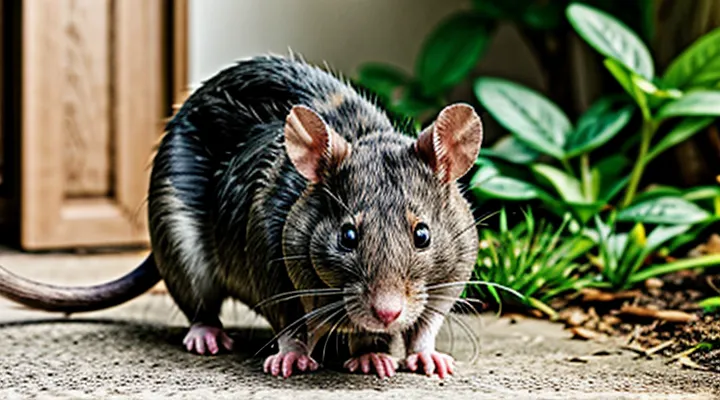
Understanding the Need for Distinction
Why It Matters
Health Risks Associated with Wild Rats
Wild rats present a range of health hazards that differ markedly from those associated with domesticated rats. Their outdoor habits expose them to pathogens carried in soil, water, and refuse, increasing the likelihood of human contact with contaminated material.
Transmission occurs through direct bite or scratch, contact with urine or feces, inhalation of aerosolized particles from dried droppings, and ingestion of food or water tainted by rat excreta. These routes enable pathogens to enter the body without visible injury.
Common illnesses linked to wild rat exposure include:
- Leptospirosis – bacterial infection spread via contaminated urine.
- Hantavirus pulmonary syndrome – inhalation of aerosolized droppings.
- Salmonellosis – ingestion of food contaminated with fecal bacteria.
- Rat‑bite fever (streptobacillosis) – bacterial infection following a bite or scratch.
- Plague – Yersinia pestis transmitted through flea bites that have fed on infected rats.
- Lymphocytic choriomeningitis virus – spread by handling infected rodents or their secretions.
- Parasite infestations – tapeworms, roundworms, and protozoa acquired from fecal material.
Health consequences range from mild gastrointestinal upset to severe respiratory failure, hemorrhagic fever, and death. Prompt medical evaluation after any suspected exposure is essential, as early antibiotic or antiviral treatment can reduce morbidity.
Behavioral Differences and Pet Suitability
Domestic rats exhibit calm demeanor, frequent grooming, and a willingness to interact with humans. They approach handlers, accept handling, and display curiosity without aggressive displays. Their activity patterns are predictable, often aligning with the owner’s schedule, and they show consistent feeding habits.
Wild rats demonstrate heightened alertness, rapid flight responses, and avoidance of direct contact. They are territorial, engage in aggressive encounters with conspecifics, and display nocturnal foraging bursts. Their diet varies widely, including scavenged waste, and they exhibit strong scent-marking behaviors to establish dominance.
These behavioral contrasts affect suitability as companion animals. Domestic individuals adapt to indoor environments, tolerate confinement, and respond to training cues. Wild counterparts resist enclosure, stress easily, and pose health risks due to exposure to parasites and pathogens.
Pet suitability criteria:
- Tameness: willingness to be handled and to seek human interaction.
- Predictable routine: stable feeding times and activity cycles.
- Low aggression: minimal biting or fighting tendencies.
- Cleanliness: regular self-grooming and minimal odor.
- Health status: free from zoonotic diseases common in wild populations.
Key Physical Characteristics
Size and Build
Overall Body Length
Overall body length, measured from the tip of the nose to the base of the tail, offers a reliable metric for separating captive‑bred rats from their feral counterparts. Precise measurements eliminate ambiguity that often arises from coat color or behavior alone.
- Domestic rats (Rattus norvegicus domestica, Rattus rattus domestica): 180–250 mm.
- Wild Norway rats (Rattus norvegicus): 210–280 mm.
- Wild roof rats (Rattus rattus): 190–260 mm.
Pet rats tend to fall at the lower end of the domestic range because selective breeding prioritizes compact size and ease of handling. Wild individuals generally exceed the upper limits of the domestic spectrum, reflecting adaptation to foraging and predator avoidance. In addition, wild rats display greater variation in length due to fluctuating food availability and seasonal growth patterns, whereas domestic specimens maintain a narrower distribution owing to controlled diets and limited environmental stressors.
When assessing an unknown specimen, measure the body length with a flexible ruler or caliper, record the value, and compare it against the ranges above. Lengths consistently below 250 mm strongly suggest a captive‑bred origin; lengths above 260 mm indicate a feral source. Values between 250 mm and 260 mm require supplementary characteristics—such as tail proportion, ear size, or cranial morphology—to reach a definitive conclusion.
Tail Proportions and Thickness
Tail length relative to body size is a reliable indicator when separating pet rats from their feral counterparts. Domestic individuals typically exhibit a tail that measures 70‑80 % of the head‑body length, while wild rats often have tails approaching or exceeding 90 % of that measurement. This proportion reflects selective breeding in captivity, which favors a more compact form.
Thickness further distinguishes the two groups. In pet rats, the tail is noticeably thicker, with a diameter of 6‑8 mm in the mid‑section, providing a sturdy, fleshy appearance. Wild rats possess a slender tail, usually 4‑5 mm wide, and a more pronounced taper toward the tip. The reduced girth enhances agility and thermoregulation in outdoor environments.
Key morphological cues:
- Proportion: domestic 0.7–0.8 × body length; wild 0.9 × or greater.
- Diameter: domestic 6–8 mm; wild 4–5 mm.
- Surface: domestic tails appear smoother and less scaly; wild tails display finer, more pronounced scales.
When evaluating a specimen, measure the head‑body length, then compare the tail length and thickness against the ranges above. Consistency with the domestic profile suggests a pet rat; alignment with the wild profile indicates a feral origin.
Fur Color and Texture
Common Wild Rat Colors
Wild rats exhibit a limited palette that reflects their natural habitats and camouflage needs. The most frequently encountered colors are:
- Gray‑brown: A uniform, medium‑tone coat covering the back and sides, often with a slightly paler belly. This hue dominates in the brown rat (Rattus norvegicus) found near sewers and fields.
- Black: A deep, glossy coat that may appear almost iridescent. Black individuals are common in urban environments where darker alleys provide concealment.
- Reddish‑brown: A warm, chestnut shade, sometimes with a subtle orange tint on the dorsal surface. This coloration appears in populations inhabiting dry, open areas.
- Mixed or speckled: Patches of lighter gray or white intermixed with the dominant color, creating a mottled appearance that enhances break‑up of the outline.
In contrast, domesticated rats typically display a broader spectrum, including pure white, albino, and selectively bred colors such as agouti, cinnamon, or blue. Their coats often lack the muted, earth‑tone shading characteristic of their wild counterparts. Recognizing these color patterns assists in separating feral specimens from pet or laboratory animals.
Domestic Rat Color Varieties
Domestic rats display a broad spectrum of coat colors, a characteristic that separates them from their wild counterparts, which are confined to natural brown and gray tones. Recognizing these color patterns simplifies the process of telling a pet rat apart from a feral individual.
- Black: Uniformly dark fur, often with a glossy sheen.
- Blue: Diluted black, resulting in a slate‑gray appearance.
- Brown: Medium brown coat, sometimes with a slight reddish hue.
- Agouti: Each hair features alternating dark and light bands, creating a speckled effect.
- Himalayan: White body with darker extremities on the ears, nose, paws, and tail.
- Siamese: Warm beige or cream body contrasted by darker points on the same regions as the Himalayan.
- Red: Rich, reddish‑brown fur, occasionally called “cinnamon.”
- White: Pure white coat, often associated with pink eyes, though albino variants may have red eyes.
- Patchwork (Variegated): Irregular patches of two or more colors, producing a mottled look.
- Dove: Soft, muted gray‑blue shade, lighter than standard blue.
Wild rats lack these selective breeding outcomes; their pelage remains within the limited palette of natural brown, dark brown, or black. When a rat exhibits any of the listed domestic color forms, it can be reliably identified as a captive‑bred animal rather than a feral specimen.
Ear and Eye Features
Relative Ear Size
Domestic rats possess ears that are proportionally smaller than those of their wild counterparts. The ear length of a typical pet rat measures roughly one‑third of the head width, whereas a wild brown rat’s ear can extend to nearly half the head width. This disparity results from selective breeding that favors reduced auditory structures to suit indoor environments.
Key measurements:
- Ear length relative to skull width: domestic ≈ 0.30 × skull width; wild ≈ 0.45 × skull width.
- Ear cartilage thickness: domestic rats display thicker, less flexible cartilage; wild rats have thinner, more pliable cartilage.
- Fur coverage: domestic ears often have denser fur covering the pinna, while wild ears are sparsely furred, exposing more of the ear surface.
These dimensions provide reliable criteria for distinguishing pet rats from feral individuals without requiring genetic analysis.
Eye Prominence and Color
Domestic rats typically have eyes that sit slightly farther back in the skull, giving the face a smoother profile. The reduced protrusion limits the visible sclera and creates a more uniform, rounded appearance. Wild counterparts display a more pronounced orbital rim; the eyes bulge outward, exposing a thin band of white sclera around the iris.
Eye coloration also diverges. Pet specimens usually possess dark brown to black irises with a uniform pigment density, and the pupil occupies most of the eye surface. Wild individuals often exhibit lighter, amber‑brown irises and a noticeable contrast between the pupil and surrounding sclera, especially when the animal is alert.
- Domestic: recessed eyes, minimal sclera, dark uniform iris.
- Wild: protruding eyes, visible sclera, lighter amber iris with distinct pupil‑iris contrast.
Behavioral Indicators
Temperament and Interaction
Fear Response to Humans
Rats that have lived with humans exhibit markedly reduced fear when approached, while their wild counterparts retain strong avoidance behaviors. This difference provides a reliable criterion for separating pet rats from those that have never been handled.
Wild rats maintain a broad flight zone, typically retreating 2–3 feet (60–90 cm) from an approaching hand. They emit high‑pitched alarm calls, display rapid, erratic movements, and cling to walls or burrows. Their eyes remain wide, pupils dilated, and they rarely accept food offered by an unfamiliar person.
Domestic rats show a narrow flight zone, often allowing a hand to enter within a few inches before pausing. They may sniff or investigate the hand, accept treats without hesitation, and produce low‑volume squeaks or remain silent. Body posture relaxes, with ears flattened against the head and whiskers forward, indicating curiosity rather than alarm.
To assess fear response safely:
- Approach the rat slowly, keeping the palm open and visible.
- Observe the distance at which the rat halts or retreats.
- Offer a familiar food item; note acceptance or rejection.
- Record vocalizations and body language during the interaction.
Consistently low retreat distances, willingness to take food, and calm demeanor signal a domesticated rat; pronounced avoidance and high‑pitched calls indicate a wild individual.
Aggressiveness Levels
Aggressiveness provides a reliable indicator when differentiating pet rats from their wild counterparts. Domestic rats have been selectively bred for docility; they typically display minimal defensive behavior and tolerate handling without biting. In contrast, wild rats retain strong territorial instincts, react sharply to perceived threats, and are prone to aggressive lunges and bites when cornered.
Key observations:
- Response to human contact – Pet rats approach calmly, often seeking interaction; wild rats retreat, hiss, or lunge.
- Reaction to confinement – Domestic individuals accept cages and tunnels, showing little stress; wild rats attempt escape, gnaw bars, and may attack enclosures.
- Inter‑rat behavior – In a domestic setting, rats coexist peacefully, with occasional mild chases; wild groups exhibit dominance fights, frequent biting, and vocal threats.
- Pain threshold – Domestic rats tolerate brief restraint without vocalization; wild rats emit sharp squeals and exhibit heightened sensitivity to touch.
Assessing these behaviors in situ allows accurate classification without reliance on physical characteristics alone.
Nocturnal vs. Diurnal Activity
Typical Wild Rat Activity Patterns
Wild rats operate primarily on a nocturnal schedule, emerging after dusk to locate food, establish territories, and avoid predators. Their movements are dictated by seasonal temperature fluctuations, with increased activity during cooler evenings in summer and more extended foraging periods in winter when resources are scarce.
- Forage in open fields, grain stores, and waste piles; avoid interior residential spaces unless forced by habitat loss.
- Construct extensive burrow networks that include nesting chambers, escape tunnels, and latrine areas; burrows are regularly inspected and expanded.
- Mark territory with urine and glandular secretions, creating scent trails that reinforce social hierarchies and delineate boundaries.
- Exhibit a clear dominance hierarchy; dominant individuals control prime foraging routes and nesting sites, while subordinates remain peripheral.
- Display opportunistic scavenging behavior, exploiting carrion, insects, and fallen fruit, but prioritize high‑calorie grains and seeds when available.
Domestic rats, by contrast, show crepuscular or diurnal activity when housed by humans, rely on provided food and shelter, and lack the extensive burrow systems and territorial marking observed in their wild counterparts. Their social structure is less rigid, reflecting the constant availability of resources and reduced predator pressure.
Domestic Rat Activity as Pets
Domestic rats kept as pets display a distinct pattern of activity that contrasts sharply with the behavior of their wild counterparts. Their daily routine centers on interaction with humans, exploration of a confined environment, and regular feeding schedules.
Pet rats are highly social within the household. They seek out human contact, respond to gentle handling, and often follow owners from room to room. This tendency to approach and remain near people is rare in wild rats, which typically avoid direct contact and retreat to hidden burrows when approached.
Typical pet‑rat behaviors include:
- Frequent grooming of themselves and cage mates, producing a clean appearance.
- Rapid adaptation to new objects, such as tunnels, wheels, and chew toys, indicating curiosity rather than caution.
- Consistent use of a designated feeding area, with predictable meal times and rapid consumption of provided food.
- Vocalizations like soft squeaks or chirps when excited, which differ from the aggressive or alarm calls of wild rats.
Movement patterns also differ. Domestic rats navigate a limited space, often running in circles on exercise wheels or climbing cage structures. Their paths are repetitive and show little avoidance of open areas, unlike wild rats that favor concealed routes and display heightened wariness of exposed terrain.
Overall, the combination of human‑oriented sociability, regular grooming, predictable feeding habits, and confined exploratory activity provides reliable indicators that a rat is a domesticated pet rather than a wild individual.
Nesting Habits and Environment
Wild Rat Habitat Preferences
Wild rats occupy environments that supply constant access to water, food, and shelter while offering protection from predators and harsh weather. They thrive in locations where refuse accumulates, such as dumpsters, alleyways, and abandoned structures, because these sites provide abundant, irregular food sources and nesting material. Proximity to standing or flowing water—sewers, drainage ditches, irrigation canals—supports hydration needs and facilitates movement between foraging areas.
Key habitat characteristics include:
- Moisture: Preference for damp or wet sites that maintain high humidity.
- Food abundance: Presence of organic waste, grain stores, compost, or outdoor pet feed.
- Concealment: Access to burrows, cracks in foundations, hollow walls, and dense vegetation.
- Limited disturbance: Areas with low human traffic, especially at night, reduce the risk of direct control measures.
In urban settings, wild rats are most common in:
- Underground utility tunnels and sewer systems.
- Vacant or poorly maintained buildings with structural gaps.
- Outdoor garbage collection points and market stalls.
- Green spaces adjacent to water bodies, such as parks bordering rivers or ponds.
Rural environments favor fields and farms where crops, stored grain, and animal feed are readily available. Here, rats construct extensive burrow networks in soil that remain moist and stable, often near irrigation channels.
Understanding these preferences helps differentiate wild individuals, which are adapted to exploit external, unsanitary habitats, from domesticated counterparts that typically reside within controlled indoor environments with regular cleaning and limited exposure to the elements.
Domestic Rat Housing Needs
Domestic rats require enclosures that prevent escape and provide space for natural behaviors. A minimum floor area of 0.5 m² per pair of rats ensures adequate movement; larger cages reduce stress and allow for exercise.
- Solid base with deep, absorbent bedding such as paper pulp or aspen shavings; replace weekly to control odor and parasites.
- Multi‑level platforms, tunnels, and climbing structures; material must be chew‑safe and free of toxic paints.
- Secure latch system; locks should be child‑proof and resistant to gnawing.
- Temperature range maintained between 18 °C and 24 °C; avoid drafts and direct sunlight.
- Light cycle of 12 hours on, 12 hours off; dimming during nighttime mimics natural conditions.
- Fresh water available at all times; stainless‑steel bottles reduce contamination.
- Balanced diet of commercial rat pellets supplemented with fresh vegetables; limit high‑fat treats to prevent obesity.
- Daily spot cleaning of waste areas; weekly full cage sanitation prevents disease buildup.
Providing these conditions distinguishes a pet rat’s environment from that of a wild counterpart, whose shelter is typically limited to burrows or concealed outdoor spaces lacking controlled climate, enrichment, and hygiene.
Other Differentiating Factors
Diet and Food Preferences
Wild Rat Foraging Behavior
Wild rats exhibit foraging patterns that differ markedly from those of pet rats. Their diet consists largely of opportunistic items found in urban and rural environments, including discarded food scraps, grain spillage, insects, and small vertebrates. Foraging occurs primarily at night, with individuals traveling several hundred meters from nests to locate resources, often following established trails marked by scent and visual cues.
Key aspects of wild rat foraging behavior include:
- Preference for high‑calorie, low‑nutrition waste such as fried foods, sugary drinks, and animal carcasses.
- Use of tactile exploration: whisker contact with objects to assess edibility before ingestion.
- Rapid assessment of food safety via olfactory sampling; unfamiliar odors trigger avoidance or cautious sampling.
- Seasonal adjustments: increased consumption of seeds and nuts in autumn, heightened scavenging of human refuse during winter.
- Social sharing of discovered food sources through pheromone trails, enabling group exploitation of abundant patches.
These behaviors reflect adaptive strategies for survival in unpredictable habitats and provide reliable indicators when comparing wild specimens to domesticated rats, which rely on controlled diets, limited nocturnal activity, and lack of extensive scent‑based trail systems.
Domestic Rat Diet
Domestic rats thrive on a balanced diet that supplies protein, carbohydrates, fiber, fats, vitamins, and minerals. Commercial rodent pellets meet these requirements, offering consistent nutrient ratios and minimal contaminants.
Typical domestic rat foods include:
- High‑quality pellets formulated for laboratory or pet rodents
- Fresh vegetables such as carrots, broccoli, and leafy greens
- Small portions of fruit (apple, banana, berries)
- Cooked lean proteins (egg, chicken, tofu)
- Limited nuts and seeds for fat supplementation
- Clean water available at all times
In contrast, wild rats consume grain, seeds, insects, carrion, and refuse from human environments. Their diet is irregular, often high in fat and low in fiber, leading to distinct coat condition, fecal consistency, and body condition. Observing a rat that eats formulated pellets, accepts fresh produce, and maintains steady weight strongly suggests a domestic origin, distinguishing it from a wild counterpart.
Vocalizations and Sounds
Wild Rat Sounds
Wild rats produce a distinct acoustic profile that aids in separating them from their domesticated counterparts. Their vocal repertoire is dominated by sharp, high‑frequency squeaks and rapid chirps emitted when threatened, during territorial disputes, or while courting. These sounds often exceed 30 kHz, lie near the upper limit of human hearing, and are accompanied by abrupt, repetitive patterns.
Domestic rats, by contrast, communicate with softer, lower‑frequency chirps and occasional purring‑like vibrations during grooming or contentment. Their vocal output rarely reaches the extreme pitches characteristic of wild individuals, and the temporal structure is more melodic than abrupt.
Key acoustic markers of wild rats:
- Squeaks above 30 kHz, especially in alarm situations.
- Rapid, staccato chirps lasting less than 0.2 seconds during aggression.
- Frequent ultrasonic bursts during mating calls.
- Irregular, harsh vocalizations when navigating urban environments.
These sound traits, when observed alongside visual cues such as coat condition and behavior, provide reliable evidence for identifying a wild rat.
Domestic Rat Communication
Domestic rats rely heavily on vocalizations, scent cues, and body posture to convey needs and emotions. Pet rats produce a distinct repertoire of sounds—high‑pitched squeaks for excitement, soft chirps when content, and low‑frequency grunts indicating frustration. Wild counterparts emit harsher, shorter chirps linked to alarm and territorial disputes, rarely displaying the prolonged, melodic chirps typical of house‑bound individuals.
Scent communication also diverges. Pet rats are regularly groomed by humans, resulting in reduced anal gland secretions and a faint, musky odor. In contrast, wild rats leave strong, pungent markings on objects and pathways, using urine and feces to establish territories. The presence of fresh, glossy fur and the absence of pronounced scent trails suggest a domesticated animal.
Body language provides further clues. Domestic rats often adopt a relaxed, sprawled posture when approached, with ears flattened and whiskers forward in a curious stance. Wild rats display alert, tense bodies, ears erect, and whiskers drawn back when encountering unfamiliar stimuli. They also exhibit rapid, low‑ground scurrying and frequent freezing, behaviors less common in pet rats accustomed to human interaction.
Key indicators of domestic rat communication:
- Extended, melodic chirps during play or grooming sessions.
- Soft purring sounds when settled on a human lap.
- Minimal scent marking; clean bedding with occasional urine spots.
- Loose, relaxed posture and frequent approach toward handlers.
Recognizing these communication patterns assists in differentiating pet rats from their feral relatives, supporting accurate identification and appropriate care decisions.
Scent and Odor
Distinctive Wild Rat Smell
Wild rats emit a strong, musky odor that differs markedly from the faint, almost imperceptible scent of house‑bound rats. The smell originates from secretions of the anal glands and the high‑fat diet typical of outdoor foraging. When a wild rat is handled, the odor can linger on clothing and surfaces for several hours.
Key characteristics of the wild rat odor include:
- A sharp, ammonia‑like bite that becomes more pronounced when the animal is stressed.
- A lingering, oily residue on fur that releases a greasy scent after the rat is removed from its environment.
- A faint, earthy undertone reflecting the animal’s contact with soil, leaf litter, and carrion.
Domestic rats, by contrast, usually present a mild, slightly sweet or neutral scent, rarely detectable without close proximity. Their indoor diet and limited exposure to outdoor materials reduce glandular secretion intensity, resulting in a negligible odor profile.
Detecting the distinctive wild rat smell provides a reliable, immediate cue for separating outdoor specimens from those kept as pets or laboratory subjects.
Domestic Rat Odor Considerations
Domestic rats emit a faint, musky scent that seldom overwhelms a household environment. The odor originates primarily from natural skin oils and occasional urine, both of which are diluted by regular cage cleaning and the presence of bedding material.
Wild rats produce a markedly stronger aroma. Their urine contains high concentrations of ammonia, and scent glands release a sharp, oily secretion that lingers on fur and nesting sites. The combined effect results in a pervasive, unpleasant smell that penetrates walls and furnishings.
When evaluating odor as an identification aid, consider the following factors:
- Frequency of cage maintenance; daily removal of waste reduces domestic rat odor to near background levels.
- Type of bedding; absorbent, odor‑controlling substrates further mask scent.
- Diet composition; high‑protein feeds increase urine odor, potentially blurring the distinction.
- Health status; respiratory or skin infections can intensify a pet rat’s smell, mimicking wild characteristics.
Effective odor management reinforces the distinction between a tame, house‑kept rat and its feral counterpart, providing a reliable, non‑visual cue in the identification process.
What to Do If You Encounter a Rat
Safety Precautions
Avoiding Direct Contact
When assessing a rodent’s origin, direct physical interaction should be minimized. Contact increases the risk of disease transmission and can damage the animal, obscuring diagnostic features such as coat condition and behavior.
- Wear disposable gloves before handling any specimen; replace them after each encounter.
- Use a clear container or trap to observe the rat without touching it. Transparent walls allow inspection of size, tail length, and fur texture.
- Maintain a distance of at least one arm’s length while recording visual cues. Photograph the subject for later analysis.
- If removal is necessary, employ a slip‑no‑kill trap baited with grain or fruit. Check the trap from a safe distance and handle the captured rat with gloves and a cloth mask.
- Disinfect surfaces and tools immediately after any exposure. Follow protocols with a 70 % ethanol solution or an approved disinfectant.
These precautions protect both the observer and the animal, ensuring that distinguishing characteristics remain intact for accurate identification.
Handling Suspected Wild Rats
When a rat is suspected to be wild, immediate precautions protect both people and animals. Wear thick gloves, a disposable mask, and eye protection before any contact. Contain the rodent in a sturdy, ventilated container to prevent escape and reduce the risk of bites or disease transmission.
Secure the animal in a location away from domestic pets and food supplies. Clean the area with an EPA‑approved disinfectant after removal. If the rat shows signs of illness, consult a veterinarian or local wildlife authority for guidance on testing and treatment.
Steps for handling suspected wild rats
- Assess the situation; note behavior, size, and any visible injuries.
- Equip personal protective equipment (gloves, mask, goggles).
- Capture the rat using a live‑catch trap or a sturdy box, avoiding direct hand contact.
- Transfer the animal to a sealed container with breathable openings.
- Isolate the container in a secure, low‑traffic area.
- Contact pest‑control services or wildlife rehabilitators for proper disposition.
- Decontaminate all equipment and surfaces with an appropriate disinfectant.
Follow local regulations regarding the transport and release of wild rodents. Documentation of the encounter aids authorities in monitoring rodent populations and potential disease outbreaks.
When to Seek Professional Help
Pest Control for Wild Rat Infestations
Distinguishing feral rats from pet rats is essential before initiating control measures, because domestic animals require humane handling while wild populations demand eradication strategies.
Physical traits that signal a wild rat include a lean body, longer tail, coarse fur, and a pronounced scent gland. Behavior such as nocturnal activity, avoidance of human contact, and presence in sewers, basements, or outdoor burrows further confirms a feral infestation.
When a wild rat problem is confirmed, act promptly:
- Seal entry points larger than ½ inch with steel wool, hardware cloth, or concrete.
- Remove food sources: store grain, pet food, and garbage in sealed containers.
- Eliminate water spills and fix leaky pipes.
Implement an integrated pest management plan:
- Sanitation – clear clutter, trim vegetation, and maintain clean waste areas.
- Exclusion – install door sweeps, vent screens, and repair structural cracks.
- Trapping – place snap traps or electronic devices along walls, behind appliances, and near known runways; check and reset daily.
- Baiting – use anticoagulant or non‑anticoagulant rodenticides in tamper‑resistant stations; rotate active ingredients to prevent resistance.
- Monitoring – record trap catches, inspect for fresh droppings, and adjust control tactics accordingly.
Follow local regulations governing rodenticide use, wear protective gloves and masks when handling traps or poisons, and dispose of dead rodents in sealed bags to prevent disease spread. Continuous vigilance and periodic inspections sustain long‑term control of wild rat populations.
Veterinary Consultation for Injured Rats
When a rat presents with trauma, immediate veterinary evaluation determines prognosis, guides treatment, and clarifies whether the animal is a pet or a free‑living specimen. Correct classification influences medication dosing, housing requirements, and legal obligations.
Key visual and behavioral indicators that separate companion rats from their wild counterparts include:
- Smooth, well‑groomed fur versus coarse, matted coat.
- Bright, alert eyes compared with cloudy or sunken appearance.
- Rounded ears with minimal cartilage versus elongated, thin ears.
- Short, thick tail with a uniform diameter versus long, slender tail that tapers sharply.
- Tame, inquisitive demeanor against cautious, skittish reactions.
- Consistent body weight and muscle tone versus emaciated or underdeveloped physique.
During the consultation, the veterinarian conducts a systematic examination:
- Collects a brief history from the finder, noting capture location and any observed behavior.
- Performs a full physical inspection, checking for wounds, fractures, and signs of disease.
- Measures vital parameters (temperature, heart rate, respiration) to assess shock.
- Orders diagnostic imaging (radiographs, ultrasound) if skeletal injury is suspected.
- Obtains laboratory samples (blood count, parasites) to detect infections common in wild populations.
Treatment protocols differ based on the rat’s status. Domestic individuals receive species‑specific analgesics, fluid therapy calibrated to body weight, and a controlled diet rich in protein and vitamin C. They are housed in a clean, temperature‑regulated cage with enrichment to reduce stress. Wild rats, if deemed healthy after stabilization, may be rehabilitated in a quarantine enclosure and, following recovery, released according to local wildlife regulations. Antibiotic choices consider resistance patterns typical of feral rodents, while vaccination is unnecessary for truly wild specimens.
A clear veterinary assessment ensures that injured rats receive appropriate medical care while respecting the distinctions between pet and wild populations.