
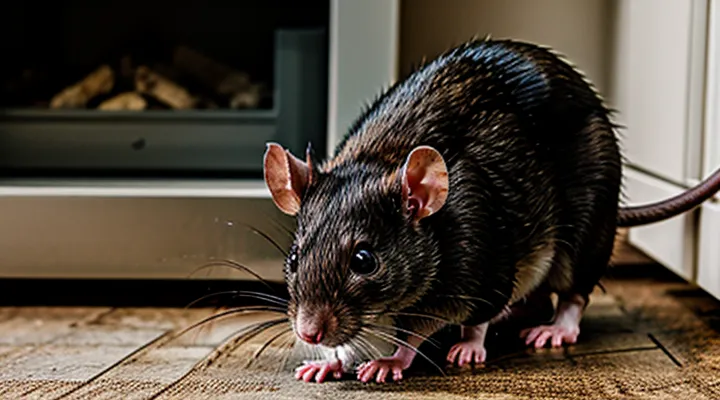
Understanding Your Rodent Problem
Signs of a Rat Infestation
«Droppings and Urine Trails»
Droppings and urine trails provide the most reliable indicators of a rat’s presence and movement patterns inside a residence. Recognizing these signs allows precise placement of control devices and reduces the time required to eliminate the infestation.
Rat feces are typically ½‑inch long, dark brown to black, and tapered at one end. They appear in clusters near food sources, along walls, and in concealed areas such as under appliances or inside cabinets. Fresh droppings retain a slight sheen; older ones become dry and crumbly. Identifying the size, color, and moisture level distinguishes rat waste from that of other small mammals.
Urine marks are invisible to the naked eye but become apparent as yellowish stains on porous surfaces or as a faint, oily sheen on non‑porous materials. The scent left by urine is detectable by the rodent and signals territory boundaries. Wet areas near entry points, behind furniture, or along utility lines often contain urine residue, indicating preferred travel routes.
Using these clues to set traps follows a logical sequence:
- Locate clusters of droppings and trace any associated urine stains.
- Map the observed points to determine the most frequented pathways.
- Position snap or electronic traps perpendicular to the identified routes, with bait placed at the rear of the device.
- Place additional traps near entry points identified by urine marks to intercept incoming rodents.
- Check traps daily, record captures, and adjust placement based on any new droppings or urine evidence.
Handling droppings and urine requires protective equipment: disposable gloves, mask, and eye protection. Disinfect surfaces with a bleach solution (1 part bleach to 10 parts water) after removal to eliminate disease vectors and prevent secondary infestations. Dispose of contaminated materials in sealed bags and wash hands thoroughly.
Systematic observation of fecal and urinary evidence, combined with strategic trap placement, maximizes the likelihood of successful rodent removal in a domestic setting.
«Gnaw Marks and Damage»
Gnaw marks indicate active rodent presence and guide placement of traps. Rats leave distinctive bite patterns: semicircular teeth impressions, parallel scratches, and clean cuts that taper toward the center. These marks differ from chew damage caused by squirrels or mice, which tend to be shallower and irregular.
Typical damage includes:
- Wood framing, especially joists and baseboards, with round, deep gouges.
- Electrical wiring, where exposed insulation shows clean, circular bites that can create fire hazards.
- Plastic containers and tubing, displaying smooth, uniform cuts that expose inner surfaces.
- Food packaging, with perforations that allow scent dispersal and attract further activity.
Identifying the material and depth of gnaw marks helps pinpoint the rat’s travel routes. Deep, uniform bites on structural components suggest the animal moves through concealed spaces such as wall cavities or attic joists. Surface damage on food containers signals foraging areas near pantry shelves or garbage bins.
Use this information to position traps along the most likely pathways: align snap traps or live cages perpendicular to the direction of the marks, place bait at the far end of the gnawed passage, and monitor for fresh bite marks to confirm activity. Regular inspection of vulnerable items reduces the risk of escalation and improves the success rate of home rat capture.
«Unusual Sounds and Smells»
Rats produce distinctive noises that differ from typical household sounds. Scratching or scurrying noises behind walls, in ceiling voids, or beneath floorboards often indicate movement along concealed pathways. Rapid, high‑pitched squeaks may occur when a rat is startled or communicating with conspecifics. Continuous rustling of insulation or loose debris suggests a resident nest.
Unusual odors accompany rodent activity. A strong, musky scent resembling ammonia or stale urine signals urine marking, while a faint, oily smell points to droppings and secretions. A sweet, fermenting odor may arise from stored food being consumed or from bacterial growth in waste piles.
These auditory and olfactory cues guide the placement of capture devices:
- Position snap traps or live‑catch cages adjacent to walls where scurrying sounds are heard most frequently.
- Deploy bait stations near areas with detectable urine odor; use protein‑rich bait to exploit rats’ preference for high‑energy food.
- Install motion‑activated devices in locations where rustling is recorded, ensuring trigger mechanisms respond to the specific vibration pattern of rodent movement.
By monitoring and interpreting abnormal sounds and smells, the homeowner can target trapping efforts precisely, reducing the time required to eliminate the infestation.
«Rat Nests and Burrows»
Rats construct nests and burrows to shelter, store food, and rear young. Recognizing these structures is essential for effective home rodent control.
Nests typically appear in concealed areas with abundant material such as shredded paper, fabric, insulation, or dried food. Common locations include behind appliances, within wall cavities, under floorboards, and inside attics. Burrows manifest as tunnels dug through soil, foundations, or crawl spaces, often ending in a shallow chamber lined with debris.
Key indicators of active nesting or burrowing activity:
- Fresh droppings clustered near food sources or entry points
- Gnaw marks on wood, plastic, or wiring
- Strong musky odor, especially in enclosed spaces
- Scratching sounds heard through walls or ceilings
- Visible pathways of compacted soil or shredded material
To locate nests and burrows, follow a systematic inspection:
- Examine all potential entry points—gaps around pipes, vents, and doors—and trace any signs back to a central area.
- Use a flashlight to inspect dark corners, behind appliances, and inside storage boxes for accumulated nesting material.
- Probe soil or foundation cracks with a thin rod; resistance indicates a tunnel, while loose soil suggests a chamber.
- Set motion-activated cameras or dust detectors near suspected sites to confirm activity patterns.
Once a nest or burrow is identified, position traps or bait stations directly adjacent to the structure. Seal identified entry points after trapping to prevent reinfestation. Continuous monitoring of the identified areas ensures prompt removal of any new activity.
Identifying the Rat Species
«Common House Rat (Rattus rattus)»
The Common House Rat (Rattus rattus) is a medium‑sized rodent, typically 16–24 cm in body length with a long, hairless tail. Its coat ranges from dusky brown to black, and the ears are proportionally large, aiding in nocturnal navigation. Distinguishing features include a pointed snout, sharp incisors, and a preference for elevated nesting sites such as attics, rafters, and wall voids.
Rattus rattus thrives in human dwellings where food, water, and shelter are readily available. It favors warm, dry environments and exploits gaps as small as 6 mm for entry. Activity peaks during night hours; the species exhibits excellent climbing ability, allowing access to high storage areas and ceiling fixtures.
Key indicators of an infestation include:
- Gnaw marks on wood, plastic, or wiring
- Fine droppings, 5–7 mm long, black or brown, often found along walls or near food sources
- Grease trails or smudges along baseboards and corners
- Audible scratching or scurrying sounds in ceilings or walls
- Presence of nests constructed from shredded paper, fabric, or insulation
Effective capture strategies align with the rat’s behavior and physiology:
- Snap traps placed along established runways, baited with high‑fat items such as peanut butter or dried fruit; set with the trigger end facing the wall to ensure a direct strike.
- Live‑catch cages equipped with a single‑entry portal, lined with soft bedding, and baited similarly; monitor frequently to prevent stress‑induced injury.
- Glue boards positioned in concealed locations; use only where non‑target species are unlikely to encounter them, and dispose of captured rodents promptly.
- Electronic traps delivering a rapid, lethal shock; require a power source and regular cleaning to maintain efficacy.
Implementing these measures alongside rigorous sanitation—sealing entry points, storing food in airtight containers, and removing water sources—reduces the likelihood of re‑infestation and supports successful removal of the Common House Rat from residential premises.
«Norway Rat (Rattus norvegicus)»
The Norway rat (Rattus norvegicus) is the most common species encountered in residential settings. Adults reach 20–25 cm in body length, with a robust build, coarse brown fur, and a blunt, scaly tail. Their nocturnal activity, strong burrowing ability, and preference for proximity to food and water make them adept at exploiting kitchen cabinets, wall voids, and basement pipes.
Signs of a Norway‑rat presence include gnaw marks on wood and plastic, droppings ¾‑inch long with a pointed tip, greasy smears along walls, and audible scurrying in concealed areas. Recognizing these indicators allows targeted placement of capture devices.
Effective capture relies on three principles: secure bait, optimal trap location, and exclusion of alternative routes.
- Select high‑protein or oily bait (peanut butter, bacon, fish). Apply a pea‑sized amount to the trigger mechanism.
- Position snap or live‑catch traps along walls, behind appliances, and near identified runways. Ensure the trigger plate is oriented toward the wall to match the rat’s natural tendency to run close to surfaces.
- Seal gaps larger than ¼ inch with steel wool, caulk, or hardware cloth after trapping to prevent re‑entry.
When handling captured rats, wear disposable gloves and use a sealed container for disposal. Disinfect surfaces with a bleach solution (1 part bleach to 9 parts water) to eliminate pathogens.
Maintaining a clean environment—removing food residues, fixing leaks, and storing waste in sealed containers—reduces attractants and supports long‑term control of Norway rat populations in the home.
Preparing for Rat Trapping
Rat-Proofing Your Home
«Sealing Entry Points»
Sealing entry points stops rats from re‑entering the dwelling after they have been trapped. Begin by inspecting the building’s exterior for gaps larger than a quarter‑inch. Common locations include:
- Gaps around utility pipes, vents, and cables
- Openings at the base of doors and windows
- Cracks in foundation walls, siding, and roof eaves
- Holes in soffits, fascia, and crawl‑space vents
Repair each opening with appropriate material. Use steel wool or copper mesh to fill small holes, then cover with caulk, expanding foam, or concrete for added durability. For larger gaps, install metal flashing or hardware cloth secured with screws. Ensure weather‑stripping on doors and windows is intact; replace worn strips to maintain a tight seal.
After all openings are sealed, monitor for new activity and repeat inspections periodically. Maintaining a continuous barrier eliminates the need for repeated trapping and reduces the likelihood of future infestations.
«Removing Food Sources»
Eliminating accessible food is the most effective way to force a rat to leave a dwelling. Rats will travel long distances for crumbs, pet food, and uncovered garbage; removing these incentives compels the animal to search elsewhere, making capture attempts more reliable.
- Store dry goods in airtight containers; metal or heavy‑plastic bins prevent gnawing.
- Clean countertops, tables, and floors after each meal; sweep up spills immediately.
- Keep pet feeding areas tidy; place bowls on trays, remove leftovers within 30 minutes.
- Secure trash cans with tight‑fitting lids; empty them daily and line with thick plastic.
- Eliminate outdoor attractants: clear fallen fruit, birdseed, and compost piles near entry points.
After food sources are sealed, monitor for signs of activity—droppings, gnaw marks, or nocturnal sounds. With no sustenance available, the rat will be drawn to traps or bait stations placed along established pathways, increasing the likelihood of successful removal.
«Maintaining Cleanliness»
Clean environments reduce food sources that attract rats, making traps more effective. Eliminating crumbs, spills, and exposed waste removes the primary incentives for rodents to explore a residence.
Key actions for maintaining a rat‑unfriendly home:
- Store all pantry items in sealed containers; glass or heavy‑wall plastic jars prevent gnawing.
- Sweep floors and vacuum daily, focusing on corners, under appliances, and behind furniture where debris accumulates.
- Dispose of garbage in bins with tight‑fitting lids; empty them at least once a day and keep the exterior area free of litter.
- Repair leaks promptly; moisture draws rats and provides material for nest building.
- Keep pet food in refrigerated or sealed containers; feed pets only at set times and remove leftovers immediately.
Regular inspection supports these measures. Check for droppings, gnaw marks, and shredded insulation in hidden spaces such as attics, basements, and crawl spaces. Promptly seal entry points using steel wool, caulk, or metal flashing; even small gaps allow access.
By enforcing strict hygiene standards, the likelihood of rat activity declines, allowing traps to function with higher success rates and reducing the need for repeated interventions.
Choosing the Right Bait
«Effective Food Baits»
Effective food baits are central to successful rat control within a residence. Rats respond to high‑fat, high‑protein, and sweet flavors, which mimic natural food sources. Selecting the right bait, positioning it correctly, and maintaining its appeal are essential steps.
Commonly successful baits include:
- Peanut butter mixed with a small amount of flour to improve texture.
- Cooked bacon or small pieces of dried fish.
- Dried fruit such as raisins or dates, especially when combined with a protein additive.
- Commercial rodent attractant gels formulated with soy or corn oil.
Bait preparation should follow these guidelines:
- Combine the attractant with a solid carrier (e.g., peanut butter with oats) to prevent spillage.
- Shape the mixture into pea‑sized portions; rats prefer manageable bites.
- Store prepared bait in a sealed container until placement to preserve odor.
Placement strategy influences capture rates. Position baits near known runways, behind appliances, and in concealed corners. Secure each bait inside a tamper‑resistant trap or a disposable bait station to protect children and pets while preserving scent integrity. Replace baits every 48 hours or when evidence of consumption appears, because moisture and temperature degrade attractiveness quickly.
Safety considerations require the use of gloves during handling, immediate disposal of uneaten bait, and adherence to local regulations regarding rodent poison if combined with lethal traps. Regular inspection of bait stations ensures that non‑target species are not exposed and that the bait remains effective.
By employing high‑energy attractants, proper preparation, and strategic placement, homeowners can maximize the likelihood of rat capture while minimizing risk to occupants.
«Non-Food Attractants»
Non‑food attractants exploit a rat’s natural instincts for shelter, curiosity, and territorial marking. By presenting stimuli unrelated to food, traps become appealing even when a rodent’s appetite is low.
Materials that mimic nesting sites encourage rats to enter a confined space. Shredded paper, cotton batting, or small fabric squares placed inside a live‑catch cage provide a tactile cue that the enclosure is a safe hideaway. Rats will investigate and often settle temporarily, increasing the chance of capture.
Scent cues that signal the presence of conspecifics or predators can be leveraged. Commercially available synthetic rat pheromones, applied to the trap’s interior, create a chemical trail that draws curious individuals. Equally effective, a few drops of valerian oil or a dab of cat urine on a cotton swab positioned near the entry point trigger exploratory behavior.
Physical obstacles that compel the rat to pause or maneuver through a narrow passage can be combined with the above cues. A short segment of PVC pipe, cut lengthwise and fitted with a smooth interior, forces the animal to align its body with the trap opening. When the rat attempts to pass, its movement triggers a spring‑loaded door.
Typical non‑food attractants include:
- Shredded newspaper or tissue paper
- Cotton balls or fleece scraps
- Synthetic rat pheromone spray
- Valerian oil or peppermint oil droplets
- Small pieces of raw cotton placed in a corner of the trap
- A strip of cardboard with a faint scent of urine or feces
When deploying these items, position them near the trap’s entrance, not directly on the trigger mechanism, to prevent premature activation. Replace attractants every few days to maintain potency. Combining at least two different non‑food cues—such as nesting material and pheromone—produces a synergistic effect, improving capture rates in residential settings.
Trapping Methods and Techniques
Snap Traps
«Placement Strategies»
Effective rat capture at home depends on precise trap placement. Position devices along walls, where rodents travel for safety and concealment. Focus on concealed routes such as behind appliances, under cabinets, and near pipe runs. Target areas with visible droppings, gnaw marks, or food residue; these indicate high traffic.
- Align traps perpendicular to the wall, with the entry side facing the baseboard. This forces the rat to encounter the mechanism while moving along its preferred path.
- Place bait stations a few inches from the trap’s trigger, ensuring the scent reaches the rodent without exposing the mechanism.
- Use multiple traps spaced 2‑3 feet apart in a line to create a barrier that prevents bypassing a single device.
- Install snap traps in corners where two walls meet; rodents naturally press against both surfaces when navigating.
- For live‑catch cages, position them near water sources or near the location of recent activity, as rats seek hydration after feeding.
Secure each trap to a stable surface to avoid displacement by the animal’s force. Verify that no obstacles block the entry tunnel, and maintain a clear line of sight to the bait. Regularly inspect and reset traps, replacing bait every 24 hours to preserve attractiveness. Proper placement reduces escape opportunities and maximizes capture efficiency.
«Safety Precautions»
When attempting rodent control inside a residence, personal safety and household protection must be prioritized.
- Wear thick‑walled gloves to prevent bites and contact with urine or droppings.
- Use a face mask or respirator to avoid inhaling allergens, pathogens, or trap odors.
- Keep children and pets away from the work area; confine them in another room or use a secure barrier.
- Choose traps with enclosed chambers to limit exposure to live animals; avoid open‑snap devices when possible.
- Inspect trapping locations for electrical wiring, gas lines, or flammable materials before placement; relocate traps if hazards are present.
- Clean and disinfect all surfaces that may have been contaminated after a capture; use a solution of bleach (1 part) to water (9 parts) or an EPA‑approved disinfectant.
- Dispose of captured rodents in sealed plastic bags; place bags in an outdoor trash container that is regularly emptied.
- Store all trapping equipment out of reach when not in use; label containers with hazard warnings.
- If allergic reactions or injuries occur, seek medical attention promptly; keep a first‑aid kit accessible.
Adhering to these measures reduces the risk of disease transmission, accidental injuries, and property damage while conducting rodent removal at home.
Live Traps
«Setting Up Live Traps»
Live traps provide a humane solution for indoor rodent control. Choose a trap that encloses the animal completely, such as a plastic or metal cage with a spring‑loaded door. Verify that the trap size accommodates a Norway rat (approximately 9–12 inches long) to prevent escape.
Position traps along walls, behind appliances, or near known activity paths. Rats travel close to surfaces; placing a trap perpendicular to a wall increases capture probability. Secure the trap to prevent tipping if the animal pushes against it.
Select bait that appeals to rats and is easy to attach. Effective options include:
- Peanut butter smeared on a small piece of cardboard
- Fresh fruit slices (apple, banana)
- Small pieces of cooked meat or fish
Place a modest amount of bait at the far end of the trap, ensuring the animal must trigger the door to reach it. Avoid over‑baiting, which can allow the rat to feed without activating the mechanism.
Check traps at least twice daily. A captured rat should be released promptly, preferably at least one mile from the residence, in a wooded or agricultural area. Wear disposable gloves, handle the trap gently, and disinfect the interior with a bleach solution before resetting.
Maintain traps by inspecting hinges, springs, and latches for wear. Replace damaged units to preserve reliability. Consistent placement, appropriate bait, and regular monitoring maximize the effectiveness of live trapping for indoor rat management.
«Relocation Considerations»
After a rat is captured inside a residence, the next step is deciding whether to move the animal or eliminate it. Relocation demands careful planning to avoid legal trouble, ecological damage, and repeated infestations.
Legal frameworks vary by jurisdiction; many regions prohibit the release of captured rodents because they can spread disease or become invasive. Verify local wildlife regulations before proceeding. Failure to comply can result in fines or liability for property damage caused by the escaped animal.
Ethical considerations include the welfare of the rat and the safety of the new environment. Transporting a stressed animal without proper containment may cause injury or death. Use a sturdy, ventilated container with a secure lid. Handle the container gently, keeping it upright to minimize movement.
Effective relocation requires selecting a suitable release site. Criteria for an appropriate location:
- At least 2 miles (3 km) from the original dwelling to reduce the chance of return.
- Presence of natural cover such as dense vegetation, which offers shelter.
- Absence of human habitation, food sources, and water supplies that could attract the rat to residential areas.
- Compliance with local landowner permissions; obtain consent before releasing the animal on private property.
Timing influences success. Release the rat during dusk or early night when predators are active, reducing the likelihood of immediate recapture. Allow the animal a brief acclimation period in the container before opening it, then retreat to let it disperse.
If relocation is deemed unsuitable—because of legal restrictions, proximity to other homes, or the animal’s condition—alternative control methods should be employed promptly to prevent further damage.
Glue Traps
«Proper Usage and Ethics»
Proper usage of traps requires selecting devices that match the situation. Snap traps should be placed along walls where rats travel, with the trigger end facing the wall. Glue boards belong in concealed areas to prevent accidental contact with pets or children. Electronic traps demand a power source and should be positioned where the animal can enter without obstruction. Each device must be inspected before deployment to confirm functionality and safety.
Ethical considerations focus on minimizing suffering and preventing non‑target capture. Use humane‑designed traps that kill instantly or immobilize without prolonged pain. Avoid poisons that cause internal distress and may be ingested by other wildlife. Ensure traps are positioned away from food preparation surfaces and inaccessible to domestic animals. Dispose of captured rats promptly, following local regulations for dead wildlife.
Key practices for responsible home rat control:
- Verify trap placement eliminates risk to humans and pets.
- Choose a method that aligns with humane standards.
- Monitor traps regularly; remove caught animals within a few hours.
- Record locations and outcomes to refine future placement.
- Follow municipal guidelines for disposal and sanitation.
Electronic Traps
«Benefits and Limitations»
Capturing a rat within a residence offers several practical advantages while presenting distinct drawbacks that must be weighed before implementation.
Benefits
- Immediate reduction of disease risk by removing a known vector.
- Prevention of property damage caused by gnawing on wiring, insulation, and furniture.
- Cost‑effectiveness compared with professional extermination services, especially when reusable traps are employed.
- Ability to monitor infestation levels directly, enabling timely adjustments to control measures.
- Minimal environmental impact when using non‑chemical, humane devices.
Limitations
- Requires consistent placement and regular checking of traps; neglect can allow escape or death, creating odor problems.
- Ineffective against large or hidden populations without comprehensive inspection and sealing of entry points.
- Potential for accidental capture of non‑target wildlife or pets if traps are not secured properly.
- Chemical baits may pose toxicity hazards to children and animals, and may trigger resistance in rodent populations.
- Initial setup time and knowledge of rat behavior are necessary to achieve reliable results.
Post-Trapping Actions and Prevention
Safe Disposal of Rats
After a rat is captured inside a residence, disposal must protect health, prevent contamination, and comply with local regulations.
- Wear disposable gloves and a mask before handling the carcass.
- Place the dead rodent in a sealed, puncture‑resistant bag; double‑bag for added security.
- Submerge the bag in a solution of water and a disinfectant (e.g., bleach at 1 % concentration) for at least 10 minutes to reduce pathogen load.
- Store the sealed bag in a freezer for 24 hours if immediate disposal is not possible; freezing kills remaining parasites.
- Contact municipal waste services or a licensed pest‑control provider to arrange proper collection. If the municipality permits, place the bag in the regular trash, ensuring it is clearly labeled as animal waste.
Additional precautions:
- Clean and disinfect any surfaces that contacted the rat or its bag with an EPA‑approved sanitizer.
- Wash hands thoroughly with soap and water after removing gloves.
- Keep children and pets away from the disposal area until the process is complete.
- Retain documentation of disposal if required by local health authorities.
Cleaning and Sanitizing Affected Areas
After a rat is captured, remove all traces of droppings, urine, and gnaw marks to prevent disease transmission and discourage reinfestation. Immediate action limits bacterial growth and eliminates attractants that could draw other rodents.
- Wear disposable gloves and a mask before entering the contaminated zone.
- Collect droppings and nesting material with a disposable scoop; place them in a sealed plastic bag.
- Disinfect surfaces using a solution of 1 part household bleach to 10 parts water or a commercial rodent‑specific sanitizer. Apply generously, let stand for at least 10 minutes, then wipe clean.
- Launder any fabric items (clothing, bedding, curtains) in hot water (≥ 60 °C) with detergent; dry on high heat.
- Vacuum carpets and upholstery with a HEPA‑rated filter; discard the vacuum bag or clean the canister afterward.
- Seal all waste in double‑bagged containers and dispose of it according to local regulations.
Complete the process by airing the area for several hours, then inspect for residual moisture or stains. Regular sanitation, combined with proper trapping, maintains a rodent‑free environment.
Long-Term Rat Prevention Strategies
«Regular Inspections»
Regular inspections provide the earliest indication that a rat is present, allowing swift intervention before the infestation expands.
Inspect the property at least once a week, increasing to daily checks during peak activity periods such as dawn and dusk. Adjust the schedule if signs appear.
Key indicators to observe:
- Fresh droppings, typically ½‑inch long, dark‑brown to black
- Gnawed edges on wood, plastic, or wiring
- Accumulated shredded material forming nests
- Grease or urine stains along walls, baseboards, and countertops
- Visible tracks in dusty or powder‑coated areas
Effective inspection techniques include:
- Conduct a systematic sweep of each room, moving furniture and appliances to expose hidden zones.
- Use a high‑intensity flashlight to reveal dark corners and ceiling voids.
- Place non‑toxic tracking powder or sticky pads near suspected entry points and check them after 24 hours.
- Deploy motion‑activated cameras in concealed locations to capture nocturnal activity.
Document every finding with date, location, and description. Immediately seal identified entry points, set appropriate traps, and apply targeted baits based on the recorded evidence. Continuous monitoring after each action ensures the problem does not recur.
«Maintaining Outdoor Areas»
Maintaining the exterior of a residence reduces the likelihood that rats will seek shelter indoors. Clear debris, trim vegetation, and eliminate standing water to remove attractive habitats.
- Remove piles of wood, leaves, or compost that provide cover.
- Keep grass trimmed to a maximum of four inches.
- Store firewood on a raised platform, at least six inches off the ground, and cover with a solid tarp.
- Repair cracks in foundations, walls, and utility entry points; use steel wool and caulk for small openings.
- Install gutter guards to prevent water accumulation that can create feeding sites.
Secure food sources that could draw rodents from the yard. Place trash cans on impermeable lids, locate them away from the building, and clean spills promptly.
Inspect outdoor structures regularly. Look for gnaw marks on wooden beams, chewed wires, or burrows near foundations. Address damage immediately to prevent entry points from expanding.
Apply these measures consistently; a well‑maintained perimeter limits rat movement toward the interior, simplifying any subsequent indoor control efforts.