
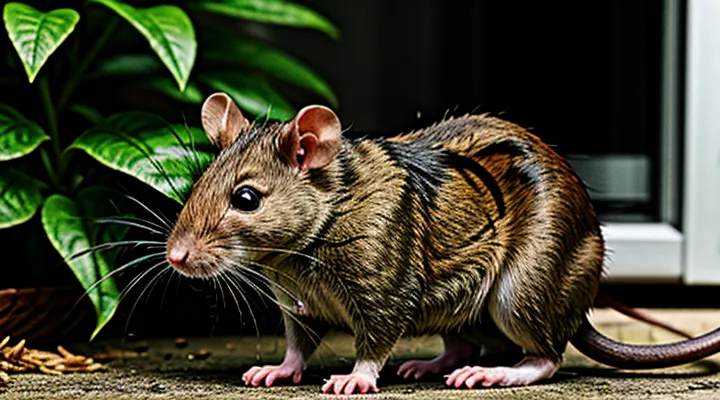
Understanding Rat Poisoning
The Threat of Rodents
Rodents transmit pathogens that cause leptospirosis, hantavirus, salmonellosis, and plague. Their saliva, urine, and feces contaminate surfaces, water supplies, and stored food. Direct contact or inhalation of aerosolized particles leads to human infection.
Structural damage results from gnawing on wiring, insulation, and plumbing. Compromised electrical systems increase fire risk; damaged pipes cause leaks and mold growth. Grain, produce, and packaged goods suffer loss through consumption, spoilage, and contamination, generating significant economic setbacks for households and businesses.
Professional intervention is required to mitigate these hazards. Certified pest‑control operators, public‑health inspectors, and agricultural veterinarians apply regulated toxicants, trapping devices, and habitat‑modification techniques. Their training ensures safe dosage, targeted application, and compliance with environmental regulations.
Key threats posed by rodents
- Disease transmission to humans and livestock
- Electrical and fire hazards from chewed wiring
- Water‑system contamination and pipe damage
- Food loss through consumption and spoilage
- Structural weakening of buildings and storage facilities
Types of Rat Poisons
Anticoagulants
Anticoagulant rodenticides are the most widely used chemical agents for controlling rodent populations. They function by disrupting the vitamin K cycle, leading to uncontrolled bleeding in target animals.
Professionals who encounter anticoagulant poisoning include:
- Pest‑control technicians who apply and monitor bait distribution.
- Veterinarians who diagnose and treat exposed pets and livestock.
- Emergency‑room physicians who manage human cases after accidental ingestion.
- Toxicologists who analyze exposure levels and advise on risk mitigation.
- Public‑health officers who oversee community safety programs and regulatory compliance.
Treatment and management methods rely on rapid identification and targeted intervention:
- Laboratory testing for elevated prothrombin time or presence of specific anticoagulant metabolites.
- Administration of vitamin K₁ (phytonadione) by oral or injectable route, dosage adjusted to the severity of exposure.
- Supportive care such as fluid therapy, blood transfusions, and monitoring of coagulation parameters.
- Decontamination procedures for skin or gastrointestinal exposure, including activated charcoal when ingestion is recent.
- Follow‑up testing to confirm normalization of clotting function before discharge.
Effective handling of anticoagulant poisoning requires coordinated action across these professional groups, adherence to established medical protocols, and continuous monitoring of affected individuals.
Non-Anticoagulant Rodenticides
Non‑anticoagulant rodenticides are chemical agents that kill rodents through mechanisms other than blood clot inhibition. Common categories include neurotoxins (e.g., bromethalin, chlorophacinone), metabolic disruptors (e.g., zinc phosphide), and cellular poisons (e.g., diphacinone). These products act quickly, often within hours, and are formulated as baits, pellets, or powders for targeted delivery.
Professionals responsible for selection, deployment, and monitoring of non‑anticoagulant rodenticides include:
- Certified pest‑control technicians
- Municipal health inspectors
- Veterinary staff managing animal facilities
- Agricultural extension officers
- Environmental compliance auditors
Application methods adhere to strict safety standards. Key practices consist of:
- Conducting site‑specific risk assessments before placement.
- Using tamper‑resistant bait stations to limit non‑target exposure.
- Recording bait locations, quantities, and dates of deployment.
- Wearing appropriate personal protective equipment during handling.
- Performing post‑application inspections to verify efficacy and remove residual bait.
Regulatory compliance requires documentation of product labels, adherence to dosage limits, and reporting of any adverse incidents. Proper training and routine monitoring ensure effective rodent control while minimizing environmental and health risks.
Professionals Involved in Rat Poisoning Control
Pest Control Technicians
Training and Certification
Qualified individuals must possess formal instruction before applying anticoagulant or acute rodent toxicants. Regulations in many jurisdictions mandate that anyone who mixes, distributes, or applies rat poisons complete a certified training program and maintain a current permit.
- Pest‑control operators: complete a state‑approved rodent‑management course covering toxicology, safety equipment, and disposal procedures; obtain a pest‑control license.
- Agricultural extension agents: finish a certified pesticide‑application curriculum; receive a pesticide applicator endorsement.
- Veterinary technicians: attend a veterinary‑toxicology workshop; acquire a veterinary pesticide handling certificate.
- Municipal health inspectors: undergo a public‑health toxicant handling module; hold a health‑department certification.
Certification agencies include the National Pest Management Association (NPMA) for the Certified Pest Management Professional (CPMP) designation, the Environmental Protection Agency (EPA) for the Pesticide Applicator Certification, and the American Veterinary Medical Association (AVMA) for the Veterinary Pesticide Handling Credential. Each credential requires a written examination, documented field experience, and adherence to record‑keeping standards.
Renewal processes demand periodic continuing‑education credits, typically 8–12 hours every two years, to address emerging rodent‑control products, updated safety protocols, and changes in environmental legislation. Failure to maintain certification results in loss of legal authority to handle rodenticides and may incur penalties.
Responsibilities and Scope of Work
Effective management of rodent toxin incidents requires clear delineation of duties across several professional groups. Each group operates within defined limits to protect public health, ensure regulatory compliance, and mitigate environmental impact.
-
Licensed pest‑control technicians: Assess infestation severity, select appropriate toxicants, apply products according to label instructions, document dosage and locations, and conduct post‑application monitoring. Their authority extends to private and commercial premises where they hold a valid pesticide applicator license.
-
Public health inspectors: Verify that toxin usage complies with local health codes, review incident reports from pest‑control firms, coordinate emergency responses when accidental exposure occurs, and enforce corrective actions. Their jurisdiction covers municipal facilities, schools, and food‑service establishments.
-
Environmental health officers: Evaluate potential contamination of soil and water, oversee disposal of unused or expired poisons, and liaise with environmental agencies to prevent secondary poisoning of wildlife. Their scope includes both urban and rural settings where hazardous waste regulations apply.
-
Veterinarians: Provide clinical treatment for animals exposed to rodenticide, advise owners on safe storage and handling, and report suspected poisoning cases to health authorities. Their responsibilities are limited to animal health and do not encompass direct toxin application.
-
Wildlife rehabilitation specialists: Identify secondary poisoning in non‑target species, administer antidotes or supportive care, and collaborate with regulatory bodies to adjust control strategies that minimize ecological harm. Their work focuses on rehabilitation centers and field rescue operations.
-
Regulatory compliance auditors: Conduct periodic reviews of pest‑control companies’ record‑keeping, verify training certifications, and assess adherence to federal and state pesticide statutes. Their authority is confined to audit activities and recommendation of enforcement actions.
Collectively, these professions ensure that rodent toxin deployment is executed safely, documented accurately, and aligned with legal standards. Coordination among them reduces risk of accidental exposure, supports effective eradication of rodent populations, and safeguards surrounding ecosystems.
Public Health Officials
Role in Urban Pest Management
Urban pest management includes systematic control of rodents to protect public health, property, and infrastructure. Rat poisoning is one component of this framework, employed where rapid population reduction is required.
Professional groups that administer rodent toxicants include:
- Licensed pest‑control technicians, who assess infestations, select appropriate formulations, and apply baits according to safety standards.
- Municipal health inspectors, who enforce regulations, verify compliance with dosage limits, and coordinate citywide baiting campaigns.
- Environmental health consultants, who design site‑specific plans, conduct risk assessments, and monitor non‑target exposure.
- Veterinary public‑health officers, who evaluate disease transmission risks and advise on biosecurity measures.
Application methods rely on established protocols:
- Anticoagulant baits, delivered in tamper‑resistant stations, cause delayed mortality and reduce bait shyness.
- Non‑anticoagulant compounds, such as bromethalin or cholecalciferol, provide alternatives for resistant populations.
- Bait stations configured for single‑species targeting, equipped with monitoring trays to track consumption rates.
- Integrated approaches that combine toxic baits with trapping, sanitation, and structural exclusion to achieve long‑term suppression.
Effective execution demands adherence to local ordinances, documentation of dosage and placement, and post‑application surveillance to verify reduction thresholds. Coordination among the listed professionals ensures that rodent toxicants are deployed safely, efficiently, and with minimal impact on humans and wildlife.
Regulatory Oversight
Regulatory oversight ensures that rat‑poison handling complies with safety, environmental, and public‑health standards. Oversight bodies define permissible substances, enforce labeling, mandate training, and monitor adverse incidents.
Key regulatory entities include:
- Environmental Protection Agency (EPA): registers rodenticides, sets toxicity thresholds, and requires label warnings.
- Food and Drug Administration (FDA): governs products used in food‑production environments, oversees residue limits.
- Occupational Safety and Health Administration (OSHA): mandates workplace safety protocols, personal‑protective‑equipment (PPE) requirements, and exposure‑record keeping.
- State pesticide regulatory agencies: issue licenses, conduct inspections, and enforce state‑specific usage restrictions.
- Local health departments: review application permits, respond to poisoning reports, and coordinate community education.
Professional compliance demands that licensed pest‑control operators, agricultural workers, and facility maintenance staff complete certified training on product handling, storage, and disposal. Records of application dates, locations, and quantities must be retained for inspection. Incident reporting to the appropriate agency is required within prescribed timeframes to trigger corrective actions and public alerts.
Veterinarians
Treating Accidental Poisonings in Pets
Veterinarians are the first professionals to assess a pet that has ingested rat bait. They perform a rapid physical exam, identify clinical signs such as vomiting, lethargy, or bleeding, and confirm exposure through owner reports or laboratory testing. Immediate decontamination may include emesis induction, gastric lavage, or administration of activated charcoal, depending on the time elapsed since ingestion.
Toxicologists support the veterinarian by interpreting toxin concentrations, recommending specific antidotes, and advising on dosage calculations. For anticoagulant rodenticides, vitamin K1 therapy is the standard treatment; it is administered orally or by injection and continued for several weeks to counteract clotting factor inhibition. For bromethalin or metal phosphide poisons, supportive care focuses on controlling seizures, maintaining hydration, and monitoring cardiac function, as no specific antidote exists.
Emergency veterinary clinics provide the necessary equipment for intravenous fluid therapy, blood transfusions, and intensive monitoring. They also coordinate with poison control centers, which supply up‑to‑date information on toxin formulations and dose‑response relationships. Communication with the pet owner ensures adherence to the treatment schedule and observation of any delayed symptoms.
Key actions for treating accidental rat poison ingestion in pets:
- Immediate veterinary examination
- Induction of emesis or gastric lavage if appropriate
- Administration of activated charcoal
- Initiation of specific antidote therapy (e.g., vitamin K1)
- Ongoing supportive care and monitoring
- Follow‑up consultations with toxicology experts and poison control services.
Recognizing Symptoms
Recognizing the signs of rat‑poison exposure enables prompt medical or veterinary intervention and reduces the risk of severe toxicity.
Human symptoms typically appear within minutes to hours after ingestion, inhalation, or dermal contact. Common manifestations include:
- Nausea, vomiting, abdominal pain
- Diarrhea, sometimes bloody
- Weakness, dizziness, headache
- Rapid or irregular heartbeat
- Low blood pressure, fainting
- Muscle twitching, seizures, altered mental status
Pets exhibit similar toxic effects, often with additional observable behaviors:
- Excessive drooling, pawing at the mouth
- Vomiting, loss of appetite
- Lethargy, unsteady gait
- Tremors, convulsions
- Pale or bluish gums, rapid breathing
Evaluation of these presentations falls to qualified professionals. Physicians in emergency departments assess human patients, while veterinarians examine affected animals. Poison‑control centers provide immediate guidance, and toxicologists may be consulted for complex cases. First‑responders, such as paramedics and emergency medical technicians, initiate stabilization before definitive care.
Confirmation of rat‑poison ingestion employs laboratory techniques. Blood assays detect anticoagulant levels, clotting factor deficiencies, or specific rodenticide metabolites. Urine analysis may reveal breakdown products. Imaging studies, like abdominal X‑rays, can identify radiopaque pellets. These diagnostic tools, combined with a clear symptom profile, direct appropriate antidotal therapy and supportive measures.
Wildlife Rehabilitators
Handling Poisoned Wildlife
Handling poisoned wildlife requires coordinated action by specialized professionals and defined procedures. Veterinarians with wildlife certifications assess clinical signs, administer antidotes when available, and provide supportive therapy. Licensed wildlife rehabilitators receive affected animals, perform decontamination, and arrange release or humane euthanasia if recovery is unlikely. Pest‑control operators trained in hazardous material protocols secure the source, prevent further exposure, and advise property owners on safe practices. Government wildlife agencies oversee reporting, enforce regulations, and allocate resources for large‑scale incidents.
Effective response follows a systematic approach:
- Immediate isolation of the animal to limit secondary exposure.
- Collection of detailed information about the poison type, dosage, and exposure time.
- Protective equipment use by handlers to avoid personal contamination.
- Administration of activated charcoal, emetics, or specific antidotes according to veterinary guidance.
- Monitoring of vital parameters and provision of fluids, electrolytes, and temperature regulation.
- Documentation of treatment outcomes for epidemiological tracking.
Safe transport involves sealed containers, labeling according to hazardous material standards, and rapid delivery to a qualified veterinary facility. Disposal of carcasses, contaminated bedding, and residual toxin follows local environmental regulations, often requiring incineration or approved landfill methods. Continuous training, clear communication channels, and adherence to established protocols ensure that poisoned wildlife receives appropriate care while minimizing risks to humans and ecosystems.
Prevention Education
Prevention education equips communities with the knowledge needed to avoid accidental exposure to rodent anticoagulants. Professionals such as public‑health officers, certified pest‑management educators, and school safety coordinators develop and deliver content that clarifies safe storage, proper labeling, and emergency response procedures.
Key components of an effective program include:
- Clear instructions on labeling and securing rodent‑control products.
- Demonstrations of alternative, non‑chemical control strategies.
- Guidelines for recognizing symptoms of poisoning in humans and pets.
- Contact information for local poison‑control centers and veterinary services.
- Distribution of printable fact sheets and interactive online modules.
Training sessions target homeowners, landlords, agricultural workers, and childcare providers. Evaluation through pre‑ and post‑assessment questionnaires verifies retention of critical safety measures. Continuous updates reflect changes in product formulations and regulatory standards.
Methods of Rat Poisoning
Bait Stations
Placement Strategies
Effective placement of rodent anticoagulants determines the success of control programs and minimizes risks to non‑target species. Professionals responsible for deploying these baits—licensed pest‑management technicians, municipal health inspectors, and veterinary staff—apply a set of evidence‑based strategies.
Bait stations are positioned where rodent activity is documented, such as along walls, behind appliances, and near food storage areas. Placement height ranges from 2 to 6 inches above the floor, matching the typical foraging level of Norway and roof rats. Stations are secured to prevent accidental disturbance and to restrict access by children and pets.
Key placement tactics include:
- Targeted placement: locate stations within 10 ft of confirmed gnaw marks, droppings, or chew damage.
- Distributed coverage: install 1–2 stations per 100 sq ft in high‑density infestations; reduce density in low‑level situations.
- Temporal rotation: shift stations weekly to disrupt bait habituation and to address movement patterns.
- Environmental shielding: use weather‑resistant, tamper‑proof housings in outdoor settings to protect bait from rain and scavengers.
- Integrated monitoring: pair each station with a tracking device or visual indicator to record consumption rates and adjust placement accordingly.
Professionals also consider structural features. In multi‑story buildings, stations are placed on each floor, focusing on stairwells, utility shafts, and ceiling voids. In agricultural settings, bait is positioned near feed bins, grain storage, and water troughs, ensuring that placement does not interfere with livestock access.
Proper documentation accompanies each deployment. Records note station location, bait type, concentration, and date of placement. This data supports regulatory compliance and enables systematic evaluation of efficacy.
By adhering to these placement principles, practitioners achieve rapid reduction of rodent populations while maintaining safety standards for humans and animals.
Safety Considerations
Professionals who work with rodent control agents must prioritize safety to protect themselves, non‑target species, and the public. Compliance with regulatory standards and adherence to best‑practice protocols reduce the risk of accidental exposure and environmental contamination.
- Wear chemically resistant gloves, goggles, and disposable coveralls; replace disposable items after each use.
- Use sealed containers and tamper‑evident packaging to prevent leaks during transport and storage.
- Perform all mixing and application in well‑ventilated areas or under local exhaust ventilation; avoid open‑air dispersal when wind conditions could carry particles beyond the target zone.
- Keep detailed records of product type, concentration, quantity applied, location, and date; maintain these logs for the period required by law.
- Conduct a site‑specific risk assessment before each operation, identifying vulnerable populations, pets, and wildlife corridors.
- Implement spill‑containment kits and emergency decontamination procedures; train all personnel in immediate first‑aid measures for ingestion, inhalation, or skin contact.
- Store rodenticides in locked, labeled cabinets away from food, feed, and chemicals incompatible with the active ingredient.
- Use bait stations that restrict access to non‑target animals; inspect and service stations regularly to prevent bait depletion or tampering.
- Provide regular certification courses covering toxicology, safe handling, and waste disposal; require refresher training at defined intervals.
- Dispose of unused product and contaminated materials according to hazardous‑waste regulations; avoid landfill dumping or flushing down drains.
By integrating these safeguards into daily operations, practitioners ensure that rodent control measures are effective while minimizing health hazards and ecological impact.
Direct Application
Target Species
Professionals who apply anticoagulant baits concentrate on species that cause structural damage, contaminate food supplies, and transmit disease. The primary targets are:
- Norway rat (Rattus norvegicus) – large, ground‑dwelling, thrives in sewers and basements.
- Roof rat (Rattus rattus) – agile, arboreal, occupies attics and upper stories.
- House mouse (Mus musculus) – small, reproduces rapidly, infiltrates residential interiors.
- Field mouse (Apodemus spp.) – occasional indoor intruder, often found near storage areas.
Secondary targets may include larger commensal rodents such as the black rat (Rattus rattus) in tropical regions and the brown rat (Rattus norvegicus) in agricultural settings. Identification relies on size, tail length, fur coloration, and typical nesting locations. Accurate species identification informs bait selection, dosage, and placement, ensuring effective control while minimizing waste.
Environmental Impact
Rodent control agents introduce toxic substances that persist in soil, water, and non‑target wildlife. Residual anticoagulant compounds can leach into groundwater, accumulate in predator species, and disrupt local food webs. Improper disposal of bait containers amplifies these pathways, creating long‑term contamination risks.
Veterinary technicians, pest‑control operators, and environmental health officers oversee the application of rodenticides. Their duties include site assessment, selection of low‑impact formulations, and verification of compliance with environmental regulations. These professionals must document dosage, location, and post‑application monitoring to prevent unintended exposure.
Common control techniques generate distinct ecological footprints:
- Anticoagulant baits: high persistence, secondary poisoning of birds of prey and mammals.
- Zinc phosphide pellets: rapid degradation but release of phosphine gas can affect soil microbes.
- Mechanical traps: minimal chemical residue, but disposal of captured animals may introduce pathogens.
- Integrated pest management (IPM): combines habitat modification, sanitation, and targeted baiting, reducing overall toxin load.
Mitigation strategies focus on containment and reduction. Use of tamper‑proof bait stations limits access by wildlife. Biodegradable bait matrices accelerate breakdown after ingestion. Regular soil and water testing detects early signs of contamination. Training programs for control personnel emphasize proper labeling, storage, and emergency response to spills.
Adhering to these practices minimizes the environmental imprint of rat‑poisoning operations while maintaining public health protection.
Integrated Pest Management (IPM)
Combining Methods for Effectiveness
Effective rat poisoning control relies on coordinated actions across multiple professional disciplines. Veterinarians assess clinical signs, administer antidotes such as vitamin K₁, and monitor recovery. Public‑health officials evaluate environmental exposure, enforce safety regulations, and coordinate community alerts. Pest‑control specialists identify infestation sources, implement bait placement strategies, and ensure proper disposal of contaminated materials.
Combining these expertise areas maximizes outcomes:
- Risk assessment – veterinarians provide case data; health agencies map exposure zones; pest operators verify bait distribution patterns.
- Integrated treatment – immediate veterinary care paired with removal of contaminated bait by pest technicians reduces secondary poisoning.
- Regulatory compliance – health departments verify that pest companies use approved formulations, while veterinarians document treatment protocols for legal records.
- Education and prevention – joint outreach programs inform residents about safe handling, storage, and disposal of rodenticides, decreasing accidental ingestion.
Synchronizing clinical intervention, environmental management, and regulatory oversight creates a comprehensive response that lowers mortality, prevents secondary exposure, and curtails future infestations.
Minimizing Risk to Non-Target Species
Professional pest controllers, wildlife biologists, veterinarians, and public‑health officers are responsible for limiting exposure of birds, pets, and other mammals when rodent anticoagulants are applied. Their training includes assessment of habitat, identification of non‑target species present, and selection of delivery systems that confine poison to the intended rodents.
Effective risk‑reduction measures include:
- Placement of bait inside locked, tamper‑proof stations that prevent access by children, pets, and wildlife.
- Use of low‑dose, second‑generation anticoagulants that require multiple feedings, reducing the likelihood of a lethal dose from a single accidental ingestion.
- Selection of bait formulations with bittering agents or scents unattractive to non‑target animals.
- Installation of bait at ground level in concealed locations, away from feeding or nesting sites of birds and small mammals.
- Scheduling applications during periods of low activity for vulnerable species, such as avoiding breeding seasons.
- Continuous monitoring with motion‑activated cameras or regular site inspections to detect unintended contacts.
When chemical control is unsuitable, professionals may integrate mechanical methods—snap traps, live‑capture devices, or exclusion barriers—into an integrated pest‑management plan. Documentation of bait usage, location maps, and post‑application surveys support accountability and enable rapid response if non‑target exposure occurs.
Safety and Regulatory Aspects
Legal Framework for Rodenticide Use
Local and National Regulations
Local regulations governing rodent toxicant use vary by municipality but share common elements. Most jurisdictions require a pest‑control license for anyone applying anticoagulant baits, mandating proof of training on safe handling, application limits, and record‑keeping of each treatment. City ordinances often restrict placement of poison to interior spaces or secured outdoor areas, prohibit baiting near schools and playgrounds, and dictate specific signage to warn occupants.
National statutes provide the overarching framework. The Environmental Protection Agency (EPA) enforces the Federal Insecticide, Fungicide, and Rodenticide Act (FIFRA), which sets registration standards for rat poisons, mandates label compliance, and requires manufacturers to submit toxicity data. The Occupational Safety and Health Administration (OSHA) imposes worker‑protection rules, including the use of personal protective equipment, exposure monitoring, and training on hazardous materials. The Consumer Product Safety Commission (CPSC) regulates retail sales, prohibiting sale of certain high‑risk formulations to non‑professionals. The Centers for Disease Control and Prevention (CDC) issues guidelines for disease‑control agencies on bait disposal and environmental decontamination after a poisoning incident.
Key compliance requirements across all levels include:
- Certification of applicators through accredited programs.
- Documentation of bait type, quantity, location, and date of use.
- Secure storage of poisons in locked containers, separate from food items.
- Immediate reporting of accidental exposures to health authorities.
- Proper disposal of unused or contaminated bait in accordance with hazardous‑waste regulations.
Violations can trigger civil penalties, revocation of licenses, and criminal prosecution, underscoring the necessity for strict adherence to both local ordinances and federal statutes.
Licensing Requirements
Professionals who apply rodenticides must meet specific licensing standards established by federal, state, and local authorities. Licensure confirms that individuals possess the knowledge to handle toxic substances safely, protect public health, and comply with environmental regulations.
Typical licensing requirements include:
- Completion of an accredited training program covering toxicology, proper application techniques, and emergency response.
- Successful passage of a written examination testing understanding of pesticide law, label instructions, and safety protocols.
- Submission of a background check and proof of liability insurance.
- Renewal of the license every one to three years, accompanied by continuing‑education credits that address updates in regulations and best practices.
- Maintenance of detailed records for each application, including product type, concentration, location, and date, as mandated by the Environmental Protection Agency and state pesticide boards.
Failure to obtain or maintain the appropriate credential can result in fines, suspension of the right to purchase or apply rodenticides, and potential civil liability for any adverse outcomes.
Environmental Impact of Rat Poisons
Risks to Non-Target Animals
Professionals who deploy anticoagulant or bromethalin rodenticides must assess exposure pathways that affect wildlife, companion animals, and livestock. Primary hazards arise when poisoned rats are scavenged, when bait is accessed directly, or when residues persist in the environment and enter food chains.
Birds of prey, foxes, coyotes, and feral cats often ingest secondary toxins after feeding on contaminated rodents. Domestic dogs and cats may consume unsecured bait stations or dead rats, leading to acute hemorrhagic or neurotoxic events. Grazing animals can encounter dispersed granules on pasture, resulting in sub‑lethal coagulation disorders that impair productivity.
Mitigation practices employed by pest‑control operators include:
- Placement of bait within tamper‑proof, weather‑sealed stations that restrict access to non‑target species.
- Use of low‑dose, single‑feed formulations designed to minimize residual toxicity after the target rodent consumes the bait.
- Strategic positioning of stations along established rodent pathways, away from feeding or nesting sites of wildlife and domestic animals.
- Regular inspection and removal of dead rodents to prevent scavenger exposure.
- Documentation of bait locations and quantities to facilitate rapid response if non‑target poisoning is suspected.
Adherence to these protocols reduces the probability of unintended poisoning while maintaining effective rodent management.
Secondary Poisoning
Secondary poisoning occurs when non‑target animals ingest rodenticide indirectly, typically by consuming poisoned rodents or contaminated prey. The phenomenon poses a significant threat to wildlife, domestic pets, and, in rare cases, humans.
Professionals responsible for identifying and managing secondary poisoning include:
- Veterinarians, who diagnose exposure, provide antidotes, and advise owners on preventive measures.
- Licensed pest‑control operators, who select rodenticides with reduced secondary toxicity and implement bait placement strategies that limit access by non‑target species.
- Wildlife rehabilitators, who monitor rescued animals for signs of toxin ingestion and coordinate treatment with veterinary specialists.
- Public‑health authorities, who track poisoning incidents, issue advisories, and enforce regulations on hazardous substances.
Methods used to mitigate secondary poisoning encompass:
- Choosing anticoagulant formulations with low secondary toxicity, such as second‑generation compounds that require multiple feedings to be lethal, thereby reducing the likelihood of a single poisoned rodent being consumed.
- Employing bait stations designed to exclude birds, pets, and wildlife, often featuring locked compartments and size‑restricted entry points.
- Conducting regular carcass surveys in affected areas to detect dead rodents and prevent scavenger consumption.
- Applying targeted baiting, where only specific infestation zones receive rodenticide, minimizing environmental dispersion.
- Implementing integrated pest‑management (IPM) practices, including sanitation, structural repairs, and exclusion techniques, to reduce reliance on chemical control.
Effective response to secondary poisoning requires coordinated action among these experts, prompt detection of toxin exposure, and adherence to best‑practice mitigation techniques.
Safe Handling and Storage
Personal Protective Equipment
Personal protective equipment (PPE) safeguards workers who apply anticoagulant baits, conduct rodent removal, or manage contaminated environments. Respiratory protection, such as half‑mask or full‑face respirators equipped with P100 filters, prevents inhalation of powdered or aerosolized toxins. Chemical‑resistant gloves—nitrile, butyl, or neoprene—protect skin from direct contact with liquid or solid poisons. Eye protection, including safety goggles or full face shields, blocks splashes that could reach the conjunctiva.
Protective clothing must meet standards for barrier performance. Disposable coveralls made of Tyvek or polyethylene provide a seal against accidental spills, while reusable suits with sealed seams and taped cuffs offer durability for repeated use. Footwear requirements include chemical‑impermeable boots with steel toe caps to reduce the risk of puncture or exposure through the soles.
A typical PPE ensemble for a pest‑control technician includes:
- Respirator with P100 filter
- Nitrile or butyl gloves (double‑gloving recommended)
- Safety goggles or face shield
- Disposable Tyvek coverall with sealed seams
- Chemical‑resistant boots
Training obliges personnel to inspect PPE before each use, verify seal integrity, and follow proper donning and doffing protocols. Decontamination procedures involve washing reusable items with approved detergents and disposing of single‑use gear in sealed containers. Record‑keeping of PPE condition and replacement schedules ensures continuous protection against rat‑poison hazards.
Emergency Procedures
When rat‑derived anticoagulant poison is encountered, the first priority is to prevent absorption and stabilize the victim. Emergency medical technicians (EMTs) and paramedics initiate decontamination, secure airway, and administer activated charcoal if ingestion is recent. Simultaneously, they notify the regional poison control center, which provides dose‑specific antidote recommendations, typically vitamin K₁ therapy.
Professional groups that intervene in acute rat‑poison incidents include:
- Emergency medical services – assess vital signs, deliver life‑support measures, and arrange transport to a hospital.
- Poison control specialists – interpret exposure details, calculate antidote regimens, and advise on observation periods.
- Hospital physicians (toxicologists, emergency physicians) – confirm diagnosis, prescribe vitamin K₁, monitor coagulation parameters, and manage complications.
- Veterinary clinicians – apply similar protocols to domestic animals, adjusting dosage for species and weight.
- Wildlife rehabilitators – conduct field decontamination, provide supportive care, and coordinate with veterinary toxicologists for exotic species.
For human exposure, immediate steps are:
- Remove contaminated clothing and wash skin with soap and water.
- Encourage ingestion of activated charcoal within one hour of exposure, if advised by poison control.
- Record time of ingestion, estimated amount, and product identifier.
- Transport to the nearest emergency department for laboratory evaluation (PT/INR) and antidote administration.
For animal exposure, the protocol mirrors human treatment with species‑specific adjustments:
- Flush oral cavity with water, prevent further ingestion.
- Administer oral activated charcoal at 1 g/kg body weight, if tolerated.
- Initiate vitamin K₁ therapy at 2–5 mg/kg orally, repeated daily for 7–14 days, guided by coagulation tests.
- Observe for signs of internal bleeding; seek veterinary assistance promptly.
After stabilization, all responders must document the incident, including product details, exposure circumstances, and treatment timeline. This record supports public‑health surveillance and informs future prevention strategies.