
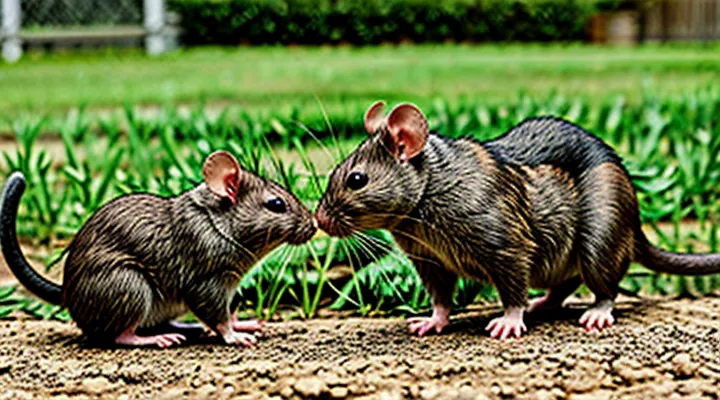
Understanding the Rat Problem in Your Garden
Identifying Rat Infestation Signs
Visual Sightings of Rats
Visual confirmation of rats provides the most reliable data for planning garden pest control. Direct sightings reveal the species present, activity periods, and preferred pathways, allowing targeted interventions rather than broad, ineffective measures.
Key observational points:
- Time of day when rats are seen (dawn, dusk, night)
- Locations of activity (near compost, under sheds, along fence lines)
- Group size and behavior (solitary, foraging, nesting)
- Physical characteristics (color, size, tail length) to differentiate species
- Evidence of movement (tracks, droppings, gnaw marks) accompanying the sighting
Recording each encounter in a simple log—date, time, exact spot, and description—creates a pattern map. The map highlights hotspots, informs placement of traps or bait stations, and helps assess the impact of any applied control methods over time.
Rat Droppings and Urine Trails
Rat droppings appear as small, dark, cylindrical pellets about ½‑inch long, often found in clusters beneath vegetation, along garden edges, or near compost. Fresh droppings are moist and slightly glossy, while older ones become dry and crumbly. Urine trails are invisible but can be detected by a faint ammonia odor or by spotting damp soil and wilted plants where rats have walked.
These waste products carry pathogens such as Leptospira, Salmonella, and Hantavirus, which can contaminate soil, vegetables, and water sources. Direct contact with droppings or urine may cause skin irritation, respiratory issues, or gastrointestinal illness. Prompt removal and disinfection reduce the risk of disease transmission to humans and beneficial garden organisms.
- Wear disposable gloves and a mask when handling waste.
- Collect droppings with a shovel or scoop, place them in a sealed bag, and discard according to local hazardous waste guidelines.
- Saturate the contaminated area with a solution of 1 part bleach to 9 parts water; let it sit for at least 10 minutes before rinsing.
- Apply a biological enzyme cleaner to break down residual urine compounds and neutralize odor.
- Install physical barriers (hardware cloth, metal edging) to block rat access to planting zones.
- Use snap traps or electronic devices positioned along identified urine pathways to reduce the population.
Consistent monitoring of droppings density and urine scent intensity provides early warning of renewed activity, allowing timely intervention before damage escalates.
Gnaw Marks and Damage
Rats leave unmistakable evidence on garden beds. Their incisors create clean, shallow cuts on stems, roots, and wooden supports, often forming a series of parallel lines that widen as the animal works. The bite marks expose vascular tissue, leading to wilting, discoloration, and eventual death of plants. Soft fruits and seedlings are especially vulnerable; a single gnaw can puncture the skin, allowing pathogens to enter and spoil the harvest.
Typical damage includes:
- Truncated seedling stems, leaving a jagged stump that fails to regrow.
- Hollowed-out root systems, reducing water uptake and causing plant collapse.
- Chewed irrigation tubing, resulting in leaks and uneven watering.
- Burrow entrances near compost piles, where rats store food scraps and amplify the risk of contamination.
Early detection limits loss. Inspect plants weekly for fresh gnaw marks, focusing on the base of stems and the edges of mulch. Remove any damaged material promptly, disinfect tools, and replace compromised irrigation components. Reinforce vulnerable structures with metal guards or hardware cloth to prevent further incursion.
Burrows and Tunnels
Rats use underground networks to shelter, store food, and travel unseen across garden beds. These concealed passages protect the rodents from predators and human intervention, making surface‑level control measures ineffective unless the subterranean system is addressed.
Identify active burrows by looking for fresh soil mounds, visible entry holes, and gnawed plant roots. Follow each opening a short distance underground; fresh soil will be looser and darker than surrounding earth. Signs such as droppings or shredded vegetation near the entrance confirm recent use.
- Excavate the tunnel entrance with a garden spade, exposing at least 12 inches of the shaft.
- Insert a sturdy wire mesh (½‑inch gauge) or hardware cloth into the opening, securing it with soil and garden stones.
- Apply a non‑toxic rodent repellent granule along the tunnel walls before sealing to discourage re‑entry.
- Place a snap trap or live‑capture device at the deepest accessible point of the burrow, checking daily.
- Backfill the sealed entrance with compacted soil and a layer of mulch to conceal the barrier.
Prevent new burrows by maintaining a dense, healthy soil structure. Incorporate organic compost to improve texture, reducing the ease of digging. Install edging or low‑profile garden borders that extend several inches below ground level, creating a physical obstacle to tunneling. Regularly inspect garden borders for fresh holes and repair them promptly. By targeting the hidden network directly and reinforcing the soil environment, rat populations in garden plots can be effectively suppressed.
Why Rats Are Attracted to Gardens
Food Sources
Rats are drawn to garden plots primarily by the availability of edible material. Identifying and eliminating these food sources reduces the likelihood of infestation.
Fresh produce left on the soil surface provides a direct attractant. Harvest crops promptly, and collect fallen fruit or vegetables each day. Compost piles that contain kitchen scraps, especially meat, dairy, or oily foods, serve as a high‑calorie reservoir. Use a sealed, rodent‑proof compost container, and avoid adding animal waste.
Seeds, bird feed, and pet food scattered around the garden create additional feeding stations. Store all feed in airtight containers and place feeders at least two meters from planting areas. Mulch made from organic matter can conceal seeds and decaying plant tissue; replace it periodically with coarse, non‑decomposing material such as gravel or bark chips.
A concise checklist for managing food sources:
- Harvest and clean produce daily.
- Secure compost in a sealed bin; exclude animal by‑products.
- Store all feed in rodent‑proof containers; keep feeders away from crops.
- Replace organic mulch regularly or switch to inorganic alternatives.
- Remove fallen debris and weeds that may hide seeds.
By systematically removing these nutritional incentives, the garden becomes an unattractive environment for rats, supporting long‑term pest control.
Water Availability
Rats are drawn to sources of moisture; any excess water in a garden plot creates a favorable environment for them. Eliminating standing water removes a primary incentive for rats to linger and reproduce.
- Repair leaks in irrigation lines, drip emitters, and hoses promptly.
- Adjust watering schedules to deliver only the amount needed for plant health, avoiding runoff that pools in low‑lying areas.
- Install proper drainage to channel rainwater away from planting beds and compost piles.
- Use mulch that absorbs water without retaining it on the soil surface; replace saturated mulch regularly.
- Store watering cans and containers with tight‑fitting lids to prevent accidental spills.
By maintaining a dry substrate, you reduce the likelihood that rats will establish burrows or seek shelter near the garden. Consistent monitoring of moisture levels ensures that water remains a resource for plants, not a refuge for pests.
Shelter and Hiding Places
Rats thrive in garden plots because they find numerous protected sites that conceal them from predators and provide easy access to food. Eliminating or altering these refuges reduces population pressure and limits damage to plants.
Typical shelters include:
- Stacked wood, firewood, or pallets left against fences.
- Dense mulch, leaf litter, or compost piles that retain moisture.
- Burrows under garden beds, raised rows, or near irrigation lines.
- Overgrown hedges, thorny shrubs, and dense groundcovers.
- Gaps beneath decking, sheds, or storage structures.
Effective measures focus on habitat disruption:
- Remove debris and store firewood off the ground, at least two feet from structures.
- Keep mulch depth under three inches; replace with coarse, well‑drained material when possible.
- Turn compost weekly, maintain a temperature above 55 °C, and cover with a tight‑fitting lid.
- Fill burrows with gravel, soil, or concrete, then tamp firmly to prevent re‑excavation.
- Trim hedges and shrubs regularly to eliminate dense cover; maintain a clear perimeter of at least one meter.
- Seal gaps under decks, sheds, and irrigation tubing with metal flashing or hardware cloth.
Routine inspection of the garden perimeter and periodic removal of potential shelters sustain the reduced rat activity. Consistent application of these practices creates an environment where rats find few viable hiding places, thereby supporting long‑term control.
Prevention Strategies
Maintaining a Clean Garden Environment
Eliminating Food Scraps
Food residues left on garden beds or nearby pathways provide a reliable energy source for rodents, encouraging them to establish foraging routes and nesting sites. Removing these attractants reduces the likelihood that rats will recognize the plot as a viable habitat.
- Collect fallen fruit, vegetable peelings, and seed husks daily; place them in sealed containers.
- Store kitchen waste in bins equipped with tight‑fitting lids; empty the bins before they become full.
- Position compost piles at least three meters from the garden, using wire mesh to exclude rodents.
- Avoid feeding pets outdoors; keep feeding stations clean and away from planting areas.
- Regularly sweep paths and work surfaces to eliminate crumbs and small debris.
Consistent waste management prevents rats from locating food sources, limits population growth, and supports broader pest‑control measures such as habitat modification and trapping. Monitoring waste‑handling practices and adjusting them promptly sustains a low‑attraction environment for rodents.
Securing Compost Bins
Securing compost bins is essential for reducing rat activity in garden areas. Rats are attracted to the moisture and food residues present in poorly sealed containers; eliminating easy access removes a primary food source.
Choose a bin with a tight‑fitting lid and reinforce it with metal clamps or a latch system. Position the bin on a level surface to prevent tilting, and elevate it on a stand or bricks to keep it off the ground. Ensure the surrounding soil is well‑drained; standing water encourages rodent presence.
- Use a lid equipped with a rubber gasket to create an airtight seal.
- Install a lock or heavy-duty latch that rats cannot manipulate.
- Cover the bin with wire mesh (minimum 1/4‑inch hardware cloth) for additional protection.
- Keep the bin away from vegetable rows, preferably at least three meters from plant roots.
- Empty the bin regularly, discarding waste before it decomposes fully.
- Clean the interior with a diluted bleach solution monthly to remove lingering odors.
Implementing these measures limits the attractiveness of compost for rats, supporting overall garden health.
Storing Pet Food Properly
Proper storage of pet food directly reduces the likelihood of rats invading a garden plot. Rats are attracted to the scent and availability of unsecured food sources; eliminating this attraction removes a primary incentive for them to explore garden areas.
- Keep dry pet food in airtight containers made of metal or thick plastic. Seal each container after use to prevent odor leakage.
- Store wet food in sealed, insulated containers and refrigerate leftovers promptly.
- Place containers on a raised shelf or bench, away from ground level where rats can climb.
- Locate the storage area at least three meters from the garden border, preferably on a concrete surface that rats cannot burrow under.
- Clean any spills immediately; use a disinfectant that does not leave a strong scent that could draw rodents.
Regularly inspect containers for damage and replace compromised seals. By maintaining these practices, the garden environment becomes less appealing to rats, supporting overall pest-management efforts.
Clearing Debris and Overgrowth
Removing plant litter, fallen fruit, and dense vegetation eliminates the cover that rats use for nesting and movement. Exposed soil and clear pathways reduce the attractiveness of a garden plot as a refuge, making it harder for rodents to establish a foothold.
- Gather all fallen leaves, branches, and garden waste; dispose of it away from the plot or compost in a sealed container.
- Trim back overgrown shrubs, vines, and grasses to a height that prevents rats from climbing or hiding.
- Keep the soil surface free of debris; rake regularly to expose any burrows or nests.
- Eliminate standing water in puddles or containers, as moisture attracts insects that feed rats.
Routine inspection and prompt removal of new debris maintain an environment hostile to rodents. Consistent upkeep prevents the re‑accumulation of shelter, sustaining the effectiveness of other control measures.
Rat-Proofing Your Garden Structures
Sealing Entry Points
Seal all potential openings before rats can access a garden plot. Inspect the perimeter for gaps around fences, raised beds, and trellises. Use hardware cloth, metal flashing, or concrete to close cracks larger than a quarter‑inch. Fit tight‑closing lids on compost bins and ensure garden sheds have weather‑stripping on doors.
Apply the following measures to eliminate entry routes:
- Install ¼‑inch mesh over drainage holes and irrigation driplines.
- Cover the base of plant containers with a layer of sand or fine gravel to deter burrowing.
- Repair damaged garden edging and backfill with compacted soil to remove voids.
- Fit metal or plastic collars around tree trunks and stakes, extending at least six inches below ground.
Regularly re‑examine the sealed areas after heavy rain or soil movement, and reinforce any weakened sections promptly. This systematic closure of entry points reduces the likelihood of rat infestation and supports long‑term garden health.
Using Mesh and Wire Fencing
Using mesh and wire fencing provides a physical barrier that prevents rats from entering a garden plot. Choose a material with openings no larger than ¼ inch; standard hardware cloth or galvanized wire mesh meets this requirement. The fence should extend at least 12 inches below the soil surface to block burrowing, and a minimum of 12 inches above ground to deter climbing.
Installation steps:
- Measure the perimeter of the planting area and cut mesh to size, allowing a 2‑inch overlap at each joint.
- Secure the mesh to sturdy wooden or metal posts placed at 3‑foot intervals, using stainless‑steel staples or U‑shaped brackets.
- Backfill the lower edge with compacted soil or a layer of gravel to eliminate gaps.
- Inspect seams weekly and repair any damage with wire ties or additional mesh patches.
Maintenance considerations include regular removal of debris that could create footholds, checking for corrosion on metal components, and ensuring the ground remains firm around the fence base. Replacing worn sections annually preserves the integrity of the barrier and sustains effective rat exclusion.
Protecting Raised Beds
Protecting raised beds from rat intrusion requires solid barriers, sanitation, and active monitoring.
Solid barriers form the first line of defense. Install hardware cloth or galvanized metal mesh around the bed perimeter, extending at least 12 inches below the soil surface. Overlap seams and secure with stainless‑steel staples to prevent burrowing. Cover the top of the bed with a fine‑mesh screen if the bed is used for seedlings that could attract rodents.
Sanitation reduces food sources. Remove fallen fruit, vegetable scraps, and seed hulls daily. Store compost in a sealed container with a tight‑fitting lid. Keep surrounding mulch thin and away from the bed edge to eliminate cover for rats.
Active monitoring identifies problems early. Place snap traps or live‑catch traps along the perimeter, checking them each morning. Rotate trap locations weekly to cover the entire edge. Record capture data to assess activity patterns and adjust placement accordingly.
Habitat modification discourages nesting. Eliminate dense vegetation and debris within a two‑meter radius of the bed. Trim overhanging branches that provide access to the structure. Maintain a clear zone of gravel or stone around the bed to deter digging.
Biological deterrents supplement physical measures. Plant strong‑scented herbs such as mint, rosemary, or lavender near the bed perimeter; their odor repels rodents. Encourage natural predators by installing owl boxes or raptor perches on nearby structures.
Regular inspection confirms barrier integrity. Check for gaps, rust, or damage after heavy rain or wind events. Repair any compromised sections promptly to maintain continuous protection.
By combining reinforced barriers, rigorous sanitation, systematic trapping, habitat management, and biological deterrents, raised beds remain secure against rat damage while supporting healthy plant growth.
Natural Deterrents
Planting Repellent Herbs and Flowers
Planting aromatic herbs and certain flowers creates an environment that discourages rats from establishing permanent routes through a garden plot. The strong scents and textures of these species interfere with rodent sensory perception, reducing the likelihood of burrowing and foraging.
- Mint (Mentha spp.) – releases menthol vapors that rats avoid; spread in containers to prevent aggressive spreading.
- Lavender (Lavandula angustifolia) – emits a floral oil that repels rodents; plant along perimeter rows.
- Rosemary (Rosmarinus officinalis) – produces a pine‑like aroma; situate near vegetable beds to protect tender crops.
- Thyme (Thymus vulgaris) – contains thymol, a compound unattractive to rats; intermix with groundcovers.
- Marigold (Tagetes spp.) – exudes a pungent scent; use as a border around compost areas.
- Catnip (Nepeta cataria) – deters rats while attracting beneficial insects; place in shaded corners.
Effective placement follows a layered approach: position strong‑scented herbs at the outer edge of the plot, insert moderate‑aroma species within the inner zones, and surround compost or waste bins with repellent flowers. Maintain a planting density that ensures continuous foliage coverage; gaps allow rodents to bypass the deterrent barrier.
Regular pruning prevents flowering of mint and rosemary from becoming overly woody, preserving volatile oil production. Harvest leaves before they wilt to sustain scent potency. Replace or rotate species annually to avoid soil fatigue and to keep the olfactory environment unpredictable for rats.
By integrating these plants strategically, a garden plot gains a natural, low‑maintenance defense that limits rat activity without resorting to toxic chemicals.
Introducing Predators (e.g., cats, owls)
Cats and owls can reduce rat populations in garden beds when they are encouraged to hunt in the area. A domestic cat that spends time outdoors will patrol the perimeter, chase rodents, and deter new arrivals. Owls, especially barn owls, hunt at night and can eliminate hidden rats that avoid daylight activity.
To attract and support these predators, consider the following actions:
- Provide shelter: install a sturdy cat house or a simple wooden box for owls, placed at least three meters above ground and away from human traffic.
- Ensure food sources: keep a small supply of fresh water and, for owls, maintain a population of small mammals (e.g., voles) that serve as prey without overwhelming the garden.
- Minimize hazards: remove toxic chemicals, secure compost bins, and avoid using rodenticides that could poison the predators.
- Preserve perching sites: install low branches, fence posts, or artificial roosts where owls can rest and scan for movement.
Monitor predator activity regularly. Record sightings, note any changes in rodent damage, and adjust habitat features as needed. Combining natural hunters with other control measures creates a balanced ecosystem that keeps rat numbers low without relying on chemicals.
Eradication Methods
Trapping Techniques
Snap Traps
Snap traps provide a rapid, humane method for reducing rat populations in garden beds. The mechanism consists of a spring‑loaded bar that releases instantaneously when the trigger is activated, delivering a lethal blow to the animal’s neck or spine. Because the action is immediate, snap traps minimize suffering and prevent the presence of live captures that could spread disease.
Effective use of snap traps requires precise placement. Position traps along established runways, near burrow entrances, or adjacent to food sources such as compost piles or vegetable rows. Bury the base of the trap just enough to keep it stable and level with the soil surface; this prevents rats from detecting an elevated device. Aim for locations where rats travel at ground level, typically within 12–18 inches of the ground.
Bait selection influences capture rates. Preferred attractants include:
- Small pieces of peanut butter mixed with oats
- Fresh fruit chunks (apple, banana)
- Meat scraps (cooked chicken, bacon)
Apply a pea‑sized amount to the trigger platform, ensuring the bait does not obscure the spring mechanism. Replace bait daily to maintain freshness and scent potency.
Safety considerations protect both the gardener and non‑target wildlife. Wear thick gloves when handling traps to avoid accidental activation. Place traps away from pathways frequented by children or pets. Check each device at least once daily; remove dead rodents promptly to reduce odor buildup and secondary attraction.
Maintenance prolongs trap efficacy. After each capture, clean the spring and trigger with a mild detergent solution, then dry thoroughly before re‑baiting. Inspect the spring for fatigue; replace the trap if the snap action feels weakened.
Advantages of snap traps include:
- Immediate kill, reducing disease transmission
- Low cost and reusable design
- No reliance on chemicals or electricity
Limitations to consider:
- Requires regular monitoring and bait renewal
- Potential for non‑target captures if placed indiscriminately
- Limited effectiveness in dense vegetation where triggers may be obscured
Integrating snap traps with complementary measures—such as habitat modification, proper waste management, and predator encouragement—creates a comprehensive strategy for managing rat activity in garden plots. Consistent application of the practices outlined above yields measurable reductions in rodent damage and protects cultivated plants from further loss.
Live Traps
Live traps provide a humane method for removing rats from garden beds while allowing for relocation. The devices consist of a cage or tube that closes when the animal triggers a pressure plate or trips a latch. Because the capture is non‑lethal, live traps are suitable for gardeners who wish to avoid poison or snap traps.
Key attributes of effective live traps:
- Sturdy construction resistant to chewing and weather.
- Sufficient interior space for a rat to enter without feeling cramped.
- Sensitive trigger mechanism that activates with minimal force.
- Secure latch that prevents escape once the animal is inside.
- Easy‑to‑clean surfaces that resist odor buildup.
Placement and baiting guidelines:
- Position traps along established runways, near burrow entrances, or close to food sources.
- Use attractive bait such as peanut butter, dried fruit, or fresh vegetables; apply a small amount to the trigger plate.
- Set traps in the late afternoon; rats are most active at dusk and during the night.
- Check traps at least twice daily to reduce stress on captured animals.
Handling captured rats:
- Wear thick gloves to protect against bites.
- Transfer the animal to a secure container with ventilation.
- Release the rat at least 200 meters from the garden, preferably in a wooded or field area where it can find shelter.
- Clean the trap with hot, soapy water and disinfect to eliminate scent trails that might deter future captures.
Integrating live traps with other control measures—such as habitat modification, removal of food debris, and exclusion of entry points—enhances overall effectiveness and reduces the likelihood of reinfestation.
Placement and Baiting Strategies
Effective rat management in a garden plot begins with strategic placement of control devices and careful selection of baits. Position devices where rats travel most often, such as along fence lines, near compost piles, and adjacent to dense vegetation. Secure stations at ground level and protect them from rain to maintain bait integrity.
- Place snap traps or live‑catch cages 2–3 feet apart along established runways.
- Install bait stations near burrow entrances, but at least 12 inches from non‑target wildlife pathways.
- Use raised platforms or PVC sleeves to keep traps out of reach of pets and children.
- Position electronic deterrents along irrigation lines, ensuring power sources are weather‑proof.
Bait selection must align with rat feeding habits and seasonal availability. Choose high‑protein or high‑fat foods that rats prefer, and rotate formulations to prevent habituation.
- Peanut butter mixed with oats offers strong olfactory appeal.
- Commercial rodent blocks containing wheat germ and soy provide consistent consumption.
- Fresh fruit or vegetable scraps can be used as temporary attractants during warm months.
- Secure bait in sealed compartments to limit exposure to non‑target species.
Monitor trap activity daily, replace depleted baits promptly, and adjust placement based on observed movement patterns. Consistent evaluation and adaptation sustain control effectiveness throughout the growing season.
Safe Trap Handling
When handling rodent traps in a garden, wear disposable gloves and, if needed, eye protection. Clean hands before and after each interaction to prevent disease transmission. Store traps in a sealed container when not in use.
Follow these procedures for each trap:
- Inspection – before setting, verify that the device is intact, springs function smoothly, and bait is securely attached.
- Placement – position traps along walls, near burrows, or along established runways; keep them at least 12 inches from edible plants.
- Setting – engage the trigger mechanism according to the manufacturer’s instructions; avoid over‑tightening, which can cause premature activation.
- Monitoring – check traps at least twice daily; remove captured rodents promptly to reduce stress on the animal and limit odor buildup.
- Disposal – place captured rodents in a sealed bag, then dispose of the waste in accordance with local regulations. Clean the trap with a mild disinfectant before resetting.
Maintain a log of trap locations, dates set, and capture results. Regular record‑keeping reveals activity patterns and guides adjustments to trap density and placement. By adhering to these practices, gardeners minimize health risks while effectively reducing rodent populations.
Baits and Rodenticides
Types of Rodenticides
Rodenticides are chemical agents used to reduce rat populations in garden beds. Choosing the appropriate type depends on target species, safety considerations, and local regulations.
-
Anticoagulant rodenticides
First‑generation: warfarin, chlorophacinone – require multiple feedings, lower toxicity to non‑target wildlife.
Second‑generation: brodifacoum, bromadiolone, difenacoum – single‑dose effectiveness, higher potency, longer persistence. -
Non‑anticoagulant rodenticides
Zinc phosphide: releases phosphine gas in the stomach, rapid action, limited residual effect.
Bromethalin: disrupts neuronal energy production, causes paralysis, effective after a single dose.
Cholecalciferol (vitamin D3): induces hypercalcemia, slower onset, minimal secondary poisoning. -
Biological and reduced‑risk options
Bait stations with rodent‑specific attractants: limit exposure to pets and wildlife.
Plant‑derived toxins: e.g., coumarin‑based formulations, lower environmental impact but may require repeated applications.
Effective use requires placement of baits in concealed, weather‑proof stations near burrow entrances, regular monitoring of bait consumption, and adherence to label instructions. Rotate active ingredients periodically to mitigate resistance development. Dispose of dead rodents and unused bait according to local hazardous‑waste guidelines.
Safe Application and Placement
Effective rodent control in a garden requires precise placement of deterrents and strict adherence to safety protocols. Use traps and bait stations only where non‑target animals cannot access them, such as along established runways, near burrow entrances, or at the perimeter of the planting area. Secure each device with a sturdy base and cover with a weather‑proof shield to prevent rain damage and accidental contact.
When employing snap traps, position them perpendicular to the wall, with the trigger end facing the expected direction of travel. Place bait at the far end of the trap to ensure the rodent must fully enter before activation. For live‑catch cages, situate them in low‑visibility zones and check them at least twice daily to reduce stress on captured animals.
Bait stations containing anticoagulant pellets must be buried no deeper than two inches and enclosed in tamper‑resistant containers. Locate stations at least ten feet from vegetable beds, pet areas, and children's play zones. Mark each station with a clear warning label and keep a log of placement dates for regulatory compliance.
Natural repellents—such as crushed garlic, peppermint oil, or dried citrus peels—should be scattered around the garden perimeter and refreshed weekly. Apply granular deterrents at a rate of 0.5 lb per 100 sq ft, evenly distributing the material on the soil surface and lightly raking it in to avoid runoff.
Chemical sprays intended for outdoor use must be applied with a calibrated hand‑held sprayer, targeting only the immediate vicinity of rodent activity. Wear disposable gloves, eye protection, and a mask during application. Allow a minimum of 30 minutes of drying time before re‑entering the area, and restrict access to the treated zone for at least four hours.
Maintain a detailed map of all devices, noting type, location, and service dates. Review the map monthly to adjust placement based on observed rodent movement patterns and to replace depleted baits promptly. This systematic approach maximizes efficacy while protecting humans, pets, and beneficial wildlife.
Risks to Non-Target Animals and Humans
Rats in garden beds often provoke the use of poisons, traps, and predators, but these interventions can endanger wildlife, domestic pets, and people who work the soil.
Chemical rodenticides present the most immediate threat. Anticoagulant baits, for instance, cause internal bleeding in any animal that ingests them, including birds, hedgehogs, and small mammals that scavenge leftovers. Secondary poisoning occurs when a non‑target predator consumes a poisoned rat, transferring the toxin up the food chain. Human exposure can happen through accidental ingestion, skin contact with bait dust, or inhalation of powdered formulations.
- Acute toxicity to mammals and birds
- Chronic sub‑lethal effects on reproductive health
- Residual contamination of soil and water sources
- Risk of accidental placement in areas frequented by children or pets
Mechanical traps reduce chemical exposure but introduce physical hazards. Snap traps may capture non‑target species that wander onto the plot, resulting in injury or death. Live‑catch cages can cause stress, dehydration, or injury to trapped wildlife if not checked promptly. Misplacement of traps near walking paths increases the chance of human injury from snap mechanisms.
Biological agents, such as predatory birds or feral cats, can suppress rat numbers but also hunt native songbirds, reptiles, and small mammals. Introducing or encouraging these predators may disrupt existing ecological balances, leading to declines in vulnerable species.
Mitigation requires precise application and monitoring. Use bait stations with locking lids that admit only rodents of a specific size. Position traps away from animal trails and human traffic, and inspect them at least twice daily. Select rodenticides with low secondary toxicity and apply the minimum effective dose. Document all control actions, record any non‑target captures, and adjust methods promptly to prevent repeat incidents.
Disposal of Carcasses
Proper handling of dead rodents is a critical component of any garden‑area rat‑control program. Decomposing bodies emit odors and provide a nutrient source that can draw surviving rats, other pests, and scavengers, undermining efforts to keep the plot clean.
Effective disposal methods include:
- Burial: Dig a pit at least 60 cm deep, place the carcass inside, and cover with soil. Locate the burial site away from vegetable beds and water sources to prevent contamination.
- Incineration: Use a metal container or outdoor grill to burn the carcass completely. Ensure flames reach a temperature that destroys tissue and bone fragments.
- Sealed containers: Place the dead animal in a heavy‑duty, airtight bag or box, then store it in a locked shed until municipal collection or a licensed disposer removes it.
- Professional removal: Contact a pest‑control service that offers regulated carcass disposal, especially when large numbers of rodents are involved.
Compliance with local health regulations is mandatory; many jurisdictions require that animal remains be destroyed by incineration or taken to an approved disposal site. Wear disposable gloves, a mask, and protective clothing during handling to avoid disease transmission. Dispose of the protective gear after each use or sanitize it according to recommended protocols. Perform the disposal promptly—ideally within 24 hours of discovery—to minimize attraction of additional pests and reduce health risks.
Professional Pest Control Services
When to Call a Professional
Rats in a garden plot become a professional‑service issue when self‑treatment no longer contains the infestation or prevents damage. Indicators include:
- Multiple active burrows within a 10‑meter radius of the planting area.
- Persistent gnaw marks on stems, roots, or garden structures despite traps or repellents.
- Visible droppings in large quantities, especially near food sources, indicating a breeding population.
- Evidence of disease vectors, such as fleas or ticks, associated with the rodents.
Professional intervention is warranted if the infestation exceeds 20 individuals, if damage threatens high‑value crops, or if local regulations require licensed pest control for rodent management. Experts bring certified traps, bait stations, and integrated pest‑management plans that comply with safety standards for humans, pets, and wildlife.
Before contacting a professional, document the extent of activity: count burrows, photograph damage, and note any previous control measures. Provide this information to the service provider to enable a targeted assessment and accurate quotation.
Engaging a licensed exterminator ensures rapid population reduction, eliminates hidden nests, and offers follow‑up monitoring to prevent recurrence. The cost of professional treatment is justified by the protection of yields, reduction of health risks, and compliance with agricultural best practices.
Benefits of Expert Intervention
Professional pest‑control specialists bring precise diagnosis, targeted treatment, and long‑term prevention to garden rat issues. Their knowledge of rodent behavior allows identification of entry points and nesting sites that most gardeners overlook. Certified experts apply products that meet safety standards for edible plants, reducing the risk of contamination while eliminating the infestation efficiently.
Key advantages of engaging an expert:
- Accurate assessment of infestation severity and species involved.
- Use of approved, environmentally responsible rodenticides and traps.
- Implementation of exclusion measures such as sealing burrows and reinforcing barriers.
- Ongoing monitoring and maintenance plans that prevent re‑colonization.
- Liability coverage and compliance with local regulations.
By relying on trained professionals, garden owners avoid trial‑and‑error methods, protect beneficial wildlife, and preserve crop yields. The result is a healthier, rat‑free growing area achieved with minimal disruption and documented effectiveness.
Post-Eradication Measures
Sanitation and Cleanup
Disinfecting Contaminated Areas
Rats leave urine, feces, and saliva that can spread disease to plants and soil. Prompt disinfection of contaminated zones prevents pathogen buildup and discourages further rodent activity.
- Remove debris, fallen fruit, and any visible droppings.
- Apply a diluted bleach solution (1 part bleach to 9 parts water) or a commercial rodent‑specific disinfectant. Spray thoroughly on soil surface, garden tools, and surrounding structures.
- Allow the solution to remain wet for at least 10 minutes to ensure microbial kill.
- Rinse with clean water if the disinfectant is not plant‑safe, then let the area dry completely before replanting.
- Wear protective gloves and eye protection throughout the process; discard contaminated clothing after use.
Regular monitoring identifies new contamination spots. Re‑apply the disinfectant after heavy rain or irrigation that may dilute previous treatments. Maintaining a clean, disinfected environment reduces health risks and supports long‑term rodent control in the garden plot.
Removing Dead Rats Safely
When a rat dies in a garden plot, immediate removal prevents disease spread and deters predators from scavenging. Follow these steps to handle the carcass safely.
- Wear disposable gloves, a mask, and long sleeves; discard gloves after use.
- Use a sturdy shovel or tongs to lift the body, avoiding direct contact.
- Place the rat in a sealed plastic bag, then double‑bag to contain fluids.
- Store the sealed bags in a freezer for at least 24 hours to neutralize pathogens, or transport them directly to a licensed waste facility.
- Clean the removal site with a diluted bleach solution (1 part bleach to 9 parts water), allowing it to sit for five minutes before rinsing with water.
- Apply a layer of mulch or compost to restore soil cover, ensuring the area remains dry to discourage insects.
Proper disposal complies with local regulations; consult municipal guidelines for approved methods. Regular inspection of the garden plot reduces the likelihood of unnoticed deaths and maintains a healthy environment.
Long-Term Prevention
Continuous Monitoring
Effective rat control in a garden plot depends on ongoing observation of rodent activity. Continuous monitoring provides real‑time data that reveal population trends, entry points, and damage hotspots, allowing swift adjustments to mitigation tactics.
Key elements of a monitoring program include:
- Daily visual sweeps of planting rows, mulch, and compost piles for droppings, gnaw marks, and burrows.
- Regular inspection of traps and bait stations, recording capture counts and bait consumption.
- Installation of motion‑activated cameras or infrared sensors at suspected pathways; review footage weekly.
- Use of tracking powders or sand trays near suspected runways to confirm presence and movement direction.
- Maintenance of a logbook or digital spreadsheet documenting dates, locations, and observations; analyze entries every two weeks to detect patterns.
Integrating these practices with habitat modification, exclusion barriers, and targeted baiting creates a feedback loop. When monitoring indicates a decline in activity, resources can be reallocated; if activity spikes, immediate escalation of control measures prevents extensive crop loss. Continuous observation thus transforms reactive pest management into a proactive, data‑driven system.
Implementing Integrated Pest Management (IPM)
Rats damage crops, spread disease, and undermine the stability of a garden plot. Effective control requires a systematic, multi‑layered strategy that minimizes reliance on chemicals while preserving plant health.
Integrated Pest Management (IPM) addresses rat infestations through coordinated actions:
- Monitoring: Set snap traps or motion‑activated cameras along pathways to assess population size and activity patterns.
- Habitat modification: Remove dense vegetation, trim overgrown edges, and store compost in sealed containers to eliminate shelter and food sources.
- Exclusion: Install hardware cloth or metal mesh around raised beds, covering openings larger than ¼ inch. Seal gaps beneath structures with concrete or steel flashing.
- Biological control: Encourage predators such as owls, hawks, and feral cats by providing nesting boxes and perches. Maintain habitats for snakes and predatory insects that may prey on juvenile rats.
- Chemical control (last resort): Apply rodenticides in tamper‑proof bait stations, positioned away from non‑target wildlife and children. Follow label instructions and monitor for secondary poisoning.
Each component functions independently and reinforces the others. Regular inspection confirms that habitat changes remain effective, that exclusion barriers stay intact, and that predator activity persists. Adjustments are made promptly when monitoring data reveal resurgence.
By adhering to these IPM principles, gardeners can suppress rat populations, protect crops, and sustain a balanced ecosystem without excessive chemical intervention.