
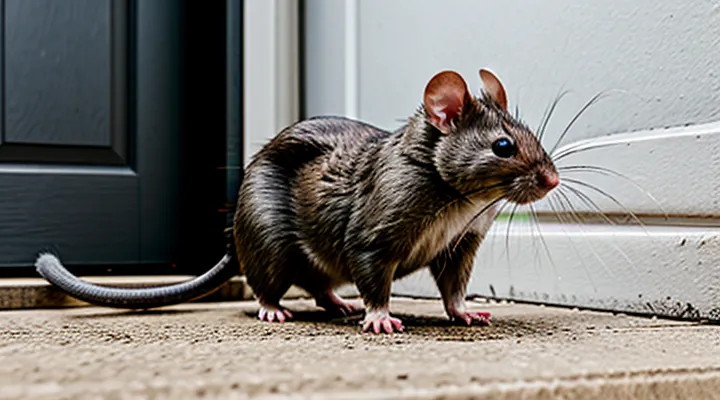
«Understanding the Rat Problem»
«Identifying Rat Infestations»
«Signs of Rats»
Rats leave unmistakable evidence that points to an infestation. Detecting these clues early prevents extensive damage and health risks.
- Dark, pellet‑shaped droppings, typically ½‑inch long, found near food sources, along walls, or in hidden corners.
- Gnaw marks on wood, plastic, wiring, or insulation, characterized by clean, straight cuts with sharp edges.
- Fresh gnaw holes, ¼‑inch in diameter, often located in baseboards, cabinets, or vent covers.
- Streaks of oily urine that darken fabrics, wood, or surfaces, leaving a strong, ammonia‑like odor.
- Scratching or scurrying noises, especially at night, heard within walls, ceilings, or attics.
- Visible footprints or tail marks in dusty areas, near food storage or entry points.
- Nests constructed from shredded paper, fabric, insulation, or dried plant material, usually tucked into concealed spaces.
- Chewed or torn food packaging, with crumbs or spilled contents nearby.
- Grease or smudge trails along walls, indicating frequent travel routes.
- Small, smooth pathways—“runways”—formed by repeated traffic, often along baseboards or behind appliances.
Each sign confirms rodent activity and warrants immediate action to eliminate the problem and protect the household.
«Common Entry Points»
Identifying and sealing entry points is essential for effective rat control in residential settings. Rats exploit any opening larger than a quarter‑inch, and even small gaps provide access to food, water, and shelter.
- Gaps around plumbing and utility pipes, especially where they penetrate walls or floors.
- Cracks in foundation walls, slab edges, or basement concrete.
- Openings around electrical conduit, cable bundles, and HVAC ducts.
- Unscreened vents, attic hatches, and crawl‑space access doors.
- Damaged or missing weatherstripping on exterior doors and windows.
- Roof eaves, soffits, and chimney flues lacking proper caps or mesh.
- Gaps around sewer and storm‑drain lines where pipe joints are deteriorated.
- Exterior cracks around siding, brickwork, or stucco that have not been repaired.
- Holes in foundation vent pipes or dryer exhaust ducts.
Inspect each potential opening, measure its size, and use appropriate materials—steel wool, copper mesh, cement, or expanding foam—to create a permanent barrier. Regular maintenance of these seals prevents re‑entry and supports long‑term rat prevention.
«Risks Associated with Rats»
«Health Hazards»
Rats in residential settings pose significant medical risks. Their droppings, urine, and saliva contain pathogens that can infiltrate food, water, and surfaces, leading to infection. Direct contact or inhalation of contaminated dust introduces diseases such as leptospirosis, salmonella, hantavirus, and, in rare cases, plague. These illnesses manifest with symptoms ranging from fever and gastrointestinal distress to severe respiratory complications, potentially requiring hospitalization.
Rodent infestations also trigger allergic reactions. Proteins found in rat hair, dander, and waste become airborne, provoking asthma attacks and chronic sinus irritation in susceptible individuals. Persistent exposure may exacerbate existing respiratory conditions, increasing medication dependence and reducing quality of life.
Food safety deteriorates when rats breach storage areas. Chewed packaging and contaminated supplies provide a vector for bacterial growth, accelerating spoilage and creating toxins that survive cooking. Consuming such food can result in foodborne illness, dehydration, and prolonged recovery periods.
Structural damage caused by gnawing undermines building integrity. Compromised insulation and exposed wiring foster mold development and electrical hazards. Mold spores add another layer of health concern, inducing respiratory inflammation and, over time, allergic sensitization.
Key health hazards associated with indoor rat activity:
- Transmission of bacterial, viral, and parasitic diseases (e.g., leptospirosis, hantavirus, salmonella)
- Allergic reactions to rodent dander and waste particles
- Contamination of food and water supplies leading to foodborne illness
- Respiratory problems from mold growth caused by structural damage
- Increased risk of injury from bites or scratches
Addressing these risks requires prompt detection, sealing entry points, and implementing effective control measures to eliminate the rodent presence and protect occupants’ health.
«Property Damage»
Rats cause extensive damage to residential structures, wiring, and personal belongings. Their gnawing habit compromises wood framing, insulation, and drywall, creating entry points for moisture and further pest intrusion. Chewed electrical cables expose live conductors, increasing the risk of short circuits, fire, and costly repairs.
Common manifestations of rat‑related property loss include:
- Severed or frayed electrical wiring, leading to outages or hazards.
- Compromised structural timber, resulting in weakened support beams.
- Damaged plumbing components, such as rubber seals and plastic pipes, causing leaks.
- Contaminated food storage areas and pantry shelves, requiring disposal and replacement.
- Stained or chewed upholstery, carpets, and curtains, necessitating cleaning or replacement.
Mitigation measures focus on eliminating access and removing existing infestations. Seal all holes larger than a quarter‑inch with steel wool and cement; install rodent‑proof door sweeps and window screens. Replace vulnerable wiring with conduit‑protected cables. Deploy snap traps or electronic devices in concealed locations, and monitor bait stations regularly. After eradication, conduct a thorough inspection of the building envelope, repair all identified damage, and document repairs for insurance claims. Continuous maintenance, including periodic checks of seals and utilities, prevents recurrence and protects the home’s integrity.
«Preventative Measures»
«Sealing Entry Points»
«Inspecting the Exterior»
Inspecting the exterior of a residence is the first line of defense against rat incursions. A thorough visual survey identifies entry points and conditions that attract rodents, allowing targeted remediation before infestations develop.
- Examine the foundation for cracks, gaps, or holes larger than ¼ inch; these provide direct access.
- Check all openings around doors, windows, and utility penetrations. Ensure weather‑stripping and door sweeps are intact.
- Inspect the roofline for damaged eaves, loose soffits, or open vents. Install fine mesh where necessary.
- Observe the area beneath the house for gaps in the crawl space or vent covers.
- Assess the perimeter for overgrown vegetation, shrubs, or tree branches that touch the building; trim to create a clear zone of at least two feet.
- Review exterior lighting; bright lights attract insects, which in turn draw rats. Use motion‑activated fixtures or shielded bulbs.
- Verify that garbage bins are sealed, placed away from the structure, and emptied regularly.
- Look for signs of gnawing, droppings, or nesting material on siding, under decks, and near stored items.
After identification, seal each opening with steel wool, copper mesh, or cement‑based filler. Install metal flashing around vulnerable joints and reinforce door sweeps. Maintain a trimmed landscape, remove debris, and store firewood at least one foot off the ground and away from the house. Regularly clean gutters and downspouts to prevent water accumulation that creates damp habitats.
Consistent exterior inspection, combined with prompt repair and habitat reduction, dramatically lowers the likelihood of rats gaining entry, forming a reliable component of an overall rodent‑control strategy.
«Repairing Gaps and Cracks»
Rats enter homes through openings as small as a quarter‑inch. Identifying and sealing these gaps eliminates the most common entry points and reduces the likelihood of infestation.
Begin with a systematic inspection. Walk the perimeter of each room, focusing on windows, doors, utility penetrations, and the foundation. Use a flashlight to reveal cracks behind baseboards, around pipe sleeves, and under sinks. Mark each opening with a piece of tape for later reference.
Select sealing materials appropriate to the location:
- Expanding polyurethane foam for gaps up to 2 in. around pipe and conduit entries.
- Cement‑based mortar for cracks in concrete foundations or brickwork.
- Steel wool or copper mesh backed with caulk for holes larger than ¼ in. that may be chewed.
- Silicone or acrylic caulk for gaps around window frames and door thresholds.
Apply the chosen material according to the manufacturer’s instructions. For foam, insert the nozzle into the gap, allow the product to expand, then trim excess after curing. For mortar, clean the crack, dampen the surface, and press the mix firmly into the void, smoothing the surface. For mesh‑caulk combinations, pack the mesh into the opening, then seal with a continuous bead of caulk to prevent gnawing.
After sealing, perform a follow‑up check. Run a thin rod or a piece of wire through each repaired area; any resistance indicates incomplete closure. Re‑apply material as needed. Finally, maintain the barrier by inspecting annually and after any major renovation or weather event. Regular upkeep preserves the integrity of the seal and sustains a rodent‑free environment.
«Maintaining a Clean Environment»
«Proper Food Storage»
Secure food eliminates one of the primary incentives for rodents to enter a dwelling. When edible items are inaccessible, the likelihood of infestation drops dramatically.
Airtight containers constructed from metal or thick‑walled plastic prevent scent leakage and physical access. Choose vessels with locking lids, store them on shelves rather than the floor, and inspect seals regularly for wear.
Organize pantry space so that no product rests directly on the ground. Elevate items onto sturdy racks, keep aisles clear for inspection, and practice first‑in‑first‑out rotation to avoid stale or spoiled food that attracts pests.
Dispose of waste in containers that seal tightly and remove trash from the home at least weekly. For outdoor compost, use covered bins and avoid placing food scraps near entry points.
- Use only sealed, rodent‑proof containers for dry goods, grains, and pet food.
- Store perishable items in the refrigerator or freezer promptly after purchase.
- Keep countertops and tables clear of crumbs and residues.
- Clean spills immediately; do not allow food particles to accumulate.
- Position garbage cans away from doors and windows, and fit them with secure lids.
Implementing these storage practices creates an environment where food sources are unavailable, thereby reducing the incentive for rats to seek shelter inside the residence.
«Waste Management»
Effective rodent control begins with eliminating food sources that attract rats. Proper waste management reduces the likelihood of infestation by removing accessible nourishment and shelter.
- Store trash in containers with tight-fitting lids; metal or heavy‑duty plastic bins resist gnawing.
- Transfer waste to outdoor dumpsters no later than the day it is generated; avoid leaving bags on countertops or in open cupboards.
- Clean kitchen surfaces after each meal; sweep crumbs, mop spills, and wipe down appliances.
- Dispose of pet food promptly; use sealed feeders and remove leftovers within two hours.
- Manage compost piles by using enclosed bins, turning material regularly, and keeping the bin away from the house foundation.
- Position outdoor refuse containers on a solid, non‑soil surface; elevate them on a platform to prevent rats from burrowing underneath.
- Inspect and repair damaged seals on doors, windows, and utility openings; install metal mesh where gaps exceed ¼ inch.
Regularly scheduled waste removal, combined with sealed storage, deprives rats of the sustenance they seek, thereby supporting broader control efforts.
«Landscaping and Yard Maintenance»
«Trimming Vegetation»
Trimming vegetation around a residence reduces shelter and travel routes for rodents, directly limiting their ability to enter the building. Overgrown shrubs, vines, and dense ground cover create hidden pathways that rats use to move from outdoor food sources to interior entry points. Keeping plants pruned to a height of no more than 12 inches from the ground eliminates these concealed routes.
Key actions for effective vegetation management:
- Cut back all shrubs, hedges, and trees within a 3‑meter perimeter of the house, ensuring branches do not touch the roof or walls.
- Remove dead or decaying plant material that can serve as nesting sites.
- Maintain a clear zone of at least 30 centimeters between the building foundation and any foliage.
- Regularly mow lawns and trim grass to a short length, preventing rats from hiding in tall blades.
- Dispose of clippings in sealed containers or compost bins with tight lids to avoid attracting rodents.
Consistent application of these practices deprives rats of cover, forces them to seek alternative, less accessible routes, and enhances the overall effectiveness of any indoor pest‑control measures.
«Removing Debris»
Removing debris eliminates shelter and food sources that attract rodents, thereby reducing the likelihood of an infestation. Clutter in kitchens, basements, attics, and storage areas provides hidden pathways for rats to travel and nest, making it harder to detect activity and apply other control measures.
Effective debris removal follows a systematic approach:
- Inspect all rooms for piles of cardboard, paper, fabric, or broken items; focus on corners, under appliances, and behind furniture.
- Sort materials into three categories: keep, recycle, discard.
- Dispose of discardable items in sealed, rat‑proof containers; avoid leaving bags open on the curb.
- Clean surfaces with a damp cloth to remove crumbs, grease, and droppings that may linger after debris is cleared.
- Seal storage boxes with tight‑fitting lids; use plastic bins rather than cardboard.
Routine maintenance prevents debris accumulation. Schedule monthly checks, especially after renovations or seasonal changes, and ensure that waste bins are emptied regularly and fitted with secure lids. Consistent execution of these steps deprives rats of the environments they need to survive, supporting broader pest‑management efforts.
«Eradication Strategies»
«Trapping Methods»
«Snap Traps»
Snap traps provide a rapid, humane method for eliminating rats within residential environments. Constructed from metal or plastic, the mechanism relies on a spring‑loaded bar that delivers a lethal strike when the rodent triggers the trigger plate. The design ensures immediate death, reducing the risk of prolonged suffering and preventing disease transmission.
Effective deployment requires strategic placement. Position traps along walls, behind appliances, and near known gnawing sites, as rats travel close to vertical surfaces. Avoid areas with high foot traffic to prevent accidental activation. Secure each trap on a stable surface to maintain alignment of the trigger mechanism.
When selecting a snap trap, consider the following criteria:
- Size – Choose a model with a trigger plate large enough to accommodate adult rats (approximately 6–8 inches long).
- Bait compatibility – Opt for traps that allow secure bait attachment, such as a recessed compartment or a hook for peanut butter, bacon, or dried fruit.
- Safety features – Models with a protective shield reduce the chance of unintended contact during set‑up and disposal.
Baiting should be performed shortly before placement to preserve scent potency. Apply a modest amount of attractant to the trigger plate, ensuring the bait does not obstruct the mechanism. After placement, monitor traps daily; remove dead rodents promptly, wearing disposable gloves, and dispose of them in a sealed bag to prevent secondary contamination.
Maintenance includes inspecting the spring tension before each use and replacing worn springs or rust‑affected components. Reuse traps only after thorough cleaning with a mild disinfectant, followed by complete drying. When a trap becomes damaged or its efficacy declines, replace it with a new unit to maintain consistent control.
Integrating snap traps with complementary measures—such as sealing entry points, eliminating food sources, and maintaining cleanliness—creates a comprehensive approach that minimizes rat populations and protects the household from infestation.
«Live Traps»
Live traps provide a humane method for removing rats without poison. The device consists of a cage with a trigger mechanism that closes the door once the animal enters. This approach eliminates the risk of secondary poisoning and allows for relocation of captured rodents.
When choosing a live trap, consider the following criteria:
- Size: interior dimensions must accommodate an adult rat (minimum 12 × 8 × 8 inches).
- Material: sturdy wire mesh or heavy‑duty plastic prevents escape.
- Trigger sensitivity: adjustable pressure plates ensure reliable closure.
- Safety features: smooth interior surfaces reduce injury to the animal.
Effective placement follows a clear pattern:
- Identify active runways, near walls, or close to food sources.
- Position the trap perpendicular to the wall, with the opening facing the likely direction of travel.
- Secure the trap to prevent movement caused by the rat’s entry.
Bait selection influences capture rates. Preferred attractants include:
- Small pieces of peanut butter.
- Fresh fruit such as apple or banana.
- Meat scraps or fish oil for carnivorous rats.
Check traps at least twice daily. Upon capture, transport the cage to a suitable release site—preferably a wooded area at least 100 feet from any residence. Release the rat gently, open the door fully, and retreat to avoid stress. After each capture, clean the trap with hot, soapy water and disinfect with a diluted bleach solution to prevent disease transmission.
«Placement and Baiting»
Effective rat control in residential settings relies on strategic placement of traps and bait stations. Position devices along walls, behind appliances, and near known entry points, because rodents travel close to surfaces. Locate stations in dark, concealed areas such as under sinks, inside cabinets, and within crawl spaces. Ensure each placement allows unobstructed access for the animal while keeping the device out of reach of children and pets.
Select bait that appeals to the target species; peanut butter, dried fruit, and high‑protein rodent blocks are proven attractants. Secure bait to the trap or inside a tamper‑resistant bait station to prevent spillage and reduce secondary exposure. Rotate bait types every few days to maintain curiosity and prevent habituation.
Maintain a systematic deployment schedule. Deploy a minimum of one device per 10‑square‑foot segment of infestation zone. After placement, inspect stations daily, replace consumed bait, and reset or discard captured rodents promptly. Record observations—capture rates, bait preference, and activity hotspots—to refine future placement.
Safety considerations include wearing gloves when handling bait, using sealed stations for toxic baits, and complying with local regulations regarding rodent control products. Proper disposal of dead rodents and used bait prevents secondary contamination and discourages scavenger attraction.
«Baits and Rodenticides»
«Types of Baits»
Effective rat management in residences depends on matching bait type to infestation level, species behavior, and safety considerations.
Anticoagulant rodenticides
- First‑generation (warfarin, chlorophacinone) require multiple feedings.
- Second‑generation (bromadiolone, difenacoum) act after a single dose and are effective against resistant populations.
Metal phosphides
- Zinc phosphide releases phosphine gas in the stomach, causing rapid mortality. Suitable for outdoor perimeters and sealed indoor stations.
Non‑chemical attractants
- Peanut butter, dried fruit, and grain provide strong olfactory cues for snap or electronic traps.
- Commercial lure gels combine food scent with a viscous matrix to retain placement on trap surfaces.
Live‑capture baits
- Grain or seed mixtures placed in humane cages capture rats for relocation. Requires frequent monitoring to prevent stress.
Bait stations
- Enclosed containers protect children and pets while concentrating rodent activity. Stations should be anchored near walls, behind appliances, or in concealed crawl spaces.
Placement guidelines
- Position baits along walls, near droppings, and at points of entry.
- Rotate bait formulations every 30 days to prevent habituation.
- Record locations and dates of deployment for ongoing assessment.
Choosing the appropriate bait, combined with proper station placement, maximizes control efficiency while minimizing risk to non‑target organisms.
«Safe Use and Disposal»
When dealing with rodent control in a residence, safety and proper waste handling are essential.
Select products that carry a clear label indicating low toxicity to humans and pets. Verify expiration dates before application. Apply bait or poison only in sealed, inaccessible containers placed behind appliances, within wall voids, or inside tamper‑proof bait stations. Keep the area clear of children, food preparation surfaces, and non‑target animals.
After placement, monitor devices daily. If a trap or bait station is full, wear disposable gloves, remove the contents, and place them in a rigid, sealed bag. Seal the bag with strong tape, then transfer it to a designated hazardous‑waste container. Do not dispose of rodenticides in regular trash or down drains.
When discarding dead rodents, follow these steps:
- Wear gloves and a mask.
- Place the carcass in a heavy‑duty plastic bag.
- Remove excess air, seal the bag tightly, and double‑bag if possible.
- Label the outer bag with “Rodent carcass – biohazard.”
- Dispose of the sealed package according to local regulations, typically at a municipal waste facility that accepts animal waste.
For chemical residues, rinse the application site with a solution of water and mild detergent, then rinse with clean water. Allow the surface to dry completely before resuming normal use.
Maintain a log of all chemicals used, dates of application, and disposal actions. This record supports compliance with health‑safety standards and facilitates future pest‑management planning.
«Considerations for Pets and Children»
When implementing a rat‑control program in a residence, the safety of pets and children must be a primary consideration.
Rats attract disease, and the methods used to eliminate them can pose direct risks. Toxic anticoagulant baits, snap traps, and glue boards contain substances that can cause poisoning or injury if accessed by non‑target species. Additionally, the presence of rodents increases the likelihood of secondary contamination of food surfaces and play areas.
Safety measures
- Store all rodenticides in locked containers, out of reach of children and animals.
- Place snap traps behind appliances or in concealed locations where pets cannot reach them.
- Use bait stations that require a lid to be opened only by an adult.
- Inspect and replace any damaged or tampered traps immediately.
Pet‑friendly control options reduce accidental exposure. Snap traps with enclosed trigger mechanisms limit contact. Live‑catch traps allow relocation of captured rodents without chemical use, provided that release sites are distant from the home. Physical exclusion—sealing gaps, repairing screens, and installing door sweeps—prevents entry without harming animals. Maintaining clean feeding stations and secure garbage containers eliminates food sources that attract rats and reduces the need for lethal measures.
Child safety requires strict supervision and education. Keep all pest‑control products in areas inaccessible to children. Teach children not to touch unfamiliar objects, especially traps or bait stations. Conduct regular walkthroughs of the home to identify and remove potential hazards, such as loose wires or exposed wires that rats might chew.
An integrated approach combines exclusion, sanitation, and targeted trapping while adhering to the safety protocols outlined above. This strategy minimizes health risks to vulnerable household members while maintaining effective rat management.
«Natural Deterrents»
«Essential Oils»
Essential oils provide a natural alternative for deterring rats in residential environments. Their strong aromatic compounds interfere with rodents’ scent trails and nervous system, reducing the likelihood of infestation.
- Peppermint oil – high menthol content, strong repellent effect.
- Eucalyptus oil – contains eucalyptol, disrupts rat olfactory cues.
- Citronella oil – citrus scent overwhelms rodent detection.
- Clove oil – eugenol irritates respiratory pathways.
- Lavender oil – linalool creates an unpleasant atmosphere for rats.
Prepare a solution by mixing 10–15 ml of the chosen oil with 500 ml of water and a few drops of mild detergent to emulsify. Apply the mixture to cotton balls, fabric strips, or small spray bottles. Place treated items near entry points, burrows, pantry shelves, and behind appliances. Reapply weekly or after cleaning to maintain potency.
Use only diluted concentrations; undiluted oils may cause skin irritation or respiratory distress in humans and pets. Test a small area for allergic reactions before widespread use. Keep treated materials out of reach of children and animals that might ingest them.
Essential oils alone rarely eradicate an established population. Combine them with exclusion techniques, traps, and sanitation measures for comprehensive rat management. Regular inspection and prompt removal of food sources amplify the effectiveness of aromatic deterrents.
«Predators»
Predators form an essential component of an integrated approach to managing rat populations inside residential properties. By introducing or encouraging natural enemies, homeowners can reduce reliance on chemical controls and create a hostile environment for rodents.
Domestic cats are the most familiar mammalian hunters. A healthy, active cat will patrol entry points, chase visible rats, and deter others through scent marking. To maximize effectiveness, provide access to all floors, keep the cat’s health up to date, and avoid using rodenticides that could harm the animal.
Birds of prey, such as owls and hawks, excel at locating and capturing rats during nocturnal activity. Installing a sturdy raptor perch near the roofline or a nesting box in a quiet corner can attract these hunters. Ensure clear flight paths and minimize bright lighting that could discourage visitation.
Reptilian predators, including certain snake species, naturally prey on rodents. In regions where non‑venomous snakes are common, maintaining a garden with stone piles, logs, and dense vegetation offers suitable shelter, encouraging their presence. Verify local regulations and public safety considerations before promoting snakes.
Small carnivores like ferrets, weasels, and stoats possess strong hunting instincts. Professional pest‑control services sometimes deploy trained ferrets for targeted inspections and removal. This method requires expertise to avoid accidental escape and to protect household members.
Key considerations when leveraging predators:
- Verify that the chosen predator is legal and appropriate for the local ecosystem.
- Avoid toxic rodenticides that could poison the predator through secondary ingestion.
- Provide habitats that support the predator without compromising human safety.
- Monitor activity to assess impact and adjust strategies accordingly.
When applied correctly, predatory species create continuous pressure on rat colonies, limiting reproduction and encouraging relocation. Integrating these biological agents with sanitation measures and structural sealing yields a robust, sustainable solution to rat infestations.
«Post-Eradication Steps»
«Cleaning and Sanitization»
«Removing Droppings and Urine»
Effective removal of rodent excreta is essential for health protection and for limiting future infestations. Begin by isolating the contaminated area; close doors and seal vents to prevent spread of particles. Wear disposable gloves, a N‑95 respirator, and eye protection before contact.
- Collect droppings – Use a damp paper towel or disposable cloth to gather solid waste. Avoid dry sweeping, which aerosolizes pathogens. Place material directly into a sealed plastic bag.
- Absorb urine – Apply an absorbent, disposable pad or paper towels to soak liquid deposits. Press firmly, then fold and seal in a separate bag.
- Disinfect – Spray a EPA‑registered disinfectant (e.g., a 1 % bleach solution) onto the cleaned surface. Keep the area wet for at least five minutes, then wipe with a fresh damp cloth.
- Dispose – Double‑bag all waste, label as biohazard, and discard according to local hazardous‑waste regulations. Do not place in regular trash bins.
- Ventilate – Open windows and run exhaust fans for a minimum of 30 minutes to clear residual odors and airborne contaminants.
After cleaning, inspect adjacent spaces for hidden droppings or urine stains. Repeat the process in any newly discovered locations. Maintaining strict sanitation curtails disease transmission and reduces attraction cues that encourage further rodent activity.
«Disinfecting Contaminated Areas»
Rats leave urine, feces, and saliva that can harbor pathogens; thorough disinfection removes health risks and discourages further activity.
Begin by isolating the affected zone. Seal doors and windows, turn off HVAC fans, and place warning signs. Wear disposable gloves, N‑95 respirator, and eye protection before entering.
- Collect waste – Sweep or vacuum dry droppings with a HEPA‑rated vacuum; avoid stirring up dust. Place material in sealed bags and discard according to local hazardous‑waste guidelines.
- Apply disinfectant – Use a solution containing at least 1 % sodium hypochlorite, 0.5 % hydrogen peroxide, or an EPA‑registered rodent‑borne‑pathogen sanitizer. Saturate surfaces, let the contact time recommended by the manufacturer elapse (typically 10‑15 minutes).
- Rinse and dry – Rinse with clean water if the disinfectant requires it, then wipe dry with disposable cloths. Ensure complete drying to prevent mold growth.
After treatment, replace air filters, clean ventilation ducts, and inspect for hidden droppings. Regularly monitor the area for signs of re‑infestation; prompt cleaning of any new contamination maintains a sanitary environment and supports overall rodent‑management efforts.
«Ongoing Monitoring»
«Regular Inspections»
Regular inspections provide the most reliable early warning of rat activity inside a residence. Detecting problems before they spread reduces the need for extensive remediation and limits damage to property and health.
When conducting an inspection, focus on the following areas:
- Gaps around doors, windows, utility penetrations, and foundation cracks that measure ¼ inch or larger.
- Signs of gnawing on wood, plastic, or wiring, especially near baseboards and cabinets.
- Droppings, urine stains, or greasy tracks along walls, behind appliances, and in pantry corners.
- Food sources left uncovered, spilled grain, or pet feed stored in open containers.
- Nesting material such as shredded paper, insulation, or fabric piles in hidden locations.
Perform a thorough walk‑through at least once a month, increasing to weekly checks during peak rodent seasons (late summer through early winter). Schedule additional inspections after any weather event that could create new entry points, such as heavy rain or wind damage.
Record each inspection’s findings in a log that notes location, type of evidence, and severity. Use the log to prioritize repairs, set deadlines for sealing openings, and track the effectiveness of any control measures applied. Follow up promptly on identified issues to prevent infestation from establishing.
«Maintaining Prevention Tactics»
Maintaining prevention tactics is essential for long‑term rat control in residential settings. Ongoing effort prevents re‑infestation after an initial eradication effort and reduces the likelihood of damage to structures and contamination of food supplies.
Effective maintenance includes the following actions:
- Inspect and seal cracks, gaps around pipes, vents, and foundations with steel wool, caulk, or metal flashing.
- Store food in airtight containers; promptly clean spills and crumbs from countertops, floors, and appliances.
- Keep garbage bins closed tightly; remove waste from the property at least weekly.
- Trim vegetation, prune tree branches, and eliminate dense ground cover that offers shelter or travel routes to the interior.
- Position traps or bait stations in known activity zones and replace them according to manufacturer guidelines.
Schedule regular inspections at least once every month, focusing on entry points, signs of gnawing, droppings, and fresh gnaw marks. Document findings, noting locations and dates, to track patterns and adjust preventive measures promptly.
When signs of activity persist despite routine actions, consult a licensed pest‑management professional. Expert assessment can identify hidden entry routes, recommend targeted treatments, and verify that all preventive steps meet local health and safety standards.
«When to Call a Professional»
«Signs of a Severe Infestation»
A severe rat infestation rarely remains hidden; early detection prevents structural damage and disease spread.
Visible evidence includes:
- Multiple droppings clustered near food sources, walls, or hidden corners, each about ½ inch long, darkened by age.
- Gnaw marks on wood, plastic, or wiring, often at a 45‑degree angle, indicating active chewing.
- Persistent gnawing noises, especially at night, suggesting large numbers moving through walls or ceilings.
- Burrow entrances and extensive runways made of shredded material, located along baseboards, under appliances, or in insulation.
- Strong, musky odor that intensifies in confined spaces, a byproduct of urine and feces accumulation.
- Presence of live or dead rats, carcasses, or nests constructed from shredded paper, fabric, or insulation.
Additional indicators:
- Unexplained electrical failures or short circuits, often caused by gnawed wiring.
- Sudden increase in food waste or missing pantry items, reflecting heightened consumption.
- Elevated levels of allergens and pathogens in dust samples, confirming extensive rodent activity.
Each sign signals a critical level of infestation that demands immediate, professional intervention and comprehensive sanitation measures.
«Benefits of Professional Pest Control»
Professional pest‑control firms bring trained technicians, targeted rodent‑specific products, and systematic monitoring that exceed the capabilities of DIY measures. Their interventions reduce infestation severity, limit health hazards, and prevent structural damage.
- Certified operators identify entry points, seal them, and apply bait or traps in locations inaccessible to homeowners.
- Integrated pest‑management plans combine sanitation guidance with ongoing inspections, ensuring long‑term suppression.
- Commercially approved chemicals deliver rapid mortality while minimizing risks to occupants and pets when applied correctly.
- Documentation of service actions provides legal protection and supports insurance claims in the event of property loss.
- Time savings arise from eliminating trial‑and‑error attempts, allowing residents to focus on daily responsibilities.
Engaging licensed professionals transforms rodent control from a reactive task into a proactive, measurable program that safeguards health, property, and peace of mind.