
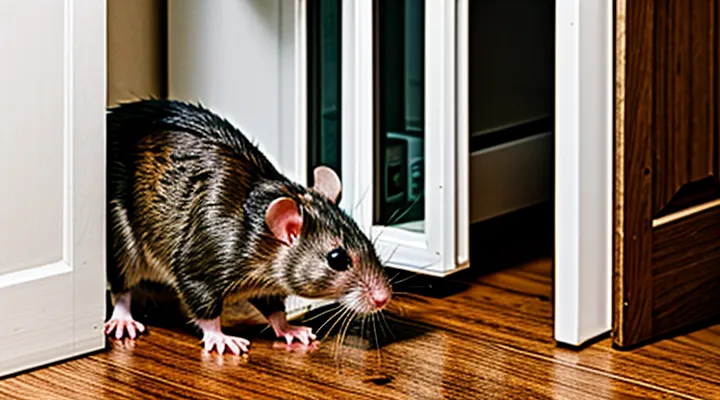
Identifying a Rat Infestation
Signs of Rats in an Apartment
Droppings and Urine Stains
Droppings and urine stains are primary indicators of rodent activity in a residence. Fresh droppings appear as small, dark, cylindrical pellets about half an inch long; older deposits turn lighter and may crumble. Urine stains manifest as discolored patches, often yellowish to brown, with a distinctive, pungent odor that intensifies in warm, humid conditions.
Identifying these signs serves two purposes: confirming infestation and pinpointing movement pathways. Droppings accumulate near food sources, nesting sites, and travel routes, while urine trails delineate preferred pathways and concealment points. Mapping the locations of deposits enables strategic placement of traps or bait stations along active corridors.
Effective cleaning eliminates health hazards and reduces attractants. Recommended steps:
- Wear disposable gloves and a mask to prevent inhalation of pathogens.
- Collect droppings with a damp paper towel; avoid dry sweeping, which aerosolizes particles.
- Disinfect surfaces using a solution of at least 1 % bleach (1 part bleach to 9 parts water) or an EPA‑approved rodent sanitizer.
- Allow the area to air dry completely before installing traps.
After sanitation, monitor the cleaned zones for repeated deposits. Persistent reappearance indicates ongoing activity and may require additional trapping devices, sealant application, or professional pest control intervention.
Gnaw Marks and Damage
Gnaw marks are the most reliable indicator that a rodent is present. Fresh teeth impressions appear as clean, V‑shaped cuts on wood, plastic, or insulation. Older marks darken, develop splintered edges, and may be surrounded by urine or feces, confirming ongoing activity.
Typical damage includes:
- Severed electrical wiring, creating fire hazards and intermittent power loss.
- Compromised structural components such as joists, baseboards, and wall studs, leading to weakened support.
- Chewed plumbing, resulting in leaks, water waste, and potential mold growth.
- Damaged food packaging and pantry items, causing contamination and loss of supplies.
Identifying these signs directs the placement of capture devices. Position snap traps or live‑catch cages along the exact line of gnawing, preferably where the rodent must pass to reach food or nesting material. In walls, insert baited traps through drilled holes adjacent to the damaged area; the rat will investigate the source of the fresh bite mark.
Inspecting all rooms systematically prevents missed infestations. Start at the kitchen, then move to storage closets, utility rooms, and any concealed spaces. Record each gnaw site, noting material and severity, to prioritize repair work after the rodent is removed. Prompt remediation of chewed wires, pipes, and insulation eliminates re‑entry points and reduces the likelihood of recurrence.
Strange Noises
Strange noises often serve as the first indicator of a rat presence in a dwelling. Identifying the sound pattern helps pinpoint activity zones and schedule trapping efforts.
Typical rat-generated sounds include:
- Scratching on walls, ceilings, or stored boxes, especially during nighttime.
- Light gnawing noises on plastic, wood, or wiring.
- Squeaking or chirping emitted when rats communicate or feel threatened.
- Shuffling of dry debris within concealed spaces such as insulation or crawlspaces.
Detecting these noises requires a systematic approach:
- Conduct a quiet walk-through after dark, listening from room to room.
- Use a handheld audio recorder or smartphone app to capture faint sounds for later analysis.
- Note the exact location, frequency, and duration of each noise; repeated patterns suggest active pathways.
- Correlate sound sources with potential entry points, food storage, and nesting materials.
Once the source is confirmed, place traps directly along the identified routes. Position bait stations near the origin of the noises, ensuring they are accessible but concealed from non‑target occupants. Monitoring devices, such as motion-activated cameras, can verify capture success and further refine noise assessment.
Sightings
Rats reveal their presence through distinct signs that indicate where they travel and nest. Fresh droppings, typically dark and about the size of a grain of rice, appear near food storage, behind appliances, or along wall edges. Gnaw marks on wood, plastic, or wiring show routes and potential entry points. A musky odor, especially in confined spaces, signals an established population. Wet, dark patches on surfaces may be urine stains, confirming activity. Scraps of shredded material, such as paper or insulation, suggest nesting behavior.
Timing of sightings helps prioritize intervention. Nighttime observations are common because rats avoid light; hearing scurrying sounds in ceilings or crawl spaces after dark signals active foraging. Daytime sightings near food sources indicate a bold, possibly well‑fed group that may have acclimated to human presence. Recording the exact locations and times of each observation creates a map of hotspots, guiding placement of traps or exclusion measures.
Effective response relies on accurate documentation. Use a simple table to log each encounter:
- Date and time
- Location (room, specific area)
- Type of sign (droppings, gnaw mark, sound, odor)
- Quantity or intensity (few, moderate, heavy)
Compiling this data enables targeted action, reducing the time needed to eliminate the infestation.
Common Hiding Spots
Kitchen Areas
Inspect every kitchen zone where food or water may be present. Look under the sink, behind appliances, inside cabinets, and along the baseboards. Identify any gnaw marks, droppings, or grease trails that indicate rodent activity. Record each location to prioritize treatment.
Eliminate attractants by storing all dry goods in sealed, rodent‑proof containers. Clean crumbs from countertops, floors, and the inside of the oven immediately after cooking. Dispose of trash in a container with a tight‑fitting lid and remove it from the apartment daily.
Seal entry points that rats could use to reach the kitchen. Apply steel‑wool or copper mesh to holes around pipes, vents, and the underside of the fridge. Use a durable caulk or expanding foam for cracks in walls or flooring. Verify that the sealant remains intact after a few days of monitoring.
Set traps strategically within the kitchen environment:
- Place snap traps or electronic traps along walls, near the back of cabinets, and close to the sink.
- Position bait (peanut butter, dried fruit, or small pieces of meat) on the trap, ensuring it is hidden from pets but accessible to rodents.
- Space traps 12–18 inches apart, covering all identified activity zones.
- Check traps at least twice daily, remove captured rats promptly, and reset or relocate traps as needed.
Maintain the kitchen in a state that discourages re‑infestation. Conduct weekly inspections, reinforce seals after any repairs, and keep food storage and waste management procedures consistent. Continuous vigilance in this area greatly increases the likelihood of successful rat removal from an apartment.
Behind Appliances
Rats frequently use the space behind refrigerators, stoves, dishwashers and other large appliances as shelter and travel routes. The darkness, warmth and proximity to food sources create an ideal environment that is hard to detect without deliberate inspection.
To evaluate the area safely, follow these steps:
- Unplug the appliance and disconnect any gas or water lines.
- Move the unit away from the wall using a sturdy dolly or the assistance of another person.
- Shine a flashlight into the cavity, looking for droppings, gnaw marks, nesting material or live activity.
- Record any signs of infestation and note entry points such as gaps around cables or vent openings.
After confirming rat presence, take action to prevent re‑entry and capture the animal:
- Seal all openings with steel wool, copper mesh or silicone caulk; avoid materials that rodents can chew through.
- Place snap traps or electronic traps directly in the cavity, positioning them perpendicular to the wall for maximum contact.
- Use bait that matches the rat’s diet, such as peanut butter or dried fruit, and replace it every 24 hours to maintain potency.
- Return the appliance to its original position only after all traps are set and gaps are sealed.
Regularly repeat the inspection routine, especially after cleaning or rearranging furniture, to ensure that hidden routes remain blocked and that any new activity is detected promptly.
Wall Voids
Wall voids are the hidden cavities between interior finishes and structural framing. Rats exploit these spaces for travel, nesting, and concealment. Detecting activity inside voids requires systematic inspection: look for gnaw marks on drywall, droppings on baseboards, and fresh urine stains near wall junctions. Use a flashlight and a thin inspection mirror to peer into gaps behind cabinets, behind radiators, and beneath flooring edges.
To make wall voids unusable for rodents, follow these steps:
- Seal entry points larger than ¼ inch with steel wool, copper mesh, or expanding polyurethane foam reinforced with metal flashing.
- Apply a continuous bead of silicone or acrylic caulk around pipe penetrations, electrical conduit, and vent openings.
- Install metal-backed trim or lath over any gaps left after repairs to prevent re‑budding.
After sealing, place baited snap traps or electronic traps directly into the voids. Position traps along known runways: behind appliances, inside wall cavities accessed through removable outlet covers, or within utility chases. Use a small amount of peanut butter or dried fruit as attractant; avoid large bait piles that may be ignored.
Monitor traps daily. If captures cease, re‑inspect voids for missed openings and repeat sealing procedures. Maintain a regular schedule of visual checks and maintain a clutter‑free environment to discourage re‑infestation.
Storage Areas
Storage spaces such as closets, pantry shelves, under‑sink cabinets, and attic corners provide shelter, food, and nesting material for rats. These areas often contain cardboard boxes, food wrappers, and forgotten items that create ideal conditions for infestation. Regular inspection and organization are critical to deny rats access.
- Remove all food items from open shelves; store them in sealed, metal containers with tight‑fitting lids.
- Dispose of cardboard boxes, paper bags, and fabric scraps that can serve as nesting material.
- Vacuum or sweep floors and corners to eliminate droppings and urine residues.
- Seal gaps around pipes, vents, and wiring using steel wool combined with expanding foam; steel wool prevents rats from chewing through.
- Install door sweeps on closet and pantry doors to block entry points.
After securing storage zones, position traps or bait stations directly inside or adjacent to these locations. Snap traps work best when placed along walls where rats travel; glue boards can supplement in tight corners. Bait should be fresh and attractive—peanut butter, dried fruit, or small pieces of meat—renewed every 24 hours to maintain potency.
Maintain a schedule of monthly checks. Verify that seals remain intact, replace damaged containers, and reset or relocate traps as needed. Consistent upkeep of storage areas removes the resources rats need to survive, significantly reducing the likelihood of a persistent infestation.
Preparing for Rat Trapping
Cleaning and Sanitation
Removing Food Sources
Eliminating accessible nutrition is the first line of defense against rodent intrusion in a residence. Rats locate shelter by following food trails; without a reliable supply, they lose incentive to remain.
- Seal all pantry items in airtight containers; glass or heavy‑plastic jars prevent gnawing.
- Wipe countertops, tables, and floors after each meal; discard crumbs immediately.
- Store fruits and vegetables in the refrigerator or in sealed bins; avoid leaving produce on open shelves.
- Keep garbage cans covered with tight‑fitting lids; empty them daily, especially in the kitchen and bathroom areas.
- Place pet food in metal containers and remove uneaten portions within 30 minutes; avoid leaving bowls overnight.
- Dispose of compost in sealed bags or external bins; do not store food scraps inside the apartment.
Regular inspection reinforces these measures. Check for spillage behind appliances, under cabinets, and in cracks where debris may accumulate. Maintain a schedule for cleaning and waste removal to deny rats any opportunistic feeding sites, thereby increasing the likelihood of successful capture.
Sealing Entry Points
Rats enter apartments through gaps that provide a clear path to food, water, and shelter. Identifying and sealing these openings eliminates the primary route of invasion, reducing the likelihood of infestation.
Begin by inspecting the perimeter of the unit. Look for cracks around windows, doors, and baseboards; openings around utility penetrations such as pipes, cables, and vents; and gaps beneath cabinets or appliances. Use a flashlight to reveal hidden spaces behind furniture and inside closets.
Apply appropriate sealing materials for each type of opening:
- Expandable foam for large cracks and gaps around pipes.
- Steel wool or copper mesh, followed by caulk, for holes larger than a quarter‑inch; rodents cannot gnaw through metal.
- Silicone or acrylic caulk for small seams around windows and baseboards.
- Weather‑stripping around doors and sliding windows to block narrow entryways.
After sealing, verify the integrity of the work by running a thin piece of paper or a cotton swab through each treated area. Any resistance indicates a remaining opening that requires additional material.
Maintain the barrier by periodically checking for new cracks caused by settlement, moisture, or renovation. Prompt repair prevents re‑entry and supports long‑term rat control in the residence.
Decluttering the Apartment
Decluttering the apartment removes hiding places, eases inspection, and improves trap placement. Open floor space lets you see rodent activity, identify entry points, and set devices where rats travel.
- Remove piles of newspapers, cardboard, and fabric scraps that provide shelter.
- Store food containers in sealed bins and keep countertops clear of crumbs.
- Dispose of unused items in sealed bags and take them to an outdoor dumpster.
- Arrange furniture so that walls and baseboards are visible, allowing traps to be positioned along likely pathways.
- Vacuum regularly to eliminate droppings and scent trails that attract rodents.
A tidy environment also simplifies monitoring. With fewer obstacles, you can spot fresh droppings, gnaw marks, and urine stains more quickly. Early detection enables prompt action, reducing the population before it expands.
After clearing clutter, inspect gaps around pipes, vents, and doors. Seal openings with steel wool, caulk, or hardware cloth. The combination of a clean space and sealed entry points creates a hostile setting for rats, increasing the likelihood of successful capture.
Choosing the Right Traps
Snap Traps
Snap traps provide a rapid, humane solution for eliminating rats that have entered a residential unit. Their mechanical action kills the animal instantly, preventing prolonged suffering and reducing the chance of disease spread.
Key benefits include:
- Immediate kill, eliminating the need for monitoring live captures.
- Low cost, allowing placement of multiple units without excessive expense.
- No reliance on chemicals, avoiding contamination of food surfaces and personal belongings.
When choosing a snap trap, consider the following factors:
- Size: the trigger plate must accommodate a rat’s body length, typically 7–9 inches.
- Spring strength: a robust spring ensures sufficient force to break the neck.
- Safety features: a guard that prevents accidental activation by children or pets.
- Ease of baiting: a recessed compartment keeps the lure secure and reduces tampering.
Effective placement follows a systematic approach:
- Identify active pathways: walls, behind appliances, and near garbage containers.
- Position traps perpendicular to the wall, with the trigger plate facing the expected travel direction.
- Place bait (peanut butter, dried fruit, or small pieces of meat) directly on the trigger.
- Set traps in groups of three to five, spaced 2–3 feet apart, to increase capture probability.
- Check traps daily; remove dead rodents promptly to prevent odor buildup.
Safety and disposal procedures are essential:
- Wear disposable gloves when handling captured rats.
- Seal the carcass in a plastic bag, then place it in an external trash container.
- Clean the trap with a mild disinfectant before reuse or storage.
- Store unused traps out of reach of children and pets, preferably in a locked cabinet.
Live Traps
Live traps provide a humane solution for removing rats from a residential unit. The device consists of a cage with a trigger mechanism that closes the door when the animal enters, preventing escape while eliminating the need for poison.
When choosing a trap, prioritize models with a sturdy metal frame, a smooth interior to discourage chewing, and a sensitive trigger that activates with minimal weight. Common designs include:
- Single‑catch cages, suitable for low‑traffic areas.
- Multi‑catch units, allowing several captures before emptying.
Effective placement follows three principles: locate traps along established runways, position them near walls or corners where rats travel, and keep them away from high‑traffic human zones. Bait selection influences success; use fresh, protein‑rich items such as peanut butter, cooked egg, or small pieces of meat. Apply a pea‑size amount to the trigger plate to encourage entry.
After capture, inspect traps at least twice daily. Transfer the animal to a distant, suitable release site—preferably a wooded area at least 2 miles from the building—and release it promptly to reduce stress. Clean and disinfect the cage after each use to prevent disease transmission and maintain trap reliability.
Electronic Traps
Electronic traps provide a rapid, humane solution for rodent control within a residential unit. They emit a high‑frequency pulse that induces immediate incapacitation, eliminating the need for poison or manual handling. The device operates on battery power or mains electricity, allowing placement in concealed areas such as under cabinets or behind appliances without visible wiring.
Key considerations when selecting an electronic rat trap:
- Voltage output sufficient to affect a rat’s size (typically 2,000–3,000 V).
- Safety features, including insulated casing and automatic shut‑off when the animal is removed.
- Capacity for multiple kills before requiring a reset, useful in heavily infested spaces.
- Easy‑to‑read indicator lights or audible alerts confirming a successful capture.
Effective deployment follows a simple sequence:
- Identify rat pathways by observing droppings, gnaw marks, and near‑food sources.
- Position the trap perpendicular to the wall, with the entry slot facing the expected travel direction.
- Activate the device, ensuring the power source is secure and the safety lock is engaged.
- After a capture, disconnect power, wear gloves, and dispose of the carcass in a sealed bag.
- Clean the trap interior with a mild disinfectant, then reset for continued use.
Maintenance includes periodic battery replacement, inspection of the electrode plates for corrosion, and verification of the alarm system. Properly installed electronic traps reduce the likelihood of repeat infestations by delivering immediate results and minimizing exposure to hazardous chemicals.
Glue Traps (with caveats)
Glue traps are a common, low‑cost option for reducing rat activity in a residence. They consist of a board coated with a strong adhesive that immobilizes rodents when they step onto the surface. Placement near known pathways—such as behind appliances, along walls, and in dark corners—maximizes contact. The adhesive remains effective for several weeks if not contaminated by dust or debris.
Caveats:
- Non‑target captures: pets, children, and beneficial wildlife may become stuck if traps are not secured behind barriers.
- Ethical concerns: glue traps cause prolonged suffering; humane alternatives are preferred when possible.
- Monitoring requirement: traps must be inspected at least once daily to remove captured rats and prevent decomposition, which can attract insects and produce foul odors.
- Disposal regulations: many jurisdictions classify glue‑trapped rodents as hazardous waste; follow local guidelines for removal and disposal.
- Adhesive degradation: exposure to humidity or cleaning agents reduces stickiness, necessitating frequent replacement.
Effectiveness depends on accurate identification of rat routes and strict adherence to safety protocols. For infestations beyond a few individuals, glue traps alone rarely achieve control; integrate them with exclusion measures, sanitation improvements, and, when appropriate, professional pest‑management services.
Selecting Effective Baits
Peanut Butter
Peanut butter serves as an effective attractant for rodents in a residential setting. Its high fat content releases a persistent scent that rats can detect through walls and flooring, prompting them to investigate potential food sources.
The substance’s texture allows it to cling to trap surfaces, preventing rapid removal by the animal. A thin layer remains in place long enough for the rat to bite and become entangled or trigger a snap mechanism, while minimizing waste and mess.
Application guidelines
- Place a pea‑sized dab on the trigger plate of a snap trap or inside a live‑capture cage.
- Position the trap along walls, behind appliances, or near known gnawing marks; rats travel close to boundaries.
- Secure the trap to a stable surface to avoid displacement by the animal’s weight.
- Check traps daily; dispose of captured rodents according to local regulations and replace bait promptly.
When using peanut butter, wear disposable gloves to avoid contaminating surfaces. Store unused portions in airtight containers to preserve odor strength and deter other pests. Proper placement and regular monitoring maximize capture rates while maintaining a clean living environment.
Cheese
Cheese works as a potent attractant because rodents detect its strong odor and high fat content. Its scent can draw a rat from concealed areas into a trap, making it a practical choice for indoor pest control.
Select a variety with a pronounced aroma, such as aged cheddar, blue cheese, or processed cheese spreads. Prefer small, firm pieces that fit the trap’s cavity and resist crumbling. Avoid soft, low‑fat cheeses that lose scent quickly.
Position the bait where rats travel: behind appliances, near wall voids, and in dark corners. Secure the cheese to the trap mechanism with a thin wire or toothpick to prevent removal without triggering the device. Replace the bait every 24 hours to maintain freshness.
Maintain hygiene by sealing used cheese in a disposable bag before discarding. Clean the trap surface after each capture to eliminate residual odor that could deter further activity.
Chocolate
Chocolate serves as an effective attractant when setting traps for rodents in a residential unit. Its strong aroma and sweet taste stimulate a rat’s natural foraging instincts, increasing the likelihood of contact with a capture device.
Select a high‑cocoa, low‑fat chocolate bar to minimize residue and reduce the chance of attracting other pests. Break the bar into small, bite‑size pieces that fit within the trap’s bait compartment without obstructing the trigger mechanism.
Placement of chocolate‑baited traps follows a logical pattern:
- Identify active runways: examine walls, behind appliances, and near garbage containers for droppings or gnaw marks.
- Position traps perpendicular to the runway, with the bait facing the expected direction of travel.
- Maintain a minimum of 12 inches between traps to prevent competition and ensure each device functions independently.
Monitor traps daily. Remove uneaten chocolate after 24 hours to avoid spoilage and to prevent secondary infestations. Replace with fresh bait if the trap remains unset, as the scent diminishes over time.
Safety considerations include wearing gloves when handling chocolate to prevent transferring human scent, and sealing any food storage areas to limit alternative food sources that could distract the target rodent.
Pet Food
Pet food can serve as effective bait when attempting to trap a rat inside a dwelling. The scent of protein‑rich meals attracts rodents, encouraging them to investigate traps placed nearby.
- Dry kibble containing chicken, beef, or fish
- Canned wet food with strong aroma, such as tuna or liver pâté
- Freeze‑dried treats that release scent when moistened
Select products with high fat content and minimal additives, as rats are drawn to greasy odors. Avoid foods flavored with artificial sweeteners, which may deter the target.
Place a small amount of bait directly on the trigger mechanism of a snap or live‑catch trap. Position traps along walls, behind appliances, and near known droppings. Secure bait to prevent displacement by pets or the rat itself.
Maintain cleanliness by removing excess food after each capture attempt. Store bait in sealed containers to limit attraction of other pests. Ensure that traps are out of reach of household animals to avoid accidental injury.
Setting and Monitoring Traps
Strategic Placement of Traps
Along Walls
Rats travel close to vertical surfaces because walls provide shelter, concealment, and a direct route between hiding spots and food sources. Positioning traps and deterrents along these pathways maximizes encounter rates and reduces the time required for capture.
- Identify active routes by observing droppings, gnaw marks, and fresh tracks that run parallel to baseboards, behind cabinets, and near utility lines.
- Place snap or electronic traps with bait (peanut butter, dried fruit, or meat) directly against the wall, ensuring the trigger mechanism faces the wall so the rat must push against it to reach the bait.
- Use glue boards on the wall surface only when live capture is not required; secure them at a height of 2–3 inches from the floor where rats commonly scurry.
- Install steel wool or copper mesh in wall gaps, vents, and behind appliances to block further movement while traps remain active.
- Seal entry points after capture by applying caulk, expanding foam, or metal flashing to prevent re‑entry.
Maintain a clean environment along walls: eliminate crumbs, store food in sealed containers, and keep trash bins tightly closed. Regular inspection of trap placement and prompt disposal of captured rodents prevent population growth and reinforce the effectiveness of the wall‑focused strategy.
Near Entry Points
Inspect all potential ingress routes. Look for gaps around doors, windows, utility penetrations, and ventilation openings. Measure each opening; any space larger than ¼ inch (6 mm) permits rodent entry. Use steel wool, silicone caulk, or metal flashing to seal cracks permanently. Temporary barriers such as weather stripping can reduce traffic while long‑term repairs are arranged.
Place capture devices directly adjacent to confirmed entry points. Recommended arrangement:
- Snap traps or electronic traps positioned with the trigger side facing the wall, 1–2 inches from the opening.
- Live‑catch traps set at the same distance, equipped with a secure escape‑proof container.
- Glue boards used only as a last resort, placed on the floor directly beneath the gap.
Select bait that matches the rodent’s diet at the time of year. Peanut butter, dried fruit, or small pieces of meat attract foraging behavior. Replace bait daily to maintain freshness and monitor trap activity each evening. Record capture data; consistent hits indicate the primary route, while sporadic catches suggest secondary pathways.
After successful captures, reinforce the sealed entry points. Apply expanding foam or concrete for larger voids, install door sweeps, and verify that screens are intact. Conduct a follow‑up inspection after one week to confirm the absence of new activity before concluding the control effort.
In Hidden Areas
Rats exploit concealed spaces such as wall voids, ceiling panels, and behind appliances. Identify these zones by listening for scurrying sounds, following droppings, and checking for gnaw marks on wiring or piping. Use a flashlight to inspect behind cabinets, under sinks, and inside closets where items are stacked.
- Place snap or live‑catch traps directly in the discovered pathways; position them perpendicular to the wall so the rat enters head‑first.
- Apply a small amount of high‑protein bait (peanut butter, canned fish) to the trigger mechanism; avoid excess to prevent spillage.
- Secure traps with a thin piece of cardboard or a plastic tunnel to guide the rodent from hidden routes into the device.
- Replace traps daily, recording capture locations to map activity patterns.
After successful captures, seal entry points with steel wool, caulk, or metal mesh. Reinforce gaps around pipes, vents, and electrical conduits. Maintain a clutter‑free environment to eliminate shelter opportunities in concealed areas. Regular monitoring and prompt trap replacement sustain control over the infestation.
Proper Trap Handling
Safety Precautions
When attempting to remove a rodent from a residence, safety measures must be observed.
- Wear thick gloves, long sleeves, and closed shoes to prevent bites and contact with urine or droppings.
- Use a mask or respirator if traps contain strong scents or if dust is disturbed.
- Keep traps away from children and pets; place them in concealed areas such as behind appliances or inside cabinets.
- Choose traps that do not rely on toxic chemicals unless certified for indoor use; follow label instructions precisely.
- After capture, seal the animal in a sturdy container, label it, and dispose of it according to local regulations.
- Clean the capture site with a disinfectant solution; allow the surface to dry completely before reuse.
- Wash hands thoroughly with soap and water after handling any equipment or the rodent.
Maintain a clear work area, avoid sudden movements that could startle the animal, and inspect traps regularly to reduce the risk of prolonged exposure. If signs of disease (fever, cough, or unusual fatigue) appear after handling, seek medical advice promptly.
Securing Traps
Securing traps is essential for effective rodent control in a residence. Choose a trap that matches the size of the target and select a model with a reliable locking mechanism. Place the trap on a stable surface, preferably on a flat floor, to prevent tipping when the animal engages the bait.
- Position traps along walls, behind appliances, and near known droppings.
- Anchor each trap with a heavy object or a piece of furniture to stop displacement.
- Cover the trap with a thin layer of cardboard or cloth if the area is high‑traffic, reducing accidental contact.
Inspect traps daily. Remove captured rodents promptly, clean the device with disinfectant, and reset it with fresh bait. Replace any damaged components before reuse to maintain consistent performance.
When using multiple traps, stagger their locations to avoid crowding. Ensure that children and pets cannot access the devices by keeping them out of reach or using enclosed bait stations designed for safety. Regular maintenance preserves trap integrity and enhances the overall success of rat removal efforts.
Regular Monitoring and Re-baiting
Daily Checks
Perform systematic inspections each morning and evening. Begin at entry points, examine door thresholds, window screens, and utility penetrations for fresh gnaw marks, droppings, or shredded material. Record any new evidence in a log to track activity patterns.
Inspect food storage areas. Verify that pantry containers are sealed, countertops are free of crumbs, and trash bins have tight‑fitting lids. Replace compromised seals immediately to eliminate attractants.
Check trap locations before resetting devices. Remove any captured rodents, clean the surrounding surface with disinfectant, and reposition traps according to observed movement corridors. Ensure bait remains fresh; replace spoiled bait daily.
Survey hidden zones such as under appliances, behind furniture, and within wall voids. Use a flashlight to detect urine stains, nesting debris, or fresh burrows. Seal discovered openings with steel wool and caulking to prevent re‑entry.
Maintain a concise record of each inspection, noting date, time, inspected zones, and any findings. Review the log weekly to adjust trap placement and identify emerging problem areas. Consistent daily checks create the data foundation required for effective rodent eradication in an apartment setting.
Replacing Bait
Effective bait replacement is critical for maintaining a reliable rat‑control program in a flat. Bait loses potency as rodents consume it, moisture evaporates, or it becomes contaminated with urine or feces. When effectiveness declines, rats will ignore traps, extending the infestation.
To ensure continuous attraction, follow a systematic replacement routine:
- Inspect each trap daily; note any bait that appears dried, dirty, or partially eaten.
- Remove spent bait completely; clean the trap surface with a mild detergent and rinse thoroughly.
- Apply fresh bait in the recommended amount—enough to cover the trigger area but not so much that it can be carried away.
- Rotate bait types weekly (e.g., peanut butter, dried fruit, commercial rodent gel) to prevent habituation.
- Record the date of each replacement; a log helps identify patterns of bait degradation and rat activity.
Consistent bait turnover eliminates dead zones, sustains trap efficacy, and accelerates the removal of rodents from the living space.
Post-Capture and Prevention
Safe Disposal of Captured Rats
Dead Rats
Dead rats present a critical obstacle in any apartment‑wide rodent‑control effort. Their presence signals a breach in sanitation, attracts scavengers, and releases pathogens that can jeopardize resident health. Ignoring carcasses undermines traps, as the scent of decay may mask bait odors and deter live rats from approaching devices.
Effective management begins with immediate identification and safe removal. Use disposable gloves, a sealable plastic bag, and a disinfectant‑wiped surface to prevent cross‑contamination. After extraction, decontaminate the area with a solution containing at least 1 % bleach, allowing a five‑minute contact time before wiping clean.
Disposal procedures must comply with local regulations. Generally, the following steps satisfy legal and health standards:
- Place the carcass in a double‑sealed bag.
- Label the outer bag with “biological waste.”
- Contact municipal waste services or a licensed pest‑removal contractor for pickup.
- Record the removal date and location for future reference.
Finally, integrate carcass handling into a broader rodent‑control plan. Regular inspections, prompt trap maintenance, and thorough sanitation reduce the likelihood of future deaths, thereby enhancing the overall effectiveness of rat‑capture strategies in multi‑unit dwellings.
Live Rats (Relocation Best Practices)
When a live rat is captured inside a dwelling, the relocation process must protect the animal, the occupants, and the surrounding environment. Follow these steps to ensure humane and effective transfer.
- Prepare a sturdy, escape‑proof container with a secure lid. Use a material that resists gnawing, such as heavy‑gauge plastic or metal.
- Wear thick gloves and, if possible, a disposable mask to reduce disease transmission. Keep the animal calm by minimizing sudden movements and loud noises.
- Place a small amount of food (e.g., peanut butter or fruit) inside the container to encourage the rat to enter willingly. If the rat is already inside a trap, transfer it directly without additional handling.
- Seal the container tightly. Label it with the capture date and location for reference in case of future inspections.
- Transport the container in a vehicle that allows ventilation but prevents the rat from escaping if the lid fails. Keep the container upright and avoid jostling.
- Choose a release site at least 200 meters from the building, preferably in a wooded or grassy area with natural cover and access to water. Verify that local regulations permit rodent release at the selected location.
- Open the container slowly, allowing the rat to exit on its own. Remain at a distance to avoid stress or potential aggression.
- After release, clean the original trap and surrounding area with a disinfectant solution. Dispose of gloves and any disposable materials safely.
Additional considerations:
- Verify that the species is not protected by wildlife laws; some jurisdictions require permits for relocation.
- Document the entire process in a logbook, noting any injuries to the animal or anomalies observed.
- Implement preventive measures—seal entry points, store food in sealed containers, and maintain regular sanitation—to reduce future incursions.
Long-Term Prevention Strategies
Sealing Cracks and Holes
Sealing cracks and holes removes the most common entry points that rats use to access an apartment. Effective closure limits the rodents’ ability to travel between walls, floors, and external spaces, forcing them to remain confined and easier to control.
- Inspect walls, baseboards, and windows for gaps larger than ¼ inch.
- Use steel wool or copper mesh to fill openings before applying sealant; rodents cannot gnaw through metal.
- Apply a high‑quality silicone or polyurethane caulk over the filler, smoothing it to create a continuous barrier.
- Seal gaps around plumbing, electrical conduits, and vent pipes with expanding foam rated for pest control.
- Repair damaged drywall or plaster with joint compound, then sand and paint to match surrounding surfaces.
Regularly review sealed areas after each pest‑control operation. Reapply sealant where cracks reappear due to building movement or moisture. Maintaining an airtight envelope significantly reduces the likelihood of reinfestation and supports any trapping or baiting strategy.
Maintaining Cleanliness
Keeping an apartment free of food debris, spills, and clutter reduces the attractions that draw rats inside. Rats locate sources of nourishment and shelter by sniffing residues and exploring cluttered spaces; eliminating these cues removes the incentive to enter and remain.
Practical actions for maintaining a rat‑unfriendly environment:
- Store all food in sealed containers; discard leftovers promptly.
- Clean countertops, tables, and floors after each meal; wipe up crumbs and liquid spills immediately.
- Empty trash daily, using bins with tight‑fitting lids.
- Sweep and vacuum regularly to remove dust, hair, and droppings.
- Organize storage areas, keeping boxes off the floor and away from walls.
- Inspect and seal gaps around pipes, vents, and door frames to block entry points.
Routine upkeep prevents re‑infestation. Schedule weekly deep‑cleaning sessions that include behind appliances and under furniture. Monitor for signs of gnawing or droppings, and address any breach in sanitation without delay. Consistent cleanliness deprives rats of sustenance and hiding places, making capture efforts more effective and long‑term residence safer.
Eliminating Water Sources
Rats are drawn to any location where water is readily available; eliminating moisture deprives them of a critical survival need and forces them to seek alternative shelters, increasing the likelihood of capture.
Typical indoor water sources include leaking pipes, dripping faucets, condensation on windows, pet water bowls left unattended, and standing water in plant saucers. Each source creates a micro‑habitat that supports rat activity.
To remove these sources, follow a systematic approach:
- Repair all plumbing leaks promptly; inspect under sinks, behind appliances, and in bathroom walls.
- Tighten faucet aerators and replace worn washers to stop drips.
- Wipe down surfaces after use; dry countertops, stovetops, and bathroom fixtures.
- Elevate pet water dishes on a mat, replenish only when needed, and clean the dish daily.
- Empty and dry plant saucers; use trays that allow excess water to drain away from the soil.
- Ensure proper ventilation to reduce condensation; use dehumidifiers in damp rooms.
After initial elimination, conduct weekly checks to verify that no new moisture accumulates. Routine maintenance prevents re‑establishment of water sources, sustaining an environment hostile to rats and supporting effective control measures.
Professional Pest Control Consultation
Professional pest‑control consultation provides a systematic approach to eliminating a rat infestation in a residential unit. The specialist begins with a site inspection, documenting signs of activity such as droppings, gnaw marks, and pathways. Accurate identification of entry points and nesting locations guides the selection of control methods.
During the assessment, the consultant explains the risks associated with rodent presence, including disease transmission, structural damage, and contamination of food supplies. This information helps the resident understand the urgency of intervention and the consequences of delayed action.
The service plan typically includes:
- Sealing of gaps larger than ¼ inch using steel wool, caulk, or metal flashing.
- Placement of bait stations or traps in verified travel routes, positioned to minimize exposure to children and pets.
- Recommendations for sanitation improvements, such as proper waste storage and elimination of water sources.
- Scheduling of follow‑up inspections to verify efficacy and adjust tactics if activity persists.
Choosing a qualified provider involves verifying licensing, reviewing documented success rates, and confirming the use of EPA‑approved products. Contracts should specify a guarantee period, response time for emergent sightings, and a clear outline of responsibilities.
Preparation steps for the resident prior to the technician’s arrival include removing clutter from the kitchen and pantry, securing food in sealed containers, and temporarily relocating pets from treatment zones. Compliance with these instructions enhances trap placement success and reduces the likelihood of non‑target captures.
After implementation, the consultant delivers a written report summarizing actions taken, observed outcomes, and preventive measures for long‑term protection. Adhering to the recommended maintenance schedule—regular inspections and prompt repair of new openings—prevents re‑infestation and ensures a rat‑free living environment.