
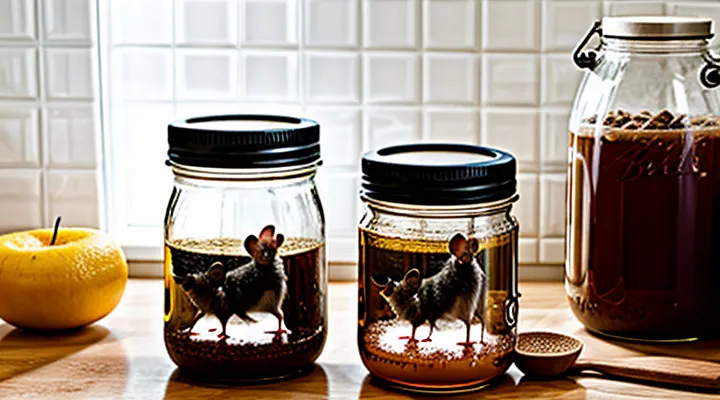
Understanding the Mouse Problem
Why You Might Need to Catch a Mouse
Common Signs of Mouse Infestation
Identifying a mouse problem is the first step before employing a three‑liter jar trap. Visible evidence confirms the presence of rodents and guides placement of the capture device.
- Small droppings, dark and pellet‑shaped, found along walls, near food containers, or in cabinets.
- Gnaw marks on wood, plastic, or wiring, typically ¼‑inch wide and fresh on softer materials.
- Nests constructed from shredded paper, fabric, or insulation, often hidden in corners, attics, or behind appliances.
- Scratching sounds at night, especially in concealed spaces such as walls, ceilings, or storage areas.
- Unexplained food residues, oily streaks, or smudge marks near pantry shelves and trash bins.
When any of these indicators appear, position the jar trap along the identified pathways. Secure the lid with a stable hinge, bait the interior with a high‑protein treat, and monitor daily. Prompt detection combined with proper trap placement maximizes capture efficiency.
Risks Associated with Mice in the Home
Mice living in a home create direct health and property hazards. Their activity introduces contaminants, damages structures, and can trigger secondary infestations.
- Transmission of pathogens such as Hantavirus, Salmonella, and leptospirosis through urine, droppings, and saliva.
- Contamination of food supplies and surfaces, leading to food‑borne illness.
- Chewing of electrical wiring, insulation, and structural components, increasing fire risk and costly repairs.
- Accumulation of droppings and nests that attract insects, mold, and allergens, aggravating respiratory conditions.
- Rapid reproduction that escalates infestation levels, overwhelming control efforts.
These risks justify immediate and effective removal methods, including the use of a three‑liter container trap, to protect health and preserve property integrity.
Preparing for the Capture
Essential Materials You Will Need
Choosing the Right Jar: The Three-Liter Advantage
Selecting a three‑liter jar provides sufficient interior volume to accommodate a mouse’s natural movements while maintaining a manageable size for handling. The capacity prevents the animal from feeling cramped, reducing stress‑induced escape attempts, and it allows enough space for a modest bait arrangement without risking overflow.
Key criteria for an appropriate jar include:
- Transparent, sturdy glass or acrylic to enable visual monitoring without opening the container.
- A wide mouth (minimum 10 cm diameter) that facilitates easy placement of bait and swift insertion of a capture mechanism.
- A secure, airtight lid equipped with a small, self‑closing latch to prevent premature release.
- Smooth interior surfaces to discourage climbing and ensure the mouse cannot gain purchase on the walls.
The three‑liter dimension balances portability and effectiveness: the jar fits comfortably in most household storage spaces, can be lifted with one hand, and remains stable on flat surfaces during the trapping process. This size also simplifies disposal, as the container can be sealed and transferred to a larger receptacle without spillage.
Selecting Effective Bait
Choosing the right attractant determines whether a mouse will enter a three‑liter container. Effective bait must combine a strong scent, high palatability, and durability inside the sealed environment.
- Peanut butter – dense texture prevents quick depletion, aroma attracts rodents.
- Sunflower seeds – natural oil content provides strong odor, small size fits easily on a trap surface.
- Dried cheese cubes – strong dairy scent, solid form resists crumbling.
- Cooked bacon bits – intense meat smell, short‑term freshness; replace after several hours.
- Oatmeal mixed with honey – sweet and grain profile, adheres to surfaces, reduces spillage.
When preparing bait, apply a thin layer to the jar’s interior lip or a small platform that forces the mouse to step onto it before entry. Secure the material to prevent it from falling into the container, which could obscure visibility and hinder later release. Rotate bait types every 12–24 hours to maintain novelty and avoid habituation. Ensure the attractant remains at room temperature; refrigeration diminishes volatile compounds and reduces effectiveness.
Food-Based Bait Options
Effective mouse capture in a three‑liter container relies on selecting attractants that stimulate a rodent’s natural foraging instincts. Food baits must be aromatic, high in fat or protein, and resistant to rapid spoilage within the trap’s confined environment.
- Peanut butter – dense, strong scent; adheres to surfaces, preventing escape once the mouse contacts the trigger.
- Cheese (aged or processed) – high fat content; emits volatile compounds that draw rodents from a distance.
- Sunflower seeds (shelled) – crunchy texture encourages gnawing; easy to position without spilling.
- Cooked bacon bits – intense aroma; small pieces fit snugly in the jar’s opening, maximizing contact.
- Chocolate chips – sweet and fatty; appealing to omnivorous mice, especially in cooler climates.
- Canned fish (tuna or sardines) – strong odor; effective when paired with a small amount of oil to enhance scent diffusion.
When preparing the bait, apply a thin layer of the chosen material to a stable platform such as a small piece of cardboard or a silicone mat. Ensure the bait does not obstruct the jar’s entry mechanism; the mouse must reach the food while the trigger remains unobstructed. Rotate bait types weekly to prevent habituation and maintain high capture rates.
Non-Food Bait Alternatives
Non‑food baits provide effective attraction without risking contamination of the jar’s interior. Materials that appeal to a mouse’s instinctual behaviors work best.
- Cotton or polyester fibers placed near the jar entrance stimulate nesting urges. Secure a small bundle with a thin wire or tape so the mouse can grasp it but cannot remove the entire bundle.
- Scented cotton balls infused with catnip or valerian root release volatile compounds that mice detect at a distance. Apply a few drops of essential oil to the cotton, then position the ball just outside the opening.
- Shredded paper, tissue, or soft packaging mimics preferred bedding. Pack a thin layer against the inner rim; the mouse will investigate and may inadvertently push its head into the jar.
- Small pieces of untreated wood shavings or sawdust emit natural odors that attract rodents seeking shelter. Distribute a thin line along the jar’s outer surface to guide the animal toward the entrance.
- Synthetic pheromone lures, commercially available as rodent‑specific attractants, can be applied to a disposable strip. Attach the strip to the jar’s lip; the chemical cue directs the mouse toward the trap.
When deploying any non‑food bait, ensure the material does not obstruct the jar’s opening. Position the bait so that the mouse must insert its head to reach it, increasing the likelihood of entry. Check the trap frequently to avoid prolonged confinement, and release captured mice according to local regulations.
Setting Up Your Trap Location
Identifying Prime Mouse Activity Areas
Identifying the areas where a mouse is most active is essential for positioning a three‑liter jar trap effectively. Accurate detection reduces the number of attempts needed and increases capture success.
Key signs of mouse presence include:
- Fresh droppings, typically found along walls, behind appliances, or near food storage.
- Gnaw marks on wood, plastic, or wiring, especially at low heights.
- Visible tracks in dust, flour, or soft flooring.
- Small nests constructed from shredded paper, fabric, or insulation.
- Scattered food particles or grease stains near feeding stations.
To locate these signs, follow a systematic approach:
- Conduct a visual sweep of the entire area, noting the concentration of each indicator.
- Apply a thin layer of non‑toxic powder (e.g., talc) along suspected pathways; observe disturbed patterns after several hours.
- Deploy a motion‑activated infrared camera for 24‑48 hours to capture nocturnal activity.
- Record the frequency and direction of movement to determine the primary travel corridor.
Place the jar trap at the midpoint of the most frequently used corridor, ensuring the opening faces the direction of travel. Align the jar’s rim with the mouse’s typical entry height—usually 2–4 inches off the floor—to maximize entry likelihood. Adjust the trap’s position after each observation cycle to maintain alignment with evolving activity patterns.
Safety Considerations for Your Household
When attempting to trap a mouse with a three‑liter container, prioritize household safety. Direct contact with the animal can transmit diseases; improper handling may cause injury to occupants or damage to property.
- Wear disposable gloves to prevent skin exposure to saliva, urine, or blood.
- Keep the jar sealed after capture; an open container can allow escape or accidental contact.
- Place the trap out of reach of children and pets; secure the area with a temporary barrier if necessary.
- Use only non‑toxic bait; avoid chemicals that could harm the mouse or contaminate surfaces.
- Clean the jar and surrounding area with a disinfectant after release or disposal of the mouse.
- Dispose of the mouse according to local regulations; if releasing outdoors, choose a location far from the home to reduce re‑entry risk.
- Ensure adequate ventilation if any odor‑producing bait is employed.
Implement these measures before setting the trap, during capture, and after removal of the mouse. Consistent adherence reduces health hazards and protects the household environment.
Executing the Capture
The Step-by-Step Trapping Process
Assembling Your Jar Trap
To build an effective three‑liter jar trap, start with a clean, transparent container that can hold at least 1 kg of weight. Ensure the lid fits tightly; a rubber gasket improves the seal and prevents escape.
- Select the bait – use a small piece of cheese, peanut butter, or dried fruit. Attach it to a thin wooden stick that can be positioned near the jar’s opening without obstructing the entrance.
- Create a trigger mechanism – place a lightweight perch (e.g., a toothpick) on the rim of the jar. Position the bait‑bearing stick so that the mouse must step on the perch to reach the food. The perch should tilt easily, causing the jar to tip when pressure is applied.
- Secure the jar – set the jar on a stable surface, such as a flat board or a shallow tray, to prevent wobbling. If the trap will be used on a sloped floor, wedge a small block behind the jar to keep it upright until activation.
- Test the movement – gently press the perch to confirm the jar tips forward smoothly. Adjust the perch angle if the motion is too stiff or too sensitive.
- Add a containment lid – after the jar tips, a hinged lid should fall into place, sealing the interior. Attach a simple latch or magnet to keep the lid closed once the mouse is inside.
After assembly, place the trap along known mouse pathways, preferably near walls or corners where rodents travel. Monitor the device regularly; once capture occurs, wear gloves, lift the sealed jar, and release the mouse outdoors at least 100 meters from the building. Clean the jar with mild detergent before reuse.
Placing the Bait Correctly
Proper bait placement determines whether a mouse enters the three‑liter jar trap. Position the attractant so the rodent can detect it without seeing the opening, encouraging entry and reducing hesitation.
- Choose a small, aromatic morsel such as a piece of cheese, peanut butter, or dried fruit. The scent should be strong enough to travel a short distance.
- Secure the bait to the interior rim of the jar, just inside the entry hole. Use a thin strip of tape or a toothpick to anchor it, preventing the mouse from pulling the bait out before slipping inside.
- Align the bait directly opposite the entry point, ensuring the mouse must pass the opening to reach it. This creates a natural funnel that guides the animal toward the narrow gap.
- Avoid placing bait on the outer surface of the jar; external placement allows the mouse to sniff and retreat without committing to entry.
Maintain the bait’s freshness. Replace it every 24 hours or when it becomes stale, as diminished odor reduces effectiveness. Consistent, correctly positioned bait maximizes capture rates while minimizing escape opportunities.
Positioning the Jar for Success
Position the jar so that its opening aligns with the mouse’s natural pathways. Place the container on a stable surface near walls, corners, or furniture where rodents travel. Ensure the rim is level with the floor; a tilted edge creates gaps that allow escape.
Key placement factors:
- Proximity to entry points – locate the jar within 12–18 inches of holes, cracks, or gaps the mouse uses.
- Visibility – keep the jar in well‑lit areas; darkness encourages the mouse to avoid the trap.
- Obstruction avoidance – remove objects that could block the mouse’s approach, such as cords or clutter.
- Secure base – use a non‑slip mat or adhesive pads to prevent the jar from shifting when the mouse enters.
Maintain a clear line of sight from the entry point to the jar’s mouth. Align the opening directly toward the most frequented route, forming a straight path that guides the mouse into the container without deviation. Adjust the position after observing the rodent’s movement patterns; small shifts of a few inches can dramatically increase capture rates.
Monitoring and Patience
How Often to Check Your Trap
When using a three‑liter jar as a mouse trap, timely inspection prevents escape, reduces odor, and limits the animal’s stress. The trap should never be left unattended for more than a few hours.
- Check the jar every 30 minutes during the first 2 hours after setting the device. Mice often trigger the mechanism quickly, and early detection ensures swift removal.
- After the initial period, inspect at 1‑hour intervals until a capture is confirmed. This cadence balances labor efficiency with humane handling.
- If the jar contains bait that remains fresh, continue checking at 2‑hour intervals for the remainder of the day. Stale bait can attract additional pests or cause the mouse to become inactive, increasing the risk of a delayed capture.
- For overnight deployments, examine the trap at least once before bedtime and immediately upon waking. Overnight checks reduce the chance of the mouse suffering prolonged confinement.
Consistent monitoring also allows you to reset the trap promptly if a mouse evades capture or if the jar becomes tipped. Maintaining this schedule maximizes success rates while adhering to humane standards.
What to Do if the Trap Isn't Working
If the jar trap does not capture a mouse, first verify that the container is truly three liters in volume; an undersized jar reduces the interior space needed for the animal to enter fully. Ensure the opening is wide enough—at least three centimeters—to accommodate a mouse’s head and shoulders without restriction.
Next, examine the bait placement. Position a small piece of high‑protein food (e.g., peanut butter or cooked egg) directly on the inner lip of the jar, not on the exterior. The scent must be detectable from outside but not so abundant that the mouse can reach it without entering the jar.
Check the jar’s stability. Place the jar on a non‑slippery surface and, if possible, secure it with a light weight or tape to prevent the mouse from pushing the container out of position once inside.
If the trap still fails after these adjustments, consider these corrective actions:
- Replace the bait with a fresher, more aromatic option.
- Increase the jar’s interior temperature slightly (by a warm water bottle underneath) to attract the mouse seeking warmth.
- Add a gentle incline leading to the opening, encouraging the mouse to move forward.
- Verify that no gaps exist around the rim; seal any openings with silicone or tape to prevent escape.
Finally, inspect the jar after each attempt. A mouse that has entered but not been captured will leave droppings or traces of fur. Remove any evidence promptly, clean the interior with mild detergent, and reset the trap following the steps above.
Adjusting Bait and Placement
Adjusting bait and placement determines whether a mouse enters a three‑liter jar. Effective bait attracts the animal, while proper positioning encourages entry without alerting the rodent.
Select bait that matches the mouse’s diet and activity level. Common options include:
- Small pieces of peanut butter, spread thinly on the jar’s interior rim.
- Crushed oats mixed with a few drops of vanilla extract for nocturnal foragers.
- Dried fruit bits for mice accustomed to sweet foods.
Modify the quantity and consistency until the mouse shows interest without hesitation. If the mouse sniffs but does not approach, reduce the amount or switch to a stronger scent. If the mouse investigates but avoids the jar, increase the spread area to create a clear landing zone.
Place the jar where mouse traffic is highest. Ideal locations are:
- Along walls, near known entry points, because mice travel close to surfaces.
- Under furniture, where shadows provide cover.
- Adjacent to food storage, where scent trails lead.
Secure the jar’s opening with a smooth interior surface to prevent slipping. Tilt the jar slightly upward so the bait sits at the lowest point, encouraging the mouse to step inside and fall forward. Test each position for stability; a wobbling jar may scare the mouse away.
Adjust both bait composition and jar placement iteratively. Observe mouse behavior for a few minutes, then refine the bait amount, scent, or location accordingly. Consistent tweaks increase capture probability without the need for additional traps.
Considering Alternative Methods Briefly
When the standard approach of luring a mouse into a three‑liter jar proves impractical, a few supplemental techniques can be employed without extensive setup.
- Snap‑trap substitution: Place a conventional snap trap inside the jar, baited with a small piece of cheese. The trap activates when the rodent attempts to reach the bait, securing it within the container.
- Live‑capture cage: Insert a miniature live‑catch cage that fits the jar’s opening, baited similarly. Once the mouse enters, a trigger door closes, allowing safe relocation.
- Adhesive surface: Apply a strip of non‑toxic mouse glue to the jar’s interior wall. The mouse becomes immobilized upon contact, after which it can be transferred to a secondary container for humane release.
- Magnetic lure: Attach a lightweight magnetic lure to a piece of food inside the jar. When the mouse bites, a magnetic pull draws it toward the opening, facilitating capture.
These alternatives maintain the core principle of containment while offering flexibility for varying environments or ethical preferences.
Post-Capture Procedures
Safe Handling and Release of the Mouse
Personal Safety Precautions
When attempting to trap a mouse in a three‑liter jar, safety must be prioritized to prevent injury and maintain hygienic conditions.
- Wear sturdy gloves to shield hands from bites and scratches.
- Inspect the jar for cracks or weak points before use.
- Place the jar on a flat, stable surface to avoid tipping.
- Keep the surrounding area free of clutter that could cause trips or falls.
- Use a small tool (tongs or a spoon) to guide the mouse into the jar, minimizing direct contact.
- Keep a basic first‑aid kit within reach in case of accidental punctures or bites.
- After capture, handle the mouse according to local wildlife regulations and release or euthanize it humanely.
- Wash hands thoroughly with soap and disinfectant after the procedure.
Adhering to these precautions reduces the likelihood of harm and ensures the trapping process complies with health and safety standards.
Choosing an Appropriate Release Site
When a mouse is captured in a three‑liter container, the next critical step is selecting a release location that maximizes the animal’s chance of survival and minimizes risk to humans and property.
- Choose an area at least 150 feet from residential buildings, food storage facilities, and compost piles. This distance reduces the likelihood of the mouse re‑entering a human‑occupied space.
- Prefer natural habitats such as wooded edges, tall grass fields, or scrubland where shelter and food sources are abundant. These environments support the mouse’s instinctual foraging behavior.
- Verify that the site is free from known predators (e.g., domestic cats, birds of prey) or hazards (e.g., chemical treatments, heavy traffic). A quiet, undisturbed spot offers a safer transition back to the wild.
- Ensure compliance with local wildlife regulations; some jurisdictions require permits or designate specific release zones. Consult municipal guidelines before releasing the animal.
- Release the mouse during low‑light hours (dawn or dusk) when it can more easily locate cover and avoid immediate exposure to predators.
Place the jar on level ground, tilt it gently, and allow the mouse to exit on its own. After release, retreat to a distance of at least 10 feet to prevent disturbance. This protocol enables a humane outcome while protecting surrounding environments.
Humane Release Techniques
Capturing a mouse in a three‑liter jar often ends with the need to release the animal safely. A humane release minimizes stress for the mouse and reduces the risk of injury to both the creature and the handler.
- Prepare a release site at least 30 feet from the capture area; choose a location with shelter and food sources.
- Open the jar slowly, holding it low to the ground to allow the mouse an easy exit.
- Tilt the lid or gently tap the side to encourage movement; avoid sudden motions that could startle the mouse.
- Once the mouse exits, retreat to give it space; observe briefly to confirm it is moving away.
- Clean the jar with mild soap and hot water before future use to prevent scent buildup that might deter subsequent captures.
These steps ensure the mouse experiences the least possible trauma while maintaining the effectiveness of the capture method.
Preventing Future Infestations
Sealing Entry Points
Sealing the openings through which a mouse can access the three‑liter container is essential for a reliable capture. Unsealed cracks allow the rodent to bypass the trap, rendering the effort ineffective.
Identify all potential entry routes. Begin at the floor and work upward, inspecting walls, baseboards, and the perimeter of the container. Pay special attention to gaps around pipes, vents, and utility lines. Use a flashlight and a thin probe to test for hidden openings.
Select appropriate sealing materials. Common options include:
- Steel wool combined with expanding foam for irregular gaps
- Silicone caulk for narrow seams
- Sheet metal patches secured with screws for larger holes
- Weather‑strip tape for movable joints
Apply each material according to manufacturer instructions. For foam, insert the steel wool first, then spray foam to fill remaining space. Press caulk into seams and smooth with a putty knife. Secure metal patches with at least two screws, ensuring no residual voids.
After sealing, verify integrity. Run a smoke pencil along each sealed area; any movement indicates a leak. Repeat the inspection after a week to confirm that no new gaps have formed due to settling or animal activity. Maintaining a sealed environment maximizes the likelihood that the mouse will enter the jar voluntarily.
Maintaining a Clean Environment
A tidy workspace is essential when attempting to trap a rodent with a three‑liter container. Residue, spilled food, and clutter provide alternative hiding spots and reduce the likelihood of a successful capture. Clean surfaces also prevent the mouse from contaminating the jar with debris that could obscure observation or interfere with the trap’s mechanism.
Before setting the jar, follow these steps:
- Remove all crumbs, pet food, and spilled liquids from countertops, floors, and shelves.
- Disinfect the area with a mild, non‑toxic solution; allow it to dry completely.
- Place a small piece of soft bedding or a cotton ball at the bottom of the jar to keep the animal calm once it enters.
- Position the jar near a known mouse pathway, ensuring the entry point is unobstructed and the surrounding area remains spotless.
After capture, maintain the same level of cleanliness during release. Wash hands thoroughly, sanitize the jar, and dispose of any waste material. Consistent hygiene eliminates scent trails that could attract additional rodents and preserves the integrity of future trapping attempts.
Natural Deterrents and Repellents
Natural deterrents reduce a mouse’s willingness to approach a three‑liter trap without relying on chemicals or mechanical devices. Applying aromatic substances directly to the jar exterior creates an environment that mice find hostile.
- Peppermint oil: soak a cotton ball, place it on the jar’s lid, replace every two days. The strong menthol scent overwhelms the rodent’s olfactory receptors.
- Citrus peels: line the rim with orange or lemon rind. The acidic aroma interferes with scent trails.
- Used cat litter: sprinkle a thin layer around the trap. Predator scent signals danger.
- Predator urine: dilute a few drops of fox or owl urine in water, spray the surrounding area. The chemical cues trigger avoidance behavior.
- Ultrasonic emitters: position a small battery‑powered device near the jar. Frequencies above 20 kHz disturb the mouse’s hearing.
Each deterrent should be combined with a bait that appeals to the mouse, such as a small piece of peanut butter placed inside the jar. The bait must be positioned at the far end of the container to force the animal to fully enter before reaching it. Maintain a clean setup; remove any spilled bait or debris that could mask the deterrent’s effect. Rotate the chosen deterrents every few days to prevent habituation. By integrating these natural repellents, the likelihood of a successful capture in a three‑liter vessel increases without introducing toxic substances.