
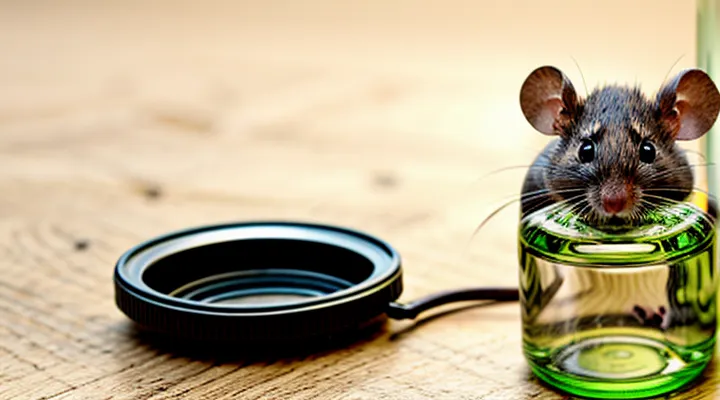
Why Catch Mice in a Bottle?
Humane Approach
A humane approach focuses on capturing the mouse without causing injury, allowing release at a safe distance from the home.
- Choose a clear, sturdy bottle with a wide opening; a plastic soda bottle works well.
- Place a small amount of attractive bait (e.g., peanut butter, seed mix) on a piece of cardboard inside the bottle, near the opening.
- Position the bottle on a flat surface where mouse activity is observed; ensure the bottle rests stably to prevent tipping.
- Once the mouse enters and triggers the closure mechanism, the lid seals automatically, preventing escape.
- Transport the bottle to an outdoor location at least 100 meters from the residence; open the lid gently to allow the mouse to exit unharmed.
The method eliminates traps that rely on poisons or crushing mechanisms, complies with animal‑welfare guidelines, and reduces the risk of secondary hazards within the dwelling.
Safety for Pets and Children
When a bottle trap is placed in a home, the presence of curious pets or unattended children creates a risk of accidental ingestion, choking, or exposure to captured rodents. Preventing these incidents requires strict separation of the trap from areas where animals and youngsters roam.
- Position the trap on a high, stable surface unreachable by cats, dogs, and small children.
- Secure the bottle with a non‑slip mat or adhesive pads to avoid tipping.
- Cover the trap with a clear, rigid shield that allows visual monitoring but blocks direct contact.
- Use a lockable enclosure or a child‑proof cabinet if the trap must remain in a shared space.
Pet safety also depends on eliminating attractants that could lure animals toward the device. Store bait, such as peanut butter or cheese, in sealed containers away from pet feeding zones. Remove any loose food scraps that might tempt a dog or cat to investigate the trap.
Children’s protection focuses on education and physical barriers. Teach children that the bottle is a pest‑control tool, not a toy, and supervise any interaction with the device. Install a safety gate or child‑proof latch around the room where the trap is set.
After a mouse is captured, wear disposable gloves and handle the bottle with a firm grip. Transfer the contents to a sealed bag before disposal, then clean the surrounding area with a disinfectant. Store all trapping equipment out of reach until the next use.
Cost-Effectiveness
Cost‑effectiveness determines whether a mouse‑capture approach justifies the resources invested. Materials required for a bottle trap—glass or sturdy plastic container, a piece of string, and a small amount of bait—cost a few dollars at most. Reusable design eliminates recurring expenses; a single bottle can be deployed repeatedly after cleaning and refilling with fresh bait.
Labor input remains minimal. Setting the trap takes under five minutes; monitoring involves occasional visual checks rather than continuous supervision. The low‑time demand translates directly into reduced labor costs, especially in households or small‑scale facilities where personnel hours represent a significant budget item.
Safety considerations also influence overall cost. The method avoids toxic poisons, eliminating expenses associated with medical treatment, regulatory compliance, and disposal of hazardous waste. By preventing accidental ingestion by non‑target animals or children, the approach reduces potential liability and associated legal fees.
A concise comparison highlights savings:
- Materials: $2–$5 per bottle, reusable indefinitely.
- Labor: <5 min setup, <1 min daily inspection.
- Safety: No chemicals, no medical or legal expenses.
- Disposal: Simple rinsing, no hazardous waste handling.
When these factors are aggregated, the bottle trap delivers a markedly lower total cost than conventional snap traps, glue boards, or rodenticides, while maintaining effectiveness and compliance with humane standards.
Essential Materials
The Right Bottle
Bottle Type
Choosing the appropriate bottle determines the success and safety of a mouse trap. The container must allow visual monitoring, provide a secure seal, and minimize injury risk.
- Clear glass bottles (500 ml–1 L) – Offer full visibility, sturdy walls, and easy cleaning. Fragility poses a breakage hazard; handle with gloves and place on a stable surface.
- Thick‑wall PET plastic bottles (1 L–2 L) – Provide impact resistance, clear view, and lightweight handling. Suitable for indoor use; ensure the cap screws tightly to prevent escape.
- Acrylic cylinders (750 ml–1.5 L) – Combine transparency with high impact strength. More expensive than PET, but less prone to shattering than glass.
- Metal tins with transparent lids (500 ml) – Durable, fire‑resistant, and reusable. The opaque body limits visual monitoring; rely on the clear lid for observation.
- Reusable silicone containers (250 ml–500 ml) – Flexible, non‑breakable, and easy to sterilize. Limited transparency may require a clear insert for visibility.
Key selection criteria:
- Size – Bottle volume must accommodate a mouse without causing stress; 500 ml to 1 L is optimal for adult rodents.
- Seal integrity – Screw‑on or snap‑fit caps with rubber gaskets prevent accidental release.
- Material safety – Non‑toxic plastics or glass avoid contaminating the animal; avoid containers previously used for chemicals.
- Ease of cleaning – Smooth interior surfaces allow thorough sanitation between uses, reducing disease transmission.
- Stability – Wide base or external support prevents tipping when the mouse moves inside.
Implement the chosen bottle by placing bait at the far end, securing the cap, and positioning the trap on a flat surface. Regularly inspect the container for cracks or seal failure to maintain humane and effective capture.
Bottle Size
Choosing the appropriate bottle dimensions directly influences the success and safety of a mouse capture. A container must be large enough to accommodate a mouse’s full body length, typically 3–4 inches, while providing sufficient interior space for movement without injury. Minimum internal volume of 250 ml (8 oz) ensures the animal can turn and avoid stress; larger volumes, such as 500 ml (16 oz) or 1 L (34 oz), increase comfort and reduce the risk of escape when the mouse attempts to climb the opening.
Key size considerations:
- Neck diameter – at least 2 inches to allow the mouse to enter without squeezing, yet small enough to prevent easy re‑entry.
- Height – 4–6 inches to prevent the mouse from reaching the rim and jumping out.
- Material rigidity – sturdy glass or thick plastic resists breakage if the mouse strikes the sides.
- Transparency – clear walls enable visual monitoring without disturbing the animal.
When selecting a bottle, measure the interior dimensions, compare them to the target species’ size, and prioritize a stable base to avoid tipping during capture. Proper sizing minimizes stress, maximizes capture efficiency, and facilitates humane release.
Bait Selection
Preferred Mouse Baits
Selecting the right bait determines the success of a bottle trap for mice. Effective attractants combine strong odor, high palatability, and durability within the trap environment.
- Peanut butter – dense, aromatic, adheres to the bottle’s interior, discouraging escape.
- Chocolate – sweet scent appeals to omnivorous rodents; use small, solid pieces to prevent spillage.
- Sunflower seeds – natural grain flavor, easy to attach to a small piece of cloth or paper.
- Oatmeal with honey – combines sweet and grain notes; forms a sticky mixture that remains in place.
- Soft cheese – strong dairy aroma; apply a thin smear to a disposable carrier to avoid excess moisture.
Prepare bait by placing a modest amount on a piece of paper or cloth that fits snugly against the bottle’s opening. Ensure the carrier does not obstruct the mouse’s entry path. Position the trap near walls, behind appliances, or in concealed corners where rodent activity is observed. Replace bait daily or after any capture to maintain potency.
Baits to Avoid
Choosing the right attractant determines whether a bottle trap succeeds or fails. Certain foods and substances repel mice, degrade the trap’s effectiveness, or create health hazards. Avoid these items to maintain a humane, efficient capture.
- Strongly scented cheeses – overpowering odor masks the scent of safer baits and can deter curious rodents.
- Peanut butter mixed with sugary additives – high sugar content attracts insects, contaminates the trap, and may cause mice to avoid the lure.
- Fresh fruit with high acidity (e.g., citrus, tomato) – acidic environment irritates the mouse’s nose, reducing interest in the trap.
- Processed meats with strong spices or smoke – pungent spices act as repellents; smoke residue can linger inside the bottle.
- Pet food that contains artificial flavor enhancers – chemical additives interfere with a mouse’s natural olfactory cues and may attract predators.
- Bread that is stale or moldy – mold produces volatile compounds that repel rather than entice.
Eliminating these baits prevents false negatives, reduces the need for frequent trap cleaning, and supports a safe, controlled capture process.
Additional Tools
Securing the Bottle
Choose a bottle with a wide mouth and smooth interior. A clear, sturdy glass or PET container allows visual monitoring and resists bite damage. Verify that the bottle is free of cracks; a compromised wall can break under the animal’s pressure, risking injury and escape.
Secure the opening by fitting a tight‑winding lid or a screw‑top cap. If the cap does not provide a complete seal, reinforce it with high‑strength adhesive tape wrapped several times around the rim. Ensure the tape overlaps the lid edge to prevent the mouse from prying it open.
Place the sealed bottle on a flat, non‑slippery surface. A rubber mat or a shallow tray adds friction and reduces the chance of rolling. Position the bottle near a wall or corner to limit directional movement.
Before introducing the rodent, test the stability:
- Press the bottle gently from different angles; it should remain upright without wobbling.
- Lift the bottle a short distance and set it down; it must settle without tipping.
- Shake lightly; the lid and tape must stay intact.
If any test fails, replace the container or improve the sealing method before proceeding. Properly secured, the bottle provides a safe, controlled environment for capturing and transporting the mouse.
Enhancing Attractiveness
Enhancing the lure of a bottle trap increases capture rates while maintaining safety for the mouse. Effective improvements focus on bait selection, scent amplification, visual cues, and trap placement.
- Choose high‑protein or sweet foods such as peanut butter, cheese, or fruit jam; these odors stimulate strong foraging responses.
- Add a few drops of mouse‑attracting pheromone or vanilla extract to intensify scent diffusion inside the bottle.
- Attach a small piece of bright cloth or a reflective strip near the opening; contrast against the surrounding environment draws visual attention.
- Position the bottle at ground level along established mouse pathways, near walls or behind appliances, where rodents travel regularly.
- Ensure the trap interior remains dry; moisture reduces scent potency and may deter entry.
Implementing these adjustments creates a compelling target that encourages mice to investigate and enter the container, resulting in a reliable, humane capture method.
Step-by-Step Bottle Trap Setup
Preparing the Bottle
Cleaning the Bottle
Cleaning the bottle after each use is essential to maintain hygiene and prevent the spread of disease. Follow these steps to ensure the container is ready for future attempts.
- Disassemble any detachable parts, such as caps or lids, and rinse them under warm running water.
- Fill the bottle with a solution of one part white vinegar to three parts water; let it soak for five minutes to dissolve organic residue.
- Use a bottle brush to scrub the interior, paying special attention to the neck and any seams where debris can accumulate.
- Rinse thoroughly with clean water until no odor or foam remains.
- Sanitize by immersing the bottle in a diluted bleach solution (one tablespoon bleach per quart of water) for two minutes, then rinse again with potable water.
- Air‑dry the bottle on a clean rack, ensuring it is completely dry before storage.
Regular cleaning eliminates scent cues that could deter rodents and reduces the risk of bacterial growth, allowing the trap to function reliably each time.
Cutting the Bottle (If Applicable)
When a mouse becomes lodged inside the container, creating an opening may be the only safe way to retrieve the animal without causing injury. Cutting the bottle is appropriate only after all non‑destructive options have been exhausted.
Use a sharp utility knife or a fine‑toothed saw. Wear cut‑resistant gloves, secure the bottle on a non‑slipping surface, and keep the mouse away from the cutting line. Work slowly to avoid cracking the glass or shattering plastic.
- Mark a straight line 2–3 cm below the bottle’s mouth.
- Apply gentle, even pressure while cutting along the line.
- Rotate the bottle slightly after each pass to maintain a uniform cut.
- Stop when the cut penetrates the wall completely.
After the incision, smooth the edges with sandpaper or a file to eliminate burrs that could harm the mouse. Verify that the opening is large enough for the animal to exit without squeezing. Release the mouse into a pre‑prepared holding container or directly onto a safe release area.
If cutting is impractical—because the bottle is made of brittle material or the mouse is too small—consider alternatives such as widening the neck with a heat‑shrink sleeve or using a flexible trap that can be opened without structural damage.
Placing the Bait
Optimal Bait Placement
Selecting the right bait and positioning it correctly determines the success of a bottle trap. Use a small amount of high‑protein food—such as a piece of cheese, peanut butter, or a piece of cooked meat—so the mouse can detect the scent without overwhelming the interior space. Place the bait near the bottle’s entrance but not directly on the rim; this encourages the mouse to enter fully before reaching the reward.
Key placement guidelines:
- Attach the bait to a thin piece of cardboard or a small wooden block that fits snugly against the interior wall, leaving a clear path to the opening.
- Position the bait about 1–2 cm from the lip of the bottle, ensuring the mouse must step onto the platform to access it.
- Keep the bait away from the bottle’s base to prevent the mouse from climbing out after feeding.
- If using a scented lure, apply it to the bait holder rather than the bottle surface to maintain a focused odor trail.
Maintain a clean environment around the trap; remove competing food sources and debris that could distract the mouse. Replace bait after each capture attempt to preserve potency and avoid spoilage.
Amount of Bait
The quantity of bait directly influences a mouse’s willingness to enter a transparent container. Too little material fails to attract, while excess can obscure the entry point and reduce the trap’s effectiveness.
- Use a pea‑sized portion of soft food (e.g., peanut butter, cheese, or dried fruit) placed near the bottle’s opening.
- For oily baits, apply a thin line about 2 mm wide along the rim.
- When using dry granules, sprinkle no more than 0.5 g to avoid spillage.
Adjust the amount according to bait type and mouse activity level. In high‑traffic areas, a slightly larger portion—up to the size of a small marble—may increase capture rates without compromising visibility. Consistency in bait size ensures repeatable results and simplifies monitoring of trap performance.
Positioning the Trap
Identifying Mouse Activity
Identifying mouse activity is the first step toward setting an effective bottle trap. Recognizing where a mouse moves, feeds, and rests allows you to position the trap where it will encounter the bait.
Typical indicators include:
- Small, dark droppings near food sources or along walls
- Gnaw marks on wires, wood, or plastic surfaces
- Smudge trails on surfaces where the mouse has brushed its body
- Scratching noises from concealed areas, especially at night
- Fresh nests made of shredded paper, fabric, or insulation
To confirm activity, apply a thin layer of non‑toxic tracking powder or flour along suspected pathways. After a few hours, examine the powder for footprints or tail marks. Motion‑activated cameras provide visual confirmation without disturbing the rodent.
Record the locations of all evidence. Place the bottle trap adjacent to the most heavily used route, ensuring the entry point aligns with the mouse’s natural travel direction. Regularly check for new signs to adjust trap placement as the mouse’s pattern evolves.
Strategic Placement
Strategic placement maximizes the likelihood of a mouse entering a bottle trap while minimizing risk to non‑target animals and humans. Identify high‑traffic zones by observing droppings, gnaw marks, and food spills. Position the bottle near these signs, preferably along walls where rodents prefer to travel.
Key considerations for optimal location:
- Height: place the bottle 2–4 inches off the floor; mice can climb but are less likely to approach elevated objects.
- Proximity to food sources: set the trap within 12 inches of stored grains, pet food, or waste bins, ensuring the lure remains visible.
- Shelter: situate the bottle adjacent to concealed areas such as behind appliances, under cabinets, or near baseboards, where mice feel safe to investigate.
- Avoidance of predators: keep the trap away from cats, dogs, or bird feeders to prevent accidental interference.
Secure the bottle on a stable surface to prevent tipping. Use a non‑slippery mat or adhesive pads if the floor is smooth. Verify that the entrance faces the identified travel path; a misaligned opening reduces capture rates.
After placement, monitor the trap at regular intervals—every 12 hours for indoor settings, every 24 hours for outdoor deployments. Replace or relocate the bottle if no activity is recorded after 48 hours, adjusting position based on emerging evidence of mouse movement.
Setting the Trap Mechanism
To capture a mouse using a bottle, the trap mechanism must be reliable, humane, and easy to reset. Begin by selecting a clear, wide‑mouth container that holds at least one liter; the transparency lets you monitor activity without disturbing the animal.
-
Base preparation – Place a sturdy cardboard disc or a thin wooden board inside the bottle, positioned a few centimeters above the bottom. The platform should support the mouse while leaving enough clearance for the bait to sit beneath it.
-
Trigger system – Attach a lightweight lever to the edge of the platform. A simple spring‑loaded stick, secured with a small piece of tape, will serve as the release arm. When the mouse steps onto the platform, its weight tilts the lever, pulling the stick upward and allowing the platform to drop.
-
Bait placement – Position a small amount of high‑protein food (e.g., peanut butter or dried seed) on the platform’s center. The scent draws the mouse, while the precise location ensures its weight activates the trigger.
-
Seal and safety – Fit the bottle’s mouth with a rubber stopper or a flexible silicone ring that slides over a narrow neck. The stopper must be loose enough to allow the platform to fall but tight enough to prevent the mouse from escaping once the bottle is inverted.
-
Testing – Before deployment, simulate a mouse’s weight (approximately 20 g) by gently pressing the platform. Verify that the lever releases smoothly and that the bottle closes securely after inversion.
After the mouse is trapped, keep the bottle upright, cover it with a cloth to reduce stress, and transport it to a release site. The mechanism can be disassembled, cleaned, and reassembled for subsequent use.
Monitoring and Releasing
Checking the Trap
Frequency of Checks
When a bottle trap is set, the interval between inspections determines both success and humane treatment. Check the trap at least once every two hours during active periods for rodents, typically dusk to dawn. During daylight, reduce checks to every four to six hours, as mouse activity declines.
Frequent observation prevents prolonged confinement, which can cause stress or injury. It also allows prompt removal of captured animals, reducing the risk of odor buildup and secondary infestations. If the trap is placed in a high‑traffic area, increase the checking frequency to hourly intervals for the first 12 hours, then revert to the standard schedule.
A practical schedule:
- First 12 hours: inspect every hour.
- Daytime (6 AM–6 PM): inspect every 4–6 hours.
- Nighttime (6 PM–6 AM): inspect every 2 hours.
Adjust the routine based on observed mouse activity. Immediate removal after detection ensures the method remains safe, effective, and humane.
Signs of a Catch
When a mouse is trapped inside a bottle, observable indicators confirm a successful capture. These signs appear promptly after the animal enters the container and remain until the trap is opened.
- No audible scurrying or squeaking inside the bottle.
- The bottle remains motionless; shaking does not produce movement of the mouse.
- The mouse’s head and forelimbs are visible at the bottle’s opening, with the body positioned against the interior wall.
- The mouse’s eyes are open but fixed, showing no attempts to escape.
- The mouse does not respond to external stimuli such as tapping or gentle vibration applied to the bottle’s surface.
After confirming these signs, carefully transport the bottle to a designated release area. Open the container slowly, allowing the mouse to exit without injury. Immediate verification prevents accidental release of a live animal back into the capture zone.
Safe Handling
Gloves and Protective Gear
Gloves protect hands from bites, scratches, and potential disease transmission when handling a trapped mouse. Choose thick, puncture‑resistant gloves such as nitrile or leather. Ensure a snug fit to maintain dexterity while securing the bottle and releasing the animal.
Additional protective equipment enhances safety:
- Safety goggles or face shields to guard eyes from sudden movements.
- Disposable aprons to keep clothing clean and prevent cross‑contamination.
- Closed‑toe shoes with non‑slip soles for stable footing near the capture area.
When selecting gear, verify compliance with local health regulations and replace damaged items immediately. Proper disposal of used gloves and aprons reduces the risk of spreading pathogens. Regular cleaning of reusable equipment with disinfectant maintains effectiveness over time.
Minimizing Stress for the Mouse
When a mouse is trapped in a bottle, its physiological response can impair capture success and increase the risk of injury. Reducing anxiety preserves the animal’s natural behavior and facilitates safe handling.
Prepare the environment before contact. Keep lighting dim, eliminate sudden noises, and maintain a stable temperature between 20 °C and 24 °C. Place a soft, absorbent pad at the bottom of the bottle to prevent hard surfaces from causing discomfort.
- Move the bottle slowly, avoiding abrupt motions.
- Use a gentle, steady airflow (e.g., a low‑speed fan) to provide fresh scent without creating drafts.
- Offer a small, familiar shelter such as a piece of shredded paper or cotton; this gives the mouse a refuge and discourages frantic movement.
- Limit the time the mouse spends inside the bottle to no more than five minutes before release.
During handling, grip the bottle with both hands to stabilize it. Do not shake or tilt sharply; instead, keep the bottle upright and level. If a transfer is necessary, slide a second container over the opening and let the mouse walk into it voluntarily; avoid direct contact with the animal’s body.
After capture, release the mouse in a location that matches its original habitat. Provide immediate access to food and water, and monitor for signs of stress such as excessive grooming or rapid breathing. Prompt, low‑stress release supports rapid recovery and reduces the likelihood of long‑term harm.
Humane Release
Ideal Release Locations
Choosing an appropriate release site is essential for humane mouse relocation after using a bottle trap. The location must provide shelter, access to food and water, and minimal risk of recapture. Ideal sites meet these criteria while respecting local wildlife regulations.
- A vacant building’s crawl space or unused attic. These areas offer darkness, protection from predators, and easy entry points for the mouse to find a new nesting spot.
- A dense, low‑lying shrubbery patch near a garden. Ground cover supplies cover and natural foraging opportunities, reducing stress on the animal.
- A vacant lot with established vegetation and minimal foot traffic. Open space allows the mouse to disperse quickly, while vegetation offers immediate shelter.
- A farm’s outbuilding or barn loft that is not actively used. Such structures contain ample insulation and are typically free from domestic pets.
When selecting a release point, verify that the site is not within 100 feet of the original capture location to prevent immediate return. Confirm that the area is free from chemical treatments, traps, or other hazards that could endanger the mouse. If local ordinances require permits for wildlife relocation, obtain them before release. This approach ensures the mouse’s welfare and reduces the likelihood of future infestations.
Distance from Home
When planning a bottle trap for a rodent, the distance between the trapping site and your residence influences both effectiveness and safety. A short distance—typically under 200 meters—allows rapid monitoring, prompt removal of captured animals, and immediate sanitation. This proximity reduces the likelihood that a trapped mouse will escape or become a health hazard before you can attend to it.
A longer distance, extending to several kilometers, introduces logistical challenges. Transporting the bottle, bait, and any necessary protective gear demands careful packing to prevent breakage. Additionally, the interval between checks increases, raising the risk of the mouse suffering unnecessary stress or the trap becoming a breeding ground for parasites. To mitigate these risks, consider the following measures:
- Use a sturdy, clear bottle with a wide mouth to facilitate bait placement and visual inspection.
- Secure the bottle in a rigid container for transport, cushioning with foam or cloth.
- Schedule regular inspections based on the distance: every 30 minutes for sites within 200 m, every 2 hours for locations up to 1 km, and every 4 hours for distances beyond that.
- Carry disposable gloves and disinfectant wipes to handle the trap safely upon retrieval.
When operating far from home, plan a return route that minimizes exposure to predators or traffic. Mark the trap location with a non‑toxic, weather‑resistant flag to locate it quickly. Record the GPS coordinates to avoid losing track of the site, especially if multiple traps are set across a wide area.
In summary, the farther the trap is from your dwelling, the more rigorous the preparation, monitoring schedule, and safety protocols must be. Adjusting these variables ensures that bottle trapping remains both simple and safe, regardless of distance.
Troubleshooting and Advanced Tips
Why Your Trap Might Not Be Working
Incorrect Bait
Bait serves as the primary attractant that draws a mouse into a bottle trap; its suitability determines whether the animal enters and remains confined.
Common errors in bait selection include:
- Using foods with low scent intensity, such as fresh vegetables or plain crackers.
- Offering excessively large pieces that prevent the mouse from fitting through the bottle’s entry opening.
- Selecting items that mice readily reject, for example, citrus‑flavored products or strong spices.
- Placing bait on the exterior surface of the bottle where it is easily removed by the mouse without triggering the trap.
Incorrect bait leads to reduced capture efficiency, increased trap abandonment, and the need for repeated setup. Mice quickly learn to avoid traps that provide unappealing or inaccessible food sources, rendering the method ineffective.
Effective bait selection follows these principles: choose high‑protein or high‑fat items (peanut butter, cheese, cooked meat), keep portions small enough to pass through the entry aperture, ensure freshness to maintain strong odor, and position the bait directly at the entrance so the mouse must contact the trigger mechanism. Applying these guidelines eliminates the most frequent bait‑related failures and maximizes the success rate of bottle‑based mouse capture.
Improper Placement
Improper placement of a bottle trap reduces capture success and increases risk of injury to the mouse and the handler. A bottle positioned too high prevents a mouse from reaching the entrance; a bottle placed in direct sunlight overheats the interior, causing stress or death before capture. Placing the trap near strong drafts or open doors allows the animal to escape before entering.
Common placement errors:
- Bottle edge flush with a wall, limiting approach angles.
- Location on a slippery surface, causing the bottle to tip when the mouse pushes it.
- Placement on a cluttered floor, obscuring the entrance.
- Positioning over a soft carpet, allowing the mouse to dig out.
Consequences include missed captures, prolonged suffering, and the need to reset the trap, which may deter future attempts. Additionally, an improperly placed bottle can attract predators or household pets, creating safety hazards.
Effective placement guidelines:
- Set the bottle on a stable, flat surface at mouse height, typically 2–4 inches above the floor.
- Ensure the entrance faces an unobstructed path, such as a wall baseboard or a known travel route.
- Position the trap away from direct sunlight, drafts, and high‑traffic areas.
- Use a non‑slip mat or rubber pad beneath the bottle to prevent movement.
- Verify that the surrounding area is clear of debris that could hide the entrance.
Correct placement maximizes the likelihood of a humane capture while maintaining safety for both the animal and the user.
Bottle Issues
When employing a bottle as a trap, the container itself can determine success or failure. Choosing a bottle that matches the size of the target prevents escape and reduces stress on the animal. A volume of 250–500 ml accommodates most house mice while remaining easy to handle. Transparent glass or sturdy plastic allows visual monitoring without opening the trap.
Material integrity matters. Thick‑walled glass resists cracking under the mouse’s attempts to push through, but it is heavy and can shatter if dropped. High‑density polyethylene offers impact resistance and lighter weight, yet some thin plastics may deform when the mouse gnaws the rim. Inspect the bottle for scratches, cracks, or weak spots before each use.
Sealing the opening is critical. A tight‑fitting lid with a small entry hole creates a one‑way passage; the mouse can enter but cannot reverse direction. Use a rubber gasket or silicone seal to eliminate gaps that could allow air flow and encourage escape. Verify that the entry aperture is no larger than 2 cm; larger openings increase the risk of the mouse turning around.
Cleaning and hygiene affect both safety and trap effectiveness. Residual odors from previous attempts can deter mice. Wash the bottle with mild detergent, rinse thoroughly, and allow it to dry completely. Disinfect with a diluted bleach solution (1 % sodium hypochlorite) if the bottle has been used previously, then rinse again to remove chemical residues.
Durability during repeated use requires routine inspection. Replace bottles that show signs of wear, such as softened plastic edges or compromised seals. Maintaining a stock of spare containers ensures continuous operation without interruption.
Key bottle considerations
- Size appropriate for mouse body dimensions
- Material strength: thick glass or high‑density plastic
- Secure, airtight sealing with a small entry hole
- Cleanliness: thorough washing and occasional disinfection
- Regular inspection and replacement of damaged units
Addressing these issues minimizes escape risk, reduces animal stress, and supports a humane, efficient trapping process.
Enhancing Trap Effectiveness
Scent Lures
Scent lures attract rodents by mimicking food odors that trigger their natural foraging instincts. When used with a bottle trap, the lure must be placed where the mouse can detect it without compromising the seal of the container.
Common lure options include:
- Peanut butter: strong aroma, adheres to the interior surface, minimal spill risk.
- Sunflower seed paste: high fat content, appealing to both wild and domestic mice.
- Commercial rodent attractant gels: formulated with synthetic pheromones, long‑lasting scent release.
- Fruit puree (e.g., apple or banana): suitable for mice with a preference for sweet foods, requires a thin coating to prevent dripping.
Selection criteria:
- Choose a lure that matches the mouse’s dietary preferences in the target environment.
- Ensure the substance remains stable at room temperature for the duration of the trap deployment.
- Verify that the lure does not create an odor that masks the bottle’s opening, which could reduce entry probability.
Application procedure:
- Apply a thin layer (approximately 1 cm thick) of the chosen lure to the interior rim of the bottle, directly opposite the entry point.
- Press the lure gently into the glass to secure it, preventing accidental loss if the mouse pushes against the surface.
- Position the bottle in a low‑traffic area where mouse activity has been observed, keeping the trap upright and stable.
Safety considerations:
- Use food‑grade substances to avoid toxic exposure for pets or children.
- Avoid lures containing strong chemicals that could irritate respiratory passages if the mouse is released.
- Replace the lure every 48 hours to maintain potency and prevent mold growth.
Troubleshooting tips:
- If captures decline, rotate to a different lure type to counter habituation.
- Inspect the bottle for residue buildup; clean with mild soap and water before reapplying a fresh lure.
- Ensure the entry opening remains unobstructed; debris can deter mouse entry despite a strong scent.
Multiple Traps
When a mouse enters a bottle, a single capture device may fail due to the animal’s agility or the bottle’s size. Employing several traps simultaneously increases success probability while maintaining safety for both the rodent and the handler.
- Dual‑entry trap – Create two openings at opposite sides of the bottle. Place a small piece of cheese or peanut butter at each entrance. The mouse, attracted by the scent, will enter through one side and find the opposite opening blocked, preventing escape.
- Layered barrier trap – Insert a fine mesh screen a few centimeters above the bottle’s base, then add a shallow layer of cotton or paper towels. The screen stops the mouse from climbing out, while the soft substrate cushions its movement and reduces stress.
- Pivot‑door trap – Attach a lightweight flap to the bottle’s rim using a thin wire hinge. Position a bait near the flap’s edge. When the mouse pushes the bait, the flap swings shut, sealing the entry point without crushing the animal.
- Gravity‑assist trap – Secure a small, weighted disc inside the bottle, just above the bottom. Bait the disc’s surface. When the mouse steps onto it, the disc tilts, sliding the mouse toward a narrow exit that can be sealed with a removable cap.
Safety considerations apply to all configurations:
- Use non‑toxic bait; avoid strong scents that may irritate the mouse’s respiratory system.
- Ensure all edges are smooth; sharp rims can cause injury.
- Test each trap with a lightweight object before deployment to verify that the mechanism closes securely without excessive force.
- After capture, release the mouse outdoors at least 50 feet from the home, allowing it to find shelter quickly.
Combining two or more of these designs within a single bottle creates redundancy: if the mouse bypasses one mechanism, another remains active. This approach maximizes capture efficiency while preserving humane treatment.
Preventing Future Infestations
Sealing Entry Points
Securing all possible access routes prevents mice from entering the area where a bottle trap will be placed, increasing capture efficiency and reducing the need for repeated handling.
- Inspect walls, floors, and ceilings for gaps larger than ¼ inch; focus on areas around pipes, vents, and wiring.
- Use a flashlight to reveal hidden cracks behind appliances and under cabinets.
- Apply steel wool or copper mesh to fill openings; these materials are resistant to gnawing.
- Cover the filler with caulk, expanding foam, or a strip of plywood to create a smooth, durable barrier.
- Seal gaps around doors by installing weatherstripping or door sweeps that meet the floor.
- Verify that baseboards are tightly fitted; replace or shim any loose sections.
- Test each sealed point by gently pushing a piece of paper through; no movement indicates a successful seal.
After completing these measures, position the bottle trap in the central location of the secured zone. The reduced entry options concentrate mouse activity toward the baited container, facilitating a simple and safe capture.
Food Storage Best Practices
Effective food storage reduces the likelihood that a mouse will seek entry into a bottle trap. Use containers made of hard plastic or glass with screw‑top lids that seal tightly. Ensure each lid compresses a rubber gasket to block odors and moisture.
- Store dry goods in airtight bins; discard any opened packages that show signs of damage.
- Label containers with purchase dates; practice first‑in‑first‑out rotation to prevent spoilage.
- Keep storage areas clean; sweep crumbs, wipe spills, and vacuum regularly to eliminate residual scent trails.
- Position containers away from walls and floor edges; maintain a clearance of at least two inches to prevent rodents from climbing onto them.
- Maintain a stable temperature; refrigerate perishable items and keep pantry climate below 70 °F to discourage mouse activity.
When a bottle trap is placed, the absence of accessible food forces the mouse to investigate the bait alone, increasing capture success. Regularly inspect stored food for signs of infestation; any compromised item should be sealed in a disposable bag and disposed of outside the building. By adhering to these storage guidelines, the environment becomes inhospitable to rodents, allowing the bottle method to operate safely and efficiently.
Frequently Asked Questions
Is it really humane?
Capturing a mouse in a glass container raises a clear ethical question: does the method respect the animal’s welfare?
The trap imposes confinement, sudden exposure to bright light, and limited ventilation. These factors trigger acute stress responses, elevate heart rate, and can cause disorientation. Physical injury is possible if the mouse strikes the bottle’s interior or becomes trapped in the opening.
Humane practice requires meeting three conditions:
- The mouse experiences minimal distress during capture.
- The animal remains unharmed and can be released promptly.
- The procedure avoids prolonged deprivation of food, water, and shelter.
Implementing these standards involves specific adjustments: use a smooth‑sided bottle to reduce injury risk, provide a small ventilation hole, and position the trap in a low‑traffic area to limit additional stress. Release the mouse within five minutes of capture, preferably outdoors, and handle it with gloved hands or a soft cloth to prevent bites.
If any of the above criteria cannot be satisfied, alternative methods—such as live‑catch cages with adequate space, baited snap traps that kill instantly, or professional pest‑control services—offer more humane solutions.
In summary, a bottle trap can be considered humane only when stress, injury, and delay are strictly minimized; otherwise, it fails the basic welfare requirements.
What if I catch something else?
When a bottle trap catches an animal other than the intended rodent, swift identification and appropriate handling prevent unnecessary harm.
First, examine the creature’s size, tail length, ear shape, and movement pattern. Mice have a slender body, long hairless tail, and prominent whiskers. Larger mammals, birds, or reptiles display distinct silhouettes and limb structures that separate them from a mouse.
Second, secure the bottle without crushing the animal. Hold the trap upright, place a cloth over the opening, and gently tip the bottle onto a stable surface. Keep the animal confined until a decision is made.
Third, choose an action based on species and local regulations:
- Release the animal outdoors, far from human structures, if it is a non‑pest species and legal to do so.
- Contact a wildlife rehabilitator or pest‑control professional for species that require specialized care or legal permits.
- Apply a humane euthanasia method only when the animal poses a health risk and local law permits it.
Finally, reduce future non‑target captures by adjusting bait, positioning traps away from bird feeders or insect hotspots, and selecting bottle sizes that exclude larger fauna. Consistent monitoring of traps further limits accidental catches.
Can I reuse the bottle?
A bottle that successfully traps a mouse can be reused after proper cleaning and inspection. The glass or clear plastic must be free of cracks, chips, or residue that could harm the animal or compromise the trap’s effectiveness.
- Empty the bottle and discard any bedding or debris.
- Rinse with warm water, then soak in a mild detergent solution for at least five minutes.
- Scrub the interior with a soft brush to remove scent traces that might deter future captures.
- Rinse thoroughly until no soap remains; a final rinse with diluted vinegar neutralizes lingering odors.
- Allow the bottle to air‑dry completely before the next use.
Reusing the container reduces waste and saves material costs, but only if the vessel remains intact and hygienic. If any damage is observed, replace the bottle to maintain safety for both the mouse and the handler.