
Understanding Field Mice and Their Behavior
Identifying Common Field Mice Species
«Distinguishing Features»
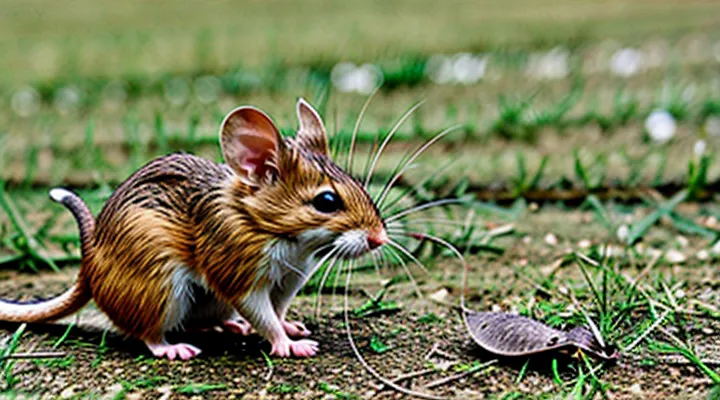
Identifying field mice accurately is a prerequisite for humane capture. Precise recognition prevents misplacement of traps and reduces stress on the animal.
- Body length: 6–10 cm, excluding tail; larger than most seed‑eating rodents.
- Fur coloration: dorsal coat ranges from light brown to gray, often with a subtle dorsal stripe; ventral side is pale.
- Tail: slender, longer than the body, sparsely haired, lacking the thick fur of voles.
- Ears: proportionally large, rounded, with minimal hair covering the inner surface.
- Whisker arrangement: long, forward‑projecting vibrissae that aid navigation in low‑light environments.
- Foot structure: elongated hind feet with well‑developed pads, facilitating agile jumps.
Each characteristic informs trap selection and placement. Small body size dictates the use of miniature live‑catch cages that close with minimal force. The dorsally striped coat helps locate recent activity trails, guiding bait placement. A long, hairless tail signals a need for wider entrance slots to accommodate the animal without injury. Large, unobstructed ears indicate sensitivity to noise; therefore, traps should be positioned away from high‑traffic areas to avoid alarming the mouse. Prominent whiskers suggest that handling should avoid direct contact with the face to prevent sensory damage. Finally, the agile hind feet require a smooth interior surface within the trap to prevent foot injuries during capture.
«Typical Habitats»
Field mice occupy environments that provide cover, food sources, and nesting material, making these areas optimal for locating individuals without causing injury. Recognizing these settings enables the placement of humane traps where mice naturally travel.
- Open grasslands and meadow edges where vegetation offers shelter and seed availability.
- Hedgerows and shrub thickets that supply dense cover and protection from predators.
- Agricultural fields, especially those with wheat, barley, or other cereal crops, which supply abundant grain.
- Riparian zones featuring low vegetation and moist soil, attracting mice seeking water and insects.
- Abandoned structures, barns, and outbuildings that contain stored feed and warm nesting sites.
When deploying non‑lethal capture devices, position them along established runways, near burrow entrances, or adjacent to food caches identified within these habitats. This approach aligns trap placement with the mouse’s habitual pathways, increasing capture success while minimizing stress.
Recognizing Signs of Infestation
«Droppings and Urine Trails»
Droppings and urine trails provide the most reliable indicators of active field‑mouse pathways, allowing precise placement of live‑capture devices.
Field mouse feces are typically 2–4 mm long, dark brown to black, and resemble tiny rice grains. They accumulate in corners of burrows, beneath food caches, and along frequently used runways. Fresh pellets retain a slight moisture, while older droppings become dry and brittle. Observing the concentration of pellets helps pinpoint the core of a foraging area.
Urine leaves a subtle sheen on surfaces and may be detected by a faint, musky odor that intensifies after rain or humidity changes. On smooth stone or wood, urine often appears as a translucent streak that darkens when illuminated from an angle. The presence of such streaks along walls, under logs, or on vegetation marks the edges of established routes.
To translate these signs into effective humane trapping:
- Identify clusters of fresh droppings; position a live‑capture trap a few centimeters downstream of the cluster, aligning the entrance with the observed direction of movement.
- Follow visible urine streaks to their origin; place a trap at a natural choke point where the trail narrows, ensuring the mouse must pass through the entrance.
- Combine both cues by selecting locations where droppings and urine intersect, maximizing the probability of entry.
- Check traps frequently, ideally every 12 hours, to release captured individuals promptly and prevent stress.
By systematically interpreting droppings and urine trails, operators can locate active mouse corridors without invasive searching, ensuring that live‑capture efforts remain targeted and humane.
«Gnaw Marks and Damage»
Field mice leave distinctive gnaw marks on structures, wiring, and stored produce. Recognizing these signs helps locate active individuals before attempting humane capture.
Typical damage includes:
- Shallow, crescent‑shaped bites on wooden beams, often near entry points.
- Short, parallel grooves on plastic containers where mice chew to access food.
- Frayed or chewed insulation on electrical cords, posing fire risk.
Assessing the extent of gnawing informs trap placement. Position live‑capture traps along the perimeter of the damaged area, aligning the entrance with the direction of mouse traffic inferred from the bite patterns. Ensure traps are set low to the ground, as field mice prefer ground‑level routes.
Documenting gnaw marks also prevents repeated intrusion. Seal compromised openings with steel wool or metal flashing, then re‑evaluate the site for residual signs before concluding the capture effort. This systematic approach minimizes stress on the animal while protecting property from further harm.
«Nesting Materials»
Choosing suitable nesting material increases the likelihood of a humane capture of field mice. Soft, natural fibers mimic the environment mice seek for building nests, encouraging them to enter traps voluntarily.
- Untreated cotton balls or swabs
- Crumbled dry grass or hay
- Small pieces of untreated fleece or wool
- Shredded paper towel or tissue (free of inks and fragrances)
- Dried pine needles (clean, free of resin)
Place a modest amount of the selected material at the rear of the trap, ensuring it does not obstruct the trigger mechanism. Position the material so that the mouse can reach it while still needing to step onto the trigger plate. Avoid using scented or chemically treated items, which may repel the animal.
After capture, transfer the mouse to a prepared release site promptly. Remove any remaining nesting material, dispose of it in a sealed bag, and clean the trap with mild soap and water. Regular maintenance prevents scent buildup that could deter future captures.
Why Humane Capture is Important
«Ethical Considerations»
Ethical practice demands that any attempt to capture field mice prioritize the animals’ welfare and comply with applicable regulations. Capture methods must be selected to avoid injury, reduce stress, and allow quick release or humane handling.
- Use live traps designed with smooth interiors and appropriate mesh size to prevent bruising.
- Set traps in locations that minimize exposure to extreme temperatures and predation.
- Check traps at intervals short enough to limit deprivation of food and water.
- Handle captured mice with gloved hands or soft tools to protect fur and skin.
- Provide immediate access to shelter, water, and, if necessary, veterinary assessment.
- Record each capture, including date, location, and condition of the animal, to ensure accountability.
- Obtain any required permits and follow local wildlife protection statutes before deployment.
Training for personnel includes instruction on proper trap placement, safe handling techniques, and emergency procedures for injured specimens. Documentation of training completion supports compliance and reinforces consistent ethical standards.
After capture, evaluate whether the mouse will be released, studied, or euthanized. If release is chosen, select a habitat similar to the capture site, ensure the animal is fully awake, and observe its exit to confirm successful return to the environment. If euthanasia is required, apply approved humane methods to prevent suffering.
Continuous review of capture protocols, informed by scientific literature and field observations, sustains ethical integrity and improves outcomes for both researchers and the wildlife involved.
«Minimizing Stress on Animals»
Minimizing stress during the humane capture of wild rodents demands precise control of environmental and procedural factors.
- Choose traps with smooth interiors and adequate ventilation to prevent overheating.
- Pre‑condition traps with familiar bedding material to reduce novelty anxiety.
- Position traps near natural foraging routes, avoiding exposed locations that trigger predator‑avoidance behavior.
- Inspect traps before each use to ensure no sharp edges or debris that could cause injury.
During capture, limit handling time to the shortest interval necessary for identification and relocation. Hold mice gently, supporting the body to prevent sudden movements that elevate heart rate. Use soft, breathable containers for temporary containment; provide a small shelter and a drop of water if transport exceeds a few minutes.
Release should occur at a site offering cover and food sources, preferably within the original home range to maintain territorial familiarity. Immediate release reduces disorientation and promotes rapid resumption of normal activity patterns.
Consistent application of these practices lowers cortisol spikes, preserves normal locomotor behavior, and aligns capture efforts with ethical standards for wildlife research.
«Avoiding Harmful Poisons»
Capturing field mice without causing injury requires eliminating toxic substances from any trapping protocol. Poisonous rodenticides threaten non‑target species, contaminate soil and water, and often violate wildlife protection regulations. Their use also creates a risk of secondary poisoning when predators consume affected mice.
Safer approaches rely on mechanical or behavioral methods. Live‑capture traps, such as multi‑catch snap‑free or box traps, provide immediate release of captured individuals. Exclusion techniques—sealing entry points, removing shelter sources, and maintaining clean perimeters—reduce mouse presence without chemical intervention. Habitat modification, including regular mowing and removal of debris, diminishes attraction factors.
When baiting live traps, select non‑toxic attractants:
- Fresh grains (wheat, oats, barley)
- Seed mixes containing sunflower or millet
- Small pieces of fruit (apple, pear)
- Peanut butter applied sparingly
Avoid any product containing anticoagulants, neurotoxins, or heavy metals. Verify that bait complies with local pesticide regulations before deployment.
Monitoring trap performance ensures humane outcomes. Check traps at least twice daily, release captured mice at a suitable distance from the property, and disinfect equipment to prevent disease spread. Consistent application of these practices eliminates the need for harmful poisons while achieving effective mouse management.
Preparing for Humane Capture
Choosing the Right Trap
«Live Traps vs. Snap Traps»
When choosing a device for non‑lethal capture of field mice, two options dominate: live traps and snap traps. Live traps confine the animal in a sealed compartment, allowing release elsewhere. Snap traps deliver a rapid lethal strike, but can be modified for humane use by attaching a release mechanism that prevents injury.
Live traps
- Reusable; steel or plastic models last for years.
- Require regular checking to prevent stress or dehydration.
- Allow immediate relocation to a suitable habitat.
- Higher initial cost, but lower long‑term expense if maintained.
Snap traps (humane adaptation)
- Simple construction; inexpensive to purchase.
- Must be fitted with a padded release bar to avoid fatal injury.
- Reduce handling time; animal is released immediately after trigger.
- Risk of accidental injury if release bar fails or is improperly installed.
Selection criteria should include:
- Frequency of mouse activity; high traffic favors live traps to reduce handling.
- Availability of a safe release site; without it, live traps may cause unnecessary suffering.
- Operator skill; improper setup of a snap trap conversion can cause harm.
- Budget constraints; initial outlay versus long‑term maintenance costs.
For most field situations, live traps provide the most reliable humane outcome when checks are performed at least twice daily. Snap traps equipped with a reliable release mechanism can serve as a secondary tool when rapid turnover is essential, provided the user follows strict maintenance protocols.
«Recommended Trap Types for Field Mice»
When humane capture of field mice is required, select traps that secure the animal without injury and allow immediate release. The following trap categories meet these criteria.
-
Box live‑catch traps – Sturdy wire or plastic cages with a single entry door. The door closes when the mouse triggers a pressure plate or a treadle. Interior dimensions of 4 × 4 × 6 inches accommodate adult mice while preventing escape. Use a smooth interior surface to avoid abrasions.
-
Funnel (tube) traps – A narrow entrance leads into a wider chamber where a lightweight door or flap blocks retreat. The design guides the mouse forward, limiting contact with sharp edges. Position the funnel horizontally at ground level to match natural movement patterns.
-
Multi‑catch live traps – Constructed from galvanized steel with a series of hinged doors. Each door operates independently, permitting capture of several individuals before retrieval. Ensure doors are calibrated to close with minimal force.
-
Snap‑free, spring‑loaded traps – Similar to traditional snap traps but equipped with a padded capture cup instead of a killing bar. The spring releases the door, sealing the mouse inside the cup without crushing. Verify that the cup interior is free of protrusions.
Effective use of these traps depends on proper baiting and placement. Peanut butter, sunflower seeds, or a mixture of rolled oats and dried fruit attract field mice reliably. Position traps along established runways, near shelter sites, and on the leeward side of vegetation where mice travel. Check traps at least twice daily to reduce stress and prevent dehydration.
When releasing captured mice, transport them in a ventilated container to the release site, open the trap gently, and allow the animal to exit without handling. This approach maintains the animal’s safety and complies with humane capture standards.
«Trap Placement Strategies»
Effective capture of field mice relies on precise trap positioning. Placement determines encounter rate, reduces stress on the animal, and increases the likelihood of a clean release.
Key factors include habitat features, mouse pathways, and trap visibility. Identify natural runways by observing fresh gnaw marks, cleared vegetation, and low‑lying debris. Position traps perpendicular to these routes, allowing the mouse to enter from the side rather than the back. Ensure the trap sits on a stable surface; uneven ground can cause premature closure or escape.
- Locate traps near shelter edges such as stone piles, hedgerows, or dense grass where mice pause before entering open areas.
- Set traps at ground level; avoid elevating devices unless targeting arboreal activity.
- Use multiple traps spaced 2–3 feet apart along a single runway to cover a broader section without crowding.
- Align the trigger mechanism with the mouse’s head or forepaws, which are the most reliable contact points.
- Place bait directly in the trigger zone to draw the mouse forward, not to the side where it might avoid activation.
After deployment, check traps at intervals no longer than four hours. Record capture locations, adjust spacing, and rotate traps to prevent habituation. Continuous observation refines placement, ensuring humane retrieval and successful release.
Selecting Effective Bait
«Preferred Food Sources of Field Mice»
Understanding the natural diet of field mice is essential for selecting effective, non‑lethal bait. Mice are opportunistic feeders, but they consistently prefer certain foods that can be used to attract them to humane traps.
- Seeds: millet, sunflower, and wheat kernels.
- Grains: oats, barley, and rice.
- Nuts: peanuts, almonds, and hazelnuts (unsalted, unroasted).
- Fresh produce: apples, carrots, and peas.
- Protein sources: mealworms, boiled egg yolk, and lean meat scraps.
Food preferences shift with the seasons. In spring and early summer, insects and fresh greens dominate the diet, while autumn sees increased consumption of stored seeds and nuts. Winter drives mice toward high‑calorie items such as nuts and dried grains.
For optimal bait performance, combine a high‑energy component (e.g., peanut butter) with a preferred scent (e.g., a few crushed oat flakes). Apply the mixture sparingly to the trap trigger, place it near known foraging paths, and protect it from rain or wind to maintain potency. Regularly monitor and replenish bait to sustain attraction throughout the capture period.
«Baiting Techniques»
Effective baiting begins with selecting foods that attract field mice while minimizing risk of injury. Seeds such as millet, sunflower, and cracked corn provide strong olfactory cues; small pieces of dried fruit or unsalted peanut butter add flavor variety. Freshness is critical—replace bait daily to prevent mold and loss of scent.
Presentation influences success. Use a shallow, non‑slippery platform (e.g., a wooden lid or plastic tray) that allows mice to step onto the bait without triggering trap mechanisms. Secure the bait with a light coating of wax or a thin layer of soft cheese to keep it in place while still accessible.
Placement determines capture efficiency. Position bait stations near known foraging routes, under low vegetation, or beside natural cover such as stone piles. Space stations 10–15 feet apart to cover a larger area without encouraging competition among individuals.
Timing aligns with mouse activity cycles. Deploy bait in the early evening when nocturnal foraging begins, and check stations before sunrise. This reduces exposure to predators and limits stress on the captured animal.
Safety considerations protect both the mouse and the handler. Wear disposable gloves to avoid transferring human scent, which can deter mice. Use bait that does not contain toxic additives; avoid artificial sweeteners and processed foods that may cause digestive distress.
Common baiting techniques
- Single‑bait method – place one type of seed in each station to identify preferred food; rotate varieties weekly.
- Mixed‑bait method – combine several attractants in a single platform to increase the likelihood of engagement.
- Scent‑enhanced bait – add a few drops of natural mouse pheromone or a mild vanilla extract to amplify olfactory appeal.
- Dry‑vs‑wet bait – offer dry seeds for quick uptake and a small amount of moist peanut butter for longer contact time.
Implementing these practices yields consistent, humane capture of field mice while preserving the animals’ well‑being and facilitating safe relocation.
«Avoiding Contaminants»
When setting live traps for wild mice, the cleanliness of all equipment directly influences the health of the captured animal and the integrity of any subsequent observations. Contaminants such as residual food particles, detergents, or disinfectants can cause stress, illness, or skew data about the animal’s natural condition. Therefore, each trap must be prepared in a sterile environment and inspected before deployment.
- Clean traps with warm water; rinse thoroughly to remove all soap residue.
- Sanitize surfaces using a mild, non-toxic agent (e.g., diluted hydrogen peroxide) and allow complete drying.
- Store traps in sealed, breathable containers to prevent dust, mold, or pest ingress.
- Handle bait with gloves; avoid oily or scented substances that could leave chemical traces.
- Replace any worn or cracked components that could harbor bacteria or parasites.
During field work, maintain hand hygiene, change gloves between handling different traps, and keep a separate kit for cleaning tools. After capture, transfer the mouse to a secondary, pre‑sterilized holding container before release. This protocol minimizes exposure to pathogens, preserves the animal’s welfare, and ensures reliable results for any downstream analysis.
Safety Precautions
«Protecting Children and Pets»
Capturing field mice without causing injury requires procedures that prevent accidental exposure of children and household pets to traps, bait, and stress. Safety begins with selecting equipment designed to activate only when a target animal contacts the trigger, eliminating the chance of unintended activation by a child’s hand or a pet’s paw.
Identify hazards before setup: unsecured traps, toxic attractants, and small entry points that allow pets to enter the capture zone. Ensure all devices are placed out of sight and out of reach, preferably in areas inaccessible to non‑target species.
- Use snap‑free or live‑capture traps equipped with safety shields.
- Deploy bait inside sealed compartments that prevent licking or ingestion by pets.
- Position traps at least 3 feet above ground level or behind barriers that block access for children and animals.
- Inspect the area daily; remove captured mice promptly and reset traps away from traffic zones.
- Store all trapping tools in locked containers when not in use.
Maintain records of trap locations, inspection times, and outcomes to verify compliance with humane standards and to adjust placement if accidental interactions occur. By integrating these controls, the capture process remains effective while safeguarding vulnerable household members.
«Handling Traps Safely»
When setting traps for field mice, safety for both the animal and the handler is paramount. Choose traps designed for humane capture, such as live‑catch cages with smooth interiors and secure doors. Avoid snap or glue devices, which cause injury.
Before deployment, inspect each trap for cracks, sharp edges, or loose components. Replace worn parts immediately. Wear disposable gloves to prevent scent transfer that could deter mice and to protect skin from potential bites.
Place traps along established runways, near shelter, or beside food sources. Position them low to the ground, anchored firmly to prevent tipping. Use bait that attracts mice without attracting larger predators—peanut butter, rolled oats, or sunflower seeds work effectively.
Check traps at least twice daily. Prompt inspection reduces stress for captured mice and limits the risk of trap‑related injuries. When a mouse is caught:
- Gently open the door while maintaining a firm grip on the trap.
- Transfer the animal to a pre‑prepared release container with ventilation.
- Release the mouse at a distance of at least 200 meters from the capture site, in a habitat offering cover and food.
After each use, clean traps with mild soap and water, rinse thoroughly, and disinfect with a diluted bleach solution (1 %). Dry completely before storage to prevent mold growth.
Maintain a log of trap locations, dates of checks, and outcomes. Documentation helps identify patterns, ensures compliance with local wildlife regulations, and supports ongoing refinement of safe handling practices.
«Personal Protective Equipment»
When handling wild field mice for humane capture, personal protective equipment (PPE) safeguards both the animal and the operator. Proper PPE prevents disease transmission, reduces the risk of injuring the mouse, and maintains a clean environment for observation and relocation.
Recommended PPE includes:
- Disposable nitrile gloves to protect hands and minimize scent transfer.
- Lightweight, breathable coveralls or lab coats to prevent fur entanglement and limit contamination.
- Safety goggles or face shields to shield eyes from sudden movements.
- Surgical masks or respirators to filter airborne particles and limit odor exposure.
- Closed-toe shoes with non‑slip soles for stable footing on uneven terrain.
Each item should be inspected before use, fitted securely, and discarded or sanitized after each capture session. Consistent use of this equipment ensures reliable, low‑stress handling of field mice while adhering to best‑practice standards for humane wildlife management.
The Humane Capture Process
Setting the Traps
«Optimal Locations for Trap Placement»
Effective non‑lethal capture of field mice depends on placing traps where the animals naturally travel. Identify routes by observing fresh droppings, gnawed material, and clear pathways along walls or fence lines. Position traps directly in these corridors rather than in open ground where mice are reluctant to move.
- Adjacent to exterior walls or building foundations, where mice use the surface as a protective runway.
- Within 12–18 inches of known entry points, such as burrow openings, gaps under doors, or cracks in siding.
- Near food sources: grain bins, compost piles, garden beds, or stored feed, but not directly on the food to avoid contamination.
- In low‑lying vegetation that offers cover, especially dense grass or hedgerows that intersect mouse pathways.
- Along the edges of structures, where mice transition between indoor and outdoor environments.
Select stable, level ground for each trap to prevent tipping. Ensure the area is free of heavy foot traffic that could disturb the device. If pets are present, place traps out of reach or use protective barriers to avoid accidental interference.
Check traps at least twice daily. Prompt release of captured mice reduces stress and prevents injury. Record capture locations to refine future placement, concentrating effort on the most productive sites.
«Proper Trap Setup»
Proper trap setup begins with selecting a humane device designed to capture field mice without injury. Choose a live‑catch trap that features a smooth interior, a sensitive trigger mechanism, and a secure latch that closes completely when activated. Ensure the trap size accommodates adult mice, typically 4–6 inches in length, to prevent cramped conditions.
Position the trap in areas of known mouse activity. Ideal locations include:
- Along walls where mice travel, with the trigger side facing the wall.
- Near food sources such as seed bins, compost piles, or grain stores.
- In concealed spots like under brush piles, within hedgerows, or beneath garden structures.
Set the trap at ground level or slightly elevated (1–2 inches) to match the natural movement path of the rodents. Secure the trap to the ground with stakes or weighted stones to prevent displacement by wind or other animals.
Bait selection influences capture success. Effective attractants include:
- Small portions of unsalted peanut butter.
- Seeds of sunflowers or millet.
- Bits of dried fruit or cheese.
Apply a pea‑sized amount directly on the trigger plate, ensuring the bait does not obstruct the mechanism. Replace bait daily to maintain freshness and scent potency.
After placement, inspect traps at regular intervals—preferably every 12 hours. Prompt removal of captured mice reduces stress and prevents escape. Transfer each mouse to a pre‑prepared release container, then relocate it at least 2 miles from the capture site, releasing it into suitable habitat such as a field with ample cover and food.
Maintain traps by cleaning them with mild soap and water after each use. Dry thoroughly before redeployment to preserve the trigger’s sensitivity. Periodic checks for wear, rust, or broken components ensure ongoing humane performance.
«Checking Traps Regularly»
Regular inspection of live‑capture traps prevents suffering and ensures timely release. A captured mouse can become stressed, dehydrated, or injured within a few hours; checking traps at short intervals reduces these risks.
- Inspect traps every 2–4 hours during daylight when mice are most active.
- Record the time of the last check; use a timer or alarm to maintain consistency.
- Open each trap gently, assess the animal’s condition, and transfer it to a prepared release container.
- Clean and reset the trap before setting it again to avoid scent buildup that may deter future captures.
If a trap remains unopened beyond the set interval, relocate the mouse to a safe outdoor site immediately, then reset the trap. Consistent monitoring maintains humane standards and improves overall capture success.
Monitoring and Release
«Frequency of Trap Checks»
When live traps are set for field mice, timely inspection prevents stress, dehydration, and injury. The interval between checks should reflect environmental conditions, trap design, and bait attractiveness.
- During warm weather (above 15 °C) inspect traps every 2–4 hours while mice are active, typically from dusk to dawn.
- In cooler periods (5–15 °C) extend checks to 6–8 hours, ensuring no animal remains trapped for more than 12 hours.
- When using snap‑free or multi‑catch devices, verify at least twice daily regardless of temperature, because rapid capture can increase exposure time.
- If bait is highly fragrant or perishable, reduce intervals to 1–2 hours to avoid bait spoilage and unintended capture of non‑target species.
- In remote or high‑risk locations (e.g., near predators or extreme weather), adopt a 4‑hour schedule to minimize exposure.
Consistent monitoring aligns with humane capture objectives, maintains trap effectiveness, and facilitates immediate release of captured mice into a safe release zone.
«Safe Handling of Captured Mice»
When a field mouse is secured in a trap, immediate attention to handling prevents injury and reduces stress. Hold the trap steady with one hand on the base and the other on the lid; avoid sudden movements that could jolt the animal. Keep the mouse’s body aligned with the trap opening to allow a smooth release.
Prepare a clean, ventilated container before capture. Line the interior with soft, absorbent material to cushion the mouse and absorb moisture. Place a small amount of water and a few seed fragments inside to encourage hydration and calm behavior during transport.
Transfer the mouse using these steps:
- Open the trap slowly, maintaining a firm grip on the frame.
- Gently coax the mouse onto a gloved finger or a small brush, supporting its hindquarters.
- Slide the animal into the prepared container, ensuring the lid remains loosely fitted to allow airflow.
- Seal the container with a breathable cover and label it with the capture date and location.
After release, disinfect the trap with a diluted bleach solution (1 % concentration) and rinse thoroughly. Inspect the trap for wear or damage; replace any compromised components before the next use. Regular maintenance preserves trap functionality and upholds humane standards.
«Choosing a Suitable Release Site»
Select a release area that offers immediate shelter, abundant food sources, and minimal exposure to predators. The site should be located at a safe distance from human dwellings, gardens, and agricultural fields to reduce the likelihood of re‑capture or crop damage.
- Natural cover such as dense grass, low shrubs, or leaf litter.
- Proximity to seed‑bearing plants, insects, or other small prey.
- Absence of domestic cats, dogs, or other predators.
- Distance of at least 200 meters from any building or cultivated plot.
- Accessibility for observation without disturbing the animal.
Before release, confirm that the chosen spot meets these conditions by walking the area, checking for recent human activity, and noting any signs of predators. Once verified, transport the mouse gently, open the container at ground level, and allow it to exit without handling. Immediate observation for a brief period ensures the animal adapts to the new environment before you depart.
«Distance from Your Home»
When planning humane capture of field mice, the proximity of trapping sites to your residence determines both effectiveness and safety. Locating traps within a reasonable radius reduces the likelihood that captured animals wander far from the intended area, facilitating prompt release and minimizing stress.
A practical distance range is 10–30 meters from the house. This span keeps traps close enough for easy monitoring while deterring mice from entering indoor spaces. Distances shorter than 10 meters increase the risk of accidental indoor intrusion; distances beyond 30 meters may reduce capture rates because mice seldom travel far from established foraging paths.
Key considerations for selecting the optimal distance:
- Habitat features: choose spots near natural cover such as hedgerows, stone walls, or dense vegetation.
- Food sources: place traps adjacent to known feeding areas, typically within 5 meters of seed-producing plants.
- Human activity: avoid high-traffic zones to prevent disturbance of the traps and reduce accidental contact with pets or children.
By maintaining traps within the 10–30 meter band and aligning placement with these environmental cues, you enhance the probability of humane capture while keeping the operation manageable from your home.
«Natural Habitat Considerations»
Understanding the environment where field mice live is essential for humane capture. These rodents occupy open grasslands, field margins, hedgerows, and low shrub layers. Dense vegetation provides concealment, while sparse cover increases exposure to predators and human activity.
Seasonal variations affect shelter use. Spring brings abundant ground cover and nesting material; summer sees increased foraging in exposed areas; autumn prompts retreat to denser thickets; winter forces reliance on insulated burrows. Predator presence—foxes, birds of prey, and domestic cats—also shapes mouse movement patterns and influences trap placement.
Selecting capture sites requires minimal disruption of existing structures. Avoid active burrow entrances, nesting chambers, and areas marked by recent droppings, which indicate ongoing occupancy. Respect legally protected habitats such as conservation strips or wildlife corridors; obtain necessary permissions before intervention.
Practical steps for habitat assessment:
- Survey the target zone during daylight to map vegetation density and identify potential runways.
- Locate fresh signs of activity (e.g., gnaw marks, droppings) and mark a safe distance from them.
- Record ground moisture and temperature, as these affect mouse activity levels.
- Confirm absence of non-target species that could be inadvertently trapped.
- Choose locations with natural choke points—natural funnels created by fence lines or hedgerow gaps—to increase capture efficiency while preserving surrounding habitat.
«Food and Water Availability»
Providing appropriate food and water increases the likelihood of attracting field mice to a humane trap. Fresh grains such as wheat, oats, or millet placed on the trigger mechanism create a strong olfactory cue that draws mice from nearby foraging areas. Small portions of peanut butter or dried fruit add variety and stimulate curiosity without encouraging prolonged feeding inside the trap.
Consistent water access prevents dehydration, which can cause mice to avoid traps for longer periods. A shallow dish with a few drops of water, positioned near the bait, supplies a reliable source while minimizing spillage. Using distilled or filtered water eliminates mineral deposits that might deter mice.
Key considerations for bait and hydration setup:
- Use a single, fresh bait piece per trap to avoid contamination.
- Replace bait daily to maintain scent potency.
- Keep water containers clean; rinse and refill every 24 hours.
- Position bait and water on opposite sides of the trap to encourage entry through the trigger.
By managing food and water availability with these precise practices, traps become more effective while ensuring that captured mice remain unharmed until release.
Post-Capture Measures
«Cleaning and Sanitizing Traps»
Maintaining trap hygiene is essential for humane field‑mouse capture and for preventing disease transmission. After each use, dismantle the device, discard any bedding or food residues, and rinse the components under running water. Use a brush or cloth to eliminate stubborn particles, then soak the parts in warm, soapy water for several minutes. Rinse thoroughly to remove soap, and allow the pieces to air‑dry completely before reassembly.
- Disassemble trap into removable sections.
- Remove organic matter with a disposable scraper.
- Wash in warm water with mild detergent.
- Rinse until no suds remain.
- Dry on a clean surface without direct sunlight.
Sanitizing follows cleaning. Choose a disinfectant proven effective against rodent‑borne pathogens, such as a 1 % bleach solution or a quaternary ammonium compound. Submerge the dried components for the manufacturer‑recommended contact time, typically five to ten minutes. Rinse with clean water to eliminate chemical residue, then dry again before storage.
Regular maintenance extends trap lifespan and preserves animal welfare. Clean and sanitize after every capture, inspect for wear or damage, and store in a sealed container to protect from dust and moisture. A consistent schedule reduces the risk of infection and ensures reliable performance for future field‑mouse trapping efforts.
«Preventing Future Infestations»
Effective prevention of future field‑mouse incursions begins with habitat modification. Eliminate dense ground cover, tall grasses, and debris where rodents can nest. Maintain a clear perimeter of at least three meters around structures, removing weeds and trimming shrubs regularly. Store feed, seed, and compost in sealed containers; any spilled material should be swept up promptly.
Implement physical barriers to restrict entry. Install fine‑mesh hardware cloth—no larger than ¼ inch—around foundation gaps, vents, and utility openings. Fit doors and windows with weather‑stripping that closes tightly. Check and repair damaged roofing, siding, and drainage systems to deny shelter and water sources.
Adopt a monitoring routine that identifies activity before populations expand:
- Conduct visual inspections weekly for droppings, gnaw marks, or burrow entrances.
- Place non‑lethal snap traps in suspected corridors; record capture dates and locations.
- Rotate trap placement monthly to cover new areas and prevent habituation.
Consistent application of these measures reduces the likelihood of re‑infestation, supporting humane capture efforts while protecting property and ecosystem health.
Preventing Future Field Mouse Problems
Sealing Entry Points
«Inspecting Your Home for Gaps»
Inspecting your home for gaps is the first practical measure in a humane strategy to manage field mouse activity. Small openings provide entry points, shelter, and pathways for rodents; sealing them prevents further intrusion and encourages mice to remain in traps placed intentionally for capture.
Begin the inspection by walking the perimeter of each room, focusing on the following locations:
- Baseboards and trim where paint has peeled or cracks appear.
- Door frames, especially around weather‑stripping; replace damaged seals.
- Windows, including sills and frames; use fine‑mesh screens to block gaps.
- Utility penetrations such as pipes, vents, and cables; fit steel wool or silicone caulk around them.
- Foundations and crawl‑space entries; apply expanding foam or metal flashing to cover openings larger than ¼ inch.
Next, validate the effectiveness of each seal. Run a thin piece of paper or a candle flame near suspected gaps; any movement or draft indicates a breach that requires immediate attention. Document each repaired area to track progress and identify patterns in mouse entry routes.
A thorough, systematic closure of all gaps reduces reliance on lethal methods, directs mice toward designated capture devices, and minimizes the likelihood of future infestations. Regular re‑inspection—at least quarterly—maintains the integrity of the barriers and supports ongoing non‑harmful control.
«Recommended Sealing Materials»
Effective sealing of entry points prevents re‑entry after humane field‑mouse trapping. Durable, weather‑resistant materials protect structures while allowing future monitoring.
- Stainless‑steel mesh (¼‑inch gauge) – withstands gnawing, easy to trim, compatible with tight openings.
- Heavy‑duty silicone caulk – seals cracks and gaps, adheres to wood, brick, and concrete, remains flexible in temperature fluctuations.
- Expandable polyurethane foam – fills irregular voids, expands to lock around obstacles, cures to a rigid barrier.
- Hardware cloth (½‑inch mesh) – provides a sturdy barrier for larger openings, can be fastened with screws or nails.
- Weather‑proof acrylic tape – secures temporary patches, resists moisture, removable without damaging surfaces.
Apply materials after confirming capture. Clean the area, remove debris, then press mesh or cloth firmly against the opening and secure with fasteners. Use caulk or foam to fill residual seams, smoothing excess to maintain a flush surface. Inspect seals periodically for wear and reinforce as needed.
«Focus Areas»
Effective humane capture of field mice requires attention to several critical focus areas. Each area contributes directly to the safety of the animal and the success of the operation.
- Selection of trap type: choose live‑catch designs with smooth interiors, appropriate entry dimensions, and secure locks that prevent injury.
- Placement strategy: locate traps near established runways, feeding sites, and shelter entrances; position them on stable ground to avoid tipping.
- Bait formulation: use natural attractants such as seed mixes, grains, or fruit pieces; ensure freshness to maintain potency without introducing toxins.
- Monitoring schedule: inspect traps at intervals no longer than thirty minutes during active periods; promptly release captured individuals in a suitable release zone.
- Release protocol: transport mice in ventilated containers; release at dusk in habitats offering cover and food sources, maintaining a minimum distance of one kilometer from the original capture site.
Adhering to these focus areas minimizes stress, prevents physical harm, and supports the ethical management of wild mouse populations.
Eliminating Food Sources
«Proper Food Storage»
Proper food storage is a critical factor in humane field‑mouse capture. Secure containers prevent accidental exposure, reduce scent trails, and limit the risk of poisoning. Use airtight, metal or heavy‑wall plastic bins with tight‑fitting lids; avoid paper bags or loosely sealed containers that allow odors to escape. Store bait such as seeds, grains, or dried fruit in a cool, dry place away from direct sunlight to preserve freshness and nutritional value. Rotate stock regularly, discarding any material that shows signs of mold, moisture, or insect infestation.
Key practices for effective storage:
- Container selection: choose sealed, non‑porous vessels; verify lid integrity before each use.
- Temperature control: keep bait at 50–70 °F (10–21 °C); extreme heat accelerates spoilage, cold can reduce palatability.
- Moisture management: place desiccant packets or silica gel in larger containers to absorb excess humidity.
- Labeling: mark each container with date of acquisition and intended use; replace items older than six months.
- Location: position storage units in a locked cabinet or shed, away from mouse foraging paths to prevent premature discovery.
Consistent adherence to these guidelines maintains bait effectiveness, minimizes unintended attraction of non‑target wildlife, and supports the overarching goal of capturing field mice without causing injury.
«Cleaning Up Spills and Crumbs»
Keeping the environment free of food residues is essential for humane mouse control. Food spills and stray crumbs attract field mice, encouraging them to linger near traps and increasing the likelihood of injury. Prompt removal of these attractants reduces the need for lethal measures and improves the effectiveness of live‑capture devices.
Begin each cleaning cycle with a thorough sweep of the area. Use a broom or vacuum equipped with a fine‑mesh filter to collect loose particles. Follow with a damp cloth or mop to eliminate sticky residues that may remain on surfaces. Discard collected debris in a sealed container to prevent re‑contamination.
Apply these practices consistently:
- Inspect floors, countertops, and outdoor workspaces after meals or feeding sessions.
- Wipe down surfaces with a mild, non‑toxic cleanser.
- Store grain, seeds, and other attractants in airtight containers.
- Remove waste promptly, sealing it in compost‑proof bags.
By maintaining a clean environment, field mice are less likely to encounter food sources, making humane capture methods more reliable and reducing the risk of accidental harm.
«Securing Pet Food»
Securing pet food is essential for any strategy aimed at humane field‑mouse capture. Unprotected kibble or canned meals emit scent trails that draw rodents into living spaces, increasing the likelihood of accidental injury and complicating trap placement.
Store dry food in airtight, rigid containers made of metal or thick plastic. Ensure lids seal with a silicone gasket or lock‑type closure. Keep wet food in sealed, insulated tubs and refrigerate leftovers promptly. Place all containers on elevated surfaces—such as countertops or shelves—away from walls and baseboards where mice travel.
- Use containers with snap‑tight lids; avoid zip‑top bags that can be pierced.
- Position food storage at least 30 cm from any entry point or trap.
- Clean spillages immediately with a damp cloth; discard crumbs in a sealed bag.
- Rotate stock regularly; discard expired portions to eliminate lingering odors.
- Employ pet feeders with built‑in lock mechanisms that release food only when the animal is present.
By eliminating food attractants, mouse movement patterns become predictable, allowing traps to be set in known pathways without risking harm. Reduced competition for resources also lessens aggressive encounters among captured individuals, supporting a humane outcome.
Implementing these precautions creates a controlled environment where field mice can be captured safely, aligning food security with ethical pest‑management objectives.
Maintaining Your Yard
«Trimming Vegetation»
Trimming vegetation creates clear pathways and reduces cover that field mice use to evade capture, making humane trapping more effective. By removing excess grass, low shrubs, and tangled stems, you limit escape routes and increase the visibility of baited traps.
Key actions for vegetation management:
- Cut grass to a height of 2–3 inches, exposing the soil surface where mice travel.
- Prune low-growing shrubs to a uniform height of no more than 6 inches, eliminating dense thickets.
- Remove dead or decaying plant material that can conceal traps or provide alternative shelter.
- Maintain a perimeter of at least one meter of cleared ground around each trap to prevent mice from approaching from hidden angles.
Implementing these steps before setting traps ensures that field mice encounter the capture devices directly, reducing the likelihood of injury and improving capture rates. Regular maintenance, performed weekly during peak activity periods, sustains the optimal environment for humane capture.
«Removing Debris and Clutter»
Clearing the area of excess material creates a predictable environment that encourages field mice to move toward designated capture zones. Loose vegetation, fallen branches, and scattered stones obstruct sight lines and provide alternative shelter, reducing the likelihood that mice will encounter traps. By eliminating these obstacles, you simplify the landscape, making it easier to position live‑capture devices where the animals naturally travel.
Key actions for effective debris removal:
- Survey the target zone and mark any objects that obscure ground cover or create dense underbrush.
- Collect and relocate removable items such as logs, garden waste, or discarded containers to a peripheral zone.
- Compact or rake loose soil to expose natural pathways and prevent mice from burrowing beneath surface layers.
- Dispose of organic debris responsibly to avoid attracting predators that could disturb the trapping process.
After the area is cleared, re‑establish a minimal, uniform ground cover using low‑height mulch or grass seed. This uniformity guides mice toward the traps without offering alternative hiding spots. Maintaining this condition requires periodic inspection to remove new growth or accumulated litter that could re‑introduce complexity to the habitat.
«Managing Bird Feeders»
Managing bird feeders directly influences the success of humane field‑mouse control. Proper feeder placement, maintenance, and seed selection reduce accidental mouse capture and create a predictable environment for non‑lethal trapping.
Position feeders away from dense ground cover and low‑lying vegetation. Elevate mounts at least three feet above ground to limit mouse access while keeping birds safe. Use sturdy brackets that prevent wobble and limit spillover, which can attract rodents.
Select seed types that are less appealing to mice. Sunflower hearts, safflower, and nyjer contain high fat content for birds but are less palatable to rodents. Avoid whole grains, cracked corn, and millet, which mice readily consume.
Maintain cleanliness to deter mouse activity. Empty spillage daily, wipe trays with mild detergent, and inspect for mold. Replace worn feeders promptly to eliminate gaps where mice could hide.
Implement a routine inspection schedule:
- Check for seed debris on the ground each morning.
- Verify that feeder lids close securely.
- Examine anchoring hardware for rust or loosening.
- Record any mouse sightings and adjust feeder location accordingly.
Integrate non‑lethal traps near feeder sites only after all preventative measures are in place. Place traps on stable platforms, away from bird pathways, and monitor them hourly to release captured mice promptly.
By controlling feeder variables, the environment becomes less attractive to field mice, simplifying humane capture and reducing the risk of injury to both birds and rodents.