
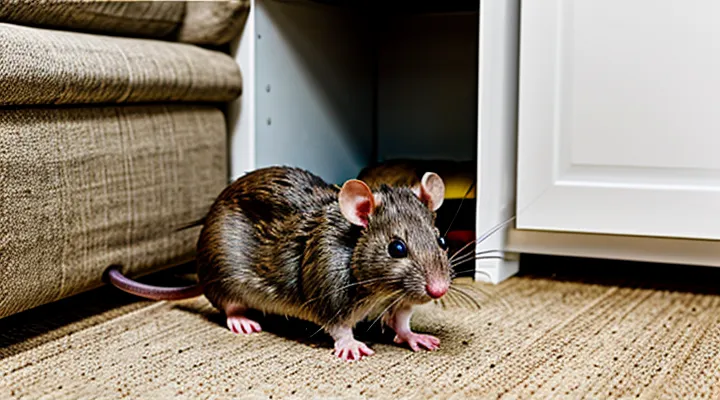
Understanding Your Enemy: Identifying a Rat Infestation
Signs of Rat Presence
Droppings and Urine Stains
Droppings and urine stains provide reliable indicators of rat activity, allowing precise placement of capture devices. Fresh droppings appear as small, dark, cylindrical pellets, typically 1‑2 cm long. Urine stains manifest as damp, yellowish spots that darken over time and emit a strong, musky odor. Identifying these signs directs traps to high‑traffic zones, increasing capture success.
Effective management of contamination involves three steps:
- Remove visible droppings with a disposable paper towel; seal in a plastic bag before disposal.
- Apply an enzymatic cleaner to urine‑stained surfaces; allow the solution to soak for at least 10 minutes, then wipe with a clean cloth.
- Disinfect the area with a 1 % bleach solution or a registered rodent‑specific sanitizer; let it air‑dry before setting traps.
Prompt cleaning eliminates attractants that could encourage re‑infestation and reduces health risks associated with hantavirus and leptospirosis. Maintaining a sanitary environment supports sustained control efforts.
Gnaw Marks and Damage
Gnaw marks provide direct evidence of rat activity and indicate the locations where rodents travel, feed, or nest. Identifying these signs allows precise placement of capture devices, reducing the time required to secure the pest.
Common types of damage include:
- Chewed electrical cords, creating fire hazards.
- Cut-through insulation, leading to heat loss.
- Damaged wooden structures, such as baseboards and framing.
- Punctured food containers, resulting in contamination.
- Scratched plaster or drywall, exposing interior surfaces.
The pattern and depth of bite marks reveal the size of the intruder and the direction of movement. By mapping the distribution of gnaw marks, the homeowner can prioritize high‑traffic zones for trap deployment, increasing the likelihood of a successful capture. Monitoring newly formed marks after trap placement confirms whether the chosen locations remain active, guiding adjustments to the control strategy.
Unusual Noises
Unusual noises serve as early indicators of rodent presence, allowing prompt intervention before damage escalates. In residential settings, rats generate sounds distinct from common household acoustics, such as high‑pitched squeaks, rapid footfalls within concealed spaces, and intermittent gnawing echoes. Detecting these auditory cues directs placement of traps and bait stations to the most active zones.
Key auditory signatures include:
- Sharp, repetitive squeals emitted when rats communicate or signal distress.
- Rapid, light pattering heard through walls or ceilings, reflecting swift movement along concealed pathways.
- Low‑frequency chattering heard when groups congregate in nesting areas.
- Persistent gnawing or scratching sounds, especially near insulation, wiring, or stored food containers.
When unusual noises are identified, the following steps enhance capture efficiency:
- Map the noise source by listening from multiple rooms to triangulate the activity hotspot.
- Position snap traps or live‑catch cages along identified runways, ensuring bait placement aligns with the direction of footfall sounds.
- Employ motion‑activated ultrasonic deterrents near noise origins to disrupt feeding behavior without harming non‑target species.
- Monitor trap success regularly, adjusting locations based on any shift in acoustic patterns.
Consistent auditory surveillance, combined with strategic trap deployment, maximizes the likelihood of successful rodent removal while minimizing unnecessary exposure to chemicals or extensive structural disruption.
Sightings
Rats typically reveal their presence through distinct visual cues that indicate active habitation within a residence. Recognizing these signs promptly allows the application of targeted capture techniques before an infestation expands.
Common indicators of rat activity include:
- Fresh droppings, approximately ½ inch long, found near food sources, along baseboards, or in concealed corners.
- Gnaw marks on wood, plastic, or wiring, often appearing as clean, crescent‑shaped cuts.
- Grease or oil trails left by the animal’s fur, visible on walls, cabinets, or furniture.
- Nests constructed from shredded paper, fabric, or insulation, usually located in hidden spaces such as attics, wall voids, or under appliances.
- Audible sounds, especially scurrying or scratching, occurring during nocturnal hours.
Documenting each observation with date, location, and frequency supports the selection of the most effective capture method. For instance, a high concentration of droppings near a pantry suggests placement of baited traps within that area, whereas widespread gnaw marks along wiring may warrant the use of snap traps positioned along established pathways.
Continuous monitoring of sightings informs adjustments to trap placement, bait type, and density, ensuring that control measures remain aligned with the evolving pattern of rodent activity. Regular inspection, combined with precise documentation, maximizes the likelihood of successful capture and prevents further spread.
Rat Behavior and Habits
Nocturnal Activity
Rats exhibit peak activity during the dark hours, with most foraging and movement occurring between dusk and dawn. Their heightened senses enable navigation through narrow passages, while reduced human presence lowers disturbance risk.
Effective capture strategies align trap deployment with this nocturnal pattern. Positioning devices in concealed routes before nightfall maximizes encounter probability. Bait selection should favor foods preferred during evening feeding, such as grain or fruit residues.
- Place snap traps along baseboard edges, ensuring trigger mechanisms are exposed to paw contact.
- Deploy live‑catch cages with fresh fruit or nut pieces, checking them each morning.
- Install glue boards near entry points, restricting access after dark.
- Use electronic traps that emit brief pulses, activated by motion sensors calibrated for nighttime activity.
Additional measures include dim lighting to avoid startling rodents, quiet operation to preserve natural behavior, and regular inspection to remove captured individuals promptly. Aligning trap timing with rats’ nocturnal schedule increases capture efficiency while minimizing disruption to household occupants.
Preferred Habitats
Rats favor environments that provide shelter, food, and water. Understanding these preferences enables effective placement of traps and bait.
- Dark, concealed spaces such as wall voids, attic insulation, and crawl‑spaces.
- Areas with abundant food residues, including kitchen countertops, pantry shelves, and garbage bins.
- Moist locations like leaky pipes, basements, and under sinks where water sources persist.
- Cluttered zones containing cardboard boxes, stacks of paper, and stored fabrics that offer nesting material.
- Warm spots near heating ducts, radiators, or direct sunlight through windows.
Targeting these habitats with appropriate traps and sanitation measures increases capture success while minimizing non‑target interference.
Food Sources and Preferences
Understanding a rat’s diet is essential for selecting bait that maximizes trap success. Rats are opportunistic feeders; they gravitate toward high‑calorie, easily accessible foods that provide protein and fat.
- «peanut butter» – strong aroma, high fat content, adheres to trap surfaces
- «cheese» – classic attractant, especially processed varieties with added oils
- «dry pet food» – kibble offers texture and scent that appeal to both young and adult rodents
- «nuts and seeds» – natural energy sources, particularly appealing in cooler months
- «fruits» – ripe or overripe pieces of apple, banana, or berries provide sugars and moisture
- «cooked meat scraps» – small portions of chicken or beef attract omnivorous rats seeking protein
Preference patterns shift with season and availability. In colder periods, rats increase intake of high‑fat items such as nuts and meat, while warmer months see a rise in fruit consumption. Urban environments introduce additional sources like discarded fast‑food remnants and pantry spills, which can rival traditional baits in attractiveness. To enhance capture rates, place bait near known activity pathways, secure it firmly to prevent removal, and rotate selections every few days to maintain novelty.
Preparing for Rat Capture
Safety First: Protective Gear
Gloves and Masks
Protective gear minimizes health risks when handling a rodent in a domestic setting. Gloves create a barrier against bites, scratches, and disease‑carrying fluids; masks prevent inhalation of droppings, urine aerosol, and potential allergens.
Glove selection criteria:
- Material: nitrile or latex for chemical resistance; leather for extra puncture protection.
- Thickness: 4–6 mil balances dexterity and durability.
- Fit: snug yet flexible to maintain tactile control of traps.
- Reusability: disposable gloves reduce cross‑contamination; reusable options require thorough laundering after each use.
Mask considerations:
- Filtration level: N95 or higher filters airborne particles effectively.
- Seal: adjustable nose bridge ensures a tight fit around the face.
- Comfort: breathable fabric permits extended wear during trap placement and removal.
- Disposal: single‑use masks should be discarded in sealed bags; reusable models need regular washing according to manufacturer instructions.
Practical steps:
- Don gloves and mask before entering the area where the rat is active.
- Verify that gloves cover wrists completely; pull mask over nose and mouth, then adjust straps for a secure seal.
- After capture, remove gloves by turning them inside out, dispose of or launder them promptly, and replace the mask if it shows signs of contamination.
- Wash hands thoroughly with soap and water, even when gloves were used, to eliminate residual pathogens.
Adhering to these guidelines preserves personal safety while increasing the likelihood of a successful, humane capture.
Sanitization Protocols
Sanitization after a rodent capture is essential to prevent disease transmission and secondary infestations. All surfaces that contacted the animal, traps, and surrounding areas must be treated with disinfectants proven effective against bacterial and viral agents commonly carried by rats.
Key steps include:
- Remove the captured rodent using gloves, place it in a sealed container, and dispose of it according to local regulations.
- Discard or sterilize any disposable traps; reusable traps should be soaked in hot, soapy water for at least five minutes, then rinsed.
- Apply an EPA‑registered disinfectant to the trap interior, floor, walls, and any nearby objects. Follow the product’s contact time, typically five to ten minutes.
- Wash hands thoroughly with soap and water after glove removal; consider alcohol‑based hand sanitizer as an additional measure.
- Launder any fabrics or bedding that may have been contaminated at temperatures of 60 °C (140 °F) or higher.
Regular cleaning schedules reduce the risk of lingering pathogens. Verify that disinfectants remain within their expiration dates and store them in a secure, dry location to maintain efficacy.
By adhering to these protocols, the environment remains safe for occupants and discourages future rodent activity.
Securing Your Home
Sealing Entry Points
Sealing potential ingress points is a critical component of any home‑based rodent control strategy. By eliminating access routes, the likelihood of rats entering living spaces drops dramatically, reducing the need for traps or poison.
Typical entry locations include gaps around utility pipes, cracks in foundation walls, openings beneath doors, and vents without proper screens. Exterior walls often contain small holes left by construction or weathering; even openings as narrow as ¼ inch can accommodate a rat.
To secure these vulnerabilities, follow a systematic approach:
- Conduct a thorough visual inspection of the building envelope, focusing on the perimeter, basement, attic, and utility penetrations.
- Use a flashlight and mirror to reveal hidden cracks and gaps.
- Apply steel wool or copper mesh to fill openings that cannot be permanently sealed, then cover with a durable sealant.
- Install weather‑stripping on doors and windows, ensuring a tight fit when closed.
- Replace damaged or missing vent screens with hardware‑grade metal mesh.
- Apply expanding polyurethane foam to larger gaps, trimming excess after curing.
- Seal foundation cracks with epoxy or hydraulic cement, following manufacturer instructions for surface preparation.
Regular maintenance reinforces the barrier. Inspect seals quarterly, especially after severe weather, and repair any new damage promptly. Consistent attention to entry‑point integrity maintains a rat‑free environment and supports the overall effectiveness of capture methods.
Eliminating Food Sources
Eliminating food sources deprives rats of the incentive to enter a dwelling and reduces the likelihood of repeat infestations.
Identify all potential attractants: pantry items, pet feed, fruit bowls, and uncovered garbage. Secure each category as follows:
- Store dry goods in airtight containers made of metal or heavy‑wall plastic.
- Transfer pet food to sealed bins and remove leftovers after each meal.
- Keep fruit and vegetables in the refrigerator or in containers with tight lids.
- Use trash cans with fitted lids; empty them daily and place them away from entry points.
Inspect cracks, gaps, and vents where rodents might access stored food. Seal openings with steel wool, caulk, or metal flashing to prevent re‑entry.
Maintain a cleaning schedule that includes wiping countertops, sweeping floors, and vacuuming corners where crumbs accumulate. Regularly wash dishes and avoid leaving dishes in the sink overnight.
By removing all accessible nourishment, the environment becomes unattractive to rats, facilitating the success of any capture strategy.
Removing Clutter
Removing unnecessary items from the living area creates clear pathways for traps and reduces hiding places that rats exploit. Open floor space allows quick placement of snap or live‑capture devices, while also simplifying inspection for signs of activity such as droppings or gnaw marks.
Key actions for effective decluttering:
- Clear countertops, shelves, and cabinets of food containers, pet dishes, and excess paper. Store items in sealed, rodent‑proof containers.
- Organize storage rooms by stacking boxes on pallets or shelving units, leaving a gap of at least 6 inches between the floor and the lowest surface.
- Dispose of broken or discarded materials that could serve as nesting material. Place waste in bins with tight‑fitting lids and remove regularly.
- Maintain a tidy garden or yard, trimming vegetation away from the house foundation to prevent rodents from using foliage as a bridge.
A clutter‑free environment improves the visibility of bait stations and facilitates rapid response when a rat is captured, thereby increasing the overall success rate of home‑based control methods.
Effective Rat Trapping Methods
Live Traps: Humane Capture
Types of Live Traps
Live traps provide a humane solution for removing rats from residential environments. They confine the animal without causing injury, allowing release at a safe distance.
• Single‑catch cage trap – a hinged door closes when the rat triggers a pressure plate; suitable for occasional sightings.
• Multi‑catch cage trap – a series of compartments capture several rats before requiring emptying; ideal for moderate infestations.
• Box trap – a simple wooden or plastic enclosure with a baited entry slot; effective for larger rodents that avoid metal cages.
• Funnel trap – a tapered tunnel leads the rat into a holding chamber; useful in tight spaces where a conventional cage cannot fit.
Placement near walls, behind appliances, or along known runways increases capture rates. Bait selection—peanut butter, dried fruit, or meat scraps—should match the rat’s preferences. Check traps at least twice daily to prevent stress and to relocate captured animals promptly. Proper sanitation after removal reduces the likelihood of reinfestation.
Best Baits for Live Traps
Effective live trapping of rats at home depends largely on bait selection. Bait must appeal to the rodent’s omnivorous diet, remain attractive over several days, and be easy to secure inside the trap.
Key bait options include:
- Peanut butter – strong aroma, adheres to trap surfaces, resists spoilage.
- Sunflower or pumpkin seeds – high fat content, preferred by many rats.
- Dried fruit such as raisins or apricots – sweet scent complements protein sources.
- Small pieces of cooked meat or fish – potent odor, especially effective in cooler climates.
- Cheese – traditional choice, works best when combined with a secondary attractant.
- Commercial rodent attractants – gel or liquid formulations designed for live traps.
When preparing bait, follow these guidelines:
- Apply a thin layer to the trap’s trigger mechanism to ensure the rat must interact with the bait to release the door.
- Combine two bait types, for example, peanut butter with a seed, to broaden appeal.
- Refresh bait every 24–48 hours to maintain potency and prevent mold.
- Position bait at the far end of the trap, forcing the rat to fully enter before reaching it.
- Avoid strong household odors near the trap, as they can mask bait scent.
Selecting the appropriate bait and maintaining its freshness maximizes capture rates while minimizing stress to the animal. This approach aligns with best practices for humane, home‑based rat control.
Proper Placement Techniques
Effective rat capture at home depends on strategic trap placement. Position devices where rodents travel regularly, near walls, behind appliances, and within concealed pathways. Avoid open floor areas that lack shelter, as rats prefer concealed routes.
- Place traps perpendicular to walls, with the entry side facing the wall; rats run along edges and will encounter the bait more readily.
- Set devices close to known activity signs—droppings, gnaw marks, or grease trails—ensuring the distance does not exceed 30 cm from the evidence.
- Use low‑profile traps in tight spaces such as under cabinets, behind baseboards, and within crawl‑space openings; these locations limit alternative escape routes.
- Secure bait at the far end of the trap to compel the rat to fully enter before retrieving the lure; common attractants include peanut butter, dried fruit, or small pieces of meat, each placed inside the «bait compartment» of the device.
- Align traps with established rodent pathways by observing repeated movement patterns; a single, well‑placed trap often outperforms multiple poorly positioned units.
Additional considerations include maintaining a clear line of sight to the trap, eliminating competing food sources, and regularly checking devices for captures. Adjust placement after each inspection to respond to shifting activity, ensuring continuous pressure on the target population.
Releasing Captured Rats
When a rat is caught, the release process must be handled responsibly to protect both the animal and the household. Immediate release prevents prolonged stress and reduces the likelihood of disease transmission. Choose a release site at least several kilometers from the residence, preferably in an area with abundant shelter and food sources such as a wooded park, agricultural field, or abandoned lot. Verify local regulations; many municipalities prohibit the release of wild rodents in residential zones or require permits.
Before release, prepare a sturdy container with ventilation holes to avoid injury. Transfer the rat gently, minimizing handling time. Open the container on the ground, allowing the animal to exit voluntarily. If the rat hesitates, tilt the container slightly to encourage movement, but avoid force.
After release, take preventive measures to stop future intrusions:
- Seal entry points: inspect walls, foundations, and utility openings; install steel wool or metal mesh where gaps exist.
- Eliminate food attractants: store grain, pet food, and waste in sealed containers; clean spills promptly.
- Maintain landscaping: trim vegetation away from the building, remove debris piles, and keep compost bins secured.
Finally, disinfect any equipment used during capture and clean the area where the rat was held. Proper sanitation reduces residual scent trails that could lure additional rodents back into the home.
Snap Traps: Quick and Efficient
Different Snap Trap Designs
Snap traps remain a primary tool for indoor rodent control because they deliver rapid, humane termination. Several design variations exist, each offering distinct advantages in trigger sensitivity, durability, and ease of handling.
• Wooden board models feature a flat base and a spring‑loaded bar. The wooden surface provides a quiet environment, reducing rat wariness. Trigger levers are adjustable, allowing fine‑tuning for smaller or larger specimens.
• Plastic cages incorporate a transparent enclosure that contains the animal after activation. The clear walls enable visual confirmation without opening the trap. Hinged jaws deliver a consistent snap, and the lightweight construction simplifies placement in tight spaces.
• Metal plate traps employ a steel base and a reinforced snap bar. The robust material resists damage from vigorous attempts to escape, extending service life. Integrated bait holders prevent contamination of the trigger mechanism.
• Hybrid designs combine a wooden platform with a plastic capture chamber. The wooden section masks the trap’s presence, while the plastic compartment isolates the rodent, facilitating safe disposal. Dual‑trigger systems increase reliability under varying pressure levels.
Key considerations for selecting a model include trigger force, bait accessibility, and cleaning procedure. Low‑force triggers reduce the risk of missed captures, while secure bait stations maintain attractant potency. Models with removable jaws or hinged lids allow quick inspection and disposal, minimizing exposure to pathogens.
Recommended Baits
Effective bait selection determines trap success when targeting rats in a residential setting. Choose attractants that appeal to the species’ omnivorous diet and provide a strong scent that penetrates the environment.
- «Peanut butter» – dense, aromatic, adheres to trap surfaces, remains attractive for extended periods.
- «Dry cat food» – high protein content, granular texture facilitates placement, emits persistent odor.
- «Sunflower seeds» – natural rodent preference, easy to secure within trigger mechanism.
- «Fresh fruit pieces» – sweet aroma, moisture enhances scent diffusion; replace regularly to prevent spoilage.
- «Meat scraps» – strong carnivorous cue, effective in cold climates; enclose in a small container to avoid mess.
Select baits based on availability, odor intensity, and resistance to drying. Ensure placement directly on the trigger plate to maximize contact. Rotate baits every few days to maintain novelty and prevent habituation. Keep all attractants out of reach of children and pets to avoid accidental ingestion.
Strategic Trap Placement
Strategic trap placement maximizes capture efficiency while minimizing disruption to household activity.
Identify high‑traffic routes by observing droppings, gnaw marks, and grease trails. Position traps perpendicular to walls, with the trigger end facing the expected travel direction. Secure traps at a height of 2–4 inches off the floor, aligning with the rat’s natural tendency to run close to surfaces.
Key placement zones:
- Entry points such as gaps around pipes, vents, and doors.
- Areas behind appliances, under sinks, and within cabinets where food residues accumulate.
- Along established pathways connecting nesting sites to food sources.
Avoid placing traps in open, well‑lit spaces where rats are less likely to travel. Rotate trap locations weekly to prevent habituation and to target shifting activity patterns.
Maintain a clear line of sight to each trap, allowing rapid assessment of captures and timely reset of the device. Regularly replace bait to preserve attractiveness and reduce the risk of trap avoidance.
By adhering to these placement principles, the likelihood of successful rat capture increases significantly, supporting overall pest‑control objectives.
Electronic Traps: Modern Solution
How Electronic Traps Work
Electronic traps capture rats by combining detection technology with a high‑voltage discharge. When a rodent enters the chamber, a sensor—typically infrared, ultrasonic, or pressure‑sensitive—registers its presence. The sensor triggers a capacitor bank that releases a rapid, lethal shock of several thousand volts, killing the animal instantly. The chamber then locks, preventing escape and ensuring safety for humans and pets.
Key components of an electronic trap:
- Sensor array (infrared beam, ultrasonic motion detector, or pressure plate) that activates only when a target is inside.
- Power source, usually a rechargeable battery or mains adapter, supplying the energy required for the high‑voltage pulse.
- Capacitor circuit that stores and discharges the voltage within milliseconds.
- Insulated enclosure that isolates the shock and contains the carcass for easy disposal.
- Indicator light or audible alert confirming a successful capture.
Advantages include rapid kill, minimal mess, reusable design, and reduced risk of secondary poisoning compared to poison baits. Proper placement—along walls, near gnawing signs, and away from non‑target animals—maximizes effectiveness. After each capture, the chamber can be opened, the carcass removed, and the unit reset for subsequent use.
Advantages and Disadvantages
When evaluating home rat capture techniques, weighing benefits against drawbacks clarifies the most suitable approach.
Live traps
- Advantages: humane containment, allows relocation; eliminates risk of poison exposure to children or pets.
- Disadvantages: requires frequent monitoring; captured animal may escape if not released promptly; disposal may be illegal in some jurisdictions.
Snap traps
- Advantages: immediate kill, low cost, minimal maintenance after placement.
- Disadvantages: potential for accidental injury; may cause suffering if not positioned correctly; disposal of dead rodents can be unpleasant.
Glue boards
- Advantages: inexpensive, easy to set in tight spaces.
- Disadvantages: causes prolonged distress; difficult to remove without harming the animal; poses hazard if pets or non‑target species encounter the adhesive.
Electronic traps
- Advantages: rapid, humane death via high‑voltage shock; reusable, reduces need for consumables.
- Disadvantages: higher upfront price; requires power source; effectiveness may decline with low battery.
Baited cages
- Advantages: combines attraction with live capture; can be used with specific attractants to target rats.
- Disadvantages: bait may attract other wildlife; monitoring still necessary; risk of bait contamination.
Choosing a method depends on factors such as budget, desired humaneness, frequency of checks, and local regulations. Each option presents a distinct set of strengths and limitations that must align with the specific circumstances of the household.
Setup and Maintenance
A successful rat capture operation begins with a well‑planned environment. Clear clutter from the target area, seal gaps larger than a quarter‑inch, and ensure adequate lighting to monitor trap activity. Place traps along walls, behind appliances, and near known runways; rats prefer concealed pathways.
- Choose traps that match the intended method (live‑catch, snap, or electronic).
- Position each trap with the trigger side facing the wall, allowing the animal to approach from the preferred direction.
- Use bait that attracts rodents—peanut butter, dried fruit, or small pieces of meat—applied sparingly to avoid spillage.
- Secure traps on stable surfaces to prevent tipping, using non‑slip mats or adhesive pads if necessary.
Regular maintenance preserves effectiveness and safety. Inspect traps daily; remove captured rodents promptly, wearing disposable gloves and disposing of carcasses in sealed bags. Clean trigger mechanisms with mild detergent, rinse, and dry completely before re‑baiting. Replace worn springs, batteries, or electronic components according to manufacturer guidelines. Rotate trap locations weekly to prevent habituation, and re‑seal any newly discovered entry points after each inspection.
Glue Traps: Considerations and Alternatives
Ethical Concerns
Rats possess nervous systems capable of perceiving pain; any capture technique must minimize suffering.
Legal frameworks in many regions classify rats as pests but still impose standards on trap design, mandating that devices avoid prolonged distress.
Humane live‑catch traps provide containment without lethal injury, allowing relocation or professional disposal. Lethal snap traps, while effective, often cause bruising, broken bones, or prolonged agony; their use raises ethical objections unless justified by immediate health hazards.
Releasing captured rodents into the wild can disrupt local ecosystems, spread disease, and violate municipal ordinances. Coordination with licensed pest‑control services ensures compliance with environmental and public‑health regulations.
Ethical guidelines for domestic rodent capture:
- Select traps certified as humane by recognized animal‑welfare organizations.
- Check traps frequently to prevent prolonged confinement.
- Employ protective gloves to reduce stress for both animal and handler.
- Document capture events for accountability and possible regulatory review.
Adhering to these principles balances effective pest management with respect for animal welfare and legal responsibility.
When to Use (and Not Use) Glue Traps
Glue traps represent a rapid, inexpensive solution for isolated rat sightings in confined spaces such as closets, cabinets, or attic corners. Their adhesive surface immobilises the animal instantly, allowing for immediate removal without the need for poison or live‑capture devices. Use glue traps when:
- The infestation consists of a single or few rats that have been observed in a specific location.
- Access to the target area is limited, preventing placement of snap or electronic traps.
- Immediate visual confirmation of capture is required for monitoring purposes.
Avoid glue traps under the following conditions:
- Presence of children, pets, or non‑target wildlife, because the sticky surface cannot distinguish species.
- Large or established colonies, where the low kill rate of adhesive devices prolongs the problem.
- Situations demanding humane treatment, as glue traps cause prolonged suffering once the animal is stuck.
- Areas with high humidity or dust, which reduce adhesive effectiveness and increase false‑positive captures.
When deploying glue traps, position them perpendicular to walls, directly along known runways, and replace them daily to prevent decay of the adhesive. Seal any gaps that could allow escaped rats to re‑enter the premises. For extensive infestations, integrate snap traps, bait stations, or professional extermination to achieve comprehensive control.
Safe Removal of Captured Rats
Capturing a rat creates a need for immediate, secure handling to prevent bites, disease transmission, and escape.
- Wear disposable nitrile gloves and a face mask.
- Place a sturdy, ventilated container over the animal, then slide a rigid lid underneath to seal.
- Use a thick towel or cardboard to push the rat into the container without direct contact.
Once secured, choose an appropriate disposal method. For relocation, transport the container to a distant, uninhabited area, release the rat far from residential zones, and open the lid only after confirming the animal has exited. For humane euthanasia, contact a licensed pest‑control professional or follow local regulations for approved methods.
After removal, decontaminate all equipment. Discard gloves, wash hands thoroughly with soap, and clean the container with a bleach solution (1 part bleach to 9 parts water). Allow surfaces to dry completely before reuse.
Maintain a clean environment to deter future infestations: seal entry points, store food in airtight containers, and eliminate standing water. Regular inspection of traps and bait stations supports ongoing control.
Post-Capture Procedures and Prevention
Disposal of Deceased Rats
Sanitary Handling
Sanitary handling is essential when trapping a rodent inside a residence. Direct contact with the animal or its waste can transmit diseases such as leptospirosis, hantavirus, and salmonellosis. Protective equipment reduces exposure risk and maintains a clean environment for subsequent pest‑control actions.
- Wear disposable nitrile gloves before approaching any trap or droppings.
- Use a face shield or safety glasses to prevent splashes from urine or blood.
- Apply a disposable apron or old clothing that can be laundered at high temperature after use.
- Disinfect the trapping area with a solution containing at least 0.1 % sodium hypochlorite, allowing a contact time of five minutes before wiping with a clean cloth.
- Seal captured rodents in a sturdy, puncture‑proof bag, close it tightly, and place the bag in an outdoor trash container for removal.
After removal, dispose of all single‑use items in a sealed waste bag. Wash hands thoroughly with soap and water for at least twenty seconds, even when gloves were worn. Clean reusable tools with hot, soapy water, then sanitize with an alcohol‑based solution. Store protective gear in a dry, uncontaminated location until the next operation. Maintaining these sanitary practices prevents secondary infestations and protects household occupants from health hazards.
Proper Disposal Methods
Proper disposal of a captured rat prevents disease spread and eliminates future infestations. After securing the animal, follow a systematic approach.
1. Kill the rat swiftly and humanely. Methods include a sealed container with a CO₂ source or a specialized rodent euthanasia device. Ensure the process complies with local animal welfare regulations. 2. Seal the carcass in a double‑layered plastic bag. Remove excess air, tie securely, and label the package to avoid accidental contact. 3. Dispose of the sealed package according to municipal guidelines. Many jurisdictions require placement in a designated hazardous‑waste bin or direct hand‑over to a licensed pest‑control service. 4. Sanitize the capture area. Apply a disinfectant containing at least 0.1 % bleach solution, allow a five‑minute contact time, then rinse with clean water. 5. Inspect surrounding spaces for signs of additional activity. Set traps or seal entry points to prevent re‑entry.
If professional pest control is engaged, hand over the sealed bag for their disposal protocol. Maintain records of each disposal event for future reference and compliance verification.
Cleaning and Disinfection
Sanitizing Contaminated Areas
Sanitizing areas contaminated by rodents is essential to prevent disease transmission and secondary infestations. Begin by removing visible debris, droppings, and nesting material using disposable gloves and sealed bags. Disinfect surfaces with a solution containing at least 1 % sodium hypochlorite, ensuring thorough coverage and a contact time of ten minutes before wiping dry. For porous materials such as insulation or upholstery that cannot be thoroughly cleaned, dispose of them safely to eliminate hidden reservoirs of pathogens.
Key steps for effective decontamination:
- Wear protective gloves and a mask; seal contaminated waste in airtight containers.
- Prepare a bleach‑based disinfectant (1 % sodium hypochlorite) or use a registered rodent‑specific sanitizer.
- Apply the solution to floors, countertops, and walls; allow the recommended dwell time.
- Rinse with clean water if the surface contacts food or pets; let dry completely.
- Dispose of cleaning tools in sealed bags; wash hands thoroughly after removal.
After sanitizing, ventilate the area for at least thirty minutes to disperse residual fumes. Maintain a regular cleaning schedule in high‑risk zones to reduce the likelihood of re‑contamination. Implementing these measures supports the overall success of rodent capture strategies and safeguards household health.
Odor Removal
Odor removal is essential after a rat capture to prevent lingering smells that attract further infestations. Effective elimination of scent involves three core actions: thorough cleaning, targeted deodorizing, and ventilation.
- Clean all surfaces that the animal contacted. Use a detergent solution mixed with warm water, scrub floors, walls, and any furniture. Rinse and dry completely to remove organic residues.
- Apply an enzymatic cleaner specifically formulated for rodent waste. Enzymes break down proteins and urine components that cause persistent odors. Follow manufacturer instructions for concentration and contact time.
- Deploy an activated‑charcoal or zeolite absorber in the affected area. These materials adsorb volatile organic compounds, reducing residual smell. Replace absorbers every 48 hours until the odor dissipates.
Supplementary measures include sealing cracks and gaps to block scent migration, and running a high‑efficiency particulate air (HEPA) filter fan for at least 24 hours to circulate fresh air. Consistent application of these steps ensures the environment remains unattractive to other rodents and safe for occupants.
Long-Term Prevention Strategies
Regular Home Inspection
Regular home inspection forms a cornerstone of any effective rodent‑control strategy. Systematic scrutiny of structural and sanitary conditions reveals entry points, nesting sites, and foraging trails before an infestation escalates.
Key inspection elements include:
- Exterior barriers: examine foundation cracks, gaps around utility lines, and vent openings; seal with steel‑wool or caulking.
- Interior perimeters: check under sinks, behind appliances, and in attic spaces for droppings, gnaw marks, or shredded material.
- Food storage: verify that pantry containers are airtight and that waste bins have secure lids.
- Moisture sources: locate leaking pipes, condensation, and standing water that attract rodents.
- Structural integrity: inspect insulation, wall cavities, and floor joists for damage caused by burrowing activity.
A schedule of fortnightly walkthroughs during peak activity months, followed by monthly checks in cooler periods, maintains vigilance. Documentation of findings—date, location, and observed evidence—facilitates trend analysis and targeted remediation.
Prompt repair of identified vulnerabilities, combined with sanitation measures, reduces the likelihood of rat presence and improves the success rate of trapping or exclusion methods.
Maintaining Cleanliness
Maintaining a clean environment is essential for successful rodent control. Eliminate all accessible food sources by storing pantry items in sealed containers, promptly cleaning up crumbs, and disposing of waste in tightly‑fitted bins. Regularly sweep floors, vacuum carpets, and wipe countertops with a disinfectant solution to remove scent trails that attract rats.
Seal potential entry points to prevent reinfestation. Inspect walls, floors, and foundations for gaps larger than a quarter inch, and apply steel wool or caulking to block them. Repair damaged screens and ensure doors close tightly against drafts.
Key actions for hygiene include:
- Removing pet food after each feeding and storing it in metal containers.
- Cleaning behind appliances and furniture where debris may accumulate.
- Using a mop or steam cleaner on hard surfaces to eradicate residual odors.
- Disposing of discarded packaging in sealed bags before placing it in outdoor bins.
A disciplined cleaning routine reduces the likelihood of rat sightings and enhances the effectiveness of traps and bait stations.
Pest-Proofing Your Property
Preventing rat entry is a prerequisite for any successful removal strategy. Identify potential access points and eliminate them before deploying traps.
- Inspect building exterior for gaps around doors, windows, utility penetrations, and foundation cracks; seal with steel wool, caulk, or metal flashing.
- Repair damaged screens, vent covers, and crawl‑space doors to deny rodents passage.
- Store food in airtight containers; clean countertops and floors promptly to remove crumbs.
- Dispose of waste in sealed bins; relocate compost piles away from the structure.
- Trim vegetation, especially tree branches and shrubs, that contact the roof or walls; maintain a clear perimeter of at least two feet.
- Install motion‑activated lights or ultrasonic deterrents in high‑traffic zones to discourage nocturnal activity.
After fortifying the property, position capture devices along established runways: near walls, behind appliances, and adjacent to concealed openings. Use a combination of live traps and snap traps to address varying infestation levels. Monitor devices daily, record captures, and relocate or dispose of rodents according to local regulations. Continuous inspection and maintenance of sealed entry points sustain long‑term protection and reduce the need for repeated interventions.
Professional Pest Control Consultation
Professional pest‑control consultation provides a systematic assessment of rodent activity, identifies entry points, and recommends targeted interventions. The expert evaluates structural vulnerabilities, reviews sanitation practices, and determines the most effective capture or exclusion techniques for a domestic setting.
Key components of a consultation include:
- Inspection of interior and exterior zones for gnaw marks, droppings, and nesting material.
- Mapping of potential access routes such as gaps around pipes, vents, and door frames.
- Recommendation of humane traps, bait stations, or exclusion devices appropriate for the species and home layout.
- Guidance on safe handling of traps, disposal of captured rodents, and decontamination procedures.
- Development of a monitoring plan with scheduled follow‑up visits to verify eradication and prevent reinfestation.
Engaging a certified professional reduces the risk of accidental poisoning, minimizes property damage, and ensures compliance with local health regulations. Cost estimates typically cover the initial inspection, a written action plan, and any required equipment. Additional fees may apply for repeated visits or extensive sealing work.
Homeowners who implement the consultant’s recommendations often achieve rapid reduction of rat presence, maintain a hygienic environment, and protect structural integrity. The expertise offered by a qualified pest‑control service remains essential for effective, responsible rodent management.