
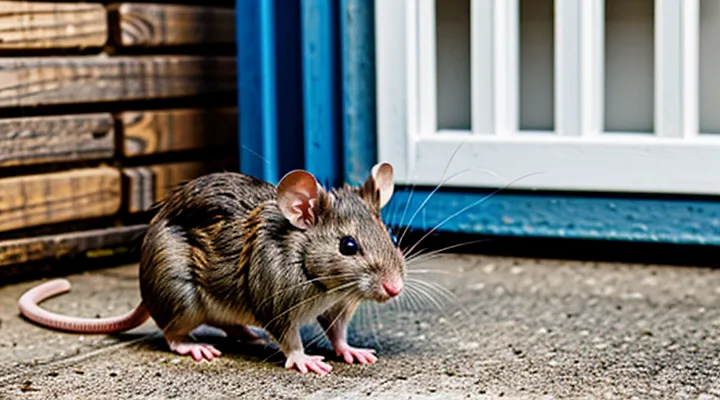
Understanding Your Pest Problem
Identifying the Type of Rodent
Rats vs. Mice: Key Differences
Rats and mice differ in size, behavior, and habitat preferences, factors that directly influence the selection of control solutions.
Rats are typically larger, weighing 200–500 g, with bodies up to 30 cm long. They avoid tight spaces, favoring burrows, sewers, and outdoor structures. Their foraging range can extend 100 m from a food source, and they are primarily nocturnal but may become active during daylight when food is scarce.
Mice are smaller, weighing 15–30 g, with bodies under 10 cm. They readily exploit narrow openings, nesting in walls, attics, and interior voids. Their foraging radius usually does not exceed 30 m, and they remain active throughout the night, rarely venturing out in daylight.
These distinctions affect product performance:
- Bait size: larger pellets suit rats; smaller granules target mice.
- Placement: exterior stations near burrows capture rats; interior corners and wall voids are optimal for mice.
- Toxicant dosage: higher concentrations are required for rats due to greater metabolic capacity; lower doses suffice for mice to avoid non‑target exposure.
- Mechanical traps: spring‑loaded traps must accommodate rat jaw strength; snap traps with finer triggers are effective for mice.
Understanding these key differences ensures that the chosen control method addresses the specific pest, maximizes efficacy, and minimizes waste.
Signs of Infestation
Rats and mice leave unmistakable evidence that indicates a growing problem. Recognizing these indicators early prevents extensive damage and reduces health risks.
- Droppings resembling small, dark grains, typically found along walls, in cabinets, or near food sources.
- Gnaw marks on wood, plastic, or electrical wiring, often displaying clean, straight incisions.
- Scattered, shredded material such as paper, fabric, or insulation, suggesting nest construction.
- Unexplained food residues, chewed packaging, or crumbs in pantry areas.
- Persistent scratching or scurrying sounds, especially at night, heard behind walls, ceilings, or within attics.
- Visible tracks or footprints in dusty corners, along baseboards, or on smooth surfaces.
- Streaks or spots of urine, which may emit a strong, ammonia‑like odor and discolor nearby surfaces.
- Unusual damage to appliances, cables, or circuit boards, indicating possible chewing of electrical components.
Each of these «signs of infestation» warrants immediate evaluation of control options. Selecting a product that targets the specific species, addresses the identified evidence, and complies with safety standards ensures effective management.
Assessing the Severity of the Infestation
Small-Scale vs. Widespread Problems
When a rodent issue is confined to a single pantry shelf, a targeted treatment such as a small bait station or a single‑use trap often suffices. The limited area reduces exposure risk, allows precise placement, and minimizes the amount of pesticide required. Product selection for this scenario should prioritize compact size, ease of disposal, and rapid action.
In contrast, an infestation that spans multiple rooms, attics, or exterior zones demands a broader approach. Solutions include multi‑point bait stations, perimeter sprays, or electronic repellents that cover extensive surfaces. The emphasis shifts to durability, coverage radius, and the ability to withstand varied environmental conditions. Choosing a product with a long‑lasting active ingredient and secure containment reduces the need for frequent reapplication.
Key considerations for distinguishing the two situations:
- Scope of activity: single‑point versus multi‑point deployment.
- Quantity of active ingredient: minimal dose for localized use, larger volume for area‑wide control.
- Placement flexibility: portable units for confined spaces, fixed stations for widespread coverage.
- Safety measures: sealed containers for small areas, tamper‑resistant designs for high‑traffic zones.
«Effective control requires matching product to infestation size». Aligning the purchase decision with the problem’s scale ensures optimal efficacy, lowers cost, and limits unnecessary chemical exposure.
Locating Entry Points and Nests
Locating the precise points where rodents enter a building and identifying active nests are prerequisite steps before selecting a control product. Accurate detection prevents the purchase of ineffective formulations and reduces the need for repeated applications.
To find entry points, follow these actions:
- Inspect exterior walls, foundation, and roof for gaps larger than ¼ inch.
- Examine utility penetrations, such as pipes, cables, and vents, for cracks or missing seals.
- Check doors and windows for damaged sweeps or weather‑stripping.
- Use a flashlight to scan under eaves, around chimneys, and behind siding for concealed openings.
- Apply a non‑toxic powder or flour around suspected gaps; rodent tracks confirm active use.
To locate nests, perform the following procedures:
- Search for droppings, gnaw marks, and shredded materials in concealed areas like attics, basements, and wall voids.
- Look for burrows or soil mounds near the building foundation.
- Use a motion‑activated camera or infrared scanner to monitor low‑light zones for nocturnal activity.
- Follow fresh urine stains or scent trails back to the source of habitation.
- Conduct a thorough inspection of stored food areas, garbage containers, and compost piles for accumulation of debris.
Information gathered from these inspections guides product choice. Sealed entry points dictate the need for exclusion devices, while confirmed nests indicate the appropriate type of bait, trap, or rodenticide. Selecting a solution that matches the identified access routes and nesting sites maximizes efficacy and minimizes waste.
Choosing the Right Control Method
Chemical Control Options
Baits and Rodenticides
Baits and rodenticides constitute the primary tools for reducing rat and mouse populations in residential, commercial, and industrial settings. Effective products combine attractants that entice target rodents with active ingredients that deliver rapid mortality while minimizing risk to non‑target species.
Key characteristics to evaluate when selecting a bait or rodenticide include:
- Active ingredient classification (anticoagulants, neurotoxins, metabolic disruptors) and associated resistance profiles.
- Palatability and attractant formulation tailored to the species’ dietary preferences.
- Concentration of toxicant relative to regulatory limits for indoor versus outdoor use.
- Packaging design that supports secure placement, tamper resistance, and ease of monitoring.
Safety considerations demand adherence to label instructions, proper placement out of reach of children and pets, and use of bait stations where required by law. Personal protective equipment should be worn during handling, and contaminated areas must be cleaned according to manufacturer guidelines.
Regulatory compliance varies by jurisdiction; many regions mandate registration of rodenticides with environmental agencies and restrict the use of certain anticoagulants in sensitive environments. Verification of current approvals and expiration dates prevents legal violations and ensures product potency.
Application strategies influence efficacy. Initial placement focuses on established runways, feeding stations, and concealed locations. Subsequent monitoring involves checking bait consumption, replacing depleted units, and adjusting placement to address shifting activity patterns. Integration with sanitation measures—removing food sources, sealing entry points, and maintaining clutter‑free areas—enhances overall control outcomes.
Types of Baits (Pellets, Blocks, Gels)
Choosing the appropriate bait type determines the efficiency of a rodent‑control solution. Each formulation delivers poison differently, influencing placement, resistance management, and target specificity.
-
Pellets – Small, granular units designed for scattering in open areas such as crawl spaces, basements, and garden beds. Their shape resists removal by non‑target animals and allows precise dosing. Effective when rodents forage on the ground or within litter.
-
Blocks – Compact, solid masses intended for placement in concealed locations like wall voids, attics, or behind appliances. The dense structure slows consumption, extending the active period of the poison. Suitable for environments where rodents gnaw on surfaces rather than ingest loose food.
-
Gels – Soft, high‑concentration formulations applied to bait stations, cracks, or along baseboards. The viscous texture encourages rapid ingestion and is difficult for larger wildlife to access. Ideal for tight entry points and for targeting species that prefer moist food sources.
Selecting a bait hinges on the infestation site, the observed foraging behavior, and the need to limit exposure to non‑target species. Aligning product choice with these criteria maximizes control outcomes while preserving safety.
Active Ingredients and Their Effects
Active ingredients determine the efficacy and safety profile of any rodent‑control product. Selecting a formulation with the appropriate mode of action reduces bait avoidance and limits non‑target exposure.
- Anticoagulants (e.g., warfarin, bromadiolone) inhibit vitamin K recycling, causing fatal internal hemorrhage after several days of ingestion. Suitable for infestations where delayed mortality is acceptable and secondary poisoning risk must be managed.
- Neurotoxins (e.g., bromethalin, chlorophacinone) disrupt neuronal ion channels, producing rapid paralysis and death within hours. Effective for immediate control but require strict placement to avoid accidental contact with pets or wildlife.
- Metal phosphides (e.g., zinc phosphide) generate phosphine gas in the stomach, leading to cellular respiration failure. Provide swift action and are less attractive to bait‑shy rodents, yet demand careful handling due to toxicity to humans.
- Desiccant dusts (e.g., silica gel, diatomaceous earth) abrade the exoskeleton and absorb lipids, causing dehydration and death without chemical ingestion. Ideal for cracks and voids where bait placement is impractical; however, they lack a systemic effect.
- Insect growth regulators (e.g., methoprene) interfere with hormonal pathways, preventing maturation of juvenile rodents. Useful in long‑term management programs but ineffective against established adult populations.
Understanding each ingredient’s mechanism helps match the product to the specific infestation scenario, regulatory constraints, and safety considerations.
Tracking Powders and Gels
Tracking powders and gels constitute essential tools for monitoring rodent activity and confirming the presence of rats or mice before implementing a control strategy. These substances are applied along established runways, entry points, and feeding areas; they adhere to the fur or paws of rodents, leaving a visible residue that can be identified during inspection.
The principle of operation relies on a fine, non‑toxic powder or a viscous gel that remains tacky for several hours. When a rodent traverses the treated surface, particles embed in the fur or the gel captures paw prints. Subsequent examination reveals distinct trails, enabling accurate mapping of movement patterns and identification of high‑traffic zones.
Key factors for selecting an effective product include:
- Composition free of harmful chemicals, complying with safety standards.
- Visibility of the residue under normal lighting conditions.
- Persistence of tackiness for at least 4–6 hours after application.
- Compatibility with indoor and outdoor environments.
- Ease of cleanup without leaving permanent stains.
Application guidelines emphasize precise placement and minimal disturbance of the treated area. Apply a thin, continuous line of powder or a narrow bead of gel along walls, baseboards, and near suspected entry points. Avoid excessive thickness, which can deter rodents or cause premature drying. After a monitoring period of 24 hours, inspect the treated zones using a flashlight to detect residues. Record the locations of active trails and adjust subsequent bait or trap placement accordingly.
Safety considerations require storage in sealed containers, away from heat sources and food preparation areas. Personal protective equipment, such as gloves, should be worn during application to prevent skin contact. Dispose of used materials in accordance with local hazardous waste regulations to avoid environmental contamination.
Non-Chemical Control Options
Snap Traps and Live Traps
Snap traps and live traps represent the two primary mechanical options for managing rat and mouse infestations. Both types rely on physical capture, eliminating the need for chemical agents and reducing secondary poisoning risks.
Snap traps employ a spring‑loaded bar that delivers an instantaneous blow to the rodent’s neck or spine. High‑quality models feature stainless‑steel construction, a concealed mechanism to protect non‑target species, and a built‑in bait holder that accommodates a variety of attractants. Proper placement along established runways maximises kill rates; positioning at right angles to walls forces rodents to encounter the trigger plate. Disposal involves sealing the carcass in a plastic bag before removal, minimizing odor and contamination.
Live traps consist of a hinged or sliding door that closes when the animal steps onto a pressure plate. They are designed for humane capture, allowing release at a distance from the property. Effective models incorporate a smooth interior to prevent injury, a secure latch that resists escape, and ventilation holes that maintain airflow. Regular cleaning with mild detergent prevents scent buildup, which can deter future captures. Release protocols recommend transporting the trapped rodent in a sealed container and setting it at least two miles from the original site.
Key considerations when choosing between the two options:
- Efficacy: snap traps generally achieve higher immediate kill rates; live traps depend on consistent checking and release.
- Safety: snap traps pose a higher risk of accidental injury to children or pets; live traps present minimal physical danger.
- Disposal: snap traps require carcass handling; live traps allow reuse after release.
- Cost: snap traps are inexpensive per unit; live traps have a higher upfront price but can be reused multiple times.
- Ethical concerns: live traps satisfy humane‑catch preferences and comply with regulations in jurisdictions that restrict lethal methods.
When purchasing, prioritize products with the following attributes: durable metal or reinforced plastic bodies, adjustable trigger sensitivity, clear bait compartments, and manufacturer warranties. Verify that the trap size matches the target species—larger models for rats, smaller for mice. Select bait options that align with local rodent preferences, such as peanut butter, dried fruit, or commercial attractants. Confirm compliance with regional pest‑control regulations to avoid legal complications.
Advantages and Disadvantages of Each
When evaluating rodent‑control solutions, each category presents distinct benefits and limitations.
«Snap traps»
• Immediate kill, no chemicals, low cost.
• Requires precise placement, risk of accidental injury, single‑use.
«Live traps»
• Allows humane release, reusable.
• Demands frequent checking, potential stress to captured animals, may violate local regulations.
«Electronic traps»
• Delivers rapid, humane kill, visual confirmation of success.
• Higher purchase price, reliance on power source, limited capacity per unit.
«Rodenticides» (baits)
• Effective for large infestations, can be concealed.
• Pose poisoning risk to children, pets, non‑target wildlife, require careful handling and disposal.
«Ultrasonic repellents»
• Non‑chemical, silent operation, easy installation.
• Effectiveness varies with species and layout, limited range, may lose potency over time.
Choosing a product involves matching these attributes to the specific environment, safety requirements, and control objectives.
Proper Placement and Baiting
Proper placement maximizes encounter rates while minimizing exposure to non‑target species. Identify high‑traffic zones by observing gnaw marks, droppings, and fresh pathways. Position devices along walls, behind appliances, and near concealed entry points, keeping a minimum of 12 inches from each other to prevent interference. Avoid locations with direct sunlight, extreme moisture, or heavy foot traffic that could dislodge bait. Secure traps to stable surfaces to maintain orientation and effectiveness.
Effective baiting requires selection of attractants that match the target’s dietary preferences and consistent renewal to preserve potency. Use a small amount of fresh food item—such as peanut butter, dried fruit, or commercial rodent attractant—placed directly on the trigger mechanism. Ensure bait does not exceed the size of the trap’s feeding area, preventing the rodent from removing it without activating the device. Replace bait at least every 48 hours or after a successful capture to maintain lure strength. Store unused bait in airtight containers to protect against degradation and contamination.
Electronic Repellents
Electronic repellents employ ultrasonic or electromagnetic emissions to deter rats and mice without chemical agents. Devices emit frequencies beyond human hearing, creating an uncomfortable environment for rodents that disrupts their navigation and breeding patterns. Models vary in frequency range, coverage area, and power source, influencing effectiveness in different settings.
When selecting a repellent, evaluate the following criteria:
- Frequency spectrum: broader ranges cover more species and adapt to rodent habituation.
- Coverage radius: match device output to the size of the target area, from single rooms to whole warehouses.
- Power type: plug‑in units provide constant operation; battery‑powered models offer portability but limited runtime.
- Safety certifications: compliance with electrical standards reduces fire risk and ensures reliable performance.
- Warranty length: longer warranties indicate manufacturer confidence and facilitate maintenance.
Installation requires positioning the unit away from walls and large metal objects that can reflect or absorb emissions. Regular monitoring of rodent activity confirms efficacy; persistent sightings may signal inadequate coverage or the need for complementary measures such as sealing entry points. Selecting a product that meets the outlined specifications maximizes the likelihood of sustained rodent deterrence.
Natural Predators and Deterrents
Natural predators reduce rodent populations by targeting individuals that infiltrate indoor or outdoor environments. Species such as owls, hawks, and domestic cats create continuous pressure on rats and mice, limiting breeding success and encouraging avoidance of treated areas.
Key natural deterrents include:
- Aromatic substances (peppermint oil, eucalyptus, clove) that emit volatile compounds rodents find unpleasant.
- Ultrasonic emitters producing frequencies above human hearing range, causing discomfort and prompting relocation.
- Physical barriers (steel mesh, sealed entry points) that impede access to shelter and food sources.
When evaluating commercial control solutions, consider products that incorporate or complement these biological agents. Formulations enriched with essential oils provide an added layer of repellency, while devices equipped with ultrasonic technology align with non‑chemical strategies. Selecting options that support predator activity—such as installing owl nesting boxes or encouraging cat presence—enhances overall effectiveness without reliance on toxic chemicals.
Integration of natural predators and deterrents into a comprehensive control plan yields sustained reduction in rodent activity, improves safety for occupants, and complies with environmentally responsible practices.
Integrated Pest Management (IPM) Approach
Combining Multiple Strategies
Combining multiple strategies maximizes the likelihood of sustained rodent suppression. Individual methods—such as snap traps, bait stations, ultrasonic devices, and habitat modification—address different aspects of infestation. Relying on a single approach often yields temporary results, whereas layered tactics create redundancy that prevents re‑establishment.
- Mechanical control: snap traps, live‑catch traps, glue boards.
- Chemical control: anticoagulant baits, rodenticides approved for indoor or outdoor use.
- Biological control: predatory mammals, avian deterrents, pheromone disruptors.
- Environmental control: sealing entry points, removing food sources, maintaining vegetation at a distance from structures.
Effective integration follows a logical sequence. Begin with environmental control to eliminate attractants, then deploy mechanical devices to reduce existing populations, and finally introduce chemical baits to target residual individuals. Compatibility checks ensure that bait placement does not interfere with trap operation and that safety standards are met for occupied spaces.
Purchase decisions should prioritize:
- Proven efficacy demonstrated by independent testing.
- Compliance with local regulations and safety certifications.
- Durability of construction for repeated use.
- Specificity to target species to avoid non‑target impacts.
- Clear labeling of active ingredients and dosage instructions.
Adopting an integrated framework, often described as «Integrated Pest Management», reduces reliance on high‑toxicity products, lowers overall costs, and supports long‑term rodent control. The combination of mechanical, chemical, biological, and environmental measures constitutes a comprehensive solution for effective pest management.
Long-Term Prevention
Effective long‑term rodent prevention begins with selecting a product that offers sustained action rather than a single‑dose effect. Choose formulations that contain residual insecticides or bait stations designed to remain active for several weeks, and verify that the label specifies a minimum efficacy period. Products certified for indoor and outdoor use provide flexibility for comprehensive coverage across entry points, storage areas, and nesting sites.
Implement an integrated prevention plan that combines chemical control with environmental management. Regularly inspect the premises for signs of activity, seal gaps larger than ¼ inch, and eliminate food and water sources that attract rodents. Maintain a schedule for replenishing bait or monitoring traps, ensuring continuous presence of the control agent.
Key practices for enduring protection:
- Verify that the active ingredient retains potency for at least 30 days under normal storage conditions.
- Prefer products with tamper‑resistant packaging to reduce accidental exposure.
- Record placement locations and dates of application to track coverage over time.
- Rotate complementary control methods, such as ultrasonic deterrents, to prevent habituation.
Consistent adherence to these measures secures a hostile environment for rats and mice, minimizing the likelihood of re‑infestation and safeguarding property health.
Factors to Consider Before Purchasing
Safety Concerns
Pets and Children Safety
When choosing a rodent‑control solution, prioritize formulations that pose minimal risk to household pets and children. Products based on low‑toxicity active ingredients, such as enzyme‑based baits or mechanical traps, reduce the chance of accidental poisoning. Verify that the label includes clear warnings about placement, dosage limits, and pet‑safe certifications. Store all substances in locked cabinets, out of reach of curious hands and paws.
Key safety measures include:
- Selecting bait stations with secure lids that prevent direct contact.
- Positioning traps in areas inaccessible to children, such as behind appliances or in wall voids.
- Avoiding aerosol sprays or foggers that disperse chemicals throughout living spaces.
- Checking for third‑party approvals (e.g., EPA, veterinary association) that confirm reduced toxicity.
- Regularly inspecting and disposing of used products according to manufacturer instructions.
Implementing these precautions ensures effective rodent management while safeguarding the health of family members and companion animals.
Child-Resistant Bait Stations
Child‑resistant bait stations are engineered to limit access by children while delivering rodent‑targeted poison to rats and mice. The design typically incorporates a locking mechanism that requires a specific motion or tool to open, preventing accidental ingestion by unsupervised minors. Materials such as heavy‑gauge plastic or reinforced metal increase durability and resist tampering.
Key characteristics to evaluate when selecting a station include:
- Certified safety standards (e.g., EPA, UL) that verify child‑proof performance.
- Secure sealing that maintains bait integrity under varying temperature and humidity conditions.
- Compatibility with common bait formulations, ensuring consistent efficacy across active ingredients.
- Clear labeling that outlines proper placement, usage limits, and disposal procedures.
Installation guidelines emphasize placement out of sight and away from high‑traffic areas, preferably at least 3 feet from food preparation surfaces. Position stations along established rodent pathways—near walls, behind appliances, or in concealed entry points. Elevating the unit on a stable platform can further reduce the risk of accidental contact.
Routine maintenance involves inspecting the lock for wear, replenishing bait before depletion, and recording dates of service. When bait is exhausted or after a successful control campaign, the station should be sealed according to local hazardous waste regulations and removed from the premises.
Choosing a product that meets these specifications safeguards children, complies with regulatory requirements, and enhances the overall effectiveness of a rodent management program.
Non-Toxic Alternatives
When safety for humans and pets is a priority, selecting a rodent‑control solution that avoids hazardous chemicals becomes essential. Non‑toxic formulations rely on physical mechanisms or naturally derived substances, reducing health risks while maintaining efficacy against rats and mice.
- Mechanical traps with sealed capture chambers eliminate the need for poisons. - Bait stations containing food‑grade diatomaceous earth create a desiccating environment lethal to rodents. - Granular repellents based on peppermint oil or citrus extracts discourage entry without residual toxicity. - Electronic devices emitting ultrasonic frequencies deter activity without chemical exposure.
Effective evaluation of these options requires verification of active ingredients, confirmation of compliance with local pesticide regulations, and assessment of durability under typical household conditions. Product labels should list “food‑grade” or “natural” descriptors, and independent certifications—such as those from the Environmental Protection Agency or equivalent agencies—provide additional assurance.
During purchase, compare unit cost against lifespan, prioritize models with replaceable components to minimize waste, and verify that warranty terms cover performance guarantees. Selecting a non‑toxic alternative aligns pest management goals with health‑conscious stewardship.
Environmental Impact
When evaluating rodent‑control solutions, consider the ecological consequences of the active ingredients and delivery methods. Chemical rodenticides that rely on anticoagulants can persist in soil, leach into groundwater, and affect non‑target wildlife that consumes poisoned rodents. Synthetic pheromone traps generate minimal waste but require regular disposal of captured animals, which may introduce pathogens into the environment if not handled properly.
Key environmental factors include:
- Active ingredient toxicity – high‑risk compounds disrupt local food chains; low‑risk alternatives such as vitamin‑based baits reduce secondary poisoning.
- Persistence – biodegradable formulations break down within weeks, whereas persistent chemicals remain active for months, increasing contamination potential.
- Application method – bait stations limit exposure to target species, while broadcast sprays increase drift onto non‑target organisms and vegetation.
- Packaging – recyclable or bulk containers lower plastic waste compared to single‑use packages.
Choosing products with reduced toxicity, rapid degradation, and responsible packaging lessens ecological footprints while maintaining control efficacy. Compliance with regional environmental regulations and usage guidelines further safeguards ecosystems from unintended damage.
Proper Handling and Disposal
Proper handling of rodent‑control agents begins with protective equipment. Gloves, goggles, and a mask prevent skin contact and inhalation of toxic residues. Store unopened containers in a locked, temperature‑controlled cabinet, away from food, feed, and pet supplies. Label each package with the active ingredient and expiration date; replace any damaged label immediately.
During application, follow the manufacturer’s dosage instructions without deviation. Apply baits or sprays only in concealed areas inaccessible to children and non‑target animals. After use, clean tools with soap and water, then rinse with a solution of diluted bleach (1 % sodium hypochlorite) to neutralize residues.
Disposal of spent product and packaging requires strict adherence to local regulations. Recommended steps:
- Place used bait stations and contaminated materials in a sealed, puncture‑proof bag.
- Add a small amount of household bleach to the bag, seal, and shake to ensure contact with all surfaces.
- Transport the sealed bag to a licensed hazardous‑waste collection point; do not place in regular trash.
- Return empty containers to the supplier for recycling or follow the label’s “Return‑to‑manufacturer” instructions.
Never rinse pesticide containers down household drains. Retain all safety data sheets for reference and future audits. Compliance with these procedures safeguards occupants, pets, and the environment while maintaining the efficacy of rodent‑control purchases.
Product Effectiveness and Reviews
Researching Brand Reputation
When evaluating a rodent‑control solution, brand reputation provides a reliable indicator of product performance and safety. Companies with a history of positive consumer feedback typically invest in rigorous testing, adhere to regulatory standards, and maintain transparent warranty policies. A strong reputation also reflects consistent supply chain quality, reducing the risk of counterfeit or substandard items entering the market.
Key steps for assessing brand reputation:
- Review independent consumer‑review platforms; prioritize aggregated scores over isolated comments.
- Examine regulatory agency listings (e.g., EPA, FDA) for registration status and any recorded violations.
- Consult professional pest‑management forums; experts often share comparative experiences with specific manufacturers.
- Verify the presence of third‑party certifications such as ISO 9001 or UL listing, which confirm adherence to recognized quality systems.
Final verification should include a cross‑check of the manufacturer’s official website for clear contact information, detailed product specifications, and documented case studies. Consistency across these sources confirms that the brand maintains credibility, supporting an informed purchase decision for effective rat and mouse control.
Reading User Reviews and Testimonials
Reading user reviews provides direct evidence of product performance under real‑world conditions. Individual accounts reveal how quickly traps eliminate rodents, whether bait remains attractive over time, and if any safety concerns arise for pets or children.
To extract reliable information, follow a structured approach. First, select platforms that verify purchases, such as specialized pest‑control forums or major e‑commerce sites. Second, filter reviews by date to prioritize recent experiences, reflecting current formulations and packaging. Third, focus on comments that mention specific metrics, such as “caught three mice within 24 hours” or “no odor after two weeks of use”.
Key criteria for evaluating testimonials:
- Effectiveness: documented capture rates, speed of action, and duration of activity.
- Safety: reports of accidental exposure, impact on non‑target animals, and compliance with household regulations.
- Ease of use: instructions clarity, application simplicity, and required maintenance.
- Longevity: performance consistency over weeks or months, resistance to weather conditions.
- Value: cost comparison with perceived results and any noted durability issues.
When reviews diverge, assess the sample size and frequency of similar statements. A single negative comment amid dozens of positive reports may indicate an isolated incident, whereas repeated concerns about bait spoilage suggest a systematic flaw. Cross‑reference testimonials with independent laboratory tests when available.
Finalize the selection by compiling findings into a concise comparison table, highlighting products that consistently meet the outlined criteria. This evidence‑based method reduces reliance on marketing claims and increases confidence in the chosen rodent‑control solution.
Consulting with Pest Control Professionals
Consulting with certified pest‑control experts before purchasing a rodent‑management product yields reliable information about product efficacy, safety, and suitability for specific infestations. Professionals assess infestation severity, identify entry points, and recommend formulations—baits, traps, or combined systems—that match the environment.
Steps to engage a specialist:
- Locate a licensed provider with documented experience in rodent management.
- Request an on‑site inspection; the expert documents species, population density, and structural vulnerabilities.
- Review the recommended product list, focusing on active ingredients approved for indoor or outdoor use as indicated.
- Verify compatibility with existing sanitation practices and any local regulatory restrictions.
- Obtain a written estimate that includes product cost, application instructions, and follow‑up monitoring.
Benefits of expert guidance include accurate dosage determination, reduced risk of non‑target exposure, and a clear timeline for re‑evaluation. Professional input also clarifies warranty terms and provides access to bulk‑purchase discounts unavailable to the general public.
Cost and Value
Comparing Prices Across Products
When evaluating rodent‑control options, price comparison is a critical step that directly influences budget efficiency and product selection.
Identify the total cost of ownership for each candidate. This includes the purchase price, any required accessories, and the frequency of re‑application. For example, a product priced higher per unit may last longer, reducing the long‑term expense compared to a cheaper, short‑lasting alternative.
Collect pricing data from multiple sources: manufacturer websites, authorized distributors, and reputable online marketplaces. Record the values in a consistent format, such as «price per ounce» or «price per cartridge», to enable accurate side‑by‑side analysis.
Use a structured list to highlight key price‑related factors:
- Unit price — raw cost of the product as listed.
- Volume discount — reduction applied when buying in bulk.
- Shipping cost — additional expense based on order size and destination.
- Re‑application interval — time before the product loses effectiveness, influencing repeat purchases.
- Warranty or guarantee — financial protection that may offset higher upfront costs.
Calculate the cost per effective treatment period by dividing the unit price by the number of days the product remains active. This metric normalizes disparate pricing structures and reveals the most economical choice.
Cross‑check the compiled figures against independent reviews to confirm that lower‑priced items do not compromise efficacy. A balanced assessment of price and performance ensures selection of a cost‑effective solution for controlling rats and mice.
Assessing Long-Term Costs of Infestation
When evaluating a pest‑control solution, the financial impact of a persistent rodent problem must be quantified. Long‑term costs arise from property damage, health‑related expenses, and operational disruptions; each component influences the overall return on investment for any treatment option.
- «Structural damage»: gnawing on insulation, wiring, and support beams can trigger costly repairs and increase fire risk.
- «Food contamination»: rodents contaminate stored goods, leading to product loss, recalls, and waste disposal fees.
- «Health liabilities»: disease transmission may require medical treatment for occupants and raise insurance premiums.
- «Productivity loss»: interruptions to workflow, especially in food‑service or manufacturing environments, reduce output and revenue.
- «Regulatory penalties»: failure to meet health‑code standards can result in fines and temporary shutdowns.
Calculating these elements involves estimating average annual loss per factor and aggregating the figures over the expected lifespan of the infestation. Comparing the aggregated cost against the price and efficacy of a control product reveals its true economic advantage. Products that provide rapid eradication and sustained prevention reduce the projected expense curve, delivering measurable savings over time.
DIY vs. Professional Services
When weighing a do‑it‑yourself approach against employing a pest‑control firm, the decision hinges on three factors: infestation severity, product expertise, and long‑term cost efficiency.
• DIY kits provide immediate access to traps, baits, and repellents; they suit low‑level activity, allow precise placement, and eliminate service fees. However, they demand correct dosage, safe handling, and periodic monitoring to prevent resistance or secondary poisoning.
• Professional services deliver comprehensive site assessments, licensed chemical applications, and warranty‑backed eradication plans. They excel in extensive infestations, concealed entry points, and compliance with local regulations, though they involve higher upfront expenditure and reliance on scheduled visits.
Choosing the optimal route requires evaluating the scale of the problem, the homeowner’s willingness to manage safety protocols, and the projected expense over the product’s effective lifespan. For isolated sightings, a well‑selected DIY package may suffice; for entrenched colonies or multi‑unit dwellings, a licensed contractor offers greater assurance of lasting control.
Implementing Your Control Strategy
Preparing the Area
Sanitation and Food Storage
Proper sanitation eliminates attractants that reduce the efficacy of any rodent‑control solution. Removing food residues, grease, and standing water deprives rats and mice of resources, forcing them to encounter bait or traps placed according to the purchase specifications. Secure food storage further limits exposure, ensuring that the product’s active ingredients remain the primary lure.
Key sanitation and storage actions include:
- Clean countertops, floors, and shelves daily; discard crumbs and spills immediately.
- Store dry goods in sealed containers made of metal or thick plastic; avoid cardboard boxes that can be gnawed.
- Keep pet food in airtight bins; feed pets at set times and remove leftovers promptly.
- Empty garbage cans regularly; use lids that close tightly and line with rodent‑proof liners.
- Repair cracks, gaps, and holes in walls, floors, and foundation to prevent entry points.
Implementing these measures creates an environment where the selected control product operates at maximum potency, reducing the need for repeated applications.
Sealing Entry Points
Sealing entry points prevents rodents from accessing indoor spaces, reducing reliance on chemical or trap‑based solutions.
Identify potential openings by inspecting:
- Foundation cracks larger than a quarter inch
- Gaps around utility pipes, vents, and ducts
- Unsealed gaps under doors and windows
- Openings in crawl‑space and attic vents
Apply appropriate barriers:
- Insert steel wool into narrow cracks, then cover with expanding polyurethane caulk
- Fit hardware cloth (¼‑inch mesh) over larger openings, securing with screws or staples
- Use silicone‑based sealant for gaps around doors, windows, and baseboards
- Install door sweeps to eliminate gaps beneath exterior doors
Maintain integrity through routine checks:
- Conduct visual inspection quarterly, focusing on high‑traffic exterior walls
- Repair new cracks promptly, using the same materials as initial sealing
- Verify that weather‑stripping remains intact, replacing when worn
Effective sealing creates a physical barrier that complements any purchased rodent‑control product, ensuring long‑term protection without excessive reliance on traps or poisons.
Monitoring and Follow-Up
Checking Traps and Bait Stations
Regular inspection of traps and bait stations confirms that a purchased rodent‑control system remains functional. Immediate visual checks identify captured rodents, depleted bait, or damage that compromises effectiveness.
Key inspection actions:
- Examine snap traps each morning; replace broken springs and remove carcasses.
- Review glue boards twice daily; dispose of trapped pests and replace adhesive sheets.
- Inspect bait stations at least once every 48 hours; verify bait weight, seal integrity, and absence of tampering.
- Monitor electronic devices for battery alerts or error codes; swap batteries or reset units as indicated.
Documenting findings supports timely maintenance. A simple log should record date, location, trap type, and condition of bait. Replace depleted or compromised components promptly to prevent gaps in control. Safe handling procedures—wear gloves, use sealed containers for disposal, and keep stations out of reach of non‑target animals—maintain both efficacy and household safety.
Identifying New Signs of Activity
Identifying emerging indicators of rodent presence is essential before selecting a control solution. Fresh gnaw marks on wires, furniture or packaging signal active foraging. Small, dark droppings found near food storage, along baseboards or beneath appliances indicate recent movement. Streaks of oily residue or urine stains on walls, floors or countertops reveal marking behaviour. New pathways, such as shredded insulation, disturbed debris or freshly burrowed soil near entry points, demonstrate expanding activity zones. Audible sounds, including scratching in ceiling voids or scurrying within walls during quiet periods, confirm hidden occupancy.
When evaluating a product, compare its targeted action with the specific signs observed. For instance, a bait station designed for indoor use aligns with droppings and urine evidence inside living spaces, whereas a perimeter spray addresses external gnaw marks and newly created entry routes. Selecting a formulation that matches the identified activity type enhances efficacy and reduces unnecessary exposure.
Adjusting Your Strategy as Needed
When the initial choice of rodent control product does not achieve the expected reduction in activity, immediate reassessment is required. Identify the specific shortcomings—insufficient bait uptake, resistance to the active ingredient, or inadequate placement—and record observable data such as trap catches and signs of gnawing.
Next, modify the approach based on the collected evidence. Possible adjustments include:
- Switching to a different class of active ingredient if resistance is suspected.
- Relocating baits or traps to high‑traffic zones identified during monitoring.
- Combining mechanical devices with chemical options to address both adult rodents and juveniles.
- Adjusting application frequency to match the life cycle of the target species.
After implementing changes, continue systematic observation for a minimum of two weeks. Compare new data with baseline figures to confirm improvement. If results remain unsatisfactory, repeat the evaluation cycle, incorporating additional variables such as environmental sanitation or exclusion techniques.
Consistent documentation of each adjustment and its outcome creates a feedback loop that refines the control strategy, ensuring sustained effectiveness against rat and mouse infestations.