
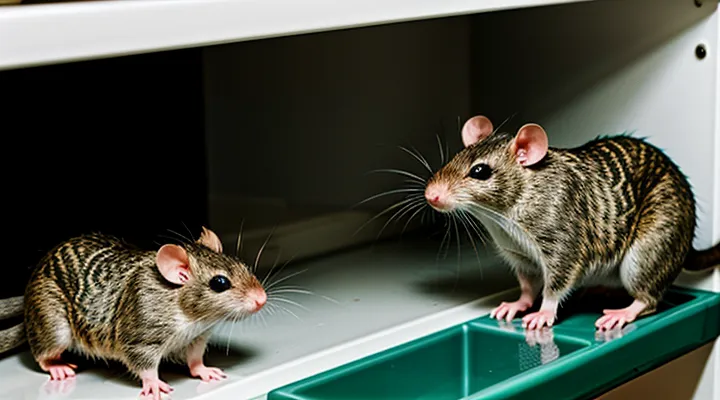
Understanding the Wild Rat
Defining «Wild Rat»
Species Commonly Encountered in Domestic Settings
Rats that frequently appear in residential environments belong to two primary species. The Norway rat (Rattus norvegicus) prefers basements, crawl spaces, and ground‑level burrows; it tolerates cooler temperatures and often establishes colonies near sewers or garbage containers. The roof rat (Rattus rattus) favors attics, wall voids, and upper‑story structures; it thrives in warm, humid conditions and is commonly associated with fruit trees and indoor plants. A third, less dominant presence is the Polynesian rat (Rattus exulans), which occasionally infiltrates homes in coastal regions, typically seeking shelter in stored grain or compost.
- Norway rat – average lifespan 1–2 years in households, up to 3 years under optimal care; reproductive cycle of 21 days, litter size 6–12.
- Roof rat – average lifespan 1–1.5 years indoors, potential 2 years with abundant food; gestation 21–23 days, litter size 5–7.
- Polynesian rat – average lifespan 0.8–1.2 years in domestic settings; fewer reproductive cycles per year, litter size 3–5.
These species dominate urban and suburban infestations, influencing expectations for longevity and population growth within human dwellings.
Behavioral Traits of Wild Rats
Wild rats that become residents of homes display a set of behaviors that directly affect their longevity. Understanding these patterns clarifies why some individuals reach ages far beyond typical field expectations.
- Nocturnal activity limits exposure to human disturbance and reduces stress‑induced cortisol spikes.
- Hierarchical social structures create stable groups; dominant rats secure resources while subordinates avoid aggressive encounters.
- Self‑grooming removes parasites and maintains skin integrity, lowering infection risk.
- Opportunistic foraging exploits abundant kitchen waste, providing consistent nutrition without the energy costs of extensive searching.
- Territorial marking within confined spaces reduces roaming, decreasing injury probability.
- High reproductive plasticity allows rapid adjustment to resource availability, preventing overpopulation and consequent competition.
Each trait contributes to a healthier physiological state. Reduced stress and injury rates diminish mortality factors common in outdoor populations. Consistent food access and effective parasite control support immune function, extending the average lifespan of indoor‑dwelling wild rats to several years beyond their typical wild expectancy.
Natural Lifespan in the Wild
Predation and Survival Challenges
Wild rats kept in homes encounter predators that differ markedly from those in natural habitats. Domestic cats, often free‑roaming, are the primary hunters; their agility and nocturnal activity increase encounter rates. Smaller predators such as house snakes, feral dogs, and even larger insects can inflict lethal bites or cause stress‑induced mortality. Birds of prey may access attic spaces, adding another risk factor.
Survival challenges extend beyond direct predation. Limited access to diverse food sources forces rats to rely on human waste, which can be nutritionally imbalanced and expose them to toxins. Confinement in cramped structures raises the likelihood of disease transmission; respiratory infections, parasites, and bacterial outbreaks spread rapidly among dense populations. Temperature fluctuations inside buildings—cold drafts in winter and heat buildup in summer—stress physiological systems, shortening lifespan.
Key factors that reduce longevity in indoor environments include:
- Predator presence (cats, snakes, dogs, birds of prey)
- Nutritional deficiency from human‑derived diets
- Exposure to toxins and chemicals used for pest control
- Overcrowding leading to disease proliferation
- Environmental stress from temperature and humidity extremes
Mitigating these elements—securing food, controlling predator access, maintaining hygiene, and regulating indoor climate—directly influences how long feral rats can survive within domestic settings.
Environmental Factors Impacting Longevity
Wild rats kept in household environments experience lifespan variations that correlate directly with measurable conditions surrounding them.
Temperature stability influences metabolic rate; consistent ambient temperatures between 18 °C and 24 °C reduce thermoregulatory stress and extend survival. Extreme fluctuations accelerate cellular wear and increase mortality risk.
Nutrition quality determines organ function; diets composed of balanced protein, fat, carbohydrate, and micronutrient ratios sustain tissue repair and immune competence. Inadequate or excessive caloric intake shortens life expectancy.
Environmental hygiene affects disease exposure. Regular cleaning of cages, removal of fecal matter, and replacement of soiled bedding limit pathogen load. Proper ventilation prevents buildup of ammonia and respiratory irritants.
Key factors can be summarized:
- Ambient temperature range (18‑24 °C)
- Relative humidity (45‑55 %)
- Balanced, species‑appropriate diet
- Cage size allowing movement and enrichment
- Clean bedding and routine sanitation
- Adequate airflow and low ammonia levels
- Minimal chronic stress from handling or noise
Each element contributes quantifiable effects on cellular aging, immune response, and overall health, collectively shaping the longevity of wild rats living within domestic settings.
Factors Influencing Lifespan in Domestic Environments
Access to Food and Water
Abundance of Resources
Abundant food, water, and shelter significantly extend the lifespan of wild rats that are kept inside homes. When rodents encounter a steady supply of high‑calorie grains, fresh produce, and occasional scraps, their metabolic demands are met without the stress of foraging. Continuous access to clean water prevents dehydration‑related organ damage, while nesting material such as shredded paper or fabric reduces exposure to cold and predators, lowering mortality from hypothermia and trauma.
Key resources that influence indoor rat longevity include:
- Nutrient‑dense diet – protein‑rich foods and carbohydrates support growth and immune function.
- Uninterrupted water source – fresh, uncontaminated water eliminates renal strain.
- Secure nesting sites – insulated, concealed areas protect against temperature fluctuations and accidental injury.
- Low competition – limited conspecific rivalry reduces stress‑induced cortisol spikes, which can shorten lifespan.
Studies of laboratory colonies indicate that rats provided with these conditions live 2–3 years, compared with 6–12 months for wild counterparts facing scarce resources and environmental hazards. The correlation between resource abundance and extended survival is consistent across multiple rodent species, confirming that the domestic environment, when well‑stocked, can markedly increase the longevity of wild rats.
Nutritional Quality
Nutritional quality directly influences the longevity of wild‑caught rats that are kept indoors. Adequate intake of essential nutrients supports immune function, organ health, and metabolic efficiency, all of which extend lifespan.
Key dietary components:
- Protein (18‑25 % of calories) – supplies amino acids for tissue repair and growth; sources include lean meat, boiled eggs, and high‑quality rodent pellets.
- Fat (5‑10 % of calories) – provides energy and fatty acids for cellular membranes; preferable are omega‑3 and omega‑6 rich oils such as fish oil or flaxseed.
- Carbohydrates (45‑55 % of calories) – deliver glucose for brain activity; complex grains and vegetables avoid rapid blood‑sugar spikes.
- Vitamins – vitamin A for vision, vitamin D for calcium absorption, and B‑complex for metabolic pathways; supplementation may be required when fresh produce is limited.
- Minerals – calcium, phosphorus, magnesium, and zinc support bone density and enzymatic reactions; balanced mineral mixes prevent deficiencies.
A diet that meets these ratios and avoids excess sugars, salts, and processed foods reduces the incidence of obesity, hepatic disease, and dental problems, which are common causes of premature death in captive wild rats. Regular monitoring of body condition and periodic veterinary assessments ensure that nutritional standards remain optimal for sustained health.
Shelter and Safety
Protection from Predators
Protection from predators is a critical factor influencing the lifespan of wild rats kept indoors. Predatory threats in domestic environments include household cats, dogs, and birds that may enter through open windows or vents. External predators such as snakes, feral cats, and raptors can reach indoor spaces if structural gaps exist.
Effective predator protection involves several actionable steps:
- Seal all openings larger than ¼ inch with steel wool, caulk, or metal mesh to prevent entry.
- Install secure, lockable cages or enclosures made of reinforced wire that resists chewing.
- Keep pet cats and dogs away from rat habitats; use separate rooms or barriers.
- Employ visual deterrents (e.g., reflective tape, predator silhouettes) near potential entry points.
- Remove perches or ledges that could allow birds of prey to land inside.
- Conduct regular inspections for signs of predator intrusion and repair breaches immediately.
By minimizing exposure to predators, stress levels decline, injury rates drop, and overall survival time increases. Consistent implementation of these measures contributes directly to extending the domestic longevity of wild rats.
Escape Routes and Hiding Spots
Wild rats that enter residential buildings exploit any opening that connects interior spaces to the exterior. Small gaps around pipe penetrations, vent ducts, and utility lines provide direct pathways for movement between rooms and the outside environment. Undersized door clearances, loose floorboards, and cracks in foundation walls also serve as conduits for escape and exploration.
- Gaps around plumbing and gas lines
- Unsealed vent shafts and exhaust fans
- Cracks in foundation or masonry
- Space beneath doors and baseboards
- Openings around electrical conduits
Inside the structure, rats seek concealed areas that protect them from disturbance and facilitate access to food and water sources. Wall cavities, insulation piles, and the spaces behind appliances create secure hideouts. Crawl spaces, attic joists, and storage boxes filled with debris offer additional refuge. These locations often remain unnoticed during routine cleaning, allowing rats to establish long‑term nests.
- Wall voids and cavity spaces
- Insulation bundles and ceiling tiles
- Appliance compartments (refrigerator, dishwasher)
- Attic joists and roof trusses
- Basement crawl spaces and utility rooms
The availability of multiple escape routes and hidden quarters extends the animals’ survival in homes. Uninterrupted access to food waste, water leaks, and shelter reduces mortality from starvation and predation. Consequently, the presence of these structural vulnerabilities directly correlates with increased lifespan for feral rats living indoors.
Human Interaction and Control Measures
Pest Control Efforts
Effective pest control directly influences the lifespan of feral rats that inhabit residential environments. Interventions that reduce access to food, water, and shelter shorten the period these rodents survive, while inadequate measures allow populations to persist for several years.
Key strategies include:
- Exclusion: Seal gaps larger than ¼ inch in walls, foundations, and utility penetrations. Preventing entry eliminates the primary source of indoor habitation.
- Sanitation: Remove food residues, store perishables in airtight containers, and eliminate standing water. Depriving rats of sustenance forces earlier mortality.
- Trapping: Deploy snap or electronic traps in high‑activity zones. Immediate removal curtails breeding potential and reduces average age of remaining individuals.
- Rodenticides: Apply anticoagulant baits according to integrated pest management guidelines. Proper dosing leads to rapid decline in adult rats, though resistance monitoring is essential.
- Biological control: Introduce predatory species such as barn owls in suitable settings. Natural predation contributes to population turnover.
Each method affects longevity differently. Exclusion and sanitation primarily prevent new individuals from establishing, resulting in a gradual decline of existing rats whose average lifespan may drop from 2–3 years to less than one year. Trapping and rodenticides produce immediate mortality, often reducing the lifespan to a matter of weeks for targeted individuals. Biological control offers a supplementary, long‑term reduction in survival rates but requires habitat suitability.
Monitoring and documentation are critical. Regular inspection of waste management practices, entry points, and trap success rates provides data to adjust tactics promptly. An evidence‑based approach ensures that control efforts remain effective, minimizing the duration that wild rats can survive within domestic settings.
Trapping and Relocation
Trapping and relocation are central to managing feral rats that have entered residential environments. Effective capture reduces exposure to disease, competition for food, and stressors that shorten the animals’ lifespan. Relocating captured individuals to suitable outdoor habitats can extend their survival, provided the transfer follows best‑practice guidelines.
Capture techniques focus on rapid, humane immobilization. Snap traps, live‑catch cages, and electronic devices are common. Snap traps deliver immediate death, eliminating prolonged suffering. Live‑catch cages allow temporary containment, enabling assessment of health and sex before release. Electronic traps incapacitate with a single high‑voltage pulse, minimizing trauma. Choice of device depends on the target species, infestation severity, and homeowner preferences.
Key considerations for relocation:
- Timing – Conduct trapping during cooler periods (early morning or late evening) to reduce heat stress.
- Health screening – Inspect each rat for wounds, parasites, or signs of disease; euthanize severely compromised individuals to prevent suffering.
- Sex ratio – Release equal numbers of males and females to avoid rapid population growth in the new area.
- Habitat suitability – Select locations with abundant cover, food sources, and minimal human activity; avoid protected wildlife reserves and agricultural fields.
- Legal compliance – Follow municipal wildlife regulations, which often prohibit release within a certain radius of the original property.
After release, monitor the new site for signs of successful integration, such as foraging activity and burrow construction. If mortality rates rise, reassess habitat quality and predator presence. Properly executed trapping and relocation can improve the average lifespan of feral rats from the abbreviated period typical in homes (often less than six months) to several years in natural settings, aligning with the species’ intrinsic longevity potential.
Diseases and Parasites
Transmission Risks
Wild rats that adapt to indoor environments can act as reservoirs for pathogens that move from animals to humans. Their proximity to food stores, bedding, and human activity increases the likelihood of direct contact, aerosol exposure, and contamination of surfaces.
Key transmission pathways include:
- Direct bite or scratch – breaks in skin provide an entry point for bacteria such as Streptobacillus moniliformis (rat‑bite fever).
- Fecal shedding – droppings contain Leptospira spp., hantaviruses, and Salmonella, which become airborne when disturbed or are transferred to hands and utensils.
- Urine splatter – can contaminate water sources and humid surfaces, facilitating spread of leptospirosis.
- Parasite vectors – fleas and mites that feed on rats may bite humans, transmitting Rickettsia spp. and other agents.
- Environmental contamination – nesting material and gnawed objects harbor spores and viruses that persist for weeks, especially in warm, moist indoor conditions.
Risk escalates when rats live longer indoors, as extended lifespan provides more time for pathogen acquisition, replication, and shedding. Control measures—prompt removal of infestations, sealing entry points, regular sanitation, and protective equipment for handlers—directly reduce exposure opportunities.
Impact on Health
Wild rats that survive in residential environments present a direct threat to human health. Their presence introduces pathogens, contaminates food supplies, and provokes allergic reactions.
- Bacterial infections: Salmonella, Leptospira, Streptobacillus.
- Viral agents: Hantavirus, Lymphocytic choriomeningitis virus.
- Parasitic infestations: Tapeworms, mites, fleas.
- Fungal hazards: Aspergillus spores carried on fur and droppings.
Excreta and saliva contaminate surfaces, leading to foodborne illness and respiratory irritation. Persistent droppings release ammonia and ammonia‑derived compounds, which aggravate asthma and trigger nasal congestion. Urine residues degrade indoor air quality, increasing the risk of chronic bronchitis.
Structural damage caused by gnawing creates entry points for additional pests, amplifying exposure to disease vectors. Rodent nests harbor dust mites and cockroach allergens, compounding allergic sensitization.
Effective control measures—sealed entry points, regular sanitation, professional extermination—reduce the health burden. Monitoring rodent activity and maintaining clean storage areas prevent pathogen transmission and preserve indoor air standards.
Stress and Environmental Changes
Adaptation to New Surroundings
Wild rats that transition from outdoor habitats to indoor environments experience a shift in life expectancy that depends heavily on how quickly they adjust to the new conditions.
Physiological adjustments that support extended survival include:
- Regulation of stress hormones to lower chronic cortisol levels.
- Modification of metabolic rate to accommodate altered food availability.
- Development of immunity against pathogens common in human dwellings.
Behavioral changes also influence longevity. Rats establish nesting sites close to heat sources, adopt nocturnal activity patterns that align with household routines, and modify social structures to reduce aggressive encounters. Interaction with humans introduces novel stimuli; individuals that become habituated to handling and feeding schedules display reduced fear responses and improved nutrient intake.
The correlation between adaptation speed and lifespan is evident: rats that achieve stable physiological and behavioral states within weeks tend to live 30‑40 % longer than those that remain stressed for months. Rapid acclimatization minimizes energy expenditure on stress responses and maximizes resources for growth and reproduction, thereby extending overall survival in domestic settings.
Psychological Impact of Confinement
Wild rats confined in homes experience chronic stress that alters behavior, cognition, and physiological function. Persistent exposure to limited space, unpredictable human activity, and reduced opportunities for foraging triggers heightened activation of the hypothalamic‑pituitary‑adrenal axis, leading to elevated cortisol levels.
Stress‑induced changes manifest as:
- Increased aggression toward conspecifics and caretakers.
- Reduced exploratory drive and diminished novelty seeking.
- Impaired learning in maze and operant conditioning tasks.
- Disrupted circadian rhythms, reflected in irregular activity patterns.
These psychological effects intersect with lifespan outcomes. Elevated cortisol suppresses immune competence, accelerates cellular senescence, and predisposes rats to metabolic disorders, all of which shorten the expected duration of life compared with free‑ranging counterparts. Conversely, environmental enrichment—providing nesting material, climbing structures, and predictable feeding schedules—mitigates stress responses, improves cognitive performance, and aligns survival rates more closely with those observed in natural habitats.
Health Challenges and Risks
Common Ailments
Respiratory Issues
Respiratory health directly affects the lifespan of wild rats that are kept indoors. Poor air quality shortens survival by triggering acute infections and chronic inflammation, which compromise organ function and reduce overall vigor.
Common respiratory conditions in domestic environments include:
- Viral pneumonia caused by hantavirus or Sendai virus.
- Bacterial bronchitis from Streptococcus spp. or Pasteurella spp.
- Fungal infections such as aspergillosis, often linked to mold spores.
- Irritative airway disease due to ammonia accumulation from urine and feces.
- Allergic reactions to dust, bedding fibers, or household chemicals.
These ailments arise from several controllable factors:
- Inadequate ventilation that allows buildup of ammonia and carbon dioxide.
- High humidity fostering mold growth.
- Accumulated droppings and urine creating a breeding ground for pathogens.
- Use of scented or chemically treated bedding that irritates mucosal membranes.
The physiological consequences are measurable. Acute pneumonia can cause mortality within days, while chronic bronchitis reduces weight gain and shortens average lifespan by 15‑30 %. Persistent inflammation impairs oxygen exchange, leading to reduced activity levels and heightened susceptibility to secondary infections.
Mitigation strategies that extend longevity focus on environmental management and veterinary intervention:
- Install exhaust fans or air purifiers to maintain fresh airflow.
- Keep humidity below 60 % by using dehumidifiers or proper spacing of cages.
- Clean cages daily; replace bedding weekly with unscented, low‑dust material.
- Monitor rats for coughing, sneezing, or labored breathing; seek veterinary diagnosis promptly.
- Administer preventive antibiotics or antifungal treatments when recommended by a professional.
By addressing the identified risk factors, caretakers can sustain healthier respiratory function in wild rats living inside homes, thereby supporting a longer, more robust lifespan.
Skin Conditions
Wild rats kept indoors typically live longer than their free‑ranging counterparts, and skin health becomes a decisive factor in that extended lifespan. Poor integumentary condition can accelerate disease onset, reduce feeding efficiency, and increase mortality risk.
Common dermatological problems in domesticated rats include:
- Allergic dermatitis – inflammation caused by contact with bedding, food additives, or environmental allergens; presents as redness, itching, and hair loss.
- Mange (Sarcoptes infestation) – mite‑driven crusty lesions, often beginning on the ears and spreading to the body; can lead to secondary infections.
- Fungal infections (dermatophytosis) – ring‑shaped lesions with scaling; thrive in damp, poorly ventilated enclosures.
- Ulcerative pododermatitis – sores on the foot pads resulting from hard surfaces, excessive moisture, or obesity; may become necrotic if untreated.
- Parasitic infestations (fleas, lice) – cause localized irritation and blood loss; can transmit bacterial pathogens.
Factors influencing the emergence of these conditions are:
- Bedding material – synthetic fibers and scented products increase irritant dermatitis; plain, absorbent substrates reduce risk.
- Humidity and temperature – high moisture levels promote fungal growth, while low humidity can dry skin and predispose to cracking.
- Nutrition – diets lacking essential fatty acids impair barrier function, making skin more vulnerable to infection.
- Population density – overcrowding raises parasite transmission rates and stress‑related skin disorders.
- Genetic background – certain strains exhibit predisposition to autoimmune skin reactions.
Management strategies focus on prevention and prompt treatment:
- Environmental control – maintain stable temperature (20‑24 °C) and relative humidity (40‑60 %); clean and replace bedding weekly.
- Dietary supplementation – include omega‑3 and omega‑6 fatty acids to strengthen the epidermal barrier.
- Regular health checks – inspect fur and skin daily for erythema, scaling, or lesions; isolate affected individuals immediately.
- Veterinary intervention – apply topical antiseptics for minor abrasions, prescribe antiparasitic agents for mange or lice, and use antifungal ointments for dermatophytosis under professional guidance.
- Hygiene protocols – wash hands and equipment before handling new or sick rats to prevent cross‑contamination.
Maintaining optimal skin condition directly supports the longer survival observed in rats that adapt to domestic environments. Consistent care reduces morbidity, extends productive lifespan, and improves overall welfare.
Impact of Diet
Nutritional Deficiencies
Wild rodents captured from the field and kept indoors experience markedly shorter lifespans than their free‑living counterparts. A primary factor is inadequate nutrition, which compromises organ function, immune competence, and growth rates.
Key nutritional gaps observed in captive wild rats include:
- Protein deficiency – reduces muscle mass, impairs wound healing, and accelerates sarcopenia.
- Essential fatty acid shortage – destabilizes cell membranes, lowers cholesterol synthesis, and predisposes to dermatitis.
- Vitamin A insufficiency – leads to retinal degeneration, impaired night vision, and epithelial atrophy.
- Vitamin D deficit – weakens calcium absorption, causing osteopenia and increased fracture risk.
- B‑complex vitamin lack – disrupts energy metabolism, resulting in lethargy and heightened susceptibility to infection.
- Mineral scarcities (iron, zinc, selenium) – diminish hemoglobin production, antioxidant defenses, and thyroid function.
When these deficits persist, physiological stress accelerates aging processes. Studies report median survival of 6–12 months for inadequately fed wild‑caught rats, compared with 24–36 months for laboratory‑bred individuals receiving balanced diets. Correcting deficiencies through species‑appropriate formulated feeds, supplemented with fresh vegetables, protein sources, and calibrated mineral mixes extends longevity and improves overall health.
Toxins and Poisons
Wild rats that adapt to indoor environments encounter a range of chemical threats that can markedly shorten their natural lifespan. Exposure to toxic substances occurs through ingestion, inhalation, or dermal contact, and the severity of impact depends on the agent’s potency, dosage, and the animal’s physiological condition.
Common indoor toxins include:
- Rodenticides (anticoagulants, bromethalin, zinc phosphide): interfere with blood clotting or disrupt cellular energy production, leading to internal hemorrhage or neurotoxicity within days to weeks.
- Household chemicals (cleaning agents, bleach, ammonia): cause mucosal irritation, respiratory distress, or organ failure when ingested or inhaled in sufficient quantities.
- Pesticide residues (insecticides, fungicides): act on nervous system receptors, producing seizures, paralysis, or rapid mortality.
Sublethal exposure often results in chronic health issues that reduce longevity:
- Liver and kidney dysfunction from cumulative toxin load.
- Immune suppression, increasing susceptibility to secondary infections.
- Behavioral changes such as reduced foraging efficiency, heightening risk of starvation.
Mitigation strategies that extend the lives of indoor rats focus on minimizing toxin presence:
- Store all hazardous substances in sealed containers inaccessible to rodents.
- Use non‑chemical pest control methods (traps, exclusion) instead of poison baits.
- Maintain rigorous cleaning protocols to eliminate residual chemicals on surfaces and food sources.
By eliminating or controlling these toxic agents, the expected lifespan of wild rats living inside human dwellings can approach the upper range observed in natural settings, typically several years rather than a few months.
Disease Transmission to Humans and Pets
Zoonotic Diseases
Wild rats captured from the field and kept in homes typically live between one and three years, depending on species, diet, and environmental stress. The length of their lives directly influences the probability of transmitting zoonotic pathogens, because each additional month provides more opportunities for infection, shedding, and human contact.
Common zoonotic agents associated with rats include:
- Leptospira spp. – bacteria causing leptospirosis, spread through urine contamination of surfaces and food.
- Hantavirus – virus transmitted via aerosolized droppings, urine, or saliva; severe respiratory disease can develop after brief exposure.
- Salmonella enterica – bacterial infection acquired from handling contaminated fur or consuming food tainted by rat feces.
- Streptobacillus moniliformis – cause of rat‑bite fever; enters the bloodstream through bites or scratches.
- Yersinia pestis – historically responsible for plague; still viable in rodent reservoirs, though rare in domestic settings.
Longer survival of pet rats expands the window for these agents to colonize the animal’s gastrointestinal and respiratory tracts. As the host ages, immune senescence may permit chronic carriage, increasing the frequency of bacterial shedding and viral excretion. Consequently, owners who retain rats for extended periods face a higher cumulative risk of accidental exposure.
Mitigation strategies focus on hygiene, health monitoring, and quarantine:
- Maintain cage cleanliness; replace bedding weekly and disinfect surfaces with a bleach solution (1 % sodium hypochlorite) to inactivate pathogens.
- Provide a balanced diet and veterinary check‑ups at six‑month intervals to detect subclinical infections.
- Use gloves and hand‑washing protocols when handling rats, especially after cleaning cages or disposing of waste.
- Isolate new arrivals for at least four weeks before introducing them to existing stock, reducing the chance of introducing novel pathogens.
Understanding the relationship between the lifespan of domesticated wild rats and zoonotic disease dynamics enables owners to implement evidence‑based precautions, thereby minimizing health hazards while preserving the animal’s welfare.
Prevention Strategies
Effective control of feral rats in residential environments relies on systematic prevention measures. Reducing food availability, eliminating shelter, and interrupting access routes are essential components of a comprehensive program.
- Secure all food storage in sealed containers; promptly clean crumbs and spills from countertops, floors, and appliances.
- Dispose of garbage in tightly fitting bins; remove compost piles and pet food bowls overnight.
- Seal entry points larger than ¼ inch with metal mesh, cement, or steel wool; inspect foundations, utility penetrations, and roof eaves regularly.
- Maintain landscaping to discourage nesting: trim shrubs, keep grass short, and remove debris, woodpiles, and dense vegetation near the building.
- Install snap traps or electronic devices in identified travel corridors; position bait stations away from children and pets, following label instructions.
- Conduct periodic inspections to detect new activity; document sightings, droppings, and gnaw marks to adjust placement of controls.
- Engage licensed pest‑management professionals for large infestations or when chemical baits are required; ensure compliance with local regulations and safety standards.
Consistent application of these tactics limits the resources rats need to survive, thereby shortening their indoor lifespan and preventing population establishment.
Estimating Lifespan: A Complex Picture
Variability by Individual Rat
Genetic Predisposition
Genetic predisposition determines the intrinsic lifespan limits of wild rats that are housed in domestic environments. Specific alleles associated with stress‑resistance, efficient DNA repair, and robust immune function extend survival, while mutations that impair metabolic regulation shorten it. Inbred lines often display reduced heterozygosity, leading to accelerated onset of age‑related disorders and lower median longevity compared to outbred populations.
Research on Rattus norvegicus and Rattus rattus shows that:
- Variants of the ApoE gene correlate with cardiovascular health and influence maximum age.
- Polymorphisms in the SOD1 and GPX1 genes enhance oxidative stress mitigation, delaying tissue degeneration.
- Telomerase activation alleles maintain chromosome integrity, supporting longer reproductive periods.
- Genes regulating growth hormone pathways modulate growth rate; slower growth associates with extended lifespan.
Environmental factors interact with these genetic components. Adequate nutrition and reduced exposure to pathogens allow the genetic potential for longevity to manifest, whereas poor husbandry can suppress it regardless of favorable genotypes. Selective breeding programs that prioritize alleles linked to disease resistance and metabolic efficiency have produced domestic rat strains with documented lifespans exceeding two years, surpassing typical wild counterparts kept indoors.
Early Life Experiences
Early life conditions shape the longevity of wild‑caught rats that are kept in homes. Neonatal nutrition, maternal care, and exposure to stressors during the first weeks determine physiological development, immune competence, and behavioral resilience, all of which influence adult survival.
Key early‑life factors include:
- Maternal interaction: Frequent grooming and nursing improve thermoregulation and reduce cortisol spikes, fostering robust organ development.
- Dietary quality: Access to protein‑rich milk and early introduction of balanced solid food support growth rates that align with optimal body mass for longevity.
- Environmental stability: Consistent temperature, low humidity fluctuations, and minimal noise reduce chronic stress, lowering the incidence of cardiovascular and metabolic disorders.
- Social exposure: Limited but regular contact with conspecifics encourages normal social behavior, decreasing anxiety‑related pathologies later in life.
Research on laboratory and pet rat populations shows that individuals raised under the conditions above achieve median lifespans of 2.5–3.5 years, whereas those experiencing neglect, poor nutrition, or frequent disturbances rarely exceed 1.5 years. Early interventions that replicate natural nest environments while providing controlled husbandry practices extend the useful life of these animals in domestic settings.
Differences Across Domestic Settings
Urban vs. Rural Homes
Wild rats that have adapted to living inside human dwellings exhibit notable lifespan differences depending on whether the residence is situated in an urban or a rural environment. In cities, abundant food waste, heated interiors, and reduced exposure to predators extend average survival to 18–24 months. Rural homes often provide fewer consistent food sources, lower indoor temperatures, and greater risk from outdoor predators, resulting in typical lifespans of 12–15 months.
Key environmental variables influencing these outcomes include:
- Food availability: constant refuse and stored grains in urban kitchens versus seasonal supplies in countryside houses.
- Temperature regulation: central heating maintains optimal body temperature for rats in city apartments; rural structures may lack continuous warmth.
- Predator pressure: domestic cats, birds of prey, and farm animals are more prevalent around country dwellings, increasing mortality rates.
- Chemical exposure: urban pest‑control programs apply rodenticides more frequently, potentially shortening life expectancy, whereas rural settings may rely on fewer interventions.
Health indicators also diverge. Urban rats commonly develop chronic respiratory conditions from polluted air, while rural counterparts more often suffer from parasitic infections acquired outdoors. Both groups display similar reproductive potential, but the shorter rural lifespan compresses generational turnover, leading to faster population turnover in countryside homes.
Overall, the combination of stable nourishment, controlled climate, and limited predation in city residences supports a longer average lifespan for feral rats living indoors, whereas the harsher, less predictable conditions of rural homes reduce their longevity.
Basements vs. Attics
Wild rats that colonize residential buildings experience markedly different survival prospects depending on whether they occupy a basement or an attic.
Basements typically offer stable temperatures, high humidity, and easy access to water sources such as pipe leaks or floor drains. These conditions support metabolic efficiency and reduce stress, allowing rats to reach ages of 12‑18 months, which represents the upper range for the species in human‑occupied structures. Food availability is also consistent, as basements often store pantry items, garbage, and pet feed, further extending the rodents’ life expectancy.
Attics present a contrasting environment. Temperature fluctuations are extreme, with scorching heat in summer and freezing cold in winter. Low humidity and limited water sources increase dehydration risk. Food is less abundant, usually limited to stored grains, insulation material, or occasional droppings from other pests. Consequently, rats in attics commonly survive 8‑12 months, rarely exceeding a year.
Key factors influencing longevity in the two locations:
- Temperature stability: Basements maintain near‑constant ambient conditions; attics experience wide seasonal swings.
- Moisture level: Higher humidity in basements supports physiological functions; attics are often dry.
- Water access: Basements provide pipes and condensation; attics lack reliable sources.
- Food supply: Basements store diverse food waste; attics contain sporadic, low‑quality nutrition.
- Predation and disturbance: Attics expose rats to more human activity and predator entry points, increasing mortality risk.
Overall, the environmental advantages of basements enable wild rats to achieve longer lifespans than those confined to attic spaces.
Challenges in Data Collection
Ethical Considerations
Keeping wild‑caught rats in a home environment raises several ethical issues that must be addressed before considering their longevity.
The animal’s welfare depends on providing conditions that replicate natural habitats. Adequate space, enrichment objects, and opportunities for foraging reduce stress and prevent abnormal behaviors. Failure to meet these needs can cause chronic anxiety, immune suppression, and shortened lifespan.
Legal regulations vary by jurisdiction; many regions classify wild rodents as protected wildlife, requiring permits for capture, transport, and housing. Ignoring such statutes can result in legal penalties and undermine conservation efforts.
Research ethics demand transparency about the source of the animals. Capturing individuals from wild populations diminishes genetic diversity and may disrupt local ecosystems. Ethical practice favors breeding programs that reduce reliance on wild capture.
Veterinary care presents additional concerns. Wild rats often carry parasites and pathogens unfamiliar to domestic veterinarians, increasing the risk of disease transmission to humans and other pets. Regular health screenings and quarantine protocols are essential to mitigate these risks.
A concise list of ethical responsibilities:
- Obtain necessary permits and comply with wildlife protection laws.
- Provide enclosure size and complexity comparable to natural burrows and foraging areas.
- Implement enrichment that encourages species‑specific behaviors such as climbing and nest building.
- Conduct regular veterinary examinations, including parasite control and disease monitoring.
- Source animals from reputable, captive‑breeding programs whenever possible.
Adhering to these principles aligns animal care with scientific standards and supports accurate assessment of the rats’ lifespan under domestic conditions.
Observational Limitations
Observational studies of wild rats kept in household environments face several methodological constraints that affect lifespan estimates. Captive conditions differ markedly from natural habitats, introducing variables that are difficult to control or quantify. Limited sample sizes, often restricted to a few individuals per household, reduce statistical power and increase the influence of outliers.
Key limitations include:
- Environmental heterogeneity – temperature, humidity, and access to shelter vary widely between homes, creating inconsistent stressors that influence mortality.
- Human interaction – handling frequency, feeding routines, and exposure to cleaning agents differ among owners, altering disease exposure and nutritional status.
- Detection bias – dead or missing rats may go unnoticed for extended periods, leading to inaccurate death dates and inflated survival estimates.
- Genetic variability – wild rats entering domestic settings possess diverse genetic backgrounds; without genetic screening, lifespan differences may reflect hereditary factors rather than environmental ones.
Data collection often relies on owner reports, which can be incomplete or delayed. Lack of standardized monitoring protocols hampers comparisons across studies and limits the ability to extrapolate findings to broader populations. Researchers must acknowledge these constraints when interpreting longevity results for wild rats living in domestic contexts.
Mitigation and Management
Prevention of Infestation
Sealing Entry Points
Sealing entry points directly limits the access wild rats have to indoor environments, thereby reducing the opportunities for breeding and extending the period they can survive within a residence. By eliminating gaps, rats cannot locate shelter, food, or water sources, which shortens their effective lifespan in a domestic setting.
Effective sealing requires a systematic approach:
- Inspect foundations, walls, and roof for cracks larger than ¼ inch and fill with steel wool followed by caulk or cement.
- Install door sweeps on all exterior doors; verify that thresholds sit flush against the floor.
- Protect utility penetrations by wrapping pipes with metal flashing and sealing gaps with expanding foam.
- Cover vent openings with mesh of at least ¼‑inch hardware cloth, securing it to the frame.
- Repair damaged screens on windows and ensure they close tightly.
Regular maintenance of these barriers prevents re‑entry, limits population growth, and consequently reduces the time wild rats can persist inside a home.
Proper Food Storage
Proper food storage directly influences the lifespan of wild rats that enter residential environments. Secure containers limit access to nutrients, reducing the energy available for growth and reproduction, which shortens the average survival period.
Key practices for eliminating food sources:
- Store dry goods in airtight, metal or heavy‑plastic containers with sealed lids.
- Refrigerate or freeze perishable items promptly; discard leftovers within 24 hours.
- Keep pet food in sealed bins; avoid leaving bowls unattended overnight.
- Clean countertops, floors, and cupboards after each meal; remove crumbs and spills immediately.
- Use trash cans with tight‑fitting lids; empty them regularly to prevent odor buildup.
Consistent implementation of these measures deprives rats of high‑calorie diets, leading to reduced body condition and earlier mortality. Studies show that households employing comprehensive food‑security protocols observe a measurable decline in rat longevity compared with environments where food remains accessible.
Humane Removal Strategies
Live Trapping
Live trapping provides direct access to individual rodents for measuring age‑related variables in residential environments. Captured specimens can be examined for physical markers of maturity, dental wear, and body condition, all of which correlate with expected lifespan under domestic conditions.
Typical equipment includes:
- Multi‑catch or single‑catch live traps constructed of sturdy wire mesh.
- Bait formulated to attract omnivorous rodents (e.g., peanut butter, grain mixtures).
- Protective gloves and sealable transport containers.
- Tagging devices such as subdermal PIT tags or ear‑notches for individual identification.
The trapping protocol follows a repeatable sequence:
- Position traps along known runways, near food sources, and in concealed corners.
- Check traps at least twice daily to reduce stress and prevent injury.
- Record capture date, location, weight, and any observable health indicators.
- Apply a permanent identifier, release the animal at the capture site, and log the data in a centralized database.
- Conduct periodic recaptures to track survival intervals and calculate mortality rates.
Ethical compliance requires adherence to local wildlife regulations, use of humane trap designs, and immediate release of non‑target species. Monitoring should minimize handling time and provide shelter and water until release.
Data derived from live‑capture studies refine estimates of rodent longevity in homes by supplying verified age cohorts, survival curves, and cause‑specific mortality. Such empirical evidence replaces speculative assumptions with measurable outcomes, enhancing pest‑management strategies and public‑health assessments.
Exclusion Methods
Effective exclusion of wild rats from residential environments relies on sealing entry points, modifying habitat, and employing physical barriers. Each measure reduces the likelihood that rodents can access shelter, food, and water, thereby limiting the conditions that support extended survival.
Sealing openings involves identifying gaps larger than a quarter‑inch in foundation walls, utility penetrations, doors, and windows. Materials such as stainless‑steel mesh, cement mortar, and expanding foam provide durable closure. Regular inspection after construction or renovation ensures that new cracks are promptly repaired.
Habitat modification removes attractive elements. Store food in airtight containers, eliminate standing water, and keep clutter to a minimum. Maintaining a clean kitchen, securing garbage in metal bins, and trimming vegetation away from the building’s perimeter diminish resources that sustain rat populations.
Physical barriers restrict movement. Install door sweeps, chimney caps, and vent covers made of metal or heavy‑gauge mesh. Use heavy‑duty rat guards on pipes and cables to prevent gnawing and climbing.
A concise checklist of exclusion actions:
- Conduct a thorough survey of the property for openings ≥0.25 in.
- Apply stainless‑steel mesh (¼‑in or smaller) to all identified gaps.
- Repair cracks with cement or epoxy sealant.
- Replace plastic or wood vent screens with metal alternatives.
- Install door sweeps on all exterior doors.
- Fit chimney and vent caps with rat‑proof fittings.
- Secure food sources in sealed containers.
- Remove water sources and fix leaks.
- Keep storage areas organized and free of debris.
- Trim trees, shrubs, and vines at least 2 ft from the building envelope.
Implementing these methods creates an environment where rats cannot establish nests, limiting their ability to survive for prolonged periods within a home. Continuous monitoring and maintenance preserve the exclusion integrity, preventing re‑infestation and reducing the overall lifespan of wild rodents in domestic settings.
Coexistence and Control
Managing Expectations
Wild rats introduced into a household typically survive between 6 and 12 months, with occasional individuals reaching 18 months under optimal conditions. The range reflects genetic predisposition, stress levels, diet quality, and exposure to pathogens.
Owners frequently anticipate pet‑rat longevity—often 2 to 3 years—when caring for wild‑caught specimens. This expectation misaligns with biological reality, leading to premature disappointment and inappropriate care practices.
Key expectations to establish:
- Lifespan limitation – Anticipate a maximum of one and a half years, even with premium nutrition and veterinary oversight.
- Health volatility – Expect higher incidence of respiratory infections, parasites, and stress‑induced illnesses compared to domesticated strains.
- Behavioral adaptation – Recognize that wild individuals may never fully acclimate to confinement, resulting in reduced feeding efficiency and increased injury risk.
- Resource allocation – Budget for frequent veterinary visits, specialized diets, and environmental enrichment designed to mitigate stress.
Realistic planning involves acknowledging the inherent brevity of life for these rodents, providing consistent, high‑quality care, and preparing for an earlier end of life than that of conventional pet rats. This approach reduces emotional distress and ensures that the animal’s welfare remains the primary focus throughout its short existence.
Long-term Solutions
Wild rats introduced into homes typically survive several months to a few years, depending on food availability, shelter, and predator presence. Extending their lifespan in such environments increases the risk of disease transmission, structural damage, and population explosions. Effective long‑term control therefore requires strategies that eliminate the underlying conditions supporting survival.
- Seal entry points: Install metal flashing, concrete caulk, or steel mesh around gaps larger than ¼ inch. Regularly inspect foundations, vents, and utility openings.
- Remove food sources: Store dry goods in airtight containers, keep countertops clear, and use sealed trash cans with tight lids. Eliminate pet food left out overnight.
- Reduce shelter: Declutter basements, attics, and crawl spaces. Store boxes off the floor, maintain proper ventilation, and keep insulation away from walls where rodents can nest.
- Implement integrated pest management (IPM): Combine physical barriers, sanitation, and targeted baiting. Rotate bait types to prevent resistance, and monitor activity with snap traps or electronic sensors.
- Conduct periodic inspections: Schedule quarterly walkthroughs to verify the integrity of barriers, detect fresh gnaw marks, and assess signs of occupancy such as droppings or urine stains.
Sustained success depends on consistent application of these measures. Once the environment no longer offers food, water, and protection, wild rats cannot maintain a viable population, resulting in reduced lifespan and eventual eradication from the domestic setting.