
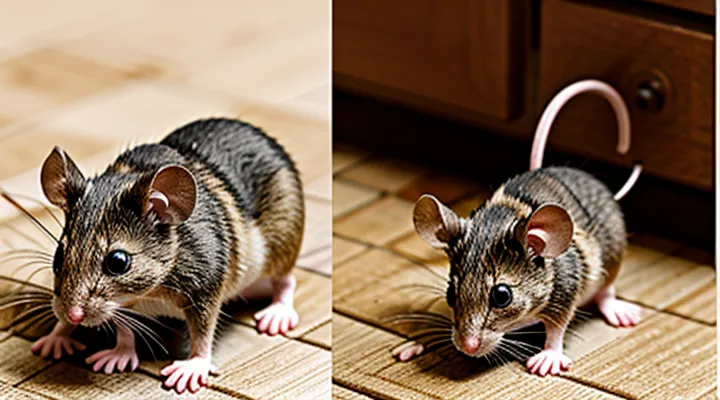
Understanding Mouse Behavior and Safety Precautions
Why Mice Are a Problem
Mice infestations create immediate health hazards. They carry pathogens such as hantavirus, salmonella, and leptospira, which can be transmitted through urine, droppings, and saliva. Contaminated surfaces increase the risk of foodborne illness for humans and pets.
Structural damage follows quickly. Rodent incisors gnaw electrical wiring, compromising fire safety and causing costly repairs. They also chew insulation, flooring, and furniture, leading to weakened building integrity.
Food stores suffer rapid loss. Mice infiltrate pantries, contaminating grains, canned goods, and fresh produce. Their presence shortens shelf life and forces disposal of otherwise edible items, raising household expenses.
Reproduction rates exacerbate the problem. A single female can produce up to ten litters annually, each containing five to six offspring. Populations can double within weeks, overwhelming control measures if left unchecked.
Behavioral traits contribute to nuisance. Nocturnal activity generates audible scratching and scurrying, disrupting sleep and increasing stress for occupants.
Collectively, these factors justify the development of effective, homemade trapping solutions to mitigate health risks, protect property, and preserve food supplies.
Humane vs. Lethal Traps: Ethical Considerations
Homemade mouse‑trapping projects often raise the question of whether to employ humane or lethal devices. Humane traps capture rodents alive, allowing release at a safe distance; lethal traps deliver an immediate kill. The choice impacts animal welfare, public health, and legal compliance.
- Humane traps reduce suffering, comply with many municipal regulations, and prevent the spread of disease through carcass disposal.
- Lethal traps provide rapid population control, require fewer follow‑up actions, and eliminate the risk of released mice returning to the property.
- Both types demand regular monitoring; neglect can lead to prolonged distress in live captures or accidental injury to non‑target species in lethal models.
Ethical assessment hinges on three criteria: the level of pain inflicted, the probability of unintended capture, and the responsibility of the trap maker to manage outcomes. Selecting a method that aligns with personal values and local statutes ensures that DIY mouse control remains effective and morally defensible.
Safety First: Handling Pests and Traps
When constructing or deploying a homemade mouse trap, the first priority is personal safety. Protective gear—gloves, eye protection, and sturdy footwear—must be worn before any contact with rodents or trapping devices. Ensure the work area is well‑ventilated and free of clutter that could cause trips or falls.
- Wear disposable nitrile gloves to prevent cuts and exposure to pathogens.
- Use safety goggles to shield eyes from sudden movements or debris.
- Keep a first‑aid kit nearby in case of puncture wounds.
- Store chemicals such as bait attractants in sealed containers away from children and pets.
Live rodents carry bacteria and parasites; handle them with caution. Capture the animal using a sealed container before removal, then place it in a disposable bag for humane euthanasia or release, according to local regulations. Immediately wash hands with soap and disinfect surfaces that have been in contact with the pest.
Trap placement demands attention to electrical and mechanical hazards. Position devices away from high‑traffic zones, electrical outlets, and food preparation areas. Verify that snap mechanisms are secured and that trigger arms are not obstructed. Test each trap with a non‑lethal load before introducing bait to confirm reliable operation.
After each use, disassemble the trap, clean all components with a diluted bleach solution, and dry thoroughly before storage. Inspect for wear, rust, or broken parts; replace damaged elements to maintain effectiveness and prevent accidental injury.
Essential Materials and Tools for DIY Traps
Common Household Items for Trap Construction
Recycled Bottles and Containers
Recycled bottles and containers provide sturdy, inexpensive components for constructing effective mouse traps. Their transparent walls allow visual confirmation of capture, while the rigid shape supports a reliable trigger mechanism.
Materials required
- Clean plastic bottle (1‑liter or larger) or glass jar with a wide mouth
- Sharp utility knife or scissors
- Small piece of stiff wire or a wooden stick for the trigger lever
- Adhesive tape or hot glue
- Bait (peanut butter, dried fruit, or cheese)
Construction steps
- Remove the bottle’s label and wash the interior thoroughly.
- Using a knife, cut the bottle near its base to create a funnel-shaped entrance; retain the top portion as a cover.
- Drill or puncture a small hole near the funnel rim; insert the trigger lever so that it pivots freely.
- Secure the lever with tape or glue, ensuring that a slight push from a mouse will release the cover.
- Apply bait to the interior surface of the funnel, positioning it just beyond the trigger point.
- Place the assembled trap on a flat surface near known mouse activity.
Operation and maintenance
- Observe the trap daily; if capture occurs, wear gloves and release the mouse outdoors or dispose of it according to local regulations.
- Clean the bottle with hot water and soap before reusing or recycling.
Utilizing reclaimed bottles minimizes waste while delivering a reliable, low‑cost solution for pest control.
Cardboard and Paper Tubes
Cardboard and paper tubes serve as the core structure for a low‑cost, effective rodent capture device. Their rigidity, lightweight nature, and easy availability make them ideal for constructing a trap that can be assembled quickly and disposed of after use.
Begin by selecting a tube approximately 3–4 inches in diameter and 6–8 inches long. Ensure the material is sturdy enough to withstand repeated pressure without collapsing. Cut the tube lengthwise, creating a seam that can be opened to insert bait and a trigger mechanism. Reinforce the cut edges with a thin strip of tape to maintain shape while allowing a hinge action.
Next, prepare a simple trigger: attach a small piece of elastic cord or a rubber band across the tube’s interior, anchoring it to the opposite wall of the tube. Position a bait platform—such as a folded piece of cardboard—so that it rests on the elastic tension. When a mouse steps onto the platform, the tension releases, causing the tube to collapse and trap the animal inside.
The assembly steps can be summarized:
- Cut tube lengthwise; keep one edge attached as a hinge.
- Tape the hinge edge for durability.
- Secure elastic cord across the interior, attaching both ends to the tube walls.
- Place bait platform on the cord, ensuring smooth movement.
- Position the trap near known rodent pathways; orient the hinge side upward for easy entry.
After placement, monitor the trap daily. When capture occurs, slide the hinge open, transfer the rodent to a humane disposal container, and reset the device by re‑tensioning the elastic cord. The entire process requires minimal tools—scissors, tape, and a rubber band—and can be repeated indefinitely with fresh tubes.
Rubber Bands and String
Rubber bands provide the necessary tension to snap a trap shut, while string transfers that force to the trigger mechanism. When combined, they create a reliable, low‑cost system that can be assembled with household supplies.
- Cut a sturdy length of string, approximately 12 inches, and attach one end securely to the rear edge of the trap base.
- Loop a wide rubber band around the front lip of the trap; the band should stretch without slipping.
- Tie the free end of the string to the middle of the rubber band, creating a V‑shaped tension line.
- Position the bait at the center of the trap platform, ensuring the string remains taut.
- Pull the string back until the rubber band reaches maximum stretch, then lock the string with a simple knot or a clothespin.
- Release the knot when a mouse steps on the platform; the rubber band contracts, pulling the string and triggering the snap.
Maintenance involves inspecting the rubber band for cracks and replacing the string if frayed. This configuration delivers consistent performance while remaining easy to disassemble for cleaning.
Basic Tools You'll Need
Cutting Implements
Cutting implements are essential components in assembling a functional, homemade mouse trap. Precision in cutting determines the fit of the trigger lever, the length of the bait platform, and the integrity of the spring arm.
Choose tools that provide clean edges and minimal effort. Recommended items include:
- Sharp scissors – ideal for trimming fabric or soft bait holders; ensure blades are stainless steel for durability.
- Wire cutters – required for shaping metal springs or cutting thin wire used in latch mechanisms; a grounding tip reduces hand fatigue.
- Utility knife – suitable for slicing cardboard, plastic sheeting, or wooden strips; replace blades after each use to maintain a crisp cut.
- Mini hacksaw – useful for shortening wooden dowels or metal rods; fine-tooth blades produce smoother surfaces.
Safety precautions must accompany every cutting action. Secure workpieces on a stable surface, keep fingers away from blade paths, and wear cut‑resistant gloves when handling sharp edges. After each session, clean blades with alcohol and store them in a dry container to prevent corrosion.
Proper maintenance extends tool life and preserves trap accuracy. Regularly inspect for nicks or dullness; sharpen scissors and utility knives before they affect component dimensions. Replace worn wire cutters promptly, as compromised cutting power can produce uneven spring lengths, reducing trap efficiency.
Adhesives and Tapes
Adhesives and tapes determine the effectiveness and durability of a DIY rodent trap. Selecting a product that maintains stickiness under varying temperatures and humidity prevents premature failure and reduces the likelihood of escape.
Common options include:
- Contact adhesive – strong, quick‑setting, suitable for flat surfaces; loses grip when exposed to moisture.
- Silicone‑based glue – remains flexible, tolerates humidity, slower cure time.
- Industrial double‑sided tape – easy to apply, provides consistent pressure; limited to short‑term use.
- Glue board strips – pre‑coated, non‑messy, designed for pest control; may require replacement after several captures.
Application guidelines:
- Clean the trapping surface with alcohol or mild detergent; ensure it is dry.
- Apply adhesive in a thin, even layer, covering the intended capture zone without excess runoff.
- Press tape firmly onto the surface, smoothing out bubbles to maximize contact.
- Position bait at the center of the sticky area, avoiding direct contact with the adhesive to prevent contamination.
- Allow the adhesive to cure (if required) before setting the trap in place.
Safety considerations:
- Wear gloves to avoid skin contact with strong glues.
- Keep adhesives out of reach of children and pets; store in sealed containers.
- Dispose of used adhesive sheets according to local hazardous‑waste regulations.
Regular inspection of the adhesive surface identifies loss of tackiness and informs timely replacement, ensuring continuous trap performance.
Design 1: The Bucket Trap
Materials for the Bucket Trap
A functional bucket trap requires only a few readily available items. The basic components are:
- A 5‑gallon plastic bucket with a smooth interior surface.
- A sturdy wire coat hanger or a length of thin steel wire, cut to 12‑inch sections.
- A wooden dowel or a 1‑inch diameter PVC pipe, 6‑inch long, to serve as a pivot.
- A length of nylon fishing line or thick cotton twine, approximately 18 inches.
- A small piece of cardboard or a disposable plastic lid, cut to fit the bucket rim.
- An attractive bait such as peanut butter, sunflower seeds, or dried fruit.
- Optional: a rubber band or spring clip to tension the wire arm.
The bucket must be placed on a stable, level surface. The wire arm is bent into a “U” shape, anchored to the dowel at the bucket’s edge, and tensioned with the fishing line so that it snaps shut when the mouse steps on the cardboard platform. The bait is applied to the platform’s center, encouraging the rodent to step forward and trigger the mechanism. Ensure the bucket’s interior remains dry; moisture can reduce the trap’s effectiveness and create hygiene concerns. Regularly inspect the trap, replace bait, and dispose of captured mice according to local regulations.
Step-by-Step Assembly Instructions
Preparing the Bucket
The bucket serves as the capture chamber; proper preparation ensures durability, safety, and effectiveness. Select a plastic or metal bucket with a capacity of 5–10 L, free of cracks and sharp edges. Clean the interior with hot, soapy water, rinse thoroughly, and allow to dry completely. Apply a thin layer of petroleum jelly or silicone spray to the rim to reduce mouse escape. Cut a 2‑inch opening near the top, reinforce the cut edge with tape or a metal ring, and attach a hinged lid that can be opened without disturbing the trap’s interior. Finally, place a disposable liner or a piece of thick paper inside to simplify disposal after capture.
- Choose a sturdy bucket (5–10 L capacity).
- Wash interior with hot, soapy water; rinse and dry.
- Coat rim with petroleum jelly or silicone spray.
- Cut a 2‑inch opening near the top; reinforce edge.
- Install a hinged lid that opens outward.
- Insert disposable liner or thick paper for easy cleanup.
Crafting the Ramp
To build a functional ramp for a homemade mouse trap, begin with material selection. Choose a lightweight, sturdy board such as ¼‑inch plywood or a thick cardboard sheet. The board must span the distance between the trigger platform and the bait compartment without sagging.
Measure the gap precisely; a length of 6–8 inches typically provides sufficient incline for a mouse to ascend. Cut the board to the measured length, then trim the far end to a gentle slope of 15–20 degrees. Use a protractor or a digital angle finder to verify the angle, adjusting the cut if necessary.
Secure the ramp to the trap base with two or three small nails or staples placed at evenly spaced points. Drive each fastener at a shallow depth to avoid creating protrusions that could deter the rodent. For added stability, apply a thin layer of non‑toxic wood glue along the contact surface before fastening.
Finish the surface with a smooth coating. Sand any rough edges, then apply a light coat of food‑grade silicone spray or a diluted white vinegar solution. This treatment reduces friction and eliminates odors that might alert the mouse.
Key steps
- Select ¼‑inch plywood or thick cardboard.
- Measure and cut to 6–8 inches, angle 15–20°.
- Attach with 2–3 shallow nails or staples; optional glue.
- Sand edges, apply non‑toxic silicone or diluted vinegar.
The completed ramp should provide a seamless path that encourages the mouse to move toward the bait while maintaining the trap’s overall integrity.
Attaching the Bait Mechanism
The bait mechanism must be fixed firmly to ensure reliable activation when a rodent contacts the trap. Begin by selecting a small, odor‑free container that will hold the attractant without leaking. Cut a shallow recess in the base of the trap housing, matching the container’s dimensions, so the bait sits flush with the trigger surface. Apply a thin layer of non‑toxic glue or double‑sided tape to the recess, then press the container into place, confirming that it does not shift under light pressure. Attach a thin wire or fishing line to the container’s side, threading it through the trap’s release lever and securing it with a small knot; the line should be taut enough to transmit movement but loose enough to allow the bait to be removed for replacement. Finally, test the assembly by gently tugging the line; the trigger should release smoothly, confirming correct alignment of the bait mechanism with the trap’s action.
Optimal Placement and Baiting Strategies
Effective mouse control begins with strategic trap placement. Position devices along interior walls where rodents travel, typically within 12–18 inches of the baseboard. Target known activity zones such as pantry shelves, behind appliances, and near garbage containers. Secure traps on flat surfaces to prevent slippage; use a small amount of adhesive tape if the floor is slick. Ensure each trap is oriented so the entry side faces the wall, forcing the mouse to approach head‑first. Deploy a minimum of three traps per suspected corridor to increase capture probability and reduce escape routes.
Bait selection directly influences trap success. Choose high‑protein or high‑fat foods that mice prefer, such as peanut butter, cooked bacon, or small pieces of cheese. Apply a pea‑sized amount to the trigger mechanism; excess bait can allow the mouse to feed without activating the trap. Rotate bait types weekly to prevent habituation. For environmentally conscious setups, use natural attractants like sunflower seeds or dried insects, ensuring they are fresh and free from mold. Combine bait with a faint scent of vanilla or cinnamon to enhance appeal, but avoid strong spices that may deter rodents.
Design 2: The Paper Tube Trap
Materials for the Paper Tube Trap
A paper‑tube mouse trap requires only a few readily available components, each chosen for durability, safety, and effectiveness.
The essential items are:
- Empty cardboard mailing tube (approximately 3‑4 in. diameter, 12‑15 in. long).
- Strong adhesive tape (duct or packing tape).
- Thin wooden dowel or sturdy straw, 6‑8 in. long, to serve as a trigger lever.
- Small piece of fabric or paper for a bait platform, cut to fit the tube’s interior.
- Peanut butter, cheese, or dried fruit as an attractant.
- Optional: rubber bands for added tension on the trigger mechanism.
The cardboard tube provides a concealed tunnel that guides the rodent toward the bait. The dowel functions as a lever that, when displaced by the mouse, releases the taped latch, causing the tube to snap shut. Tape secures the latch and reinforces the tube’s ends, preventing collapse under tension. The bait platform holds the attractant in place, ensuring the mouse contacts the trigger. Rubber bands, when used, increase the snap speed, improving capture reliability.
All materials are inexpensive, non‑hazardous, and can be sourced from household supplies or a local hardware store. Proper assembly yields a reusable trap that can be reset with minimal effort after each capture.
Step-by-Step Assembly Instructions
Preparing the Paper Tube
A sturdy paper tube forms the trigger mechanism for a DIY rodent catcher. The tube must be straight, free of splinters, and sized to accommodate a mouse’s body without allowing escape.
Materials required
- Empty cardboard mailing tube (approximately 6 in. long, 2 in. diameter)
- Utility knife or scissors
- Sandpaper (fine grit)
- Hot‑glue gun with glue sticks
- Small piece of flexible wire or thin wooden dowel (about 8 in. long)
Preparation steps
- Inspect the tube for dents or loose ends; discard any damaged sections.
- Trim excess length with a utility knife so the tube ends flush with the desired trap height.
- Sand the interior and exterior surfaces lightly to remove rough edges that could injure the animal or cause premature failure.
- Apply a thin line of hot glue along the interior wall near the far end; insert the wire or dowel, positioning it so the tip protrudes just enough to act as a lever when the mouse pushes against the tube.
- Hold the assembly until the glue sets, then test the movement by applying gentle pressure to ensure smooth operation and reliable release.
After the glue cures, wipe any excess residue and verify that the tube remains vertical when placed on a flat surface. The completed component is ready for integration into the full trap structure.
Constructing the Pivot Point
The pivot point is the mechanism that converts stored tension into a rapid snapping motion. Its reliability determines the trap’s effectiveness, so precise construction is essential.
Begin by selecting a sturdy, thin piece of steel or brass about 12 mm wide and 150 mm long. Cut the material to length, then file the ends to remove burrs. Drill a 4 mm hole 20 mm from one edge; this will serve as the axle hole. Insert a stainless‑steel rod of 3 mm diameter through the hole, allowing it to rotate freely while remaining snug enough to prevent wobble. Secure the rod with a lock nut tightened against the opposite side of the metal strip.
Next, attach a spring or elastic band to the opposite side of the strip, anchoring it to a fixed point on the trap’s base. The spring should be pre‑tensioned to a level that pulls the strip back against the axle but releases cleanly when triggered. Test the movement by pulling the strip back, releasing it, and observing the speed of the snap. Adjust spring tension or axle clearance until the motion is swift and consistent.
Key steps:
- Cut and deburr a thin metal strip.
- Drill a precise axle hole 20 mm from the edge.
- Insert and lock a 3 mm rotating rod.
- Attach a calibrated spring to the free end.
- Verify smooth rotation and rapid release; fine‑tune as needed.
Securing the Bait
Securing the bait is essential for reliable trap performance. An unstable bait source allows mice to feed without activating the mechanism, reducing capture rates.
Select bait that adheres well and remains attractive over time. Peanut butter, soft cheese, or a mixture of oats and honey provide strong odor and viscosity. Portion the bait into small amounts that fit the trap’s trigger area without excess.
- Apply a thin layer of adhesive (e.g., non-toxic hot glue) to the bait platform, then press the bait onto the glue.
- Use a small piece of double‑sided tape beneath the bait for quick attachment.
- Insert the bait into a shallow, perforated container (such as a cut‑off plastic bottle cap) that locks onto the trap’s base while exposing only the scent.
Position the secured bait so that the mouse must disturb the trigger to reach it. Align the bait’s edge with the lever or snap‑back arm, avoiding any obstruction that could allow the mouse to bypass the mechanism.
Monitor bait condition daily. Replace spoiled or dried bait promptly to maintain scent strength. Store spare bait in an airtight container to preserve freshness between trap placements.
Tips for Effective Deployment
Effective deployment of DIY mouse traps requires precise placement, timing, and maintenance. Follow these practices to maximize capture rates.
- Identify high‑traffic zones by observing droppings, gnaw marks, and feeding residues. Position traps along walls, behind appliances, and near known entry points; rodents prefer concealed routes parallel to surfaces.
- Align bait directly with the trigger mechanism. Use a small amount of attractive food—peanut butter, chocolate, or dried fruit—secured to the trap’s lure spot to ensure immediate contact.
- Set traps at night when mouse activity peaks. Verify that each device is fully armed before closing the area to prevent premature disengagement.
- Space multiple traps 2–3 feet apart in a linear pattern to create a barrier that forces rodents into the capture zone. Adjust spacing based on observed movement corridors.
- Inspect traps every 12 hours. Remove captured mice promptly, reset the device, and replenish bait to maintain consistent effectiveness.
- Keep the surrounding environment clean. Eliminate food sources, seal entry holes, and reduce clutter to prevent alternative foraging options that could divert mice from the traps.
Consistent application of these guidelines ensures that homemade mouse traps operate at optimal efficiency, delivering reliable control of rodent populations.
Design 3: The Bottle Trap
Materials for the Bottle Trap
A bottle trap relies on a few simple components that are inexpensive and readily available. Selecting the right items ensures durability, effectiveness, and ease of assembly.
- 2‑liter clear plastic soda bottle (smooth surface, easy to cut)
- Sharp utility knife or scissors for trimming the bottle’s neck
- Sturdy wire or strong string to create a trigger mechanism
- Small piece of cardboard or stiff paper to form a ramp
- Attractive bait such as peanut butter, rolled oats, or dried fruit
- Tape (duct or packing) to secure cuts and reinforce joints
- Optional: rubber band to add tension to the trigger
The bottle should be clean and free of residue to prevent contamination. The neck is cut at an angle to serve as a funnel, directing the mouse toward the bait chamber. The wire or string attaches to the bottle’s lip, releasing the trap when the animal disturbs the bait platform. Reinforcing the cut edges with tape prevents tearing during use. Using a sturdy ramp guides the mouse onto the trap without hesitation.
These materials combine low cost with high functionality, allowing the trap to be constructed quickly and deployed in kitchens, basements, or storage areas where rodent activity is observed.
Step-by-Step Assembly Instructions
Modifying the Plastic Bottle
A plastic bottle provides a lightweight, transparent chamber that can be transformed into an effective capture device. Its curvature directs a mouse toward a narrow entry point, while the clear walls allow observation without disturbance.
- Select a 2‑liter soda bottle; remove any labels and wash thoroughly.
- Using a sharp utility knife, cut the bottle 2 inches below the neck, creating a funnel‑shaped opening.
- Trim the cut edge to a smooth curve, ensuring no sharp protrusions that could injure the animal.
- Invert the top portion so the neck points downward, forming a one‑way entry. Secure the junction with strong tape or a zip tie, maintaining a tight seal.
- Puncture a small hole near the base of the inverted section; insert a thin wire or string to act as a trigger mechanism.
- Attach a bait platform inside the funnel, positioning it just beyond the entry point.
- Place a sturdy support (e.g., a cardboard base) beneath the trap to keep it upright and stable.
The final assembly creates a self‑closing trap: a mouse enters through the funnel, steps on the trigger, and the neck collapses, preventing escape. Regularly check the device, replace bait, and reset the trigger as needed.
Creating the Entrance Funnel
A well‑shaped entrance funnel directs rodents into the trap while preventing escape. Build the funnel from sturdy cardboard, thick plastic, or thin plywood, ensuring a smooth interior surface that mice can easily slide through.
- Cut a circular opening 3 in (7.5 cm) in diameter; this matches the average mouse head width.
- From the same material, cut a larger oval or rectangle about 6 in (15 cm) long and 4 in (10 cm) wide to serve as the funnel body.
- Form the funnel by rolling the larger piece into a cone, tapering the wide end to the small opening. Secure the seam with strong adhesive tape or hot glue.
- Reinforce the narrow end with a thin strip of material glued around the perimeter to maintain shape under repeated use.
- Attach the funnel to the trap’s entry point using staples or screws, aligning the small opening with the trigger mechanism.
Select a material that resists moisture and can be cleaned easily. Test the funnel by guiding a small object through it; smooth passage confirms proper construction. Once installed, the funnel channels mice directly to the trigger, increasing capture efficiency.
Adding Weight for Stability
Adding weight to a homemade mouse trap prevents wobbling and ensures the triggering mechanism functions reliably. A stable base keeps the bait platform level, allowing the mouse to step onto the trigger without the trap tipping over.
Select a material that provides sufficient mass without compromising portability. Common choices include:
- Small sandbags or sealed zip‑lock bags filled with sand or rice.
- Metal washers or small plates of steel, brass, or lead.
- Dense wood blocks, such as hardwood dowels or a short piece of oak.
Distribute the weight evenly across the base. Place the heaviest items near the center, then add lighter pieces toward the edges to maintain balance. Avoid concentrating mass on one side, which can cause the trap to tilt when the mouse contacts the bait.
Secure the weight using durable fasteners. Options are:
- Drill holes through the base and insert screws or bolts that hold the weight in place.
- Apply a strong adhesive, such as epoxy or construction glue, to bond the material directly to the underside of the platform.
- Use zip ties or metal clamps that wrap around both the base and the weight, providing a removable solution for cleaning.
After installation, test the trap on a flat surface. Gently press the trigger mechanism to confirm smooth operation and observe whether the base remains stationary under pressure. Adjust the placement or amount of weight if any movement occurs. Regularly inspect the attachment points for looseness, especially after multiple uses, and re‑secure as needed to maintain consistent performance.
Best Practices for Baiting and Monitoring
Effective bait selection begins with understanding mouse preferences. Use fresh, high‑protein foods such as peanut butter, cooked chicken, or small pieces of cheese. Pair aromatic attractants like dried fruit or nuts with a minimal amount of sweet syrup to increase appeal without creating mess. Rotate bait types every few days to prevent habituation; store unused bait in airtight containers to preserve scent.
Placement of bait influences trap success. Position the bait at the far end of the trap, away from the entry point, so the mouse must fully enter before reaching it. Secure bait to the trigger mechanism with a thin wire or toothpick, ensuring it does not dislodge during the mouse’s approach. Avoid over‑loading; a pea‑sized amount is sufficient to entice while maintaining a clear line of sight for the trigger.
Monitoring protocols ensure timely response and trap efficacy. Check traps at consistent intervals—ideally every 12 hours during active periods (dusk to dawn). Record each inspection with date, time, and outcome (captured, missed, or bait consumed). If a trap remains untriggered after 48 hours, relocate it to a different high‑traffic area identified by droppings or gnaw marks. Clean and disinfect captured traps before resetting them to prevent disease transmission.
A concise checklist for routine operation:
- Select fresh bait and apply a pea‑sized amount.
- Position bait at the trap’s rear, securing it firmly.
- Place trap along identified mouse pathways, near walls or baseboards.
- Inspect traps every 12 hours, logging results.
- Relocate or replace traps after 48 hours of inactivity.
- Clean and re‑bait captured traps before reuse.
Adhering to these practices maximizes capture rates while minimizing waste and exposure to pathogens.
Post-Capture Procedures
Releasing Live Mice
When a live mouse is captured in a homemade trap, the humane removal of the animal is the final responsibility of the trap‑setter. Proper release prevents unnecessary suffering and reduces the risk of the rodent returning to the same premises.
Before release, gather a sturdy container with a secure lid, thick disposable gloves, and a disinfectant wipe. Choose a release site at least 200 meters from the building, preferably in a wooded or grassy area where natural shelter is available. Perform the release in the early evening or at night, when predators are less active and the mouse can find cover quickly.
Release procedure
- Approach the trap wearing gloves to avoid direct contact.
- Place the container over the trap opening, ensuring the lid seals tightly.
- Invert the container, allowing the mouse to exit onto the ground.
- Immediately retreat to a distance of several meters, giving the animal space to move away.
- Dispose of the gloves and disinfect the container before reuse.
After the mouse is freed, clean the trap with hot, soapy water or a mild bleach solution, then dry thoroughly. Inspect the trap for damage and repair any faults before setting it again. Monitor the area for additional activity and adjust trap placement if necessary.
Disposing of Deceased Pests
When a DIY mouse trap captures a rodent, safe disposal of the dead animal is essential to prevent disease transmission and odor problems.
First, prepare the disposal area. Wear disposable gloves, a mask, and an apron to protect skin and respiratory passages. Keep a sealable plastic bag or a dedicated waste container nearby.
- Remove the carcass – Using tongs or a sturdy tool, lift the mouse without direct contact. Place it immediately into the plastic bag.
- Contain the waste – Seal the bag tightly, expelling as much air as possible to limit bacterial growth.
- Disinfect the trap – Scrub the trap with hot, soapy water, then rinse. Apply a household disinfectant (e.g., 10% bleach solution) and let it air‑dry.
- Sanitize hands and tools – Wash hands thoroughly with soap for at least 20 seconds. Clean gloves, tongs, and any reusable equipment with the same disinfectant.
- Dispose of the bag – Place the sealed bag in an outdoor trash bin that is collected regularly. If local regulations require, double‑bag the waste before disposal.
If local ordinances permit, the sealed bag can be placed in a compost bin designed for animal waste, but only after confirming compliance with municipal guidelines.
Regularly cleaning and disinfecting traps after each capture maintains effectiveness and reduces the risk of cross‑contamination.
Cleaning and Sanitizing Trap Components
Cleaning and sanitizing the components of a DIY mouse trap ensures consistent performance and prevents the spread of disease. After each capture, disassemble the trap, remove all bait residues, and inspect for wear or damage. Replace any compromised parts before reassembly.
Procedure
- Disassembly – Separate the trigger mechanism, base, and holding platform. Keep small springs or screws in a container to avoid loss.
- Pre‑rinse – Rinse each piece under warm running water to flush out organic matter.
- Soak – Submerge components in a solution of one part distilled white vinegar to three parts water for ten minutes. The acidity neutralizes bacteria and dissolves grease.
- Scrub – Use a soft brush or sponge to scrub hinges, latch surfaces, and any crevices. Avoid abrasive tools that could dull edges.
- Rinse thoroughly – Rinse all parts under clean water until no vinegar odor remains.
- Sanitize – Immerse components in a diluted bleach solution (one tablespoon unscented bleach per quart of water) for two minutes. This step kills remaining pathogens.
- Dry – Place parts on a clean lint‑free towel or use a low‑heat air dryer. Ensure complete dryness before reassembly to prevent rust.
Regular cleaning after every use maintains trap reliability and safeguards household health. If any component shows corrosion, rust, or structural fatigue, discard it and fabricate a replacement part.
Preventing Future Infestations
Sealing Entry Points
Sealing entry points is the first step in any effective mouse‑control program that relies on homemade traps. Without eliminating the routes rodents use to enter a building, traps will capture only a fraction of the population and the problem will quickly return.
Identify the most common openings: gaps under exterior doors, spaces around utility pipes, vents, cracks in the foundation, holes around vents and dryer exhausts, and any damaged siding or siding seams. Conduct a visual inspection both inside and outside, paying special attention to low‑lying areas where mice are likely to travel.
Select appropriate sealing materials. Steel wool or copper mesh block small holes while remaining unchewed. Expanding polyurethane foam fills larger gaps and hardens into a durable barrier. Silicone or acrylic caulk seals cracks in walls and trim. Weatherstripping prevents entry around doors and windows. Hardware cloth, with mesh no larger than ¼ inch, provides a long‑lasting cover for larger openings.
Procedure
- Clean each opening to remove debris and dust.
- Insert steel wool or copper mesh into gaps smaller than ½ inch; press firmly to fill the space.
- Apply expanding foam to larger voids, allowing it to cure fully before trimming excess.
- Run a bead of caulk along cracks and seams; smooth with a finger or tool for a tight seal.
- Attach weatherstripping to door and window frames, ensuring a continuous seal when closed.
- Cover any remaining large holes with hardware cloth, securing it with screws or staples.
After sealing, perform a periodic review—at least quarterly—to verify that materials remain intact and that no new openings have appeared. Replace worn or damaged seals promptly to maintain a rodent‑proof environment, thereby maximizing the success of your DIY mouse‑capture system.
Food Storage Best Practices
Proper food storage reduces attractants that compromise the effectiveness of DIY rodent control devices. Secure containers prevent odors from reaching mouse‑sensing pathways and limit access to nutritional sources.
- Store dry goods in airtight, hard‑shelled containers made of glass, metal, or thick plastic.
- Label containers with purchase dates; rotate stock so older items are used first.
- Keep pantry shelves clean; sweep crumbs and wipe spills immediately.
- Place food storage units away from walls and corners, creating a clear perimeter that discourages nesting.
- Use refrigeration or freezing for high‑risk items such as grains, nuts, and pet food, especially in warm climates.
- Inspect containers regularly for cracks, loose lids, or signs of gnawing; replace damaged units promptly.
Implementing these measures minimizes food‑driven activity near homemade traps, ensuring that the devices target wild‑caught mice rather than opportunistic feeders. Consistent adherence to these practices sustains trap performance and supports long‑term rodent management.
Maintaining a Clean Environment
A tidy kitchen, pantry, and storage area reduces the likelihood that mice will find food or shelter, thereby increasing the success rate of DIY capture devices. Regular removal of crumbs, spills, and food residues eliminates attractants that draw rodents to the vicinity of homemade traps.
Maintain cleanliness by:
- Sweeping and vacuuming floors daily, focusing on corners and under appliances where debris accumulates.
- Wiping countertops, tables, and shelves with a disinfectant after each meal preparation.
- Storing dry goods in sealed containers; inspect packaging for tears before placement.
- Disposing of garbage promptly in bins equipped with tight‑fitting lids; clean the interior of bins weekly.
- Inspecting and cleaning behind appliances, inside cabinets, and under furniture at least once a month to remove hidden food particles.
Consistent sanitation also prevents secondary infestations, such as insects that may serve as additional food sources for mice. By integrating these practices into routine household maintenance, the environment becomes inhospitable to rodents, allowing homemade capture solutions to operate under optimal conditions.