
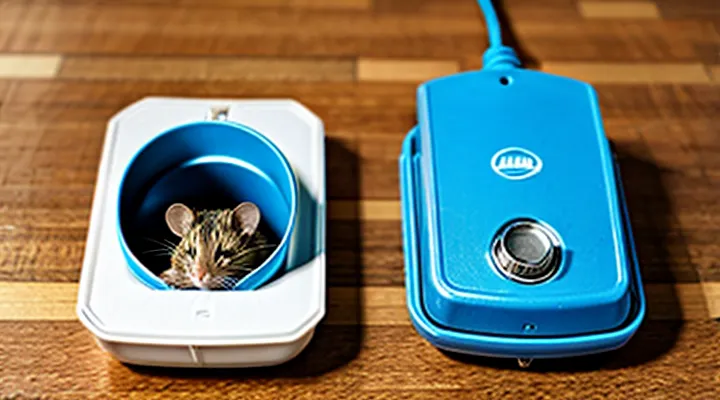
The Problem with Pests
Understanding Mouse Behavior
Signs of Infestation
Identifying mouse activity before constructing DIY capture devices saves effort and increases success rates. Accurate observation reveals where bait and mechanisms will be most effective.
- Droppings, typically small, dark, and pellet‑shaped, found along walls, near food sources, or in hidden corners.
- Gnaw marks on wood, plastic, or wiring, indicating repeated chewing.
- Grease or smudge trails along baseboards, cabinets, or appliances, left by the animal’s fur.
- Nests built from shredded paper, fabric, or insulation, often concealed in wall cavities, attics, or under appliances.
- Audible sounds such as scratching or scurrying, especially at night, heard in ceilings, walls, or storage areas.
- Unexplained food spoilage or nibble marks on packaged goods.
Documenting these indicators directs placement of homemade traps to high‑traffic zones, ensuring that the devices engage rodents promptly and reduce the likelihood of continued infestation.
Common Entry Points
Mice infiltrate homes through the smallest openings; recognizing these pathways is essential before constructing and deploying homemade traps.
Typical entry points include:
- Gaps around exterior doors and sliding windows, especially where weatherstripping is missing or damaged.
- Cracks in the foundation, basement walls, or crawl‑space joists that connect to the outdoor soil.
- Openings around utility penetrations such as electrical conduit, telephone lines, and cable TV entries.
- Unsealed spaces around plumbing fixtures, including pipe sleeves, sink drains, and dishwasher hookups.
- Vents for dryer exhaust, bathroom fans, and attic access hatches lacking fine mesh screens.
- Gaps beneath appliances that sit on the floor—refrigerators, stoves, and dishwashers—where floorboards may lift.
- Small holes in siding, soffits, or eaves where rodents can squeeze through.
Inspect each area with a flashlight and a thin piece of cardboard; a mouse will push through a gap no wider than a quarter‑inch. Seal identified openings using steel wool, caulk, or hardware cloth before positioning any DIY trap. By eliminating these common entry routes, trap effectiveness increases and future infestations are less likely.
Why Homemade Traps?
Advantages Over Commercial Options
Cost-Effectiveness
DIY mouse traps provide measurable savings compared with store‑bought alternatives. A typical commercial snap trap costs $5–$8 per unit, while a homemade version can be assembled for a fraction of that price using common household items.
- Materials such as cardboard, wood splinters, or recycled plastic often cost less than $1 total.
- Adhesive, wire, or a simple spring mechanism adds no more than $0.50.
- Reusable designs eliminate recurring purchase expenses; a single trap can function for months with minimal maintenance.
Labor input is limited to basic cutting and assembly, tasks achievable in under ten minutes. The time investment translates to a negligible cost when measured against the price of multiple commercial traps needed for comparable coverage.
Overall, the expense per functional trap drops below $2, representing a reduction of 60–80 % relative to retail options. The low upfront outlay, combined with durability, yields a rapid return on investment for homeowners seeking economical rodent control.
Safety for Pets and Children
When building a DIY mouse trap, the primary concern is preventing accidental injury to pets and children. Materials should be non‑toxic, and mechanisms must be enclosed or positioned out of reach.
- Use snap traps with a plastic housing that shields the spring; place them behind appliances or in wall voids where small hands and paws cannot access the trigger.
- Opt for glue boards covered with a cardboard barrier; secure the barrier with tape so only the rodent can reach the adhesive surface.
- Avoid poisons or anticoagulant baits; these substances pose a high risk of secondary poisoning if a pet or child ingests a trapped mouse.
- Install traps at least 18 inches above floor level or inside cabinets that lock, reducing the chance of unintended contact.
- Label each trap with a clear warning sign and keep a record of locations for quick removal once capture occurs.
Regular inspection and prompt disposal of captured rodents eliminate lingering hazards. By selecting enclosed designs, locating traps out of reach, and rejecting toxic attractants, homeowners protect vulnerable family members while maintaining effective rodent control.
Environmental Impact
DIY rodent control devices reduce reliance on manufactured plastic traps and chemical poisons, lowering the volume of non‑biodegradable waste that enters landfills. By constructing traps from reclaimed wood, cardboard, or reusable metal components, users keep additional materials out of the waste stream and limit the demand for virgin resources.
Materials commonly employed in home‑made solutions include:
- Untreated hardwood or reclaimed lumber, which decomposes naturally if discarded.
- Cardboard tubes or paper rolls, fully recyclable and compostable.
- Reusable metal wires or springs, extending product life through multiple uses.
- Natural adhesives such as vegetable‑based glue, avoiding petroleum‑derived binders.
These choices minimize the ecological footprint of pest management. Unlike commercial snap traps that often contain polystyrene or mixed polymers, biodegradable components break down without releasing toxic micro‑plastics. The absence of rodenticides eliminates the risk of contaminating soil and water sources through runoff or accidental ingestion by wildlife.
Low‑impact designs also protect non‑target organisms. Simple glue boards made from non‑sticky cardboard and natural bait reduce accidental capture of insects or small vertebrates. Mechanical traps that rely on a humane kill mechanism avoid the secondary poisoning associated with anticoagulant poisons, safeguarding predators that might otherwise consume compromised prey.
To optimize environmental performance, follow these practices:
- Source materials from household waste or local recycling programs.
- Design traps for disassembly, allowing individual parts to be recycled or composted after use.
- Replace disposable bait with organic attractants such as peanut butter or dried fruit, preventing chemical residues.
- Store reusable components in a dry, protected area to extend service life and prevent corrosion.
Implementing these measures ensures that homemade rodent control remains a sustainable alternative, aligning pest management with broader waste‑reduction and ecosystem‑protection goals.
Disadvantages of Homemade Solutions
Efficacy Concerns
Homemade rodent catchers often raise questions about their practical performance. Success depends on several measurable factors.
- Bait attractiveness: Commercial lures contain calibrated olfactory cues; homemade mixtures lack consistency, leading to variable capture rates. Testing multiple attractants and recording daily catches helps identify the most effective formula.
- Trap placement: Positioning near established pathways maximizes encounter probability. Improper alignment with walls or furniture reduces activity exposure, decreasing overall efficiency.
- Mechanism reliability: Simple spring or bucket designs can suffer from premature release or insufficient force. Reinforcing trigger sensitivity and verifying snap-back tension before deployment prevents malfunction.
- Kill versus live capture: Ethical considerations and local regulations may require lethal outcomes. Non-lethal constructs often allow escape if the animal is not fully restrained, lowering apparent success.
- Maintenance and monitoring: Frequent inspection prevents bait spoilage and trap saturation, both of which diminish lure potency and increase false negatives.
Empirical observations indicate that DIY solutions achieve capture rates between 30 % and 60 % of those reported for professionally manufactured devices when all listed variables are optimized. Ignoring any single element typically reduces effectiveness below the 20 % threshold, rendering the effort inefficient.
Humane Considerations
When constructing a DIY rodent capture device, ethical treatment of the animal must be a primary design criterion. The trap should prevent injury, allow the mouse to remain unharmed, and facilitate safe release at a suitable distance from the home.
Key humane factors include:
- Non‑lethal mechanism – use a spring‑loaded door or a gentle slide that closes without crushing or impaling.
- Ease of access – design an opening large enough for a mouse to enter without forcing its body, reducing stress.
- Quick release – incorporate a simple latch that can be opened from outside the trap, enabling immediate removal of the animal.
- Sanitation – select materials that can be disinfected easily, preventing disease transmission.
- Placement guidelines – locate traps along walls, near known activity, away from children and pets to avoid accidental harm.
After capture, transport the mouse in a ventilated container, release it at least 100 meters from the residence, and ensure the release site offers shelter and food sources. Documenting each capture and release cycle supports ongoing assessment of trap effectiveness and compliance with local wildlife regulations.
Essential Materials for DIY Traps
Common Household Items
Cardboard and Plastic Bottles
Cardboard and plastic bottles are readily available materials that can be transformed into effective, low‑cost mouse traps. Their lightweight nature allows quick assembly, while their durability ensures reliable operation in kitchen cabinets, basements, or garages.
A typical bottle trap consists of a 1‑liter soda bottle, a piece of cardboard, and a bait such as peanut butter. The bottle is cut near the top, inverted, and placed inside a cardboard sleeve that serves as a funnel. When a mouse enters seeking the bait, it slides down the smooth interior and cannot escape because the inverted neck creates a one‑way barrier.
Key advantages:
- Minimal expense: both components are commonly found in household waste.
- Reusability: after emptying, the bottle can be cleaned and redeployed.
- Silent capture: the design eliminates noisy snap mechanisms.
Construction steps:
- Remove label and rinse a 1‑liter plastic bottle.
- Cut a 2‑inch opening around the bottle’s neck, preserving a 2‑inch lip.
- Invert the cut section and secure it inside a cardboard tube (approximately 4‑inch diameter) using tape.
- Apply a small amount of bait to the interior rim of the inverted neck.
- Position the trap along mouse pathways, near walls or behind appliances.
Maintenance guidelines:
- Inspect traps daily; dispose of captured rodents promptly.
- Replace bait every 24 hours to maintain attraction.
- Clean the bottle with soap and water before reuse to prevent odor buildup.
When combined with proper sanitation and sealing of entry points, cardboard and bottle traps offer a practical, environmentally friendly component of a broader DIY rodent control strategy.
Buckets and Containers
Buckets and containers provide a reliable base for DIY mouse control devices. Their rigid walls prevent escape, while the open top allows easy bait placement.
Choose a container with a diameter of at least 12 cm and a height of 15 cm or more. Plastic buckets with tight‑fitting lids are ideal; metal tubs work equally well if corrosion‑resistant. Ensure the material is sturdy enough to withstand repeated impacts.
Construction steps:
- Cut a circular opening (approximately 5 cm) near the top edge of the container.
- Attach a hinged flap or a piece of thin plywood to act as a one‑way door; secure with a small nail or screw.
- Drill a 2‑cm hole on the opposite side, just above the opening, to serve as a ventilation channel.
- Place a bait platform (a small piece of wood or cardboard) inside, positioned so the mouse must pass through the opening to reach it.
- Seal all seams with waterproof tape to prevent moisture damage.
Position the trap along walls, behind appliances, or in known travel routes. Align the opening perpendicular to the wall; mice prefer tight spaces. Check the device daily; remove captured rodents promptly to avoid health hazards.
After each capture, empty the container, clean with a mild detergent, rinse thoroughly, and dry. Replace bait and inspect the door mechanism for wear before redeploying. Regular maintenance preserves effectiveness and prolongs the trap’s service life.
Food Scraps and Bait
Food waste offers an effective attractant for DIY rodent capture devices. Choose items that emit strong, familiar aromas to mice, such as:
- Peanut butter, spread thinly on a small platform.
- Small pieces of cheese, preferably aged varieties.
- Cooked meat shreds, cooled to room temperature.
- Fruit bits, especially banana or apple slices.
- Grain kernels, like oats or cracked corn.
Prepare bait by placing a modest amount on the trap’s trigger mechanism. Excessive quantity reduces sensitivity; a pea‑sized dollop suffices. Secure the bait to prevent displacement when the mouse contacts the trap. For traps using a container, position the bait at the far end, forcing the rodent to navigate the trigger pathway.
When selecting scraps, prioritize freshness to maintain scent potency. Discard items that have oxidized or developed off‑flavors, as they may deter activity. Store unused bait in airtight containers to preserve effectiveness between deployments.
Integrate bait with structural elements—such as a wooden board or a plastic tube—so that the mouse must apply pressure to reach the food. This pressure releases the catch mechanism, ensuring reliable capture without reliance on complex designs.
Tools for Construction
Scissors and Knives
Scissors and knives are essential hand tools for constructing effective, low‑cost mouse traps. Their sharp edges enable precise cutting of materials such as cardboard, plastic sheeting, and thin plywood, which form the structural components of many DIY designs.
Using scissors, cut a rectangular piece of cardboard (approximately 12 × 6 cm). Fold the longer side to create a hinged flap that will serve as the trigger mechanism. A clean edge ensures the flap snaps back quickly when the mouse applies pressure.
Knives, preferably a sturdy utility knife, are employed to shape the bait platform and to make fine incisions in wooden sticks used as lever arms. Sharpened blades produce smooth cuts, preventing ragged edges that could injure the animal or impede the trap’s operation.
Key construction steps:
- Cut two identical cardboard rectangles; one becomes the base, the other the trigger flap.
- Score a shallow notch in the base rectangle to hold the flap’s hinge.
- Attach a small piece of string or elastic to the flap’s free end, creating tension.
- Use a knife to trim a wooden dowel to 5 cm length; drill a shallow hole near one end for the string attachment.
- Position the dowel across the base, securing it with glue or tape; the string connects the dowel to the flap, forming the release mechanism.
- Place bait on the flap, close the trap, and test the trigger for smooth operation.
Proper maintenance includes regularly sharpening scissors and knives, cleaning cut surfaces of debris, and inspecting hinges for wear. Well‑maintained tools prolong trap lifespan and improve capture reliability.
Tape and Glue
Tape and glue offer a quick, low‑cost method for constructing effective mouse deterrents. The adhesive creates a surface that rodents cannot easily navigate, while the tape provides structural support for the trap mechanism.
Materials required:
- Strong adhesive (contact cement or industrial glue)
- Durable tape (duct, packing, or masking tape)
- Cardboard or thin wood for the base
- Bait (e.g., peanut butter, cheese)
Construction steps:
- Cut the base material to a size that fits the target area, typically 6 × 6 inches.
- Apply a thin, even layer of glue to one side of the base.
- Press a strip of tape onto the glued surface, leaving a small gap at one end for the bait compartment.
- Position the bait in the gap, ensuring it does not touch the adhesive directly.
- Secure the opposite side of the base with another tape strip, creating a hinged door that snaps shut when the mouse pulls the bait.
Performance tips:
- Use a glue that remains tacky for several days; contact cement retains adhesion even in humid conditions.
- Select tape with high tensile strength; duct tape resists tearing when a mouse attempts escape.
- Replace the adhesive layer after 3–4 days, as dust and debris reduce stickiness.
Safety considerations:
- Work in a well‑ventilated area when applying glue; avoid skin contact by wearing gloves.
- Keep the trap out of reach of children and pets; the adhesive can cause injury if mishandled.
By combining adhesive and tape, a simple, reusable device can capture rodents without expensive commercial products. The method relies on basic physics: the mouse’s forward motion triggers the hinged door, and the sticky surface prevents retreat, resulting in reliable capture.
Types of Homemade Mouse Traps
Live-Capture Traps
The Rolling Log Trap
The Rolling Log Trap offers a low‑cost, mechanical method for catching mice without chemicals or electricity. A sturdy wooden dowel, a length of smooth PVC pipe, a heavy log or brick, and a small spring‑loaded latch constitute the essential components. Assemble the trap by securing the dowel horizontally on a stable surface, threading the PVC pipe through the dowdle’s center, and attaching the latch at one end of the pipe. Position the log or brick so that it rests on the pipe, balanced just enough to roll when a mouse pushes against it. When the latch releases, the log rolls forward, trapping the mouse against a barrier or into a collection container placed beneath the pipe.
Key construction points:
- Use a dowel at least 12 inches long and 1 inch in diameter; hardwood resists chewing.
- Select PVC pipe with an inner diameter matching the dowel to allow smooth rotation.
- Install the latch with a tension that holds the log steady but releases under minimal pressure.
- Place the trap along walls, near known activity, with the entry side facing the mouse’s usual path.
Effectiveness depends on proper placement and regular inspection. Check the trap every few hours; release captured rodents or dispose of them according to local regulations. Clean the components with mild detergent to remove scent trails that might deter further use. The design requires no electricity, produces no noise, and can be built from materials commonly found in a workshop or hardware store.
The Bucket Trap
The bucket trap is a low‑cost, effective method for catching house mice without chemicals. It consists of a standard 5‑gallon plastic bucket, a wooden or PVC ramp, a bait platform, and a trigger mechanism that releases the bucket when the mouse steps onto the bait.
Materials required:
- 5‑gallon bucket with lid
- 1‑meter length of 2‑inch diameter PVC pipe or a piece of sturdy wood for the ramp
- Small piece of plywood or thick cardboard for the bait platform
- String or thin rope
- Peanut butter, cheese, or dried fruit as bait
- Tape or zip ties for securing components
Assembly steps:
- Cut the ramp to a gentle incline, allowing the mouse to walk upward toward the bait.
- Attach the ramp to the bucket rim with zip ties, ensuring the top end rests on the bucket’s edge.
- Secure the bait platform near the ramp’s upper edge, fastening it with tape.
- Tie one end of the string to the bait platform and the other end to the bucket’s lip, leaving enough slack for the platform to move when disturbed.
- Position the bucket on a flat surface, remove the lid, and place the bait on the platform.
Operation: When a mouse climbs the ramp and reaches the bait, its weight pulls the string, tipping the bucket forward. The mouse falls into the bucket, which then slides down the ramp and cannot escape. Check the trap daily; if a mouse is captured, wear gloves, cover the bucket with its lid, and release the animal at least 100 meters from the building or dispose of it according to local regulations.
Safety considerations: Keep the trap out of reach of children and pets, inspect the ramp for stability before each use, and replace the bait regularly to maintain attraction. Proper maintenance prolongs effectiveness and reduces the risk of accidental injury.
The Plastic Bottle Trap
The plastic bottle trap offers a low‑cost, reusable method for controlling household rodents. Construction requires a 2‑liter soda bottle, a sharp knife or scissors, a piece of string or thin wire, and an attractive bait such as peanut butter or grain. Cut the bottle near the top, invert the opening to form a funnel, and secure it with tape. Attach the string to the bottle’s neck, allowing the trap to hang from a ceiling beam or hook.
Placement determines success. Position the trap along walls, near known mouse pathways, and close to food sources. Ensure the funnel points inward so mice can enter but cannot easily escape. Check the trap daily; dispose of captured rodents promptly and reset the device with fresh bait.
Assembly steps
- Cut bottle 2–3 cm below the neck.
- Invert the cut section to create a funnel.
- Tape the funnel to the bottle body, sealing any gaps.
- Thread string through the bottle neck and attach to a suspension point.
- Apply a small amount of bait at the funnel entrance.
Maintenance involves cleaning the bottle with soap and water after each catch, inspecting for damage, and replacing the bait to maintain attraction. The design’s simplicity permits rapid deployment in multiple locations, enhancing overall rodent management without chemical agents.
Kill Traps (Non-Poisonous)
The Snapping Cardboard Trap
The snapping cardboard trap offers a low‑cost, quick‑assembly option for homeowners seeking immediate rodent control. A sturdy piece of corrugated cardboard forms the base, while a thin wooden strip acts as the spring arm. When the mouse steps on the trigger platform, the arm releases, crushing the animal against the cardboard base.
Construction steps:
- Cut a 12 × 8 inch rectangle from corrugated cardboard; fold the long edge upward to create a 2‑inch lip.
- Attach a 6‑inch wooden dowel to the lip with a single nail or strong adhesive, allowing it to pivot.
- Secure a 2‑inch length of rubber band to the dowel’s opposite end and anchor the other end to the cardboard base, creating tension.
- Cut a 2‑inch square from cardboard, position it on the lip as a trigger, and secure it with a small pin that releases under weight.
Placement guidelines:
- Position the trap along walls, near known mouse pathways, with the trigger facing the wall.
- Ensure the trap is stable on a flat surface; avoid areas with heavy foot traffic that could activate it unintentionally.
- Check the trap daily; dispose of caught rodents promptly and reset the mechanism.
Safety considerations:
- Use gloves when handling the trap to prevent accidental snapping.
- Keep the device away from children and pets; store unused traps in a sealed container.
- Replace the rubber band after several uses, as loss of tension reduces effectiveness.
The snapping cardboard trap delivers reliable performance with minimal expense, making it an essential component of any DIY rodent management strategy.
The Rubber Band Trap
The rubber band trap offers a quick, low‑cost option for capturing mice in residential settings. Construction requires only a sturdy wooden base, a small metal or plastic plate, a length of strong rubber band, and a trigger mechanism such as a nail or thumbtack. The base supports the plate, which holds bait; the rubber band stretches from the plate to the base, storing potential energy. When a mouse steps on the plate, the tension releases, snapping the plate shut and immobilizing the rodent.
Materials
- 2 × 4 inch wooden block (or similar solid surface)
- Thin metal plate or sturdy cardboard piece, 1 × 2 inch
- 1‑inch wide rubber band, capable of several pounds of tension
- Small nail, thumbtack, or push‑pin for the trigger
- Peanut butter, cheese, or grain as bait
Assembly steps
- Secure the metal plate on the block with the trigger nail positioned near the edge.
- Attach one end of the rubber band to the plate’s opposite side, stretch it over the block, and fasten the other end to the block’s rear.
- Place bait on the plate’s surface, ensuring the mouse must step near the trigger to reach it.
- Position the trap along walls, behind appliances, or in known travel routes, with the plate facing the wall to encourage entry.
Effectiveness depends on proper tension; too loose a band fails to generate sufficient force, while excessive tension may cause premature release. Regular inspection is essential: reset the band after each capture, replace worn components, and dispose of trapped mice promptly. The design minimizes risk to humans and pets because the moving parts are confined to a small area and the trap lacks poison.
Maintenance involves cleaning the plate, checking for rubber degradation, and storing the trap in a dry place when not in use. This straightforward mechanism provides a reliable, reusable solution for homeowners seeking an immediate, chemical‑free method to control mouse activity.
Step-by-Step Construction Guides
Building a Rolling Log Trap
Gathering Materials
Effective DIY rodent catchers rely on readily available components. Selecting appropriate items ensures reliable performance and minimizes cost.
- Sturdy base: a small wooden block, thick cardboard, or plastic container lid.
- Trigger mechanism: a spring‑loaded clothespin, a bent coat hanger, or a simple lever made from a wooden stick.
- Bait holder: a disposable cup, a shallow dish, or a piece of foil shaped into a cage.
- Adhesive surface (optional): double‑sided tape, glue board, or non‑toxic sticky gel.
- Securing material: zip ties, rubber bands, or thin wire to attach the trigger to the base.
- Protective covering: a piece of mesh or fine screen to prevent accidental release of the rodent after capture.
All items can be sourced from household supplies or local hardware stores, allowing rapid assembly without specialized equipment.
Assembly Instructions
To construct an effective, low‑cost mouse trap, gather the required components, prepare the workspace, and follow the assembly sequence precisely.
Materials needed:
- A sturdy wooden or plastic board (approximately 12 × 6 inches)
- Two spring‑loaded bar clamps or clothespin mechanisms
- A small metal or plastic bucket (capacity 1–2 L)
- A length of nylon rope or thin wire (15 cm)
- Adhesive tape or hot glue
- Bait (peanut butter, cheese, or dried fruit)
Assembly steps:
- Position the board on a flat surface; secure one clamp at each end, leaving a gap of 2–3 inches between the clamps.
- Attach the bucket beneath the board, centering it so the opening aligns with the gap created by the clamps.
- Thread the rope through the bucket’s handle or a drilled hole, then tie a secure knot, leaving a short tail for bait attachment.
- Affix the bait to the rope tail using tape or a small dab of adhesive.
- Test the mechanism by pressing the board down; the clamps should snap shut, lifting the bucket and trapping the rodent inside.
- Place the assembled trap along walls or near known activity zones, ensuring the bait faces outward.
After capture, handle the bucket with gloves, release the animal at a safe distance, and reset the trap by reattaching the bait. Regular inspection of the rope and clamps maintains reliability.
Placement and Baiting
Effective mouse control hinges on two variables: where the trap sits and what attracts the rodent. Positioning and bait selection determine capture rates more reliably than trap design alone.
Place traps where mice naturally move. Ideal locations include:
- Along walls, within 2 inches of the baseboard, because rodents rarely venture into open space.
- Near known entry points such as gaps under doors, vent openings, or utility lines.
- Adjacent to food storage areas, garbage containers, or pantry shelves.
- In concealed routes like behind appliances, under cabinets, or within crawl spaces.
- At least three traps per suspected activity zone to increase encounter probability.
Select bait that triggers a strong feeding response and remains stable during the trap’s active period. Recommended options are:
- Peanut butter applied in a thin layer; its strong odor and sticky texture prevent removal.
- Small pieces of cheese or cured meat, placed on the trigger mechanism to entice gnawing.
- Sunflower seeds or dried fruit, especially effective in households with pet food present.
- Commercial rodent attractants, used sparingly to avoid overpowering the trap’s mechanism.
Apply bait directly to the trigger surface, ensuring it does not touch the surrounding area. This concentrates the mouse’s focus on the activation point and reduces false releases.
Combine precise placement with appropriate baiting, refresh the lure every 48 hours, and monitor traps daily. Consistent execution of these practices maximizes capture efficiency while minimizing unnecessary exposure to non‑target species.
Constructing a Bucket Trap
Materials Needed
To build an efficient DIY rodent catcher, collect these items:
- Sturdy cardboard or thin plywood for the base and trigger platform
- A flexible wooden or plastic bar to serve as the lever arm
- A small piece of elastic rubber or a spring for tension
- A disposable container (plastic cup, jar, or bucket) to hold captured mice
- Adhesive tape or hot glue for securing components
- Bait such as peanut butter, cheese, or dried fruit
- Optional: a lightweight fabric or mesh to cover the trap opening and prevent escape
The base should be at least 12 × 12 cm to provide stability. The lever arm must pivot smoothly; attach the elastic element to the far end to create a snap‑back motion. Position the bait at the far edge of the platform, ensuring the mouse must step onto the trigger to reach it. Secure the container beneath the trigger so that when the lever snaps, the platform drops, guiding the mouse into the container. Test the mechanism before deployment to confirm reliable operation.
Assembly Steps
Assembling an effective, low‑cost mouse trap requires only a few household items and careful sequencing. Follow the steps below to create a reliable device.
- Gather materials: a sturdy cardboard box (approximately 12 × 8 × 8 cm), a wooden dowel or thick chopstick, a small piece of elastic band, a piece of fabric or paper towel, and a bait such as peanut butter.
- Cut a rectangular opening (about 4 cm wide) near the top of the box, leaving a 1‑cm margin on each side to maintain structural integrity.
- Attach the dowel across the interior of the box, positioning it horizontally about 2 cm below the opening. Secure the ends with the elastic band, ensuring the bar can pivot upward when pressure is applied.
- Place the fabric or paper towel inside the box, covering the floor to provide traction for the rodent.
- Apply a small amount of bait to the far end of the interior, directly opposite the opening.
- Test the mechanism by gently pressing the dowel downward; it should snap back into place when released, forming a gate that closes the opening.
- Position the trap in an area of known activity, aligning the opening with the wall or baseboard where mice travel.
After capture, remove the trap, release the animal outdoors if humane disposal is desired, or discard it according to local regulations. Repeat the assembly process as needed to maintain continuous control.
Optimal Positioning
Positioning determines the success rate of any DIY rodent capture device. Place traps where mice naturally travel, typically along walls, behind appliances, and near entry points. A trap set away from open floor space will be discovered less often and trigger more reliably.
Key considerations for optimal placement include:
- Wall adjacency – Mice prefer to scurry close to vertical surfaces; align the trigger mechanism against a wall to intersect their path.
- Travel corridors – Identify narrow routes between food sources and nesting areas; position traps at the midpoint of these corridors.
- Food proximity – Situate traps within 12–18 inches of known food spills or stored grains to attract foraging mice.
- Low disturbance zones – Avoid high‑traffic human areas; mice retreat to quieter corners when threatened.
- Entry points – Install traps directly behind doors, gaps under cabinets, or cracks in foundation where rodents gain access.
After initial placement, monitor trap activity for 24–48 hours. If captures are low, shift the device 6–12 inches along the same wall or relocate to an adjacent corridor. Re‑evaluate positioning after each adjustment to maintain maximum efficacy.
Creating a Plastic Bottle Trap
Required Items
A functional DIY mouse trap relies on a limited set of components that are inexpensive, readily available, and safe to handle.
- A sturdy base such as a wooden block, thick cardboard, or a plastic container that can support the trap’s mechanism.
- A triggering element, typically a spring‑loaded lever, a bent coat hanger, or a piece of elastic that releases when the mouse applies pressure.
- A bait holder, often a small cup, tube, or folded paper that secures food without allowing the mouse to escape.
- A capture chamber, which can be a shallow box, a tin can, or a disposable plastic cup with a lid that closes automatically.
- Adhesive or fastening material, like duct tape, zip ties, or small nails, to assemble and reinforce connections.
- Optional safety accessories: gloves for handling sharp parts and a disposable bag for disposing of captured rodents.
Collecting these items before construction ensures a quick assembly process and a reliable trap that operates without electrical components.
Step-by-Step Setup
Creating an effective DIY mouse trap requires precise preparation and systematic assembly. Follow each stage without deviation to ensure reliable performance.
- Gather materials: a sturdy cardboard box, a wooden dowel (approximately 15 cm), a thin wire or strong string, a small piece of cheese or peanut butter, and a pair of scissors.
- Cut a rectangular opening (about 5 cm high and 10 cm wide) near the top of the box, leaving a flap that can hinge inward.
- Attach the dowel to the inner side of the flap using the wire, forming a lever that will snap shut when tension is released.
- Secure the wire to the box’s opposite wall, creating a tension line that holds the lever in the open position. Adjust length so the lever remains fully extended when the line is taut.
- Place the bait on the interior floor, directly opposite the opening, ensuring the mouse must pass through the gap to reach it.
- Test the mechanism by gently pulling the lever back and releasing it; the flap should close swiftly, trapping any animal that triggers the tension line.
- Position the trap along known mouse pathways, such as along walls or near food storage, with the opening facing the expected direction of travel.
- Check the trap daily, wearing gloves when handling captured rodents, and dispose of them according to local regulations. Reset the lever and replenish bait as needed.
Precise execution of each step eliminates guesswork, delivering a reliable, low‑cost solution for controlling rodent activity in residential settings.
Effective Placement
Place traps along the same routes mice use to travel. Rodents prefer to run close to walls, using them as guide rails; positioning a trap against a wall maximizes contact with their natural path.
Identify points where activity is evident—fresh droppings, gnaw marks, or grease trails. Set a trap directly adjacent to each sign, ensuring the bait faces outward so a mouse can approach without turning away.
Secure traps near known entryways such as gaps around pipes, vents, or doors. Mice often infiltrate through the smallest openings; a trap within a foot of these openings intercepts them before they reach interior spaces.
Maintain a clear line of sight between bait and mouse. Remove clutter, cords, and furniture that could obscure the trap or provide alternative shelter.
Key placement guidelines
- Align trap with wall, back against the surface.
- Position 1–2 feet from observed droppings or gnaw marks.
- Install within 12 inches of any visible entry gap.
- Keep the area around the trap free of debris and other hiding spots.
- Rotate trap locations weekly to prevent mouse habituation.
Consistent monitoring and timely relocation based on activity patterns sustain trap efficacy and reduce the likelihood of missed captures.
Best Practices for Trap Usage
Selecting the Right Bait
Popular Options
A variety of homemade mouse traps provide effective control without commercial products. Each design relies on readily available materials and simple construction.
- Bucket trap – A tall bucket filled with a few centimeters of water, topped with a ramp made from a piece of wood or cardboard. Mice climb the ramp, fall into the water, and cannot escape.
- Bottle bait trap – A plastic soda bottle cut in half, inverted, and secured with tape. Peanut butter or a small piece of cheese placed at the base lures the mouse inside; the narrow opening prevents exit.
- Cardboard tube trap – A cardboard mailing tube positioned horizontally with one end propped up by a small wedge. Bait placed at the far end draws the mouse in; the tube tips, dropping the mouse into a shallow pan of oil or a bucket.
- Glue‑board alternative – A piece of cardboard coated with a thin layer of non‑toxic adhesive (such as a paste of corn starch and water). The mouse becomes immobilized and can be removed for humane release.
- Tin‑can catch‑and‑release trap – An empty tin can with a lid, a small entrance hole, and a baited trigger made from a bent paperclip. When the mouse enters, the trigger releases the lid, trapping the animal inside for later relocation.
All options require proper placement along walls, near known mouse activity, and regular inspection to maintain effectiveness.
Avoiding Contamination
When constructing a mouse trap at home, the primary health risk stems from the transfer of pathogens from the rodent to food preparation areas, utensils, or hands. Maintaining a sterile environment prevents bacterial spread and protects household members from illness.
- Select trap components made of non‑porous, food‑safe materials such as stainless steel or hard‑plastic. Avoid recycled cardboard or fabric that can harbor germs.
- Wash hands thoroughly with soap before handling any part of the trap. Use disposable gloves if the bait or captured mouse will be touched.
- Keep bait isolated in a sealed container until the moment of placement. Do not store bait near pantry items or cooking surfaces.
- Assemble the trap on a clean countertop covered with a disposable sheet or parchment paper. Discard the sheet after use.
- After a catch, place the mouse in a sealed bag, then seal the bag in a second container before disposal. This double‑layer method eliminates accidental leakage.
- Clean all trap surfaces with a diluted bleach solution (1 part bleach to 9 parts water) or an approved disinfectant. Rinse with water and allow to air‑dry before reuse.
- Store finished traps in a sealed box or zip‑lock bag to shield them from dust, insects, or moisture that could compromise sanitation.
Implementing these steps ensures that homemade rodent control devices remain effective without introducing contaminants into the living space.
Strategic Trap Placement
High-Traffic Areas
High‑traffic pathways—kitchen counters, pantry edges, behind appliances, and baseboard gaps—experience the most mouse movement. Placing traps in these zones intercepts rodents during routine foraging, increasing capture rates without additional monitoring.
Effective DIY traps for busy areas share three characteristics: compact size, quick reset, and minimal scent. Simple constructions meet these criteria and can be assembled from household items.
- Cardboard tube trap: insert a piece of cheese or peanut butter on a cotton tip, position the tube with the opening toward the wall, and secure with a rubber band. Mice enter, push the bait forward, and become trapped against the tube’s interior.
- Plastic bottle snap trap: cut the top off a 2‑liter soda bottle, attach a spring‑loaded trigger made from a bent coat hanger, and mount the assembly on a flat surface. When the mouse reaches the bait, the trigger releases a hinged lid that closes instantly.
- Sock‑filled bucket trap: roll a cotton sock around a small amount of grain, tie the end, and place the sock inside a shallow bucket. Position a ramp leading into the bucket; the mouse climbs, the sock slides down, and the animal falls into the bucket for easy release.
Routine checks—once every 12 hours—prevent bait depletion and ensure traps remain functional. After capture, relocate rodents at least 100 feet from the residence to avoid re‑entry. Clean each trap with mild detergent before redeploying to eliminate scent traces that could deter future activity.
Concealed Locations
Placing a homemade mouse trap where it remains out of sight maximizes capture rates while reducing human interference. Concealed positions should align with the rodent’s natural travel routes and provide enough space for the bait and trigger mechanism.
- Behind or beneath kitchen appliances (refrigerator, dishwasher, stove)
- Inside the gap between the wall and baseboard, especially where wiring or plumbing runs
- Under kitchen or pantry cabinets, using the clearance between the floor and cabinet bottom
- Within the void of a hollowed-out piece of furniture (e.g., a drawer liner or a wooden box)
- In the corner of a pantry shelf, hidden by a removable food container
- Behind the threshold of a door, where the mouse can slip through the gap unnoticed
To keep the trap hidden without impairing function, use a shallow container that matches the surrounding surface, cover the trap with a thin layer of cardboard or fabric that mice can gnaw through, and secure the cover with tape that releases under pressure. Ensure the bait remains visible to the mouse; transparent or lightly colored covers work best.
After placement, inspect the concealed area daily. Remove captured rodents promptly, reset the trap with fresh bait, and rotate locations to prevent mice from learning trap patterns. This systematic approach sustains high efficacy while maintaining a tidy environment.
Regular Monitoring and Maintenance
Checking Traps Frequently
Frequent inspection of homemade rodent traps is essential for effective control. Mice quickly learn to avoid devices that do not deliver immediate results, so a trap that remains unchecked for hours may become ineffective and encourage further infestation.
- Examine each trap every 30–60 minutes while bait is active.
- Remove captured rodents promptly to prevent decomposition and odor, which can deter other mice from entering the trap.
- Reset the mechanism after each capture; a jammed spring or displaced trigger reduces success rates.
- Record the time of each check and any observed failures to adjust bait placement or trap design.
Regular monitoring also limits exposure to potential hazards such as snap mechanisms or toxic baits. By maintaining a disciplined check schedule, homeowners ensure traps remain functional, humane, and contribute to a rapid reduction in mouse activity.
Cleaning and Re-baiting
Maintaining the effectiveness of a DIY mouse trap requires regular cleaning and timely re‑baiting. Residue from captured rodents can mask scent cues, reduce trap sensitivity, and promote bacterial growth. Prompt removal of debris restores the trap’s mechanical function and preserves hygiene.
Cleaning procedure
- Disassemble the trap according to the manufacturer’s instructions or the original design plan.
- Rinse all components with hot water; use a mild detergent if grease or blood is present.
- Scrub hinges, springs, and trigger mechanisms with a soft brush to eliminate buildup.
- Rinse thoroughly, then dry each part completely to prevent rust.
- Reassemble, ensuring moving parts operate smoothly before the next deployment.
Re‑baiting steps
- Select a fresh attractant: peanut butter, cheese, or a small piece of fruit works best for most rodents.
- Apply a pea‑sized amount to the bait platform, avoiding excess that could interfere with the trigger.
- Position the bait where the mouse must contact the trigger to secure a reliable response.
- Inspect the trap for any damage; replace worn springs or broken components before setting.
A practical maintenance schedule includes cleaning after each capture and re‑baiting every 24‑48 hours during active infestations. Store idle traps in a sealed container to keep them free from dust and insects. Consistent upkeep maximizes capture rates and extends the service life of homemade rodent control devices.
Humane Disposal and Prevention
Releasing Captured Mice
Safe Distances
When constructing a DIY rodent trap, maintain a minimum clearance of 12 inches between the trigger mechanism and any surface that could unintentionally activate it. This distance prevents pets, children, or household objects from disturbing the device and ensures the trap functions only when a mouse contacts the bait area.
A practical layout for safe placement includes:
- Position traps along walls where mice travel, but keep at least 18 inches from furniture legs or decorative items.
- Install traps on flat surfaces; avoid sloped or uneven floors that could cause premature release.
- Keep traps at least 24 inches away from food preparation zones to reduce the risk of accidental contamination.
Regularly inspect the area to verify that the specified clearances remain unchanged after cleaning or rearranging furniture. Adjust distances promptly if any obstruction encroaches on the trigger zone, preserving both effectiveness and household safety.
Avoiding Re-entry
Effective mouse control ends when the pest reappears. After a homemade trap captures a mouse, the same entry point often invites another. Preventing re‑entry requires sealing gaps, managing attractants, and monitoring the area.
- Identify all openings larger than ¼ inch; inspect walls, floors, cabinets, and pipe penetrations.
- Apply steel‑wool or copper mesh to fill holes, then cover with caulk, expanding foam, or wood strips.
- Install door sweeps and weather stripping to block gaps beneath doors and windows.
- Store food in airtight containers; clean crumbs and spills promptly to eliminate scent trails.
- Place a secondary, non‑lethal deterrent (e.g., peppermint oil or ultrasonic device) near vulnerable points for early detection.
Regularly examine the sealed areas for wear or new damage. Replace compromised material immediately. Consistent maintenance eliminates the conditions that encourage mice to re‑enter, ensuring the homemade trap remains a lasting solution.
Long-Term Prevention Strategies
Sealing Entry Points
Sealing entry points prevents mice from entering a building, reducing the need for frequent trap placement and limiting damage to food stores and structures. By eliminating access routes, the effectiveness of any homemade capture device increases dramatically, because fewer rodents can reach the baited areas.
Typical ingress locations include gaps around utility pipes, cracks in foundation walls, openings beneath doors, vent covers, and unsealed holes in cabinets or countertops. Small openings as narrow as ¼ inch can admit a mouse, so thorough inspection of the building envelope is required.
Inspection and sealing process
- Conduct a visual survey of exterior walls, foundation, and roof, focusing on areas where utilities penetrate the structure.
- Use a flashlight to examine interior spaces such as basements, crawl spaces, and behind appliances for hidden cracks.
- Apply a temporary test by blowing air from a candle or incense stick; visible smoke movement indicates a leak.
- Fill detected openings with appropriate material: steel wool for small gaps, expanding foam for larger voids, and silicone caulk for seams around windows and doors.
- Reinforce high‑traffic zones with metal mesh or hardware cloth to prevent future gnawing.
Regular maintenance involves rechecking sealed areas after seasonal temperature changes or after any renovation work. Prompt repair of new cracks maintains a barrier that supports the overall rodent‑control strategy.
Food Storage Solutions
Effective rodent control begins with securing food sources. When constructing homemade mouse traps, the same principles that keep pests out of a pantry enhance trap reliability. Seal all edible items in containers that prevent entry; this denies mice the incentive to investigate trap locations.
- Use glass jars with screw‑top lids for grains, cereals, and dried fruit.
- Choose heavy‑wall plastic bins equipped with lockable clips for pet food and bulk supplies.
- Store pantry staples in metal tins with rubber gaskets to create an airtight barrier.
- Place items on elevated shelves, leaving a clear floor space that simplifies trap placement.
- Rotate stock regularly; older products move to the front, reducing the time food sits uncovered.
Maintain a clean environment by wiping crumbs from countertops and sweeping floors daily. Remove packaging waste promptly, as torn paper or cardboard can serve as nesting material. By integrating these storage practices with DIY mouse‑capture devices, the likelihood of recurring infestations diminishes, and each trap functions at peak efficiency.
Maintaining Cleanliness
Clean environments reduce the likelihood of mouse activity and improve the effectiveness of DIY traps. Food residues, spilled liquids, and clutter provide shelter and attract rodents; removing these elements eliminates the primary incentives for infestation.
Effective cleaning practices include:
- Store dry goods in sealed containers; metal or heavy‑duty plastic bins prevent gnawing.
- Sweep floors daily and vacuum corners where crumbs accumulate.
- Wipe countertops with a mild detergent after each meal preparation.
- Dispose of garbage in tightly sealed bags and remove it from the kitchen at least once daily.
- Inspect and clean behind appliances, under the sink, and inside pantry shelves weekly.
Regular maintenance preserves trap placement integrity. Grease or dust on trap surfaces can hinder activation mechanisms; wiping traps with a damp cloth after each use restores sensitivity. Keeping the surrounding area dry prevents mold growth, which could compromise bait effectiveness.
A systematic cleaning schedule, combined with proper food storage, creates conditions hostile to mice and maximizes the performance of homemade trapping solutions.