
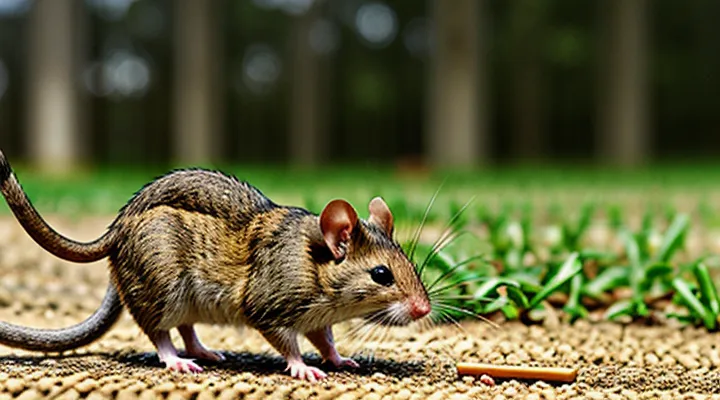
Understanding Rodent Infestations
Identifying Common Rodent Species
Mice («Mus musculus»)
Mice (Mus musculus) are small, omnivorous rodents that readily consume cereal-based baits. Their high reproductive rate and adaptability make them persistent pests in storage facilities, agricultural fields, and residential buildings. Effective control relies on exploiting their preference for grain to deliver toxicants.
Rodenticide grain formulations combine anticoagulant or neurotoxic active ingredients with palatable carriers. The following factors determine success:
- Active ingredient potency: Second‑generation anticoagulants (e.g., brodifacoum) provide prolonged action at low concentrations; acute neurotoxins (e.g., zinc phosphide) act faster but require careful handling.
- Bait concentration: Typical inclusion rates range from 0.005 % to 0.025 % w/w, calibrated to achieve lethal doses without deterring consumption.
- Moisture content: Maintaining a dry environment preserves bait integrity and prevents mold growth that could reduce attractiveness.
- Placement density: Distribute baits at 5–10 m intervals along walls, near nesting sites, and in feeding corridors to maximize encounter probability.
Mice exhibit neophobia toward unfamiliar objects; pre‑baiting with non‑toxic grain for 24–48 hours reduces avoidance. Once consumption begins, secondary poisoning is minimal because anticoagulant residues remain confined to the gastrointestinal tract. Monitoring trap captures and bait depletion rates confirms efficacy and guides re‑application intervals, typically every 30 days for sustained suppression.
Rats («Rattus norvegicus», «Rattus rattus»)
Rattus norvegicus and Rattus rattus are the two most common rat species affecting urban and agricultural environments. Both species exhibit high reproductive rates, with females capable of producing up to 12 litters per year, each containing 6–12 offspring. Their omnivorous diet readily includes cereal grains, making grain-based rodenticides an effective delivery vehicle.
Rodenticide grains typically contain anticoagulant compounds such as brodifacoum, difethialone, or bromadiolone. These substances inhibit vitamin K recycling, leading to fatal hemorrhage after a latency period of 2–7 days. The delayed action allows rats to consume multiple doses, enhancing mortality rates within colonies.
Effective application requires the following practices:
- Distribute bait in low-traffic, concealed locations to reduce non‑target exposure.
- Maintain bait density at 0.5–1 kg per 100 m², adjusting for infestation severity.
- Replace bait every 3–4 weeks to sustain potency as rodents develop tolerance.
- Conduct regular monitoring to assess reduction in activity and verify complete eradication.
Safety considerations include using tamper‑resistant containers, providing personal protective equipment for applicators, and complying with local regulations governing anticoagulant use. Properly managed grain rodenticides achieve rapid population decline while minimizing environmental impact.
Signs of Rodent Presence
Droppings and Urine Stains
Droppings and urine stains provide the first reliable evidence of rodent activity. Their size, shape, and distribution help differentiate between mice and rats, allowing targeted placement of grain‑based bait. Mouse feces are typically 1‑2 mm long, brown, and pointed at one end, while rat droppings range from 10‑20 mm, dark brown, and cylindrical. Urine stains appear as yellowish or brownish discolorations on surfaces, often accompanied by a strong, musky odor.
Identifying these signs informs several critical actions:
- Location selection: Concentrate bait near the highest density of droppings to increase encounter rates.
- Safety precautions: Wear gloves and a mask when handling contaminated materials to prevent disease transmission.
- Sanitation: Clean affected areas with a disinfectant before baiting to avoid bait avoidance caused by strong odors.
- Monitoring: Record the number and placement of droppings to evaluate the effectiveness of the control program over time.
Accurate interpretation of droppings and urine stains reduces wasted bait, limits non‑target exposure, and accelerates population decline. Regular inspection of suspected sites ensures that the grain poison remains positioned where rodents are most active, maintaining the efficacy of the eradication effort.
Gnaw Marks and Damage
Gnaw marks reveal the presence of rodents and indicate the extent of structural and inventory loss. Fresh incisions display smooth, shallow cuts with a characteristic V‑shaped profile, while older holes become ragged as chewing continues. Damage typically appears on wooden beams, plastic conduits, insulation, and stored products, compromising safety and increasing replacement costs.
Key indicators of rodent activity include:
- Parallel bite lines on wires and cables, often accompanied by frayed insulation.
- Chewed edges on furniture legs, baseboards, and door frames.
- Punctured grain sacks, bag openings, or shredded packaging material.
- Accumulated urine or fecal pellets near gnawed entry points.
Quantifying damage assists in prioritizing intervention. For example, a single compromised electrical line can trigger fire hazards, while minor gnawing on packaging may lead to product contamination and spoilage. Accurate identification of chew patterns helps differentiate between mouse and rat activity, informing the selection of appropriate grain-based bait formulations.
Implementing a targeted bait strategy reduces the population responsible for the observed damage. Timely placement of palatable grain poison near identified gnaw sites interrupts feeding cycles, curtails further chewing, and prevents escalation of structural deterioration. Continuous monitoring of gnaw marks after bait deployment confirms the effectiveness of the control program and guides any necessary adjustments.
Nests and Burrows
Rodents construct nests from shredded material and create burrows that connect to food sources, shelter, and escape routes. These structures concentrate activity and retain bait, making them primary targets for grain‑based rodenticides.
Effective placement of poison relies on understanding nest and burrow characteristics:
- Nests are located in concealed areas such as wall voids, attic insulation, or under stored items; they contain soft bedding that retains grain bait.
- Burrows consist of a network of tunnels ending in nesting chambers; entry points are often hidden by vegetation, debris, or building foundations.
- Both habitats maintain a micro‑environment with limited airflow, slowing bait degradation and increasing consumption rates.
When deploying grain poison, follow these guidelines:
- Locate active nests by observing gnaw marks, droppings, and fresh bedding material.
- Identify fresh burrow entrances by spotting disturbed soil or fresh mulch.
- Place small, measured amounts of bait directly in nesting chambers and at tunnel junctions; avoid large piles that rodents can ignore.
- Use tamper‑resistant containers to protect bait from non‑target species while allowing rodent access.
- Monitor bait stations daily, replenishing only as needed to maintain potency.
Targeting nests and burrows concentrates rodent exposure to the toxic grain, accelerates population decline, and reduces the likelihood of bait avoidance. Proper identification and strategic bait placement are essential components of a successful rodent eradication program.
Risks Associated with Rodent Infestations
Health Hazards and Disease Transmission
Grain‑based rodenticides pose acute toxicity risks when ingested by non‑target organisms. The anticoagulant compounds commonly incorporated into these baits disrupt blood clotting, leading to internal hemorrhage and death within 24–72 hours. Symptoms include lethargy, bruising, and gastrointestinal bleeding. Immediate medical intervention with vitamin K1 is required to counteract the effect.
Secondary poisoning occurs when predators or scavengers consume poisoned rodents. Birds of prey, domestic cats, and feral dogs accumulate the toxin, which can result in sublethal impairment or mortality. Chronic exposure to low‑level residues may impair reproductive function and cause liver or kidney damage in wildlife populations.
Accidental ingestion by children or household pets represents a public health concern. Bait stations that are not tamper‑proof increase the likelihood of direct contact. Once consumed, the same anticoagulant mechanism produces severe health outcomes, necessitating emergency treatment and monitoring for delayed hemorrhagic events.
Rodent control operations can facilitate disease transmission in several ways:
- Dead rodents left in the environment become breeding grounds for pathogens such as Salmonella spp. and Leptospira spp.
- Bait residues on surfaces may contaminate food preparation areas, introducing toxins into the human food chain.
- Persistent rodent activity around grain stores promotes the spread of hantavirus, leptospirosis, and plague through droppings and urine.
Mitigation strategies include:
- Deploying sealed bait stations that restrict access to target species.
- Conducting regular inspections to remove carcasses promptly.
- Implementing integrated pest management practices that combine sanitation, exclusion, and monitoring to reduce reliance on chemical baits.
Adherence to these measures limits the health hazards associated with grain‑based poisons and curtails the potential for disease spread among humans, domestic animals, and wildlife.
Property Damage and Contamination
Rodent activity in residential, commercial, and agricultural settings generates extensive property damage and contamination. Chewed electrical wiring, compromised structural components, and punctured storage containers create fire hazards, reduce building integrity, and increase repair costs. Contamination arises when urine, feces, and saliva infiltrate food supplies, surface finishes, and ventilation systems, leading to bacterial growth and potential disease transmission.
Key damage categories include:
- Electrical systems: gnawed insulation, exposed conductors, heightened fire risk.
- Structural elements: weakened beams, holes in walls, damaged flooring.
- Food storage: perforated packaging, spoiled inventory, loss of marketable product.
- Water and HVAC infrastructure: corroded pipes, clogged filters, compromised air quality.
Grain-based rodenticides offer a targeted approach to eliminate mouse and rat populations, thereby halting ongoing deterioration. The bait’s palatability ensures rapid consumption, reducing the time rodents remain active in the environment. Effective deployment minimizes the likelihood of secondary contamination, as fewer animals persist to deposit waste. Prompt eradication also curtails the need for extensive repairs, preserving asset value and maintaining sanitary standards.
Grain Poison as a Rodent Control Method
Types of Rodenticides
Anticoagulants («First-generation», «Second-generation»)
Anticoagulant rodenticides constitute the primary active agents in grain‑based bait formulations intended to suppress populations of mice and rats. They interfere with the vitamin K cycle, preventing the synthesis of clotting factors and causing fatal hemorrhage after ingestion.
First‑generation anticoagulants, such as warfarin, chlorophacinone, diphacinone and coumafuryl, require repeated exposure to achieve lethal effects. Typical characteristics include:
- Low acute toxicity per dose; mortality often follows several feedings over several days.
- Susceptibility to metabolic resistance in rodent strains that have adapted to prolonged exposure.
- Dose rates generally range from 0.1 mg to 0.5 mg of active ingredient per kilogram of bait.
Second‑generation anticoagulants, exemplified by brodifacoum, difenacoum, bromadiolone and flocoumafen, display markedly higher potency. Key attributes are:
- Single‑feed lethal potential; mortality can occur after one or two consumptions.
- Higher affinity for hepatic vitamin K epoxide reductase, reducing the likelihood of resistance development.
- Dose rates typically 0.005 mg to 0.025 mg per kilogram of bait, reflecting greater toxicity.
Comparison
- Potency: Second‑generation > First‑generation.
- Feeding requirement: Single or few feeds (second) vs. multiple feeds (first).
- Resistance risk: Lower in second‑generation; documented in first‑generation populations.
- Environmental persistence: Second‑generation compounds exhibit longer half‑lives, increasing secondary poisoning risk.
Safety considerations demand strict adherence to label instructions, use of bait stations to limit access by non‑target wildlife, and personal protective equipment during handling. Regulatory frameworks often impose tighter limits on second‑generation products due to their extended environmental residency and higher toxicity to predators and scavengers. Proper disposal of unused bait and contaminated materials prevents accidental exposure and complies with environmental protection standards.
Non-Anticoagulant Poisons («Cholecalciferol», «Bromethalin»)
Non‑anticoagulant rodenticides incorporated into grain baits provide an alternative to warfarin‑based products for controlling mouse and rat populations. Their mechanisms avoid blood‑clotting pathways, reducing the risk of secondary poisoning and resistance associated with anticoagulants.
Cholecalciferol (vitamin D₃) induces hyper‑calcemia after ingestion. Elevated calcium levels disrupt cardiac rhythm and renal function, leading to death within 24–72 hours. Effective concentrations in grain range from 0.025 % to 0.05 % w/w. Toxicity to non‑target species is limited when bait stations are secured, but accidental consumption by wildlife requires prompt veterinary intervention. Storage temperature above 25 °C accelerates degradation; therefore, maintain a cool, dry environment.
Bromethalin interferes with mitochondrial oxidative phosphorylation, causing cerebral edema and eventual respiratory failure. Grain formulations typically contain 0.05 %–0.1 % w/w. Onset of clinical signs appears after 48–96 hours, allowing delayed detection and reducing bait avoidance. Bromethalin is stable across a wide temperature range but exhibits reduced potency in high‑humidity conditions; moisture‑proof packaging is recommended.
When selecting between these agents, consider:
- Resistance profile: Cholecalciferol and bromethalin retain efficacy where anticoagulant resistance is documented.
- Target species sensitivity: Mice display higher susceptibility to bromethalin; rats respond more uniformly to cholecalciferol.
- Environmental safety: Both compounds present lower secondary toxicity than anticoagulants, yet strict bait placement remains essential to protect birds and small mammals.
- Regulatory limits: Maximum residue levels differ by jurisdiction; verify compliance before deployment.
Proper application—accurate dosing, secured bait stations, and adherence to local regulations—maximizes eradication efficiency while minimizing unintended impacts.
Mechanisms of Action
How Anticoagulants Work
Anticoagulant rodenticides disrupt the blood‑clotting system by inhibiting vitamin K recycling. Vitamin K is essential for activating clotting factors II, VII, IX, and X. Anticoagulants bind to the enzyme vitamin K epoxide reductase, preventing the regeneration of active vitamin K and halting the carboxylation of these factors. Without functional clotting proteins, blood fails to coagulate, leading to internal hemorrhage.
The lethal process unfolds in several stages:
- Ingestion of a grain‑based bait containing a second‑generation anticoagulant (e.g., brodifacoum, difenacoum).
- Absorption of the compound into the bloodstream.
- Accumulation in the liver, where the enzyme inhibition persists for weeks.
- Gradual depletion of functional clotting factors, typically over 2–7 days.
- Onset of bleeding in vital organs, resulting in death.
Key characteristics of these compounds include:
- High potency, requiring only a few milligrams per kilogram of rodent body weight.
- Long biological half‑life, which enables a single dose to remain effective for extended periods.
- Potential for secondary poisoning; predators or scavengers that consume a poisoned rodent may ingest residual anticoagulant.
Resistance can develop when rodents acquire mutations in the target enzyme, reducing binding affinity. Management strategies to mitigate resistance involve rotating active ingredients, integrating non‑chemical control measures, and monitoring bait uptake.
Understanding the biochemical interruption caused by anticoagulant rodenticides explains their efficacy in grain‑based bait formulations designed for mouse and rat eradication.
How Non-Anticoagulants Work
Non‑anticoagulant rodenticides incorporated into grain baits target physiological systems distinct from the vitamin‑K cycle. These compounds are absorbed through the gastrointestinal tract, enter the bloodstream, and accumulate in specific tissues where they interfere with essential cellular functions.
Key mechanisms include:
- Disruption of mitochondrial respiration – agents such as bromethalin uncouple oxidative phosphorylation, causing energy depletion and rapid cell death.
- Neurotoxic blockade – compounds like diphacinone analogues bind to neuronal receptors, impairing synaptic transmission and leading to paralysis.
- Metabolic enzyme inhibition – certain sulfonylurea derivatives inhibit acetolactate synthase, halting amino‑acid synthesis essential for rodent growth.
The toxic effect follows a dose‑dependent progression: sub‑lethal exposure reduces feeding activity, moderate doses produce ataxia and lethargy, and high concentrations result in fatal organ failure within 24–48 hours. Because these agents do not rely on blood‑clotting pathways, resistance associated with anticoagulant‑target mutations is irrelevant, and cross‑resistance with traditional warfarin‑type products is unlikely.
Effective deployment requires:
- Uniform mixing of the active ingredient with the grain matrix to ensure consistent dose per bite.
- Placement of bait stations in locations frequented by target rodents while limiting access by non‑target species.
- Monitoring of consumption rates and post‑mortem verification to confirm lethal intake.
Understanding these biochemical actions enables precise formulation of grain‑based baits that achieve rapid population reduction without the drawbacks of anticoagulant resistance.
Formulations of Grain Poison
Pellets and Blocks
Pellet baits consist of compacted granules that incorporate a toxic grain matrix with a calibrated dose of anticoagulant or neurotoxic agent. The uniform shape ensures consistent ingestion rates, while the dense formulation resists disintegration from moisture or handling. Typical particle size ranges from 2 mm to 5 mm, allowing easy transport through narrow crevices and placement on small feeding stations.
Block baits present a solid, rectangular mass that embeds the same active ingredient within a hardened grain substrate. The larger volume provides a prolonged release of the poison, reducing the need for frequent replenishment. Blocks are often cut into 1‑inch cubes for precise dosing and can be positioned in underground burrows, wall voids, or along established runways.
Key considerations for both forms include:
- Dosage accuracy – each unit contains a measured amount of toxin, ensuring lethal exposure after a single bite.
- Palatability – grain attractants maintain high acceptance by Mus musculus and Rattus spp., even in the presence of alternative food sources.
- Environmental resilience – formulations resist spoilage in humid conditions, extending shelf life to 24 months.
- Safety mechanisms – bittering agents and tamper‑resistant packaging limit accidental ingestion by non‑target species.
Deployment strategies differ by habitat. Pellets excel in cluttered indoor environments where discreet placement is required, while blocks suit outdoor settings with extensive gnawing activity, such as sewers or agricultural storage facilities. Proper rotation of bait locations, combined with monitoring of consumption rates, enhances overall eradication efficiency and minimizes bait avoidance.
Loose Grain and Meal
Loose grain and meal serve as the primary matrix for rodent‑targeted bait formulations. The granules provide a palatable substrate that rodents readily consume, ensuring rapid ingestion of the toxicant. Their fine texture allows for uniform distribution of active ingredients, which stabilizes the dose delivered per individual.
Key characteristics of the carrier material:
- High absorbency accommodates water‑soluble or oil‑based poisons without segregation.
- Low bulk density facilitates placement in low‑traffic areas while remaining visible to foraging mice and rats.
- Minimal dust generation reduces aerosol exposure to non‑target species during handling.
Application guidelines emphasize precise measurement of the toxicant-to-grain ratio. Over‑dilution diminishes efficacy; under‑dilution raises the risk of sub‑lethal exposure and potential resistance development. Recommended practice involves mixing the active ingredient into the grain at a concentration that delivers a lethal dose within a single feeding event, typically 0.5–2 mg of active compound per gram of carrier, depending on the specific toxin’s potency.
Operational considerations include:
- Placement in concealed, moisture‑free locations to prevent spoilage.
- Periodic inspection to replace degraded bait and maintain attractiveness.
- Use of tamper‑resistant containers to limit access by children and domestic animals.
Storage protocols require airtight containers kept at temperatures below 25 °C. Moisture ingress can cause clumping, which compromises dose uniformity and may promote mold growth, rendering the bait ineffective.
Safety measures mandate personal protective equipment during preparation and deployment. Immediate decontamination of skin and clothing prevents accidental absorption of the toxin. Proper disposal of unused bait follows local hazardous‑waste regulations to avoid environmental contamination.
By leveraging the intrinsic attractiveness and physical properties of loose grain and meal, pest‑control professionals achieve reliable delivery of rodent‑specific poison, resulting in swift population reduction while minimizing non‑target exposure.
Advantages of Using Grain Poison
Effectiveness in Eradication
Grain‑based rodenticides achieve high mortality rates in commensal rodent populations by exploiting natural foraging behavior. The bait’s palatability ensures rapid consumption, while the active toxicant—typically an anticoagulant or neurotoxin—produces lethal effects within 24–72 hours. Field trials consistently report eradication success exceeding 85 % when bait density reaches 2–3 kg per 100 m² and placement covers known runways and nesting sites.
Key determinants of efficacy:
- Concentration of active ingredient: Optimal dosing balances rapid lethality with minimal non‑target exposure.
- Bait distribution: Uniform placement along travel corridors prevents bait avoidance and reduces re‑infestation.
- Environmental conditions: Moisture and temperature influence bait stability; protective packaging maintains potency in humid climates.
- Resistance monitoring: Periodic susceptibility testing detects emerging tolerance, allowing formulation adjustments before control failure.
Effective implementation requires integration of these variables into a systematic control plan. Continuous monitoring of capture rates and population indices confirms progress, while prompt removal of dead rodents eliminates secondary health hazards. When applied according to best‑practice guidelines, grain‑formulated poisons provide a reliable tool for large‑scale mouse and rat eradication.
Ease of Application
Grain‑based rodent toxic bait offers a straightforward deployment process that minimizes labor and reduces the risk of mishandling. The product is supplied in pre‑measured sachets that dissolve readily in water, allowing operators to prepare a uniform solution with a single mixing step. Compatibility with standard bait stations eliminates the need for specialized equipment.
Key aspects of the application procedure:
- Open the sachet, pour its contents into the designated mixing container, and add the exact volume of water indicated on the label.
- Stir for 30 seconds until the mixture appears homogeneous; no additional additives are required.
- Fill the prepared solution into bait stations or directly apply to grain storage areas using a calibrated sprayer.
- Seal stations according to the manufacturer’s instructions to prevent non‑target exposure.
The entire workflow can be completed within ten minutes per 5‑liter batch, supporting rapid response in infested facilities. The simplicity of the method reduces training time for personnel and ensures consistent dosing across treatment zones.
Safe and Effective Application of Grain Poison
Pre-Application Assessment
Identifying Rodent Activity Areas
Accurate identification of rodent activity zones is essential for successful deployment of grain‑based toxic bait.
Visual indicators provide the first line of evidence. Look for fresh droppings, gnaw marks on structural elements, shredded insulation, and grease streaks along walls or baseboards. Concentrations of these signs suggest focal points of movement and feeding.
Infrared or motion‑activated cameras placed along suspected pathways confirm activity patterns, reveal peak foraging times, and differentiate between mouse and rat presence.
Inspection of exterior features clarifies entry routes. Gaps larger than ¼ in. in foundation cracks, utility openings, and vent covers typically serve as ingress points. Seal these openings after confirming usage to prevent reinfestation.
Mapping the collected data on a floor plan creates a spatial model of high‑risk areas. Prioritize bait placement within 2–3 ft of identified signs, ensuring stations are inaccessible to non‑target species.
Routine re‑evaluation—weekly during peak season and monthly thereafter—detects shifts in activity and allows timely adjustment of bait locations.
Key steps for locating rodent activity:
- Survey interior for droppings, gnaw marks, and grease trails.
- Install visual or electronic monitoring devices at suspected routes.
- Examine exterior for structural gaps and potential entry points.
- Plot findings on a schematic to guide bait distribution.
- Conduct periodic reassessments to maintain effectiveness.
Following this systematic approach maximizes the impact of grain‑based rodent poison while minimizing waste and collateral exposure.
Estimating Infestation Severity
Accurate assessment of rodent infestation determines the amount and placement of grain‑based toxic bait required for successful control.
Visible evidence provides the first estimate. Indicators include:
- Concentrations of droppings in storage areas and pathways
- Gnaw marks on structural components, wiring, and containers
- Presence of urine stains or scent marks along walls
- Damage to stored grain, packaging, or feed bins
- Live or dead captures in traps or monitoring stations
Each indicator should be quantified. For example, count droppings per square meter, measure the length of gnaw damage, or record the number of captures per trap night. These data generate a numeric infestation index that can be compared against predefined severity thresholds (low, moderate, high).
Statistical sampling refines the estimate. Randomly select a set of storage units, inspect a fixed area within each, and apply the same counting protocol. Calculate the mean density of signs and the standard deviation to gauge population variability.
The resulting severity rating guides bait deployment. Low‑level infestations may require spot treatment with a limited quantity of poison, while high‑level infestations demand widespread distribution at calibrated concentrations to achieve rapid population reduction without excessive waste.
Strategic Placement of Bait Stations
Locating High-Traffic Areas
Identifying the pathways most frequently used by rodents is essential for placing grain‑based bait where it will be encountered quickly and consistently. Observation of structural features, such as gaps around pipes, vents, and door frames, reveals likely travel routes. Evidence of activity—droppings, urine stains, gnaw marks, and shredded material—confirms usage.
Key techniques for locating high‑traffic zones include:
- Visual sweep of walls, ceilings, and floors for signs of gnawing or nesting.
- Application of non‑toxic tracking powder along suspected routes; footprints become visible after a short period.
- Installation of motion‑activated cameras to capture nocturnal movement patterns.
- Use of infrared or low‑light flashlights to detect heat signatures and rodent silhouettes in concealed spaces.
- Placement of temporary, non‑lethal bait stations to monitor visitation rates before committing larger quantities of poison.
Data collected from these methods should be mapped onto a floor plan, highlighting intersecting corridors and choke points. Concentrating bait at these intersections maximizes exposure, accelerates population decline, and reduces the total amount of toxic material required. Continuous re‑assessment after each application ensures that shifting activity patterns are addressed promptly.
Securing Bait Stations from Non-Target Animals
Securing bait stations against non‑target wildlife is critical when deploying anticoagulant grain formulations for rodent control. Effective protection reduces accidental poisoning, ensures regulatory compliance, and maintains the integrity of the eradication program.
- Install tamper‑proof units that lock the bait compartment and require a tool for opening.
- Position stations at least 2 m from nests, burrows, or frequent pathways of birds, pets, and other mammals.
- Use entrance openings sized for mice and rats only; exclude larger species by limiting aperture diameter to 2 cm.
- Mount stations on sturdy posts or brackets to prevent overturning by larger animals.
- Apply a weather‑resistant coating to the exterior to deter curiosity and reduce scent leakage.
- Conduct regular inspections, documenting any signs of interference and replacing damaged units promptly.
Additional safeguards include:
- Deploy bait only during periods of low activity for non‑target species, such as nighttime for diurnal birds.
- Employ bait stations with visual deterrents (e.g., bright colors) that discourage mammals not adapted to such cues.
- Integrate motion‑activated alarms that alert personnel to unauthorized access, allowing immediate corrective action.
By combining mechanical barriers, strategic placement, and routine monitoring, operators can limit exposure of unintended animals while maintaining high efficacy against mouse and rat populations.
Proper Handling and Storage of Rodenticides
Personal Protective Equipment («PPE»)
When applying grain‑based rodenticides to suppress mouse and rat populations, workers must wear appropriate personal protective equipment to prevent accidental exposure.
- Disposable gloves resistant to chemicals (nitrile or neoprene)
- Protective eyewear or face shield with impact resistance
- Impermeable coveralls or disposable suits with sealed seams
- Respiratory protection (half‑mask with P100 filter) for aerosolized dust or vapors
- Safety boots with chemical‑resistant coating
Gloves should be inspected for tears before each use and replaced immediately if compromised. Eyewear must be cleaned after each application to maintain visibility and barrier integrity. Coveralls are to be removed by turning inside out, sealed in a disposable bag, and discarded according to hazardous waste guidelines. Respirators require fit testing, regular filter replacement, and sealed storage when not in use.
Compliance with occupational safety regulations (e.g., OSHA, EU Directive 2009/54/EC) mandates documentation of PPE selection, training records, and incident reporting. Adhering to these protocols minimizes health risks and ensures effective rodent control operations.
Child and Pet Safety Measures
When grain‑based rodenticide is deployed, protecting children and pets requires strict control of access, containment, and response procedures.
Store the product in a locked, child‑proof cabinet made of metal or heavy‑duty plastic. Keep the container sealed with its original tamper‑evident closure. Label the storage area with a clear, standardized hazard symbol and a brief warning that the contents are toxic to non‑target animals.
Place bait only inside certified bait stations that lock automatically after a single entry. Choose stations with a minimum opening size of 1 cm to prevent entry by small mammals and birds. Position stations along walls, away from pathways, play areas, and feeding zones for pets. Elevate stations at least 30 cm above ground to reduce the chance of accidental contact.
Implement a monitoring routine:
- Inspect each station daily for tampering, spillage, or depleted bait.
- Record the location, date of inspection, and any signs of non‑target exposure.
- Replace damaged stations immediately; discard compromised bait according to local hazardous waste regulations.
Prepare an emergency plan. Keep the poison’s safety data sheet and a contact number for the local animal poison control center in an accessible location. If ingestion is suspected, administer activated charcoal only under veterinary guidance and seek professional medical assistance without delay.
Monitoring and Re-baiting
Regular Inspection of Bait Stations
Regular inspection of bait stations ensures that grain‑based anticoagulant baits remain effective against mouse and rat populations. Inspectors must verify that stations are intact, bait is present, and no non‑target species have accessed the device.
- Confirm station integrity: hinges, locks, and seals free of damage.
- Check bait quantity: replace any depleted or contaminated portions.
- Observe bait condition: dry, free of mold, and not clumped.
- Record signs of activity: gnaw marks, droppings, or live captures nearby.
- Identify unauthorized entry: evidence of birds, pets, or children.
Inspections should occur at least weekly during peak infestation periods and bi‑weekly when activity declines. Documentation must include date, location, station condition, and corrective actions taken. Prompt replenishment and repair prevent bait avoidance, maintain lethal dosage, and reduce the need for additional control measures.
Replenishing Baits as Needed
Maintaining an effective rodent control program requires constant monitoring of bait availability. When using grain‑based poison, the quantity placed in stations diminishes as rodents feed, reducing the lethal dose density. Prompt replenishment restores the intended concentration, prevents bait avoidance, and sustains mortality rates.
Key actions for proper bait management:
- Inspect each station at least once daily during active infestation periods.
- Record the remaining amount of bait; a visual indicator (e.g., a half‑filled container) signals the need for refill.
- Replace depleted or partially consumed bait with fresh, properly sealed portions to avoid contamination.
- Rotate placement locations weekly to discourage habituation and ensure coverage of all activity zones.
- Verify that replenishment complies with label instructions regarding maximum load per station and environmental safety.
Neglecting timely refills allows surviving rodents to develop bait shyness, extending the infestation and increasing damage risk. Consistent replenishment, combined with systematic inspection, maximizes the efficacy of grain poison and shortens eradication timelines.
Mitigating Risks and Environmental Concerns
Potential Hazards to Non-Target Species
Domestic Animals and Wildlife
Grain‑based rodenticides are widely employed to suppress populations of mice and rats in agricultural and urban settings. Their attractiveness to target species stems from the high palatability and nutritional value of cereal formulations, which facilitate rapid ingestion and lethal dosing.
Domestic pets, livestock, and free‑living wildlife are vulnerable to accidental exposure. Primary pathways include:
- Direct consumption of bait left in accessible areas.
- Secondary poisoning after ingesting contaminated prey or carcasses.
- Transfer of residues through milk, eggs, or meat in farmed animals.
Risk mitigation relies on precise application techniques and protective measures:
- Deploy bait stations that restrict entry to rodents while excluding larger mammals and birds.
- Position stations away from feeding zones, water sources, and animal shelters.
- Use bait concentrations calibrated to the minimal effective dose for rodents, reducing surplus toxin in the environment.
- Implement regular inspection schedules to remove uneaten bait and detect non‑target interference.
- Educate caretakers on proper storage, handling, and disposal of rodenticide products.
Monitoring programs should record incidents of non‑target mortality, residue levels in animal products, and changes in rodent activity. Data collected informs adjustments to bait placement, formulation, and dosage, ensuring that control efforts remain effective while safeguarding domestic and wild species.
Secondary Poisoning Risks
Grain-based rodenticides pose a significant danger to wildlife and domestic animals that consume contaminated prey or feed. Secondary exposure occurs when predators, scavengers, or pets ingest poisoned rodents or residues left on stored grain.
Key pathways of secondary poisoning include:
- Predation on affected rodents by birds of prey, foxes, and feral cats.
- Scavenging of dead or dying rodents by mammals such as raccoons, opossums, and stray dogs.
- Consumption of grain spillage by non‑target rodents, insects, and small mammals that later become prey.
- Accidental ingestion of contaminated grain by children or household pets.
Factors influencing risk intensity:
- Toxicant concentration in the bait; higher doses increase residue levels in rodent tissues.
- Persistence of the active ingredient; compounds with long biological half‑lives remain in carcasses for extended periods.
- Feeding habits of local predators; species that rely heavily on rodent diets face greater exposure.
- Environmental conditions; moisture and temperature affect degradation rates of the poison.
Mitigation measures:
- Use bait stations that restrict access to target rodents while preventing spillage.
- Select anticoagulant formulations with rapid metabolism in non‑target species.
- Implement regular monitoring of predator mortality and conduct necropsies to detect toxin residues.
- Educate property owners on proper storage and disposal of unused bait to limit accidental contact.
Understanding these mechanisms enables effective control programs while minimizing unintended harm to ecosystems and human health.
Environmental Impact Considerations
Runoff and Water Contamination
Rodent bait formulated from grain can leach into surface water during heavy rainfall or irrigation, transporting active toxicants beyond the intended application zone. The dissolved or suspended particles enter streams, ponds, and groundwater, creating a pathway for non‑target exposure.
Key mechanisms of contamination include:
- Direct runoff from treated fields or storage areas.
- Percolation through soil layers into the vadose zone.
- Discharge from drainage ditches that collect excess water.
Consequences for aquatic ecosystems involve acute toxicity to fish, amphibians, and invertebrates, as well as bioaccumulation in higher trophic levels. Human health risk arises when contaminated water supplies are used for drinking or irrigation of crops.
Mitigation strategies focus on:
- Establishing buffer strips of vegetation to intercept runoff.
- Applying bait at low concentrations and limiting placement to enclosed stations.
- Implementing timed applications to avoid forecasted precipitation.
- Monitoring water quality downstream of treatment sites for residues of anticoagulant or neurotoxic compounds.
Proper Disposal of Carcasses and Unused Bait
Effective rodent control programs that employ grain‑based toxicants generate two waste streams that require strict handling: dead rodents and surplus bait. Improper disposal can reintroduce toxins into the environment, attract non‑target wildlife, and violate local regulations.
Carcass management
- Collect carcasses promptly using gloves and sealed containers.
- Store containers in a locked, temperature‑controlled area until disposal.
- Arrange removal by a licensed wildlife carcass disposal service or incinerate according to municipal guidelines.
- Document each collection event, including date, location, and quantity, to maintain traceability.
Unused bait handling
- Separate unused bait from any contaminated material.
- Place bait in tamper‑proof, labeled containers that prevent access by children, pets, and wildlife.
- If bait remains viable, store it under conditions specified by the manufacturer (cool, dry, out of direct sunlight) until it can be redeployed or destroyed.
- For disposal, render bait inert by mixing with a certified chemical neutralizer or by high‑temperature incineration; never discard in regular trash or wash down drains.
- Keep records of the amount destroyed, method used, and responsible personnel.
Regulatory compliance
- Follow federal and state hazardous waste statutes, which classify rodent poison and contaminated carcasses as regulated waste.
- Obtain and retain permits for transport and disposal when required.
- Conduct periodic audits to verify that all procedures align with current legal standards and best‑practice guidelines.
By adhering to these protocols, pest‑management operators safeguard public health, protect ecosystems, and ensure that the efficacy of grain‑based rodent toxicants is not compromised by secondary contamination.
Integrated Pest Management («IPM») Approaches
Combining Poison with Other Methods
Combining grain‑based rodenticides with complementary control tactics enhances overall efficacy against mouse and rat populations. The poison delivers rapid mortality, while additional measures address entry points, residual activity, and resistance development.
Key supplementary methods include:
- Snap or electronic traps positioned along travel routes to capture individuals that avoid bait.
- Physical exclusion, such as sealing gaps, installing door sweeps, and reinforcing building envelopes to prevent ingress.
- Sanitation practices that eliminate alternative food sources, reducing competition with the bait and encouraging consumption.
- Habitat modification, including removal of clutter, trimming vegetation, and managing waste to limit shelter and foraging opportunities.
- Monitoring programs that track bait uptake, trap captures, and signs of activity, allowing timely adjustments to dosage or placement.
Integrating these approaches requires coordinated scheduling. Deploy bait stations first to establish baseline mortality, then introduce traps to intercept survivors. Follow with exclusion work to sustain long‑term reduction. Regular assessment of rodent behavior and resistance markers informs whether the poison formulation or concentration needs revision. This layered strategy maximizes reduction speed, minimizes rebound risk, and supports responsible pest management.
Prevention Strategies
Effective use of grain‑based rodenticides demands rigorous prevention measures to protect non‑target species, human health, and the environment. Proper planning reduces accidental exposure and enhances overall control outcomes.
- Store bait in sealed, rodent‑proof containers away from food preparation areas.
- Label all containers with hazard warnings, concentration details, and expiration dates.
- Limit access to trained personnel; require written authorization for handling.
- Conduct regular inspections of storage sites to detect leaks, moisture, or pest activity.
- Implement a monitoring program that records bait placement, consumption rates, and signs of non‑target interaction.
- Integrate bait use with complementary tactics such as sanitation, exclusion, and habitat modification to lower reliance on chemicals.
- Provide comprehensive training on safe handling, personal protective equipment, and emergency procedures.
- Dispose of unused or expired bait according to local hazardous waste regulations, avoiding landfill or waterway release.
Adhering to these protocols minimizes unintended consequences while maintaining the efficacy of grain‑based rodent control.
Post-Eradication Management
Cleaning and Sanitization
Removing Contaminated Materials
When grain‑based rodenticide is applied, any material that has come into contact with the poison must be removed promptly to prevent secondary exposure and environmental contamination.
Identify all surfaces, containers, and debris that have absorbed or been splashed with the bait. Use disposable gloves and protective clothing to avoid direct contact. Seal each item in a leak‑proof bag before transport.
Dispose of contaminated items according to local hazardous‑waste regulations. Typical procedures include:
- Placing sealed bags in a designated hazardous‑waste container.
- Labeling the container with “rodenticide‑contaminated material.”
- Scheduling pickup by an authorized waste‑management service.
If removal is not feasible, decontaminate the material with a solution of at least 5 % sodium hypochlorite, allowing a minimum contact time of 30 minutes before disposal.
Document the removal process, noting dates, locations, quantities, and disposal methods. Retain records for regulatory inspection and future risk assessments.
Disinfecting Affected Areas
After applying grain‑based rodent bait, the surrounding environment must be rendered safe for humans, pets, and non‑target wildlife. Residual toxins, droppings, and urine present infection risks and can attract secondary pests. Prompt and thorough disinfection eliminates these hazards and prevents re‑infestation.
The disinfection process begins with the removal of all visible debris. Wear disposable gloves and a mask, collect contaminated bedding, droppings, and any spilled bait, and place them in sealed, puncture‑resistant bags. Dispose of the bags according to local hazardous‑waste regulations.
Next, clean surfaces with a detergent solution to dissolve organic matter that can shield pathogens. Rinse thoroughly, then apply an EPA‑registered disinfectant that is effective against bacteria, viruses, and parasites commonly associated with rodent activity. Follow the product’s contact time to ensure microbial kill.
Key steps for effective area sanitation:
- Isolate the treated zone; restrict access until cleaning is complete.
- Wear appropriate PPE: gloves, goggles, respiratory protection.
- Collect and seal all contaminated material.
- Wash surfaces with detergent; rinse with clean water.
- Apply a broad‑spectrum disinfectant; maintain required dwell time.
- Air‑dry the area; ventilate to disperse residual fumes.
- Document the procedure, including chemicals used, concentrations, and disposal methods.
Final verification includes visual inspection for residue, odor assessment for lingering chemicals, and confirmation that the area meets safety standards before reinstating normal activity. Proper disinfection safeguards health, preserves the efficacy of the bait program, and supports long‑term rodent management.
Preventing Future Infestations
Sealing Entry Points
In rodent control programs that employ grain‑based bait, preventing animals from re‑entering the structure maximizes the poison’s impact. Sealing entry points removes the primary means by which mice and rats gain access, thereby reducing bait loss and limiting population growth.
Identify all potential openings. Typical locations include:
- Gaps around foundation walls and crawl‑space vents
- Cracks in exterior siding, brickwork, or stucco
- Openings around utility pipes, cables, and vent stacks
- Spaces beneath doors, windows, and garage doors
- Roof eaves, soffits, and attic vents
Choose durable materials that rodents cannot chew through. Effective options are:
- Steel wool or copper mesh packed into small gaps
- Hardware cloth (¼‑inch mesh) for larger openings
- Cement or mortar for cracks in masonry
- Expanding polyurethane foam for irregular voids, applied over a steel‑wool core
Apply the seal in three steps:
- Clean the opening to remove debris and loose material.
- Insert the chosen barrier, ensuring a tight fit that leaves no residual space.
- Verify the seal by probing with a thin rod; adjust as needed to eliminate any remaining clearance.
Schedule regular inspections. Check for new cracks after seasonal temperature shifts, monitor for signs of gnawing, and repair compromised seals promptly. Consistent maintenance sustains the exclusion barrier, supporting the overall effectiveness of grain‑based rodent eradication.
Eliminating Food and Water Sources
Effective rodent control with grain‑based poison relies on depriving mice and rats of alternative sustenance. Removing accessible food and water forces the pests to seek the bait, increasing consumption rates and accelerating population reduction.
Key actions for eliminating food and water sources:
- Seal cracks, gaps, and openings in walls, floors, and foundations to block entry points.
- Store all dry goods, grains, and pet food in airtight containers made of metal or heavy‑wall plastic.
- Clean countertops, floors, and work surfaces daily to remove crumbs, spills, and residues.
- Install tight‑fitting lids on trash cans and remove waste from the premises at least once daily.
- Repair leaking pipes, faucets, and roof leaks; eliminate standing water in basins, trays, and condensation zones.
- Relocate bird feeders, pet water dishes, and outdoor compost piles away from the building perimeter, preferably beyond a 10‑meter radius.
Eliminating these resources reduces competition with the poison, enhances bait acceptance, and shortens the time required to achieve complete eradication. Continuous monitoring and maintenance of the described measures ensure sustained effectiveness of the grain poison program.
Regular Inspections and Maintenance
Regular monitoring of bait stations ensures that the toxic grain remains attractive and potent. Inspect each location at least weekly; replace any compromised bait, remove debris, and verify that the dosage aligns with the manufacturer's specifications.
Maintenance tasks focus on preserving the integrity of the delivery system and preventing secondary exposure:
- Clean station interiors with a mild detergent, rinse, and dry before refilling.
- Check seals and latches for wear; repair or replace damaged components promptly.
- Record rodent activity, noting signs such as gnaw marks or droppings, to adjust placement density.
Consistent inspection cycles and diligent upkeep reduce bait degradation, limit non‑target risks, and sustain the overall effectiveness of the rodent control program.