
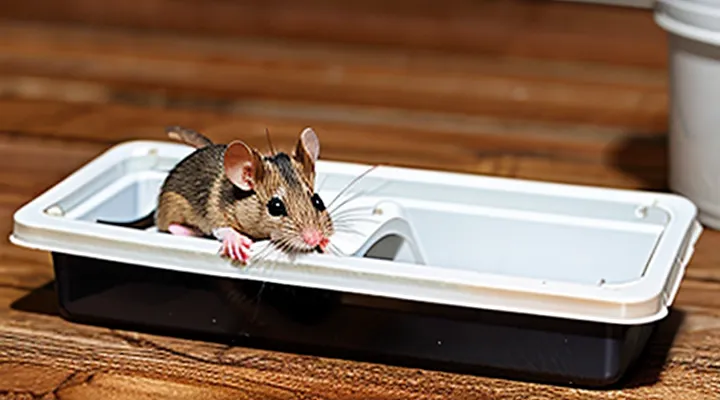
Understanding Glue Traps
What Are Glue Traps?
Glue traps are flat devices composed of a rigid backing (often cardboard or plastic) coated with a high‑strength adhesive. The sticky surface is engineered to immobilize small mammals such as mice and rats when they step onto it. The adhesive remains effective for several weeks, even under low‑temperature conditions, and does not rely on poison or mechanical force.
Key components of a typical adhesive rodent trap include:
- Backing material: provides structural support and can be folded for storage.
- Adhesive layer: formulated to retain elasticity, preventing the trap from drying out.
- Protective covering: thin film that protects the glue until the trap is deployed.
To deploy a trap, remove the protective film, place the device along established rodent pathways (near walls, behind appliances, or in corners), and ensure that the sticky side faces upward. Traps should be positioned flat on a stable surface to avoid accidental displacement. Monitoring intervals of 12–24 hours are recommended to check for captures and replace used traps promptly.
Safety considerations involve preventing accidental contact with non‑target species and human skin. Gloves should be worn during handling, and traps must be stored out of reach of children and pets. Disposal of captured rodents should follow local regulations, typically by sealing the trap in a plastic bag before discarding.
How Do Glue Traps Work?
Adhesive Mechanism
The adhesive surface of a rodent glue board consists of a polymer matrix engineered to remain tacky across a wide temperature range. The polymer chains are cross‑linked to provide elasticity, allowing the surface to conform to the animal’s fur and skin without breaking. A solvent‑based formulation ensures rapid drying after manufacture, resulting in a permanent, high‑strength bond when contact occurs.
Key functional elements of the adhesive mechanism include:
- Viscoelasticity – the material exhibits both viscous flow and elastic recovery, which captures moving rodents while resisting detachment.
- Surface energy – a high surface energy promotes wetting of fur fibers, maximizing contact area and adhesion strength.
- Temperature stability – additives maintain consistent tack from near‑freezing to 35 °C, preventing loss of effectiveness in varied environments.
- Non‑solvent release – the cured polymer does not emit volatile compounds, reducing the risk of secondary contamination.
When a mouse or rat steps onto the board, the fur penetrates the tacky layer, creating microscopic suction pockets that lock the fibers in place. The adhesive’s shear resistance exceeds the animal’s ability to generate sufficient force to escape, leading to immobilization within seconds. The design eliminates the need for mechanical triggers, relying solely on the chemical bonding properties of the polymer surface.
Trap Design and Placement
Adhesive traps for rodents are engineered with a flat, non‑porous surface coated in a strong, non‑tacky glue that retains mice and rats upon contact. The surface area typically ranges from 100 cm² for small models to 250 cm² for larger units, allowing capture of multiple specimens without crowding. Edges are beveled to prevent escape, and the base is rigid to maintain contact with the floor or platform. Bait compartments are recessed, protecting the adhesive from moisture while presenting scent cues that attract gnawing rodents. Materials such as polyethylene or polypropylene resist degradation from urine and droppings, extending functional life up to six weeks under indoor conditions.
Effective deployment follows a systematic placement protocol:
- Position traps along established runways, usually within 2–3 cm of walls where rodents travel.
- Install traps at ground level for mice; elevate to 15–20 cm for rats, matching their typical gait height.
- Secure traps to flat surfaces using adhesive strips or low‑profile brackets to avoid wobble.
- Avoid areas with high foot traffic or pet activity to reduce non‑target captures.
- Replace traps promptly after a capture event to maintain adhesive efficacy and prevent decomposition odors.
Optimal results depend on aligning trap dimensions with target species size, ensuring consistent contact with movement pathways, and maintaining a clean environment that preserves glue integrity.
Advantages of Using Glue Traps
Effectiveness in Capturing Pests
Adhesive rodent traps capture mice and rats by immobilizing them upon contact with a coated surface. Laboratory tests report capture rates between 70 % and 95 % when traps are positioned along established runways. Field observations confirm similar performance when traps are placed in high‑traffic zones such as near food sources, entry points, and wall junctions.
Key variables influencing capture efficiency:
- Surface adhesion strength – higher tack formulations retain larger or more active individuals.
- Placement density – spacing traps at 1‑2 m intervals along suspected pathways maximizes encounter probability.
- Environmental conditions – humidity levels above 50 % improve glue viscosity, while extreme heat can reduce stickiness.
- Target species size – traps calibrated for the typical body mass of house mice (15‑30 g) capture more consistently than those aimed at larger rats (150‑300 g).
- Bait presence – adding a small amount of food attractant increases initial contact rates without compromising the adhesive surface.
Consistent monitoring and timely replacement of saturated traps prevent escape and maintain overall efficacy.
Ease of Use
Adhesive rodent traps are designed for rapid deployment, requiring minimal preparation before placement. The product arrives pre‑coated with a non‑toxic adhesive surface, eliminating the need for additional chemicals or heating. Packaging includes a detachable backing that can be peeled away in a single motion, exposing the sticky area ready for use.
- Setup: Remove the protective film; no tools or assembly required.
- Placement: Flat surface allows the trap to lie directly on the floor, behind appliances, or along walls. The low profile prevents interference with foot traffic and furniture.
- Adjustment: Optional positioning tabs enable precise alignment without bending or cutting the trap.
- Instruction clarity: Printed guidelines describe placement zones and recommended density of traps per 100 sq ft, using diagrams that avoid ambiguous language.
After capture, the trap can be sealed in a disposable bag provided in the package. The sealed bag prevents accidental release of the animal and contains the adhesive, facilitating safe disposal in standard waste streams. The entire process—from unboxing to disposal—requires fewer than three distinct actions, supporting efficient pest control operations without specialized training.
Non-Toxic Nature
The adhesive mechanism relies on a polymer‑based glue that contains no rodenticides, heavy metals, or volatile organic compounds. The formulation is designed to retain pests without releasing harmful substances into the surrounding environment.
Key safety attributes include:
- Human contact: The surface is inert; accidental skin contact may cause temporary adhesion but does not result in chemical irritation or poisoning.
- Pet exposure: Domestic animals that encounter the trap experience the same mechanical adhesion without risk of toxic ingestion, provided the device is placed out of reach.
- Regulatory compliance: The product meets EPA standards for non‑chemical pest control devices, reflecting adherence to federal safety guidelines.
- Environmental impact: Absence of toxic agents allows for straightforward disposal in regular waste streams, minimizing ecological contamination.
Manufacturers achieve the non‑toxic profile by selecting water‑soluble adhesives that cure at low temperatures, eliminating the need for hazardous additives. The resulting trap delivers effective pest capture while maintaining a safety margin for occupants and non‑target wildlife.
Disadvantages and Ethical Concerns
Animal Welfare Issues
Prolonged Suffering
Adhesive rodent traps immobilize mice and rats by coating a surface with a strong, fast‑acting polymer. Once contact is made, the animal’s limbs become firmly attached, preventing escape. The trap does not cause immediate death; instead, the creature experiences a progressive decline.
- Respiratory distress develops as the animal struggles, limiting airflow through the mouth and nose.
- Circulatory failure follows as muscles and limbs are crushed, reducing blood flow to vital organs.
- Dehydration and starvation set in within hours, because the animal cannot reach food or water.
- Painful injuries arise from torn fur, skin abrasions, and broken bones caused by frantic attempts to free itself.
The duration of this process can extend from several hours to more than a day, depending on the size of the animal and the strength of the adhesive. During this period, the subject exhibits signs of acute stress: vocalizations, frantic movement, and loss of coordination. The combination of physiological trauma and psychological terror constitutes prolonged suffering.
Studies comparing glue traps with snap devices report significantly longer intervals until death for the former. Quantitative observations indicate that mortality times for glue‑based traps exceed those of instantaneous killing mechanisms by a factor of three to five. This disparity underscores the ethical concern of inflicting extended agony rather than delivering rapid incapacitation.
Regulatory agencies in multiple jurisdictions have classified adhesive traps as inhumane, citing the documented timeline of distress. Alternatives such as mechanical catch‑and‑release systems, electronic devices, or exclusion methods eliminate the prolonged pain phase by either killing instantly or preventing entry.
In summary, adhesive rodent capture devices cause a cascade of physiological failures that extend over many hours, resulting in sustained agony. The evidence supports classification of these traps as a source of prolonged suffering, prompting consideration of more humane control strategies.
Injuries to Pests
Adhesive rodent traps immobilize mice and rats by adhering their limbs and tail to a sticky surface. The primary injuries observed include:
- Limb entanglement – paws, toes, and claws become trapped, leading to loss of mobility and tissue damage.
- Tail constriction – the tail, a critical blood‑flow conduit, is often pressed against the adhesive, causing vascular occlusion and necrosis.
- Facial and oral contact – contact with the mouth or whiskers can result in abrasions, bleeding, and impaired feeding.
- Stress‑induced trauma – prolonged confinement triggers severe physiological stress, manifested by elevated cortisol levels and potential cardiac complications.
Secondary effects arise when the animal attempts to free itself. Struggling can exacerbate tissue tearing, create secondary wounds, and increase the likelihood of infection. In many cases, the adhesive agent itself contains toxic compounds that may be absorbed through damaged skin, compounding the harm.
From a control perspective, the severity of injuries influences trap selection. Situations demanding rapid population reduction may favor adhesive devices despite the humane concerns, whereas settings prioritizing humane treatment often replace them with live‑capture or snap mechanisms to avoid extensive tissue trauma.
Potential for Non-Target Catches
Adhesive traps designed for mice and rats can unintentionally capture a range of other animals. Small mammals such as shrews, voles, and chipmunks are attracted to the same bait or movement cues, leading to accidental entrapment. Ground‑dwelling birds, including sparrows and quail, may land on the trap surface while foraging, resulting in fatal adhesion. Reptiles, particularly lizards and small snakes, can become stuck when they wander onto the glue board in search of insects.
Factors influencing non‑target capture rates include:
- Placement near vegetation, debris, or water sources where wildlife activity is high.
- Use of strong attractants (e.g., grain, peanut butter) that appeal to a broad spectrum of species.
- Trap density exceeding the minimum required for rodent control, increasing surface area exposed to unintended visitors.
- Lack of physical barriers (e.g., protective cages) that could limit access to the adhesive surface.
Mitigation measures that reduce incidental catches are:
- Install traps inside sealed containers with entry slots sized for rodents only.
- Position devices along established rodent runways, away from bird perches and insect trails.
- Employ species‑specific bait formulations that are unattractive to common non‑target organisms.
- Monitor traps daily and remove any non‑target captures promptly to prevent prolonged suffering.
Regulatory guidelines in many jurisdictions require documentation of non‑target incidents and mandate the use of humane alternatives when feasible. Continuous assessment of trap performance, combined with targeted placement strategies, minimizes collateral harm while maintaining efficacy against the intended rodent populations.
Limitations in Efficacy
Weather Sensitivity
Adhesive rodent traps rely on a polymer coating that remains tacky under specific environmental conditions. Performance declines when external factors alter the physical properties of the glue.
Temperature directly affects the polymer’s viscosity. Below 5 °C, the adhesive hardens, reducing contact efficiency and increasing the likelihood of escape. Above 30 °C, the glue softens, causing premature loss of tackiness and potential contamination of surrounding surfaces. Maintaining ambient temperature within the 15–25 °C range optimizes capture reliability.
Relative humidity influences moisture absorption by the glue layer. High humidity (>80 %) introduces condensation, which dilutes the adhesive and weakens bond strength. Low humidity (<30 %) accelerates desiccation, causing the surface to become brittle. Ideal humidity levels fall between 40 % and 60 %.
Precipitation poses immediate risk. Direct exposure to rain or dew saturates the glue, rendering it ineffective within minutes. Placement in sheltered locations or under protective covers mitigates this threat. Even indirect moisture, such as vapor from nearby water sources, can degrade performance over several hours.
Seasonal variations require proactive management. In winter, traps stored in unheated environments may freeze, necessitating indoor storage or insulated containers. During summer, prolonged sunlight can raise surface temperature beyond optimal limits, suggesting placement in shaded areas.
Recommendations for reliable operation:
- Store traps in airtight, climate‑controlled containers at 20 °C and 50 % relative humidity.
- Deploy traps in locations protected from direct rain, condensation, and strong sunlight.
- Monitor ambient temperature and humidity; replace traps if conditions fall outside the 15–25 °C and 40–60 % ranges.
- Use removable covers or over‑hangs when installing traps in outdoor or semi‑outdoor settings.
- Inspect traps after extreme weather events and re‑position as needed.
Pest Size and Species
Rodent glue traps are designed to capture pests within a specific size range. Adult house mice (Mus musculus) typically measure 6–10 cm in body length, with a tail adding another 5–10 cm, and weigh 15–30 g. Adult Norway rats (Rattus norvegicus) range from 20–25 cm in body length, tail length 18–25 cm, and weight 250–350 g. Juvenile mice and rats fall below these dimensions, making them more susceptible to smaller adhesive surfaces.
Key species encountered in residential and commercial settings include:
- House mouse (Mus musculus)
- Norway rat (Rattus norvegicus)
- Roof rat (Rattus rattus), body length 16–20 cm, weight 150–250 g
- Deer mouse (Peromyscus maniculatus), body length 7–10 cm, weight 12–30 g
- Small field rodents (e.g., voles), body length 8–12 cm, weight 20–50 g
Adhesive trap effectiveness correlates directly with pest dimensions. Traps featuring a minimum adhesive surface of 10 cm × 12 cm reliably immobilize mice and juvenile rats, while larger surfaces (15 cm × 20 cm) improve capture rates for adult rats. Excessively small traps may allow larger rats to escape or avoid contact, reducing overall control efficacy.
Alternatives to Glue Traps
Snap Traps
Snap traps provide a mechanical solution for rodent control, operating through a spring‑loaded bar that delivers an instantaneous strike when the animal activates a trigger. The design typically consists of a wooden or plastic base, a metal bar, and a bait compartment. When a mouse or rat contacts the trigger, the bar snaps shut, causing immediate fatal injury.
Effectiveness depends on proper placement, appropriate bait, and regular inspection. Position traps along walls, behind appliances, and near known activity zones. Use small food items such as peanut butter, seeds, or dried fruit to attract rodents. Check traps daily; remove captured specimens and reset the device to maintain continuous pressure on the population.
Advantages:
- Immediate kill reduces suffering and eliminates disease transmission.
- Reusable; a single unit can capture multiple rodents over time.
- No chemical residues; safe for use in food‑storage areas when handled correctly.
- Low cost per unit; bulk purchase further reduces expense.
Disadvantages:
- Requires manual handling of dead rodents, posing a hygiene concern.
- Ineffective if trigger is poorly positioned or if bait is unattractive.
- Potential for non‑target capture of small wildlife if not monitored.
When compared with adhesive pest control devices, snap traps offer a faster kill and eliminate the risk of prolonged entrapment. Adhesive methods may be easier to deploy but often result in prolonged suffering and create disposal challenges. Snap traps, by delivering an instantaneous strike, align with humane standards while providing a cost‑effective, reusable option for controlling mouse and rat infestations.
Live-Catch Traps
Live‑catch traps are devices that capture rodents without killing them. They consist of a cage or tube with a one‑way entry that closes once the animal passes inside. The interior is smooth, preventing injury, and includes ventilation holes to maintain airflow.
Compared with adhesive devices, live‑catch models offer humane capture, eliminate exposure to toxic glue, and allow repeated use after proper cleaning. They also reduce the risk of secondary poisoning for predators that might ingest a dead rodent.
Key design elements include:
- Size calibrated for mice or rats, ensuring entry but preventing escape.
- Sensitive trigger mechanism, often a pressure plate or spring‑loaded door.
- Secure latch that locks automatically after activation.
- Transparent or mesh walls for visual inspection without disturbance.
- Removable base for easy cleaning and disposal of captured rodents.
Effectiveness depends on bait selection, placement height, and environmental conditions. Preferred baits are high‑protein options such as peanut butter, dried fruit, or commercial rodent attractants. Traps should be positioned along walls, near known activity zones, and checked at least twice daily to prevent stress or dehydration of captured animals.
Maintenance involves rinsing the cage with mild detergent, sanitizing with a diluted bleach solution, and drying thoroughly before reuse. Captured rodents must be released far from residential areas, adhering to local wildlife regulations, or humanely euthanized if required.
Baits and Poisons
Bait selection determines the effectiveness of adhesive devices for rodent control. Commercially available attractants include grain‑based mixtures, peanut butter, and synthetic pheromone lures. Each formulation targets specific feeding preferences; grain blends appeal to rats, while peanut butter provides a strong olfactory cue for mice. Synthetic pheromones mimic conspecific scent markers, increasing trap engagement without introducing food residues that may spoil.
Poison integration with glue devices presents safety and regulatory considerations. Anticoagulant compounds such as bromadiolone and difenacoum inhibit blood clotting, leading to delayed mortality after ingestion. Acute neurotoxins, including bromethalin, cause rapid paralysis but require precise dosing to avoid non‑target exposure. Bait matrices for these agents often consist of cereal blocks or waxy pellets, designed for consumption before contact with the adhesive surface.
Key characteristics for selecting baits and poisons:
- Palatability to target species
- Stability under ambient temperature and humidity
- Minimal attraction to pets and wildlife
- Compliance with local pest‑control regulations
Effective deployment pairs high‑attractant baits with strategically placed adhesive panels, ensuring rapid capture while mitigating the risk of secondary poisoning. Continuous monitoring of trap performance informs adjustments to bait composition, optimizing control outcomes for both mice and rats.
Exclusion and Prevention Methods
Effective rodent management begins with exclusion and prevention, reducing the need for adhesive devices. Identify and seal all potential entry points, including gaps around pipes, vents, and foundation cracks. Use steel wool, caulk, or hardware cloth to block openings that rodents can exploit.
Maintain an environment that discourages infestations. Store food in airtight containers, eliminate standing water, and keep waste in sealed bins. Remove clutter and overgrown vegetation near the building to limit shelter and foraging opportunities.
Implement structural measures that limit access. Install door sweeps, install mesh screens on vents, and repair damaged flooring or roofing. Regularly inspect and reinforce these barriers to ensure continued effectiveness.
Adopt monitoring practices to detect early activity. Place snap traps or electronic monitors at known travel routes to confirm presence before infestations expand. Record findings and adjust exclusion tactics accordingly.
Integrate these strategies with the use of adhesive traps only when necessary, ensuring that prevention measures remain the primary control method.
Best Practices and Safety Considerations
Proper Placement Techniques
Adhesive traps achieve maximum effectiveness when positioned where rodents travel, hide, or forage. Identify high‑traffic routes by observing droppings, gnaw marks, and nesting material. Place traps perpendicular to walls, with the sticky surface facing the expected direction of movement; rodents prefer to run along edges, so a trap mounted on a baseboard or behind appliances intercepts this behavior.
Key placement guidelines:
- Install traps within 12–18 inches of known entry points, such as gaps around pipes or vents.
- Position traps near food sources, including pantry shelves, garbage cans, and pet feeding stations.
- Secure traps on smooth, vertical surfaces to prevent shifting; use tape or brackets designed for the product.
- Avoid placing traps in damp areas that could degrade adhesive quality, such as near leaky pipes or basements with high humidity.
- Replace traps promptly after capture to maintain a fresh adhesive surface and prevent secondary contamination.
Monitoring and adjustment are essential. After initial deployment, inspect traps daily; relocate any that remain untouched to alternative routes. Consistent repositioning based on observed activity patterns sustains control over mouse and rat populations.
Handling Captured Pests
Handling captured rodents from adhesive devices requires immediate, controlled actions to prevent injury, contamination, and further infestation. Wear disposable gloves and a mask to limit exposure to bodily fluids and potential pathogens. Secure the trap on a stable surface, then apply a solvent‑based release agent—such as mineral oil, vegetable oil, or a commercial adhesive remover—directly to the glue. Allow the agent to penetrate for 30–60 seconds, then gently pull the animal free using tweezers or a blunt instrument, avoiding excessive force that could cause additional trauma.
After removal, place the live rodent in a sealed container with breathable material for humane euthanasia, following local regulations. For dead specimens, transfer them to a biohazard bag, seal, and dispose of according to municipal guidelines. Clean the trap thoroughly with soap and hot water, then rinse and dry before reuse, or discard it if the adhesive has degraded.
Key steps for safe handling:
- Put on protective gloves and mask.
- Immobilize the trap on a flat surface.
- Apply a thin layer of oil or remover to the adhesive.
- Wait 30–60 seconds for the glue to loosen.
- Extract the rodent with tweezers, minimizing stress.
- Transfer the animal to an appropriate containment method.
- Decontaminate the trap or discard it safely.
Maintain a log of incidents, including date, location, and disposal method, to track effectiveness and compliance with pest‑management protocols. Regularly audit equipment and personal protective equipment to ensure readiness for future captures.
Disposal Procedures
Proper handling of adhesive rodent traps after use is essential to prevent disease transmission and accidental contact with the glue surface. Wear disposable nitrile gloves and, if needed, a mask to reduce exposure to allergens and odors. Work in a well‑ventilated area or outdoors when possible.
- Place the trap, still attached to the captured animal, into a heavy‑duty plastic bag.
- Seal the bag tightly, then insert it into a second, larger bag for double containment.
- Dispose of the sealed packages in a municipal waste bin designated for pest‑control refuse, or follow the instructions of local health authorities.
- Do not place glue traps in recycling streams; the adhesive contaminates recyclable materials.
For the deceased rodent, wrap the body in a disposable cloth or paper towel, place it inside the inner bag, and treat the exterior of the outer bag with a disinfectant wipe before sealing. Clean the surrounding area with an EPA‑approved sanitizer to remove residual glue and biological material.
When possible, consult local regulations regarding hazardous waste, as some jurisdictions require special collection for adhesive products. Using a certified disposal service eliminates the risk of contaminating landfill sites and ensures compliance with environmental standards.
Storage and Safety Guidelines
Proper storage of adhesive rodent traps prevents loss of potency and reduces accidental contact. Keep traps in their original sealed packaging until use. Store in a cool, dry location away from direct sunlight, with temperature maintained between 10 °C and 30 °C. Place containers on a stable shelf, out of reach of children and pets. Ensure the storage area is clearly labeled with hazard warnings and a brief description of the product.
Safety guidelines for handling glue traps focus on minimizing exposure to the sticky surface and the toxic compounds often incorporated in the adhesive. Follow these steps:
- Wear disposable gloves when removing a trap from its package.
- Use tweezers or a non‑adhesive tool to position the trap, avoiding direct hand contact.
- Dispose of used traps in a sealed, puncture‑resistant bag before discarding them in accordance with local hazardous waste regulations.
- Clean any accidental skin contact immediately with mineral oil or an adhesive remover, then wash with soap and water.
- Keep first‑aid supplies, such as eye‑wash solution and antiseptic wipes, readily accessible in the storage area.
Regularly inspect stored traps for signs of degradation, such as cracking or loss of adhesive quality. Replace any compromised units promptly to maintain effectiveness and safety.