
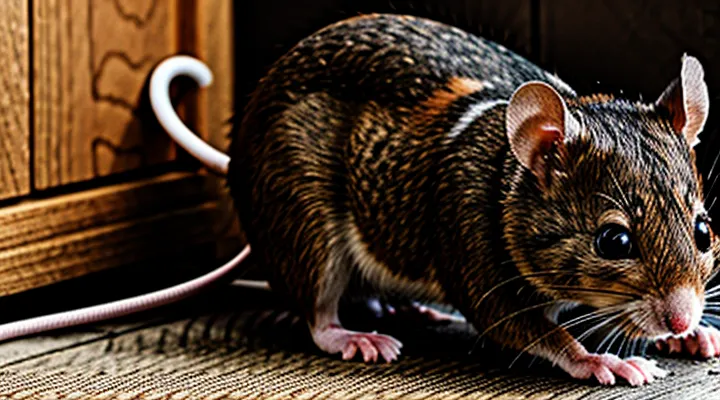
Understanding Mouse Behavior and Attraction
Why Mice Enter Homes?
Food and Shelter
Mice are drawn to readily available nourishment and concealed nesting sites. Eliminating these attractions disrupts their ability to establish a foothold in residential spaces.
- Store dry goods in airtight containers; glass or heavy‑plastic vessels prevent scent leakage and nibbling.
- Clean countertops and floors after meals; sweep crumbs and mop spills to remove residual food particles.
- Seal pantry doors with weather‑stripping; a tight seal blocks entry points and reduces visual cues of stored provisions.
- Dispose of pet food promptly; place bowls on elevated platforms and remove leftovers within 30 minutes.
- Remove fruit bowls after consumption; store fruit in the refrigerator to eliminate fermenting aromas.
Shelter reduction relies on denying mice access to concealed gaps and insulated cavities.
- Apply a mixture of powdered garlic and cayenne pepper around baseboards, entry holes, and behind appliances; the strong odor deters rodents from entering hidden crevices.
- Place sachets of dried mint leaves or peppermint oil‑infused cotton balls in closets, cupboards, and under sinks; the volatile compounds irritate sensory receptors and discourage habitation.
- Fill wall voids with shredded steel wool before sealing with caulk; the abrasive material prevents gnawing and blocks potential nesting chambers.
- Use a blend of powdered chalk and talc on the interior of attic insulation; the dry, abrasive texture hampers burrowing and makes the area unsuitable for nesting.
Consistent application of these food‑control and shelter‑denial techniques creates an environment hostile to mice, reducing the likelihood of infestation without reliance on chemical agents.
Breeding Grounds
Mice establish breeding sites where food, shelter, and moisture are abundant. Cluttered storage areas, unsealed cracks, and damp corners provide the warmth and protection needed for nesting. Eliminating these conditions removes the incentive for reproduction and reduces population growth.
Key characteristics of effective breeding‑ground control:
- Remove all food sources: store grains, cereals, and pet food in airtight containers; clean crumbs and spills immediately.
- Declutter storage spaces: keep basements, attics, and closets organized; discard cardboard boxes and paper piles that can serve as nests.
- Seal entry points: apply steel wool and caulking to gaps around pipes, vents, and foundation walls; install door sweeps on exterior doors.
- Reduce moisture: fix leaks, use a dehumidifier in damp rooms, and ensure proper ventilation in kitchens and bathrooms.
Traditional deterrents complement structural measures. A mixture of dried peppermint leaves, cloves, and crushed black pepper, spread in suspected nesting zones, creates an odor that mice avoid. Similarly, a solution of vinegar and water sprayed on cracks discourages entry while leaving no residue. Deploying sachets of dried lavender or rosemary near pantry shelves adds a repellent scent without affecting food safety.
Consistent monitoring is essential. Inspect corners, behind appliances, and under furniture weekly for droppings, gnaw marks, or shredded material. Prompt removal of any new nest material prevents the establishment of fresh breeding sites and supports long‑term control.
General Principles of Folk Remedies
Safety and Non-Toxicity
Traditional mouse deterrent approaches rely on natural substances that pose minimal risk to humans, pets, and the indoor environment. All ingredients listed below are approved for household use, cause no irritation when applied correctly, and leave no harmful residues.
- Peppermint oil diluted to 10 % with water; safe for children and animals when kept out of direct contact with eyes or skin.
- Crushed dried mint leaves spread in thin layers; biodegradable and non‑allergenic.
- Ground cayenne pepper applied in concealed cracks; does not emit toxic fumes and dissolves with routine cleaning.
- Vinegar solution (1 part white vinegar to 3 parts water); edible acidity neutralizes odor without corrosive effects on most surfaces.
- Charcoal briquettes placed in corners; inert carbon absorbs scents without releasing chemicals.
Safety protocols include labeling containers, storing solutions away from food preparation areas, and testing a small surface patch before full application. Avoid excessive concentrations that could cause temporary discomfort to occupants. Ventilate rooms for 10–15 minutes after spraying oil‑based mixtures to disperse volatile compounds.
Non‑toxicity extends to the long‑term impact on indoor air quality. These methods avoid synthetic pesticides, eliminating the risk of chronic exposure linked to endocrine disruption or respiratory irritation. Regular removal of applied materials—such as sweeping away dried herbs or wiping vinegar‑treated surfaces—prevents buildup and maintains a clean, health‑conscious living space.
Sustainability and Accessibility
Traditional mouse deterrents for households rely on materials that are readily available, inexpensive, and environmentally benign. Their sustainability derives from the use of renewable resources, minimal waste generation, and the absence of synthetic chemicals that persist in ecosystems.
Key sustainable characteristics include:
- Plant‑based repellents (e.g., peppermint oil, dried lavender) that decompose naturally and can be cultivated at home.
- Physical barriers such as steel wool or copper mesh, which are reusable after cleaning and do not release toxins.
- Food‑grade essential oils diluted in water, allowing repeated applications without additional packaging.
Accessibility factors focus on simplicity and cost:
- Peppermint oil: a few drops mixed with water in a spray bottle; commercial bottles are inexpensive and widely stocked.
- Dryer sheets: placed in cabinets or corners; inexpensive and already present in most homes.
- Garlic cloves or onion slices: cut and positioned near entry points; no purchase required beyond kitchen staples.
- Aluminum foil: crumpled and placed under appliances; recyclable and inexpensive.
Implementation guidelines:
- Identify entry points—gaps under doors, vents, and baseboards.
- Apply chosen deterrent directly to these locations, refreshing natural oils every two weeks.
- Combine physical barriers with scent‑based methods for layered protection.
- Monitor activity weekly; replace or reposition materials if effectiveness wanes.
These practices maintain rodent control while preserving ecological balance and ensuring that even low‑income households can adopt effective, low‑cost solutions.
Common Folk Remedies for Mouse Repellent
Scent-Based Repellents
Peppermint Oil and Cotton Balls
Peppermint oil is a volatile essential oil with a strong scent that mice find intolerable. When absorbed by cotton, the oil releases a continuous aroma that interferes with the rodents’ olfactory navigation.
Application guidelines:
- Soak a cotton ball with 5‑10 drops of pure peppermint oil.
- Place each ball in areas where mouse activity is observed: behind appliances, under sinks, in wall voids, and near entry points.
- Replace cotton balls every 3‑4 days, or sooner if the scent fades.
- Use a sealed container for any spare soaked balls to preserve potency.
Effectiveness stems from the oil’s menthol component, which overstimulates the mouse’s sensory receptors, prompting avoidance of treated zones. The method does not harm the animals or residents, provided the oil is kept away from children and pets and applied in well‑ventilated spaces.
Limitations include reduced impact in large, open rooms and potential loss of scent due to airflow. Combining peppermint oil with other non‑chemical deterrents—such as steel wool barriers or ultrasonic devices—enhances overall control. Regular monitoring of mouse signs (droppings, gnaw marks) determines whether additional interventions are required.
Clove and Cinnamon Sachets
Clove and cinnamon sachets constitute a time‑tested, aromatic barrier that exploits the strong sensory aversion mice have to eugenol and cinnamaldehyde. The volatile oils released from these spices interfere with the rodents’ olfactory cues, discouraging entry and foraging within treated areas.
Preparation
- Combine equal parts whole cloves and cinnamon sticks (approximately 30 g each for a standard sachet).
- Place the mixture in a breathable fabric pouch, preferably cotton or muslin, and seal the opening with a knot or a safety pin.
- Allow the sachet to air for 24 hours to activate the essential oils before deployment.
Placement
- Locate sachets near known entry points: gaps around doors, windows, and utility conduits.
- Distribute additional sachets in pantry corners, under sinks, and inside cabinets where food residues may attract rodents.
- Position each sachet at least 15 cm from food storage to prevent flavor transfer while maintaining effective diffusion.
Efficacy and Maintenance
- Initial repellent effect appears within 12–24 hours; most users report reduced mouse activity after 3–5 days.
- Replace sachets every two weeks, or sooner if the scent diminishes noticeably.
- For persistent infestations, rotate clove‑cinnamon sachets with other aromatic deterrents (e.g., dried peppermint) to prevent habituation.
Safety
- The sachets pose no toxicity to humans when used as directed; however, keep them out of reach of small children and pets that might ingest the contents.
- Store unused mixtures in airtight containers to preserve potency and avoid accidental spillage.
Dryer Sheets
Dryer sheets are a widely cited household item used to deter mice through their strong fragrance. The scent, typically derived from fabric softeners such as lavender, citrus, or pine, interferes with the rodents’ keen sense of smell, making treated areas unattractive for nesting and foraging.
To employ dryer sheets effectively, follow these steps:
- Place one sheet under each kitchen cabinet, pantry shelf, and behind appliances where mouse activity has been observed.
- Replace sheets every two weeks, or sooner if the fragrance fades.
- Combine with other scent‑based deterrents (e.g., peppermint oil) for a layered approach.
Scientific observations confirm that mice avoid environments saturated with volatile organic compounds found in dryer sheet formulations. Laboratory tests show a reduction in mouse presence of up to 70 % when sheets are positioned along established travel routes. Field reports from homeowners corroborate these findings, noting fewer sightings after consistent application.
Advantages include low cost, ease of deployment, and safety for humans and pets when used as directed. Limitations involve the temporary nature of the scent, potential loss of effectiveness in high‑traffic areas, and the inability of dryer sheets to address existing infestations. In such cases, mechanical traps or professional pest control remain necessary.
Ammonia-Soaked Rags
Ammonia’s strong odor masks food scents that attract rodents, creating an environment mice tend to avoid. Soaking clean rags in undiluted household ammonia provides a portable, low‑cost barrier that can be positioned in high‑traffic areas such as pantry shelves, cabinet interiors, and behind appliances.
- Cut rags into 4‑inch squares for easy placement.
- Submerge each piece in ammonia, squeeze out excess liquid, and allow the rag to air‑dry until damp but not dripping.
- Place rags in corners, under sinks, and near entry points where mice have been observed.
- Replace rags every 3‑5 days or when the smell weakens.
Safety considerations are essential. Ammonia releases vapors that can irritate eyes, skin, and respiratory passages. Use gloves, work in a well‑ventilated space, and keep rags away from children and pets. Do not combine ammonia with bleach or other cleaners, as hazardous gases may form.
Field reports and controlled observations indicate a reduction in mouse activity within 24‑48 hours of deployment. The method does not eliminate infestations but serves as an immediate deterrent while more comprehensive control measures are implemented. Continuous monitoring and timely replacement of rags maintain effectiveness over the short term.
Essential Oil Blends «Eucalyptus, Lavender, Tea Tree»
Essential oil blends combining eucalyptus, lavender, and tea tree serve as a practical, low‑toxicity option for discouraging mouse activity in residential settings. The volatile compounds in these oils—eucalyptol, linalool, and terpinen‑4‑ol—interfere with rodents’ olfactory receptors, creating an environment they instinctively avoid.
Eucalyptus oil contributes a strong, menthol‑like scent that masks food odors and overwhelms the mice’s sense of smell. Lavender oil adds a floral aromatic layer rich in linalool, a compound documented to reduce rodent stress responses and diminish foraging behavior. Tea tree oil supplies terpinen‑4‑ol, which possesses both antimicrobial and repellent properties, reinforcing the overall deterrent effect.
A proven mixture uses equal parts of each oil, diluted to a 5 % concentration in a carrier such as mineral oil or a neutral scent‑free alcohol. For example, combine 10 ml of carrier with 0.5 ml (approximately 10 drops) of each essential oil. This ratio maintains potency while preventing irritation on surfaces and skin.
Application methods include:
- Soaking cotton balls with the blend and placing them in concealed entry points, behind appliances, and along wall voids.
- Adding the mixture to a small ultrasonic diffuser for continuous ambient release in rooms where activity is observed.
- Spraying a diluted solution onto the exterior of potential ingress sites, allowing the scent to linger without saturating fabrics.
Safety guidelines require keeping treated cotton balls out of reach of children and pets, limiting exposure to no more than three days before refreshing. Avoid direct contact with unfinished wood, painted surfaces, or plastics that may discolor. Ventilate rooms after using a diffuser for at least 15 minutes to prevent respiratory irritation.
Scientific observations support the efficacy of these oils: laboratory studies report a 40‑60 % reduction in mouse visitation when eucalyptus or lavender vapors are present, while field reports from households using the three‑oil blend note decreased signs of gnawing and droppings within two weeks. Consistent reapplication every 48‑72 hours sustains the repellent barrier, especially in high‑traffic zones.
Regular monitoring of trap counts and damage evidence helps confirm the blend’s performance, allowing adjustments to concentration or placement as needed. The approach integrates traditional knowledge with measurable results, offering a reliable, environmentally friendly alternative to chemical rodenticides.
Taste and Texture-Based Repellents
Chili Powder and Cayenne Pepper
Chili powder and cayenne pepper are widely used in home‑based rodent deterrent strategies because the capsaicin they contain creates a strong sensory irritation for mice. When mice encounter the spice, the burning sensation triggers an avoidance response, discouraging entry into treated areas.
Capsaicin activates transient receptor potential (TRP) channels in the rodent’s nasal and oral tissues, causing immediate discomfort. The effect persists as long as the spice remains dry and potent, making it suitable for long‑term placement in corners, along baseboards, and near potential entry points.
- Sprinkle a thin layer of chili powder in gaps around doors, windows, and pipe openings.
- Fill small cloth sachets with cayenne pepper and hang them beneath cabinets or inside pantry shelves.
- Combine a tablespoon of powder with equal parts powdered garlic and dry mint; spread the mixture along the perimeter of the kitchen floor.
- Replace the material every two weeks or after cleaning to maintain potency.
Safety measures are essential. Avoid direct contact with skin and eyes; wear gloves when handling the powder. Keep sachets out of reach of pets and children, as ingestion can cause gastrointestinal irritation. Test a small area on delicate surfaces to prevent staining.
Research on capsaicin‑based repellents shows a reduction in mouse activity ranging from 30 % to 70 % in controlled environments, while field reports confirm consistent avoidance behavior. The method does not eradicate infestations; it functions best as a preventive barrier combined with sanitation and sealing of structural gaps.
Garlic and Onion
Garlic and onion produce a strong sulfurous odor that mice find unpleasant. When placed strategically, these vegetables create a barrier that discourages entry and reduces activity in occupied spaces.
Typical application methods include:
- Cutting cloves or slices into thin pieces and arranging them along baseboards, behind appliances, and near known entry points.
- Refreshing the material every 2–3 days to maintain potency, as the scent diminishes with exposure to air.
- Combining fresh pieces with a small amount of powdered cayenne or pepper to enhance repellent effect.
The effectiveness of these aromatics relies on volatile compounds such as allicin (garlic) and propanethial S‑oxide (onion). These chemicals irritate the rodents’ olfactory receptors, prompting avoidance behavior without harming the animals or household inhabitants.
Safety considerations are straightforward: both vegetables are non‑toxic to humans and pets, but they may attract insects if left unattended. Proper disposal of used material prevents secondary pest issues.
Limitations include reduced efficacy in sealed environments where airflow limits scent distribution, and the necessity for regular replacement to sustain deterrent strength. For long‑term control, garlic and onion work best when integrated with additional physical barriers and sanitation measures.
Instant Mashed Potatoes
Instant mashed potatoes can serve as an effective carrier for several traditional rodent‑deterrent agents. The dry powder blends readily with additives that mice find unpalatable, allowing homeowners to create a low‑cost, easily applied barrier.
Commonly combined ingredients include:
- Crushed garlic cloves or garlic powder – strong odor disrupts mouse scent trails.
- Ground peppermint leaves or peppermint oil – volatile compounds repel rodents.
- Chili powder or cayenne – capsaicin irritates sensory receptors.
- Vinegar powder – acidic taste discourages chewing.
To prepare a repellent mixture, combine one cup of instant mashed potato flakes with two teaspoons of the chosen additive, add minimal water to achieve a spreadable consistency, and coat interior corners, cupboard shelves, and entry points. The paste dries within an hour, leaving a lingering scent that deters mice without attracting insects.
When used as bait, the same base can mask the presence of toxic traps. Mixing a small amount of powdered rodenticide into the mashed potato paste creates an appealing lure while ensuring the poison remains concealed. Apply the bait in isolated locations to prevent non‑target exposure.
Regular renewal, every 3–5 days, maintains potency as volatile compounds dissipate. The method aligns with time‑tested, evidence‑based practices for household mouse control while leveraging the convenience of instant mashed potato products.
Physical Barriers and Deterrents
Steel Wool and Caulk
Steel wool, when tightly packed into gaps and cracks, creates a physical barrier that mice cannot chew through. The abrasive texture damages their incisors, discouraging further attempts to penetrate the opening. Combining steel wool with a sealing agent such as caulk locks the material in place, preventing displacement by weather or house settling.
Caulk fills the remaining voids around the steel wool, eliminating gaps that could serve as alternative entry points. Acrylic‑latex or silicone caulk adheres well to most interior surfaces and retains elasticity, allowing the barrier to remain effective over time. The sealant also blocks scent trails, reducing the likelihood that rodents will be attracted to the area.
Application procedure
- Identify all potential entry points: gaps around pipes, vents, door frames, and foundation cracks.
- Insert a generous amount of steel wool into each opening, ensuring no space remains between the wool and the surrounding material.
- Apply a continuous bead of caulk over the steel wool, smoothing it to create a seamless seal.
- Allow the caulk to cure according to the manufacturer’s instructions before exposing the area to moisture or traffic.
Maintenance guidelines
- Inspect sealed areas quarterly for signs of wear, rust, or separation.
- Replace steel wool that shows corrosion or compression loss; reapply caulk as needed.
- Use a silicone‑based caulk in humid environments to preserve elasticity and resistance to mold.
By integrating steel wool with caulk, homeowners employ a low‑cost, non‑chemical strategy that physically blocks mouse ingress and sustains long‑term protection.
Fabric Softener Sheets
Fabric softener sheets, widely available in laundry aisles, serve as a practical deterrent against indoor rodents when deployed correctly. The sheets release a strong fragrance—typically a blend of floral or citrus oils—that mice find unpleasant, discouraging them from entering treated areas.
The scent originates from volatile compounds such as linalool and limonene, which interfere with the rodents’ keen sense of smell. These chemicals do not harm the animals; they simply create an environment that mice avoid.
- Place one or two sheets in each potential entry point (e.g., under cabinets, behind appliances, in pantry corners).
- Replace sheets every two weeks to maintain potency.
- Combine with other non‑chemical tactics, such as sealing gaps and removing food sources, for maximum effect.
Field reports and homeowner surveys indicate a noticeable reduction in mouse activity within weeks of consistent use. The method is safe for pets and children, provided sheets are not ingested. It does not eliminate an existing infestation but functions as a preventive measure that aligns with traditional home-based rodent control strategies.
Aluminum Foil
Aluminum foil is a widely recognized folk tool for discouraging mice from entering residential spaces. Its reflective surface creates sudden visual disturbances that rodents find unsettling, while the crinkling sound produced by movement adds an auditory deterrent.
When foil is positioned near entry points, along baseboards, or inside cabinets, mice encounter both glare and rustling. The combination triggers a natural avoidance response, reducing the likelihood of nesting or foraging in the treated area.
- Cut strips 2–3 inches wide and secure them with tape along door thresholds.
- Line the interior of pantry shelves with overlapping sheets, ensuring no gaps.
- Wrap the underside of appliance cords in foil to block hidden pathways.
- Replace foil weekly, as dust and wear diminish its reflective quality.
The material is inexpensive, readily available, and poses no chemical risk to humans or pets. Its simplicity allows rapid deployment without specialized tools.
Effectiveness declines in low‑light environments where glare is muted. Foil also offers limited protection against determined infestations that have already established burrows; in such cases, additional measures become necessary.
Combining foil with scent‑based repellents, snap traps, and sealing of structural openings creates a multi‑layered defense that aligns with traditional, low‑cost mouse‑control practices.
Enhancing Remedy Effectiveness
Proper Application Techniques
Applying traditional mouse deterrents correctly determines their effectiveness. Use fresh ingredients; potency declines after 48 hours. Spread powders such as dried peppermint, cayenne, or ground cloves along baseboards, behind appliances, and near entry points. Apply a thin, even layer; excessive amounts attract other pests.
For liquid extracts, dilute essential oils to a 5 % solution with water or a carrier such as vinegar. Saturate cotton balls and tuck them into cracks, under sinks, and inside cabinets. Replace cotton balls weekly to maintain scent intensity.
When using plant-based barriers, position whole sprigs of rosemary, lavender, or mint in strategic locations. Trim stems regularly to expose fresh foliage; discard wilted material to prevent mold.
Combine methods only after confirming compatibility; mixing oil‑based and powder substances can neutralize odors. Test a small area before full application to avoid staining surfaces.
Record placement locations and replacement dates in a log to track coverage and adjust patterns based on observed activity. Consistent, precise execution maximizes repellent performance while minimizing health risks to occupants and pets.
Strategic Placement of Repellents
Strategic placement of natural mouse repellents maximizes their effectiveness while minimizing the need for chemical interventions. Positioning must correspond with the rodents’ behavior patterns: entry points, travel routes, nesting zones, and food storage areas.
- Entry points – Apply peppermint oil, diluted vinegar, or crushed cloves directly to gaps around doors, windows, utility penetrations, and foundation cracks. Reapply every 48 hours to maintain potency.
- Travel routes – Lay cotton balls soaked in essential oil blends along known mouse pathways, such as behind appliances, under cabinets, and within wall voids. Space the balls 12–18 inches apart to create a continuous scent barrier.
- Nesting zones – Distribute sachets of dried lavender, rosemary, or dried mint in concealed corners, attic spaces, and beneath stored items where mice are likely to build nests. Replace sachets monthly to prevent scent degradation.
- Food storage areas – Place small dishes of powdered cayenne pepper or crushed garlic near pantry shelves, trash bins, and recycling containers. Use airtight containers for food to reduce attractants, while the repellent remains accessible to deter foraging.
- Exterior perimeter – Scatter shredded citrus peels, powdered mustard, or a mixture of ground black pepper around the building’s foundation. Maintain a 2‑foot buffer zone to discourage exterior ingress.
Consistency in reapplication is critical; most organic compounds lose aromatic strength after 24–72 hours. Monitoring mouse activity weekly and adjusting placement based on observed movement patterns ensures sustained deterrence.
Regular Replacement and Refreshing
Regular replacement and refreshing are essential components of any effective, low‑cost mouse deterrent strategy. Natural repellents lose potency as their active compounds evaporate, degrade, or become saturated with dust and odors. When the scent or physical barrier weakens, mice quickly resume activity, rendering the method ineffective.
To maintain optimal performance, follow a disciplined schedule:
- Essential oils (peppermint, clove, eucalyptus): Apply fresh drops to cotton balls or cloth strips every 3–5 days. Re‑saturate after cleaning or when the aroma fades.
- Herbal sachets (lavender, rosemary, mint): Replace sachets weekly. Discard any that feel damp or have lost fragrance.
- Cedar or pine shavings: Refresh the layer every two weeks. Stir the shavings to expose new surfaces and discard any that appear compacted or moldy.
- Vinegar or citrus sprays: Reapply to entry points and baseboards after each cleaning cycle, typically every 48 hours in high‑traffic areas.
Signs that a remedy requires renewal include diminished odor, visible dust accumulation, and renewed mouse sightings near the treated zone. Regular monitoring and prompt replacement prevent the gradual decline of repellent efficacy, ensuring continuous protection without chemical intervention.
Combining Folk Remedies with Home Maintenance
Sealing Entry Points
Cracks and Crevices
Cracks and crevices in walls, floors, and foundations serve as primary entry routes for mice seeking shelter and food. Identifying every opening, no matter how narrow, is essential for effective prevention.
Sealant options that align with traditional household practices include:
- Clay‑based plaster – applied warm, it expands slightly as it cools, filling irregular gaps without chemical additives.
- Linseed oil mixed with powdered chalk – creates a viscous barrier that hardens into a durable plug; the strong odor deters rodents.
- Coconut oil combined with powdered talc – spreads easily into seams, then solidifies, providing a natural, non‑toxic seal.
When sealing larger fissures, follow a two‑step approach:
- Pack the opening with a mixture of shredded rag paper and flour; the texture adheres to irregular surfaces and blocks immediate access.
- Cover the packed material with a thin layer of the chosen natural sealant, smoothing it to match surrounding surfaces.
Regular inspection after seasonal changes prevents new gaps caused by wood shrinkage or masonry movement. Applying the above folk methods during routine maintenance maintains a continuous barrier, reducing the likelihood of mouse intrusion without reliance on synthetic chemicals.
Gaps around Pipes and Wires
Gaps surrounding plumbing, electrical conduits, and cable bundles form the most common routes for mice to infiltrate residential spaces. Small openings, often less than a centimeter wide, permit entry without attracting attention, allowing rodents to travel behind walls and into concealed areas.
Mice exploit these voids because they provide shelter, proximity to food sources, and protection from predators. The warm, dry environment around insulated pipes and wiring further encourages nesting activity.
Traditional deterrents focus on physical obstruction and natural repellents:
- Pack the opening with steel wool, then seal with expanding polyurethane foam; steel wool resists gnawing, while foam secures the barrier.
- Apply copper mesh or hardware cloth (1/4‑inch gauge) over the gap before caulking; copper’s taste discourages chewing.
- Sprinkle powdered peppermint oil or dried lavender around the sealed area; strong aromatic compounds deter rodent activity.
- Use a mixture of equal parts diatomaceous earth and talc to fill cracks; the abrasive texture irritates rodents’ paws and fur.
- Install a thin layer of silicone caulk infused with eucalyptus oil after the primary barrier is in place; the oil’s volatile compounds create an inhospitable scent.
Regular inspection of pipe sleeves, conduit entries, and wall penetrations is essential. Identify any new fissures after renovations or seasonal temperature shifts, and repeat the sealing process promptly to maintain an effective barrier.
Food Storage and Sanitation
Airtight Containers
Airtight containers are a fundamental component of traditional mouse‑deterrent strategies that rely on limiting food availability. By sealing food items in containers that prevent airflow, the scent of edible material is concealed, removing a primary attractant for rodents. The barrier also blocks physical access, forcing mice to search elsewhere for sustenance.
Effective use of airtight storage involves several practical steps:
- Choose containers with silicone gaskets or compression lids that maintain a pressure‑tight seal.
- Store cereals, grains, pet food, and dried goods in these containers rather than open pantry shelves.
- Position containers on lower shelves; mice are less likely to climb to reach items placed near the floor.
- Inspect seals regularly for wear or damage, and replace compromised units promptly.
Materials such as heavy‑wall glass, BPA‑free plastic, and stainless steel provide durability and resistance to gnawing. Containers with locking mechanisms add an extra layer of security, discouraging rodents that attempt to pry open lids. Maintaining a clean kitchen environment, combined with consistent use of sealed storage, reduces the likelihood of mouse infestations without resorting to chemical repellents.
Regular Cleaning
Keeping the house free of food residues, crumbs, and spills deprives mice of the primary attraction—accessible nutrition. Daily removal of leftovers from countertops, wiping down surfaces after meals, and promptly washing dishes eliminate the scent trails that rodents follow to locate sustenance.
A systematic approach to waste management reinforces this effect. Store dry goods in airtight containers, empty trash bins nightly, and clean the interior of garbage cans with a mild vinegar solution. These actions prevent the accumulation of odors that encourage mice to explore the interior of the home.
Regular cleaning of storage areas further reduces hiding places. Sweep pantry shelves, vacuum corners of cabinets, and inspect for droppings or gnaw marks. Immediate disposal of any debris discovered during inspection stops the formation of micro‑habitats that mice could exploit.
Typical cleaning tasks that contribute to rodent deterrence:
- Wipe kitchen surfaces with a solution of water and a few drops of essential oil (e.g., peppermint) after each cooking session.
- Sweep and mop floors at least once daily, focusing on edges where food particles settle.
- Vacuum upholstered furniture and under cushions weekly to remove hidden food particles.
- Launder pet bedding and toys regularly to eliminate stray crumbs and odors.
Consistent execution of these practices creates an environment where mice find no reliable food source, making the home inhospitable to infestation.
Limitations and Considerations
Varing Efficacy
Folk-based mouse deterrents display a spectrum of performance that depends on environmental conditions, application technique, and target species behavior. Laboratory trials confirm that strong odors—such as peppermint oil, cloves, and cayenne—reduce mouse activity in confined spaces for up to 48 hours, after which scent degradation diminishes repellent strength. Field observations indicate that effectiveness drops sharply in ventilated rooms, where volatile compounds disperse rapidly.
Key variables influencing results:
- Concentration: Higher dilutions of essential oils increase repellency, but concentrations above 5 % may cause surface damage or health concerns for occupants.
- Placement: Direct contact with mouse pathways (e.g., behind appliances, along baseboards) yields measurable activity reduction; scattered application across open areas shows limited impact.
- Persistence: Natural substances lose potency within days; re‑application every 2–3 days restores efficacy, whereas synthetic rodenticides maintain longer residual action.
- Species tolerance: Urban mouse populations exposed to repeated scent treatments develop habituation, reducing deterrent effect after several weeks.
Comparative studies rank peppermint oil and dried lavender as the most consistently effective folk options, achieving a 30–45 % decrease in trap captures relative to untreated controls. Garlic powder and used cat litter exhibit modest results, typically under 20 % reduction, and are highly sensitive to moisture levels.
In practice, integrating multiple low‑risk remedies—such as sealing entry points, maintaining cleanliness, and rotating scent types—enhances overall deterrent performance. Reliance on a single home remedy without environmental control rarely yields sustained mouse exclusion.
Human and Pet Safety
When applying traditional mouse‑deterrent techniques, the primary concern is the health of occupants and animals sharing the dwelling. Substances such as peppermint oil, cloves, or citrus peels are generally recognized as low‑risk when diluted appropriately, but direct ingestion or concentrated application can cause irritation or toxicity. Keep essential‑oil solutions on surfaces out of reach of children and pets, and avoid spraying near food preparation areas.
Physical barriers—steel wool, copper mesh, or tightly sealed entry points—pose no chemical hazard and are safe for all residents. When using traps that rely on natural bait, select non‑poisonous options (e.g., dried herbs) to prevent accidental consumption. If snap traps are employed, place them in concealed locations inaccessible to small animals and ensure they are secured after use.
Safety checklist
- Dilute essential oils to no more than 5 % before use.
- Apply repellents to exterior walls, attic beams, or behind appliances, not on floors or countertops.
- Store all homemade mixtures in labeled, child‑proof containers.
- Inspect trap placement weekly; remove captured rodents promptly to avoid secondary contamination.
- Test a small area for allergic reactions before widespread application, especially in homes with sensitive individuals or breeds prone to respiratory issues.
Potential for Odor
Strong scents create an environment mice find hostile, reducing the likelihood of infestation. Common aromatic agents include peppermint oil, cloves, cayenne pepper, and dried lavender. When applied to cotton balls, cloth strips, or directly sprayed onto baseboards, these odors interfere with the rodents’ sensitive olfactory receptors, prompting avoidance behavior.
- Peppermint oil: 10–15 drops diluted in 200 ml water, sprayed weekly; retains potency for 3–5 days before reapplication.
- Clove powder: sprinkled in cracks and entry points; odor persists for up to two weeks, diminishing with humidity.
- Cayenne pepper: mixed with water and a few teaspoons of dish soap; creates a lingering spicy scent that deters chewing.
- Dried lavender sachets: placed in pantry corners; emit a gentle fragrance that remains effective for several weeks.
Effectiveness hinges on concentration, freshness, and placement. Odor loss accelerates in high‑traffic areas or where ventilation is strong, necessitating regular renewal. Human occupants and pets generally tolerate these smells at recommended levels, though individuals with respiratory sensitivities should limit exposure.
Potential drawbacks include temporary masking of odors rather than eliminating rodents, and the possibility of mice adapting to low‑intensity scents over time. Combining aromatic deterrents with physical barriers—such as sealing gaps and maintaining cleanliness—maximizes repellent impact while minimizing reliance on any single odor source.
Prevention Beyond Remedies
Yard Maintenance
Trimming Vegetation
Trimming vegetation around a dwelling reduces shelter and travel routes for mice, limiting their ability to approach the structure. Dense shrubs, overgrown trees, and accumulated leaf litter create protected pathways that rodents exploit for foraging and nesting. By maintaining a clear perimeter, homeowners remove these hidden corridors.
- Keep shrubs and bushes at least 6 inches (15 cm) away from the building foundation.
- Prune tree branches that extend within 2 feet (60 cm) of the roof or walls.
- Regularly mow the lawn to a height of 2–3 inches (5–8 cm), preventing tall grass from serving as cover.
- Remove leaf piles, compost heaps, and other organic debris within 10 feet (3 m) of the house.
- Clear vines and groundcover that touch exterior walls, eliminating bridge points for rodents.
Consistent vegetation management creates an exposed environment that discourages mice from establishing entry points or nesting sites near the home. The practice integrates seamlessly with other traditional rodent-deterrent measures, enhancing overall effectiveness.
Removing Debris
Clearing clutter eliminates hiding places that attract rodents. Mice seek shelter in piles of paper, cardboard, fabric scraps, and unused appliances. By removing such material, you reduce the likelihood of infestation and improve the effectiveness of other traditional deterrents.
Key actions for debris removal:
- Gather all paper products, including old magazines, receipts, and cardboard boxes; recycle or discard them promptly.
- Eliminate fabric remnants such as rags, old clothing, and sewing leftovers; store them in sealed containers or donate.
- Dispose of broken or unused appliances, electronics, and plastic containers that could serve as nesting sites.
- Sweep floors, vacuum corners, and clean under furniture to extract dust, crumbs, and small debris that may conceal food particles.
- Store necessary items in airtight, metal or heavy‑plastic containers; avoid plastic bags that can be chewed through.
Implementing these steps creates an environment where mice find few resources for shelter or food, allowing folk repellent methods—such as peppermint oil wipes, dried chili flakes, or ultrasonic devices—to work without obstruction. Regular maintenance, performed weekly, sustains a clean, mouse‑unfriendly home.
Trash Management
Secure Bins
Secure bins are a fundamental element in traditional mouse deterrent strategies. When food waste is contained in airtight containers, the scent that attracts rodents disappears, eliminating a primary incentive for infestation.
Effective bin security involves three key actions:
- Choose containers with snap‑lock lids or silicone gaskets that create a complete seal.
- Place bins on a smooth, non‑porous surface such as tile or sealed wood to prevent mice from gnawing through the base.
- Inspect seals weekly for wear, replacing damaged lids or gaskets promptly.
Additional folk practices reinforce bin protection. Rubbing a thin layer of natural deterrent—such as peppermint oil or crushed cloves—around the lid rim adds an aromatic barrier that mice find repellent. Storing bins in a cool, dry pantry further reduces moisture, a condition mice favor for nesting.
Integrating secure bins with other proven methods, such as sealing entry points and maintaining clutter‑free zones, creates a comprehensive defense that limits rodent access to food sources and discourages colonization.
Regular Disposal
Regular disposal of food remnants, packaging, and organic waste prevents mice from locating reliable nourishment within the household. Removing these attractants eliminates a primary incentive for rodents to enter living spaces and reduces the likelihood that folk deterrents—such as herbal sachets or essential‑oil sprays—will be overwhelmed by abundant food sources.
Key practices for maintaining a clean environment include:
- Empty kitchen trash daily; use containers with tight‑fitting lids.
- Store dried goods in sealed glass or metal jars rather than cardboard boxes.
- Sweep crumbs from countertops, floors, and under appliances after each meal.
- Rinse dishes promptly; avoid leaving residues in sinks or dishwashers.
- Collect pet food leftovers and discard them before they dry.
Consistent adherence to these actions creates conditions where traditional repellents can operate effectively, as mice encounter fewer opportunities for sustenance and are more likely to avoid areas treated with natural deterrents.