
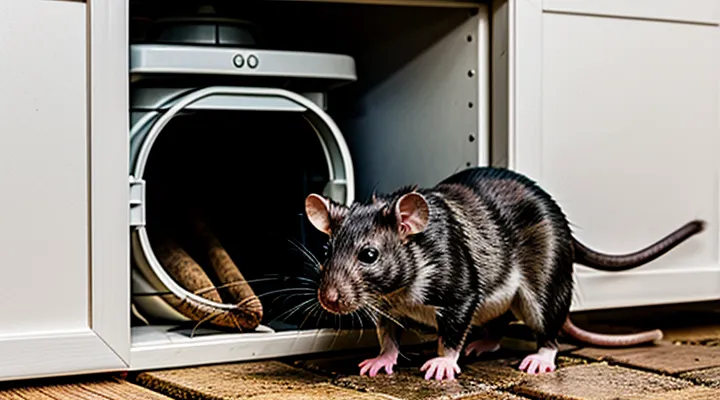
Understanding the Rat Problem
Signs of Rat Infestation
Droppings and Urine Trails
Droppings and urine trails serve as the primary indicators of a rat infestation. Fresh feces appear as small, dark pellets about the size of a grain of rice, while older droppings turn lighter and crumble easily. Urine stains manifest as dark, glossy lines along walls, baseboards, and behind appliances; the scent is often detectable even when visual signs are absent.
Identifying these signs enables targeted folk interventions. Traditional practices rely on the following steps:
- Locate all droppings and urine marks; mark each spot with chalk or a non‑toxic dye.
- Apply natural repellents directly to the marked areas: a mixture of vinegar and water, or a solution of peppermint oil diluted with carrier oil, creates an unpleasant scent for rodents.
- Spread a thin layer of powdered cayenne pepper or ground cloves over the trails; the strong aroma deters further travel.
- Place dried herbs such as lavender, rosemary, or bay leaves near identified pathways; the volatile oils interfere with rats’ scent tracking.
- After treatment, seal entry points surrounding the contaminated zones to prevent re‑entry.
Cleaning the contaminated surfaces eliminates lingering odor that may attract other rodents. Use a solution of hot water, baking soda, and a few drops of citrus essential oil; scrub thoroughly, then allow the area to dry completely. Dispose of cleaning materials in sealed bags to avoid spreading contaminants.
Monitoring the treated zones for new droppings or urine stains confirms the effectiveness of the folk measures. Absence of fresh signs over a two‑week period indicates a successful interruption of the rats’ movement and a reduced likelihood of reinfestation.
Gnaw Marks and Damage
Rats leave characteristic gnaw marks that reveal entry points and vulnerable structures. Teeth leave crescent‑shaped holes with rough edges, often visible on wood, plastic, and wiring. Fresh gnaws appear lighter in color; older damage darkens as material ages.
Typical damage includes:
- Chewed wooden beams, compromising structural integrity.
- Severed electrical insulation, creating fire hazards.
- Punctured PVC pipes, leading to leaks and mold growth.
- Damaged stored food containers, causing contamination.
Identifying gnaw marks early allows targeted application of traditional home remedies. Seal openings larger than a quarter‑inch, replace compromised components, and place natural deterrents—such as dried chili, peppermint oil, or crushed garlic—directly on or near the affected areas. Continuous monitoring of repaired sites prevents re‑infestation and limits further material loss.
Unusual Noises
Unusual noises often signal active rodent presence in a home, providing the only auditory clue when visual inspection fails. Detecting these sounds allows immediate implementation of traditional rat‑control practices before infestation spreads.
Typical sounds produced by rats include:
- Scratching along walls, ceilings or insulation, especially at night.
- Rapid, high‑pitched squeaking during movement through confined spaces.
- Soft thudding when larger individuals run across beams or floors.
- Rattling of stored food containers caused by gnawing activity.
Each noise corresponds to a specific behavior: scratching indicates burrowing, squeaking marks social interaction, thudding reveals travel routes, and rattling shows feeding. Recognizing the pattern directs the placement of folk deterrents such as oil‑based repellents, natural predator scents, or homemade acoustic traps. Applying these measures directly where noises originate maximizes effectiveness and supports permanent eradication of rats from a private residence.
Risks of Rat Presence
Health Hazards and Diseases
Rats carry a range of pathogens that threaten occupants of a private residence. Direct contact with urine, feces, or saliva can transmit leptospirosis, a bacterial infection that may cause fever, kidney failure, or liver damage. Bite wounds introduce Streptobacillus moniliformis, the agent of rat‑bite fever, producing rash, joint pain, and potentially fatal complications if untreated. Inhalation of aerosolized rodent droppings spreads hantavirus, leading to severe respiratory illness with a mortality rate up to 35 %. Salmonella species, present in rat feces, contaminate stored food and cause gastroenteritis, dehydration, and, in vulnerable populations, septicemia. Yersinia pestis, though rare, remains a lingering threat, capable of producing plague with rapid progression to septic shock and death.
Besides infectious agents, rats create indirect health risks. Their gnawing compromises structural integrity, allowing entry of insects and mold, which exacerbate asthma and allergic reactions. Accumulated droppings increase indoor ammonia levels, irritating eyes, skin, and mucous membranes. Contaminated surfaces facilitate cross‑contamination of kitchen utensils, extending the exposure window for household members.
Effective control measures reduce these hazards. Traditional approaches include:
- Placement of snap or live traps along established runways.
- Use of natural deterrents such as peppermint oil, crushed red pepper, or dried lavender, applied to entry points and nesting sites.
- Installation of metal or concrete barriers to seal cracks, vents, and gaps larger than ¼ inch.
- Deployment of predatory animals, notably domestic cats, to suppress rodent activity.
- Regular removal of food waste, unsecured garbage, and clutter that provide shelter or sustenance.
Implementing these practices eliminates the source of disease transmission, curtails environmental contamination, and safeguards the health of residents.
Property Damage
Rats compromise the integrity of private residences by gnawing wood, damaging insulation, severing electrical wiring, contaminating stored food, and undermining structural supports.
- Structural timber weakened by bite marks
- Insulation shredded, creating heat loss
- Electrical cables chewed, increasing fire risk
- Food supplies contaminated with urine and droppings
- Foundations and masonry breached by burrowing
Traditional rodent control techniques address these problems through a sequence of actions that halt damage and prevent recurrence.
- Identify active pathways: locate holes, cracks, and entry points used by rodents.
- Deploy natural repellents: apply strong-smelling substances such as peppermint oil, crushed garlic, or dried chilies near suspected entryways.
- Set homemade traps: use baited buckets, bottle traps, or rolled newspaper snares to capture individuals before they inflict further harm.
- Seal openings: fill gaps with steel wool, cement, or metal mesh to block re‑entry.
- Maintain a clean environment: store food in airtight containers, remove clutter, and eliminate standing water to reduce attractants.
Consistent application of these measures eliminates the source of damage, eliminates the need for costly repairs, and preserves the structural and sanitary condition of the house.
Prevention and Exclusion «Folk» Strategies
Sealing Entry Points
Inspecting Foundation and Walls
Inspecting the foundation and walls is the first step in any traditional approach to eradicate rats from a private residence. Rats enter through gaps, cracks, and openings that compromise the structural envelope. Identifying these points prevents re‑infestation after other measures are applied.
Typical signs of entry include:
- Small holes (¼‑inch or larger) in concrete or brickwork
- Gnaw marks on wooden joists or sill plates
- Soil or mulch displaced near the foundation
- Burrows or nesting material in wall cavities
When a potential entry is found, follow a systematic sealing process:
- Clean the area of debris and droppings.
- Apply a rust‑proof metal mesh or steel wool to fill the opening.
- Cover the filler with a cement‑based mortar or a strong exterior caulk.
- For larger cracks, use a hydraulic cement that expands as it cures, ensuring a watertight seal.
In addition to physical barriers, folk practitioners often use natural repellents at the sealing sites. A few drops of peppermint oil on cotton balls placed near the repaired gap create an odor rats avoid. Sprinkling crushed dried chilies or powdered garlic around the foundation can reinforce the deterrent effect.
Regularly re‑examine the foundation after heavy rain or seasonal changes, as new cracks may develop. Prompt repair maintains the integrity of the barrier and supports the long‑term success of any rat‑control strategy.
Securing Vents and Chimneys
Rats enter homes through unprotected vents and chimneys, using gaps as shortcuts to nests and food sources. Securing these openings eliminates a primary route and reduces the likelihood of reinfestation.
Inspect each vent and chimney regularly. Look for cracks, loose flashing, or missing screens. Repair damaged sections with cement or metal patching before sealing.
- Install stainless‑steel mesh (¼‑inch or smaller) over vent openings; fasten with corrosion‑resistant screws.
- Fit a chimney cap made of metal or heavy‑duty ceramic; ensure the cap has a tight seal around the flue.
- Pack remaining gaps with steel wool, then apply expanding polyurethane foam for added durability.
- Place a layer of copper wire (½‑inch) around the exterior of the cap to deter gnawing.
- Sprinkle dried mint, cloves, or crushed pepper around the mesh edges; the strong scent discourages chewing.
After installation, verify that airflow remains adequate for appliances and that the cap does not obstruct smoke evacuation. Repeat the inspection each season, repairing any wear promptly to maintain a continuous barrier against rodent intrusion.
Repairing Gaps Around Pipes
Rats gain entry through unsealed openings around plumbing, especially where pipes penetrate walls, floors, or foundations. Sealing these gaps removes a primary pathway, reducing the likelihood of infestation and limiting the need for more aggressive measures.
Use durable, rodent‑proof materials such as steel wool, copper mesh, or expanding polyurethane foam reinforced with mesh. Clean the area, remove debris, and ensure the surface is dry before applying the sealant. Apply the chosen filler tightly around the pipe, compressing it to fill all voids, then smooth the surface and allow any curing time indicated by the product.
- Insert a length of steel wool or copper mesh into the gap, pressing firmly to eliminate spaces.
- Cover the filler with expanding foam, spraying until the gap is completely filled.
- Once the foam hardens, trim excess material and apply a sealant or caulk for a weather‑proof finish.
- Inspect the sealed area regularly for signs of wear or new openings, repairing promptly as needed.
Eliminating Food and Water Sources
Proper Food Storage
Proper food storage is a cornerstone of any traditional rat‑control strategy for a private residence. Rats locate sustenance through scent and visual cues; eliminating accessible food sources removes the primary incentive for infestation.
Secure containers made of metal or heavy‑wall plastic, equipped with tight‑locking lids, prevent rodents from gnawing through. Store dry goods such as grains, cereals, and pet food in these containers, and label each with the purchase date to encourage regular rotation.
Maintain a clean pantry by sweeping crumbs daily and wiping shelves with a mild disinfectant. Arrange items so that none rest directly on the floor; use raised shelves or pallets to create a gap that deters rodent movement.
Manage waste effectively:
- Transfer kitchen trash to sealed bins each night.
- Keep outdoor garbage cans covered and elevated off the ground.
- Dispose of compost in rodent‑proof containers with tight lids.
Control moisture, which attracts rats, by:
- Storing canned and bottled liquids in sealed cabinets.
- Repairing leaks promptly and wiping down any spills immediately.
Implement these practices consistently, and the environment becomes inhospitable to rats, supporting long‑term elimination without reliance on chemical or mechanical interventions.
Regular Waste Disposal
Regular waste disposal is a fundamental component of traditional rat‑control strategies for private residences. Improperly stored garbage provides a reliable food source, encouraging rats to establish nests near the household. Eliminating this attraction reduces the likelihood of infestation and supports long‑term exclusion.
Key practices for maintaining a rat‑free environment through waste management:
- Collect household refuse daily; avoid accumulation beyond 24 hours.
- Use containers with tight‑fitting lids; metal or heavy‑wall plastic prevents gnawing.
- Position bins away from the building’s foundation, at least two meters from walls.
- Seal all bags before placing them in bins; double‑bagging eliminates odor leakage.
- Remove bins from the property on a regular schedule, preferably before nightfall when rats are most active.
- Clean the area around waste containers weekly; eliminate spilled food, crumbs, and liquid residue.
- Rotate or replace containers showing signs of damage, as compromised seals become entry points.
Consistent adherence to these measures deprives rats of sustenance, discourages colonisation, and complements other folk techniques such as habitat modification and natural repellents. The result is a sustainable reduction in rodent activity without reliance on chemical controls.
Addressing Leaks and Standing Water
Rats are attracted to moisture; any leak or puddle creates a reliable food and shelter source. Eliminating water sources removes a primary incentive for infestation and supports long‑term control.
Identify and repair all sources of unwanted moisture. Common points include:
- Dripping faucets or pipe joints; tighten fittings and replace worn washers.
- Roof leaks; seal cracked shingles and apply waterproof flashing.
- Basement or crawl‑space condensation; install vapor barriers and improve ventilation.
- Leaking appliances such as washing machines or dishwashers; check hoses for cracks and secure connections.
After repairs, remove residual water. Use absorbent towels or a wet‑vacuum to dry surfaces, then apply a desiccant (e.g., silica gel or cat litter) in areas prone to humidity. Ensure proper drainage around the foundation by grading soil away from the house and clearing gutters. Consistent elimination of standing water deprives rats of essential resources, reinforcing folk‑based eradication strategies for a private residence.
Maintaining a Clean Environment
Decluttering and Organization
A cluttered environment offers rats shelter, nesting material, and easy access to food. Removing unnecessary items and organizing storage spaces eliminates these advantages, making traditional, low‑tech rat deterrents far more effective.
- Clear floor space in kitchens, pantries, and utility rooms; store appliances on sturdy platforms or mount them on walls.
- Consolidate food supplies in airtight containers; discard expired or broken packaging that can serve as chewable material.
- Eliminate piles of newspapers, cardboard, and fabric scraps; recycle or shred them promptly.
- Organize garage and shed contents on shelves, keeping boxes off the floor and away from walls.
- Seal cracks, gaps, and openings after decluttering; use natural sealants such as powdered chalk or diatomaceous earth mixed with clay.
Each step reduces hiding places, limits food sources, and improves visibility for monitoring rodent activity. When the home is orderly, folk practices—like placing herbal sachets, employing predator scents, or setting simple traps—operate without obstruction, increasing the likelihood of permanent eradication.
Yard and Garden Maintenance
Effective yard and garden upkeep is essential for long‑term rat control using traditional, low‑tech strategies. Regular trimming of shrubs, removal of fallen fruit, and clearing of debris eliminate shelter and food sources that attract rodents. Maintaining clean pathways and avoiding overgrown vegetation prevents rats from establishing hidden routes toward the house.
Key folk practices integrate directly with garden maintenance:
- Crop rotation and companion planting – grow strong‑smelling herbs such as mint, rosemary, or lavender around vegetable beds; their scent deters rats while improving soil health.
- Mulch management – use coarse, dry mulch instead of dense organic material; it discourages burrowing and allows easier inspection for rodent activity.
- Compost hygiene – keep compost piles aerated, cover with tight‑fitting lids, and add lime to raise pH; these steps reduce the attractiveness of waste to rats.
- Water control – fix leaks, redirect runoff, and avoid standing water in garden containers; moisture attracts insects that serve as rat food.
- Barrier installation – embed metal mesh or hardware cloth at the base of garden beds and under raised planters; this blocks entry points without chemicals.
Seasonal tasks reinforce these measures. In spring, inspect foundations for gaps and seal them with caulk or steel wool. Summer inspections focus on pruning low branches that may serve as bridges to the roof. Autumn cleaning removes leaf litter and stored harvests that could harbor rodents. Winter checks ensure that insulation does not become a nesting site.
By integrating these conventional horticultural techniques with time‑tested folk deterrents, homeowners create a hostile environment for rats throughout the property, reducing the likelihood of indoor infestations without reliance on synthetic poisons.
«Folk» Trapping Methods
Traditional Snap Traps
Baiting Techniques
Baiting remains a central element of traditional rat control in a private residence. Effective baiting relies on attractants that match the rodents’ dietary preferences while minimizing risk to humans and pets.
Common folk baits include:
- Grain‑based mixtures: equal parts wheat flour, cornmeal, and powdered sugar, blended with a small amount of peanut butter for added scent.
- Fermented fruit paste: ripe bananas or apples mashed and left to ferment for 24 hours, then mixed with a pinch of salt.
- Protein‑rich paste: cooked chicken liver, ground finely, combined with oatmeal and a few drops of soy sauce.
- Herbal deterrent bait: dried mint leaves or rosemary crushed and mixed with powdered cheese, offering a strong aroma that lures rats yet repels larger mammals.
Placement guidelines:
- Position baits along walls, near known runways, and close to food storage areas.
- Use shallow dishes or disposable lids to limit spillage.
- Secure baits on platforms inaccessible to children and pets, such as elevated wooden boxes with narrow entry slots.
- Replace bait every 48 hours to maintain freshness and potency.
Safety considerations:
- Avoid toxic chemicals; folk baits rely on natural ingredients that are non‑lethal to non‑target species.
- Keep bait stations clean to prevent mold growth, which can deter rodents.
- Monitor stations daily; remove any dead rats promptly to prevent secondary infestations.
Rotating bait types every week prevents habituation. Combining grain‑based and protein‑rich baits exploits the rats’ opportunistic feeding behavior, increasing capture rates without resorting to commercial poisons.
Strategic Placement
Strategic placement maximizes the effectiveness of traditional rat‑control techniques by targeting the rodents’ primary pathways and nesting sites. Identify walls, floor joists, and concealed voids where rats travel, then position traps, scent barriers, or deterrent plants directly within these corridors.
- Entry points: gaps around pipes, vents, and foundation cracks; seal and install baited devices at each opening.
- Travel routes: behind appliances, under cabinets, and along baseboards; place snap traps or homemade pinwheel traps at regular intervals (30–45 cm).
- Nesting areas: attic corners, insulation piles, and stored‑food zones; distribute dried herbs such as mint, cloves, or crushed garlic in breathable sachets.
Rotate placement weekly to prevent habituation; inspect traps after 24 hours, replace dead bait, and refresh herbal repellent. Continuous monitoring and adjustment sustain pressure on the population, leading to permanent eradication.
Live Traps
Humane Capture and Release
Humane capture and release relies on live traps that confine rodents without injury. The method fits traditional household practices that aim to remove pests while respecting animal welfare.
- Choose a snap‑free trap made of sturdy wire or plastic; ensure the door closes securely and the interior is smooth to prevent bruising.
- Bait the trap with high‑protein foods such as peanut butter, cooked egg, or small pieces of meat.
- Position traps along walls, behind appliances, and near known gnawing sites; rats prefer travel routes close to vertical surfaces.
- Check traps at least twice daily; remove captured rats promptly to avoid stress.
- Transport the animal in a ventilated container to a release area at least 5 kilometers from the residence, preferably a wooded field or vacant lot where shelter and food sources exist.
- Release the rat facing away from the container opening to encourage immediate departure.
After each release, seal entry points by repairing gaps, installing metal mesh around vents, and trimming vegetation that contacts the building. Maintaining a clean interior—removing food debris, storing grain in sealed containers, and managing compost—reduces attractants that would draw new rodents back to the property. Regular inspection of trap locations confirms the continued effectiveness of the humane approach.
Relocation Considerations
Relocating rodents is a traditional approach employed when homeowners prefer to avoid lethal measures. The method hinges on moving captured rats to an environment where they cannot re‑enter the dwelling.
Key considerations include:
- Legal restrictions – many jurisdictions prohibit releasing wild rodents outside designated areas; verify local wildlife regulations before proceeding.
- Distance – release points should be at least several miles from the residence to reduce the likelihood of return.
- Habitat suitability – select sites with abundant shelter and food sources, such as abandoned barns or dense brush, to increase survival odds.
- Health safety – handle rats with gloves and masks to prevent disease transmission; disinfect equipment after each use.
- Predator exposure – choose locations where natural predators are present, discouraging rats from lingering near the release point.
- Seasonal timing – avoid extreme temperatures; spring and early autumn provide optimal conditions for acclimation.
- Risk of re‑infestation – ensure all entry points in the house are sealed before release; otherwise, displaced rats may simply relocate within the structure.
Practical steps:
- Capture rats using humane traps; avoid lethal bait.
- Transfer each animal in a ventilated container, maintaining calm conditions to reduce stress.
- Transport to the predetermined release site, minimizing travel time.
- Open the container at ground level, allowing the rat to exit voluntarily.
- Immediately inspect the home for gaps, cracks, or utility openings; apply steel wool, caulk, or hardware cloth as needed.
- Monitor for fresh activity over the following weeks; repeat relocation only if new individuals are detected.
Adhering to these guidelines maximizes the effectiveness of relocation while respecting legal and ecological constraints.
Glue Traps «as a last resort»
Glue traps are occasionally mentioned in traditional home rat control, but they should be employed only when all other measures have failed. Their purpose is to capture rodents without poison, yet the method relies on immobilization rather than eradication.
When a trap is deemed necessary, follow these steps:
- Choose a trap with a strong adhesive surface and a protective cover that opens only under weight.
- Place traps along walls, behind appliances, and in concealed pathways where rats travel.
- Position traps perpendicular to the wall, with the sticky side facing the expected direction of movement.
- Check traps daily; remove captured animals promptly to prevent suffering.
- Dispose of the trap and carcass in a sealed bag, then discard according to local regulations.
Limitations include slow action, risk of non‑target captures, and potential humane concerns. For most households, exclusion techniques, sanitation, and live‑catch traps achieve permanent results more efficiently. Reserve glue traps for situations where infestation persists despite comprehensive preventive actions.
«Folk» Repellent Solutions
Natural Scents and Substances
Peppermint Oil
Peppermint oil works as a natural rat deterrent due to its strong menthol aroma, which overwhelms the rodents’ sensitive olfactory system. The oil’s volatile compounds diffuse quickly, creating an environment that rats find hostile and avoid.
Application methods include:
- Soak cotton balls in undiluted peppermint oil and place them in suspected travel routes, such as wall cavities, behind appliances, and near entry points.
- Prepare a spray by mixing 10‑15 ml of peppermint oil with 250 ml of water and a small amount of dish soap; mist surfaces, corners, and cracks twice weekly.
- Insert a few drops onto wooden dowels or small wooden blocks and tuck them into gaps where rats are active; replace every 3‑5 days to maintain potency.
Effectiveness relies on regular replenishment because the scent dissipates within a few days, especially in ventilated areas. Peppermint oil does not kill rats; it merely drives them away, reducing the likelihood of nesting and breeding inside the dwelling.
Safety considerations:
- Keep oil out of reach of children and pets; ingestion can cause gastrointestinal irritation.
- Test a small area before widespread use to ensure no damage to painted surfaces or fabrics.
- Combine with other folk tactics—such as sealing entry points, maintaining cleanliness, and using traps—to achieve lasting control.
Limitations:
- Heavy infestations may require professional intervention; peppermint oil alone cannot eradicate a large population.
- Environmental factors like rain or high humidity accelerate scent loss, demanding more frequent reapplication.
When integrated into a comprehensive, traditional home rat‑control program, peppermint oil provides a chemical‑free, odor‑based barrier that discourages rodents from establishing a presence in private residences.
Ammonia
Ammonia is a long‑used household chemical employed in folk rodent control for its pungent odor and respiratory irritation properties. When released into confined spaces, the vapor overwhelms a rat’s olfactory senses and creates an inhospitable environment, prompting the animal to vacate the area.
The compound acts as a repellent rather than a poison. Its volatility disrupts the nasal mucosa of rodents, leading to avoidance behavior. The effect persists only while the concentration remains above the sensory threshold; dilution by ventilation reduces efficacy quickly.
Application guidelines
- Dilute household ammonia (typically 5–10 % aqueous solution) with water at a 1:1 ratio for safe handling.
- Soak absorbent cloths or cotton balls, place them in concealed corners, behind appliances, and within entry points.
- Replace soaked materials every 24 hours or when the odor fades.
- Avoid direct contact with surfaces that may be damaged by alkaline solution.
Safety precautions
- Wear gloves and eye protection during preparation.
- Ensure adequate airflow to prevent buildup of hazardous fumes for occupants.
- Keep treated materials out of reach of children and pets.
- Do not combine ammonia with bleach or other cleaning agents, as toxic chloramine gases may form.
Ammonia’s repellent action can reduce rodent activity but does not guarantee extermination. For permanent removal, combine the vapor method with physical barriers, snap traps, or snap‑trap bait stations. Continuous monitoring and maintenance of the treated zones are essential to prevent re‑infestation.
Cayenne Pepper and Garlic
Cayenne pepper and garlic are traditional repellents that exploit rodents’ heightened sense of smell and irritation of mucous membranes. The active compounds—capsaicin in cayenne and allicin in garlic—cause a burning sensation when inhaled or contacted, prompting rats to avoid treated areas.
- Preparation: Mix one part finely ground cayenne pepper with two parts powdered garlic. Add enough water to form a thick paste; optional vinegar enhances potency.
- Application: Spread the mixture along baseboards, entry points, and near food storage. Reapply after rain or cleaning, typically every 3–5 days.
- Safety: Wear gloves and eye protection during handling. Keep the paste out of reach of children and pets, as the irritants can affect skin and eyes.
- Effectiveness: Field observations report reduced rodent activity within 48 hours of consistent use. The method does not kill rats; it creates an unfavorable environment that discourages habitation.
- Limitations: Success depends on thorough coverage and regular renewal. Heavy infestations may require supplemental mechanical or professional control measures.
Integrating cayenne‑garlic paste into a broader sanitation plan—sealing cracks, eliminating food sources, and maintaining cleanliness—maximizes the likelihood of long‑term rodent exclusion in a private residence.
Growing Repellent Plants
Mint
Mint possesses a strong, pungent aroma that rats find intolerable. The volatile oils, primarily menthol and menthone, interfere with the rodents’ olfactory receptors, prompting avoidance of treated areas.
To employ mint in a domestic setting, follow these steps:
- Harvest fresh leaves or purchase dried spearmint or peppermint.
- Create a saturated infusion by steeping one part dried mint in four parts boiling water for ten minutes; allow the mixture to cool.
- Soak cotton balls or small cloth pads in the cooled infusion.
- Place the saturated pads in locations where rat activity is observed: behind appliances, in wall voids, under sinks, and along baseboards.
- Replace pads every two to three days, or when the scent diminishes.
Additional measures enhance efficacy:
- Combine mint pads with other aromatic deterrents such as cloves or eucalyptus to broaden the olfactory barrier.
- Seal entry points and remove food sources; mint alone does not eradicate an established infestation.
- Use only non-toxic concentrations to avoid damage to household surfaces and pets.
Field reports indicate that continuous exposure to mint scent reduces rat traffic by up to 70 % in single‑family homes. The method is inexpensive, environmentally benign, and integrates easily with routine cleaning practices.
Marigolds
Marigolds (Tagetes spp.) are widely used in traditional household rodent control because their roots release volatile oils that rats find unpleasant. The compounds, primarily alpha‑terthienyl and thiophenes, act as natural repellents, reducing the likelihood of gnawing and nesting near the plants.
The deterrent effect depends on plant vigor and placement. Healthy foliage produces a stronger scent; wilted or under‑nourished specimens lose potency quickly. When the soil is moist, the roots exude more oil, enhancing the barrier effect.
Practical steps for employing marigolds in a private residence:
- Choose hardy varieties such as French Marigold or African Marigold.
- Plant in rows or clusters around the foundation, near entry points, and along utility lines.
- Space plants 12–18 inches apart to ensure overlapping scent zones.
- Maintain soil moisture at 50–60 % field capacity; irrigate lightly after planting and during dry spells.
- Trim flower heads regularly to prevent seed set and to keep foliage dense.
- Replace any plants showing disease or severe herbivory within two weeks to maintain continuous coverage.
Marigolds complement other folk practices, such as sealing cracks, using steel wool, and deploying predator scents. Combining botanical repellents with structural exclusion creates a multi‑layered defense that limits rat activity without chemical interventions.
Castor Bean «with caution»
Castor bean (Ricinus communis) seeds have long been employed in rural pest‑control lore to deter rats from entering a dwelling. The seeds contain ricin, a potent protein toxin that disrupts cellular protein synthesis, leading to rapid mortality in small mammals that ingest it.
Traditional application involves crushing whole seeds into a fine powder and scattering the material along known runways, near burrows, or in concealed corners where rodents travel. The bitter taste deters consumption, while any accidental ingestion by a rat results in lethal poisoning, reducing the local population.
Safety precautions
- Wear disposable gloves and a mask to avoid skin contact and inhalation of dust.
- Keep the powder away from children, pets, and food preparation areas.
- Store unused seeds in a sealed, labeled container out of reach of non‑target species.
- Dispose of contaminated materials in a sealed bag and follow local hazardous‑waste regulations.
Implementation steps
- Collect mature, dry castor beans and allow them to air‑dry for 48 hours to reduce moisture.
- Place seeds in a sturdy plastic bag; crush with a mortar and pestle until a uniform powder forms.
- Using a small spoon, deposit measured portions (approximately 5 g per 10 m²) along rodent pathways.
- Re‑apply after heavy rain or cleaning, as moisture degrades ricin activity.
- Monitor rodent activity for two weeks; if signs persist, repeat treatment with fresh powder.
Because ricin remains hazardous to humans and domestic animals, the method must be executed with strict adherence to protective measures. When applied responsibly, castor‑bean powder can serve as an effective, low‑cost component of a broader, community‑based rodent‑management program in private residences.
«Folk» Poison Alternatives
Baking Soda
Mechanism of Action
Traditional household rat control methods rely on direct interference with the animal’s physiology or behavior.
Natural repellents such as peppermint oil, crushed garlic, or chili powder create an olfactory stimulus that rats find intolerable. The strong volatile compounds bind to odor‑receptor proteins in the nasal epithelium, generating a neural signal interpreted as a threat. The resulting aversion drives the rodent away from treated areas, reducing the likelihood of settlement.
Homemade traps exploit the rat’s instinct to seek shelter and food. A simple snap trap positions a spring‑loaded bar behind a baited trigger. Contact with the trigger releases stored mechanical energy, delivering a rapid, lethal force to the spinal column. The immediate disruption of neural transmission causes instantaneous death, preventing escape and subsequent breeding.
Fermented food waste or fermented bean mash used as bait in dead‑fall traps introduces lethal bacterial toxins. The toxins, primarily rodent‑specific exotoxins, penetrate the gastrointestinal lining, enter the bloodstream, and inhibit protein synthesis in vital organs. Cellular arrest leads to systemic failure within hours, eliminating the individual and any offspring that might have been present.
Predator scent applications, such as cat urine or fox feces, introduce pheromonal cues that activate the rat’s innate fear response. Detection of these chemicals triggers the release of adrenaline and cortisol, prompting heightened vigilance and avoidance behavior. Continuous exposure prevents colonization of the treated zone.
Ultrasonic emitters generate sound waves above 20 kHz, a frequency range audible to rodents but not to humans. The waves cause auditory overload, disrupting the rat’s equilibrium and communication. Persistent exposure induces stress, reduces feeding, and ultimately leads to abandonment of the habitat.
Application Methods
Effective folk techniques rely on precise placement, timing, and environmental manipulation.
Begin by identifying all active pathways—gaps around pipes, vents, and door frames. Seal each opening with steel wool, cement, or metal mesh before any other measure, preventing new intruders from entering while existing ones are targeted.
Prepare natural repellents by mixing equal parts dried peppermint oil, crushed garlic, and powdered cayenne. Apply the blend to cotton balls and distribute them along walls, behind appliances, and near known nesting sites. Reapply weekly, especially after cleaning or rain.
Construct simple snap traps using a wooden board, a spring‑loaded bar, and a bait pocket. Bait with a small amount of peanut butter or dried fruit, then position traps perpendicular to the wall, with the trigger end facing the rodent’s travel route. Check traps daily; dispose of captured rats promptly and reset with fresh bait.
Create a homemade poison bait by combining equal parts powdered chalk, flour, and ground black pepper with a modest quantity of dried cornmeal. Form small pellets and place them on plates near droppings or gnaw marks. Monitor closely, removing uneaten bait after 48 hours to avoid accidental exposure to non‑target animals.
Employ predatory encouragement by installing a small wooden platform near the kitchen, then introducing a domestic cat or encouraging a resident barn owl to patrol the perimeter. Maintain the platform clean and provide water to sustain the predator’s interest.
Finally, conduct a systematic inspection every two weeks. Replace depleted repellents, reset traps, and verify that all sealed gaps remain intact. Consistent application of these steps sustains a rat‑free environment without reliance on commercial chemicals.
Plaster of Paris
Preparation and Placement
Assess the house for entry points, nests, and active pathways. Examine foundations, crawl spaces, attics, and utility shafts; mark openings larger than a quarter‑inch. Remove debris, excess vegetation, and stored items that create concealment.
Collect traditional materials known for rodent aversion and lethality. Required items include:
- Dried chilies or powdered cayenne
- Ground neem seed or oil
- Fermented rice water or whey
- Cotton balls, cheesecloth, or natural fiber mesh
- Small airtight containers or terracotta pots
Prepare mixtures immediately before use to preserve potency. Combine equal parts dried chili powder and neem seed powder; add a teaspoon of fermented liquid per cup of dry blend. Moisten the mixture until it forms a crumbly paste. Load the paste into cotton balls or wrap in cheesecloth, then seal in containers with a single ventilation hole.
Place bait or deterrent units strategically:
- Adjacent to identified entry points, on the interior side of walls or door frames.
- Within 30 cm of known gnaw marks, preferably on horizontal surfaces where rats travel.
- In concealed corners of attics and crawl spaces, suspended from beams at a height of 15–30 cm above the floor.
- Near food storage areas, but separated from human consumption zones to avoid contamination.
Replace or refresh preparations weekly, or sooner if moisture degrades the mixture. Seal all external gaps after installation to prevent re‑entry. Regular monitoring confirms effectiveness and guides adjustments.
Efficacy Considerations
Traditional home‑based rat control techniques rely on natural repellents, traps, and habitat modification. Their effectiveness depends on several measurable factors.
- Concentration of active ingredients in plant extracts determines mortality rates; low potency yields inconsistent results.
- Placement density of snap or live‑catch traps influences capture frequency; inadequate coverage leaves populations unchecked.
- Timing of application relative to rat breeding cycles affects long‑term suppression; interventions before peak reproduction reduce resurgence risk.
- Environmental conditions such as humidity and temperature alter the stability of herbal powders and oils, impacting their deterrent capacity.
- Persistence of barriers, including sealing entry points and removing food sources, directly correlates with sustained exclusion.
Empirical assessments reveal that single‑use folk remedies rarely achieve eradication without complementary structural measures. Repeated application, combined with rigorous sanitation, produces the only documented decline in resident rodent numbers. Continuous monitoring of trap success and periodic re‑evaluation of repellent potency are essential to confirm lasting efficacy.
Long-Term Rat Management
Continuous Monitoring
Continuous monitoring is essential for confirming the effectiveness of traditional rat‑control tactics in a private residence. Observe rodent activity daily by checking for droppings, gnaw marks, and fresh burrows. Place non‑chemical traps—such as homemade snap devices or bucket traps—near suspected pathways and record capture counts each evening. Replace bait with natural attractants (e.g., dried herbs, ground pepper) weekly to maintain lure potency.
Maintain a simple log that includes:
- Date and time of inspection
- Location of signs or traps set
- Number of rodents captured or observed
- Condition of deterrent materials (e.g., crushed mint leaves, oil‑soaked cotton)
Review the log weekly to identify trends. A rise in captures indicates that folk measures are functioning; a decline suggests rodents have adapted or that deterrents need replenishment. Adjust placement of natural repellents and trap density based on documented patterns.
Integrate monitoring with seasonal considerations. During colder months, increase inspection frequency to twice daily, as rats seek indoor shelter. In warmer periods, focus on exterior perimeters where rodents may enter from gardens or waste areas. Consistent record‑keeping allows homeowners to evaluate long‑term success without resorting to chemical interventions.
Regular Inspections
Regular inspections form the backbone of any lasting rodent‑free strategy for a private residence. By detecting activity early, owners can intervene before populations become entrenched, reducing the need for extensive eradication measures.
Key inspection tasks:
- Examine entry points weekly: gaps around doors, windows, utility lines, and foundation cracks. Seal openings with steel wool, caulk, or cement as soon as they are identified.
- Scan for droppings and gnaw marks in kitchens, pantries, attics, and basements. Use a flashlight to spot fresh, dark pellets; older droppings turn gray and crumble.
- Check stored food containers for signs of tampering. Replace compromised packaging with airtight, rodent‑proof containers.
- Inspect outdoor perimeters monthly: trim vegetation that contacts the house, remove debris, and keep compost bins sealed.
- Test traps and bait stations after each use. Reset or replace malfunctioning devices promptly.
Documentation enhances effectiveness. Record inspection dates, observed signs, and corrective actions in a simple log. Patterns emerge, allowing predictive adjustments to preventive measures.
Integrating folk techniques with systematic inspections maximizes durability. For example, after sealing an entry, apply traditional deterrents such as dried peppermint leaves or crushed garlic near the closure. Combine these with regular visual checks to verify that the deterrents remain potent and that no new breaches have formed.
Consistent, methodical inspections eliminate the uncertainty that fuels rat resurgence. The disciplined routine ensures that traditional control methods operate within a verified, secure environment, delivering permanent protection for the household.
Community Involvement and Prevention
Community participation amplifies the effectiveness of traditional rat‑control practices in residential settings. When households exchange locally proven methods—such as plant‑based repellents, natural predators, and structural barriers—the collective knowledge base expands, reducing trial‑and‑error for individual owners.
Coordinated action prevents reinfestation across property lines. Neighbors can schedule joint inspections, share supplies like dried herbs or cat‑friendly traps, and monitor vulnerable entry points together. Mutual accountability discourages neglect and accelerates response to early signs of rodent activity.
Preventive strategies that rely on communal effort include:
- Establishing a neighborhood watch focused on sanitation, ensuring waste bins are sealed and compost piles are managed.
- Organizing seasonal workshops where experienced residents demonstrate preparation of folk repellents (e.g., mint oil sprays, crushed garlic mixtures).
- Creating a shared inventory of natural deterrents, allowing rapid distribution when a new sighting occurs.
- Mapping known rodent pathways and collectively sealing gaps in fences, foundations, and utility openings.
Sustained collaboration transforms isolated folk techniques into a regional defense system, securing long‑term rat‑free living environments for all households involved.