
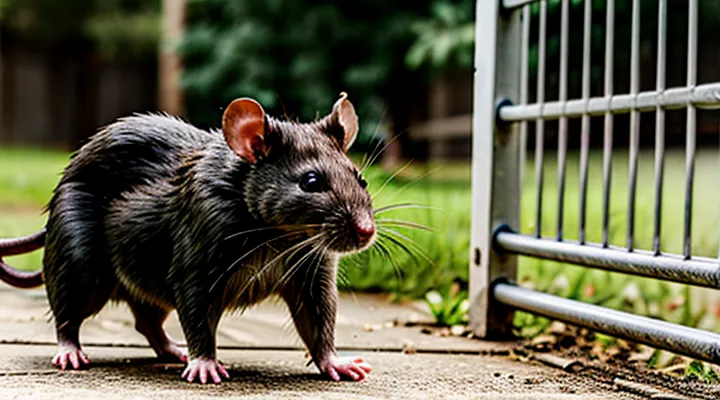
Understanding the Rat Problem
Identifying Rat Infestations
Signs of Rats
Rats leave unmistakable evidence that indicates their presence on a property. Fresh droppings, typically black or brown and about the size of a grain of rice, appear near food sources, along walls, and under appliances. Gnaw marks on wood, plastic, or wiring reveal the animals’ constant need to file down their incisors; fresh scratches exhibit a light-colored sheen, while older ones darken with time.
A persistent, musky odor often accompanies an infestation, originating from urine and glandular secretions. Nests constructed from shredded paper, insulation, or fabric can be found in concealed areas such as attics, crawl spaces, or beneath storage piles. Tracks in dusty surfaces, identifiable by four-toed footprints, confirm active movement.
- Scraps of food with bite marks
- Grease or oil stains along walls and baseboards
- Squeaking or scratching noises, especially at night
- Damage to electrical cords or appliances
These indicators provide a reliable basis for assessing rat activity before implementing control measures.
Common Entry Points
Rats exploit any opening that provides access to shelter, food, or water. Identifying and sealing these pathways is the first step in a comprehensive control program for residential and commercial properties.
- Gaps around utility penetrations: Openings where pipes, cables, or conduit enter the building envelope often exceed a quarter‑inch. Install steel wool, copper mesh, or expanding foam to close the space.
- Door and window cracks: Weatherstripping worn or missing creates a clear route. Replace damaged seals and fit tight-fitting doors.
- Foundation cracks: Settling or water damage can widen foundation seams. Fill with hydraulic cement or epoxy filler, then apply a weather‑resistant barrier.
- Roof vent openings: Vents for attic fans, dryer exhaust, or chimney flues may lack proper screens. Fit metal mesh with a minimum ¼‑inch opening size.
- Sill plates and floor joists: Gaps between the sill plate and concrete slab allow entry. Use caulk or concrete sealant to eliminate voids.
- Crawl spaces and basements: Uncovered access points, such as vent covers or floor drains, provide easy ingress. Install heavy‑gauge hardware cloth and ensure drains have tight‑fitting covers.
- Exterior siding and trim: Loose or damaged siding creates gaps. Repair or replace sections, then seal seams with exterior-grade caulk.
- Garage and shed doors: Gaps at the bottom of doors or around hinges admit rodents. Add door sweeps and reinforce door frames.
Each entry point must be inspected regularly, especially after seasonal weather changes that can shift structures and create new openings. By systematically eliminating these access routes, property owners reduce the likelihood of infestation and improve the effectiveness of any additional control measures.
Assessing the Scope of the Infestation
Accurately determining the extent of a rat problem is the first prerequisite for any successful eradication effort on private land. Without a clear picture of population size, activity zones, and entry points, control measures risk being incomplete, costly, or ineffective.
Key actions for a thorough assessment:
- Conduct visual inspections of all structures, focusing on walls, attics, basements, and storage areas for droppings, gnaw marks, and nesting material.
- Set motion‑activated cameras or infrared sensors in suspected corridors to verify nocturnal movement patterns.
- Place non‑lethal tracking stations (e.g., powdered flour or wax tablets) along potential runways; count footprints after 24 hours to estimate traffic density.
- Map all identified signs on a scaled diagram of the property, marking hot spots and possible ingress routes such as gaps around utilities, vents, and foundation cracks.
- Interview occupants or maintenance staff for recent sightings, audible activity, and any previous control attempts; record dates and locations.
Compile the collected data into a concise report that quantifies the infestation, highlights high‑risk zones, and prioritizes entry points for sealing. This evidence‑based foundation guides the selection of targeted removal techniques, ensuring resources are allocated where they will achieve the greatest reduction in rat activity.
Prevention Strategies
Sealing Entry Points
Exterior Checks
Exterior inspections form the first line of defense against rodent intrusion on residential land. By identifying and correcting vulnerabilities before rats gain access, property owners reduce the need for reactive measures and limit potential damage to structures, landscaping, and health.
Key elements of a thorough exterior assessment include:
- Foundation and walls – Examine cracks, holes, and gaps in concrete, brick, or siding. Use steel wool, copper mesh, or cement-based sealants to block openings larger than ¼ inch.
- Roof and eaves – Check for missing or damaged tiles, loose soffits, and gaps around vent pipes. Install metal flashing or mesh to prevent climbing.
- Doors and windows – Verify that weatherstripping is intact and that door sweeps close tightly against the threshold. Repair or replace cracked frames.
- Utility penetrations – Inspect where cables, pipes, and conduit enter the building. Seal each entry point with expanding foam or appropriate caulking.
- Ground clearance – Keep the soil level at least 6 inches below the sill of exterior walls. Remove debris, mulch, and dense vegetation that can conceal nests.
- Garbage and compost – Position bins on a solid, non‑porous surface, cover lids securely, and distance containers from the building by at least 10 feet.
- Lighting – Install motion‑activated lights near potential entry zones to deter nocturnal activity.
A systematic walk‑around performed quarterly, or after severe weather, ensures that any new openings are addressed promptly. Document findings, prioritize repairs based on severity, and schedule maintenance before the breeding season begins. This proactive approach minimizes rat populations and safeguards the property’s integrity.
Interior Repairs
Interior repairs are essential for preventing rodent infestations on private land. Structural gaps allow rats to enter living spaces, compromise sanitation, and cause damage. Addressing these weaknesses eliminates entry points and reduces the likelihood of a colony establishing itself inside the home.
- Seal cracks and holes in walls, foundation, and baseboards with steel‑wool and caulk designed for pest exclusion.
- Repair damaged drywall, plaster, and insulation to remove shelter opportunities.
- Install metal flashing around pipes, vents, and utility openings; replace any deteriorated mesh with rodent‑proof material.
- Replace worn flooring, especially under cabinets and appliances, to eliminate concealed routes.
- Ensure doors and windows close tightly; fit weatherstripping and door sweeps to block gaps larger than ¼ inch.
- Maintain proper clearance between stored items and walls; keep clutter to a minimum to reduce hiding places.
Completing these repairs creates a sealed interior environment that discourages rats from accessing food, water, and nesting sites, thereby supporting broader rodent‑control strategies on residential properties.
Eliminating Food and Water Sources
Proper Food Storage
Proper food storage directly reduces the attraction of rats to a residence. Secure containers prevent rodents from accessing grains, cereals, pet food, and leftovers. Use airtight, metal or heavy‑plastic bins with tight-fitting lids; avoid cardboard boxes that can be chewed. Store bulk items in smaller, sealed packages after opening. Keep the pantry and kitchen shelves free of spills; wipe surfaces after each use. Dispose of food waste promptly in sealed trash bags and remove the bags from the property regularly.
- Place all dry goods in containers that lock with a snap or screw closure.
- Store pet feed in a locked cabinet or metal bin; empty and clean the container weekly.
- Keep fruit, vegetables, and leftovers in the refrigerator; do not leave them on countertops overnight.
- Clean up crumbs and droppings immediately; sweep and mop floors after meals.
- Position garbage cans away from the building, use lids that close securely, and empty them before they become full.
Implementing these practices eliminates the primary food source that draws rats onto private property, supporting broader pest‑management strategies.
Waste Management
Effective rat control on residential land begins with strict waste handling. Food remnants, packaging, and organic debris attract rodents; eliminating these sources reduces population growth and prevents re‑infestation.
Secure containers are essential. Use bins with tight‑fitting lids, reinforce hinges, and place them on concrete pads to avoid ground contact. Empty the containers daily, especially during warm months, and transport waste to municipal collection points promptly.
Maintain the surrounding area to deny rats shelter and food. Implement the following practices:
- Remove fallen fruit, garden trimmings, and pet food after each use.
- Keep compost piles covered with wire mesh or heavy-duty tarps; turn them regularly to discourage nesting.
- Clear gutters, downspouts, and drainage channels of debris that could serve as pathways.
- Store firewood and building materials at least 18 inches above ground, separated by a barrier that rodents cannot chew through.
Regular inspection reinforces these measures. Conduct weekly checks for torn bags, overflowing bins, or signs of gnawing. Replace damaged containers immediately and repair any cracks in walls or foundations that could provide entry points. Consistent waste management, combined with other control tactics, creates an environment where rats cannot thrive.
Water Leaks and Drainage
Water intrusion creates the moisture and shelter that attract rodents to residential sites. Leaking pipes, faulty irrigation systems, and blocked gutters provide continuous sources of water, encouraging rats to establish nests near the home’s foundation.
Typical leak sources include:
- Corroded or cracked water lines beneath the slab
- Over‑watering of lawn and garden beds
- Improperly sealed outdoor faucets
- Clogged or sagging downspouts that cause runoff to pool near walls
- Faulty sump‑pump discharge that spills onto the property
Addressing these issues eliminates a primary attractant for rats. Follow these steps:
- Inspect all visible plumbing for drips; repair or replace damaged sections promptly.
- Test underground lines with pressure‑testing equipment to detect hidden breaches.
- Adjust irrigation schedules to deliver only the amount of water needed for plant health; install soil moisture sensors where feasible.
- Clean gutters and downspouts regularly; install splash guards to direct water away from the foundation.
- Grade the landscape so that surface water flows at least six inches away from the building, using French drains or swales as required.
- Seal all exterior wall penetrations, including utility entries and vent pipes, with appropriate waterproof caulk or expanding foam.
By removing standing water and ensuring proper drainage, property owners deprive rats of essential resources, reducing the likelihood of infestation and supporting long‑term rodent control strategies.
Maintaining a Clean Environment
Yard Maintenance
Maintaining a yard that discourages rodent activity is a fundamental component of any strategy to control rat populations on private land. Regular removal of debris, such as fallen branches, leaf piles, and unused garden tools, eliminates shelter and nesting sites. Trimming vegetation close to structures reduces cover that rats use to approach buildings, while keeping grass at a moderate length prevents dense ground cover that facilitates movement.
Implementing proper waste management further reduces attraction. Store compost in sealed containers, clear food remnants promptly, and position garbage bins away from the house with tight‑fitting lids. Repairing cracks in foundations, utility lines, and irrigation systems blocks entry points that rats exploit to access the yard and interior spaces.
Key yard‑maintenance actions:
- Remove all piles of wood, mulch, or debris within a 10‑foot radius of the home.
- Keep shrubs and tree branches trimmed at least 6 inches from walls and fences.
- Mow lawns regularly; maintain grass height at 2‑3 inches.
- Secure compost bins with metal lids; avoid organic waste exposure.
- Inspect and seal gaps larger than ¼ inch in foundations, vents, and utility openings.
- Eliminate standing water by fixing leaks and ensuring proper drainage.
Consistent application of these practices creates an environment that deters rats, supporting broader pest‑control measures on private property.
Decluttering Spaces
Removing unnecessary items from yards, garages, sheds, and storage areas reduces hiding places and food sources that attract rodents. Excess debris, stacked firewood, and broken pallets create insulated niches where rats can nest undisturbed. By keeping these zones clear, property owners limit the environmental conditions that support rat populations.
Key actions for a systematic declutter:
- Eliminate piles of rubbish, cardboard, and unused fabric; dispose of them in sealed containers or through municipal collection.
- Store firewood at least three feet off the ground on a rack that allows airflow; rotate stock regularly to prevent moisture buildup.
- Trim vegetation away from building foundations; maintain a 2‑foot gap between shrubs and walls to discourage rodent movement.
- Organize tools and equipment on wall-mounted racks rather than on the floor; keep metal shelving free of cracks where gnawing could occur.
- Seal cracks, gaps, and entry points in walls, doors, and windows after clearing clutter; use steel wool or metal mesh to block potential burrows.
Consistent removal of clutter deprives rats of shelter and sustenance, making the property less inviting and supporting other control measures such as trapping and exclusion. Regular inspections ensure that accumulated waste does not reappear, sustaining a hostile environment for rodent infestation.
Eradication Methods
Trapping Solutions
Types of Traps
Various trap designs address rat infestations on residential and commercial land. Selecting the appropriate device depends on target species, location, and desired outcome.
-
Snap traps – spring‑loaded mechanisms that deliver a lethal blow. Constructed from wood or plastic, they provide immediate results and are reusable after resetting. Placement near walls, behind objects, or in concealed pathways maximizes success.
-
Live‑capture traps – cage‑style enclosures with a trigger plate. Rats enter seeking bait, and the door shuts automatically. These traps enable humane removal and subsequent relocation, but require frequent monitoring to prevent stress or injury.
-
Electronic traps – battery‑powered units that emit a high‑voltage pulse upon contact. The shock kills instantly, and an internal indicator confirms capture. Their sealed design reduces exposure to non‑target animals and facilitates easy disposal of carcasses.
-
Glue boards – adhesive‑coated surfaces anchored to walls or floors. Rats become immobilized when they step onto the board. Effective for short‑term monitoring, they demand careful handling to avoid accidental capture of pets or wildlife.
-
Multi‑catch traps – larger cages equipped with multiple entry points and a single exit door. Designed for high‑traffic areas, they can hold several rats before requiring emptying, reducing the number of devices needed in extensive properties.
Each trap type presents distinct advantages and limitations. Combining lethal and humane options, positioning devices along established runways, and maintaining regular inspection schedules constitute a comprehensive approach to rat control on private premises.
Strategic Trap Placement
Strategic placement of traps maximizes capture rates while minimizing disruption to residents and pets. Identify high‑traffic zones by observing droppings, gnaw marks, and runways; focus on corners, along walls, beneath appliances, and near food storage. Position traps perpendicular to these pathways, with the trigger end facing the expected direction of travel, ensuring rats encounter the bait as they move forward.
Key considerations for each trap include:
- Bait selection: Use fresh, aromatic foods such as peanut butter, dried fruit, or meat; rotate bait weekly to prevent habituation.
- Height: Place traps 2–4 inches above the floor, matching the typical rat running height.
- Spacing: Install traps every 10–15 feet within a known activity corridor; overlapping zones increase the likelihood of contact.
- Safety: Secure traps in locations inaccessible to children and non‑target animals, employing protective covers where necessary.
- Monitoring: Check traps daily, record captures, and relocate or replace devices promptly to maintain pressure on the rodent population.
Integrate trap deployment with sanitation measures and habitat modification. Removing food sources, sealing entry points, and clearing clutter reinforce the effectiveness of each trap, accelerating the reduction of the rat presence on private land. Regular assessment of capture data guides adjustments in placement density and bait type, sustaining long‑term control.
Baiting Techniques
Baiting remains a core component of rat control on private land, providing rapid population reduction when applied correctly. Effective baiting requires a clear understanding of rodent behavior, toxin selection, and environmental safety.
- Choose anticoagulant blocks (e.g., bromadiolone, difenacoum) for chronic exposure, or acute poisons (e.g., zinc phosphide) when immediate kill is necessary.
- Incorporate attractants such as grain, peanut butter, or dried fruit to increase acceptance.
- Use tamper‑resistant stations to protect children, pets, and non‑target wildlife.
Placement strategy determines success. Position stations along established runways, near food sources, and within 30 feet of identified activity zones. Secure stations to the ground or embed them in concrete to prevent displacement. Maintain a minimum of three stations per 1,000 sq ft in high‑infestation areas, spacing them 10–15 ft apart to ensure overlapping coverage.
Regular monitoring verifies efficacy. Inspect stations weekly, record consumption, and replace depleted units promptly. Rotate active and inactive stations every 2–3 weeks to avoid bait aversion. After a 4‑week reduction period, discontinue baiting and transition to sanitation and habitat modification to prevent re‑infestation.
Rodenticides
Types of Rodenticides
Rodenticides are chemical agents formulated to reduce rat numbers on privately owned land. Their effectiveness depends on active ingredients, mode of action, and appropriate application.
- Anticoagulants – interfere with blood clotting, causing internal hemorrhage. First‑generation compounds (warfarin, chlorophacinone) require multiple feedings; second‑generation agents (bromadiolone, difenacoum, brodifacoum) are potent after a single exposure.
- Metal phosphides – zinc phosphide releases phosphine gas when ingested, producing rapid respiratory failure. Suitable for outdoor bait stations where moisture activates the compound.
- Vitamin D analogues – cholecalciferol induces hypercalcemia, leading to kidney failure. Effective against resistant populations, but dosage must be precise to avoid non‑target toxicity.
- Neurotoxins – bromethalin disrupts cellular energy production, causing cerebral edema. Often used in bait blocks for indoor infestations.
- Sodium fluoroacetate – interferes with cellular metabolism, resulting in systemic failure. Restricted in many jurisdictions due to high toxicity risk.
Correct use requires placement of bait in tamper‑resistant stations, adherence to label rates, and exclusion of pets and wildlife. Documentation of application dates and locations supports regulatory compliance and facilitates monitoring of efficacy. Selecting the appropriate type aligns with the specific infestation level, environmental conditions, and legal constraints, thereby optimizing rat control on private property.
Safe Application Practices
Safe handling of rodent control products protects occupants, pets, and the environment. Use only EPA‑registered formulations and follow label instructions without deviation. Store chemicals in locked, ventilated cabinets away from food items and children’s reach.
Before applying any poison, wear disposable gloves, goggles, and a mask rated for particulate matter. Apply bait in tamper‑resistant stations that prevent accidental ingestion by non‑target species. Place stations along walls, behind appliances, and in concealed entry points; avoid locations where food preparation occurs.
Maintain clear documentation of product type, concentration, and placement dates. Record the exact location of each station to facilitate follow‑up inspections and to comply with local wildlife protection statutes. Dispose of used bait containers and contaminated materials according to hazardous‑waste guidelines.
Key safety practices:
- Verify expiration dates on all rodenticides.
- Conduct a site survey to identify vulnerable non‑target animals.
- Use snap or electronic traps only after sealing alternative entry routes.
- Keep children and pets out of treated areas for the period specified on the label.
- Perform regular monitoring; remove and replace bait stations that show signs of damage or contamination.
Considerations for Pets and Children
When implementing rat control on a residence, the health and safety of pets and children must be a primary concern. Toxic baits, anticoagulant rodenticides, and certain traps can pose accidental ingestion risks. Secure placement of any poison away from reachable surfaces, and consider using tamper‑proof bait stations that lock the contents, limiting exposure to non‑target organisms.
Non‑chemical alternatives reduce hazards. Snap traps equipped with protective covers prevent accidental contact, while live‑catch traps allow relocation without introducing toxins. Position these devices in concealed locations such as under appliances, behind cabinets, or within exterior wall voids where children and animals are unlikely to encounter them.
Environmental management supports safe rat reduction. Eliminate food sources by storing pet food in sealed containers and promptly cleaning up spills. Maintain waste bins with tight‑fitting lids, and remove standing water that attracts rodents. Regularly inspect and seal entry points—gaps around utility lines, vent openings, and foundation cracks—to discourage infestation without resorting to chemical measures.
If chemical control is unavoidable, select products labeled for indoor use with child‑ and pet‑safe formulations. Follow label instructions precisely: apply the minimum effective amount, keep the area vacant during application, and restrict access until the product has dried or settled. After treatment, ventilate the space and store any remaining material out of reach.
Monitoring after intervention confirms safety. Conduct visual checks for bait tampering, trap displacement, or signs of secondary poisoning in animals. Keep a record of actions taken, dates, and observations to adjust strategies promptly and maintain a secure environment for all household members.
Natural and DIY Repellents
Essential Oils
Essential oils provide a natural deterrent against rats on private land by exploiting the animals’ sensitivity to strong aromatic compounds. The volatile constituents disrupt scent trails and create an environment that rats avoid, reducing the likelihood of infestation.
- Peppermint oil – high menthol concentration, repels rats when applied to cotton balls or sprayed on entry points.
- Eucalyptus oil – contains eucalyptol, interferes with rodent olfactory receptors.
- Citronella oil – strong citrus scent, effective in outdoor perimeters.
- Clove oil – rich in eugenol, deters rodents when diluted and dispersed.
- Tea tree oil – antimicrobial properties complement repellent effect, suitable for indoor use.
Application techniques must ensure consistent exposure: soak absorbent material in a 10‑15 % oil solution, place items behind cabinets, under decks, and along walls; use a pump sprayer to mist cracks and gaps weekly; operate a low‑output diffuser in attics or basements for continuous vapor. Replace treated media every 3–5 days, as potency diminishes with evaporation.
Safety protocols require dilution to avoid skin irritation and respiratory discomfort. Keep treated objects out of reach of children and pets; verify that the selected oil is non‑toxic to household animals. Ventilate enclosed spaces after spraying to prevent buildup of strong odors.
Essential oils complement conventional control measures: maintain cleanliness to eliminate food sources, seal structural openings, and deploy snap or live traps where activity is confirmed. Combining aromatic repellents with physical barriers and trapping enhances overall effectiveness and reduces reliance on chemical rodenticides.
Predator Urine
Predator urine exploits the innate fear response of rats, disrupting feeding and nesting activities through scent detection. When applied correctly, the odor triggers stress hormones, causing rodents to avoid treated zones and seek alternative habitats.
Commonly used sources include:
- Fox urine
- Coyote urine
- Bobcat urine
- Ferret urine
Application methods:
- Dilute concentrated urine with water according to manufacturer instructions.
- Distribute the solution on perimeters, entry points, and known burrow sites using a spray bottle or garden sprayer.
- Reapply after heavy rain or every 7‑10 days to maintain potency.
Safety considerations:
- Wear gloves and eye protection during handling.
- Store in a sealed container away from children and pets.
- Avoid direct contact with food preparation surfaces.
Effectiveness varies with rat species, population density, and environmental conditions. Predator urine works best as part of an integrated approach that includes sanitation, exclusion, and, when necessary, trapping or baiting. Overreliance on scent alone may lead to habituation; rotating urine types or combining with physical barriers sustains deterrent impact.
Electronic Repellents
Electronic repellents are devices that emit high‑frequency sound waves, electromagnetic pulses, or vibration patterns designed to create an environment rats find intolerable. The emitted signals interfere with the rodents’ sensory systems, prompting them to vacate the area.
Common variants include:
- Ultrasonic emitters that generate sounds above 20 kHz, inaudible to humans but disruptive to rats.
- Electromagnetic field generators that produce low‑frequency magnetic fluctuations affecting the nervous system of rodents.
- Vibration units that transmit ground‑borne tremors through foundations and flooring.
Effectiveness depends on several factors: coverage radius must match the size of the property, obstacles such as walls and dense vegetation reduce signal penetration, and continuous power supply ensures consistent operation. Field studies show a reduction of rodent activity between 30 % and 70 % when devices are correctly positioned and maintained.
Installation guidelines require mounting units at a height of 1–2 m, directing emitters toward open pathways, and spacing multiple devices no more than 15 m apart in larger yards. Devices should be placed away from metal structures that can shield signals, and power adapters must be protected from weather exposure.
Electronic repellents do not eradicate infestations alone. Successful control also demands sealing entry points, removing food sources, and maintaining cleanliness. When integrated with physical exclusion and sanitation measures, electronic devices contribute a non‑chemical, low‑maintenance component to a comprehensive rat‑management program.
Post-Eradication Measures
Cleaning and Sanitization
Disinfecting Contaminated Areas
Disinfecting areas contaminated by rats is a mandatory phase of any comprehensive rodent‑control program on private land. Failure to neutralize pathogens left by rodents can lead to disease transmission to humans and pets, and can undermine other eradication efforts.
Begin by identifying all locations where rodent activity occurred. Remove droppings, urine, and nesting material using disposable gloves and a shovel or vacuum equipped with a HEPA filter. Place waste in sealed bags and discard according to local hazardous‑waste regulations.
Select disinfectants proven effective against common rodent‑borne pathogens such as hantavirus, leptospira, and salmonella. Recommended options include:
- 10 % bleach solution (mix one part household bleach with nine parts water); allow a minimum of 10 minutes contact time before rinsing.
- Commercial quaternary ammonium compounds labeled for rodent contamination; follow manufacturer‑specified dilution and dwell time.
- Hydrogen peroxide (3 % solution) applied directly to surfaces; let stand for 5 minutes, then wipe dry.
Apply the chosen disinfectant with a sprayer or soaked cloth, ensuring complete coverage of floors, walls, countertops, and any equipment that contacted rodent waste. After the dwell period, rinse with clean water if the surface will be used for food preparation or pet access.
Observe safety measures throughout the process. Wear protective clothing, respirators, and eye protection. Ventilate rooms to disperse fumes. Keep children and pets away until surfaces are fully dry. Record the disinfected zones and schedule a follow‑up inspection within 48 hours to verify that no residual contamination remains. Continuous monitoring guarantees that the environment stays safe and supports long‑term rodent‑free conditions.
Removing Carcasses
Removing dead rodents is a critical component of any program aimed at reducing rat populations on private land. Decomposing carcasses release odors that attract surviving rats and other pests, while also posing health risks to humans and pets. Prompt and proper disposal eliminates these incentives and prevents secondary infestations.
- Wear disposable gloves and protective clothing before handling any remains.
- Place each carcass in a sealed, puncture‑resistant bag; double‑bag for added security.
- Store sealed bags in a cool, shaded area until they can be transferred to a disposal site.
- Transport bags directly to a licensed waste facility, animal rendering plant, or approved incineration service.
- Record the date, location, and quantity of carcasses removed for future reference and compliance verification.
Compliance with local health regulations is mandatory; many jurisdictions require documentation of the removal process and limit the time carcasses may be stored on‑site. Using professional pest‑control services can ensure that disposal meets legal standards and that the area is thoroughly sanitized after removal, reducing the likelihood of reinfestation.
Ongoing Monitoring
Regular Inspections
Regular inspections are essential for maintaining a rodent‑free environment on private land. Systematic checks reveal entry points, nesting sites, and food sources before populations expand, allowing timely intervention.
Inspection should cover the exterior foundation, roof eaves, utility penetrations, and any gaps around doors or windows. Inside, focus on attics, basements, crawl spaces, and storage areas where debris or clutter provides shelter. Look for droppings, gnaw marks, gnawed wires, and urine stains as direct evidence of activity.
A practical schedule includes:
- Monthly visual sweep of high‑risk zones, noting new damage or signs of activity.
- Quarter‑yearly detailed assessment using flashlights and mirrors to inspect concealed spaces.
- Seasonal deep audit before winter and summer, when rodents adjust nesting behavior, incorporating trap placement checks and bait station inspections.
Document each visit with date, location, observed conditions, and corrective actions taken. Maintain records in a logbook or digital system to track trends and evaluate the effectiveness of control measures.
Integrate inspection findings with other control tactics such as sealing openings, removing food attractants, and deploying traps or bait stations. Prompt remediation of identified weaknesses prevents re‑infestation and reduces reliance on chemical interventions.
Consistent, thorough inspections create a feedback loop that sustains a hostile environment for rats, protecting property integrity and health standards.
Addressing Re-infestation Signs
Identifying the early indications of a rat resurgence is essential for maintaining a pest‑free environment on private land. Prompt detection allows swift corrective action before populations expand and damage intensifies.
Typical re‑infestation signals include:
- Fresh droppings, especially near food storage, trash containers, or concealed corners.
- Gnaw marks on wood, wiring, or insulation.
- New pathways of shredded material or grease streaks along walls.
- Audible scratching or scurrying sounds during nocturnal hours.
- Presence of fresh nests constructed from shredded paper, fabric, or plant matter.
When any of these signs appear, implement a structured response:
- Verify the source by inspecting the suspected area and surrounding structures.
- Seal entry points larger than a quarter‑inch using steel wool, cement, or metal flashing.
- Deploy targeted bait stations or snap traps, positioning them along identified runways and near fresh activity.
- Remove attractants: secure garbage, eliminate standing water, and store feed in rodent‑proof containers.
- Conduct a follow‑up inspection after 48‑72 hours to confirm trap captures and absence of new signs.
Consistent monitoring, combined with immediate remediation, prevents minor incursions from developing into full‑scale infestations, preserving property integrity and health standards.
When to Call Professionals
Severe Infestations
Severe rat infestations on residential land present immediate health hazards, structural damage, and rapid population growth that overwhelms standard control measures. High‑density colonies generate abundant droppings, urine, and gnaw marks, contaminating food stores, water sources, and living spaces. The resulting exposure to pathogens such as hantavirus, leptospirosis, and salmonella increases the risk of illness for occupants and pets. Additionally, rats chew electrical wiring, insulation, and foundation supports, creating fire hazards and compromising building integrity.
Prompt identification of an extreme outbreak requires systematic inspection. Look for extensive gnawing on wood or plastic, multiple active runways, large accumulations of droppings, and audible scurrying at all hours. Use motion‑activated cameras or infrared devices to confirm nocturnal activity and estimate colony size. Mapping the locations of signs helps prioritize treatment zones and prevents accidental spread during intervention.
Effective eradication of a heavy infestation involves a coordinated, multi‑step approach:
- Environmental sanitation – Remove all accessible food, secure garbage containers, and eliminate water sources; store feed in sealed containers.
- Physical exclusion – Seal entry points larger than ¼ inch with steel wool, cement, or metal flashing; repair foundation cracks and vent openings.
- Professional baiting – Deploy anticoagulant or bromethalin baits in tamper‑resistant stations, positioned along established runways and near nesting sites; rotate active ingredients to counter resistance.
- Trapping deployment – Place snap or electronic traps in high‑traffic corridors, checking and resetting them daily; record captures to gauge progress.
- Monitoring and follow‑up – Conduct weekly inspections for new signs, adjust bait locations, and maintain exclusion measures for at least three months after the last capture.
Sustained vigilance is essential. After the colony is eliminated, continue regular sanitation, maintain sealed barriers, and schedule periodic professional assessments to prevent re‑infestation.
Persistent Problems
Rats on private land often reappear despite initial control measures, creating ongoing challenges for owners. The most common sources of recurrence include untreated entry points, accessible food waste, and inadequate habitat modification. Each factor can sustain a population that quickly rebounds after treatment.
- Gaps around foundations, utility lines, and vent openings allow rodents to enter homes and outbuildings. Sealing these openings with metal flashing, concrete, or steel wool eliminates the primary route of invasion.
- Improper storage of garbage, pet food, or compost provides a continuous food supply. Secure containers with tight lids and schedule regular removal of waste to reduce attraction.
- Overgrown vegetation, debris piles, and unmaintained structures offer shelter and nesting sites. Routine trimming, debris clearance, and repair of damaged siding limit habitat suitability.
- Use of anticoagulant baits may lose effectiveness as rats develop tolerance. Rotating active ingredients and integrating snap traps or electronic devices prevents reliance on a single method.
- Local regulations often restrict certain rodenticides or trapping devices. Compliance with municipal ordinances and obtaining necessary permits ensures legal and safe execution of control programs.
Persistent problems arise when any of these elements remain unchecked. Comprehensive assessment, followed by systematic elimination of entry routes, food sources, and shelter, reduces the likelihood of reinfestation and supports long‑term success in rat eradication on personal property.