
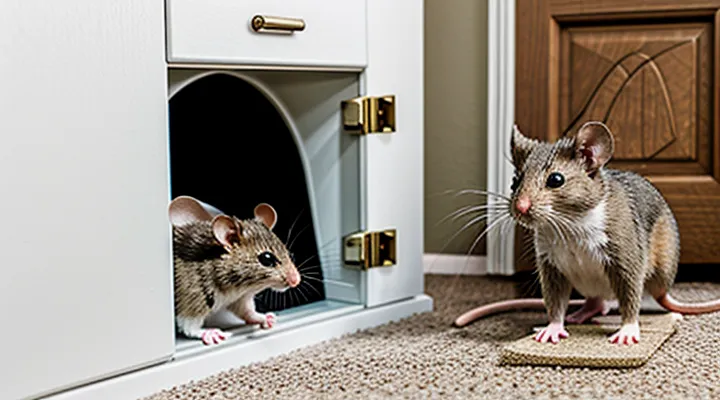
Understanding the Mouse Problem
Signs of a Mouse Infestation
Droppings
Droppings provide the most reliable evidence that mice are present in a residence. Their size, shape, and location pinpoint active pathways and nesting sites, allowing targeted interventions.
- Identify deposits: dark, 1‑mm pellets, often found along walls, behind appliances, and in cabinets.
- Assess health risk: droppings contain pathogens such as hantavirus and salmonella; inhalation of dust from dried feces can cause respiratory irritation.
- Remove safely: wear disposable gloves and a mask, dampen the area with a disinfectant solution, collect material in a sealed bag, and dispose of it in an outdoor trash container.
- Sanitize after removal: clean surfaces with a bleach‑based solution (1 part bleach to 10 parts water) and allow to air‑dry before sealing gaps or placing traps.
- Use findings to deter: seal entry points near the identified trails, place bait stations or snap traps along the same routes, and keep food storage areas free of crumbs that attract further activity.
Addressing droppings promptly eliminates a health hazard and supplies the data needed to implement precise, effective mouse control measures within the home.
Gnaw Marks
Gnaw marks are the most reliable visual evidence of a mouse presence. They appear as clean, parallel bites on wood, plastic, or wiring, typically 2–4 mm deep. The pattern reveals the animal’s feeding habits and movement routes, allowing homeowners to pinpoint active pathways.
Identifying gnaw marks early enables swift intervention. Look for these signs:
- Parallel grooves on baseboards, cabinet doors, or furniture legs.
- Shallow, crescent‑shaped cuts on electrical cords or plastic piping.
- Bite marks on stored food packaging, especially near pantry edges.
When gnaw marks are found, follow a systematic response:
- Confirm activity – Check for droppings, footprints, or fresh scent trails near the damage.
- Seal entry points – Use steel wool, copper mesh, or silicone caulk to block holes larger than ¼ inch.
- Remove food sources – Store dry goods in airtight containers, clean crumbs, and keep countertops clear.
- Set traps – Position snap or electronic traps along the identified routes, placing them perpendicular to the gnaw line for maximum contact.
- Inspect wiring – Replace any cord showing bite damage to prevent fire hazards.
Regular monitoring of gnaw marks prevents infestations from escalating. Conduct monthly inspections of vulnerable areas, especially after seasonal changes when mice seek shelter. Maintaining a record of observed damage helps track the effectiveness of deterrent measures and guides adjustments to sealing or trapping strategies.
Scratching Noises
Scratching sounds emerging from walls, ceilings, or baseboards often indicate active rodent movement. Mice generate these noises while gnawing through insulation, constructing nests, or traveling along concealed pathways. Detecting the specific timing and location of the sounds helps pinpoint entry points and high‑traffic zones, allowing targeted intervention.
To neutralize the threat indicated by scratching noises, implement the following measures:
- Seal gaps larger than ¼ inch with steel wool, foam, or caulk; mice exploit even minimal openings.
- Replace compromised insulation with rodent‑resistant material; this removes a primary source of audible activity.
- Deploy ultrasonic emitters calibrated to frequencies that disrupt mouse communication; position devices near identified sound sources.
- Install snap traps or electronic traps directly in walls or beneath floorboards where scratching occurs; immediate capture reduces further disturbance.
- Maintain a clean environment by eliminating food residues and storing perishables in sealed containers; reduced attraction lowers the incentive for mice to create new passages.
Regular monitoring of acoustic activity, combined with the above actions, curtails mouse presence and prevents the escalation of damage throughout the residence.
Why Mice Are Attracted to Homes
Food Sources
Mice are drawn to readily available nourishment; eliminating food sources removes the primary incentive for infestation.
Secure storage eliminates accidental exposure. Place dry goods in airtight containers made of glass, metal, or heavy‑wall plastic. Transfer opened packages to sealed bins within 24 hours. Avoid leaving pet food in bowls overnight; store kibble in the same airtight containers used for human food.
Clean up spills immediately. Wipe countertops, floors, and appliances with a damp cloth after meals. Sweep crumbs from cabinets and under appliances; vacuum regularly to capture hidden particles. Do not store garbage in open bins; use trash cans with tight‑fitting lids and empty them frequently.
Limit outdoor attractants that can be carried indoors. Keep compost piles, bird feeders, and garden waste at least three meters from the house. Cover fruit trees and vegetable patches with fine mesh during harvest periods to prevent rodents from feeding and later entering the home.
Maintain a clutter‑free environment. Reduce cardboard boxes, paper piles, and fabric scraps that can serve as temporary food reservoirs. Rotate pantry stock; discard items past their expiration date.
By controlling these food sources, the likelihood of mouse activity declines sharply, supporting broader prevention strategies.
Shelter and Warmth
Mice seek out locations that provide protection from predators and stable temperatures. Unfilled gaps, stacked boxes, and piles of stored fabric create ideal hideouts, while heated basements, warm attics, and poorly insulated walls supply the warmth they need to thrive.
- Seal cracks, gaps, and openings larger than ¼ inch with steel wool, caulk, or metal mesh.
- Remove clutter such as cardboard boxes, laundry piles, and unused furniture that can serve as nesting sites.
- Store firewood, pet bedding, and fabric materials in sealed containers or off‑ground shelves.
- Trim vegetation that contacts the building, eliminating bridge points for rodents to access interior spaces.
Control indoor temperature fluctuations that attract rodents. Maintain a consistent ambient temperature; avoid excessive heating in rarely used rooms. Install weatherstripping on doors and windows to prevent warm air from leaking into cavities. Use thermostatically regulated heating devices rather than localized heat sources that create micro‑environments favorable to mice.
Eliminating shelter and moderating warmth reduces the likelihood of mouse colonization, complementing other preventive measures such as sanitation and trapping.
Water Access
Limiting water availability directly reduces the likelihood that mice will establish a foothold in a residence. Rodents require a steady supply of moisture; without it, they cannot maintain the metabolic processes needed for reproduction and survival.
Common indoor water sources include leaky pipes, condensation on windows, dripping appliances, pet water dishes, and standing water in plant saucers. Even minor drips create a humid micro‑environment that attracts foraging mice.
- Repair all plumbing leaks promptly; seal joints and replace worn hoses.
- Wipe condensation from windows and walls each morning; improve ventilation in bathrooms and kitchens.
- Empty and refill pet water containers no more than once daily; use spill‑proof dishes.
- Remove saucers under houseplants or add a layer of gravel to prevent water pooling.
- Store food in airtight containers; clean up any spills that could provide moisture.
Eliminating these sources deprives mice of the essential fluid they need, forcing them to seek alternative habitats and decreasing the overall infestation risk.
Prevention: Sealing Entry Points
Inspecting Your Home for Gaps
Cracks in Foundations
Cracks in a building’s foundation create direct pathways for rodents to enter living spaces. Even hair‑line fissures can accommodate a mouse’s body, allowing it to bypass exterior barriers and reach interior walls, insulation, and stored food.
Identifying vulnerable points requires a systematic visual inspection. Look for:
- Horizontal or vertical fissures wider than ¼ inch in concrete slabs, footings, or masonry.
- Gaps around utility penetrations, such as pipes, cables, and vent chases.
- Areas where mortar has deteriorated or where brick joints have separated.
- Signs of moisture accumulation, which often accompany structural movement.
Repairing these openings eliminates the primary entry route. Effective measures include:
- Clean debris from the crack to expose sound substrate.
- Apply a high‑quality, rodent‑resistant sealant (e.g., polyurethane caulk or epoxy mortar) that adheres to both concrete and masonry.
- For larger gaps, install steel mesh or metal flashing before sealing to reinforce the repair.
- Use expanding foam specifically formulated for pest exclusion to fill irregular voids, ensuring the foam expands fully and cures without cracks.
After sealing, maintain the integrity of the foundation by:
- Conducting annual inspections, especially after heavy rain or ground shifting.
- Managing moisture through proper grading, drainage, and gutter maintenance to prevent soil movement that can reopen cracks.
- Monitoring utility penetrations and resealing any areas where sealant degrades over time.
By systematically locating, repairing, and monitoring foundation cracks, homeowners remove a critical access point, thereby strengthening overall rodent‑prevention strategies.
Gaps Around Pipes
Gaps surrounding plumbing fixtures provide direct routes for rodents to enter living spaces. Mice can squeeze through openings as small as ¼ inch, making even minor seams around pipes a serious vulnerability.
Sealing these passages reduces the likelihood of infestation. The following actions address the problem efficiently:
- Inspect all visible pipe penetrations, including those for water, gas, and drainage lines. Pay special attention to basement walls, crawl spaces, and utility closets.
- Use steel wool or copper mesh to fill gaps smaller than ½ inch. The material resists chewing and creates a barrier that mice cannot breach.
- Apply a high‑quality, rodent‑proof caulk or expanding foam over the packed material. Choose products labeled for use on masonry or wood, depending on the surrounding surface.
- For larger openings, install metal flashing or pipe sleeves. Secure the edges with screws or rivets to prevent displacement.
- After sealing, conduct a visual check for any remaining voids. Reapply filler material if necessary.
Regular maintenance preserves the integrity of the seal. Re‑examine pipe junctions annually, especially after renovations or seasonal temperature shifts that may cause material contraction. Prompt repair of cracked plaster or deteriorated trim eliminates new entry points before they become problematic.
Openings in Walls
Openings in walls provide direct pathways for rodents to enter living spaces, allowing them to travel from exterior areas to kitchens, storage rooms, and sleeping quarters. Even gaps as small as a quarter‑inch permit mice to squeeze through, making wall penetrations a primary source of infestation.
Identify all potential breaches before sealing. Inspect near utility lines, vent ducts, and pipe sleeves. Use a flashlight to reveal cracks, gaps around electrical boxes, and spaces behind baseboards. A thin piece of paper or tissue placed against suspected openings will show mouse activity if it is disturbed.
Seal openings with durable, rodent‑proof materials. Recommended options include:
- Steel wool tightly packed into gaps, covered with expanding polyurethane foam for added strength.
- Copper mesh (½‑inch or smaller) wrapped around pipe penetrations, secured with stainless‑steel screws.
- Cement‑based caulk for small cracks in plaster or drywall.
- Rigid metal flashing for larger seams around vents or exhaust fans, fastened with corrosion‑resistant fasteners.
Apply sealants after cleaning each opening to remove debris and droppings. Allow curing time specified by the product manufacturer before restoring normal use of the area.
Regularly re‑examine sealed points, especially after seasonal temperature changes, to ensure that seals remain intact and no new gaps have formed. Consistent maintenance of wall integrity reduces the likelihood of mouse entry and supports broader household pest‑prevention measures.
Materials for Sealing
Steel Wool
Steel wool serves as a physical barrier that mice cannot easily gnaw through. Its dense, fibrous structure creates a tight seal around openings such as pipe gaps, vent ducts, and cracks in foundation walls. When placed correctly, steel wool blocks access points that otherwise invite rodent intrusion.
To apply steel wool effectively, follow these steps:
- Identify all potential entry points; prioritize gaps larger than a quarter‑inch.
- Compress a generous amount of steel wool into each opening, ensuring no gaps remain.
- Secure the material with a layer of caulk or expanding foam to prevent displacement.
- Inspect the sealed areas periodically; replace any worn or corroded sections promptly.
Maintenance requires monitoring for rust, which can compromise the barrier. Replace deteriorated wool with fresh material and re‑seal with fresh caulk. Combining steel wool with complementary measures—such as trimming vegetation near the foundation and sealing larger openings with metal flashing—enhances overall protection against mouse infestation.
Caulk and Sealants
Caulk and sealants close the tiny openings that mice exploit to enter walls, floors, and cabinets. These products create a durable barrier that resists chewing and weathering, reducing the likelihood that rodents can infiltrate a residence.
First, inspect the building envelope for cracks larger than ¼ inch, especially around baseboards, utility penetrations, and exterior siding. Second, select a sealant designed for pest control—silicone‑based or acrylic‑latex formulas with a high tensile strength are preferred because they remain flexible after curing. Third, clean each gap to remove dust, debris, and moisture; a clean surface ensures proper adhesion. Fourth, apply the caulk with a steady pressure, filling the cavity completely and smoothing the bead to eliminate air pockets. Finally, allow the material to cure according to the manufacturer’s instructions before exposing the area to moisture or temperature fluctuations.
Benefits of using caulk and sealants include:
- Immediate reduction of entry points without the need for traps or chemicals.
- Long‑term protection; cured sealant can last several years under normal indoor conditions.
- Minimal disruption; application requires only basic tools such as a caulking gun and a utility knife.
- Compatibility with other deterrent methods; sealed gaps prevent rodents from bypassing bait stations or ultrasonic devices.
Regular maintenance checks—performed at least twice a year—identify new cracks caused by settling or renovation work. Prompt resealing maintains the integrity of the barrier and sustains its effectiveness in keeping mice out of the home.
Mesh Screens
Mesh screens provide a physical barrier that blocks rodents from entering homes through openings such as vents, windows, and crawl‑space doors. The barrier works by presenting a mesh size smaller than the typical mouse body width—generally ¼ inch (6 mm) or less—preventing animals from squeezing through.
Installation focuses on sealing all potential entry points. Begin by inspecting exterior vents, utility openings, and basement doorways. Replace any existing perforated material with stainless‑steel or aluminum mesh that resists corrosion and chewing. Secure the screen with rust‑proof fasteners or heavy‑duty staples, ensuring a tight fit around the frame. Apply a silicone‑based sealant to the edges to eliminate gaps.
Key advantages of mesh screens include:
- Immediate exclusion of mice without reliance on chemicals or traps.
- Durability that lasts several years under normal weather conditions.
- Compatibility with ventilation systems, allowing airflow while maintaining protection.
Maintenance requires periodic visual checks for tears, rust, or displacement. Prompt repair of damaged sections restores the barrier’s effectiveness. When combined with other deterrents—such as sealing interior cracks and maintaining a clean environment—mesh screens contribute to a comprehensive rodent‑prevention strategy.
Sanitation: Eliminating Attractants
Proper Food Storage
Airtight Containers
Airtight containers form a practical barrier against rodents by eliminating accessible food sources. When food is sealed within a rigid, leak‑proof vessel, mice cannot detect odors that would otherwise guide them to a meal.
These containers operate on three principles. First, a secure lid prevents scent diffusion. Second, the rigid walls resist gnawing, forcing mice to seek softer entry points elsewhere. Third, the sealed environment deprives rodents of the nutritional incentive to explore a particular area.
Key attributes for choosing effective containers include:
- Heavy‑gauge plastic, glass, or stainless steel that resists bite marks.
- Double‑locking or silicone gasket lids that maintain a vacuum‑grade seal.
- Capacity that matches the quantity of stored food, avoiding over‑filling that compromises the seal.
Proper use maximizes deterrence. Store all grains, cereals, nuts, and pet food in sealed containers immediately after purchase. Inspect lids weekly for wear or debris that could impair closure. Clean interiors with mild detergent to remove residue that might attract mice. Replace damaged containers promptly.
Integrating airtight storage with additional measures—such as sealing cracks, setting traps, and maintaining a tidy kitchen—creates a comprehensive defense. By removing both the scent and the physical availability of food, airtight containers reduce the likelihood that mice will establish a foothold in the home.
Cleaning Up Spills
Spilled food and liquids create scent trails that guide mice into living areas. Prompt removal eliminates the primary attractant and reduces the likelihood of infestation.
- Wipe the surface with a disposable paper towel or cloth to collect visible debris.
- Apply a mild detergent solution, scrubbing until residue disappears.
- Rinse with clean water to remove soap traces that could retain odor.
- Dry the area completely using a clean towel or a low‑heat fan; moisture invites rodents.
- Dispose of cleaning materials in a sealed bag to prevent lingering smells.
After the surface is clean, inspect adjacent cabinets, floors, and upholstery for hidden droplets. Seal gaps where moisture could accumulate, and store food in airtight containers. Consistent attention to spills deprives mice of food cues, supporting broader rodent‑deterrent measures.
Pet Food Management
Managing pet food is a critical component of any strategy aimed at preventing mouse infestations in residential settings. Food sources attract rodents, and uncontrolled access can quickly lead to a population surge. Proper handling, storage, and feeding practices eliminate the primary lure for mice and complement other control measures.
Key practices for pet food management:
- Store dry kibble in airtight, rodent‑proof containers made of heavy‑wall plastic or metal. Seal lids tightly after each use.
- Keep wet food portions small and discard leftovers within 15 minutes. Use shallow dishes that prevent spillage.
- Clean feeding areas daily. Sweep crumbs, wipe surfaces, and vacuum beneath cabinets and appliances.
- Schedule feeding times rather than leaving food out continuously. Automatic dispensers with timed release reduce exposure.
- Place feeding stations on solid surfaces, away from walls and baseboards where mice can hide.
- Rotate food stock regularly. Use older supplies first to avoid stale food that emits stronger odors.
- Inspect storage containers for damage or gaps. Repair or replace compromised units promptly.
By implementing these measures, homeowners remove a major attraction for mice, making the environment less hospitable for rodent intrusion. Consistent adherence to pet food protocols strengthens overall pest‑prevention efforts and supports a healthier, mouse‑free home.
Waste Management
Secure Bins
Secure waste containers are a critical component of any rodent‑prevention strategy. Open or loosely fitted lids allow food scraps to emit odors that attract mice, while gaps around the bin body provide entry points. Reinforcing the seal eliminates these cues and blocks physical access.
- Choose bins with snap‑tight or latch‑type lids; ensure the latch engages fully each time the lid closes.
- Inspect hinges and seals regularly for wear; replace cracked gaskets or warped metal to maintain airtight closure.
- Position bins away from walls and appliances, leaving at least a six‑inch clearance to prevent mice from climbing adjacent surfaces.
- Store bins in a cool, dry area; high humidity encourages mold growth, which can further entice rodents.
- Use heavy‑duty, lockable containers for outdoor disposal; a lock prevents curious animals from prying the lid open.
Cleaning the interior after each use removes residual food particles and reduces scent trails. Rinse with hot water and a mild detergent, then dry thoroughly before resealing. For households with persistent infestations, consider a double‑layer system: a primary bin with a sealed lid, placed inside a secondary, rigid container that cannot be breached.
Integrating these practices with other preventive measures—such as sealing entry points and maintaining a clutter‑free environment—creates a comprehensive barrier that deters mice from exploiting waste sources within the home.
Regular Trash Removal
Regular trash removal reduces the attraction of rodents by eliminating food residues, odors, and shelter opportunities that accumulate in waste containers. When garbage is left unattended, mice can locate and exploit the material, establishing a foothold in the household.
Frequent disposal—ideally daily for kitchen waste and at least weekly for larger bins—prevents buildup. Use containers with tight-fitting lids; ensure lids seal completely after each use. Store outdoor bins away from the house, on a non‑soil surface, and keep them covered at all times.
Practical actions:
- Transfer kitchen scraps to a sealed bag before placing them in the main bin.
- Clean the interior of trash cans weekly with a mild disinfectant.
- Replace damaged or cracked lids promptly.
- Position indoor waste containers on countertops or under sinks, not on the floor.
- Employ animal‑proof bins with locking mechanisms for outdoor storage.
Consistent implementation of these measures removes a primary food source, thereby decreasing the likelihood of mouse activity within the residence.
Decluttering and Cleaning
Reducing Hiding Spots
Reducing the number of places where mice can hide is a fundamental component of any home‑based rodent control program. Rodents seek dark, undisturbed areas for nesting and travel; eliminating such environments forces them to move toward exposed zones where detection and removal are easier.
Key actions to minimize hiding spots include:
- Removing clutter from closets, basements, and attics; store items on shelves rather than on the floor.
- Sealing gaps larger than ¼ inch around pipes, vents, and foundation walls with steel wool, caulk, or expanding foam.
- Installing tight‑fitting lids on trash cans and keeping garbage in sealed containers.
- Consolidating stored items in plastic bins with snap‑on lids; avoid cardboard boxes that can be torn open.
- Cutting back vegetation, firewood piles, and debris within two feet of the exterior walls to prevent outdoor shelter.
Consistent execution of these measures reduces the shelter options available to mice, lowers the likelihood of infestation, and enhances the effectiveness of complementary deterrents such as traps and repellents.
Vacuuming and Sweeping
Regular cleaning removes food residues and nesting material that attract rodents. Vacuuming carpets, upholstery, and floor seams extracts crumbs, dried pet food, and droppings that mice can detect with their keen sense of smell. Sweeping hard surfaces eliminates grain, cereal fragments, and other particles that accumulate in corners and under appliances.
- Vacuum all floor coverings at least twice weekly; focus on edges, baseboards, and hidden crevices.
- Use a hose attachment to reach behind furniture, inside cabinets, and within wall voids where debris may collect.
- Sweep kitchens, pantries, and dining areas after each meal preparation; discard swept material in a sealed trash container.
- Clean under sinks, behind refrigerators, and around trash bins; these zones often harbor unnoticed food particles.
- Replace vacuum bags or empty canisters promptly to prevent re‑contamination.
Consistent removal of edible traces deprives mice of essential sustenance, reduces scent cues, and discourages entry into the home environment. The practice also facilitates early detection of rodent activity, as any fresh droppings or gnaw marks become more visible on a clean surface.
Natural Deterrents
Peppermint Oil
Application Methods
Applying mouse‑deterrent measures correctly determines their success. The following methods describe how to place, activate, and maintain each type of control.
Mechanical devices such as snap traps, live‑capture cages, and electronic kill traps require precise positioning. Place devices along walls, behind appliances, and near known gnawing sites. Position the trigger end against the wall, not facing open space, to ensure rodents encounter the mechanism. Replace bait and reset traps daily; dispose of captured mice promptly to prevent odor attraction.
Chemical baits rely on ingestion. Distribute bait stations in concealed locations—under cabinets, inside closets, and within wall voids. Use tamper‑resistant containers to protect children and pets. Replace bait every two weeks or when consumption is evident. Rotate active ingredients periodically to avoid resistance development.
Natural repellents function through sensory disruption. Apply concentrated peppermint oil, citrus extracts, or ammonia on cotton balls and place them at entry points, corners, and pantry shelves. Reapply every three days, as volatile compounds evaporate quickly. Ultrasonic emitters should be mounted on ceilings, covering each room; verify that devices operate continuously and replace batteries according to manufacturer specifications.
Structural barriers eliminate access. Inspect the building envelope for gaps larger than ¼ inch. Seal cracks with steel wool followed by expanding foam or silicone caulk. Install door sweeps, window screens, and vent covers made of metal mesh. Apply weatherstripping around doors and windows, ensuring a tight seal. Conduct a quarterly walkthrough to confirm that repairs remain intact.
Consistent execution of these application steps maximizes deterrent effectiveness and reduces the likelihood of reinfestation.
Frequency of Use
Regular application determines the success of any mouse‑control program. Most interventions require repeated action; a single treatment seldom produces lasting results.
- Snap traps: set and inspect daily. Replace or reposition after each capture.
- Live‑catch traps: check every 12 hours. Release or euthanize captured rodents promptly, then reset the trap.
- Ultrasonic repellents: operate continuously. Reset devices each month to maintain battery charge and verify proper coverage.
- Sealant work: inspect gaps weekly for new openings caused by settling or weather. Apply expanding foam or steel wool as soon as a breach is detected.
- Food‑storage measures: clean countertops and floors after every meal preparation. Store dry goods in airtight containers; discard any spilled grain within hours.
- Natural deterrents (peppermint oil, dried herbs): reapply sprays or refresh sachets every 2–3 days, especially after cleaning or ventilation.
Consistency across these actions creates an environment where mice cannot establish a foothold. Adjust intervals based on seasonal activity spikes; increase monitoring during colder months when rodents seek indoor shelter.
Other Essential Oils
Clove Oil
Clove oil is a potent natural repellent that can be incorporated into a home mouse‑deterrence program. The oil’s strong aromatic compounds, primarily eugenol, are intolerable to rodents, causing them to avoid treated areas.
Application methods include:
- Soaking cotton balls in undiluted clove oil and placing them in gaps, behind appliances, and along baseboards where activity has been observed.
- Mixing 10–15 drops of clove oil with ¼ cup of water and a few teaspoons of dish soap; spraying the solution on entry points, shelves, and pantry shelves.
- Adding a few drops to wooden blocks or felt pads, then positioning the items in concealed corners to maintain a continuous scent barrier.
Effectiveness depends on regular renewal of the oil’s scent, typically every 3–4 days, because volatile compounds dissipate quickly. Combining clove oil with other non‑chemical measures—such as sealing cracks, removing food sources, and setting mechanical traps—enhances overall control of mouse infestations.
Eucalyptus Oil
Eucalyptus oil is a potent aromatic compound that repels rodents by overwhelming their sensitive olfactory receptors. The strong, menthol‑like scent interferes with the mice’s ability to locate food and nesting sites, prompting them to vacate treated areas.
Application techniques:
- Soak cotton balls in undiluted oil and place them in corners, behind appliances, and within wall voids where activity has been observed. Replace every 3–4 days to maintain potency.
- Create a spray by mixing 10 ml of oil with 250 ml of water and a few drops of emulsifier. Apply to baseboards, entry points, and the exterior of cabinets. Reapply weekly or after cleaning.
- Incorporate oil into a sealant mixture (e.g., silicone caulk) for use around gaps and cracks. The cured sealant continuously releases the fragrance, sealing both the opening and the deterrent effect.
Safety considerations:
- Use gloves when handling pure oil; avoid direct skin contact and inhalation of concentrated vapors.
- Keep the substance out of reach of children and pets, as ingestion can cause irritation.
- Test a small area for material compatibility before extensive application, especially on plastics and painted surfaces.
Effectiveness evidence:
- Laboratory studies indicate that rodents exhibit avoidance behavior when exposed to concentrations above 0.5 % eucalyptus oil in the air.
- Field reports confirm reduced sightings after consistent placement of oil‑infused materials for a minimum of two weeks.
Integration with other methods:
- Combine oil treatment with physical barriers such as steel mesh and sealed entry points for comprehensive control.
- Use in conjunction with traps; the scent discourages new entrants while traps address existing populations.
Regular monitoring of activity levels and timely replenishment of oil sources sustain the deterrent effect and support long‑term rodent management in residential settings.
Ultrasonic Repellents
How They Work
Understanding the mechanisms behind common mouse deterrents clarifies why certain actions succeed while others fail.
-
Ultrasonic emitters generate frequencies above human hearing. Mice detect the sound through their sensitive auditory system, experience discomfort, and avoid the area. Continuous operation maintains the aversive environment.
-
Physical exclusion relies on sealing gaps larger than a quarter‑inch. Steel wool, copper mesh, or caulking block entry routes, preventing mice from penetrating walls, floors, and cabinets.
-
Snap or electronic traps deliver a rapid, lethal force or an electric shock. Immediate mortality eliminates the individual and removes the scent cue that could attract conspecifics.
-
Chemical repellents employ volatile compounds such as peppermint oil, ammonia, or predator urine. These odors trigger an innate avoidance response, discouraging mice from lingering on treated surfaces.
-
Natural predators, chiefly domestic cats, create a predation risk. The presence of a feline scent and visual cue elevates mice’s perceived danger level, prompting relocation.
-
Scent barriers like sachets of dried herbs or commercial rodent‑repellent granules disperse deterrent molecules. Continuous release sustains an environment that mice find unappealing.
Each method functions by exploiting a specific sensory or physical vulnerability of mice. Combining several approaches amplifies the overall deterrent effect, reducing the likelihood of infestation within the home.
Limitations
Chemical repellents often lose potency after a few weeks, requiring frequent reapplication. Their effectiveness diminishes in the presence of food residues, and some formulations pose health risks to pets and children.
Snap traps provide immediate removal but demand careful placement to avoid accidental injury. They capture only individual rodents, leaving larger infestations unresolved, and the captured mice must be disposed of promptly to prevent odor buildup.
Live‑catch traps reduce cruelty concerns yet necessitate regular monitoring; captured animals may escape if not released quickly, and relocation can violate local wildlife regulations.
Ultrasonic emitters claim to disrupt rodent behavior, but studies show limited range, attenuation by walls, and habituation after several days, rendering the devices ineffective in multi‑room environments.
Sealing entry points creates a physical barrier, yet gaps behind appliances, vents, and utility lines are frequently overlooked. Comprehensive inspection can be time‑consuming, and structural repairs may be costly.
Natural deterrents such as peppermint oil or cayenne pepper offer low‑toxicity options, but their scent dissipates rapidly, requiring constant reapplication, and rodents may become accustomed to the odor.
Professional extermination guarantees expertise and coverage, yet it incurs higher expense, potential chemical exposure, and may involve repeated visits to achieve lasting results.
Trapping and Removal
Types of Traps
Snap Traps
Snap traps provide a rapid, humane solution for eliminating rodents in residential settings. The mechanism consists of a spring‑loaded bar that releases upon contact with a trigger, delivering an instantaneous kill. This design eliminates the need for prolonged exposure to poison and reduces the risk of secondary ingestion by pets or children.
Effective deployment relies on strategic placement. Position traps along walls, behind appliances, and near known entry points, because mice travel close to surfaces. Ensure the trigger side faces the wall so the mouse must push against it to reach bait. Use multiple traps in high‑activity zones; a density of one trap per 10‑15 square feet maximizes capture rates.
Selection of bait influences success. Peanut butter, dried fruit, or small pieces of cheese attract mice reliably. Apply a pea‑sized amount to the trigger platform; excess bait may allow the mouse to feed without activating the trap. Rotate bait types if captures decline, indicating possible bait aversion.
Safety considerations include securing traps out of reach of children and non‑target animals. Many models feature a safety guard that prevents accidental discharge. Inspect traps before each use to confirm proper tension; a weakened spring reduces effectiveness.
Disposal procedures require prompt removal of captured rodents. Wear disposable gloves, place the entire trap in a sealed bag, and discard according to local regulations. Reset or replace the trap after each catch to maintain continuous control.
Maintenance tips:
- Test spring tension weekly; replace if performance diminishes.
- Clean trigger platform with alcohol to remove residue that could desensitize mice.
- Store unused traps in a cool, dry environment to prevent rust.
When integrated with complementary measures—such as sealing entry gaps, removing food sources, and maintaining cleanliness—snap traps become a cornerstone of a comprehensive rodent‑prevention strategy.
Live Traps
Live traps provide a humane alternative to lethal devices, allowing capture and release of mice without killing them. The traps consist of a hinged compartment that closes when the rodent enters to reach bait. Construction materials range from plastic to metal, each offering durability and ease of cleaning.
Effective deployment relies on strategic placement and proper bait selection. Position traps along walls, behind appliances, and near known gnawing sites, because mice travel close to surfaces. Use high‑protein attractants such as peanut butter, sunflower seed butter, or small pieces of cooked meat. Secure the bait to prevent accidental removal, which can cause premature release.
Key practices for successful use:
- Check traps at least twice daily; prolonged confinement increases stress and risk of escape.
- Release captured mice at least one mile from the residence, preferably in a wooded area with natural cover.
- Wear disposable gloves when handling traps to avoid transferring human scent, which deters further activity.
- Reset traps immediately after release, maintaining continuous pressure on the mouse population.
Maintenance includes washing the trap with mild detergent, rinsing thoroughly, and drying before reuse. Inspect hinges and latches for wear; replace damaged units to ensure reliable closure. Consistent application of these steps maximizes the deterrent effect while adhering to humane standards.
Electronic Traps
Electronic traps provide a rapid, humane solution for homeowners seeking to eliminate mouse activity. The device emits a high‑voltage shock that instantly kills the rodent upon contact, eliminating the need for poisons or snap mechanisms. Because the shock is contained within a sealed chamber, the trap prevents secondary exposure to pets, children, or non‑target wildlife.
Key operational considerations include:
- Placement near walls, behind appliances, and in dark corners where mice travel.
- Activation of the built‑in sensor, which detects the animal’s presence and triggers the discharge.
- Use of a battery or AC power source, with most models offering several months of continuous operation on a single set of batteries.
- Easy disposal of the carcass through a removable tray, allowing hygienic removal without direct handling.
Maintenance requirements are minimal. Users should inspect the sensor area weekly for debris, replace depleted batteries promptly, and clean the interior compartment with a damp cloth to prevent odor buildup. Some models feature indicator lights that signal low power or malfunction, facilitating timely service.
Cost analysis shows that electronic traps have a higher upfront price than traditional snap traps but lower long‑term expenses compared to recurring purchases of bait stations. Their reliability and reduced risk of accidental poisoning make them a preferred component of comprehensive mouse‑control programs in residential settings.
Baiting Strategies
Effective Baits
Effective baits provide rapid, measurable results when integrated into a comprehensive home mouse control program. Choose products that combine high palatability with proven toxicity, ensuring swift elimination while minimizing secondary exposure.
- Rodenticide blocks: Formulated with anticoagulants (e.g., diphacinone, bromadiolone) or neurotoxins (e.g., bromethalin). Deploy in tamper‑resistant stations placed along walls, behind appliances, and near known activity zones. Replace stations every 30 days or after confirmed consumption.
- Food‑based attractants: Peanut butter, dried fruit, and grain blends attract mice more reliably than generic cereals. Apply a thin layer on a disposable platform to reduce waste and limit access by non‑target species.
- Enzyme‑bait formulations: Contain cholecalciferol or zinc phosphide, delivering lethal doses after ingestion. Suitable for sealed indoor environments; monitor for signs of distress within 24 hours.
- Electronic bait dispensers: Release precise milligram doses on demand, reducing clutter and preventing accidental exposure. Program intervals according to activity patterns observed during inspection.
Placement guidelines: position baits 1–2 feet from walls, at mouse height (1–2 inches off the floor), and avoid areas frequented by children or pets. Seal gaps larger than ¼ inch to prevent re‑entry; combine baits with exclusion measures for lasting control. Regularly inspect stations, record removal rates, and adjust attractant type if consumption declines.
Placement of Traps
Effective mouse control hinges on strategic trap placement. Position devices where rodents travel routinely, avoiding open spaces where they are unlikely to encounter a lure.
Key principles include aligning traps parallel to walls, setting them within a few inches of baseboards, and situating them at known entry points such as gaps around pipes or vents. Traps should be placed in concealed yet accessible locations to prevent interference by pets and household occupants.
Typical sites for deployment:
- Inside kitchen cabinets and pantry shelves, especially near stored grains.
- Directly behind refrigerators, stoves, and dishwashers where heat and moisture attract activity.
- Under sinks, where water lines provide a travel corridor.
- Adjacent to garbage containers and compost bins.
- In attic rafters, basement corners, and crawl‑space openings.
- Along the perimeter of any wall that connects to exterior doors or windows.
When setting a trap, embed bait at the far end to compel the mouse to step fully onto the mechanism. Ensure the trigger is level with the floor to avoid misfires. Check traps at least once daily; remove captured mice promptly and relocate the device if no catches occur after 48 hours.
Regularly rotate trap locations based on observed movement patterns. This practice disrupts established routes and increases the likelihood of successful captures, reinforcing overall rodent deterrence efforts.
Safe Disposal of Mice
Hygiene Practices
Maintaining a clean environment removes the resources mice need to survive and reproduce.
- Store all food in airtight containers; metal or heavy‑duty plastic seals prevent access.
- Clean countertops, tables, and floors immediately after meals; eliminate crumbs and spills.
- Empty trash daily and use bins with tight‑fitting lids; transfer waste to outdoor receptacles promptly.
- Keep pet food in sealed containers and avoid leaving bowls out overnight.
- Vacuum regularly, especially under appliances and in corners, to remove droppings and nesting material.
- Wash dishes promptly; do not allow a buildup of dirty dishes in the sink.
- Dry any standing water; fix leaks in pipes, faucets, and appliances to reduce moisture.
- Declutter storage areas; remove cardboard boxes, paper piles, and fabric scraps that can serve as shelter.
- Sweep and mop floors weekly; focus on edges where mice may travel.
- Inspect pantry shelves for signs of infestation; discard any contaminated items and sanitize the area.
Consistent application of these practices deprives mice of food, water, and shelter, making a residence inhospitable and reducing the likelihood of infestation.
Preventing Re-entry
Preventing mice from re‑entering a home requires sealing entry points, maintaining an inhospitable environment, and sustaining vigilant monitoring after an initial eradication.
- Inspect walls, floors, and ceilings for gaps larger than ¼ inch; use steel wool, copper mesh, or silicone caulk to close openings.
- Repair damaged screens, vents, and utility penetrations; install fine‑mesh hardware cloth over exterior vents.
- Replace worn weather stripping around doors and windows; ensure doors close tightly without gaps.
- Apply expanding foam sealant to cracks around pipes, cables, and foundation joints; trim excess to avoid creating new voids.
Maintain conditions that deter rodents:
- Store food in airtight containers; keep pantry shelves free of crumbs and spills.
- Remove standing water sources; fix leaky faucets and redirect downspouts away from the foundation.
- Keep garbage in sealed bins; empty compost piles regularly and keep them distant from the house.
- Trim vegetation, vines, and tree branches that touch the exterior; create a clear zone of at least three feet around the building.
Implement ongoing verification:
- Conduct quarterly visual inspections of previously sealed areas; reapply sealant if signs of wear appear.
- Install motion‑activated or snap traps in concealed locations to capture any stray intruders.
- Record observations in a log, noting dates, locations, and actions taken; review the log to identify recurring problem zones.
By combining thorough exclusion, environmental management, and systematic follow‑up, homeowners sustain a barrier that prevents mice from re‑establishing a presence.
Professional Pest Control
When to Call an Expert
Persistent Infestations
Persistent mouse problems demand a systematic approach that addresses entry, attraction, and population control.
Mice exploit even minute gaps; untreated openings allow repeated re‑entry after any removal effort. Conduct a thorough inspection, focusing on foundation cracks, utility penetrations, and gaps around doors and windows. Use steel wool, copper mesh, or expandable foam to seal openings, then apply a durable caulk or metal flashing for long‑term protection.
Food sources sustain colonies. Store dry goods in airtight containers, clean crumbs promptly, and keep garbage in sealed bins. Eliminate standing water and excess moisture, which attract rodents and provide a breeding environment.
Trapping must be continuous and strategically placed. Snap traps positioned along walls, behind appliances, and near suspected pathways achieve high kill rates. Bait with high‑fat substances such as peanut butter; replace traps daily to maintain effectiveness. Electronic traps offer rapid, humane results and reduce secondary contamination.
Repellents serve as supplemental barriers. Ultrasonic devices emit frequencies that deter rodents but require placement in each occupied room and periodic battery replacement. Natural deterrents—peppermint oil, crushed cloves, or predator urine—provide limited short‑term effects; combine them with physical exclusion for measurable impact.
When infestations persist despite these measures, professional pest‑control services become necessary. Experts conduct rodent‑proofing, employ bait stations with regulated anticoagulants, and monitor activity using tracking dust or infrared cameras. Their intervention reduces risk of re‑infestation and ensures compliance with health regulations.
Maintain a schedule of monthly inspections, sealing any new gaps and resetting traps as needed. Consistent vigilance prevents resurgence and secures a mouse‑free home environment.
Large Colonies
Large colonies of house mice represent a heightened risk for structural damage, food contamination, and disease transmission. When a population surpasses a few individuals, the group rapidly expands, exploiting any accessible shelter and nourishment.
Colonies develop when entry points remain unsealed, food sources are stored improperly, and nesting materials are abundant. The social structure of mice accelerates reproduction; a single breeding pair can produce up to ten litters per year, each containing six to eight offspring. Consequently, early detection and decisive action are essential to prevent exponential growth.
Effective control measures include:
- Sealing gaps larger than ¼ inch with steel wool, caulk, or metal flashing to eliminate ingress.
- Storing all food in airtight containers and promptly cleaning crumbs or spills.
- Removing clutter such as piles of paper, fabric, or insulation that provide nesting sites.
- Deploying snap traps or electronic devices along established runways, positioning them perpendicular to walls.
- Applying rodent‑specific bait stations in concealed locations, following label instructions to avoid non‑target exposure.
- Conducting regular inspections of basements, attics, and crawl spaces for droppings, gnaw marks, or urine stains.
Implementing these actions simultaneously disrupts the colony’s habitat, limits reproductive opportunities, and forces remaining individuals to seek alternative shelter, ultimately reducing the population to manageable levels.
What to Expect from a Professional
Inspection and Assessment
A thorough inspection is the first prerequisite for any successful mouse control program. Begin by surveying the entire interior, focusing on kitchens, pantries, and storage areas where food residues accumulate. Look for droppings, gnaw marks, and shredded materials; these are reliable indicators of activity. Trace the droppings back to potential entry points, such as gaps around pipes, vents, and foundation cracks. Measure each opening; any gap larger than ¼ inch can admit a mouse.
Next, assess the exterior perimeter. Examine siding, window frames, and garage doors for cracks or deteriorated weatherstripping. Verify that screens are intact and that vegetation does not touch the building, as vines can provide bridges for rodents.
Document findings systematically:
- Location of each sign (room, wall, floor)
- Type of evidence (droppings, gnaw marks, nests)
- Size and condition of entry points
- Estimated severity (isolated, moderate, severe)
Prioritize remediation based on severity and accessibility. Immediate sealing of large gaps prevents further ingress, while smaller cracks can be addressed after the most critical breaches are closed. A clear, organized record enables targeted placement of traps or baits and facilitates follow‑up inspections to confirm that the measures remain effective.
Treatment Plans
Effective mouse control in residential settings requires a structured treatment plan that combines immediate action, monitoring, and long‑term prevention. The first phase focuses on rapid reduction of the current population. Deploy snap traps or electronic devices along established runways, positioning them perpendicular to walls where droppings are visible. Use bait such as peanut butter, nuts, or dried fruit, and replace traps daily until activity ceases. For households with children or pets, opt for sealed live‑catch traps and release captured rodents at a distance of at least one mile from the property.
The second phase involves systematic inspection and documentation. Create a simple log that records trap locations, dates of deployment, and capture counts. Conduct weekly walkthroughs to identify new signs of activity—chewed wires, gnaw marks, or fresh droppings. Adjust trap placement based on the latest findings, ensuring coverage of all potential entry points, including gaps around pipes, vents, and foundation cracks.
The final phase establishes barriers that deter re‑infestation. Implement the following actions:
- Seal openings larger than ¼ inch with steel wool, copper mesh, or caulking.
- Install door sweeps and weather stripping on all exterior doors.
- Store food in airtight containers and maintain a clean kitchen surface.
- Reduce clutter in basements, attics, and storage areas to eliminate hiding places.
- Schedule quarterly inspections to verify the integrity of seals and the absence of new activity.
A disciplined treatment plan, executed in these three stages, minimizes mouse presence and sustains a rodent‑free environment.
Prevention Advice
Keeping rodents out of a residence requires proactive measures that eliminate access, remove attractants, and maintain an unfavorable environment. Begin by inspecting the building envelope; seal cracks, gaps around pipes, vents, and door frames with steel wool, caulk, or metal flashing. Install door sweeps and repair damaged screens to block entry routes.
Store all food in airtight containers made of glass, metal, or heavy‑duty plastic. Clean countertops, floors, and under appliances daily to remove crumbs. Dispose of garbage in sealed bins and remove waste from the property regularly.
- Trim vegetation and eliminate debris within three meters of the structure to reduce shelter.
- Use snap traps or electronic devices in known pathways; place bait stations away from food preparation areas.
- Apply natural repellents such as peppermint oil on entry points; reapply after cleaning or rain.
- Conduct monthly inspections of vulnerable areas; document any signs of activity and address breaches immediately.