
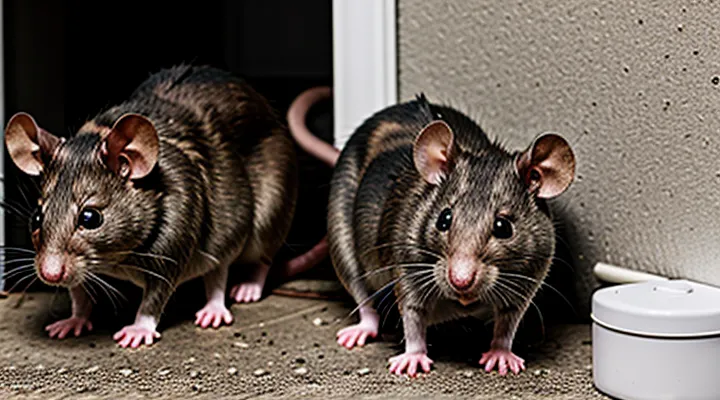
Understanding the Enemy: Rats and Mice
Identifying the Pests
Signs of Infestation
Rats and mice reveal their presence long before damage becomes obvious. Recognizing these indicators allows swift intervention and prevents a full‑scale problem.
- Dark, pellet‑shaped droppings near food sources, along baseboards, or inside cabinets. Fresh droppings appear shiny; older ones turn gray and crumble.
- Gnaw marks on wood, plastic, wires, and insulation. Teeth leave clean, V‑shaped cuts that enlarge over time.
- Scratching or scurrying sounds, especially at night, heard within walls, ceilings, or attics.
- Nests constructed from shredded paper, fabric, insulation, or dried plant matter, typically hidden in corners, behind appliances, or within wall voids.
- Grease or urine trails along walls, floors, and near entry points. Streaks may appear as darkened lines or oily smears.
- Unexplained gnawed food packaging, chewed open bags, or scattered crumbs.
- Distinctive musky odor that intensifies as the population grows.
Each sign warrants immediate inspection and targeted control measures. Early detection reduces the effort required to eradicate the rodents permanently.
Common Species and Their Habits
Rats and mice that invade residential structures belong primarily to two rat species and two mouse species. Understanding their biological patterns is essential for effective, long‑term eradication.
- Norway rat (Rattus norvegicus) – prefers basements, crawl spaces, and ground‑level walls; constructs burrows in soil and builds nests from insulation, paper, or fabric; active primarily at night; diet includes garbage, pet food, and plant material; capable of swimming and climbing short distances.
- Roof rat (Rattus rattus) – favors attics, roof voids, and upper stories; nests in ceiling insulation, rafters, or stored boxes; exhibits strong climbing ability, moving along wires and trees; primarily nocturnal; feeds on fruit, nuts, and stored grains; avoids flooded areas.
- House mouse (Mus musculus) – occupies interior rooms, cabinets, and behind appliances; nests in hidden crevices using shredded paper or cotton; active both day and night, with peaks at dusk; omnivorous, consuming crumbs, pet food, and insects; squeezes through openings as small as ¼ inch.
- Field mouse (Apodemus sylvaticus) – occasionally enters homes from surrounding vegetation; builds nests in wall voids or stored material; largely nocturnal; diet rich in seeds, fruits, and insects; limited climbing compared with roof rats.
Key behavioral traits that influence control measures:
- Entry points: Norway rats exploit ground‑level cracks, utility openings, and sewer lines; roof rats use roof eaves, vent pipes, and exterior foliage; mice penetrate gaps around pipes, doors, and foundation seams as small as ¼ inch.
- Reproduction: All species reproduce rapidly; a single female can produce several litters per year, each containing 5–12 offspring, leading to exponential population growth if unchecked.
- Territorial range: Rats maintain larger territories (up to 100 m²) and may travel between structures; mice occupy smaller zones (10–30 m²) but can migrate quickly through interconnected wall cavities.
- Food sourcing: All species exploit readily available human food sources; eliminating spills, securing waste containers, and removing pet food overnight reduce attractants.
Accurate identification of the species present, combined with knowledge of their nesting preferences, activity cycles, and access routes, enables targeted interventions that prevent re‑infestation and sustain a rodent‑free home.
Why They Invade Your Home
Attractants and Entry Points
Understanding what draws rodents and how they infiltrate a dwelling is essential for lasting control. Food residues, water sources, and shelter create a favorable environment; eliminating these incentives removes the primary motivation for rats and mice to remain.
- Food waste left uncovered or stored in unsealed containers
- Pet food left out overnight
- Spilled grains, cereal, or sugary substances
- Leaking pipes, dripping faucets, or condensation on surfaces
- Compost piles, garbage cans without tight lids, and outdoor feeding stations
Entry points provide the physical route for infestation. Identifying and sealing openings cuts off access and forces rodents to seek alternative, less favorable habitats.
- Gaps larger than ¼ inch around doors, windows, and utility penetrations
- Cracks in foundation walls, basement floors, and crawl‑space joists
- Openings around vent pipes, exhaust fans, and chimney flues
- Unsealed gaps behind appliances, cabinets, and plumbing fixtures
- Holes in exterior siding, soffits, and roof eaves
Inspection should begin at ground level and progress upward, using a flashlight and mirror to locate hidden breaches. Apply steel wool, copper mesh, or silicone‑based sealant to close small gaps; install metal flashing or concrete patches for larger openings. Regular maintenance—tightening weatherstripping, repairing damaged screens, and keeping vegetation trimmed away from the structure—prevents new ingress and sustains a rodent‑free environment.
Risks Associated with Infestation
Rodent infestations create immediate threats to human health, structural integrity, and financial stability.
Health hazards stem from pathogens carried on saliva, urine, and feces. Commonly transmitted agents include hantavirus, leptospirosis, salmonella, and various parasites. Contamination of food supplies and surfaces occurs rapidly, raising the risk of acute gastrointestinal illness and respiratory complications. Allergic reactions to rodent droppings and dander exacerbate asthma and other respiratory conditions.
Structural and property damage arises from gnawing behavior. Rodents compromise insulation, electrical wiring, and plumbing, increasing fire risk and causing costly repairs. Their burrowing in foundations and walls undermines load‑bearing elements, potentially leading to collapse in severe cases.
Economic impact extends beyond repair costs. Lost or spoiled food, increased utility consumption for pest control measures, and reduced property value contribute to long‑term financial loss. Psychological stress associated with persistent sightings and the perception of unsanitary conditions further diminishes quality of life.
Addressing these risks requires decisive, evidence‑based eradication protocols that eliminate rodent populations permanently and prevent reinfestation.
Prevention: Your First Line of Defense
Sealing Entry Points
Inspecting Your Home's Exterior
Inspect the building’s perimeter to block entry points before rodents establish a presence. Examine the foundation for cracks, gaps around utility lines, and openings where siding meets the ground. Seal all identified breaches with steel wool, caulk, or cement, ensuring the material resists gnawing.
Check the roof and eaves for damaged flashing, missing tiles, or loose soffits that provide access to attic spaces. Repair or replace compromised components, and install metal mesh over ventilation openings to deter chewing.
Evaluate the surrounding landscape for features that attract rodents. Trim vegetation that contacts the house, store firewood at least two feet away from the foundation, and keep mulch at a depth no greater than two inches. Remove debris, bird feeders, and pet food that lie outdoors.
Inspect exterior doors and windows for proper sealing. Install weatherstripping on door frames, and verify that screens are intact and securely fastened. Use door sweeps on all exterior doors to eliminate gaps at floor level.
Repairing Gaps and Cracks
Rodent infestations persist when small openings in walls, foundations, and utilities provide unrestricted access. Sealing these pathways removes the most reliable routes rats and mice use to enter homes, directly reducing the likelihood of re‑infestation.
Typical gaps include cracks around pipe penetrations, gaps beneath doors, openings at window frames, and fissures in foundation slabs. Exterior vents, utility lines, and attic vents often have removable covers that are improperly fitted, creating additional entry points.
- Inspect the exterior and interior for openings larger than ¼ inch; use a flashlight and a mirror to locate hidden gaps.
- Clean debris from the area to ensure adhesion of sealing materials.
- Apply steel wool or copper mesh to fill narrow cracks; these metals are resistant to gnawing.
- Cover the mesh with an appropriate sealant: silicone caulk for flexible joints, polyurethane foam for larger voids, or mortar for structural cracks.
- For door and window gaps, install weather‑stripping or door sweeps calibrated to eliminate any clearance.
- Secure vent covers with heavy‑duty screen or metal flashing, fastening them with screws rather than nails.
Regularly review sealed areas after seasonal weather changes. Replace deteriorated caulk, re‑apply mesh where damage occurs, and verify that door sweeps remain properly aligned. Consistent maintenance preserves the barrier, ensuring long‑term exclusion of rats and mice.
Eliminating Food and Water Sources
Proper Food Storage
Proper food storage is a critical component of any strategy to keep rats and mice out of the home. Rodents are attracted to accessible, aromatic food sources; eliminating these cues reduces the likelihood of infestation.
Store dry goods—cereals, grains, nuts, and pet food—in airtight containers made of metal or heavy‑wall plastic. Containers should have screw‑top lids with a rubber seal to prevent gnawing and odor escape. Keep these containers on shelves rather than on the floor, and position them away from walls where rodents can reach them.
Maintain a clean pantry by discarding expired items promptly. Use a regular schedule to inspect packaging for tears or holes, and replace damaged containers immediately. Remove crumbs and spills with a damp cloth; dry cleaning methods leave residues that may attract pests.
Implement a waste management routine that includes:
- Sealing trash bags tightly before placing them in outdoor bins.
- Using bins with fitted lids and a foot‑pedal or swing‑top mechanism.
- Emptying indoor trash daily, especially in kitchens and dining areas.
Limit food availability in non‑kitchen zones. If you store birdseed, pet treats, or compost indoors, relocate them to a secure, exterior shed with rodent‑proof construction. Ensure that any outdoor storage units are elevated at least 12 inches off the ground and constructed from materials rodents cannot chew through.
By consistently applying these storage practices, you remove the primary food incentives that drive rats and mice to enter residential spaces, supporting long‑term pest‑free living.
Managing Waste
Effective waste management directly reduces the attraction and sustenance sources that enable rats and mice to thrive indoors. Proper handling of refuse eliminates food residues, shelter opportunities, and breeding sites, thereby supporting long‑term rodent exclusion.
- Store garbage in containers with tight‑fitting lids; replace damaged seals promptly.
- Position bins away from building walls and elevate them on platforms or pallets to discourage climbing.
- Empty waste receptacles daily; avoid accumulation of organic matter that can ferment and emit odors.
- Separate compost from household trash; use sealed compost bins and keep them outdoors, far from entry points.
- Regularly sweep floors, vacuum corners, and wipe countertops to remove crumbs and spills.
- Dispose of pet food after each feeding; store dry feed in airtight containers.
- Clean under appliances, inside cabinets, and behind furniture where droppings may accumulate.
Consistent application of these practices removes primary incentives for rodents, creating an environment where infestations cannot establish or persist.
Maintaining a Clean Environment
Decluttering and Organization
A clutter‑free environment removes shelter and food sources that attract rodents, making it a critical component of any long‑term rodent‑exclusion strategy. By reducing hiding places, you limit the opportunities for rats and mice to establish nests, which directly lowers the likelihood of infestation.
Key actions for effective decluttering and organization:
- Remove all cardboard boxes, paper piles, and unused fabric from storage areas; store them in sealed containers or discard them.
- Keep countertops, tables, and work surfaces clear of food debris; wipe down surfaces after each use.
- Organize pantry items in airtight jars or bins; label each container to prevent over‑stocking and accidental spills.
- Eliminate gaps under appliances, furniture, and cabinets; use metal or hard‑plastic shims to close openings larger than ¼ inch.
- Regularly inspect and clean attics, basements, and crawl spaces; dispose of forgotten items that could serve as nesting material.
- Maintain a schedule for waste removal; ensure trash cans have tight‑fitting lids and are emptied frequently.
Implementing these measures creates a hostile environment for rodents, supporting other control methods such as sealing entry points and using traps. Consistent organization sustains the barrier against re‑infestation, ensuring the home remains free of rats and mice over the long term.
Yard Maintenance
Effective yard maintenance is a critical component of long‑term rodent control. Properly managed outdoor spaces reduce shelter, food, and water sources that attract rats and mice, thereby decreasing the likelihood of indoor infestations.
Clear debris, fallen leaves, and woodpiles regularly. These materials provide nesting sites and concealment for rodents. Keep the lawn mowed to a height of 2–3 inches; short grass limits cover and makes it easier to spot activity.
Store firewood off the ground and away from the house foundation. Use pallets or shelving to create a gap of at least 12 inches between the wood and the soil, preventing rodents from burrowing underneath.
Maintain compost bins with tight‑fitting lids. Avoid adding meat, dairy, or oily foods, and turn the compost frequently to discourage rodent habitation.
Secure garbage containers with lockable lids. Remove waste from the yard nightly and keep bins on a concrete surface to prevent gnawing on plastic.
Eliminate standing water by draining puddles, fixing leaky irrigation systems, and emptying birdbaths after use. Moisture attracts insects, which in turn draw rodents.
Inspect and repair any gaps in fences, gates, and the house perimeter. Install mesh with openings no larger than ¼ inch to block entry. Ensure that doors and windows close tightly, and use door sweeps where needed.
Apply these practices consistently; the cumulative effect creates an environment hostile to rats and mice, supporting permanent exclusion from the home.
Eradication: Proven Methods for Removal
Trapping Strategies
Snap Traps
Snap traps provide immediate, lethal control of rats and mice and remain a cornerstone of permanent rodent eradication strategies. The device consists of a spring‑loaded bar that releases a swift, precise strike when the animal triggers a trigger plate. This mechanism kills the rodent instantly, minimizing suffering and preventing escape.
Effective deployment requires attention to three factors: location, bait selection, and trap maintenance.
- Location: Place traps along walls, behind appliances, in dark corners, and near known gnawing sites. Rodents travel close to surfaces; positioning traps perpendicular to the wall, with the trigger plate facing the wall, maximizes contact.
- Bait: Use high‑protein or high‑fat attractants such as peanut butter, cheese, or small pieces of meat. Apply a pea‑sized amount to the trigger plate; excess bait may allow the animal to feed without activating the trap.
- Maintenance: Check traps daily. Remove captured rodents promptly, wearing disposable gloves, and reset the spring mechanism. Replace worn springs or damaged plates to preserve killing efficiency.
Safety considerations are essential in households with children or pets. Choose traps with a covered trigger or place them in tamper‑resistant containers. Store unused traps out of reach and label them clearly. Dispose of dead rodents in sealed bags and discard them according to local regulations to avoid disease transmission.
Integrating snap traps with complementary measures—such as sealing entry points, eliminating food sources, and maintaining clean environments—creates a comprehensive, long‑lasting solution that prevents reinfestation. Continuous monitoring and periodic trap replacement sustain the effectiveness of the control program.
Live Traps
Live traps capture rats and mice without killing them, allowing relocation away from residential areas. The devices consist of a hinged door that closes when an animal enters to reach bait, preventing escape.
Common designs include:
- Single‑catch cage traps with a spring‑loaded door.
- Multi‑catch box traps that hold several rodents before requiring emptying.
- Bucket traps that use a ramp and a trigger plate to drop the animal into a container.
Effective baiting follows these principles:
- Use food items with strong odor: peanut butter, dried fruit, or canned fish.
- Place bait at the far end of the trap to ensure the animal fully enters.
- Position traps along walls, near droppings, or in dark corners where activity is observed.
- Check traps at least twice daily to reduce stress on captured rodents.
When a trap is triggered:
- Wear thick gloves to avoid bites and prevent disease transmission.
- Transfer the animal to a secure carrier and release it at least two miles from the home, preferably in a wooded area with natural cover.
- Follow local wildlife regulations; some jurisdictions require permits or prohibit release of certain species.
Live traps complement broader rodent control measures by removing established individuals while preventing population growth. Advantages include humane treatment and avoidance of secondary poisoning. Limitations involve the need for regular monitoring, potential for trap avoidance after repeated exposure, and the responsibility of safe relocation. Integrating traps with sealing entry points, sanitation, and, when necessary, targeted bait stations yields a comprehensive, lasting solution.
Placement and Baiting Techniques
Strategic placement of rodent bait maximizes exposure while minimizing risk to non‑target animals and humans. Identify high‑traffic zones by observing gnaw marks, droppings, and runways. Typical hotspots include:
- Along walls where rodents travel, especially behind appliances and cabinets.
- Near entry points such as gaps around pipes, vents, and foundation cracks.
- In concealed areas like attic rafters, basement corners, and utility rooms.
- Directly adjacent to food storage locations, but out of reach of children and pets.
Bait stations should be anchored securely to prevent displacement by wind or curious pets. Use tamper‑resistant containers that lock the bait inside while allowing rodents to enter through a small entry slot. Position each station at a height of 2–4 inches above the floor, aligning with the natural runways rodents follow.
Select bait based on the target species and local resistance patterns. Anticoagulant blocks are effective for established infestations; however, for bait‑shy populations, use fast‑acting toxins combined with attractive food matrices such as grain, peanut butter, or fish oil. Rotate active ingredients every 30 days to mitigate resistance development.
When deploying multiple stations, maintain a spacing of 10–15 feet in interior spaces and 20–30 feet in larger, open areas. Avoid clustering stations, which can lead to bait avoidance and increased competition among rodents. Replace any station that shows signs of contamination, depletion, or tampering within 24 hours.
Monitor activity with non‑lethal tracking devices or by inspecting fresh droppings. Adjust placement based on observed movement patterns, expanding coverage to newly identified pathways. Consistent, data‑driven repositioning ensures sustained pressure on the rodent population, driving it toward permanent elimination.
Baits and Rodenticides
Understanding Different Types
Understanding the specific rodent species present in a residence determines the choice of control tactics, the placement of devices, and the expected pattern of activity. Rats and mice differ in size, habitat preference, reproductive rate, and foraging behavior; these distinctions affect bait selection, trap design, and exclusion measures.
- Norway rat (Rattus norvegicus) – large, bulk‑building, prefers ground burrows, travels along walls and utilities, capable of chewing through concrete and thick plastics.
- Roof rat (Rattus rattus) – smaller, agile, favors elevated locations such as attics and roof spaces, uses trees and vines for access, less tolerant of cold environments.
- House mouse (Mus musculus) – diminutive, thrives in interior cavities, reproduces rapidly, readily exploits small cracks and gaps.
- Field mouse (Apodemus spp.) – similar to house mouse but more inclined toward outdoor structures, enters homes seasonally.
Each species exhibits distinct movement corridors and nesting habits. Effective eradication programs must align control tools with these patterns.
- Bait stations: place near ground pathways for Norway rats; locate in ceiling voids for roof rats; distribute throughout interior walls for mice.
- Snap traps: size and trigger sensitivity should match target; larger traps for Norway rats, smaller for mice.
- Exclusion: seal openings larger than ¼ inch for mice, larger than ½ inch for rats; reinforce vent covers and utility penetrations.
- Sanitation: remove food sources accessible at ground level for Norway rats, secure pantry items for mice, eliminate roof debris that attracts roof rats.
Accurate identification of rodent type enables precise deployment of these measures, leading to permanent removal of the infestation.
Safe and Effective Application
Effective rodent control requires procedures that protect occupants while delivering lasting results. Begin with a thorough inspection to identify all entry points, nesting sites, and food sources. Seal gaps larger than ¼ inch with steel wool, caulk, or metal flashing; replace damaged screens and repair foundation cracks. Removing excess food and water eliminates the primary attractants that sustain infestations.
Select control tools that minimize health risks:
- Snap traps placed along walls, behind appliances, and in concealed pathways; dispose of captured rodents promptly.
- Live‑catch traps for humane removal, followed by immediate release far from the residence.
- Low‑toxicity bait stations featuring anticoagulant or non‑anticoagulant formulations; position them out of reach of children and pets, and monitor daily.
Apply baits according to label instructions, using the minimum effective amount. Rotate active ingredients every 30 days to prevent resistance. For large or hidden populations, engage a licensed pest‑management professional who can deploy rodenticides with sealed containers and conduct targeted placement under strict safety protocols.
Maintain vigilance through regular monitoring. Inspect traps and bait stations weekly, record activity, and reinforce exclusion measures as needed. Consistent documentation supports timely adjustments and ensures that the eradication effort remains both safe for the household and permanently effective.
Safety Precautions for Pets and Children
When eliminating rats and mice, the safety of pets and children must be a priority. Toxic baits, traps, and chemicals can cause accidental poisoning, respiratory irritation, or injury if mishandled. Follow these precautions to protect vulnerable household members.
- Store all rodent control products in locked cabinets out of reach of children and animals. Use child‑proof containers and place them on high shelves.
- Choose bait stations that are tamper‑resistant and designed to prevent access by non‑target species. Position stations along walls, behind appliances, and in concealed areas where pets and children cannot climb or crawl.
- Keep pets away from treatment zones until the area has been thoroughly ventilated and any residues have dried. For indoor applications, allow at least 2‑4 hours of fresh air circulation before re‑entry.
- Prefer snap traps or electronic traps over glue boards, which can entangle fur or small fingers. Place traps in locations inaccessible to pets, such as behind baseboards or inside sealed containers with a small entry hole.
- When using rodenticides, opt for products with low secondary toxicity and follow label instructions precisely. Wear disposable gloves, wash hands after handling, and dispose of used bait containers in sealed bags.
- Supervise children during any cleanup activities. Teach them to avoid touching unknown objects on the floor and to report any suspicious items to an adult immediately.
- If a pet shows signs of exposure—vomiting, lethargy, seizures—contact a veterinarian without delay. Keep the product label and contact information for emergency services handy.
By implementing these measures, rodent eradication can proceed without compromising the health of children and pets.
Professional Pest Control
When to Call an Expert
Professional intervention becomes necessary when a rodent problem exceeds the limits of DIY control. Typical indicators include:
- Infestation covering multiple rooms or levels of the home.
- Evidence of gnawed structural components, such as beams, wiring, or insulation.
- Persistent droppings, urine stains, or strong odors despite regular cleaning.
- Repeated sightings after repeated trap placement or bait applications.
- Presence of disease‑carrying parasites (fleas, mites, or ticks) linked to rodent activity.
- Damage to food storage areas that compromises safety and hygiene.
Another decisive factor is the inability to safely apply rodenticides or traps. If a household contains children, pets, or individuals with health sensitivities, professional services can implement integrated pest management strategies that minimize risk. Likewise, when the infestation originates from concealed entry points—cracks in foundations, gaps around utility lines, or compromised ventilation shafts—trained technicians possess the tools and expertise to locate and seal these access routes effectively.
Legal and regulatory considerations also dictate expert involvement. Certain jurisdictions require licensed applicators for specific rodent control chemicals. Failure to comply may result in fines or liability for health hazards. Consulting a certified pest‑control provider ensures adherence to local codes and proper documentation.
Finally, long‑term prevention depends on a comprehensive assessment that includes environmental sanitation, structural repairs, and ongoing monitoring. When these elements cannot be coordinated internally, a professional evaluation offers a systematic plan that addresses the root causes and reduces the likelihood of recurrence. In such circumstances, contacting an experienced rodent‑control specialist is the prudent course of action.
What to Expect from a Professional Service
Professional rodent control services begin with a thorough inspection. Technicians identify entry points, nesting sites, and activity levels, then document findings with photographs or diagrams. The assessment determines the most effective combination of exclusion, trapping, and baiting tailored to the property’s layout.
Following the inspection, the team implements a customized action plan. Actions typically include sealing gaps larger than ¼ inch, installing sealed bait stations, placing snap or electronic traps in high‑traffic zones, and applying low‑toxicity rodenticides where legally permitted. All materials comply with local regulations and are positioned to minimize risk to non‑target animals and humans.
Clients can expect the following outcomes:
- Immediate reduction of visible rodent activity within 24–48 hours.
- Continuous monitoring visits for at least four weeks to verify elimination.
- Detailed report outlining completed measures, remaining risk factors, and recommendations for long‑term prevention.
- Warranty coverage that includes re‑treatment if activity reappears during the guarantee period.
Post-Extermination: Preventing Re-Infestation
Thorough Cleaning and Sanitization
Removing Droppings and Nests
Removing rodent droppings and nests is essential for long‑term control. Droppings carry pathogens that contaminate food surfaces and air. Nests provide shelter, encouraging continued infestation. Eliminating these elements disrupts the colony’s habitat and reduces health risks.
Before beginning, wear disposable gloves, a N95 mask, and eye protection. Seal the work area with plastic sheeting to contain dust. Use a disinfectant approved for rodent waste, such as a 10 % bleach solution, to wet droppings and nests. Wetting prevents aerosolization of harmful particles.
- Collect droppings with a disposable scoop or paper towel; place them in a sealed, double‑layer bag.
- Remove nests by cutting or pulling material away from structural gaps; place nest material in the same sealed bag.
- Dispose of the sealed bag according to local hazardous‑waste regulations.
- Apply disinfectant to all contaminated surfaces, allowing the contact time specified by the product label.
- Allow the area to dry completely before restoring normal use.
After cleaning, inspect walls, attics, and crawl spaces for remaining nesting material. Repair openings larger than ¼ inch with steel wool, copper mesh, or caulking. Regular monitoring and prompt removal of any new droppings or nests prevent re‑establishment of the rodent population.
Disinfecting Contaminated Areas
Disinfecting contaminated zones is essential after rodent activity because droppings, urine, and nesting material carry pathogens that can survive for months. Proper sanitation removes health hazards and deters survivors from returning to a familiar, unsafe environment.
Begin by identifying all areas with visible evidence of infestation: kitchen counters, pantry shelves, behind appliances, crawl spaces, and attic corners. Wear disposable gloves, a mask rated N‑95 or higher, and protective eyewear before entry. Remove debris, food scraps, and bedding material, placing them in sealed bags for disposal.
Apply a disinfectant approved for rodent‑borne diseases, such as a 10% bleach solution (1 part bleach to 9 parts water) or an EPA‑registered quaternary ammonium product. Follow these steps:
- Saturate the surface thoroughly; ensure contact time of at least 10 minutes.
- Scrub with a disposable brush or cloth to lift residues.
- Rinse with clean water if the disinfectant requires it, then allow the area to air‑dry completely.
- Dispose of cleaning tools in sealed bags; wash hands and any reusable equipment with hot, soapy water.
For porous materials (carpet, insulation, upholstery) that cannot be fully decontaminated, remove and discard them according to local waste regulations. After treatment, seal all entry points with steel wool, metal flashing, or cement to prevent re‑infestation, then monitor the site for any new signs of activity.
Consistent application of these procedures eliminates lingering contamination, reduces disease risk, and supports long‑term exclusion of rodents from residential spaces.
Ongoing Monitoring
Regular Inspections
Regular inspections are the most reliable means of detecting rodent activity before infestations become unmanageable. By examining potential entry points, nesting sites, and food sources on a consistent schedule, homeowners can intervene promptly and prevent population growth.
Key elements of an effective inspection routine:
- Inspect exterior foundations, doors, and windows for gaps larger than ¼ inch; seal any openings with steel wool or caulk.
- Examine attic, basement, and crawl spaces for droppings, gnaw marks, or shredded insulation.
- Check interior cabinets, pantry shelves, and behind appliances for signs of chew damage or urine stains.
- Verify that all trash containers have tight‑fitting lids and that waste is removed regularly.
- Record findings in a log, noting dates, locations, and corrective actions taken.
Implementing these steps on a weekly or bi‑weekly basis creates a clear picture of rodent activity trends, enabling targeted interventions that sustain a rodent‑free environment.
Early Detection Measures
Early detection prevents infestations from reaching damaging levels. Regular inspection of potential entry points—such as gaps around pipes, vents, and foundations—identifies breaches before rodents establish pathways. Examine stored food containers for gnaw marks and replace damaged lids promptly.
Implement a monitoring system that combines passive and active components. Use the following measures:
- Place snap‑type or electronic detection stations along walls, behind appliances, and in attics; check them weekly for activity.
- Install non‑lethal bait stations with tracking powder; examine powder transfer on gloves to confirm presence.
- Deploy motion‑sensitive cameras in concealed locations; review footage for nocturnal movement patterns.
- Conduct visual surveys for droppings, urine stains, and gnaw holes; record findings on a log to track trends.
Maintain a schedule of quarterly deep scans, focusing on concealed spaces such as crawl spaces, basements, and insulation cavities. Document each inspection, noting any new signs, and address identified vulnerabilities immediately to sustain a rodent‑free environment.
Long-Term Exclusion Strategies
Reinforcing Entry Point Seals
Sealing every possible opening eliminates the primary route rodents use to enter a home. Rats and mice exploit gaps as small as a quarter‑inch; once inside, they can multiply rapidly and cause structural damage, contamination, and disease transmission.
Identify all potential entry points by inspecting the building envelope. Examine foundations, utility penetrations, roof eaves, vent pipes, window frames, door thresholds, and gaps around cabinets or appliances. Use a flashlight and a thin probe to detect hidden cracks.
Recommended sealing materials and techniques:
- Steel wool: pack tightly into gaps larger than 1 mm, then cover with caulk or expanding foam to prevent gnawing.
- Hardware cloth (1/4‑inch mesh): install over larger openings such as vent pipes, securing with stainless‑steel screws.
- Silicone or acrylic caulk: apply to seams around windows, doors, and baseboards; smooth to ensure a continuous barrier.
- Metal flashing: wrap around foundation cracks or where pipes penetrate walls; overlap joints and seal with roofing cement.
- Expanding polyurethane foam: fill irregular voids; trim excess once cured and seal the surface with caulk.
Apply each material after cleaning the area of debris, dust, and moisture. Ensure surfaces are dry to promote adhesion. Overlap seams by at least 2 inches and press sealants firmly to remove air pockets. For high‑traffic zones, use durable metal or rigid mesh rather than soft fillers that rodents can chew through.
Schedule periodic inspections, especially after severe weather or seasonal changes. Reapply sealants to any compromised sections, and verify that doors and windows close flush against their frames. Consistent maintenance preserves the integrity of the barrier and prevents re‑infestation.
Continuous Habitat Modification
Continuous habitat modification is a core strategy for preventing rodent re‑infestation. By altering the environment that attracts rats and mice, you remove the conditions necessary for their survival and reproduction.
Key actions include:
- Seal all exterior gaps larger than ¼ inch; use steel wool, silicone caulk, or metal flashing where needed.
- Install door sweeps on all exterior doors and repair any damaged weather stripping.
- Trim vegetation and tree branches at least 2 feet away from the building to eliminate climbing routes.
- Store food in airtight containers; keep pantry shelves clear of crumbs and spills.
- Relocate compost bins and garbage cans to a minimum of 10 feet from the house; use bins with tight‑fitting lids.
- Elevate firewood stacks at least 12 inches off the ground and keep them away from exterior walls.
- Maintain a clean, dry crawl space; install vapor barriers and ensure proper ventilation to discourage nesting.
Regular inspection reinforces these measures. Conduct a systematic walk‑through monthly, checking for new entry points, signs of gnawing, and accumulated debris. Promptly repair any deficiencies to sustain an inhospitable habitat.
Integrating continuous habitat modification with other proven control methods creates a comprehensive, long‑term solution that eliminates the likelihood of rodents establishing a foothold in the home.