
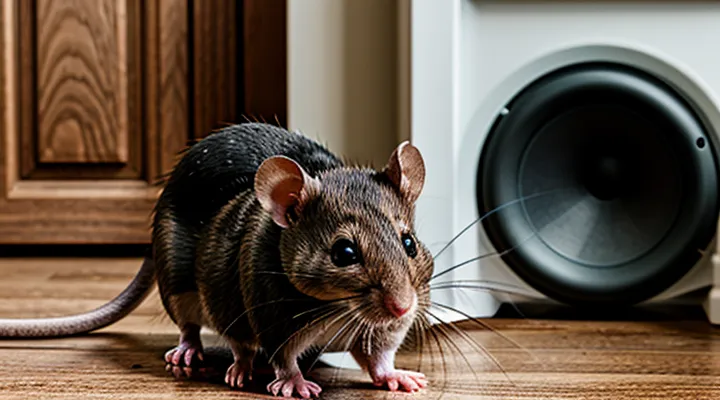
Understanding Ultrasonic Pest Repellers
How Ultrasonic Frequencies Work
The Science Behind the Sound
Ultrasonic devices exploit the auditory sensitivity of rodents, which extends well beyond the human hearing limit of 20 kHz. Laboratory measurements show that laboratory mice respond to frequencies between 30 kHz and 110 kHz, while rats exhibit heightened sensitivity from 20 kHz to 80 kHz. When a sound source emits tones within these bands, the acoustic pressure fluctuations stimulate the cochlear hair cells of the animals, producing a startle response that interferes with normal foraging and nesting behavior.
The repellent effect relies on two physiological mechanisms. First, high‑frequency stimulation triggers the auditory startle reflex, a rapid motor response designed to avoid potential threats. Second, prolonged exposure leads to auditory fatigue, reducing the ability of rodents to process essential environmental cues such as predator sounds or conspecific calls. The combined effect discourages occupancy of the treated area.
Effectiveness depends on precise control of several parameters:
- Frequency range matching the target species’ hearing peak.
- Sound pressure level (SPL) typically between 80 dB and 110 dB at the source, decreasing with distance according to the inverse square law.
- Duty cycle, often set to intermittent bursts (e.g., 1 s on, 4 s off) to prevent rapid habituation.
- Spectral purity; pure tones produce consistent responses, whereas broadband noise may reduce efficacy.
Rodents can adapt if the stimulus remains constant. Introducing random frequency modulation (±5 kHz) and varying burst intervals disrupts pattern recognition, extending the deterrent period. Field studies confirm that devices employing these adaptive algorithms maintain repellent activity for several weeks longer than static‑tone units.
Online platforms distribute ultrasonic emitters that integrate programmable microcontrollers. Users upload firmware updates that adjust frequency sweeps and duty cycles in response to real‑time feedback from built‑in microphones. This closed‑loop system allows precise targeting of local rodent populations while minimizing unnecessary acoustic pollution.
What Pests Are Affected
Ultrasonic devices marketed for rodent control emit frequencies above 20 kHz, a range inaudible to humans but detectable by many small mammals. The emitted sound creates an uncomfortable environment that discourages occupancy and foraging.
- House mouse (Mus musculus)
- Norway rat (Rattus norvegicus)
- Roof rat (Rattus rattus)
- Field mouse (Apodemus spp.)
- Wood rat (Neotoma spp.)
- Lesser grain borer (Rhyzopertha dominica) – limited response
Squirrels, chipmunks, and some insects may exhibit brief aversion, but the effect typically diminishes after habituation. The primary impact remains on the listed rodent species, whose hearing sensitivity aligns with the device’s frequency band.
The technology relies on continuous emission of high‑frequency tones that interfere with the animals’ communication and navigation systems. Placement near entry points, nesting areas, or food sources maximizes exposure. Devices designed for indoor use should be positioned in enclosed spaces, while outdoor models require weather‑proof housing and strategic distribution across the perimeter.
Effectiveness depends on species-specific hearing thresholds, environmental acoustics, and the absence of alternative shelter. Proper installation and regular monitoring ensure that the targeted pests experience sustained deterrence.
Effectiveness and Limitations
What Research Says
Scientific investigations have measured the impact of acoustic deterrents on rodent behavior. Controlled laboratory experiments consistently show that exposure to ultrasonic frequencies between 20 kHz and 65 kHz reduces activity levels in both mice and rats. The effect is strongest at 30–45 kHz, where avoidance behavior appears within seconds of activation.
Field trials in residential and agricultural settings confirm laboratory results but reveal a rapid decline in effectiveness after 48–72 hours. Rodents habituate to continuous tones, resuming normal foraging once the signal becomes predictable. Intermittent emission patterns—10 seconds on, 20 seconds off—extend deterrent periods by up to 30 percent.
Peer‑reviewed meta‑analyses identify three factors that influence outcomes:
- Signal intensity: Minimum acoustic pressure of 90 dB SPL at the source is required for measurable avoidance.
- Coverage area: Effective radius averages 3 meters; overlapping devices increase spatial uniformity.
- Frequency modulation: Sweeping tones across the 20–65 kHz band reduce habituation compared to static frequencies.
Online marketplaces host a range of ultrasonic emitters, from plug‑in modules to Bluetooth‑controlled units. Product specifications typically list frequency range, output power, and programmable duty cycles. User manuals often include recommended placement: central location in the target zone, elevated at 1–1.5 meters, and unobstructed by dense materials that attenuate high‑frequency sound.
To maximize efficacy when sourcing devices online, follow these steps:
- Verify that the listed frequency range includes 30–45 kHz.
- Confirm output power meets or exceeds 90 dB SPL at 1 meter.
- Choose models offering programmable on/off cycles or automatic randomization.
- Install devices according to manufacturer guidelines, ensuring coverage overlap for larger areas.
- Schedule periodic rotation of emission patterns to prevent rodent acclimation.
Current research underscores that acoustic repellents can contribute to integrated pest‑management strategies, provided that device specifications align with empirically validated parameters and that usage incorporates intermittent, varied signaling.
Factors Influencing Performance
Ultrasonic deterrents rely on specific acoustic parameters to affect rodent activity. The effectiveness of an online‑purchased device depends on several measurable variables.
- Frequency range: 20–65 kHz targets the hearing limits of mice and rats; frequencies below this threshold lose impact, while excessively high tones may be filtered by obstacles.
- Sound pressure level (SPL): SPL above 90 dB at the source ensures penetration through furniture and walls; lower SPL reduces audible reach.
- Coverage radius: Manufacturer specifications list the maximum distance; actual coverage shrinks in cluttered environments.
- Placement height: Positioning devices 12–18 inches above the floor aligns with rodent travel paths and prevents signal blockage.
- Power source stability: Continuous mains power eliminates interruptions that occur with battery‑operated units.
- Device durability: Materials resistant to dust and moisture maintain consistent output over time.
- Ambient noise interference: Background sounds above 15 kHz can mask the deterrent signal, diminishing its effect.
- Species sensitivity: Different rodents respond variably to specific frequencies; selecting devices calibrated for the target species enhances results.
Online retailers provide product datasheets that detail these parameters. Comparing specifications before purchase allows selection of a model that matches the intended environment and pest profile. Proper installation—central location, unobstructed line of sight, and uninterrupted power—optimizes performance and sustains deterrent efficacy.
Finding and Using Online Resources
Types of Online Sounds and Applications
Dedicated Pest Repeller Apps
Dedicated pest repeller apps deliver ultrasonic or high‑frequency audio directly from smartphones, tablets, or smart speakers to discourage mice and rats from entering treated areas. The software generates sound patterns calibrated to frequencies beyond human hearing but within the auditory range of common rodents, creating an uncomfortable environment that prompts them to relocate.
Most apps operate on a schedule, allowing users to set active periods during nighttime or when occupancy is low. They often include adjustable intensity levels, a library of tone profiles, and the ability to synchronize multiple devices for broader coverage. Some solutions integrate cloud‑based updates, ensuring the latest frequency algorithms are applied without manual intervention.
Key considerations when selecting an app:
- Compatibility with iOS, Android, or smart‑home platforms.
- Frequency range covering 20–65 kHz, verified by developer documentation.
- User‑defined timer and auto‑shutdown features to conserve battery life.
- Remote control via a web portal or companion app for real‑time monitoring.
- Positive user reviews confirming observable reduction in rodent activity.
Typical deployment steps:
- Install the chosen app from an official app store.
- Position the device on a stable surface at least 12 inches above the floor, away from obstacles that may block sound propagation.
- Configure the schedule to match periods when rodents are most active, usually dusk to dawn.
- Activate the program and monitor rodent signs for at least one week, adjusting intensity if necessary.
- Disable the app temporarily when humans or pets occupy the space to avoid potential discomfort.
Limitations include dependence on device speaker quality, reduced effectiveness in heavily insulated rooms, and the possibility of habituation if frequencies remain static for extended periods. Regularly updating the app and rotating tone profiles mitigates these issues.
Websites Offering Ultrasonic Tones
Several online platforms distribute ultrasonic audio files designed to deter mice and rats. These services typically provide downloadable tracks in common formats such as MP3 or WAV, enabling playback on computers, smartphones, or dedicated ultrasonic emitters.
- RodentRepel.com – offers a library of 10‑minute tone loops, each calibrated to frequencies between 20 kHz and 30 kHz. Files are available for single purchase or through a monthly subscription that grants unlimited access.
- PestFreeAudio.org – supplies free, royalty‑free recordings under a Creative Commons license. The site lists recommended playback intervals and includes a guide for configuring Bluetooth speakers to emit the required frequencies.
- UltraToneStore.net – sells high‑resolution WAV files (48 kHz sample rate) intended for use with professional ultrasonic transducers. Bulk discounts apply to orders of three or more tracks.
- EcoPestControl.com – provides a streaming service with a rotating playlist of varied ultrasonic patterns. Users can create an account, select a “rodent” channel, and stream directly to compatible smart speakers.
To employ these resources online, follow a three‑step procedure:
- Select a source – choose a platform that matches the intended device (e.g., mobile phone, PC, or external transducer).
- Download or stream the file – ensure the file’s frequency range exceeds the hearing threshold of rodents (generally above 18 kHz) and that the audio quality meets the device’s output capabilities.
- Configure playback – set the device to continuous loop mode, adjust volume to the maximum safe level, and position the speaker near entry points or nesting areas. For smart‑speaker integrations, use the platform’s app or API to schedule automatic activation during nighttime hours.
All listed websites maintain clear licensing terms, provide technical specifications, and include troubleshooting sections that address common issues such as signal attenuation or device incompatibility.
YouTube Channels and Playlists
YouTube offers a practical source for ultrasonic and predator‑call recordings designed to deter rodents. Several channels specialize in high‑frequency audio, providing both individual tracks and curated playlists that can be streamed or downloaded for use with home speakers or dedicated ultrasonic emitters.
- Rodent Repellent Sounds – uploads full‑length ultrasonic files, typically 30‑60 minutes, in WAV or MP3 format. Each video includes a frequency spectrum chart and instructions for looping playback.
- Predator Calls Collection – features recordings of owls, hawks, and feral cats. Playlists group calls by species, allowing users to select the most effective acoustic profile for their environment.
- DIY Ultrasonic Generator – demonstrates how to convert smartphone or computer audio output into ultrasonic frequencies using inexpensive hardware. Accompanying playlists contain test tones calibrated to 20‑30 kHz.
- Long‑Term Deterrent Sessions – offers multi‑hour compilations designed for continuous background use. Videos often include timestamps for rotating sound sets to prevent habituation.
When selecting a channel, verify the following criteria: clear audio quality, explicit frequency range, and a disclaimer confirming that the recordings are intended for rodent control only. After identifying suitable content, embed the video in a web page, use a browser‑based player, or download the audio file for integration with smart‑home speakers. Set the playback to repeat, adjust volume to a level audible to rodents but comfortable for humans, and position the speaker near entry points or nesting areas. Regularly rotate playlists to maintain effectiveness and monitor rodent activity to assess results.
Best Practices for Online Sound Repellents
Optimal Placement of Devices
Place ultrasonic emitters at every potential entry point. Typical locations include gaps around doors, windows, utility openings, and vents. Install devices within 12–18 inches of these breaches to ensure the sound reaches rodents as they attempt to enter.
Mount units on interior walls rather than on the ceiling. Wall placement directs the ultrasonic waves horizontally, covering the floor where mice and rats travel. Keep the device at a height of 3–4 ft to align the sound field with the animals’ typical movement plane.
Avoid obstacles that block propagation. Remove or relocate large furniture, cabinets, or shelving that stand directly between the emitter and the target area. If removal is impractical, use multiple devices to create overlapping zones.
Create a continuous coverage pattern by spacing emitters no more than 20 ft apart in open rooms. In larger spaces, arrange a grid: one device per 400 sq ft, adjusting for wall configurations and ceiling height. Ensure each unit’s coverage circle touches, but does not excessively overlap, the neighboring unit to prevent signal cancellation.
Position devices away from sources of ambient noise such as HVAC fans, microwaves, or fluorescent lighting. High‑frequency interference can diminish the effectiveness of the ultrasonic wave.
For multi‑level buildings, install at least one unit per floor, focusing on stairwells, crawl spaces, and basement walls. Verify that each floor’s emitters are synchronized to avoid phase conflicts that could create dead zones.
Regularly inspect placement after renovations or furniture rearrangements. Confirm that the emitters remain unobstructed and maintain the prescribed distances from entry points and each other.
Volume and Frequency Settings
Effective rodent deterrence relies on precise control of sound frequency and output level. The two parameters determine whether the signal reaches the target species without causing unnecessary disturbance to humans or pets.
Ultrasonic devices typically emit tones between 20 kHz and 65 kHz. Frequencies below 20 kHz are audible to people and lose efficacy against mice and rats, while tones above 65 kHz attenuate quickly in air and fail to penetrate typical indoor obstacles. Studies indicate that the most responsive range for these pests lies around 30 kHz to 45 kHz, with peak avoidance observed near 38 kHz.
Output level, measured in sound pressure level (SPL), must be sufficient to penetrate walls, furniture, and flooring. Laboratory data suggest a minimum of 85 dB SPL at the source, decreasing to 70 dB SPL after 1 m of travel. Excessive SPL (>100 dB) can cause discomfort for humans and pets, and may trigger habituation in rodents.
When using online generators or downloadable audio files, follow these steps:
- Select a file labeled “ultrasonic rodent repellent” or similar.
- Verify the frequency range (30 kHz–45 kHz) in the file metadata.
- Set the playback device’s volume to achieve at least 85 dB SPL at the speaker surface; a calibrated SPL meter is recommended.
- Position speakers at points where rodents travel, ensuring line‑of‑sight to gaps and entryways.
- Schedule continuous playback for 12–24 h per day, adjusting volume only if audible hiss is detected by humans.
Proper calibration prevents ineffective low‑volume emission and avoids over‑amplification that could lead to health concerns. Regular monitoring of SPL levels and frequency integrity ensures sustained deterrent performance.
Duration and Consistency of Use
Effective rodent deterrence relies on sustained exposure to ultrasonic or high‑frequency audio signals. Most commercial recordings are designed for continuous playback; intermittent bursts reduce efficacy because rodents quickly habituate. For optimal results, stream the audio for at least 12 hours per day, preferably covering the rodents’ peak activity periods (dusk to early morning).
Key parameters for online sound deployment:
- Playback length: Minimum 8 hours; ideal 12–24 hours for full‑day coverage.
- Frequency stability: Maintain a constant output within the 20–65 kHz range; fluctuations can allow rodents to acclimate.
- Device uptime: Use reliable streaming hardware or cloud‑based services that guarantee uninterrupted operation; schedule automatic restarts only for maintenance.
Consistency matters more than occasional high‑volume sessions. A steady, long‑duration signal creates a persistent acoustic barrier, preventing mice and rats from establishing a presence. Short, sporadic use merely masks the environment without delivering a lasting deterrent effect.
Potential Drawbacks and Considerations
Habituation and Adaptation by Pests
Pests quickly learn to ignore constant ultrasonic emissions. Repeated exposure to a single frequency causes neural desensitization, reducing the perceived threat and allowing normal activity to resume. This process, known as habituation, is documented in laboratory studies where rodents cease to exhibit avoidance after a few hours of uninterrupted sound.
Adaptation extends habituation through physiological changes. Rodents can shift hearing thresholds, filter out non‑harmful frequencies, and develop tolerance to higher intensities. The following mechanisms are most commonly observed:
- Frequency shifting: gradual adjustment to avoid the emitted band.
- Auditory masking: increased reliance on ambient noises that drown out the repellent signal.
- Behavioral acclimation: exploration of safe zones despite the presence of sound.
To maintain efficacy, users should vary both frequency and pattern. Strategies include:
- Selecting devices that cycle through multiple ultrasonic ranges.
- Scheduling intermittent operation rather than continuous playback.
- Combining sound with physical barriers or bait stations to reinforce deterrence.
Monitoring pest activity after each adjustment provides data on residual presence and informs further modifications. Consistent rotation of acoustic parameters prevents long‑term desensitization and sustains the repellent effect.
Impact on Pets and Humans
Ultrasonic devices marketed for rodent deterrence emit frequencies typically between 18 kHz and 30 kHz. Most domestic dogs can hear up to 45 kHz, while cats detect sounds as high as 64 kHz. Consequently, continuous operation may cause discomfort, anxiety, or behavioral changes in these animals. Short‑term exposure at manufacturer‑specified levels generally produces no permanent auditory damage, but prolonged use in confined spaces can lead to stress‑related symptoms such as pacing, vocalization, or loss of appetite.
Human hearing thresholds decline sharply above 17 kHz, rendering most ultrasonic emissions inaudible to adults. However, children and individuals with heightened sensitivity may perceive faint tones, especially if the device is placed close to the ear. Reported effects on humans include mild headaches, ear pressure, or temporary tinnitus after extended exposure. Regulatory guidelines recommend positioning emitters at least 1 meter away from occupied areas and limiting operation to 8‑hour intervals to reduce potential adverse reactions.
Key safety considerations:
- Verify pet species and age before installation; avoid use in households with young dogs or cats.
- Place devices on walls or ceilings, not on furniture or near sleeping zones.
- Use timers or smart plugs to enforce daily shutdown periods.
- Monitor pet behavior for signs of distress; discontinue use if symptoms appear.
Alternative and Complementary Methods
Ultrasonic emitters are often the first solution considered for rodent control, yet several non‑acoustic strategies can enhance effectiveness and reduce reliance on a single technology. Physical barriers such as steel mesh, concrete caps, and sealed entry points prevent mice and rats from accessing buildings. Installing these barriers at known ingress locations—foundation cracks, utility openings, and vent gaps—creates a permanent exclusion zone.
Trapping remains a direct method. Snap traps, electronic kill traps, and multi‑catch live traps provide immediate population reduction. Position traps along walls, behind appliances, and near food sources; check them daily to maintain humane standards and prevent secondary infestations. Bait selection should match target species: grain‑based attractants for mice, protein‑rich lures for rats.
Natural repellents offer complementary action. Essential oils—peppermint, eucalyptus, and citronella—create volatile compounds that rodents find unpleasant. Apply diluted oil to cotton balls, place them in corners, or use commercial spray formulations. Rotate oil types weekly to avoid habituation.
Environmental management reduces attractants. Store food in sealed containers, remove clutter that offers shelter, and maintain clean waste disposal areas. Regularly inspect drainage systems and sewer lines for leaks that provide moisture and shelter.
Integrated pest management (IPM) combines the above tactics with monitoring tools. Digital sensors detect rodent activity, logging movement patterns that inform targeted interventions. Online platforms sell ready‑made IPM kits, often including ultrasonic modules, sensor units, and instructional guides. Purchase from reputable vendors that provide product certifications and warranty terms; verify compatibility with local power standards before installation.
When using ultrasonic devices, position units at least 12 inches above the floor, facing open spaces rather than walls. Operate continuously for a minimum of three weeks to allow the sound field to disrupt nesting behavior. Pairing sound emitters with the physical and biological measures listed above yields a multi‑layered defense, minimizing the chance of rodent adaptation and ensuring long‑term control.