
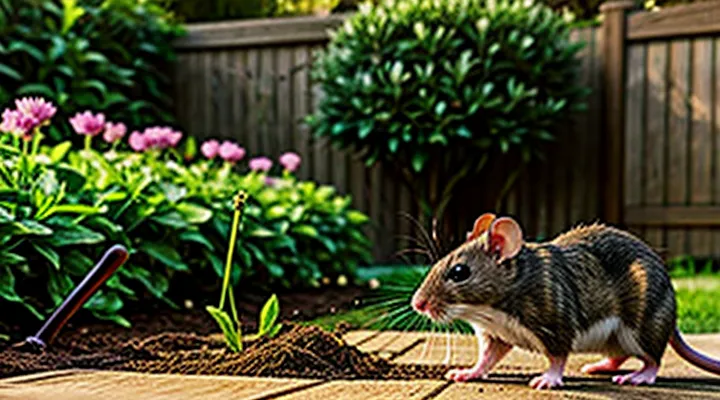
Understanding the Mouse Problem in Your Garden Plot
Identifying Mouse Presence
Signs of Mice Activity
Mice leave unmistakable evidence that signals an infestation in a garden plot. Recognizing these indicators enables timely intervention before damage escalates.
- Small, dark droppings about the size of a grain of rice, often found near plant bases, seed trays, or under mulch.
- Gnawed edges on stems, roots, and irrigation tubing; bite marks are typically clean‑cut and appear on softer tissues.
- Nests constructed from shredded leaves, grass clippings, or paper, usually hidden beneath debris, in hollow stems, or within soil mounds.
- Visible tracks in damp soil or along pathways; footprints show four‑toed prints with a distinctive heel pad impression.
- Burrows or tunnels near the garden perimeter, identified by loose soil and funnel‑shaped entrances.
- Missing seeds, bulbs, or seedlings, especially when loss occurs without obvious predator activity.
- Chewed or displaced garden tools and accessories, indicating exploratory behavior.
Early detection of these signs is essential for applying targeted control measures that protect plant health and preserve yield.
Types of Damage Caused by Mice
Mice pose a tangible threat to garden productivity through several distinct mechanisms of damage.
Physical injury to plants is the most immediate effect. Rodents gnaw seedlings, chew stems, and strip bark, which interrupts nutrient flow and often kills the affected vegetation. Their foraging habits also lead to the removal of seeds and fruits, directly reducing future yields.
Soil integrity suffers from constant burrowing. Underground tunnels destabilize the root zone, increase erosion, and create channels that facilitate water runoff. The disturbed soil environment hampers seed germination and promotes the growth of weeds that exploit the gaps.
Contamination of the growing medium occurs when mice deposit urine, feces, and saliva. These secretions introduce pathogens and parasites that can infect plants and spread to humans or livestock. The presence of droppings also attracts secondary pests, such as insects and other rodents.
Infrastructure damage includes gnawing on irrigation tubing, damaging garden fences, and compromising storage containers. Chewed plastic or rubber hoses leak water, leading to uneven moisture distribution and wasted resources. Compromised barriers allow additional pests to enter the garden area.
Overall, the cumulative impact of these damage types reduces crop quality, increases maintenance costs, and undermines the long‑term viability of the garden plot.
Factors Attracting Mice to Gardens
Food Sources
Mice are drawn to garden plots by readily available nourishment. Reducing or eliminating these food sources is essential for any control program.
Identify and remove edible debris. Collect fallen fruit, vegetable scraps, and seed pods daily. Store compost in sealed containers; if a compost heap is necessary, keep it at least three feet from the garden and cover it with a tight‑fitting lid.
Control weed growth. Many weeds produce seeds and tender shoots that serve as mouse forage. Maintain a weed‑free zone of at least one foot around planted beds by regular mowing, mulching, and manual removal.
Manage insect populations that serve as supplemental protein. Use targeted, low‑impact pest control methods to keep beetles, caterpillars, and other insects below levels that sustain mouse colonies.
Secure stored feed. If the garden includes bird feeders, squirrel feeders, or livestock feed, place supplies in metal or heavy‑duty plastic containers with tight seals. Position feeders on poles equipped with baffles to prevent rodents from climbing.
Implement a sanitation schedule. Rotate the following tasks each week:
- Sweep plant beds to remove soil crusts where seeds accumulate.
- Rake and dispose of mulch that becomes saturated with moisture and organic matter.
- Inspect irrigation runoff for pooling water that encourages seed sprouting.
By systematically eliminating accessible nutrition, the garden becomes inhospitable to mice, supporting long‑term pest suppression.
Shelter and Hiding Spots
Mice persist in garden beds because they locate shelter in dense vegetation, debris, and structural gaps, which protect them from predators and weather while providing easy access to food.
Typical hiding places include:
- Thick groundcover such as clover, low‑growing weeds, or unmowed grass.
- Mulch piles, compost heaps, and loosely stacked wood chips.
- Gaps beneath raised beds, garden furniture, or irrigation equipment.
- Burrows dug into loose soil, especially near the edges of the plot.
Eliminating these refuges requires direct alteration of the environment:
- Trim or remove low‑lying plants to a height of no more than 6 inches, creating a clear perimeter.
- Replace loose mulch with a thin layer (no more than 2 inches) of coarse material that discourages nesting.
- Compact soil around the base of raised beds and seal cracks with garden‑grade sealant or wire mesh.
- Store firewood, tools, and other debris off the ground, preferably on racks or in sealed containers.
- Install smooth, metal or plastic edging around the plot to block entry into concealed gaps.
Regular upkeep sustains these conditions. Conduct weekly inspections for new vegetation growth, re‑apply mulch at recommended depths, and repair any emerging cracks promptly. Consistent environmental control reduces the availability of shelter, thereby limiting mouse activity in the garden.
Prevention: Deterring Mice Before They Become a Problem
Garden Maintenance Practices
Keeping the Garden Tidy
A well‑maintained garden reduces shelter and food sources that attract mice, thereby supporting any rodent‑deterrence program.
- Remove fallen fruit, seeds, and debris daily.
- Trim low‑lying vegetation and prune dense shrubs to eliminate hiding places.
- Keep compost bins sealed and positioned away from planting areas.
- Store garden tools, feed, and mulch in closed containers or elevated racks.
Regular inspection prevents minor issues from becoming major attractants. Sweep pathways each evening, check for burrows after rain, and repair gaps in fences or raised beds promptly.
Integrating tidy‑garden practices with physical barriers, natural predators, and targeted baiting creates a comprehensive approach that limits mouse activity and protects crops without reliance on chemical control.
Proper Storage of Produce and Seeds
Proper storage of harvested produce and garden seeds is a critical element of an integrated approach to preventing rodent intrusion in garden beds. By eliminating accessible food sources, the attraction for mice diminishes, reducing the likelihood of infestation.
For harvested produce:
- Clean vegetables and fruits immediately to remove soil and debris that may harbor pests.
- Place items in sealed, airtight containers made of glass, metal, or heavy‑wall plastic.
- Store containers in a cool, dry location such as a refrigerator, root cellar, or insulated pantry.
- Keep storage area free of gaps; seal doors and windows with weather‑stripping to block entry points.
- Rotate stock regularly; consume older items first to avoid spoilage that could draw rodents.
For garden seeds:
- Dry seeds to a moisture content below 10 % before storage to prevent mold and deter pests.
- Use hermetically sealed jars or vacuum‑packed bags to create a barrier against rodents.
- Label each container with the seed variety and date of storage for efficient inventory management.
- Maintain storage temperature between 40 °F and 50 °F (4 °C–10 °C) to preserve viability and discourage mouse activity.
- Position seed storage on shelving units away from floor level; install metal mesh underneath to prevent gnawing.
Consistently applying these storage practices removes the primary food incentives that draw mice into garden plots. When produce and seeds are unavailable, rodents are forced to seek alternative habitats, making other control measures—such as habitat modification and trapping—more effective.
Physical Barriers and Exclusion
Fencing Solutions
A well‑designed fence creates a physical barrier that prevents rodents from entering garden beds. Selecting the appropriate material and construction details determines the fence’s effectiveness against mice.
- Mesh size: steel or aluminum wire with openings no larger than ¼ inch (6 mm) blocks entry while allowing airflow and light.
- Height: a minimum of 18 inches (45 cm) above ground discourages climbing; taller sections improve security for taller vegetation.
- Depth: embed the lower edge 6–12 inches (15–30 cm) underground or bend it outward to form an L‑shaped footguard that resists burrowing.
- Gate design: use self‑closing hinges and tight latches; install a strip of mesh across the bottom of the doorway to eliminate gaps.
- Tension: secure the fence with sturdy posts spaced 4–6 feet (1.2–1.8 m) apart; apply tensioning devices to keep the mesh taut and prevent sagging.
Regular inspection identifies damage, rust, or loose fittings. Replace compromised sections promptly to maintain integrity. Combining the fence with habitat‑reduction measures—such as removing debris, trimming low branches, and keeping compost sealed—enhances overall rodent control without relying on chemical interventions.
Protecting Specific Plants and Beds
Protecting vulnerable plants and garden beds requires targeted actions that prevent mice from accessing food and shelter. Identify species most attractive to rodents—such as young seedlings, tender herbs, and root vegetables—and position physical barriers around them. Install fine‑mesh wire or hardware cloth (¼‑inch openings) at a depth of at least 6 inches to block burrowing and extend the barrier a few inches above the soil surface. Secure the material tightly to stems or stakes to eliminate gaps.
Maintain a clean growing area to reduce attractants. Remove fallen fruit, excess mulch, and weeds that provide cover. Store compost in sealed containers and keep garden tools off the ground. Regularly inspect beds for fresh gnaw marks or droppings; early detection allows swift remediation.
Implement deterrent techniques that focus on specific beds:
- Apply a thin layer of diatomaceous earth around the base of plants; the abrasive particles damage rodent exoskeletons upon contact.
- Place motion‑activated ultrasonic emitters near high‑risk sections; rodents retreat when disturbed by sudden sound bursts.
- Scatter natural repellents—such as crushed garlic, peppermint oil‑soaked cotton balls, or dried cayenne pepper—along planting rows; the strong odor discourages feeding.
If infestation persists, introduce biological controls. Encourage predatory birds by installing nesting boxes and perches. Deploy humane live traps near affected beds, releasing captured mice at least 2 miles from the garden to prevent return.
Combine these measures with consistent monitoring. A disciplined schedule of barrier checks, debris removal, and repellent renewal sustains protection for the most susceptible plants and preserves the overall health of the garden plot.
Repellents and Natural Deterrents
Plant-Based Repellents
Plant-derived deterrents offer a non‑chemical option for reducing mouse activity in garden beds. These species emit odors, textures, or compounds that mice find unpleasant, creating an environment that discourages foraging and nesting.
- Mint (Mentha spp.) – strong volatile oils repel rodents; plant densely around plot edges or intersperse crushed leaves among crops.
- Lavender (Lavandula angustifolia) – aromatic flowers and foliage deter mice; place potted specimens or scatter dried stalks near vulnerable plants.
- Garlic (Allium sativum) – sulfur compounds irritate rodent sensory receptors; plant cloves around the perimeter or incorporate minced garlic into mulch.
- Marigold (Tagetes spp.) – bitter-tasting foliage and root exudates act as a repellent; sow a border of marigolds to form a living barrier.
- Alliums (onions, chives, leeks) – strong scents and sap discourage mice; integrate rows of these crops within the garden layout.
Effective deployment requires planting at least two rows of repellent species around the target area, maintaining healthy growth through regular watering and fertilization, and renewing plant material every growing season. Combining multiple plant deterrents enhances coverage, reduces habituation, and supports overall garden health while minimizing reliance on toxic substances.
Scent-Based Deterrents
Scent‑based deterrents rely on odors that mice find repellent, creating an environment that discourages entry and foraging in garden beds.
- Peppermint oil: dilute 10 ml in 1 L water, spray around plant stems and perimeter; strong menthol scent overwhelms rodent olfactory receptors.
- Cayenne or chili powder: sprinkle a thin layer on soil surface; capsaicin irritates nasal passages and discourages digging.
- Predator urine (fox, coyote): apply a few drops to cotton balls placed near suspected pathways; scent signals danger and triggers avoidance behavior.
- Garlic and onion extracts: mix crushed cloves with water, soak mulch or drip onto borders; sulfur compounds produce a lingering smell unpleasant to mice.
- Commercial rodent repellents: contain essential oils or synthetic analogs; follow label instructions for concentration and reapplication frequency.
Effective deployment requires consistent coverage and periodic renewal because volatile compounds dissipate within 3–5 days under sunlight and rain. Apply deterrents after watering to improve absorption, and avoid direct contact with edible foliage to prevent flavor transfer. Position treated zones at least 30 cm apart to form a continuous barrier around the plot.
Monitor activity by inspecting for fresh gnaw marks or droppings weekly. If signs persist, increase concentration, add a secondary scent, or rotate to a different repellent to prevent habituation. Combine odor deterrents with physical controls—such as snap traps or exclusion fencing—to achieve a comprehensive reduction in mouse presence.
Active Elimination Strategies
Trapping Methods
Live Traps
Live traps provide a humane alternative for removing mice from garden beds. These devices capture rodents without killing them, allowing relocation away from cultivated areas.
Key characteristics of effective live traps include:
- Sturdy wire mesh that prevents escape once the animal is inside.
- A trigger mechanism sensitive enough to react to a mouse’s light weight.
- A secure latch that remains closed until manually opened.
Placement determines success. Position traps along known mouse pathways, such as near the edges of the plot, beneath low foliage, or adjacent to food sources. Ground-level installation aligns with the animal’s natural movement patterns.
Bait selection influences capture rates. Preferred attractants are high‑protein items (e.g., peanut butter, sunflower seeds) combined with a small amount of sweetener. Apply a pea‑sized amount to the trigger area to encourage entry without overwhelming the trap.
Check traps at least twice daily. Prompt removal of captured mice reduces stress and prevents predation by other animals. Release each individual at least one mile from the garden, preferably in a wooded or field environment where it can find shelter.
Maintenance tasks include cleaning the interior with mild detergent after each capture and inspecting the latch for wear. Replace damaged components promptly to preserve reliability.
Integrating live traps with complementary measures—such as habitat modification, exclusion fencing, and regular debris removal—creates a comprehensive approach that minimizes mouse activity while preserving the garden’s ecological balance.
Lethal Traps
Lethal traps provide rapid reduction of mouse populations that damage vegetable rows, seed beds, and ornamental plants. They act directly on individuals, preventing the breeding cycles that sustain infestations.
- Snap traps: spring‑loaded mechanisms that kill instantly when the mouse triggers the trigger plate.
- Electronic traps: battery‑powered devices delivering a high‑voltage shock that terminates the animal within milliseconds.
- Live‑kill cages (optional lethal conversion): capture rodents for immediate humane dispatch before release.
Effective deployment requires precise positioning. Place traps along established runways, near burrow entrances, and close to food sources. Install them a few centimeters above the soil surface to accommodate the mouse’s natural foraging height. Space each device 1–2 m apart to cover overlapping territories.
Bait selection influences capture rates. Use high‑protein attractants such as peanut butter, dried meat, or commercial rodent lure. Apply a pea‑sized amount directly to the trigger mechanism; excess bait can cause premature activation or discourage repeated visits.
Safety protocols protect non‑target species and handlers. Secure traps in areas inaccessible to pets and children, and wear gloves when loading bait. After a kill, dispose of carcasses in sealed bags and place them in a municipal landfill or incineration service to avoid disease spread.
Compliance with local wildlife regulations is mandatory. Verify that selected devices are permitted in residential zones and that disposal methods meet municipal guidelines. Opt for traps constructed from recyclable materials to minimize environmental impact.
Proper Trap Placement and Baiting
Effective mouse control in a garden plot depends on strategic trap positioning and appropriate bait selection. Correct placement maximizes capture rates while minimizing disruption to plants and beneficial wildlife.
- Install traps along established runways; mice travel close to walls, fences, or dense vegetation.
- Position devices near food sources such as seed trays, compost piles, or low‑lying fruit bushes.
- Place traps perpendicular to the runway, with the trigger end facing the mouse’s expected direction of travel.
- Keep traps at ground level or slightly elevated (2–4 cm) to match the animal’s natural foraging height.
- Avoid locations with direct sunlight or heavy rain, which can impair trap function.
Bait choice influences both attraction and safety. Use items that appeal to nocturnal foragers yet pose low risk to non‑target species.
- Peanut butter mixed with oats offers strong scent and texture.
- Sunflower seeds or cracked corn provide familiar food cues.
- Small pieces of dried fruit add sweet attraction without excessive mess.
- For indoor‑compatible traps, consider commercial rodent gel formulated for rapid consumption.
Regular inspection sustains effectiveness. Check traps daily, remove captured mice, and replenish bait to maintain scent potency. Rotate trap locations every few days to prevent mouse habituation. Record capture data to identify high‑activity zones and adjust the deployment pattern accordingly. This systematic approach ensures consistent reduction of mouse populations while preserving garden health.
Baits and Poisons
Considerations for Safe Use
When applying rodent‑control measures in a garden, safety must precede efficacy. Personal protection includes gloves, long sleeves, and eye shielding when handling chemicals or snap traps. Store all toxic agents in locked containers, out of reach of children and pets, and label them clearly with active ingredients and hazard warnings.
Select control tools that match the garden’s ecological profile. Broad‑spectrum rodenticides pose risks to beneficial insects, earthworms, and wildlife; opt for targeted baits with low secondary toxicity and apply only in bait stations that prevent non‑target access. Verify that the product is approved for outdoor horticultural use and follow the manufacturer’s dosage and re‑application intervals precisely.
Mechanical devices require regular inspection. Snap traps should be positioned away from pathways and checked daily to remove captured animals, reducing exposure to decay and disease. Live‑capture cages must be emptied promptly, and captured rodents should be dispatched humanely or released far from the garden to prevent re‑infestation.
Habitat modification reduces reliance on chemical or mechanical interventions. Maintain clean edges, remove debris, and keep mulch at a depth that discourages burrowing. Plant deterrent species, such as lavender or mint, to create an environment less attractive to mice while supporting pollinator health.
Dispose of all waste according to local regulations. Do not compost dead rodents or contaminated trap components; instead, seal them in biodegradable bags and place them in municipal hazardous‑waste collection. Record each application, including product name, amount, location, and date, to track effectiveness and ensure compliance with safety standards.
Types of Baits and Their Efficacy
Various bait formulations address mouse infestations in garden beds with differing mechanisms and success rates.
Anticoagulant baits, such as diphacinone and brodifacoum, interfere with blood clotting. Field trials report mortality of 70‑85 % within three days when bait consumption reaches 0.5 g per mouse. Resistance development necessitates rotation with alternative actives after several applications.
Non‑anticoagulant rodenticides, including zinc phosphide and cholecalciferol, cause rapid metabolic disruption. Zinc phosphide yields 80‑90 % mortality within 24 hours at a dosage of 2 mg per gram of body weight. Cholecalciferol achieves comparable results but requires higher ingestion levels, reducing efficacy in low‑activity populations.
Natural baits exploit food preferences without chemical toxicity. Peanut butter mixed with dried oats attracts foraging mice; capture rates in bait stations average 45 % over a seven‑day period. Incorporating crushed corn kernels enhances appeal, raising capture to roughly 55 % when combined with snap traps.
Mechanical traps paired with bait improve kill efficiency. Snap traps loaded with a 0.5 g peanut butter pellet record 60‑70 % immediate kill rates. Live‑catch traps using cotton‑seed bait achieve 50‑60 % capture, suitable for relocation strategies.
Bait placement influences outcomes. Distributing bait points every 2–3 m along mouse runways maximizes access, while shielding baits from non‑target species preserves efficacy. Regular monitoring identifies bait depletion, prompting timely replenishment to sustain pressure on the mouse population.
Risks to Non-Target Animals and the Environment
Rodent control in garden beds often relies on toxic baits, traps, and habitat alteration. Each approach carries distinct hazards for wildlife and ecosystem health.
Chemical baits pose the greatest threat. Anticoagulant rodenticides persist in soil and water, exposing birds that forage on seeds, insects, and earthworms. Predatory mammals and raptors experience secondary poisoning after consuming poisoned mice. Amphibians and reptiles ingest contaminated prey or water, leading to reproductive failure and mortality. Non‑target mammals such as squirrels, chipmunks, and domestic pets may ingest baits directly or through scavenging.
Physical traps can injure or kill unintended species. Snap traps placed without protective covers capture ground‑dwelling birds, hedgehogs, and beneficial insects. Live‑capture devices release stress‑induced mortality when non‑target animals are inadvertently confined.
Habitat modification, such as removing ground cover or applying mulch, reduces shelter for mice but also diminishes resources for pollinators, beneficial beetles, and soil microbes. Over‑tilling disrupts earthworm populations, decreasing organic matter turnover and soil structure.
Mitigation measures include:
- Using bait stations with entry holes sized for mice only, preventing access by larger fauna.
- Selecting low‑toxicity anticoagulants and applying the minimum effective dose.
- Positioning snap traps away from bird nesting zones and covering them with predator‑proof guards.
- Monitoring bait consumption regularly to limit environmental exposure.
- Incorporating buffer zones of untreated vegetation to protect pollinator habitats.
- Employing integrated pest management practices that prioritize exclusion and sanitation before chemical intervention.
Adhering to these precautions minimizes collateral damage while maintaining effective mouse suppression in garden plots.
Natural Predators
Encouraging Beneficial Wildlife
Encouraging beneficial wildlife creates natural pressure on mouse populations, reducing the need for chemical interventions. Predatory birds such as owls and hawks patrol garden edges; installing perches or nesting boxes attracts them and increases predation rates. Ground‑dwelling mammals like hedgehogs and shrews hunt rodents; providing shelter piles of stones, log stacks, or dedicated hideouts supports their presence.
- Install bat boxes to draw insect‑eating bats, which also consume moths that attract mice.
- Plant dense, low‑lying vegetation (e.g., thyme, oregano) that offers cover for beneficial insects while deterring mouse nesting.
- Maintain a water source with shallow basins; amphibians attracted to these habitats prey on small invertebrates, indirectly limiting mouse food supplies.
Creating a diverse habitat discourages mice by elevating predator activity and limiting resource availability. Regularly monitor wildlife use, adjust shelter locations, and avoid excessive pruning that eliminates protective cover. This approach integrates ecological balance with pest management, delivering sustained control of rodents in garden plots.
Understanding Predator-Prey Dynamics
Mice populations in a garden are regulated by interactions with natural enemies. Understanding these interactions enables precise control measures that complement physical barriers and traps.
Predatory species affect mouse numbers through direct consumption and behavioral deterrence. Birds such as owls and hawks hunt adult mice, reducing reproductive output. Small carnivores—ferrets, weasels, and domestic cats—target juveniles and provide constant pressure on foraging rodents. Reptiles, especially snakes, contribute to mortality during peak activity periods.
Effective use of predators requires:
- Habitat enhancement: install perches, nesting boxes, and dense shrubbery to attract birds of prey; maintain ground cover for weasels and ferrets.
- Seasonal timing: align predator support with mouse breeding cycles (spring–early summer) to maximize impact on young cohorts.
- Minimal disturbance: avoid pesticide applications that harm non‑target predators; select rodent‑specific baits when chemical control is unavoidable.
Integrating predator support with conventional methods creates a multi‑layered defense. Physical exclusion (e.g., fine mesh fencing) prevents entry, while traps reduce existing numbers. Predator presence sustains long‑term suppression, limiting reinfestation without continuous human intervention.
Overall, leveraging predator‑prey dynamics transforms the garden into an ecosystem where natural enemies maintain rodent populations below damaging thresholds.
Post-Elimination and Long-Term Management
Cleaning and Sanitization
Removing Droppings and Contaminated Materials
Droppings and contaminated plant debris create health hazards and attract additional rodents, so prompt removal is a critical component of any rodent‑control program in a garden.
- Collect fresh droppings with disposable gloves and a sealed plastic bag; avoid stirring the material to prevent aerosolizing pathogens.
- Sweep or rake away soiled mulch, wilted leaves, and gnawed stems, placing them directly into a second sealed bag.
- Disinfect the cleared area using a 10 % bleach solution or a commercially approved rodent‑deterrent sanitizer; apply the solution evenly and allow it to remain wet for at least five minutes before rinsing with water.
After treatment, seal all waste bags and dispose of them in an outdoor trash container that is inaccessible to wildlife. Replace removed mulch with fresh, sterile material to discourage re‑infestation and to maintain optimal growing conditions. Regular inspection and removal of new droppings prevent the buildup of disease‑bearing residues and support long‑term rodent suppression.
Disinfecting Affected Areas
Disinfecting areas where mice have been active prevents disease transmission, deters re‑infestation, and protects plant health. First, remove visible debris, droppings, and nesting material with disposable gloves. Place waste in sealed bags and discard according to local regulations.
Next, apply an appropriate disinfectant to all surfaces, including soil, tools, and garden structures. Effective options include:
- 10 % bleach solution (1 part household bleach to 9 parts water) – suitable for hard surfaces; allow a minimum of 10 minutes contact time before rinsing.
- Hydrogen peroxide (3 % concentration) – safe for soil contact; apply generously and let it absorb.
- Quaternary ammonium compounds – recommended for metal and plastic equipment; follow label instructions for dilution and exposure time.
After treatment, rinse soil with clean water if the disinfectant is not plant‑safe, then allow the area to dry completely before replanting. Maintain regular cleaning schedules and monitor for fresh signs of activity to ensure lasting control.
Ongoing Monitoring and Prevention
Regular Inspections
Regular inspections serve as the first line of defense against rodent intrusion in garden beds. By identifying activity early, they prevent population growth and reduce damage to plants and soil structure.
Inspection frequency should match the level of risk. In high‑traffic areas or during peak breeding months, conduct checks every two to three days. In cooler periods or low‑density zones, a weekly review is sufficient. Adjust the schedule based on observed activity trends.
During each visit, focus on concrete indicators of mouse presence:
- Fresh droppings along pathways, near seed trays, or under mulch
- Gnawed seed packets, plant stems, or irrigation tubing
- Small burrows or tunnels in loose soil and compost
- Chewed wood, plastic, or fabric components of garden infrastructure
- Tracks or footprints in damp soil or on raised beds
Use a flashlight to illuminate dark corners and a magnifying glass for small droppings. Record findings in a simple log, noting date, location, and type of evidence. Immediate response actions include sealing entry points, removing food sources, and applying targeted traps or bait stations in the affected zone.
Consistent documentation creates a data set that reveals patterns, informs adjustments to inspection intervals, and validates the effectiveness of complementary control measures.
Adapting Strategies as Needed
Effective mouse control in a garden requires flexibility; a method that works initially may lose impact as rodents adjust. Continuous observation of activity patterns—track counts, damage locations, and seasonal shifts—provides the data needed to modify interventions promptly.
When signs indicate reduced efficacy, implement one or more adjustments:
- Rotate bait types or concentrations to prevent tolerance.
- Introduce physical barriers (e.g., fine mesh, copper tape) around newly vulnerable sections.
- Alter placement depth of traps to match changing burrow depths.
- Combine repellents with habitat modification, such as removing excess mulch or trimming low vegetation.
- Schedule short‑term intensive trapping periods after heavy rainfall, when mice are more active on the surface.
Document each change, noting the date, method applied, and observed results. Review the log weekly to identify trends and refine the overall plan, ensuring the control strategy remains aligned with the garden’s evolving conditions.
Integrated Pest Management (IPM) Approach
Combining Multiple Strategies for Best Results
Integrating several control measures yields the most reliable reduction of mouse activity in a garden plot. Each method addresses a different aspect of the infestation, creating a synergistic effect that single‑approach solutions cannot achieve.
- Habitat modification – remove dense ground cover, trim low vegetation, and thin mulch to eliminate shelter.
- Physical barriers – install fine‑mesh fencing around beds, seal entry points in raised beds, and use hardware cloth under pots.
- Mechanical traps – place snap‑traps or electronic devices along established runways, spacing them 12–18 inches apart for maximum coverage.
- Chemical repellents – apply registered rodent‑repellent granules or sprays to perimeters, re‑applying after rain.
- Biological control – encourage predatory birds and owls with nesting boxes; introduce safe nematodes that target rodent larvae in the soil.
- Sanitation – store feed in sealed containers, remove fallen fruit promptly, and keep compost bins rodent‑proof.
Sequence the measures to reinforce each other: begin with habitat modification and barriers, then deploy traps and repellents, and finally add biological agents. Regularly inspect trap locations and barrier integrity; adjust placement based on fresh signs of activity.
Document capture rates, damage reports, and environmental conditions weekly. Compare data against baseline levels to determine which combination delivers the highest decline. Refine the protocol by removing ineffective components and scaling successful ones, ensuring sustained control over the long term.