
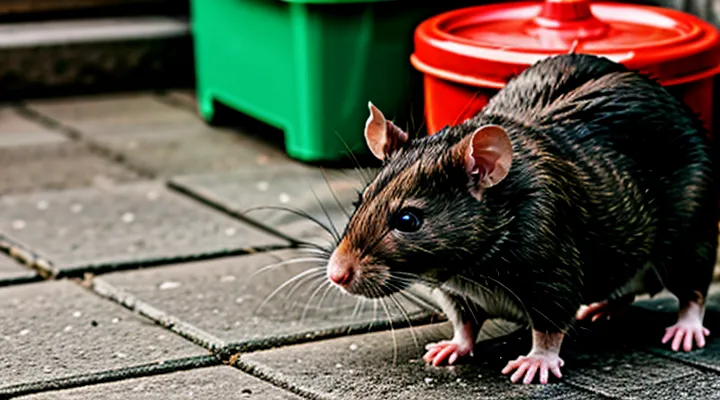
Understanding Rat Poisons
Types of Rodenticides
Anticoagulants
Anticoagulant rodenticides are the most widely used class of rat poisons because they disrupt blood clotting, leading to fatal internal bleeding. Their effectiveness depends on the active ingredient, formulation, and bait acceptance.
Typical anticoagulant ingredients include:
- Brodifacoum – second‑generation, high potency, single‑dose efficacy, long residual activity.
- Difenacoum – second‑generation, similar to brodifacoum but slightly lower toxicity, suitable for moderate infestations.
- Bromadiolone – second‑generation, rapid onset, good palatability, effective against resistant populations.
- Chlorophacinone – first‑generation, requires multiple exposures, lower risk of secondary poisoning.
- Warfarin – first‑generation, historical reference, limited use due to resistance development.
When selecting a product, consider:
- Target species and resistance level – second‑generation compounds address known anticoagulant‑resistant rats.
- Delivery format – block baits, pellets, or liquid gels affect placement flexibility and consumption rates.
- Regulatory compliance – ensure the formulation is approved for indoor or outdoor use in the jurisdiction.
- Safety measures – products with low secondary‑toxicity profiles reduce risk to non‑target wildlife and pets.
Effective purchase decisions balance potency with environmental responsibility. Choose a reputable brand that provides clear labeling of active ingredient concentration, dosage recommendations, and storage instructions. Verify that the product includes tamper‑resistant packaging to prevent accidental exposure.
Non-Anticoagulants
Non‑anticoagulant rodenticides provide an alternative to blood‑clotting agents for controlling rat populations. Their primary action disrupts cellular metabolism, leading to rapid mortality without the delayed effects associated with anticoagulants.
Key active ingredients include:
- Bromethalin – interferes with mitochondrial function, causing cerebral edema.
- Cholecalciferol – induces lethal hypercalcemia by overwhelming vitamin D pathways.
- Zinc phosphide – releases phosphine gas in the stomach, producing systemic toxicity.
- Sodium fluoroacetate – blocks the citric‑acid cycle, halting energy production.
Advantages of non‑anticoagulants:
- Faster onset of lethal effect, typically within 24–48 hours.
- Reduced risk of secondary poisoning, as the toxins are less likely to persist in carcasses.
- Effectiveness against rodent strains resistant to anticoagulant compounds.
Safety considerations demand strict adherence to label instructions. Use tamper‑resistant bait stations, keep products away from non‑target wildlife, and wear protective gloves during handling. Store in locked containers to prevent accidental exposure.
When selecting a product, evaluate the target environment, the presence of resistant rodent populations, and any regulatory restrictions on specific chemicals. Choosing a formulation that matches these criteria ensures efficient control while minimizing unintended hazards.
How Rat Poisons Work
First-Generation Anticoagulants
First‑generation anticoagulants are synthetic compounds that interrupt the vitamin‑K cycle, preventing blood clot formation and leading to fatal hemorrhage in rodents. Common agents include warfarin, chlorophacinone, diphacinone, and coumafuryl; they are typically supplied as 0.005 %–0.025 % concentrations in solid baits such as blocks or pellets.
These poisons act by inhibiting the enzyme vitamin‑K epoxide reductase, which halts the regeneration of active clotting factors. After ingestion, rodents experience delayed symptoms; internal bleeding usually becomes apparent 2–5 days later, providing a window for monitoring bait uptake.
Effectiveness depends on proper dosing and bait acceptance. Standard formulations deliver 0.025 % active ingredient, sufficient to kill adult rats after a single meal. Younger or wary individuals may require multiple exposures. In areas where resistance has emerged, switching to second‑generation agents or rotating active ingredients improves outcomes.
Safety considerations include reduced secondary‑poisoning risk compared with later‑generation products, provided that baits remain in secured stations. Label instructions demand placement out of reach of non‑target wildlife and children, and disposal of uneaten bait follows local hazardous‑waste regulations.
When selecting a product, evaluate the following criteria:
- Active ingredient (warfarin, chlorophacinone, diphacinone, coumafuryl)
- Concentration (0.005 %–0.025 %)
- Form factor (block, pellet, granule)
- Price per kilogram of active ingredient
- Manufacturer’s compliance with regional pesticide registration
Choosing a first‑generation anticoagulant that matches the infestation level, resistance history, and safety requirements yields an economical and reliable component of an overall rat‑control strategy.
Second-Generation Anticoagulants
Second‑generation anticoagulants are synthetic rodenticides that disrupt blood clotting by inhibiting vitamin K epoxide reductase. They possess higher toxicity per milligram than earlier products, allowing smaller bait quantities to achieve lethal effects.
Typical agents include:
- Brodifacoum
- Difenacoum
- Bromadiolone
- Difethialone
These compounds bind more tightly to the target enzyme, extending the period of anticoagulation. A single ingestion often suffices to cause fatal hemorrhage within 3–7 days, even in mature rats that have previously encountered first‑generation poisons.
Advantages over older formulations:
- Lower bait consumption reduces secondary exposure risk.
- Effective against populations with documented resistance to warfarin‑type chemicals.
- Longer residual activity in the environment, supporting control of hidden or reclusive individuals.
Resistance management remains critical. Repeated use of a single second‑generation agent can select for metabolic adaptations, diminishing efficacy. Rotating active ingredients or integrating non‑chemical measures mitigates this risk.
Regulatory frameworks in many jurisdictions classify these substances as restricted use products. Users must possess a license, maintain secure storage, and follow label‑specified disposal procedures to prevent accidental poisoning of non‑target wildlife and pets.
When selecting a product, consider:
- Presence of the target species’ documented resistance patterns.
- Availability of a licensed supplier.
- Compatibility of the bait matrix with local feeding habits.
- Compliance with regional legal requirements.
Choosing an appropriate second‑generation anticoagulant aligns potency with responsible stewardship, delivering reliable rodent control while adhering to safety standards.
Non-Anticoagulant Modes of Action
Non‑anticoagulant rodenticides provide alternatives to blood‑clotting agents by targeting distinct physiological systems. They are especially useful when resistance to anticoagulants has been documented or when rapid mortality is required.
Common mechanisms include:
- Neurotoxins – compounds such as bromethalin disrupt mitochondrial function in nerve cells, causing cerebral edema and fatal paralysis.
- Metabolic inhibitors – substances like phosphine interfere with cellular respiration, leading to systemic energy failure.
- Calcium channel blockers – agents such as flurochloridone impair calcium homeostasis, resulting in cardiac arrest.
- Gastrointestinal irritants – formulations containing zinc phosphide release phosphine gas when ingested, producing acute toxicity.
Selection criteria focus on toxicity profile, speed of action, resistance history, and safety for non‑target species. Products with documented efficacy against resistant populations and clear labeling of active ingredients meet the practical requirements for effective control.
Choosing the Right Rat Poison
Factors to Consider
Target Rodent Species
When selecting a rodent control product, identify the species you need to eliminate. Different rodents respond to specific active ingredients, bait formulations, and delivery methods.
Common target species include:
- Norwegian (brown) rat (Rattus norvegicus) – large, ground‑dwelling, prefers sewers, basements, and outdoor burrows. Requires bait with high anticoagulant potency and a protective matrix to withstand moisture.
- Black rat (Rattus rattus) – smaller, arboreal, inhabits attics, roof spaces, and stored‑product areas. Effective formulations feature quick‑acting anticoagulants or bromethalin to counter rapid metabolism.
- House mouse (Mus musculus) – diminutive, prolific, concentrates in interior walls, cabinets, and grain stores. Bait must be finely milled, palatable, and often combines anticoagulants with a secondary toxin for rapid mortality.
- Deer mouse (Peromyscus maniculatus) – found in rural structures and fields, capable of transmitting hantavirus. Requires bait formulations that are both attractive to omnivorous feeders and resistant to outdoor conditions.
- Roof rat (Rattus rattus) – overlapping with black rat but more prevalent in tropical climates; favors elevated nesting sites. Bait stations positioned at heights improve access and reduce non‑target exposure.
Understanding each species’ habitat, foraging behavior, and susceptibility to active ingredients guides the purchase of the most effective poison. Choose a product whose toxicity profile aligns with the dominant rodent, and match bait placement to the animal’s preferred pathways.
Level of Infestation
The intensity of a rat problem dictates the appropriate rodenticide strategy. Low infestation—fewer than five sightings per week, occasional droppings, isolated gnaw marks—can be managed with single‑dose, high‑potency bait placed in discreet locations. Moderate infestation—five to twenty sightings, frequent droppings, widespread gnawing—requires multiple bait stations containing medium‑strength poison, ensuring repeated exposure. High infestation—more than twenty sightings, extensive contamination, multiple active pathways—demands bulk distribution of low‑dose, fast‑acting bait in numerous stations to saturate the population quickly.
- Low level: one or two pre‑measured pellets, anticoagulant or bromethalin, placed near entry points.
- Moderate level: several stations with 0.5 g blocks, anticoagulant formulation, refreshed every 3–4 days.
- High level: dozens of stations with 0.2 g pellets, fast‑acting neurotoxin, monitored daily for consumption.
Select the product concentration, bait size, and deployment density that correspond to the observed infestation tier to achieve rapid, effective control while minimizing non‑target risks.
Environmental Impact
Effective rodent control agents can persist in ecosystems, affecting non‑target species through secondary poisoning. When a poison is ingested by a rat, predators or scavengers that consume the carcass may accumulate toxic residues, leading to reduced reproduction, neurological disorders, or mortality. Soil and water contamination also occur when bait is scattered outdoors or when poisoned rodents decompose in situ, allowing leached chemicals to infiltrate groundwater and surface runoff.
Key environmental considerations include:
- Bioaccumulation potential – compounds that remain stable in the food chain amplify toxicity across trophic levels.
- Persistence – substances that degrade slowly increase long‑term exposure for wildlife and microorganisms.
- Mobility – agents that dissolve readily can travel beyond the intended application zone, reaching aquatic habitats.
- Selectivity – formulations lacking species‑specific mechanisms raise the risk of harming birds, insects, and mammals that are not intended targets.
Regulatory frameworks often require labeling that specifies safe disposal methods, recommended application areas, and protective measures for domestic animals. Compliance with these guidelines minimizes inadvertent spread and reduces ecological harm.
Choosing a product with rapid degradation, low secondary toxicity, and restricted access for non‑target organisms aligns pest management goals with environmental stewardship. Proper placement, limited bait quantity, and monitoring of affected areas further mitigate adverse ecological effects.
Pet and Child Safety
When selecting rodent control products, the primary concern must be the protection of children and household animals. Choose formulations that are specifically labeled as low‑toxicity for non‑target species and that incorporate bittering agents to deter accidental ingestion.
Products meeting these criteria typically feature:
- Child‑resistant caps that require simultaneous pressure and twist actions.
- Tamper‑proof seals that break only with deliberate force.
- Clear, high‑contrast warning labels placed on all sides of the container.
- Active ingredients with short environmental persistence and minimal secondary poisoning risk.
Safe handling and storage practices include:
- Keep the bait in its original container until use is complete.
- Store the container in a locked cabinet or high shelf, out of reach of children and pets.
- Place bait stations in locations inaccessible to non‑target animals, such as behind appliances or within sealed traps.
- Record the purchase date and expiration on the label; discard any product past its shelf life.
If a child or pet contacts the poison, take the following steps immediately:
- Remove the individual from the exposure area.
- Rinse the skin or eyes with plenty of water for at least 15 minutes.
- Contact emergency medical services or a veterinary professional, providing the product name and active ingredient.
- Follow instructions from poison control centers regarding further decontamination or observation.
Adhering to these measures reduces the likelihood of accidental poisoning while maintaining effective rodent control.
Effective Bait Formulations
Baits Blocks
Bait blocks are compact, solid formulations designed to attract and eliminate rats by delivering a measured dose of anticoagulant or non‑anticoagulant poison. Their dense shape prevents spillage, allows placement in concealed locations, and limits exposure to non‑target animals.
Typical ingredients include a primary toxicant such as bromadiolone, difenacoum, or brodifacoum, blended with a palatable matrix of grains, cheese, or fish meal. The matrix ensures rapid consumption, while the active ingredient interferes with blood clotting, leading to death within 2–4 days after ingestion.
Effective deployment requires positioning blocks along established runways, near food sources, or inside burrow entrances. Secure each block to a fixed surface using a wire or clip to deter removal by rodents. Replace blocks every 2–3 weeks or when visible damage occurs.
Safety measures involve using gloves during handling, storing blocks in locked containers, and keeping them out of reach of children and pets. Choose products labeled for indoor or outdoor use according to the infestation environment.
When selecting bait blocks, consider:
- Active ingredient potency and regulatory approval
- Palatability rating based on field trials
- Block size compatible with target area dimensions
- Packaging that includes tamper‑resistant features
- Manufacturer reputation and availability of safety data sheets
Pellets and Grains
Pellets and grains constitute the most common delivery formats for rodent control products. Both are engineered to attract rats through scent and texture, then release anticoagulant or neurotoxic agents after ingestion.
Pellet formulations typically contain a dense, compact mass of active ingredient mixed with food‑based attractants. Their shape reduces spillage, facilitates precise placement in bait stations, and limits exposure to non‑target wildlife. Pellets are especially suitable for indoor or confined environments where control over bait location is essential.
Grain‑type baits resemble natural cereal seeds, offering a familiar food source for rats that forage outdoors. The loose structure allows rapid distribution across extensive areas such as warehouses, grain stores, or outdoor burrows. Grain baits are effective where rats scout for scattered food and where bait stations are impractical.
Key selection criteria:
- Active ingredient concentration – ensure the dose aligns with the target species and local regulations.
- Palatability – higher acceptance rates translate to faster population reduction.
- Environmental stability – resistance to moisture and temperature fluctuations extends bait life.
- Safety features – tamper‑resistant packaging and low secondary toxicity protect pets and humans.
Advantages of pellets:
- Controlled dosing per unit
- Minimal wind or rain displacement
- Easier cleanup after use
Advantages of grains:
- Mimic natural food, increasing uptake
- Simple spread over large surfaces
- Lower cost per kilogram in bulk applications
Potential drawbacks:
- Pellets may be rejected if scent is weak
- Grains can attract non‑target species if not secured
- Both formats require proper storage to maintain potency
When deploying either format, place baits near known runways, nesting sites, or feeding stations. Rotate locations periodically to prevent bait shyness. Record placement dates, quantities, and observed activity to assess efficacy and adjust strategy accordingly.
Liquid Baits
Liquid baits deliver rodenticide in a fluid medium that rats readily ingest. The formulation typically combines a potent anticoagulant or neurotoxin with a palatable attractant, ensuring rapid consumption and effective mortality. Because the poison is dissolved, it can be placed in hard‑to‑reach locations such as cracks, conduit openings, and behind appliances, where solid baits might be rejected.
When evaluating liquid baits, consider the following criteria:
- Active ingredient concentration – higher concentrations provide faster action but may increase risk to non‑target species.
- Attractant profile – formulations mimicking grain, fruit, or meat appeal to different rat populations.
- Delivery system – droppers, squeeze bottles, or pre‑filled sachets affect ease of application and precision.
- Safety features – tamper‑resistant caps, child‑proof packaging, and clear labeling reduce accidental exposure.
- Regulatory compliance – products registered with relevant pest‑control authorities meet established efficacy and safety standards.
Application guidelines emphasize targeted placement rather than widespread distribution. Apply a thin line of bait along known travel routes, near entry points, and in concealed niches. Replace bait regularly to maintain potency, especially in warm climates where evaporation accelerates degradation. Monitor activity for signs of decline; persisting infestations may indicate bait avoidance or resistance, prompting a switch to an alternative formulation.
Purchasing decisions should balance effectiveness, user safety, and cost per millilitre. Established brands often provide documented field performance, while bulk options reduce unit price but may lack specialized attractants. Verify expiration dates and store unopened containers in a cool, dry environment to preserve chemical stability.
Soft Baits
Soft baits represent a popular delivery system for rodent control products, combining palatable texture with potent anticoagulant or neurotoxic agents. When selecting a soft bait formulation, prioritize the following criteria.
- Active ingredient concentration: Effective doses range from 0.005 % to 0.025 % for anticoagulants such as bromadiolone or difenacoum; higher concentrations increase lethality but may raise non‑target risk.
- Palatability enhancers: Ingredients like fish oil, peanut butter, or cornmeal improve acceptance among wary rats, especially in environments with abundant alternative food sources.
- Moisture content: Products with 30‑45 % water retain softness for longer periods, preventing desiccation that could deter feeding.
- Packaging integrity: Airtight containers preserve bait freshness and limit exposure to children or pets.
Safety considerations remain essential. Choose formulations that incorporate tamper‑resistant seals and clear labeling of toxic components. Verify that the product complies with local regulatory standards, such as EPA registration in the United States or equivalent authority elsewhere.
Application guidelines recommend placing soft baits near known runways, concealment points, or feeding stations, using a minimum of 1 gram per station and limiting exposure to one or two stations per 100 square meters. Rotate bait locations periodically to prevent bait shyness.
Overall, soft baits offer rapid consumption, high efficacy, and flexibility for indoor or outdoor deployments, provided that concentration, attractants, and safety features align with the specific infestation scenario.
Safety and Application
Safe Handling Practices
Protective Gear
When handling rodent control products, appropriate protective equipment prevents skin contact, inhalation, and accidental ingestion of toxic substances. Direct exposure to anticoagulant or bromadiolone formulations can cause severe health effects; therefore, the user must isolate the body from the poison during preparation, application, and cleanup.
Recommended protective gear includes:
- Nitrile gloves rated for chemical resistance, worn throughout the entire process.
- Disposable coveralls or a chemical‑resistant jumpsuit to shield clothing and skin.
- Safety goggles or a full‑face shield to block splashes and airborne particles.
- Half‑mask respirator equipped with an organic vapor cartridge for inhalation protection.
- Footwear with impermeable uppers, such as rubber boots, to avoid contamination of shoes.
Selecting gear that meets relevant safety standards (e.g., ANSI/ISEA for gloves, NIOSH‑approved respirators) ensures reliable barrier performance. Replace disposable items after each use and decontaminate reusable equipment according to manufacturer instructions. Proper PPE use reduces the risk of accidental poisoning and supports safe, effective rodent control.
Storage and Disposal
Store rat poison in a sealed, child‑proof container made of metal or heavy‑wall plastic. Keep the container in a locked cabinet away from food, feed, and pet areas. Label the exterior with the product name, active ingredient, and hazard warnings; include the date of purchase for inventory tracking.
Maintain a stable environment: temperature between 10 °C and 30 °C, humidity below 70 %. Avoid direct sunlight, moisture, and extreme heat, which can degrade the toxicant and reduce efficacy. Periodically inspect the seal and container integrity; replace damaged packaging immediately.
When a product reaches its expiration date or is no longer needed, follow these disposal steps:
- Transfer remaining poison to a sealable, puncture‑resistant bag.
- Contact local hazardous‑waste authorities for approved drop‑off locations or collection events.
- If a municipal program is unavailable, mix the poison with an absorbent material (e.g., cat litter) in a sealed container, then place the sealed container in the regular trash, complying with local regulations.
- Document the disposal method, date, and the person responsible for record‑keeping.
Never pour rat poison down drains, toilets, or into the soil. Improper disposal can contaminate water supplies, harm non‑target wildlife, and create legal liability. Adhering to these storage and disposal protocols protects household members, pets, and the environment while maintaining the product’s effectiveness.
Strategic Placement
Identifying Rat Activity
Recognizing rat activity provides the data needed to select an appropriate rodent control product and to place it where it will be most effective.
- Fresh droppings, typically ½‑inch long, dark, and tapered at one end.
- Gnaw marks on wood, plastic, or wiring, especially at baseboards and pantry edges.
- Well‑defined runways: parallel paths 2‑3 inches wide, often along walls or under appliances.
- Burrows or holes in insulation, drywall, or stored‑food containers.
- Audible scratching or scurrying, most common at night.
- Urine stains that appear as yellowish rings on surfaces.
- Damage to food packaging, cables, or structural components.
Analyzing the location and concentration of these indicators isolates the infestation core, determines the time of day rats are most active, and reveals preferred travel routes.
These observations dictate bait choice: dense, moisture‑resistant pellets for concealed burrows; fast‑acting blocks for open runways; scented gels for tight crevices. Placement aligns with identified pathways, ensuring rodents encounter the poison before seeking alternative shelters.
Securing Bait Stations
When selecting rodent control products, the safety and effectiveness of bait stations depend on proper securing. Install stations at least two feet above ground to prevent accidental contact by non‑target animals. Position them along walls, behind appliances, or in concealed corners where rats travel, avoiding open areas that attract pets or children.
Use weather‑resistant containers made of UV‑stable plastic or metal. Seal lids with locking mechanisms that require a specific tool to open, reducing the risk of tampering. Verify that the closure engages fully; a loose fit allows exposure to moisture and degradation of the poison.
Maintain stations on a regular schedule. Check each unit weekly for signs of damage, moisture intrusion, or depleted bait. Replace compromised stations immediately and replenish bait with the same formulation to preserve consistent potency.
Key practices for secure bait stations:
- Mount on a fixed support (e.g., bracket, pipe) that cannot be easily knocked down.
- Employ tamper‑proof screws or bolts; avoid simple thumb‑screws.
- Label each station with a warning sign that meets local regulatory requirements.
- Record inspection dates and observations in a log for accountability.
By adhering to these measures, the chosen rodent poison remains protected, exposure to unintended species is minimized, and overall control outcomes improve.
Monitoring and Follow-Up
Signs of Efficacy
When evaluating a chosen rodenticide, observable indicators confirm its performance. Direct evidence appears within days of deployment and guides further action.
- Decrease in live sightings: fewer rats observed in previously active zones.
- Presence of carcasses: dead rodents found near bait stations suggests lethal ingestion.
- Reduction in droppings: lower quantity and frequency of fecal deposits indicate diminished activity.
- Diminished gnaw marks: fewer chew signs on wires, packaging, or structures reflect reduced foraging.
- Absence of nesting material: lack of shredded insulation or shredded paper points to fewer occupied burrows.
These signs should emerge within a typical latency period of 24–72 hours, depending on toxin formulation and rodent metabolism. Consistent monitoring over a week provides reliable confirmation. If indicators remain absent, reassess bait placement, dosage, or consider alternative formulations.
When to Reapply or Change Strategy
Determining the right moment to reapply rat bait or switch to a different control method prevents wasted product and ensures a rapid decline in infestation.
Signs that the current bait requires another application include:
- No new captures or sightings for several days.
- Visible bait depletion beyond 25 % of the original amount.
- Continued activity in multiple zones despite bait placement.
Conditions that demand a change in strategy:
- Persistent activity after two full bait cycles, indicating possible bait aversion.
- Evidence of secondary poisoning risk to pets or wildlife.
- Environmental factors such as heavy rain or extreme temperatures that degrade bait effectiveness.
- Legal restrictions that limit the use of certain anticoagulant formulations.
Recommended actions:
- Conduct daily inspections of bait stations and record activity levels.
- Replace depleted bait promptly; use a fresh batch of the same product only if activity resumes.
- After two unsuccessful cycles, rotate to a different active ingredient or integrate mechanical traps.
- Document all changes and outcomes to refine future decisions.
By adhering to these criteria, pest managers maintain control efficiency while minimizing unnecessary chemical exposure.
Alternative and Integrated Pest Management Approaches
Non-Toxic Methods
Trapping
When selecting a rodent control solution, incorporating mechanical trapping enhances overall effectiveness and reduces reliance on chemical agents. Traps provide immediate removal of individuals, limit bait consumption by non‑target species, and allow verification of infestation levels.
- Snap traps: spring‑loaded, single‑capture, ideal for indoor use where quick kill is required.
- Live‑catch traps: cage‑style, reusable, suitable for humane removal and release in approved locations.
- Electronic traps: deliver a high‑voltage shock, offer rapid kill and easy disposal of carcasses.
- Glue boards: adhesive surfaces, useful for monitoring activity but not recommended as primary control.
Choosing a trap depends on placement, target species, and safety considerations. Indoor environments favor snap or electronic models with tamper‑proof features; outdoor settings may benefit from larger live‑catch units protected from weather. Ensure traps are positioned along established runways, near walls, and close to food sources for maximum encounter rates.
Integrating traps with poison purchases involves the following steps:
- Assess infestation severity; use traps to confirm presence before committing to bait.
- Deploy a limited number of traps in high‑traffic zones, monitor daily, and record captures.
- Based on capture data, determine the quantity and type of rodenticide required, opting for formulations that complement mechanical removal (e.g., anticoagulant baits for residual populations).
- Maintain a strict schedule for trap inspection, disposal, and reset to prevent secondary poisoning of pets or wildlife.
Properly executed trapping reduces bait consumption, provides measurable results, and safeguards non‑target organisms while supporting the overall objective of effective rodent control.
Exclusion Techniques
Effective rodent control relies on preventing access before poison deployment. Identify all potential entry points, then apply permanent barriers that resist gnawing and weathering. Materials such as steel mesh, cement, and heavy-duty flashing close gaps larger than ¼ inch; smaller openings are sealed with expanding polyurethane foam reinforced with metal wool.
Key exclusion actions include:
- Inspecting foundation, walls, and roof for cracks; filling with cement or steel wool‑filled caulk.
- Installing door sweeps and weatherstripping on all exterior doors.
- Covering vents and utility openings with stainless‑steel screens.
- Replacing damaged gutter downspouts and ensuring proper drainage to deter burrowing.
- Removing debris piles, compost heaps, and stored feed that attract rodents.
When selecting a rodenticide, prioritize formulations compatible with the sealed environment. Anticoagulant baits work best in enclosed spaces where secondary exposure is limited, while non‑anticoagulant products suit areas with high turnover of food sources. Integrating robust exclusion measures with the appropriate poison type maximizes mortality while minimizing risk to non‑target species.
Sanitation
Sanitation determines the safety and efficacy of any rodent control product. Proper hygiene reduces accidental exposure, limits secondary poisoning, and ensures that bait remains attractive to target rodents.
- Keep the application area free of food residues, spills, and clutter.
- Remove standing water and excess moisture that can degrade bait potency.
- Use sealed containers for transport and storage to prevent contamination.
- Dispose of expired or unused poison in accordance with local hazardous‑waste regulations.
Store rat poison in a locked, temperature‑controlled cabinet away from food preparation zones. Label containers with hazard warnings and expiration dates. When applying bait, wear disposable gloves, place stations on non‑absorbent surfaces, and clean up any spillage immediately. Follow manufacturer instructions for disposal of dead rodents and used bait stations.
Adhering to these sanitation practices minimizes health risks, preserves bait effectiveness, and supports responsible pest‑management outcomes.
Integrated Pest Management (IPM)
Combining Control Methods
When selecting a rodenticide, integrate it with complementary tactics to increase efficacy and reduce resistance. Combine chemical bait with environmental and mechanical measures to target rats at multiple points in their life cycle.
- Secure food sources: store grains, pet food, and waste in sealed containers; eliminate spills that attract foraging.
- Reduce shelter: seal gaps larger than ½ inch, trim vegetation near foundations, and clear debris that provides nesting sites.
- Install snap or electronic traps in high‑traffic corridors; position traps perpendicular to walls where rats travel.
- Deploy bait stations with anticoagulant pellets; place them behind walls, under appliances, and in concealed pathways to ensure consistent exposure.
- Rotate active ingredients every 3–4 months; alternate first‑generation warfarin derivatives with second‑generation compounds to mitigate tolerance buildup.
Monitoring remains essential. Conduct weekly inspections of bait stations, count trap captures, and assess signs of activity such as droppings or gnaw marks. Adjust placement and dosage based on observed patterns. A coordinated approach that blends chemical, physical, and preventive actions delivers reliable population control while limiting the need for excessive poison use.
Professional Pest Control Services
Professional pest‑control operators assess infestation levels, identify rodent species, and determine the most suitable anticoagulant or non‑anticoagulant formulations. Their expertise eliminates guesswork about concentration, bait placement, and safety protocols, ensuring that the selected poison delivers rapid mortality while minimizing risk to non‑target animals and humans.
When evaluating service providers, consider the following factors:
- Certification or licensing from recognized pest‑management authorities.
- Documented experience with urban and rural rodent problems.
- Use of integrated pest‑management (IPM) practices that combine baiting with exclusion and sanitation measures.
- Transparent pricing that separates product costs from labor and follow‑up visits.
- Availability of post‑treatment monitoring reports and guarantees of result verification.
Engaging a qualified pest‑control firm streamlines procurement by sourcing regulated, high‑efficacy rodent poisons directly from approved distributors. The provider’s record‑keeping satisfies regulatory requirements and supports liability protection, while scheduled inspections adjust bait strategies as population dynamics change. This systematic approach reduces the total amount of poison needed, lowers exposure hazards, and accelerates the resolution of rat infestations.